Monthly Archives: December 2022

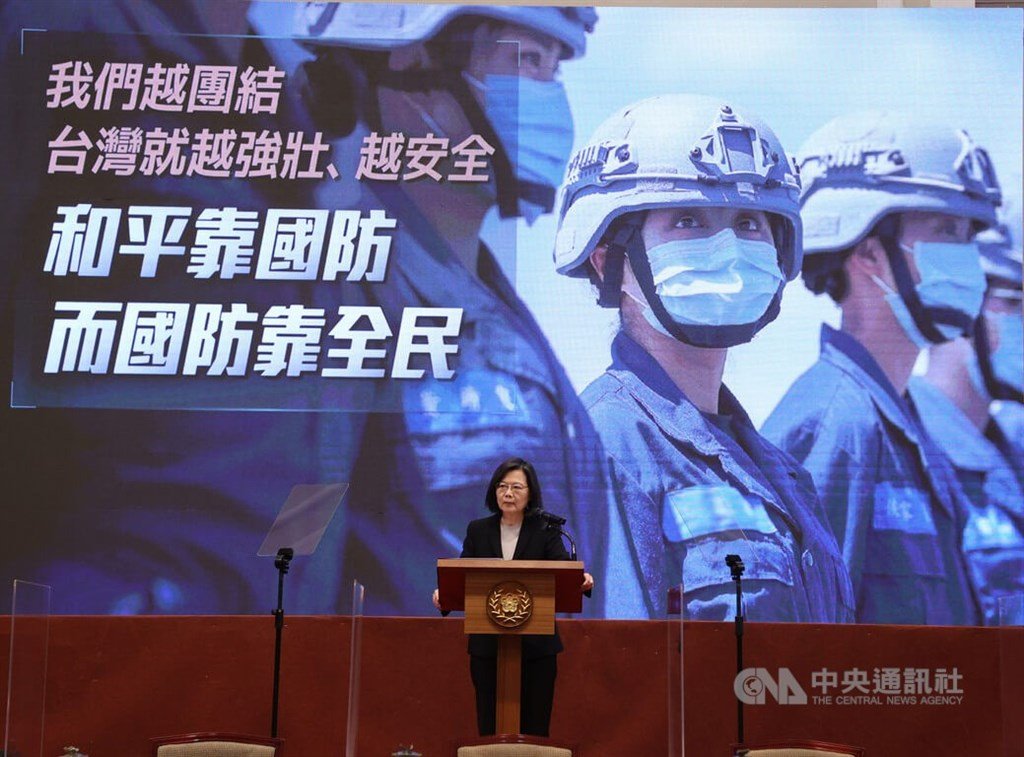
[President] Tsai reinstates one-year conscription [for Taiwan] – Taipei Times: Geostrategery, politics, and Taiwan Republic 台灣国 classrooms

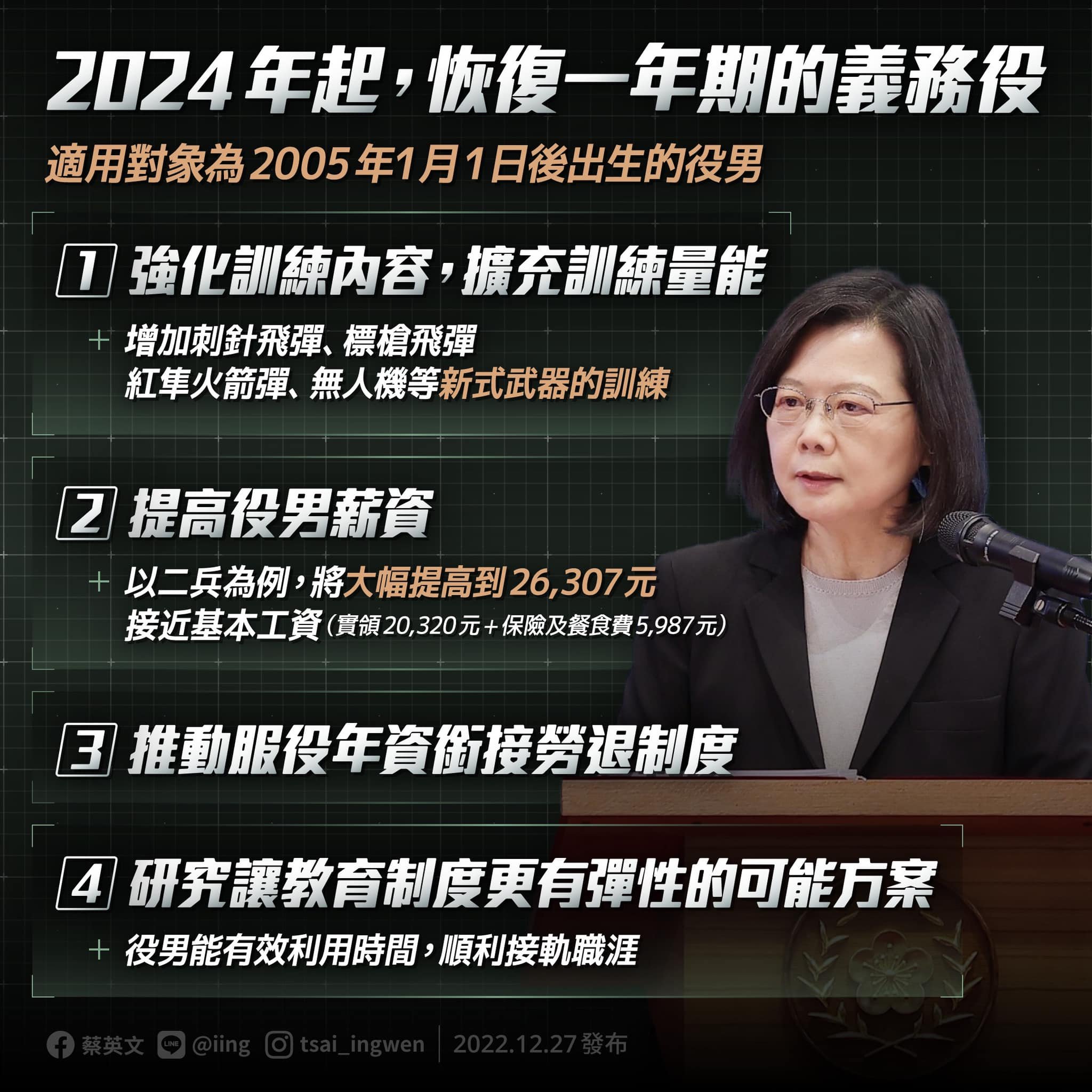
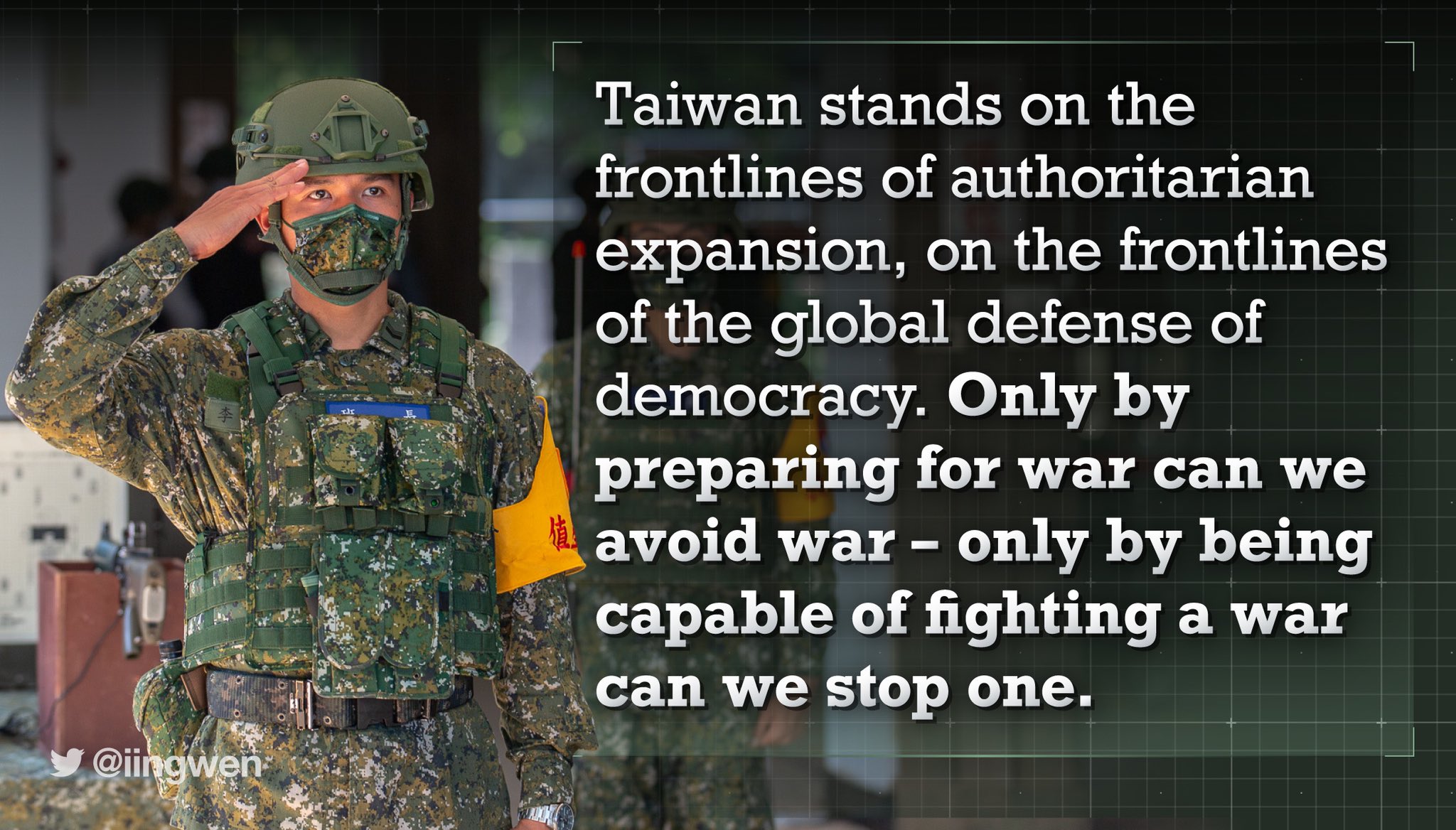
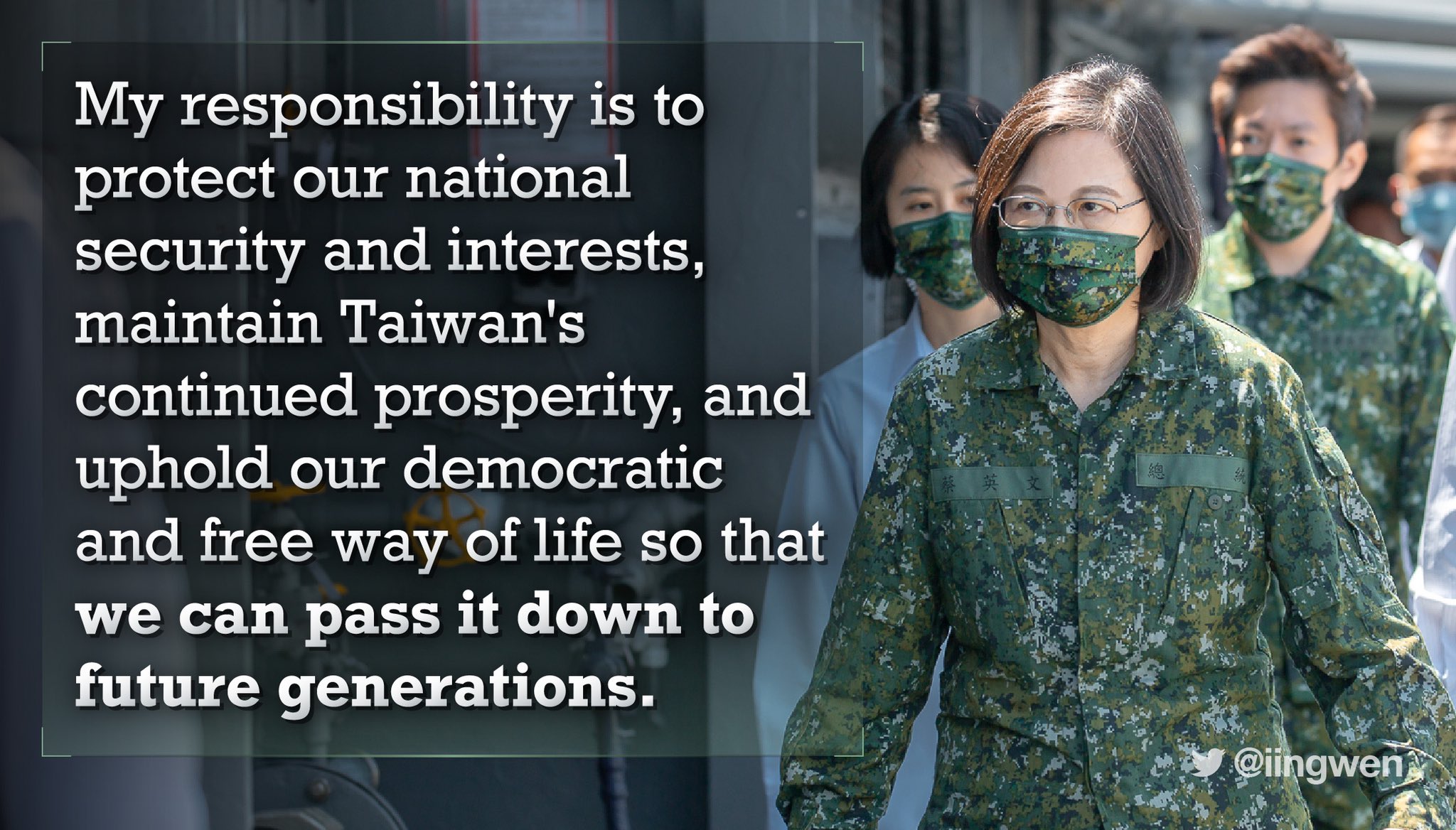
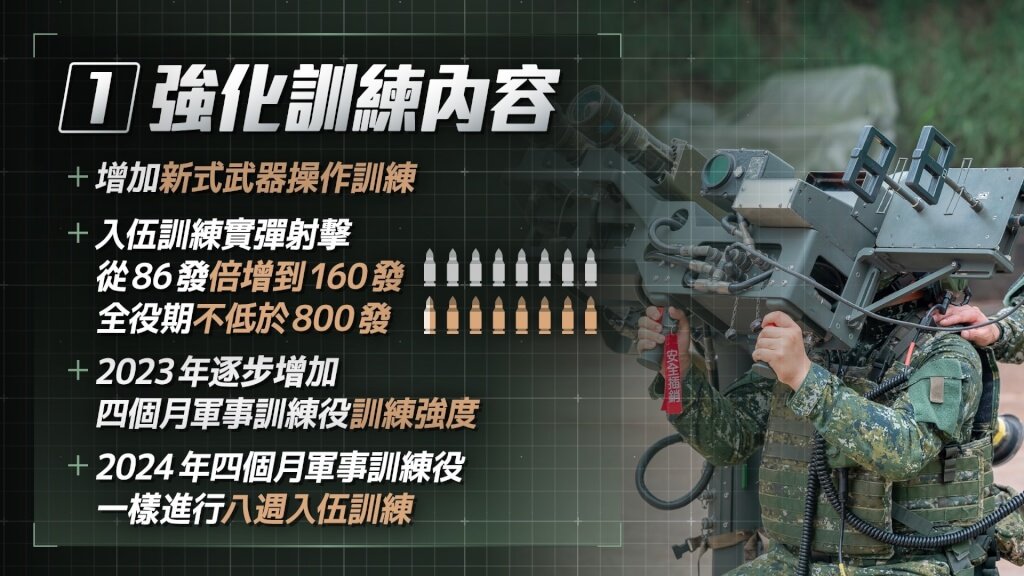
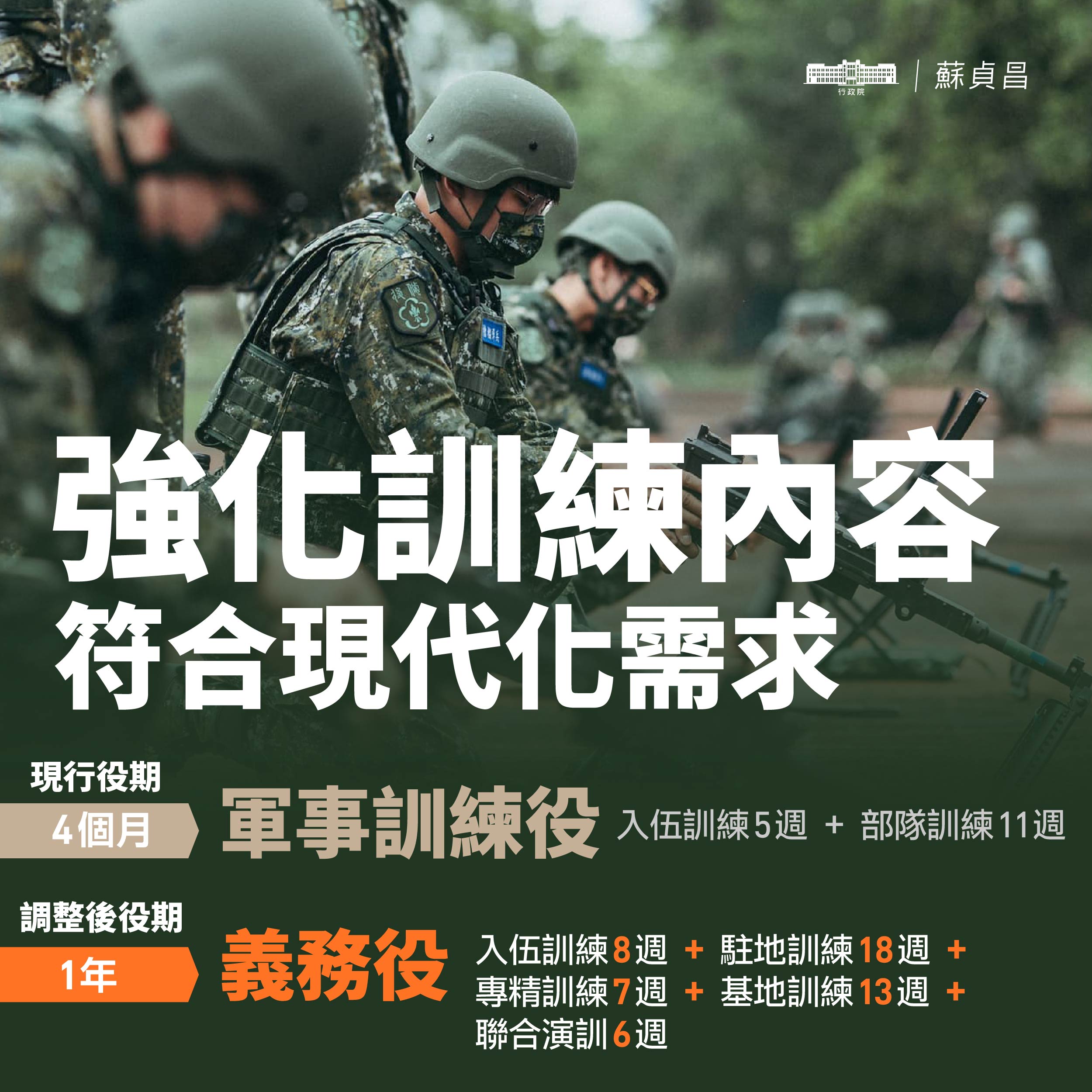
Many people have stereotypical views of mandatory service based on their own experience, but the training regimen has undergone drastic changes, Tsai added. To ensure conscripts undergo appropriate training and do not waste time during the longer service period, they would undergo more intense and longer boot camp training to boost their combat preparedness, the president said. Boot camp training is to be extended to eight weeks from five, and is to include physical fitness and exercise, as well as weapons and combat training. Standard courses would focus on discipline, equipment maintenance, basic training and stress training, while physical training would include basic fitness, grenade throwing and a 500m obstacle course. Physical training is to incorporate science-based learning for health management and muscle-building. The arms training section would increase the number of shots fired from 104 to 160 to ensure that recruits know the differences between weapons and how firing position affects accuracy. Combat training is to focus on combat techniques, field medicine and what to do in the event of a biological or nuclear disaster, while the training regimen for recruits is to include marches, camp setting and other skills. The Ministry of Education is in talks with local universities and colleges to develop ways to make the higher-education curriculum more flexible so that conscripts can complete their required one year of service while studying, Tsai said. That would allow them to avoid postponing plans to enter the job market due to the longer military service requirement, she said.

Depending on what ‘altitude’ you fly over news items, for most international news outlets Taiwan reinstating year-long conscription feeds into the “rising tensions-most dangerous place on earth” storyline. And for domestic Taiwan news, arguments about which party made this move necessary, whether American pressure is behind this change if this means the youth vote will shift for 2024, etc etc.

To me, this is classic President Tsai and why I am a supporter. Smart policymaking, aggravatingly careful and slow and boring, good for Taiwan’s democracy, not likely to win her praise or many votes. Kind of like her green energy policy. Legalizing gay marriage. Pension reforms. Pandemic abatement. The opposite of the kind of quick, easy-to-understand modern storytelling to rile up populist emotions.

I have no faith in the ability and resolve of the China KMT dictatorship-dominated Taiwan national security establishment, though I know if they are good at one thing, it is to use their bureaucratic skills to kill reform efforts pushed by civilian, democratically elected leaders. So we will see.

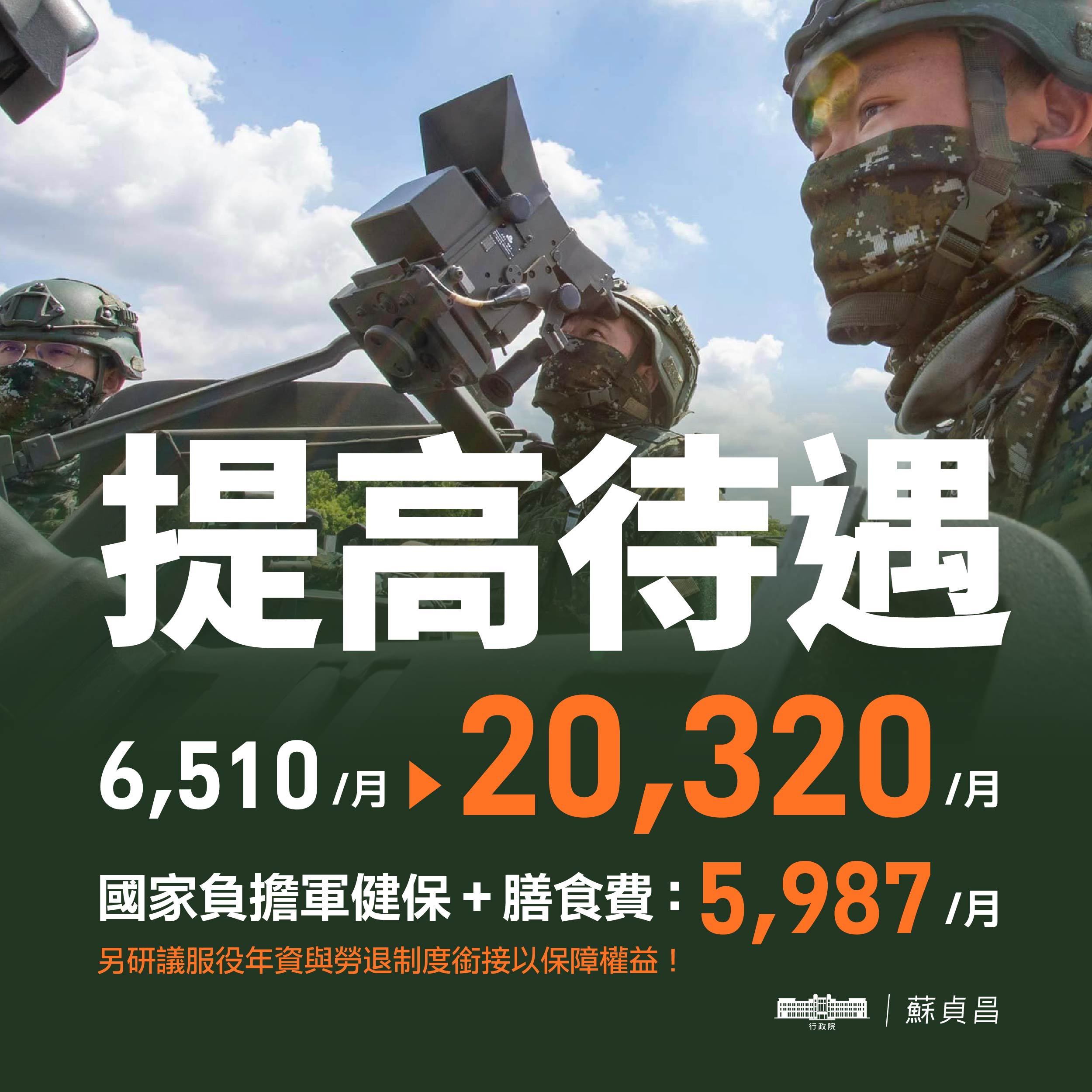
It is politically smart to give the mostly superficial domestic Taiwan press the massively raised salary of the conscripts as their headlines. Once you listen to the press conference and read the details the most encouraging facet of this new policy is the recognition that the Taiwan Ministry of National Defense requires revolutionary change and improvements – a breakthrough for the democratically elected president of Taiwan to acknowledge that former draftees felt their time and talent were not fully respected and utilized by the military, to be smart about using this year-long conscription wisely, to import training regimes (and important, doctrines and concepts) from the US and other leading democracies, to think about how the volunteer military and conscripts enhance one another. This is a difficult and important first step – future elections will determine whether the momentum to democratize and reform the Taiwan military will continue.

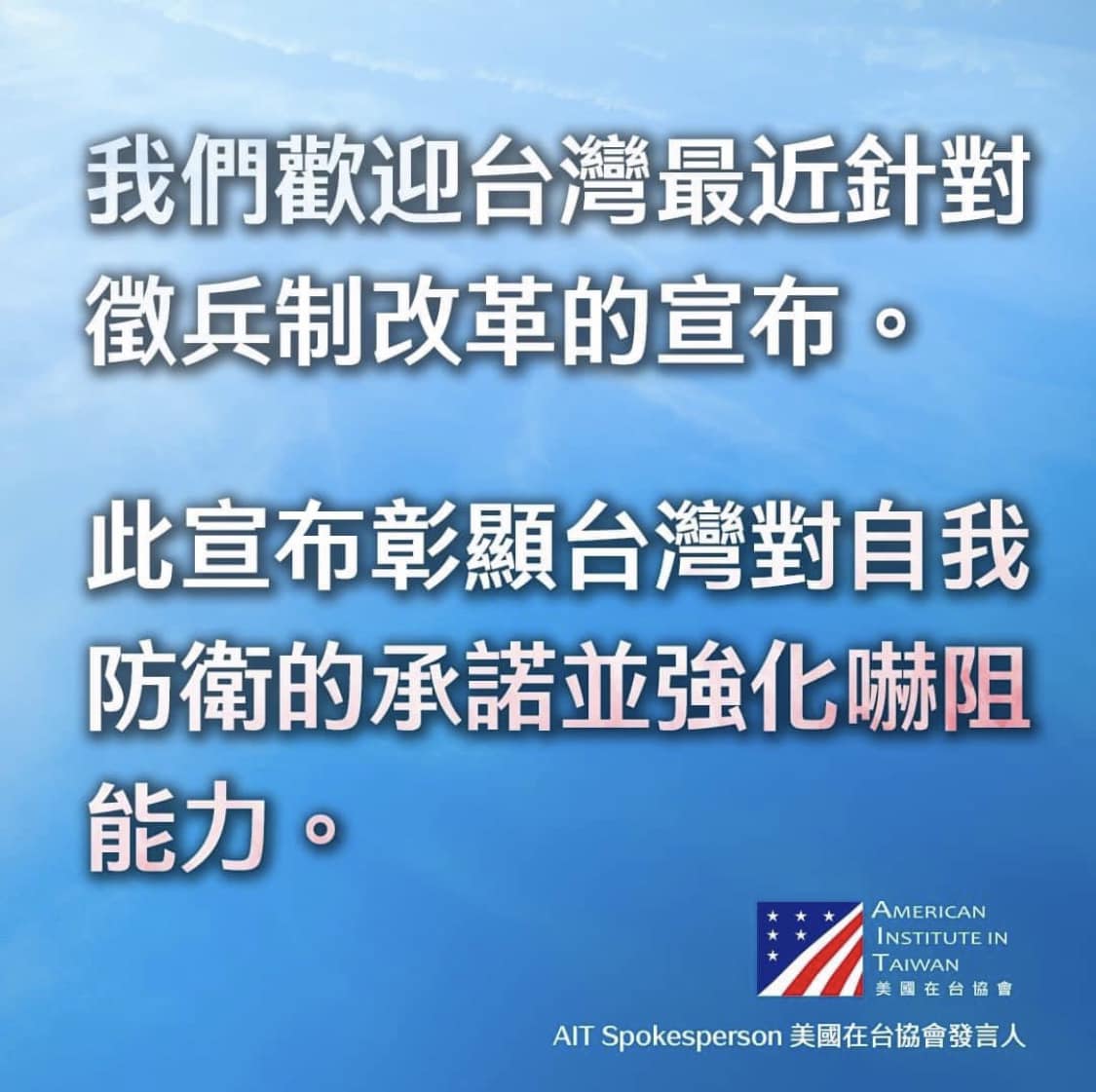
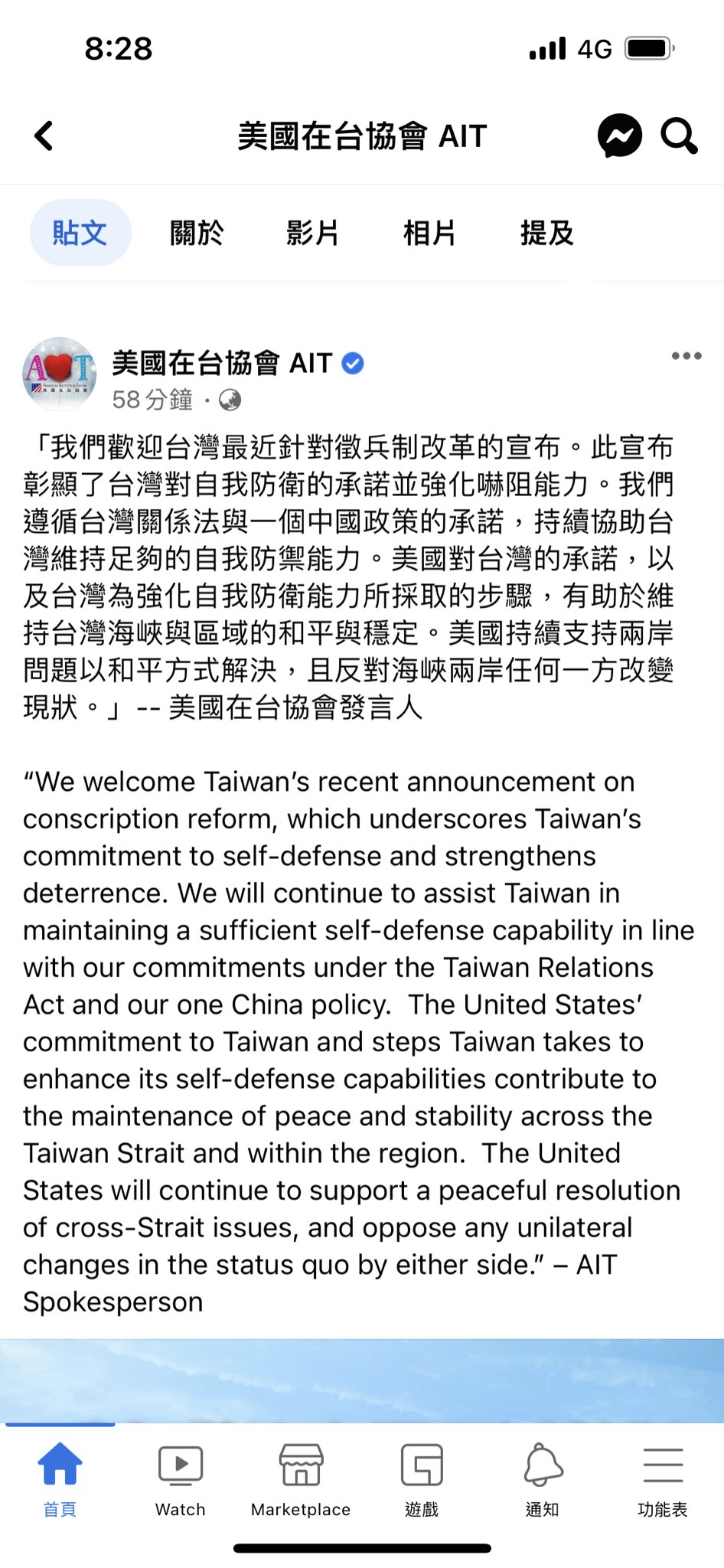
An additional breakthrough is in how rapidly and directly the praise came from the American embassy in Taipei – without regard for the thin skin-ness of the Chinese communists and their allies inside Taiwan and in the west. This gets me back to my earlier point that folks generally focus on the headline numbers of the NDAA and aid to Taiwan, I have been fascinated by the detailed plans on interoperability and the “software” of national security – personnel, advisors, new mentality. California and Florida National Guards heroically trained Ukrainian officers – Hawaii National Guard has been paired with the Taiwanese military, is this the model we will see with new, modern training for the conscripts and volunteers alike? And again, having seen too many bright-eyed Taiwanese patriots graduate from West Point, Annapolis, and US Air Force Academy only to file for early retirement due to a reactionary and hyper-bureaucratic Taiwan military leadership. We will see, and we hope for the best. No shortage of talent and vitality from the bottom up in a democracy such as Taiwan – the bottleneck is within Taiwan’s military leadership.

An additional thing to ponder is this paradox of Taiwan. A medium small-ish nation. An oceanic, island democracy with a history of heterodoxy and not following imperial rules. Taiwanese businesspeople are notoriously creative and flexible. Taiwanese cuisine and music and literature are hybrid and ever-changing. The parts of Taiwan dominated by the China KMT dictatorship are reactionary, uncreative, haughty, stuck in trench warfare mentality – hyper-bureaucratic, better to get fifteen stamps than five, hurry up and wait – these facets of Taiwan public life exist in a parallel universe with the vibrant, democratic, can-do democracy that grew up around this China KMT dictatorship.

So I have been wondering about creatively deconstructing how the Taiwan public health – less dominated by the China KMT dictatorship because during the martial law era this was a safe harbor for educated Taiwanese – could serve as a model for how a reformed Taiwanese military could democratize and harness the creativity and energy of this democratic nation. Taiwanese public health and healthcare were not flawless during this pandemic – yet compared to the Taiwan military, it has been far more flexible and responsive to criticism and suggestions from citizens, civilian authorities, and foreign experts. Pandemic management had features and characteristics that are warfare-like – the “enemy” was not just the virus, but foreign and domestic bad actors, fear, rumors, anxiety, and fake news. What is it about the Taiwanese public health leadership, bureaucracy and regulation, institutional culture, and how it relates to the rest of this democracy, that enabled it to successfully meet these challenges? And what lessons might the democratically elected civilian leaders of Taiwan seeking to democratize and reform the Taiwan national security establishment draw from this model? 28.12.2022

© Taiwan in World History 台灣與世界歷史. This site grants open access for educational and not-for-profit use. Maps and illustrations are borrowed under educational and not-for-profit fair use. If you are the rights holder and prefer not to have your work shared, please email TaiwanWorldHistory (at) Gmail (dot) com and the content will be removed.
Leave a comment

Filed under Taiwan Republic

台灣首艘原型自製潛艦 台船:明年9月下水 First Taiwanese ‘indigenous’ submarine to be launched by September 2023 – 自由時報 Liberty Times: Geostrategery and Taiwan Republic 台灣国 classrooms

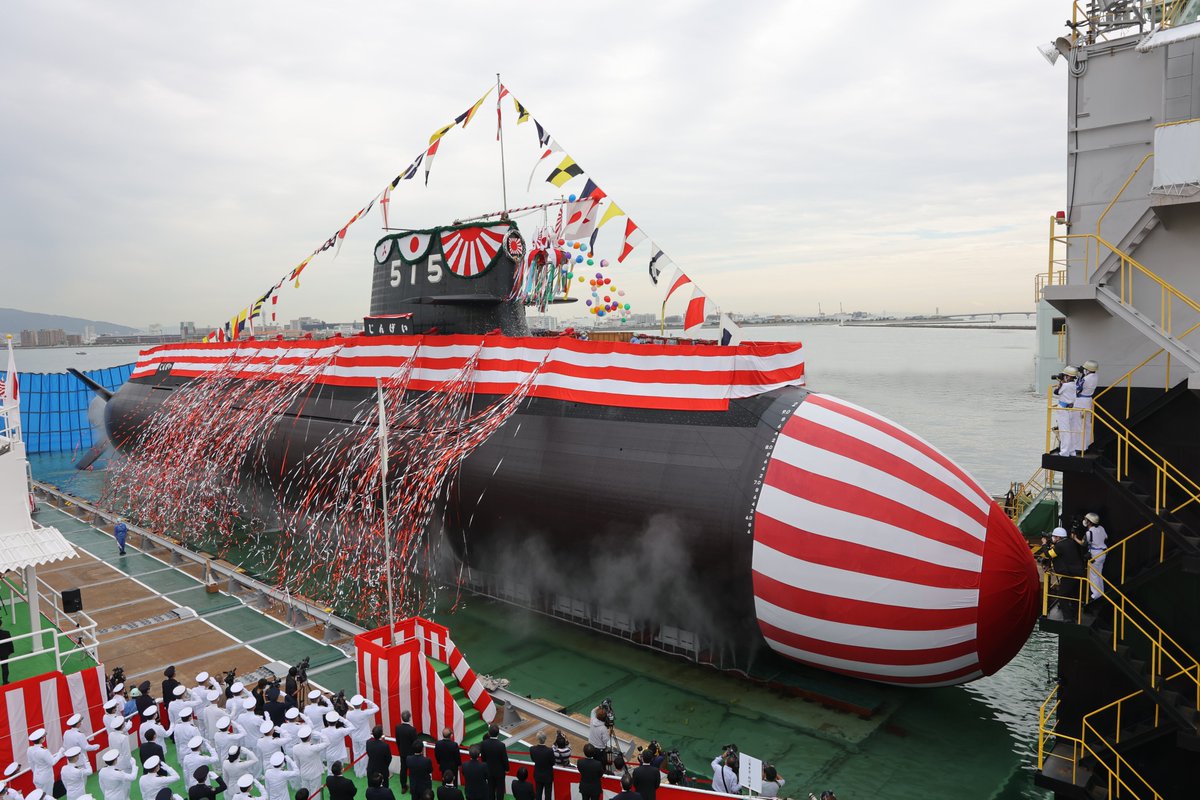
〔記者洪定宏/高雄報導〕台船公司今天發布新聞稿指出,總統蔡英文交付台船執行史無前例的「潛艦國造」任務,雖然過程中外界多所揣測、評價,無論正面肯定抑或是曲解錯誤認知,台船仍全力、全工時趕工,目標明(2023)年9月下水。據了解,國造潛艦原型艦的設計藍圖即有700多份,並採用雙殼、部分單殼的混合艦殼,以及X型尾舵的構型設計,總排水量2000餘噸,可搭載MK48 MOD6 AT重型魚雷及潛射魚叉反艦飛彈,有效反制中共水面艦艇。

Even though Taipei appears full of doom and gloom over President Tsai’s electoral defeats during the recent local elections, future historians will study this ‘indigenous’ Taiwanese submarine project as an example of her administration’s success.

If the project proves successful, President Tsai and her team would have overcome decades – since the 1960s – of American, Chinese communist, China KMT interference and sabotage against a Taiwanese submarine fleet. No doubt rapidly shifting geopolitical realities enabled the change in American policy. This shift then brought along critical technology from other democratic allies, the UK, maybe South Korea, maybe Japan, and others. I remain fascinated and a bit confused at the relatively muted reactions from the Chinese communists and their allies inside Taiwan – is this because they have other problems and crises to deal with, or do they have other angles?

What remains true is this, if we compare the three democratically elected Taiwanese presidents, Lee, Chen, and Tsai – a bureaucracy of Taiwan’s central government, particularly the national security establishment, ensconced in decades of China KMT party-state external authoritarian occupation, a similar project under Presidents Lee and Chen that did not leak like a sieve would have been unimaginable. The relative success of the Tsai administration in preventing the vestiges of the authoritarian bureaucracy from sabotaging this project has been a noticeable success in Taiwan’s democratic consolidation.

As to whether or not these ‘indigenous’ (even a global empire like the US can no longer manufacture high-end weapons without global supply chains and know-how, much less Taiwan ….) submarines will deter and defeat a Chinese invasion – are eight enough? Should they be paired with unmanned underwater vehicles? Should they be armed with defensive and offensive ordinances? Are they linked with other Taiwanese military units as well as US and Japanese units? Maybe the first step in a genuine democratization of the Taiwanese military is to have an open national debate on why the Taiwanese Navy has been circling in step since the 1990s – unable to match the surface nor subsurface fleets of the region? In this, I suspect advice and know-how from American and Japanese officers will play a critical role in ensuring the money invested in hardware such as submarines will be properly deployed during a future war to defend Taiwanese sovereignty and democracy – a kind of AUKUS+ regional submarine chain – Australian and Japanese long-range submarines plus smaller Taiwanese and others to contain the China threat. This is also where the significance of the US NDAA is never about money or hardware/weapons per se, but the infusion of American expertise into the stagnate and reactionary Taiwan national security establishment. 27.12.2022

© Taiwan in World History 台灣與世界歷史. This site grants open access for educational and not-for-profit use. Maps and illustrations are borrowed under educational and not-for-profit fair use. If you are the rights holder and prefer not to have your work shared, please email TaiwanWorldHistory (at) Gmail (dot) com and the content will be removed.
Leave a comment

Filed under Taiwan Republic

Bibliography: US defense bill authorizes fellowships [of American officials to Taiwan] – Taipei Times: Geostrategery and Taiwan Republic 台灣国 classrooms 

MILITARY GRANTS ADDED: Ten US officials per year are to study Mandarin and local issues, and return to Washington to bolster understanding of Taiwan’s needs. The US Senate on Thursday passed the 2023 National Defense Authorization Act (NDAA), which is to set up a fellowship for US federal employees to work in Taiwanese government agencies, in addition to greenlighting US$2 billion in annual military grants to Taiwan. The first year is to be spent studying Mandarin and related topics, followed by a year working in a government agency, legislative office or approved organization related to their field of expertise, the Taiwan Fellowship Act says. At least 10 fellows from the three branches of the US government — executive, legislative and judicial — are to be selected annually. In the first two years of the program, no fewer than five fellows are to be selected, the bill says. Returnees would be required to continue serving in the US government for at least four years after completing the program, with the goal of enhancing understanding of Taiwan’s central government and regional issues, it says. The American Institute in Taiwan would be required to begin negotiations with Taiwanese agencies within 30 days of the bill’s enactment. The legislation is modeled after the Mansfield Fellowship Program between the US and Japan. Under that program, established in 1994, US government employees are provided more than one year of Japanese-language education and placed in a Japanese agency, where they work full-time for 10 months alongside Japanese colleagues.

While the headlines and focus will be about the amount of US military aid to Taiwan Republic, and the weapon systems transferred, to me this is the most significant breakthrough in this year’s NDAA. Ten American officials per year to Taiwan is not significant – the mental-psychological breakthrough on the part of DC – the real pivot to the Indo-Pacific, understanding the China threat, and realizing the nature of the Chinese threats against democratic Taiwan – those are decades in the making. And one suspects once the breakthrough occurs, more will (and should) follow.

Even just the simple yet monumental step of normalizing the interactions between these two democratically elected national governments of America and Taiwan – official to official, bureaucracy to bureaucracy.

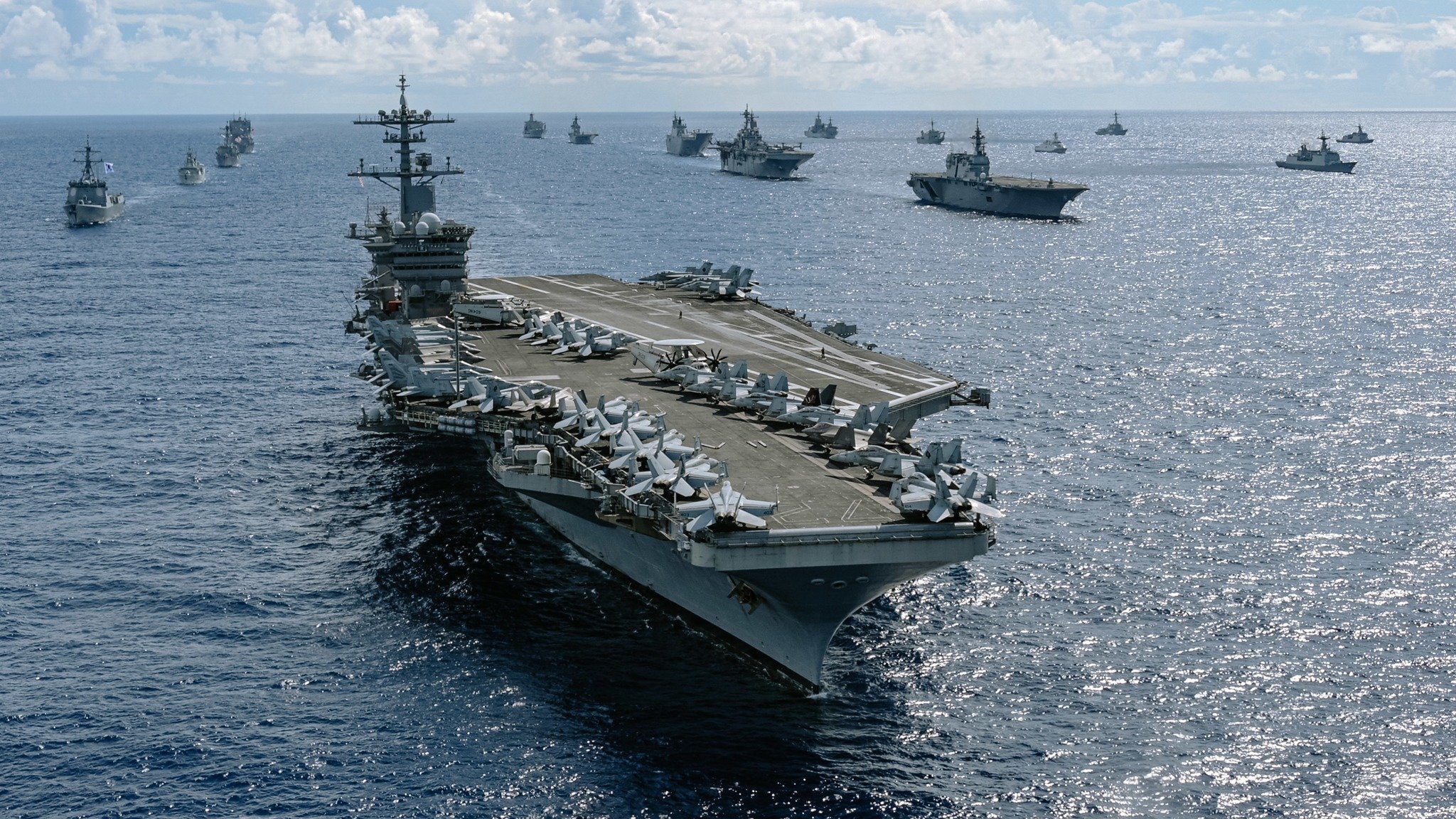
If the billions in direct military aid authorized by the NDAA are funded, and if the Biden administration does not waste more time fighting Congress, then I would expect more American advisors and officials to follow that money. I cannot find a previous case where Congress authorized large military foreign aid without request from the foreign party – nor was such an amount being transferred without direct US involvement (advisors, etc.) Because humans always refer to the most recent historical experience as a template, I have read many articles referring back to the US-RoC Mutual Defense Treaty/US Advisor era. Times change, the nature of the governments are different, and characteristics of modern warfare shift – the era of large contingents of US and Japanese troops stationed in Taiwan makes little sense. Rapidly rotating in units for realistic training and coordination – advisors in key units, teams from the US and Japan to help locate and fix weakest links in Taiwanese strategic and tactical planning, intelligence and counterintelligence, logistics, civil defense, sabotage, and infiltration, etc., in 2023 these will make more difference to the security of the Indo-Pacific and countering the China threat than anything else.

Five Notable Items for Asia Watchers in the National Defense Authorization Act

美參院83:11壓倒性通過// 挺台國防授權法案 送拜登簽署

美參院通過國防授權法案 提供台灣百億美元軍援

U.S. Senate passes annual defense bill with Taiwan provisions

US bill features up to US$10bn for Taiwan security

© Taiwan in World History 台灣與世界歷史. This site grants open access for educational and not-for-profit use. Maps and illustrations are borrowed under educational and not-for-profit fair use. If you are the rights holder and prefer not to have your work shared, please email TaiwanWorldHistory (at) Gmail (dot) com and the content will be removed.
Leave a comment

Filed under Taiwan Republic

US House passes US$12bn aid for Taiwan military, Taipei Times: Geostrategery and Taiwan Republic 台灣国 classrooms

The US House of Representatives on Thursday passed the 2023 National Defense Authorization Act (NDAA), which authorizes up to US$12 billion in grants and loans to Taiwan to buy US weapons over the next five years. The bill passed the Democratic Party-controlled House on a 350 to 80 vote. It is expected to clear the Senate next week before being sent to the White House for US President Joe Biden to sign into law. The act would authorize up to US$2 billion in annual grants from next year to 2027, and an additional US$2 billion in loans for Taiwan to use to bolster its military capabilities with weapons from the US. It also authorizes a regional contingency stockpile for Taiwan that consists of munitions and other appropriate defense articles costing up to US$100 million a year for use in the event of a conflict.

Have we ever had a case in American history where a designated aid nation did not request aid, and US Congress generously, voluntarily provide such a massive amount? And instead of debating whether this is good policy, perhaps the first prudent thing to do is to ponder what is going on in this moment of world history that such an unusual move has been taken.

Novices and bad actors will focus on the dollar amount, while experts and those with a sincere desire to protect democracy in the Indo-pacific will notice that the direct military aid is only the tip of a very large spear against the China threat — technology, education, trade, democracy, law enforcement, intelligence, and counterintelligence, etc. are other realms where this global struggle are occurring.

The most important part of the NDAA is Congress forcing a lumbering executive branch to pivot to face the China threat for real — i.e., increasing production of critical munitions, money for base protection, a stockpile of critical munitions in the region, etc. Novices and bad actors will focus on allegedly “provoking” the Chinese communists and rising tensions even though the communists are experts at self-provocation — they will fuss about budget and deficit, and they will spread lies that the Taiwanese prefer to surrender. Experts from this point on will avoid focusing on weapons sold and transferred, and see if Congress is able to force the executive branch and the Pentagon to do real interoperability — i.e., to abandon the idiocy of Jimmy Carter and invite the Taiwanese military to participate in US-Japan-Australian-NATO exercises. I wonder, and this is speculation on my part – would the US government voluntarily grant this massive amount of foreign military aid without sending American military advisors? Taiwan’s archaic and dated military leaders require a push and a nudge re: modern warfare – rapid pace, technology-centered, intelligence-counterintelligence, modern logistics, and creativity. What the Taiwan military leadership requires most, and perhaps this is where American, Japanese, and European advisors can best provide, is the lesson of Ukraine – a national military divorced from the democracy of its nation cannot and will not fight. Taiwan’s national security establishment requires democratization so that it can absorb and adhere to the strengths of the democracy it is suppose to protect.

I am against large US military presence in Taiwan, having nothing to do with the easily hurt feelings of the Chinese in China and the Chinese in Taiwan — but that it makes little tactical and strategery sense. Quick and thoughtful public and routinized rotations of American and Japanese units in and out of Taiwan to work on interoperability and training, with a small officer-advisor corp in Taiwan as advisors to the Ministry of National Defense and Taiwan’s democratically elected civilian leaders, and massive munitions and platforms depot in the area ready for the fight immediately are hopefully enough to deter the communists.

Now that the American aid is here, Taiwan must increase its annual war budget by the same amount — we have to increase our war budget so that our American congressional allies will have cover from domestic bad actors, united front fellow travelers. All multinational policies regarding the China threat is to prevent Beijing from even considering starting a war of annexation against Taiwan.

© Taiwan in World History 台灣與世界歷史. This site grants open access for educational and not-for-profit use. Maps and illustrations are borrowed under educational and not-for-profit fair use. If you are the rights holder and prefer not to have your work shared, please email TaiwanWorldHistory (at) Gmail (dot) com and the content will be removed.

Leave a comment

Filed under Taiwan Republic

Taiwanese Navy’s first ‘indigenous’ submarine scheduled for 2024 潛艦國造路迢迢 原型艦2024年下水 Liberty Times: Geostrategery and Taiwan Republic 台灣国 classrooms

由於我國國際處境艱難,除了籌獲機敏裝備時,可能遭中共施壓而告吹,也難以採購國際市場現貨,加上與我國主要軍備供售國的美國,已無傳統動力潛艦,因此我國「潛艦國造」案經歷許多關卡,才逐漸獲得成果。知情人士透露,首艘國造潛艦的壓力殼船段已打造完成,並將裝入各項系統,依照既定節點成軍。根據軍方規畫,首艘國造潛艦將於2024年5月下水,但傳台船有意提前至2023年第3季下水,至於潛艦確切「下水」方式,則尚不得而知。後續艦採購部分,雖一度傳出政府將編列特別預算,支應約8艘後續艦的造艦採購案,但海軍參謀長蔣正國上月於立法院表示,目前尚未定案。

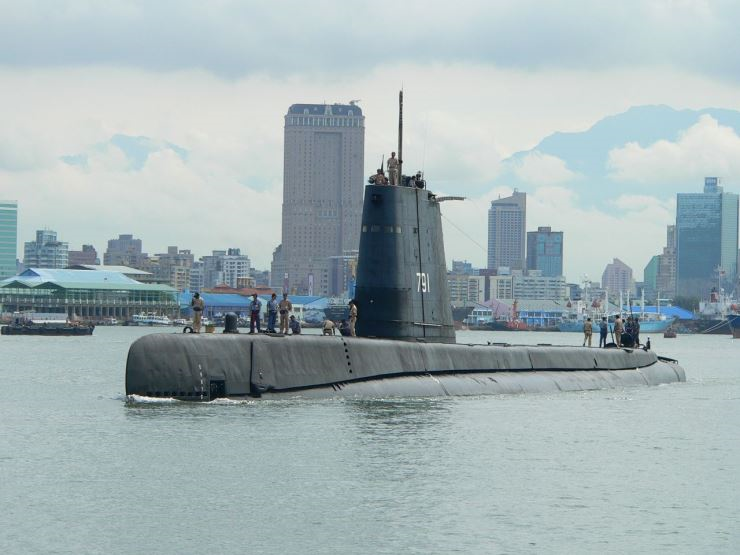
A history of why the Taiwanese Navy, in 2022, is still using two World War Two era GUPPY II conventional submarines would be a fascinating book – covering dictator Chiang Kai-shek’s delusional dreams of recovering his fictional China, to US Cold War policies, to misguided US policies on offensive versus defensive weapons, to the complications of Taiwanese domestic politics during the democracy era, that one of the two major political parties – the China KMT – has a national identity crisis (and hence, blocked the conventional submarine project for a decade.)

For a leaky Taiwanese national security scene, I have been impressed with how tightly the Tsai administration has held information on this ‘domestic’ submarine project. The fewer leaks the better, not just for the submarines project, but a sign that systemic problems in the national security apparatus are being fixed. While there were rumors of South Korean, or maybe Japanese involvement, recent reports indicate that the US and UK are the primary actors – with the recent British parliamentarians visiting Taipei indicating that discussions were held re: the submarines most interesting. A kind of soft AUKUS+ emerging – nuclear submarines for Australia and maybe Japan, conventional submarines for Taiwan.

What remains missing, I think, is a discussion-debate inside Taiwan, and then between Taiwan and its democratic allies, on an overall strategy to deter and defeat the China threat. Are eight submarines enough? Should they have offensive cruise missile capabilities? Are the submarines designed to operate with CSIST’s mini/unmanned underwater vehicles? Are they designed with interoperability with the Japanese and American Navy?

© Taiwan in World History 台灣與世界歷史. This site grants open access for educational and not-for-profit use. Maps and illustrations are borrowed under educational and not-for-profit fair use. If you are the rights holder and prefer not to have your work shared, please email TaiwanWorldHistory (at) Gmail (dot) com and the content will be removed.
Leave a comment

Filed under Taiwan Republic