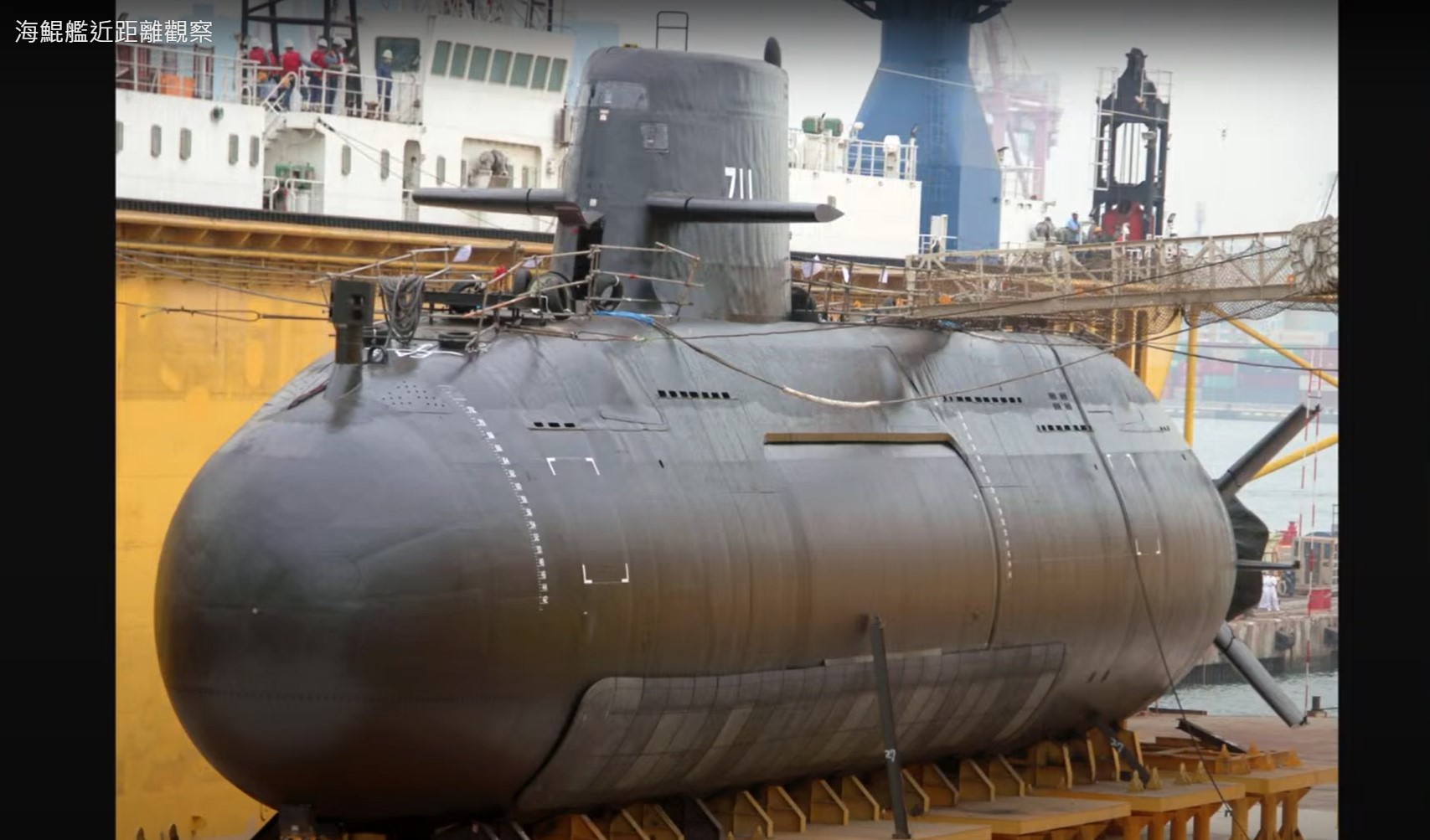
Has Taiwan Republic ended Martial Law? “海鯤艦近距離觀察,” Tommy Chi 諸葛風雲的異想世界。 Decolonization and military classrooms. The brutal China KMT martial law/military colonization of Taiwan formally ended 37 years ago. However, because Taiwanese citizens have yet to purge the impact of decades of China KMT dictatorship/Chinese Taipei colonialism-cultural imperialism, it is difficult to find globally and historically contextualized discussion of Taiwanese politics, history, and national security in its mass media. Although there are hopeful signs that Taiwanese citizens, despite the self-censorship imposed by anti-democracy and anti-Taiwan China KMT adjacent forces among corporate media, are making progress. This YouTube channel’s analysis of the Taiwan submarine program is a good example.
Historians obsess over periodizations. It’s an occupational hazard. When I was a graduate student, my committee member and Soviet Russia specialist (for me to study the two major Leninist authoritarian political parties of modern Chinese history, I had to understand Soviet-Russian history ….) spent a semester teaching me how to write scholarly book reviews. One of the Soviet historians I read noted something that changed how I thought about history – she chronicled how much time it took for Tsarist institutions, bureaucracies, and procedures to last deep into the Soviet period – long after The Revolution had occurred. Her point is that histories are written as stories – with a beginning, middle, and end, with different distinct and separate chapters. Human affairs, on the other hand, are complicated. We layer and mix things through time. Because humans are not machines, we cannot “delete our hard drives,” purge our memories, or turn the switches to “off.” And yet when we narrate and explain human affairs, that’s precisely how we speak of changes – this is particularly so during the age of revolution, when there are ideological and emotional imperatives to pretend there are clean breaks.
Maybe even asking if the China KMT martial law has really “ended” is indicative of this fallacy. China KMT’s colonization of Taiwan and its brutal dictatorship, from 1945 to 1996, did not end cleanly with the formal end of martial law or the first democratic presidential election. This is because the China KMT colonizers-dictators had five decades to change the language, alter the scholarly ecosystem, and monopolize the media. The China KMT dictatorship had decades to infiltrate itself into every corner of Taiwan – business, agriculture, labor unions, civic groups, neighborhood associations. The most difficult-to-study part of colonization is cultural imperialism – erasing the diverse cultural-national histories that existed in Taiwan before the China KMT invaded – while replacing them with a two-dimensional, fictional, blood and soil Chinese nationalism formulated in the service of justifying the right of the China KMT to colonize Taiwan as a one-party dictatorship (legitimate heir of thousands of years of authentic Chinese culture and polity, etc.) Nearly four decades after the China KMT martial law and dictatorship formally ended, the democratization and de-colonization of the Taiwanese consciousness have yet to begin in earnest. It is an interesting process to observe – a citizenry traumatized and changed by the China KMT colonization, attempting to discuss public policies, while still trapped in many instances by the ideological-cosmological constructs imposed by the Chinese colonizers.
The Taiwan submarine program is an example of the progress made in four decades by Taiwan’s democratization – the existence of lively and insightful discussions of Taiwan’s national security, such as this YouTube channel would not have been possible in the 1980s. The extent to which Taiwan’s democracy has much left to be done in terms of decolonization and modernization can also be found in how Taiwan has been limited in how it debates national security issues, such as with this submarine program.
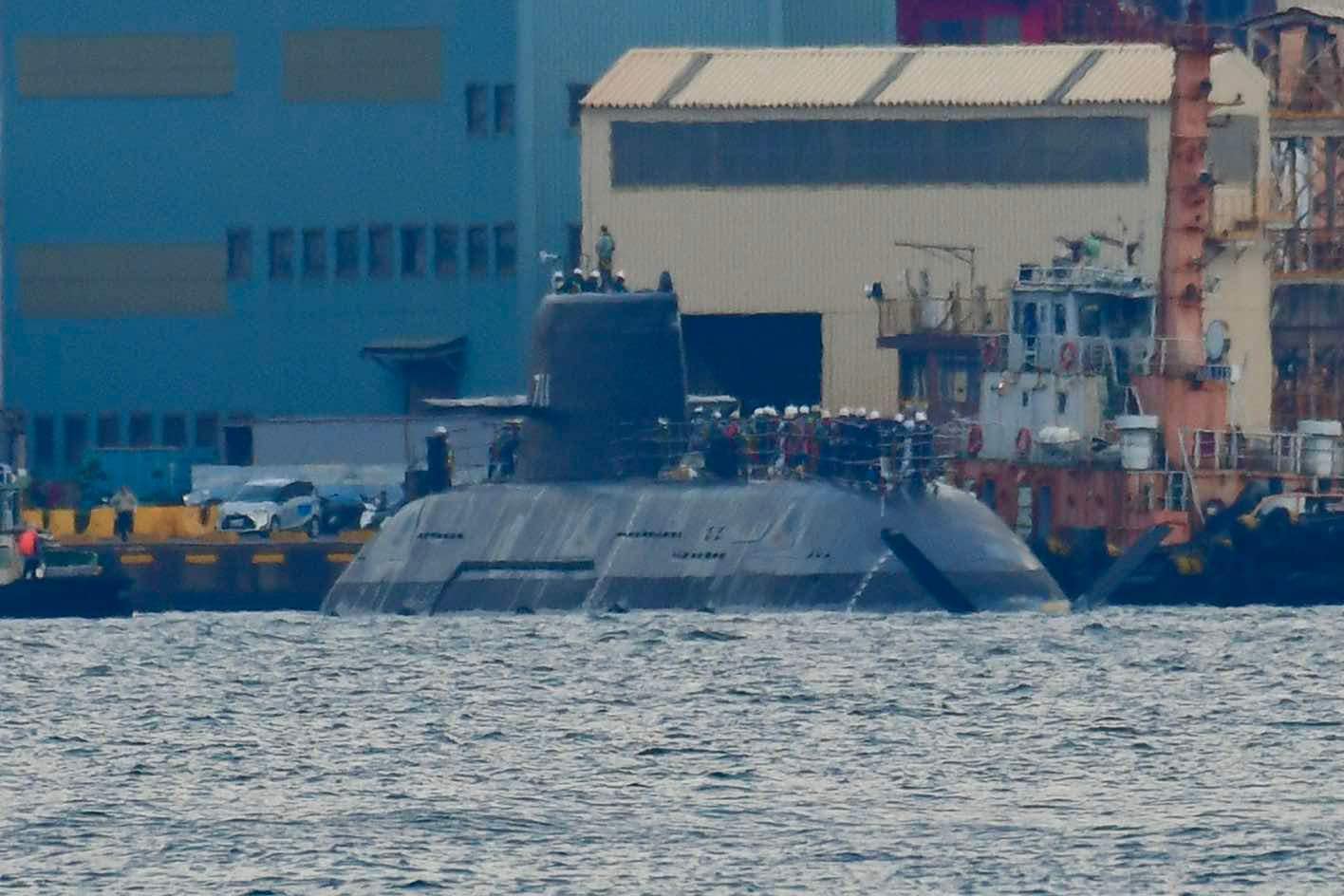
The near-miraculous existence of this Taiwan-assembled submarine — Taiwan is incapable of independently manufacturing its own automobiles, maybe not even motorcycles (although I am not certain of this) — it is certainly not capable of independently manufacturing its own frigates or destroyers. A submarine is closer to a spacecraft in terms of difficulty. Another way to think about it is this Taiwan submarine gives us a good way to gauge how much behind-the-scenes aid came from Taiwan Republic’s Free World allies. This is also the first major Taiwanese arms program in my memory where for eight years no major news leak occurred — a great credit to President Tsai and the people she put in charge of this project. President Tsai is the first democratically elected president of Taiwan to have had any meaningful control over the China KMT-dominated national security bureaucracy. The Taiwan submarine is in harbor trial and will be in sea trial for the rest of this year. To understand the AUKUS+ Free World nature of this project, see the foreign ambassadors who attended the submarine’s unveiling – the US, Korea, Japan, and the UK. To understand how lethal a fleet of Taiwanese conventional submarines is against Chinese imperialism and militarism, study the attacks against the submarines coming from the Chinese communists and its allies inside Taiwan. 16.7.2024
© Taiwan in World History 台灣與世界歷史. This site grants open access for educational and not-for-profit use. Maps and illustrations are borrowed under educational and not-for-profit fair use. If you are the rights holder and prefer not to have your work shared, please email TaiwanWorldHistory (at) Gmail (dot) com and the content will be removed.
 Taiwan in World History (台灣與世界歷史)