Category Archives: Taiwan Republic

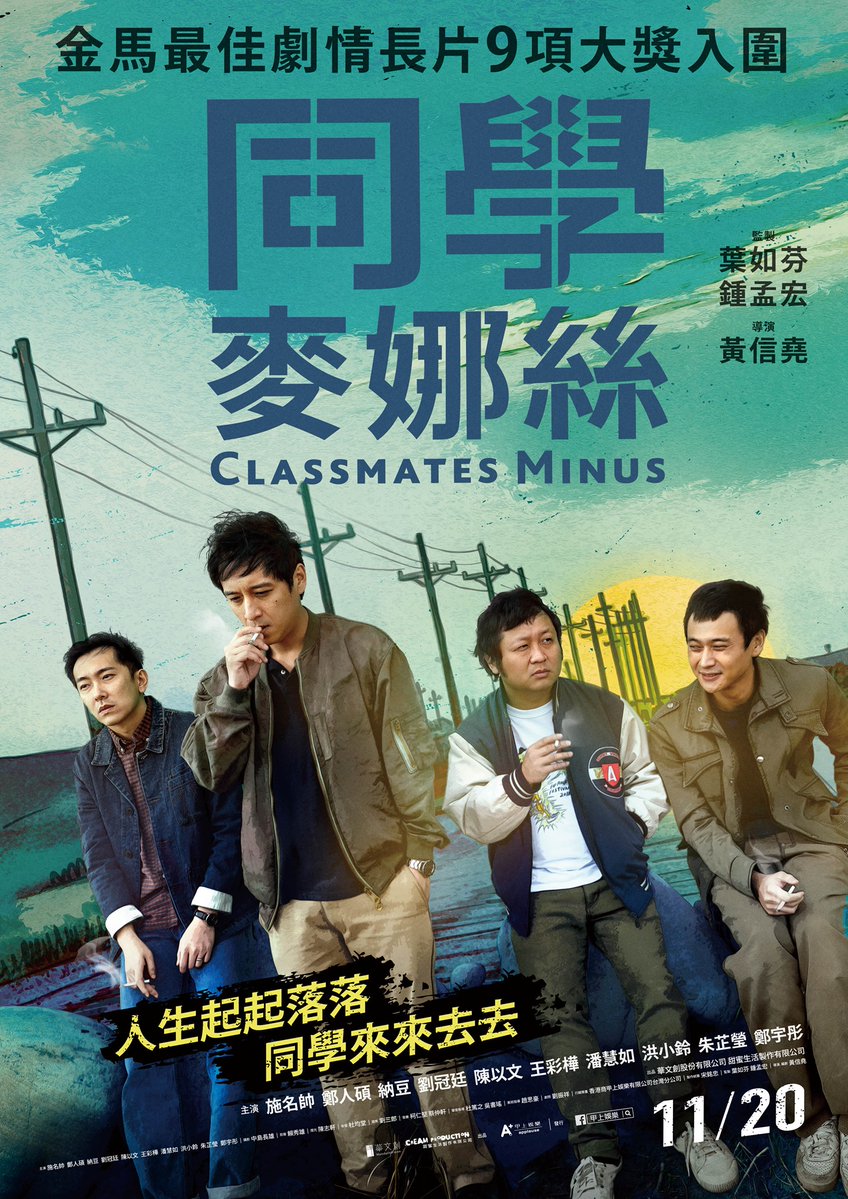
Reviews: Classmates Minus (同學麥娜絲). National identity and popular culture classrooms

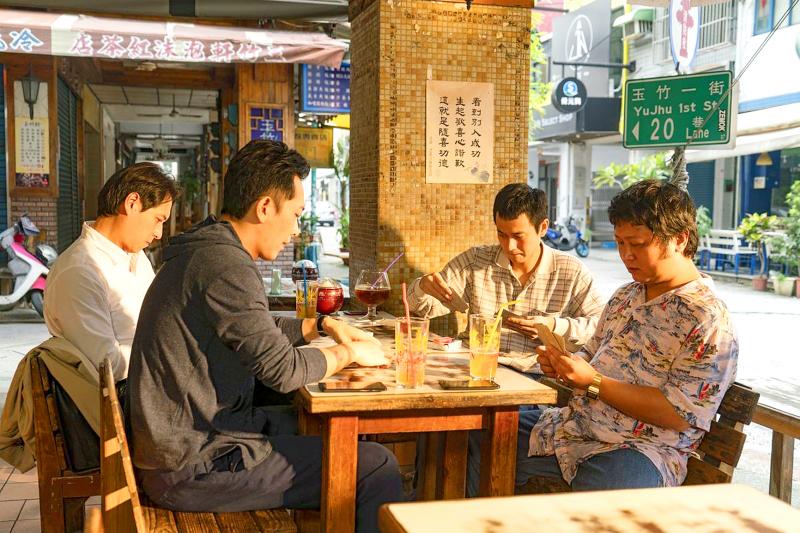
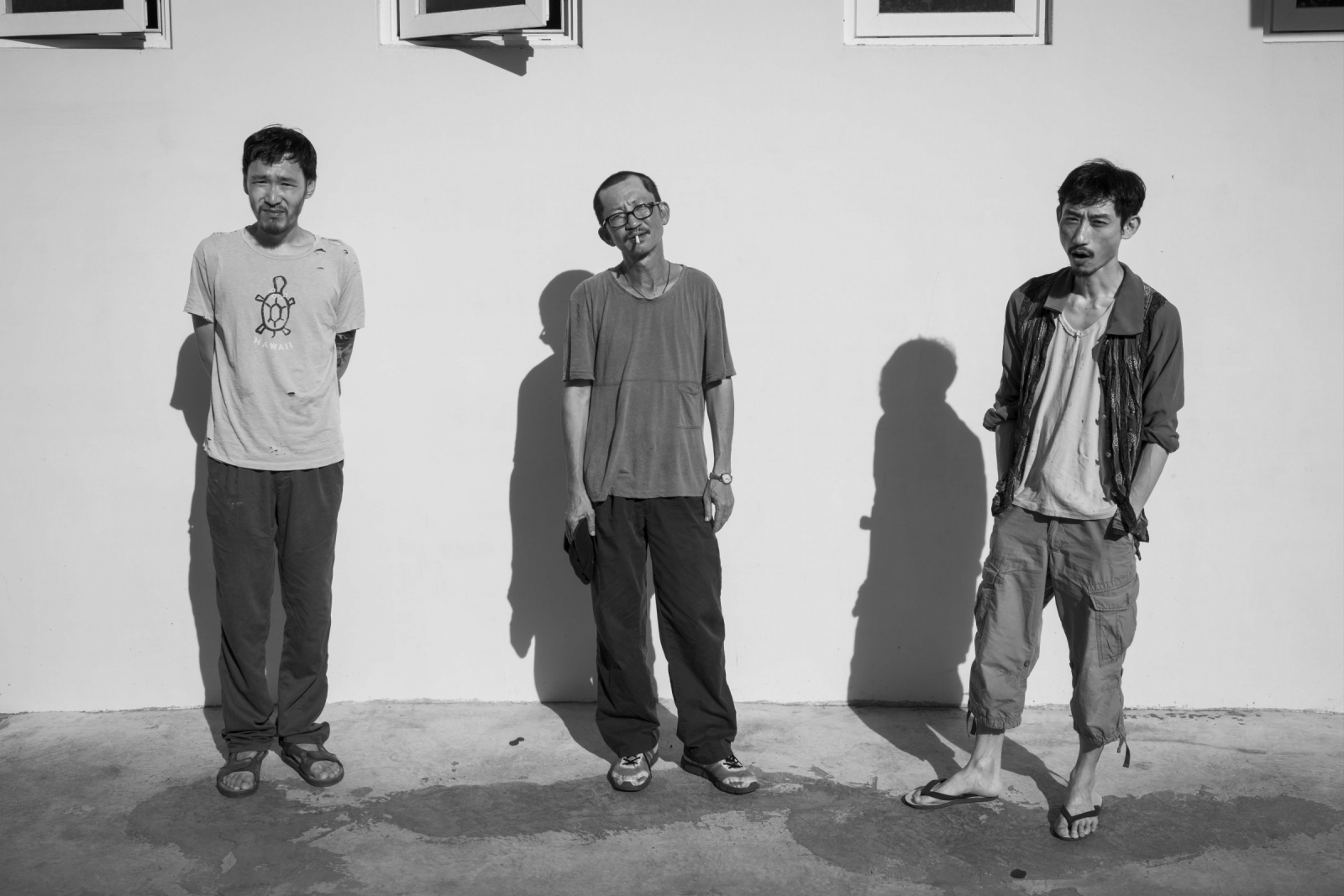
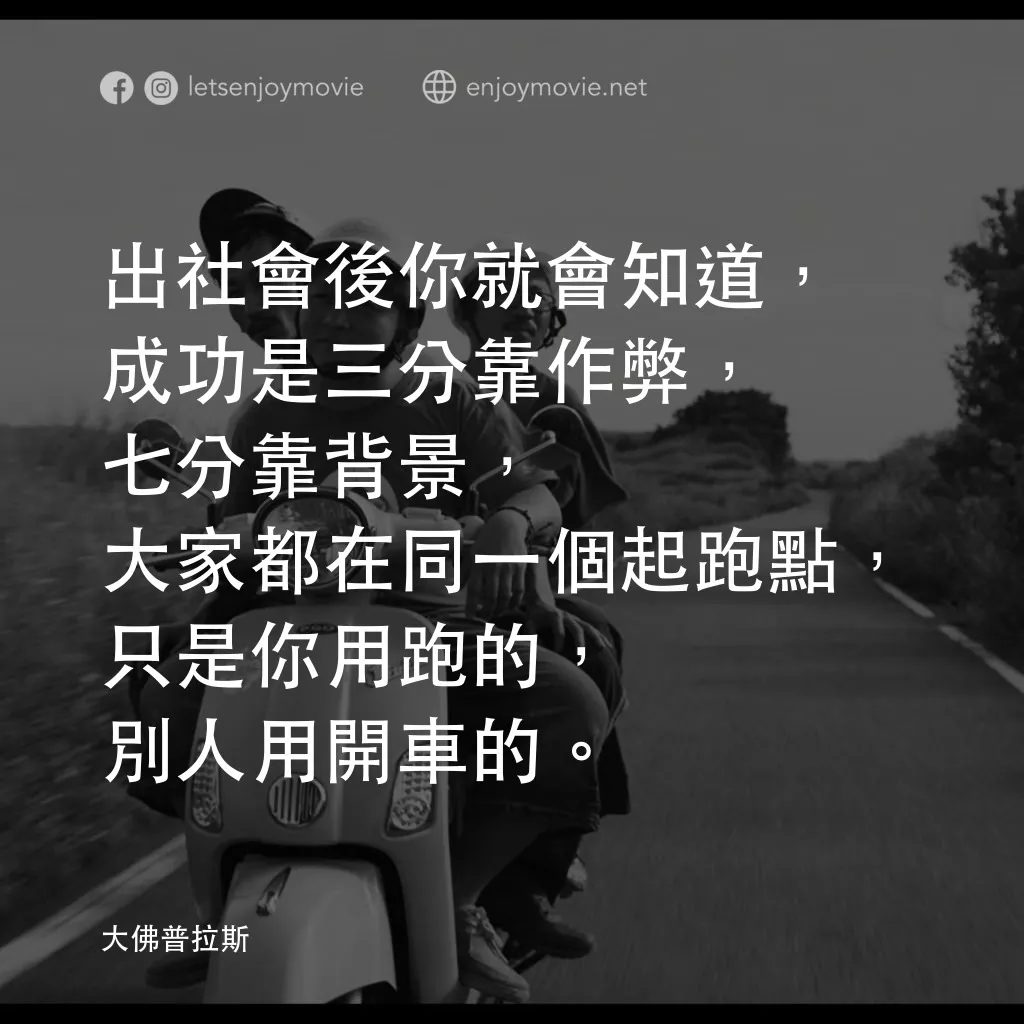
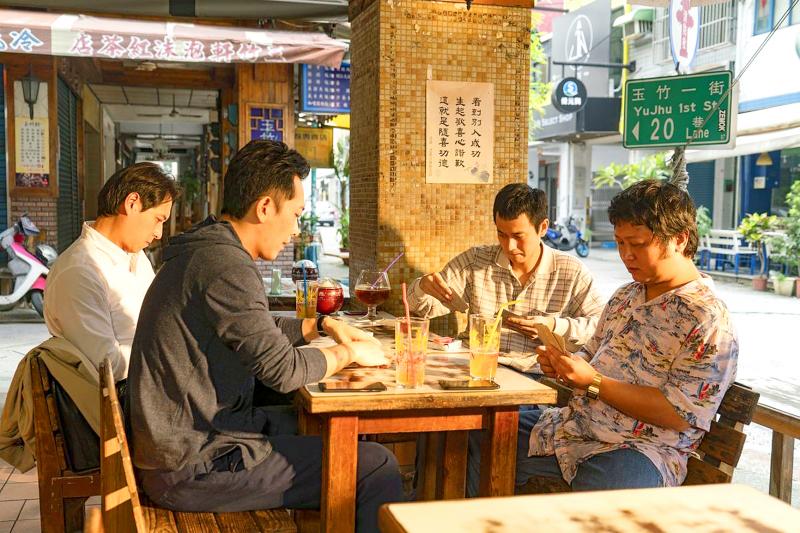
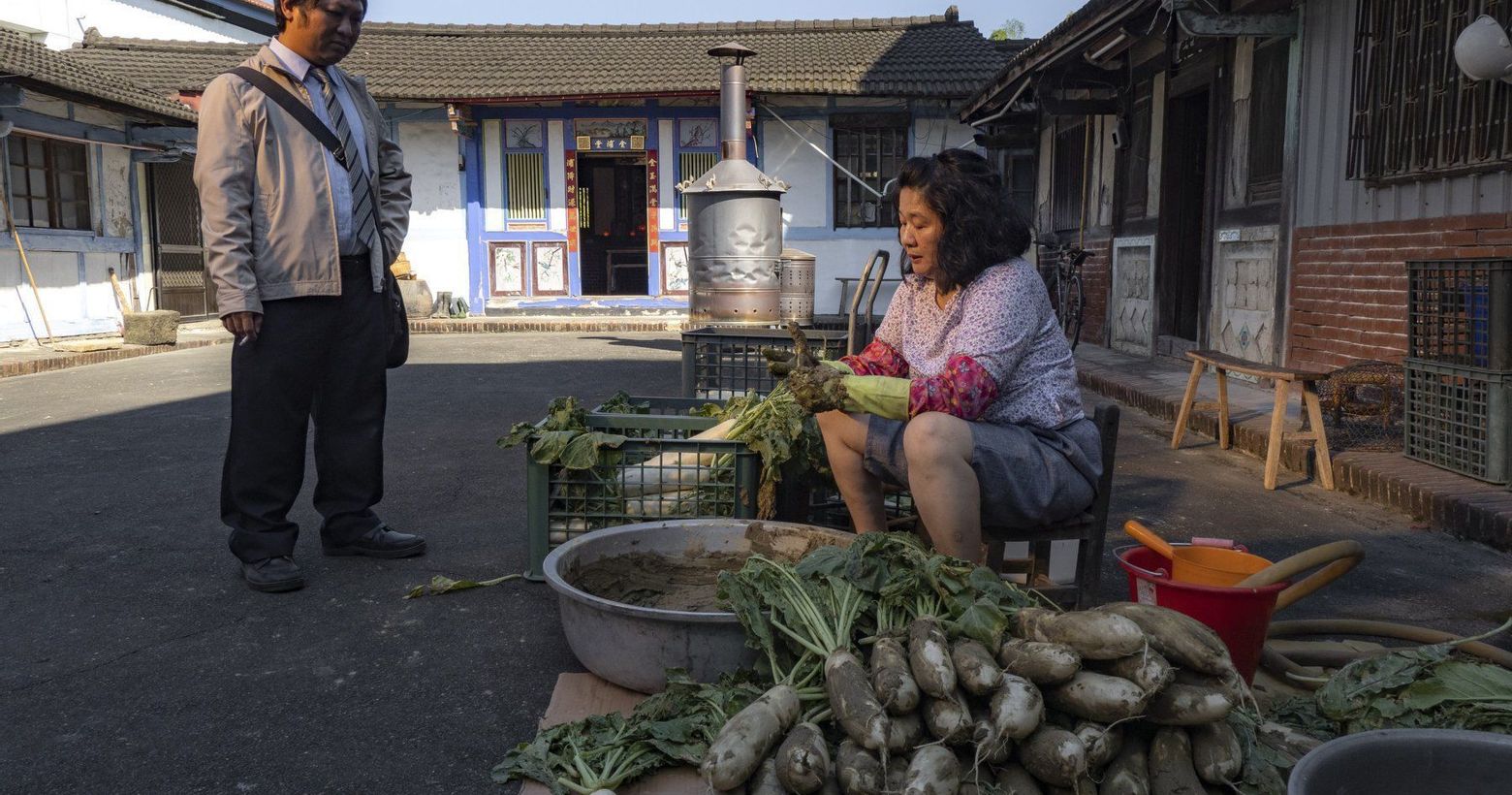
Reviews: Classmates Minus (同學麥娜絲). National identity and popular culture classrooms. Netflix. This is a subsequent film from the director of The Great Buddha+ (大佛普拉斯). It is rare to have a film or tee vee show that can have me belly-laugh and cry uncontrollably at the same time. Related to my previous review of the recent Taiwanese soap opera Mad Doctor and Taiwan’s Public tee-vee – in this film, and in this director’s work, ordinary Taiwanese outside of colonialist Chinese Taipei are not props. In that choice alone this is a significant gesture towards a new, emerging Taiwanese identity. There is a broader idea about the nature of imperialism – whether it is British, American, or Chinese; whether it is about Taiwan University or Harvard graduates; income, how many houses owned, net worth, profession, gender, race, and ethnicity. Out of the diversity of imperialisms through time and across space, one shared trait is their default setting in categorizing everyone/everything else as-compared-to-the-idealized-imperialist. This is how we often get the “Oh look he is just an uneducated janitor but how nice he saved money to donate to the school kids just like a real human being/us” news stories.

What Classmates Minus reminded me of is how different the storytelling is when one engages subjects outside of the imperial core as they are, warts and all – with a good dose of wry humor, cleared-eyed, but full of love. Gentle and heartfelt enough to make me cry, as if these are my classmates. Humorous and sarcastic enough because life sucks, your friends are unreliable, your family problematic, but whatareyougonnado?

The older I get the more soothing it is to listen to characters who can speak fluent Taiwanese – I understand about ninety percent of it without subtitles. To my ears, Taiwanese is a more emotion-laden language than Mandarin, just as I have noted Taiwanese rock n’ roll songs are more powerful than Mandarin ones. For me, the attachment to this language I cannot speak fluently due to Chinese imperialism-invasion is in part remembering elders who are gone. Very interesting that during the last year of my Dad’s life, he stopped using Mandarin altogether – as if the illness and pain liberated him from the prison the Chinese refugees built for his professional-cultural life, as he faded he reclaimed his own ancestral language.

This film’s storytelling structure is something I want to go back and map out to think about. You cannot say it is disorganized, but it is not a conventional structure. A small sidenote: I have noticed Taiwanese films and tee-vee shows where political elections appear as background or subplots. I have often argued with my parents about Taiwanese temples and religious practices – they jump too quickly into the religion v superstition judgment; my point is humans fight to protect their family, property livelihood, and their Goddesses and Gods. Likewise, I think even though most of the portrayal of elections and democracy have been jaded, some are even cynical – it is the ritual and melded into the quotidian – as if it is family outings and annual holidays and temple festivals – that rootedness and ordinariness of democracy must be what most bother the Chinese communists and KMT. And finally, kudos for using one of the most brilliant Taiwanese indie bands, 濁水溪公社.
© Taiwan in World History 台灣與世界歷史. This site grants open access for educational and not-for-profit use. Maps and illustrations are borrowed under educational and not-for-profit fair use. If you are the rights holder and prefer not to have your work shared, please email TaiwanWorldHistory (at) Gmail (dot) com and the content will be removed.
Leave a comment

Filed under books and artifacts, Taiwan Republic, world history

How DC became obsessed with a potential 2027 Chinese invasion of Taiwan, Defense News. Taiwan Republic 台灣国 and geostrategery classrooms

How DC became obsessed with a potential 2027 Chinese invasion of Taiwan, Defense News. Taiwan Republic 台灣国 and geostrategery classrooms.

As a historian, I appreciate this type of intellectual history of how an idea came to be. How did the US become obsessed with the domino theory in Southeast Asia? Why did the US think it was possible, or even desirable, to install American-style democracies in the Middle East after 9-11? And any student of Washington, DC would not be surprised by a town obsessed with fads and pack-mentality – down to annoying, glib catchphrases (thank Buddha the icky kimono thing seems to have finally faded ….) – envelope-pushing, paradigm-shifting, etc.

Is it fair to call the present-day US focus on the threat posed by the Chinese communists an “obsession”? One could go with a more moderate, fair word like “focus” can’t one. However the fact that Admiral Davidson gave the DC policymakers a year certain – even though his testimony was far more complicated and nuanced – makes this focus easier to propagate.

I don’t know if the Chinese communists will invade and attempt to annex Taiwan Republic in 2027. I don’t even think dictator Xi did. I do know watching the recent CSIS conference that people who should know more than I do, commanders and deputy commanders of branches of the American armed forces seem to speak of Chinese communist preparation less hypothetically and far more urgently than I can ever remember. And sure, I remember Iraq II and the failure of policymakers to understand reality on the ground. On the other hand, American intelligence on Russian intentions on the eve of the invasion of Ukraine seems near perfect.

Maybe the fact that this 2024 attention to the threat posed by communist China’s expansionism and imperialism feels like an “obsession” only in the historical context with how many decades Washington, DC and global democracies lulled themselves into a delusion – that somehow globalization and trade and cultural exchange will pacify the Chinese communists and make the world “flat”? Just as Putin’s invasion of Ukraine is a reminder to Western elites that certain fundamental features of human history have not been entirely erased by “progress,” dictator Xi’s aggressiveness is a reminder that while one can put fancy pants high rises and bullet trains all over China, but for the Chinese communists, their desire to subvert the US-led world order had never changed. And Davidson Window or not, I had always assumed no matter the Chinese communist leader, they have not attempted to annex Taiwan by force not because of “management” by DC think tank folks, but because they have not achieved such military capacity – once they do, you can sign a million more treaties and Beijing will militarily pursue Chinese imperialism against Taiwan and beyond.

While I have been impressed by the Biden liberal hawks and how they have expertly wielded tools of global statecraft – chip wars, interest rate wars, alliance building, preparing the armed forces – even the most recent foreign aid package still showed a lack of obsession/proper priority-urgency – 60 billion for Ukraine, 20 for Israel, 15 for the “Indo-Pacific,” – I am in full support of Ukraine, just merely pointing out that if we go by dollar amounts, this is hardly an obsession.

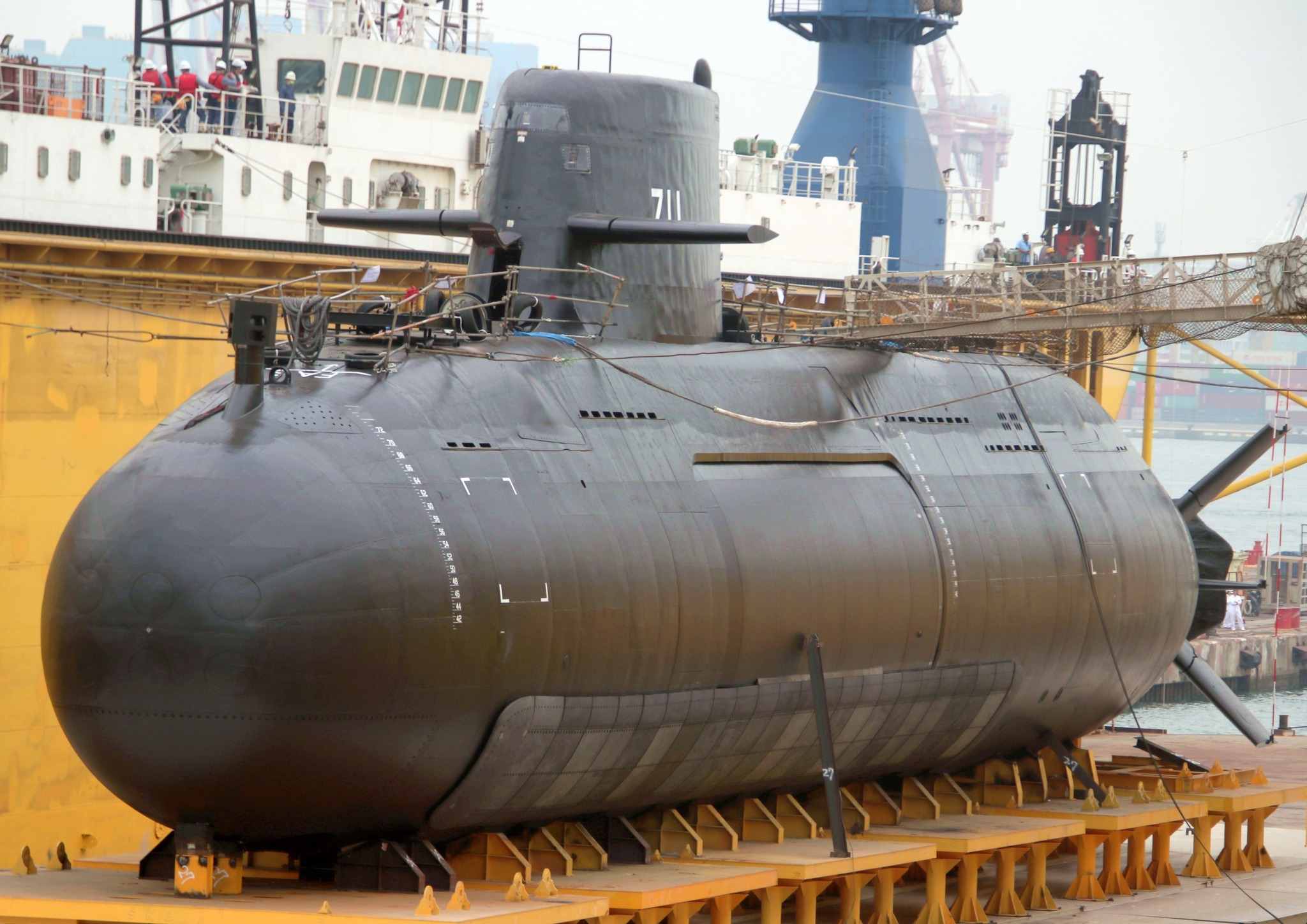
It is also confusing to view this phenomenon from Taipei’s perspective – on the one hand significant change in US policy regarding Taiwan – greater respect, more open, and normalizing political-diplomatic, and military interactions. President Biden should be given great credit – even though the Mandarins of DC policymaking circle had a massive cow about alleged “gaffes” – for repeatedly stating America’s commitment to defend Taiwan. On the other hand, the delays in the shipment of major weapons purchased by Taiwan from the US. It is not at all clear if the US has taken a firm and clear position on Taiwan’s critical submarine program. Most importantly, sooner or later, the US, Japan, and the Free World will have to obsess about another reality – if a Taiwan free from Chinese occupation is a matter of American and allies’ national interest, then a permanent military presence in and around Taiwan by the US and allies is the policy necessary to deter Chinese communist aggression. 9.5.2024

© Taiwan in World History 台灣與世界歷史This site grants open access for educational and not-for-profit use. Maps and illustrations are borrowed under educational and not-for-profit fair use. If you are the rights holder and prefer not to have your work shared, please email TaiwanWorldHistory (at) Gmail (dot) com and the content will be removed.
Leave a comment

Filed under geoeconomics, geostrategery, Taiwan Republic

“Chinese Fighter Drops Flares in Front of Aussie Helo in ‘Unprofessional’ Action, Say Officials,” USNI News.  Geostrategery and military classrooms

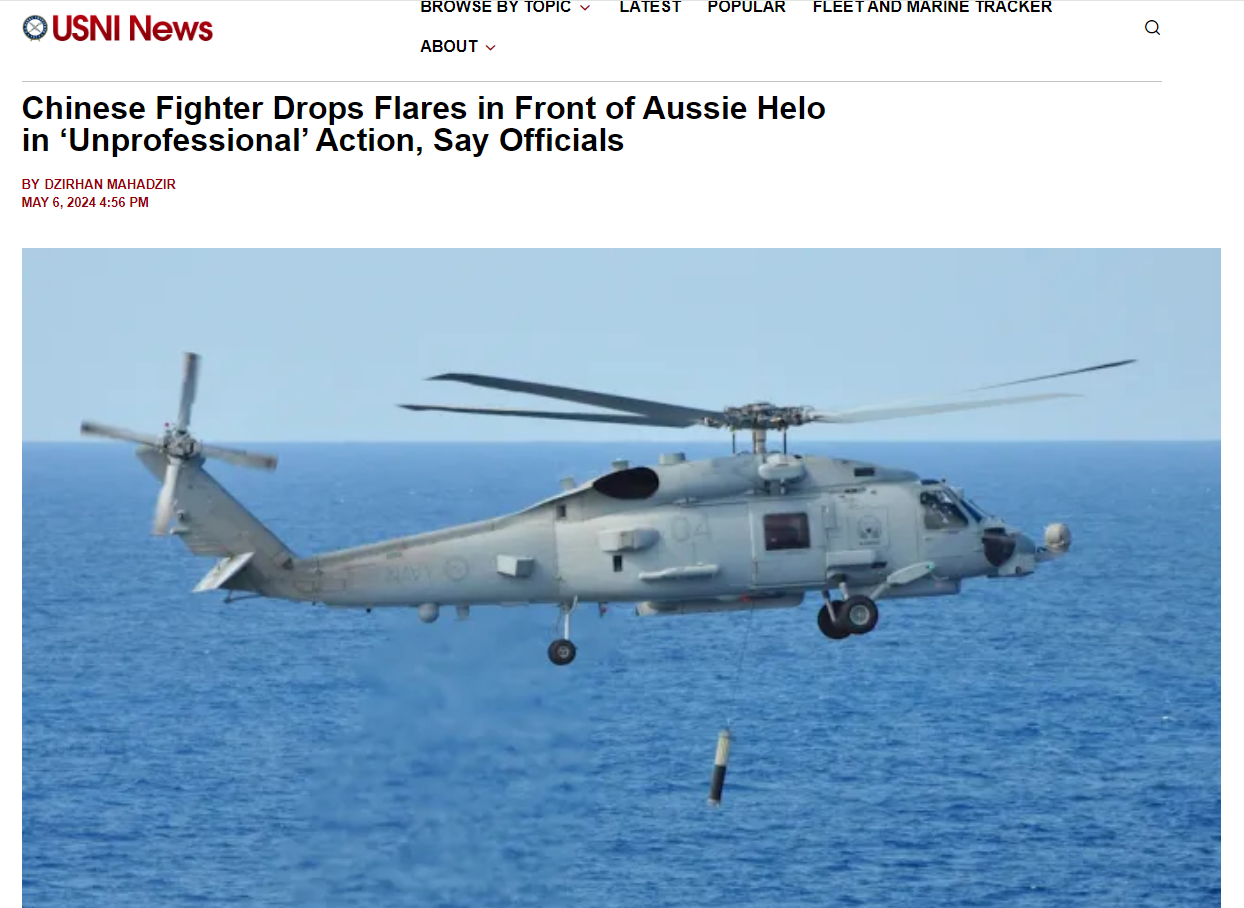
“Chinese Fighter Drops Flares in Front of Aussie Helo in ‘Unprofessional’ Action, Say Officials,” USNI News.  Geostrategery and military classrooms. The likelihood that Chinese communists will purposefully plan and execute a war the same way dictator Putin did against Ukraine is low-ish. The likelihood that the Taiwan Strait is where the Chinese communist war begins is also low — even dictator Xi knows any such action will guarantee a third world war and the end of his communist dictatorship. My bet is on something like this incident in the South, East, Yellow, and Japan Seas — where the Chinese communists believe they can nudge and prod right up to the edge, even over the edge to move the goalpost, and somehow manage and contain the conflict. Unlike the armed forces of democratic nations led by the US, the Chinese communist military is not as well trained, not as professional, and not as disciplined. There is also the dictator’s conundrum – everyone working below dictator Xi is guessing what the Dear Leader wants, and everyone is trying to show maximum toughness and loyalty to the dictator. I have read, unconfirmed, reports that this is how that Chinese school bus-sized spy “balloon” invaded the heartland of the United States – not Xi approved, a lower-level commander trying to curry favor. How long before a Chinese communist combat pilot or naval captain takes things a step too far and kills someone? We have had many close calls — the Chinese communist pilot taking down a US Navy EP-3 near Hainan Island during the George W Bush administration being a good example. Back during the Bush days communist China was still too profitable for the Free World for that crisis to escalate — in 2024 China is a big financial deficit — a similar incident, poorly trained, trying to please the leadership, hot-dogging communist Chinese pilot or captain can easily cause a wider-broader war.

© Taiwan in World History 台灣與世界歷史. This site grants open access for educational and not-for-profit use. Maps and illustrations are borrowed under educational and not-for-profit fair use. If you are the rights holder and prefer not to have your work shared, please email TaiwanWorldHistory (at) Gmail (dot) com and the content will be removed.

Leave a comment

Filed under geostrategery, Taiwan Republic, world history

Bibliography: The importance of Japan and the Philippines in the defense of Taiwan Republic. Geostrategery and world history classrooms.

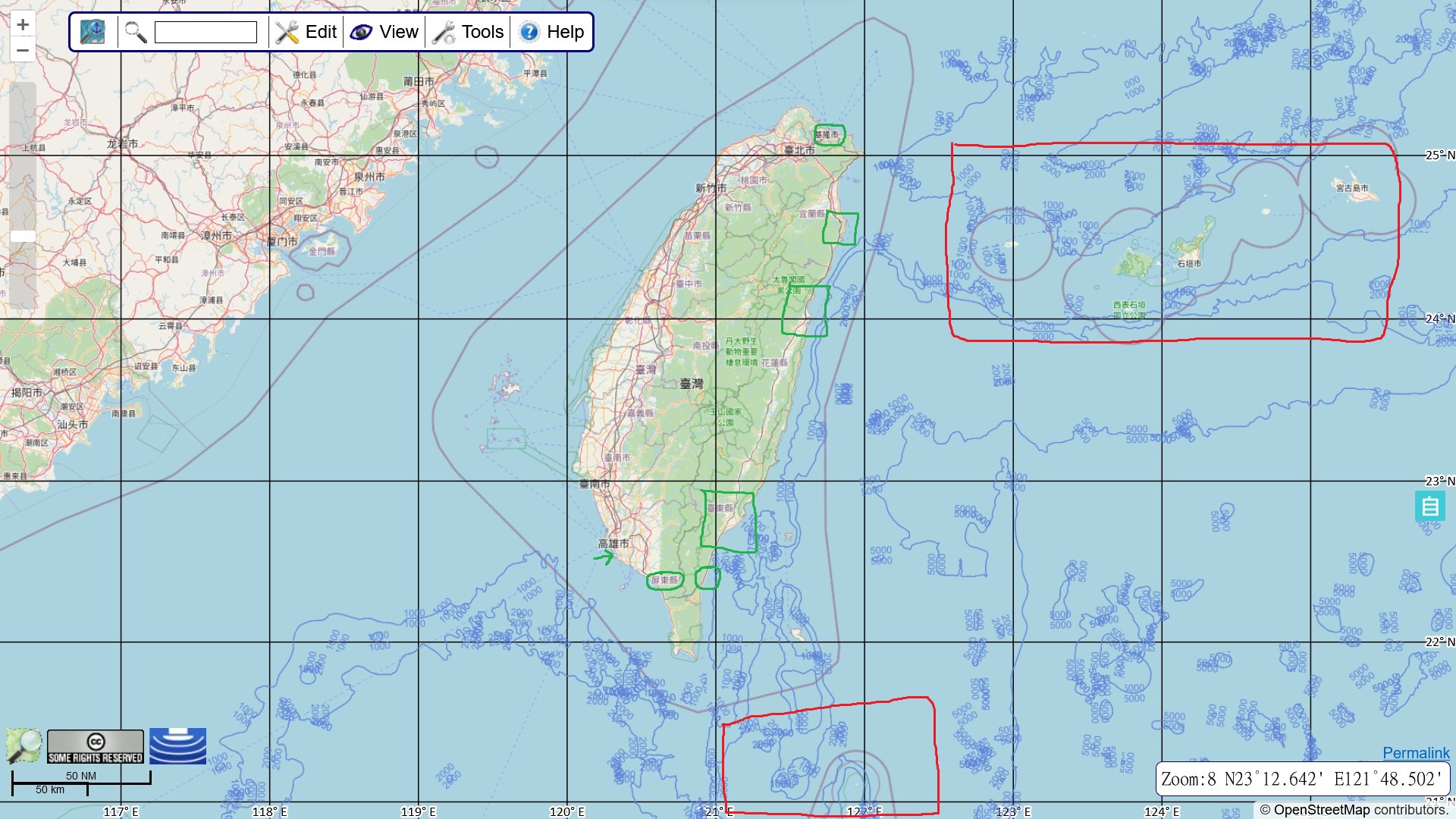
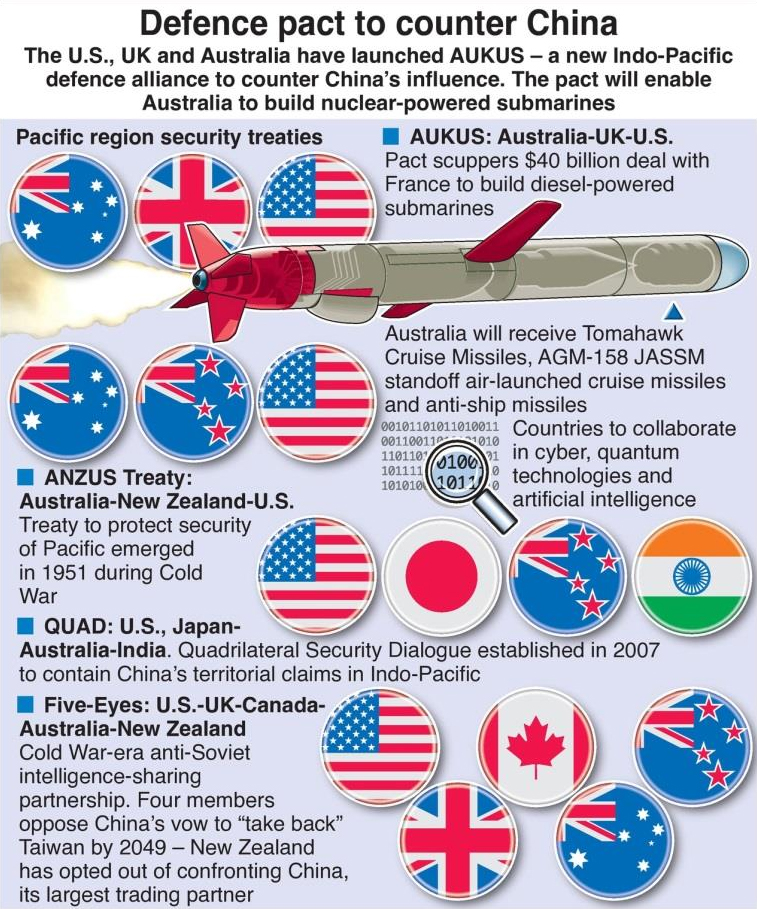
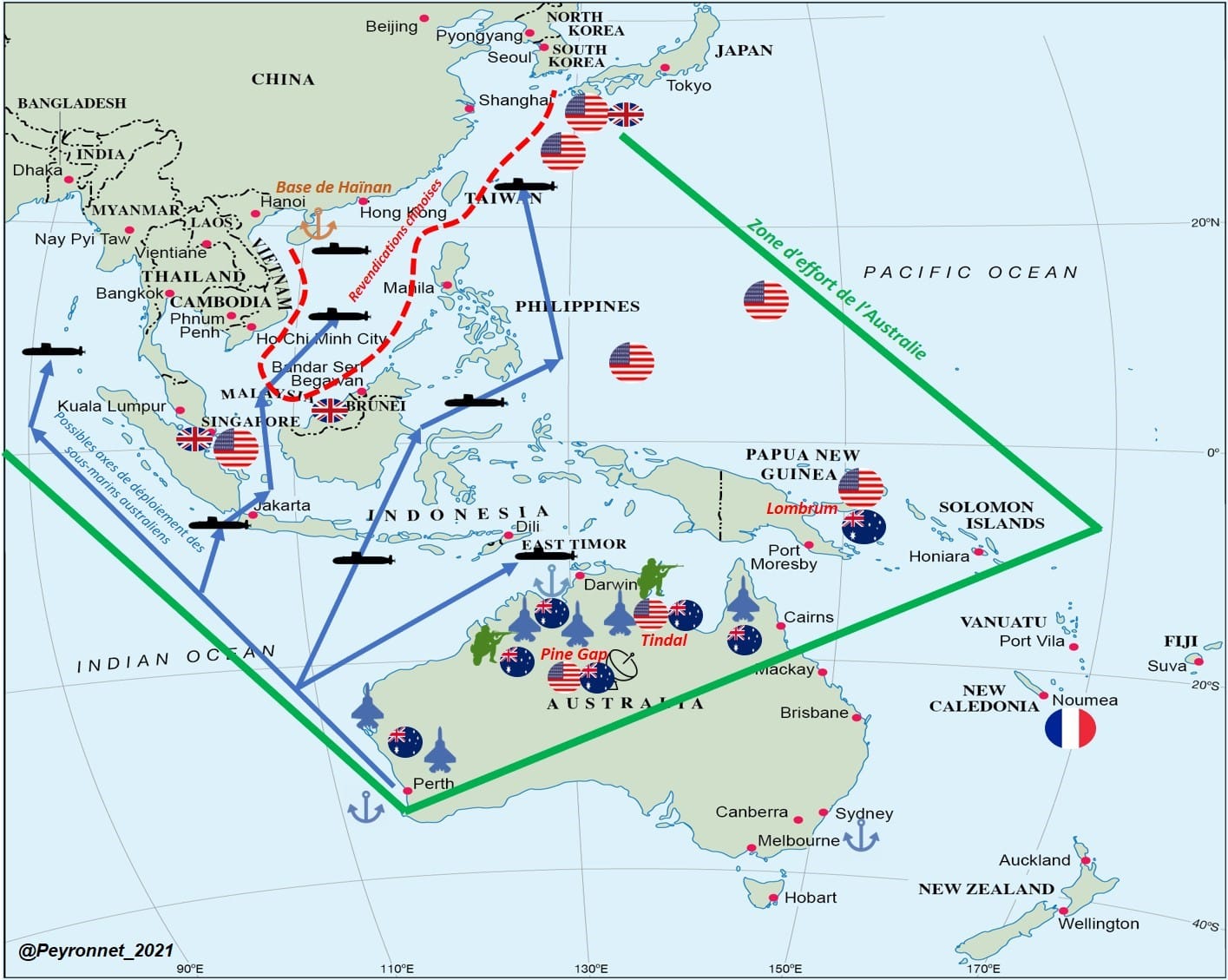
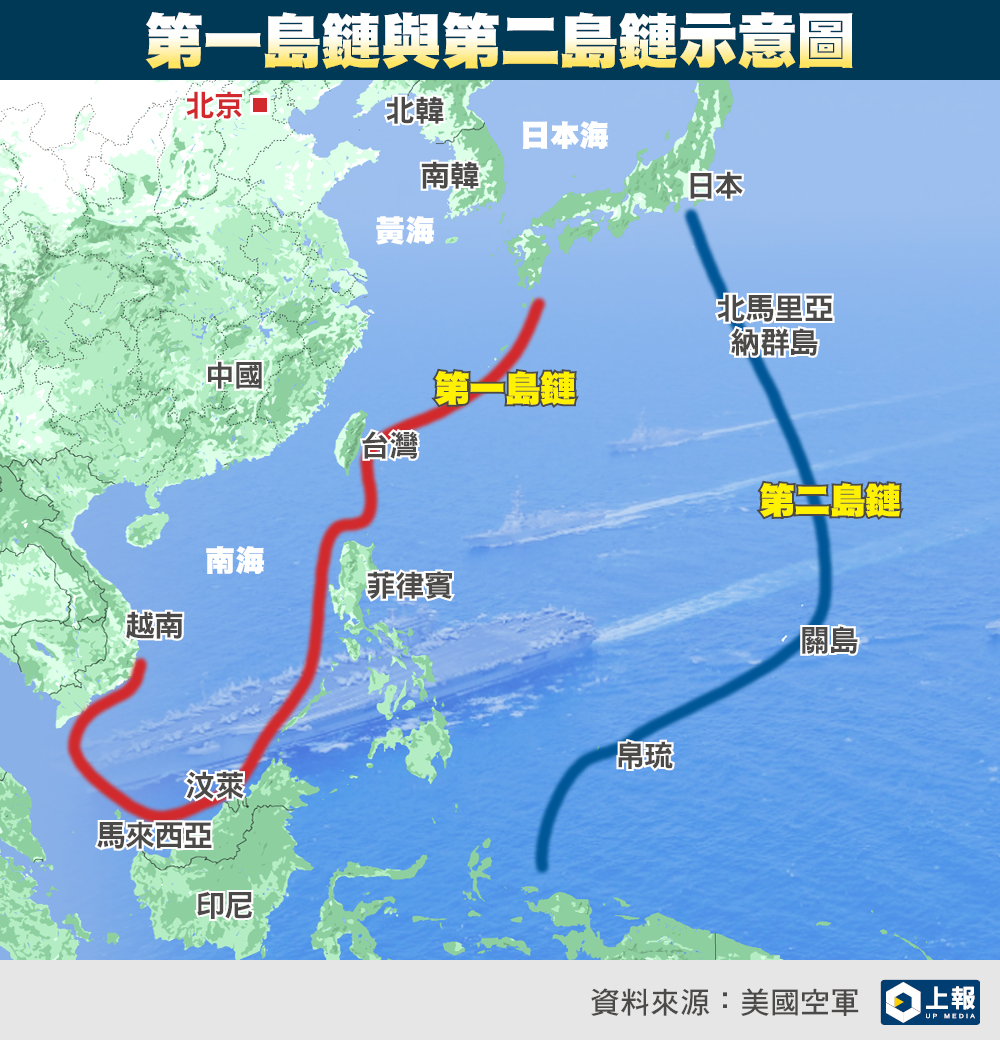
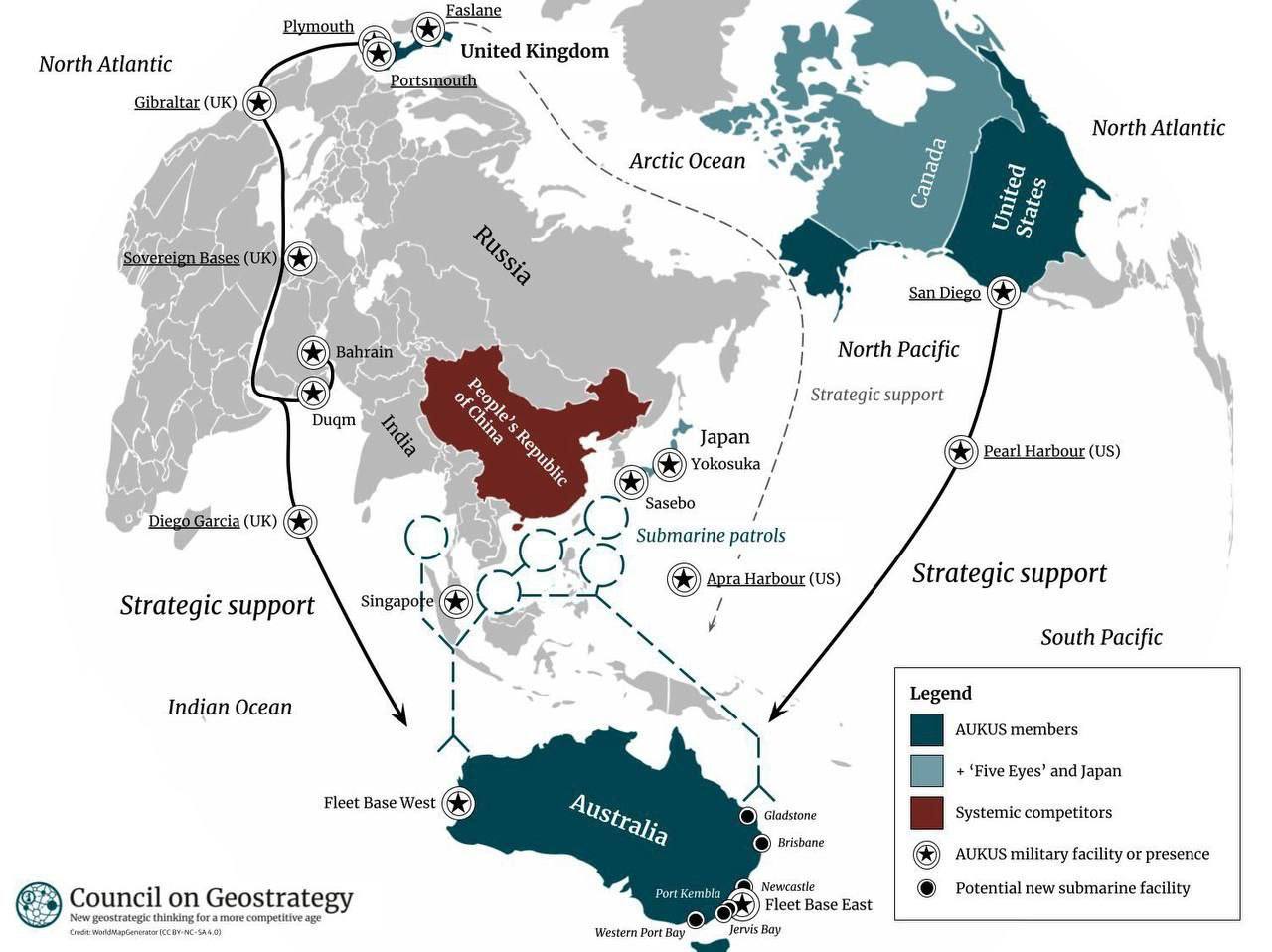
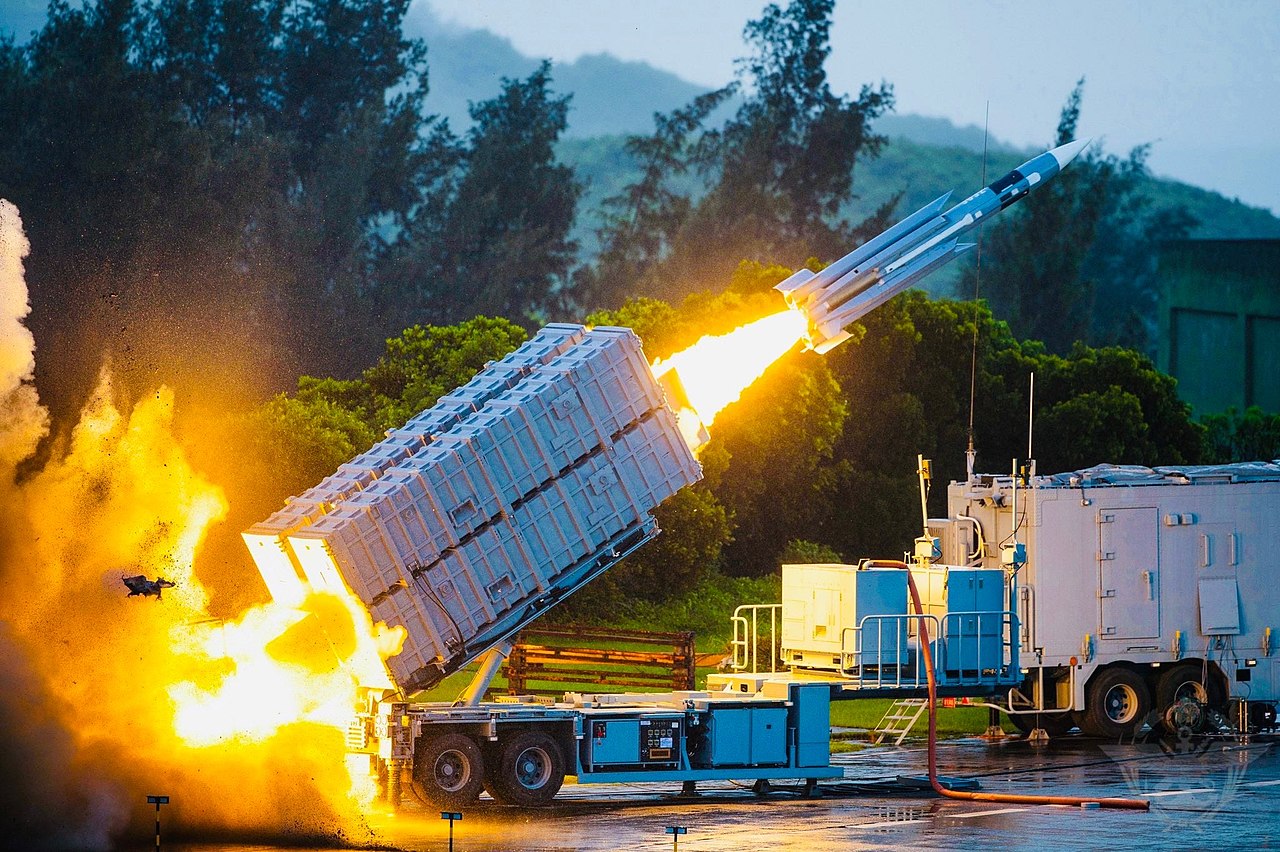
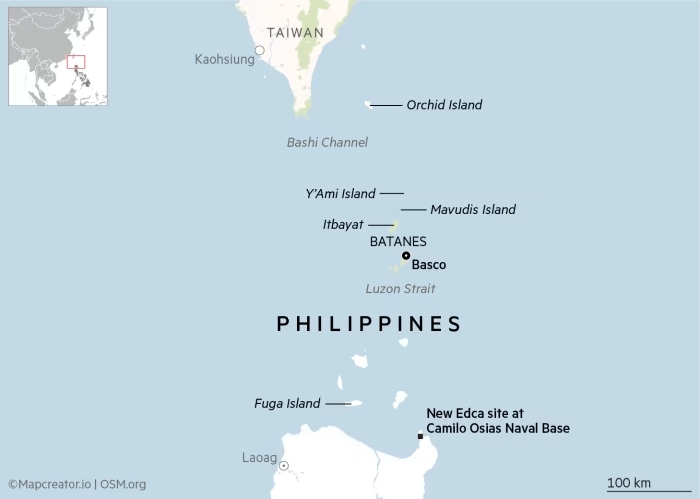
Bibliography: The importance of Japan and the Philippines in the defense of Taiwan Republic. Geostrategery and world history classrooms. The significance of the American military moves in the last two years with the Japanese and Philippines islands closest to Taiwan Republic is this: they close off the Chinese communist military’s paths to envelop Taiwan by air and by sea to Taiwan’s east — and in turn, funnel the invading Chinese communists into confined kill zones. The US Marines led the revolution in thinking with lighter, mobile, highly networked land-based surface-to-air and surface-to-surface missile units. Land-based because they are far cheaper and more sustainable than aircraft carriers and warships. Taiwan is massed with thousands of land-based missiles/mobile units. And there are signs that the Taiwanese military, with American assistance, is moving to coordinate their own force structure and thinking with that of the US Marines. President Tsai has successfully nudged the Taiwan military upper leadership into the area of unmanned vehicles – air, sea, and subsurface. The US and allies’ deployment northeast and southeast of Taiwan allows the Taiwanese military to focus on the communist threats from the west. In basketball and American football terms, these land units are zone defense, whereas the American, Japanese, and Free World/AUKUS+ carrier battle groups, submarines, and strategic bombers are mobile strike units/man-to-man offense. Recent reports in Taiwanese online newspapers that the US has assisted Taiwan in securing access to LINK-22 would be an important step forward in coordinating Taiwanese, American, Japanese, AUKUS, NATO, and ASEAN forces.

距台不到200公里 美菲澳「肩並肩」演習再登巴丹島

https://def.ltn.com.tw/article/breakingnews/4663565

美菲澳軍隊演練空降巴丹島 為台海或南海衝突做準備 https://www.taisounds.com/news/content/84/123755

American troops return to strategic islands near Taiwan for air-assault practice

https://www.stripes.com/branches/army/2024-05-05/balikatan-air-assault-taiwan-china-13759680.html

US Holds Drills With the Philippines at Tiny Island Near Taiwan

Filipino, US troops fire at ‘invasion’ force in war games

https://www.taipeitimes.com/News/front/archives/2024/05/07/2003817488

史上最長漢光兵推 任務式指揮「去中心化」授權部隊獨立作戰

https://www.taisounds.com/news/content/71/123500

【強化制海資通】透過AI接戰系統整合 讓以岸制海打擊戰力發揮極大化

【博騰專案】美助攻獲北約同意 國軍規劃逾550億向美軍購LINK-22數據鏈系統

【博騰專案】建構第一島鏈情資互通網迫切 日方促賴清德及早完成LINK-22系統

【博騰專案】配合LINK-22系統建構 長程預警雷達性能升級費用由美方支應

© Taiwan in World History 台灣與世界歷史This site grants open access for educational and not-for-profit use. Maps and illustrations are borrowed under educational and not-for-profit fair use. If you are the rights holder and prefer not to have your work shared, please email TaiwanWorldHistory (at) Gmail (dot) com and the content will be removed.
Leave a comment

Filed under geoeconomics, geostrategery, Taiwan Republic, world history

Reviews. Let’s Talk About Chu 愛愛內含光 National identity and popular culture classrooms.

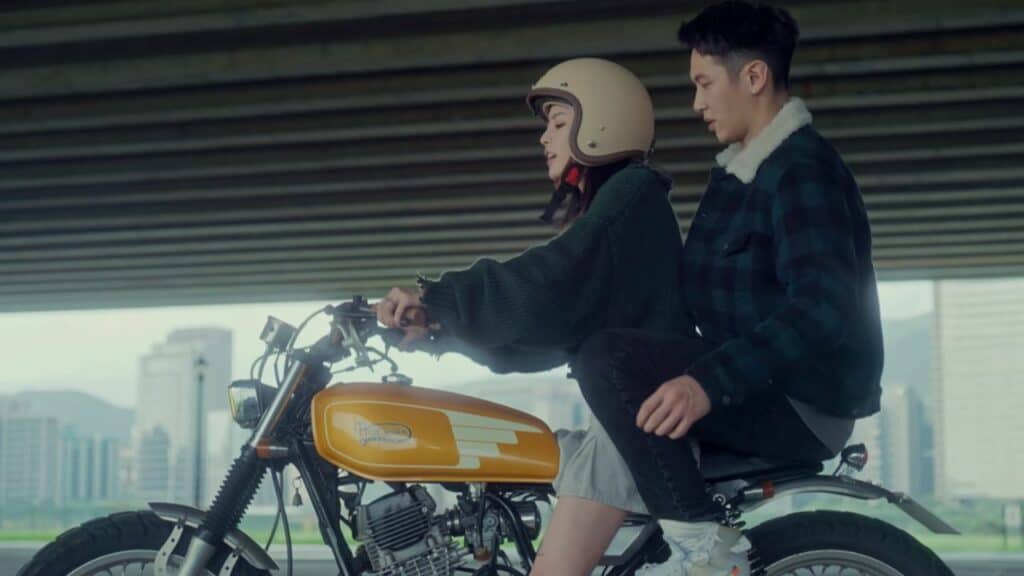
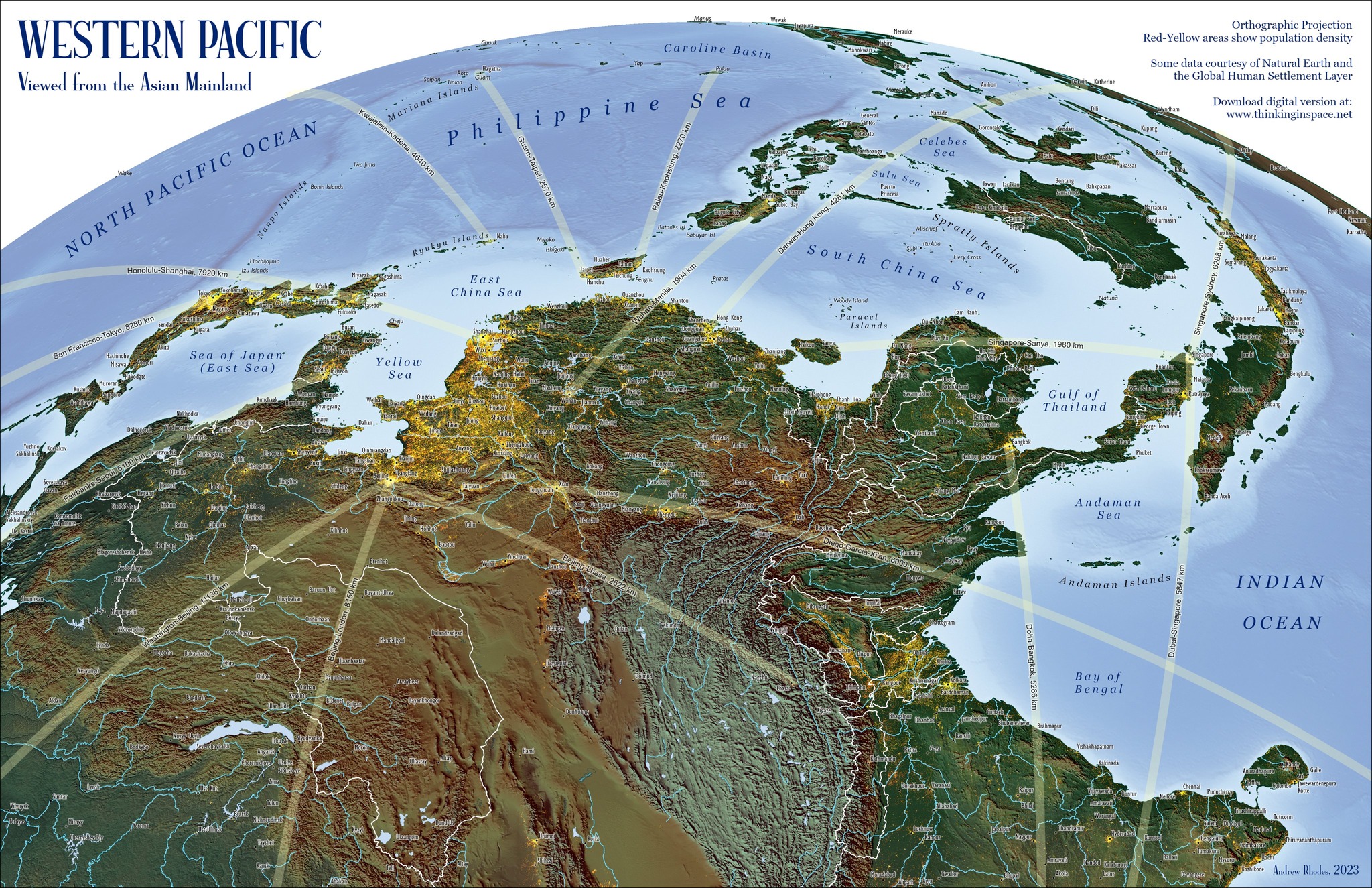
Reviews. Let’s Talk About Chu 愛愛內含光. National identity and popular culture classrooms. Netflix. A refreshing thing about Taiwan versus America is how difficult it is to get Taiwanese to mass panic about sexual or moral-ethical issues. It’s not that they are necessarily “progressive” or enlightened, but that in Taiwan you are more likely to get a shrug. As I watched this problematic show, I imagined what the tiresome “what about the children” reactions might have been on the east side of the Pacific. There are many things about Taiwan’s peculiar colonial history – colonized by the Chinese invaders since 1945 – and the impact on its educational-cultural means of production, that I am highly suspicious of. The politics of languages. How come the east side of Taipei gazillioaires never speak Taiwanese in these tee vee shows? For a show premised on the idea that its frankness about sex and sexuality is supposed to shock-provoke, that’s actually the most boring part of the show – but then I generally find film and tee-vee portrayal of sex either boring and/or unintentionally funny. So maybe that’s me and not them. Most of the sub-threads of this eight-episode show are contrived – the professor and his ex-student; the gay couple with the problematic portrayal of a descendant of a 1949er becoming a street hoodlum speaking not very good Taiwanese (my experience is that kids and grandkids of 1949ers who grew up in rural Taiwan speak more fluent Taiwanese than me and my cousins in Taipei ….) and so on. What made the show work for me are the superb lead actress Chan Tzu Hsuan (xoxo) and lead actor Kai Ko (oxox). Beyond their ability to keep my attention, ironically this relationship is the opposite of the shock-and-awe sex premise of the show. It’s a predictable, conventional love story. It’s about companionship, about genuine concern for one another, an ordinary, boring kind of love. And that’s OK by me. Love and relationships are predictable and boring because life is boring too. Like many recent Taiwan for Netflix shows this is a beautifully shot product – with a conventional but well-done soundtrack. Although in this mass media age, one inevitably notices copy-catting – lead actor with a motorcycle. Taiwanese directors now seem to love a particular bridge scene with the motorcycles at dusk. Rooftops, Taiwanese directors in the 2020s love rooftops for some reason. Maybe because at street level Taipei is such a mess. As contrived and silly as the show overall is, there were several moments during the eight episodes when lead actress Chan Tzu Hsuan’s facial expressions – when she thought she saw her father and his mistress in particular – that are super-duper. Minimal, heartbreaking, less is more. In all though, a broader issue not only for Taiwanese but for global artists to ponder. This is not the first time when a Taiwanese show launched bravely and then ended up with the socially acceptable happy endings – and maybe some of this is a human trait, but one wonders what part market pressure plays a role? These shows can be art, but they are primarily products – conventional capitalist markets are conventional – making unconventional products unprofitable. 18.2.2024

© Taiwan in World History 台灣與世界歷史. This site grants open access for educational and not-for-profit use. Maps and illustrations are borrowed under educational and not-for-profit fair use. If you are the rights holder and prefer not to have your work shared, please email TaiwanWorldHistory (at) Gmail (dot) com and the content will be removed.
Leave a comment

Filed under books and artifacts, Taiwan Republic

Taiwanese national identity and the global order: Geostrategery, Taiwan Republic 台灣国 , and national identity classrooms

Taiwanese national identity and the global order. Geostrategery, Taiwan Republic 台灣国 , and national identity classrooms.

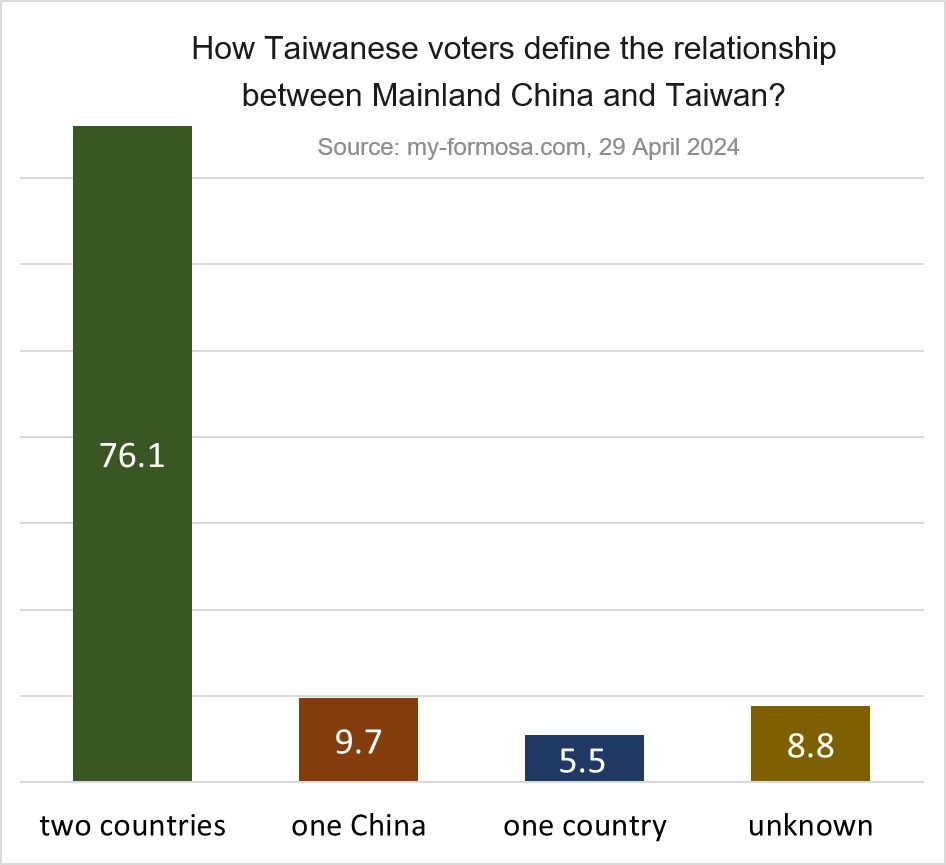
This emerging Taiwanese national identity. Came across this poll on the Twitters recently. How Taiwanese citizens self-identify in this poll is not surprising. The majority is basically the governing coalition President Tsai cobbled together over eight years – a fusion of Taiwan Republic, Taiwan, RoC Taiwan, Taiwan RoC, and RoC voters.  President-elect Lai and the DPP need to figure out why this governing majority doesn’t translate well in legislative and local elections. Taiwan’s “mainlander” and Chinese communist-dominated media obsess over America’s statement not supporting “Taiwan independence,” and ignore substantive US, Japan, and Free World redefinition of what “status quo” means — i.e., status quo now also functionally means not supporting China annexing Taiwan, peaceful or by force. Also important to note the complex, dialectical, chemical-reaction characteristics of how national identities form – this emerging Taiwanese national identity is a compromise, articulated by Presidents Lee and Tsai – though leaders oftentimes respond to identity formation from below rather than to create, invent, or to lead them. This is the one feature that the authoritarian Chinese Communist Party and the China KMT cannot fathom – that a free people can, over time, come to these ideas without being brainwashed or forced by a higher authority.

Polls like this matter more for domestic electoral politics. They matter less for Taiwan’s ability to maintain its de facto independence within the global system – except perhaps in the realm of national security. To maintain this independence, Taiwan requires coherent and honest national security consciousness, improvements in its military (particularly upper-level leadership), and support from the US, Japan, and the Free World. Meaning, that to make national identity sustainable, it must be supported by military and economic power, and the endorsement of important global powers.

The nature of national identity, particularly for middling to smaller nations in the global system, is reactive-passive rather than active-assertive. Just as Taiwanese (Taiwan the place/people/nationality) ‘national’ identity did not emerge until the Japanese arrived; just as the Manchus did not ponder the status of Taiwan until global maritime powers arrived, the reality is that even if one hundred percent of Taiwanese citizens believe Taiwan is a sovereign, independent nation (whether as Taiwan, Taiwan Republic, ROC Taiwan, Taiwan ROC), that independence depends on Taiwan’s ability to defend that status, and whether this Taiwanese sovereignty separate from China is supported by the major powers.

This makes the interaction between the emerging Taiwanese national identity from the 1990s, when Taiwan slowly dismantled the authoritarian and colonialist system imposed by the China KMT, and the changing US policy regarding Taiwan, communist China, and the Indo-Pacific the key. Taiwan’s first democratically elected president Lee Teng-hui and President Tsai sought a Taiwanese national identity and sovereign status independent from the People’s Republic of China, acceptable to the US and the Free World, while minimizing domestic discord. Meanwhile, as the ability of the Chinese Communist Party to make China profitable for the Free World dissipated by the 2010s, and as dictator Xi went on an isolationist war footing, the US and its allies began to redefine what “status quo” means in the Taiwan context. While the pro-communist China media within Taiwan obsesses over the boilerplate US declaration that it “does not support Taiwan independence” (one will be hard-pressed to find a major political leader within the pro-Taiwan sovereignty groups that’s spoken about “Taiwan independence” in the last decade ….), I think the US will clarify this revised “status quo” because the China KMT and PFP are one step away from conceding to Beijing that “one China/one nation” = People’s Republic of China.

When Ma or whoever within the pan-blue/white/red camp concedes Taiwan’s sovereignty to the People’s Republic of China, the US, and its democratic allies will openly oppose both “independence” and “annexation/unification” on the basis that both are changes to the status quo. The US and Free World definition of “status quo” in the Taiwan Strait is a two-state solution – has been for decades but as the CCP and KMT have accelerated their push for Taiwan to surrender its sovereignty, the greater urgency for the US, Japan and its allies to also clarify their position. During the Lee Teng-hui era, there was still enough finesse on the Chinese communist side, and ambiguity among the deep blue/red groups inside Taiwan, to have the face-saving “special state-to-state” formulation. President Tsai is probably the last Taiwanese president in a position to give the Chinese communists a face-saving way to peacefully live with the status quo – notice for example that while she has been firm on the two sovereign states on both sides of the Taiwan Strait, she has never declared what the future might be. So Tsai’s eight years were a lost opportunity for the Chinese communists and its allies inside Taiwan. From this moment forward Taiwan’s status will be a matter of total national-allies power (economic, military, educational, technological ….) – communist China, its allies inside Taiwan, Russia, et al, versus Taiwan, US, Japan, and their democratic allies. 2.5.2024

© Taiwan in World History 台灣與世界歷史. This site grants open access for educational and not-for-profit use. Maps and illustrations are borrowed under educational and not-for-profit fair use. If you are the rights holder and prefer not to have your work shared, please email TaiwanWorldHistory (at) Gmail (dot) com and the content will be removed.
Leave a comment

Filed under geoeconomics, geostrategery, Taiwan Republic, world history

Lessons from Ukraine for the Indo-Pacific. Meta/conceptual

Lessons from Ukraine for the Indo-Pacific. Meta/conceptual

Geostrategery and world history classrooms. More than two years after the Russian invasion of Ukraine, has the Western foreign policy-national security establishments – public and private – learned lessons and made improvements? I fear perhaps not, or not enough, and walls of missiles and AUKUS submarines notwithstanding, this poses the greatest challenge in the face of the China Threat. There has been exceptional analysis, but not the “mainstream/loudest” – which has stubbornly held onto decades-long conceptual frameworks. Although US intelligence performed brilliantly, many in the policymaking establishment were not convinced that Putin would invade. Nor have we gotten good analysis of why Putin chose to invade at this time – a lot of Western-centric guesses, NATO, historical grievance, whatever. There was widespread surprise at how bravely the Ukrainians fought, and how shoddy the Russian military performed.

If these were the major blind spots of Western policymaking establishment during the Russian invasion of Ukraine, we should be concerned about similar blind spots while analyzing the Indo-Pacific and the China Threat. There is a growing consensus among US and Western intelligence that for dictator Xi of communist China, the ability to invade Taiwan by 2027 is the primary objective. Are we suffering from similar Western academia-think tank-official establishment mistakes regarding policymaking calculus within the Chinese dictatorship?

A few educated guesses. I don’t think dictator Putin cared much about the expansion of NATO (See Finland and Sweden). I think Putin was primarily motivated by primordial, reactionary ideas about geostrategery, and national security, reviving ancient Russian imperialist-chauvinist ways of seeing neighboring nations as subordinate, tribute states. I think his calculus is that an isolated, permanent warring Russia that’s poor and full of grievances real and imagined-manufactured makes his dictatorship safer. Is this why sanctions have not changed Putin’s thinking? It is certainly why the parade of Western leaders flying to Moscow on the eve of the invasion for dialogue didn’t do anything. This is why I have concluded that the “escalation/de-escalation/management” model favored by Western national security establishment makes little sense when dealing with dictatorships with an entirely different set of motivations.

Now back to the Indo-Pacific/China Threat. We have a similar and worrisome pattern wherein Western intelligence sees aggressive and rapid preparation by the Chinese imperialists. We see evidence – Chinese military aggressiveness from India to Southeast Asia into the South Sea against Taiwan, Japan, and Korea – of both preparation and intentions. Just as with Putin’s Russian imperialism, Xi’s Chinese imperialism has been stated by the Chinese communists in plain words – the right of the Chinese communist to invade and subjugate Taiwan, the right of Chinese imperialism to expand its sphere of influence from the Sino-Indian border to Southeast Asia, from the South Sea through the Taiwan Strait into the East Sea and the Western Pacific. Is it possible that once again Western foreign policy intelligentsia is repeating the same mistakes from Russia-Ukraine, imposing Western values and Western policymaking hierarchies onto another continental, imperialist dictatorship? I have read calls for assuring Beijing. I have seen proposals to make concessions. My question is – had the Western powers “gave” Ukraine to Russia in 2022, would Putin stop his aggressive policy challenging the US-led world order? And a similar question now – if the Western powers “give” Taiwan Republic or the Philippines or the South Sea to communist China, would that result in the Chinese communist dictatorship behaving in a way that benefits the US-led world order? Why haven’t relatively harsh economic sanctions and tools to decouple the Russian economy from the global trade system not curb Russian or Chinese aggression? And if such economic sanctions prove relatively ineffective against Russia, would they become more successful against China?

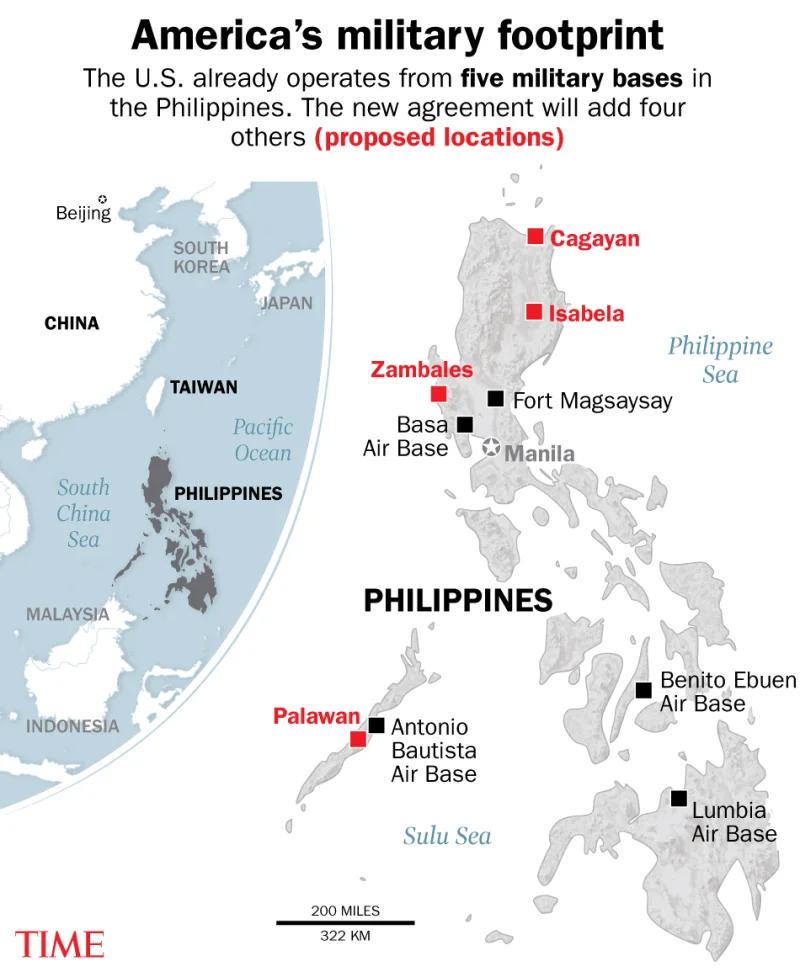
If my guess is correct – both dictator Putin and dictator Xi have calculated that decoupling from globalization – globalization to them merely means another phase in the post-war world order invented by the United States and enforced by the American navy – makes their dictatorship more secure, then what policies before 2022, and what policies in 2024, would have more likely prevent military aggression from the Russians and the Chinese? Would including Ukraine in EU and/or NATO as a response to the invasion of Crimea be the way? Does a US/AUKUS-led coalition of troops rotating into Taiwan and the South Sea change the calculation for dictatorship preservation for Xi? 27.4.2024

© Taiwan in World History 台灣與世界歷史. This site grants open access for educational and not-for-profit use. Maps and illustrations are borrowed under educational and not-for-profit fair use. If you are the rights holder and prefer not to have your work shared, please email TaiwanWorldHistory (at) Gmail (dot) com and the content will be removed.
Leave a comment

Filed under Taiwan Republic

Reviews. The Great Buddha+ (大佛普拉斯). National identity and popular culture classrooms

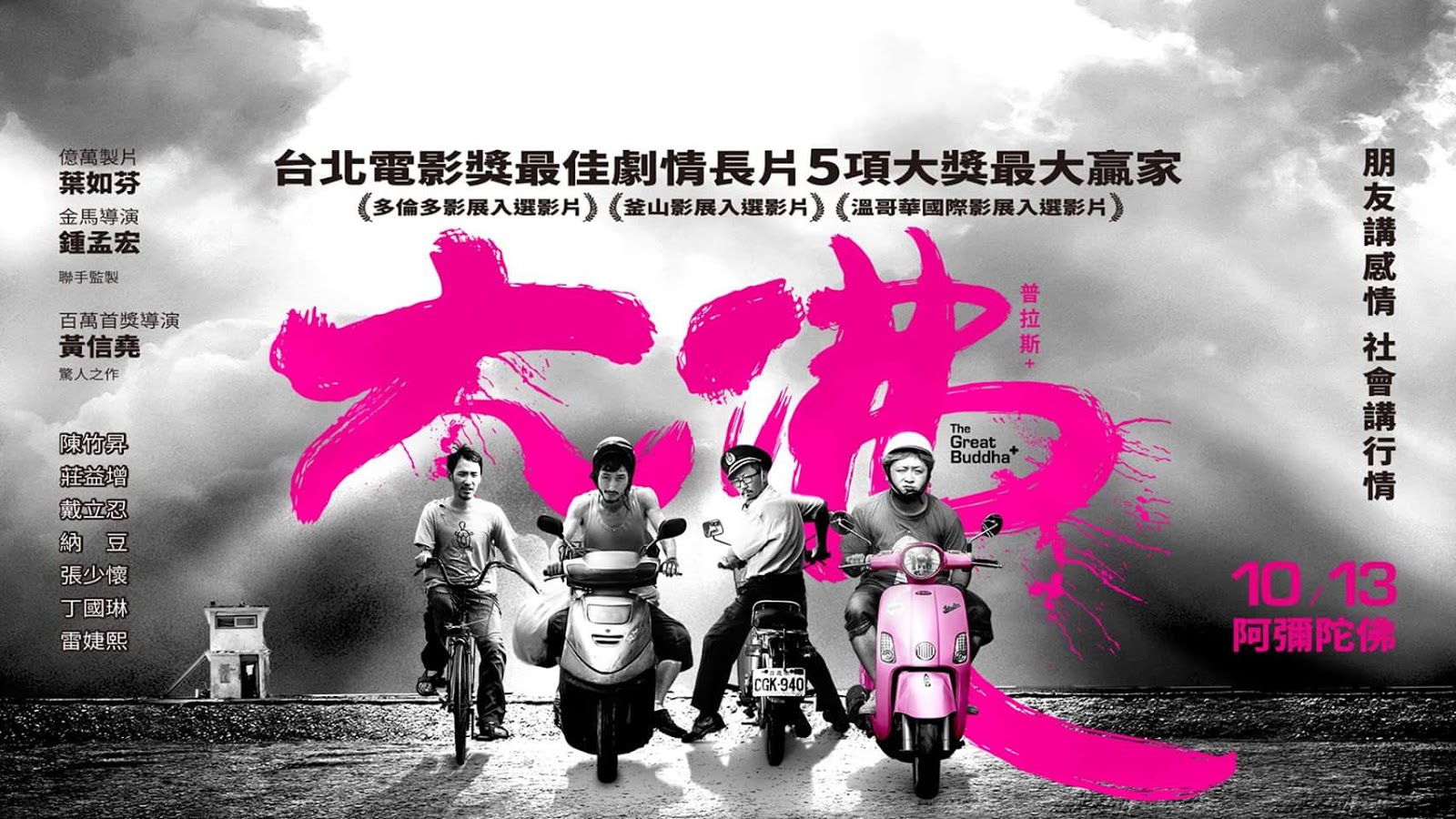
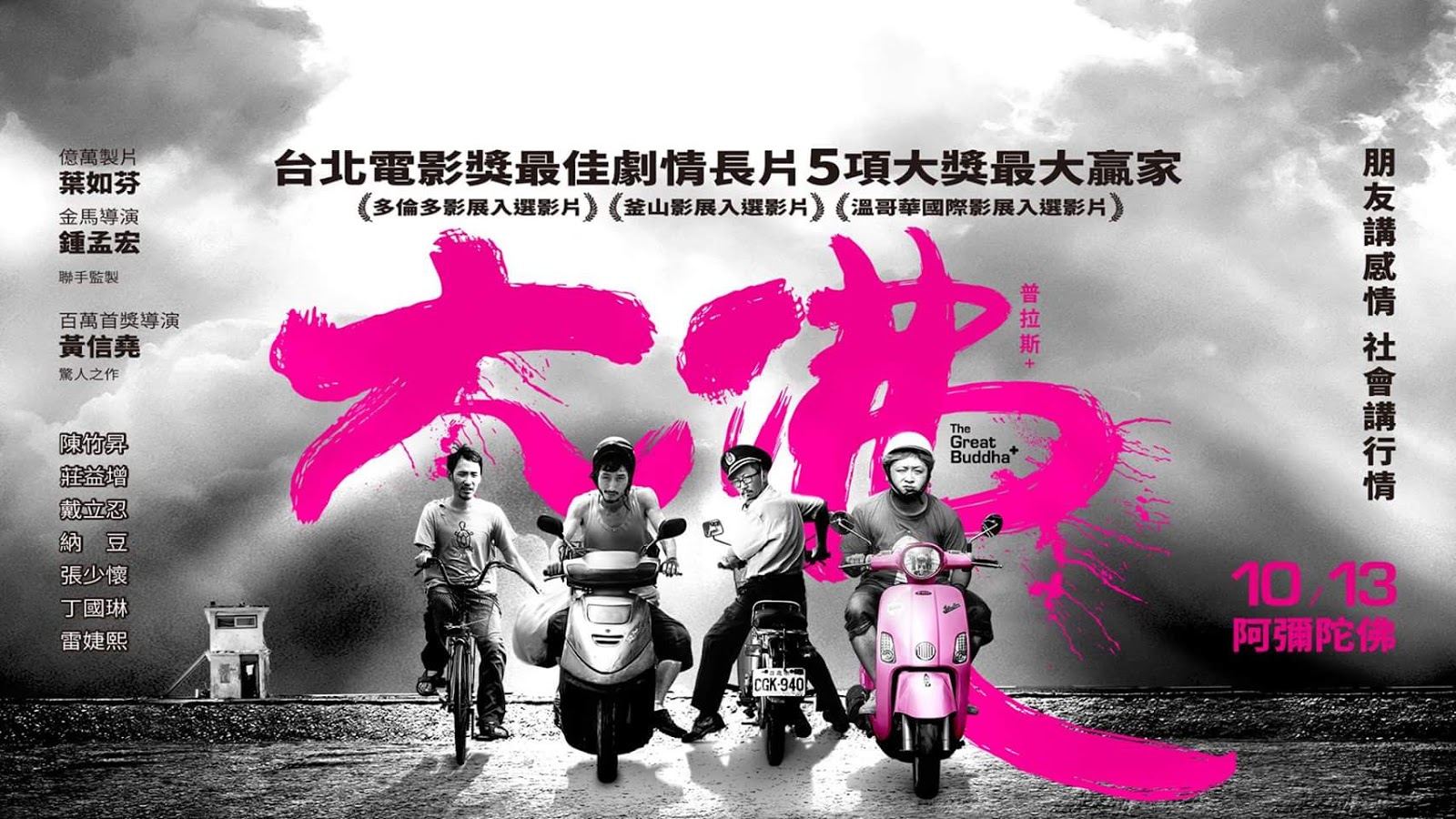
Reviews. The Great Buddha+ (大佛普拉斯). National identity and popular culture classrooms. This Taiwanese film is available on Amazon Prime, which is quite a breakthrough for those of us who are permanent foreign exchange students. And for a grumpy elderly monkey who grew up used to a letter taking 7-10 days to cross the Pacific, mind-boggling. I waited so long to watch it because too many people talked about it too often. I waited too, because I knew it would depress me in deep and complicated ways. I watched it alone on purpose. I cried. Often. I stopped several times to gather myself. As a former Taipei resident, taught-brainwashed by the Chinese occupiers to detest my own kinfolks, the rural southern Taiwan depicted is alien and super familiar at once — foreigner in one’s own land kind of stuff — all subjects of foreign colonial occupation would have some version of this out of the body experience. While the invading Chinese refugees stripped my native language, culture, memory, and identity during my childhood, the world depicted in this film is the parallel universe the Chinese colonialists exploited and demeaned — this is where they grabbed conscripts for their stupid civil war, this is where they exploited the cheap labor to benefit their parasitic party-state. And now, decades after their military dictatorship formally collapsed, the sociological, cultural, economic, and political legacies remain — a poisoned well, no way forward, no way back. The rural Taiwanese character sketches are familiar from my ancestral village of Neihu, now an urban Taipei suburb but during my childhood a transitional rural light industry village; and my mother’s central Taiwan home of Chang-Hwa. Even after all of these decades I could smell the dust, heavy metal, rice paddies, animals, cooking, diesel fuel …. and hear the sounds, scooters to mini farm tractors (“metal water buffalos”) and factories and food vendors and animals. I enjoyed the banter in Taiwanese — basically impossible to hear in Taipei nowadays — though it reminded me how poorly I speak Taiwanese, the fluent, natural, beautiful language of our ancestors, the language of this soil. As it has been for decades, even in one film the language of the invaders speaks to education/class/wealth, while the language of the occupied is the language of the homeless and impoverished and powerless. yes, I enjoyed the temple dedicated to the bloodthirsty invader Chiang Kai-shek, and the scene alluding to the many multinational Buddhist-ish cults based in Taiwan. The passive-aggressive full of Buddhist kindness art critique of the great big Buddhist statue was delightful as it depicted at once the hypocrisy of the Taiwan elites, and every childhood conversation one has ever had with one’s elders. The swearing in Taiwanese throughout made me so proud and happy — just beautiful. I wish more Taiwanese would learn to righteously swear at our colonial occupiers in our beautiful ancestral tongue. The beautiful memorable parts of this film are the inconsequential details — conversations, silence, framing of scenes, detailing essential truths about what life for the most vulnerable in Taiwan is like under Chinese KMT occupation. And as I thought about it, it is also an op-ed about how these awful realities have not changed since the supposedly Taiwanese party DPP has taken over — rather than a genuinely Taiwanese renaissance, a much-needed decolonization, cleansing, and a national rebirth, what we have now is a new crop of Taiwanese politicians ruling by following the underlying corrupt, elitist, exploitative logic and habits of the Chinese refugees-invaders. What to do about this? …. Well, I did say I avoided the film knowing it would be deeply and personally depressing right. I don’t know. I am at a loss myself. 22.9.2018

Reviews. The Great Buddha+ (大佛普拉斯) [Netflix] It is difficult making a film about human beings on the margin of society – or about the inhumanity of modern capitalism – while being hilariously funny, and deeply sad, and humane, and thoughtful, without veering into melodrama, sentimentalism, hope-casting, cynicism, or worse, becoming preachy. The is a beautifully constructed film – on some level even on multiple viewings it feels like being hit by a sledgehammer – yet it is also gentle and beautiful at once. As always with this director, the Taiwanese spoken throughout is lovely, and the musicians chosen for the soundtrack are superb. He’s got this thing about religious and political – modern democratic – pieties, and he expresses the critiques of elite hypocrisy in the sharpest and funniest ways. Usually, I hate crying during films and tee-vee shows – this film has the unusual achievement of making me cry and belly laugh at the same time. The death of one of the main characters was rendered in such a beautiful way – full of commentary yet with such humor, love, and respect. And the gaps between the religious and secular-democratic pieties versus how they actually behave – the passive-aggressive arguing over the overly large statue of the Buddha; and the campaign posters sheltering a near homeless family from the rain. And maybe too, the brilliance with this director is in the discipline to not propose quick fixes, or even to have a conventional ending to his stories. Life is full of good and bad – friendship and love, injustice and exploitation – and how many of us leave this earth all that different than the poor fella with the chalk outline around his corpse? Another gift of this director I think, which I noted in a review of his other film, is in respecting his characters – people on the margin – enough to not sentimentalize or idealize them. A wonderful, beautiful, funny, terribly sad film. Just like life itself. 22.2.2024

© Taiwan in World History 台灣與世界歷史. This site grants open access for educational and not-for-profit use. Maps and illustrations are borrowed under educational and not-for-profit fair use. If you are the rights holder and prefer not to have your work shared, please email TaiwanWorldHistory (at) Gmail (dot) com and the content will be removed.
Leave a comment

Filed under books and artifacts, Taiwan Republic

白沙屯媽祖 and this emerging Taiwanese national identity

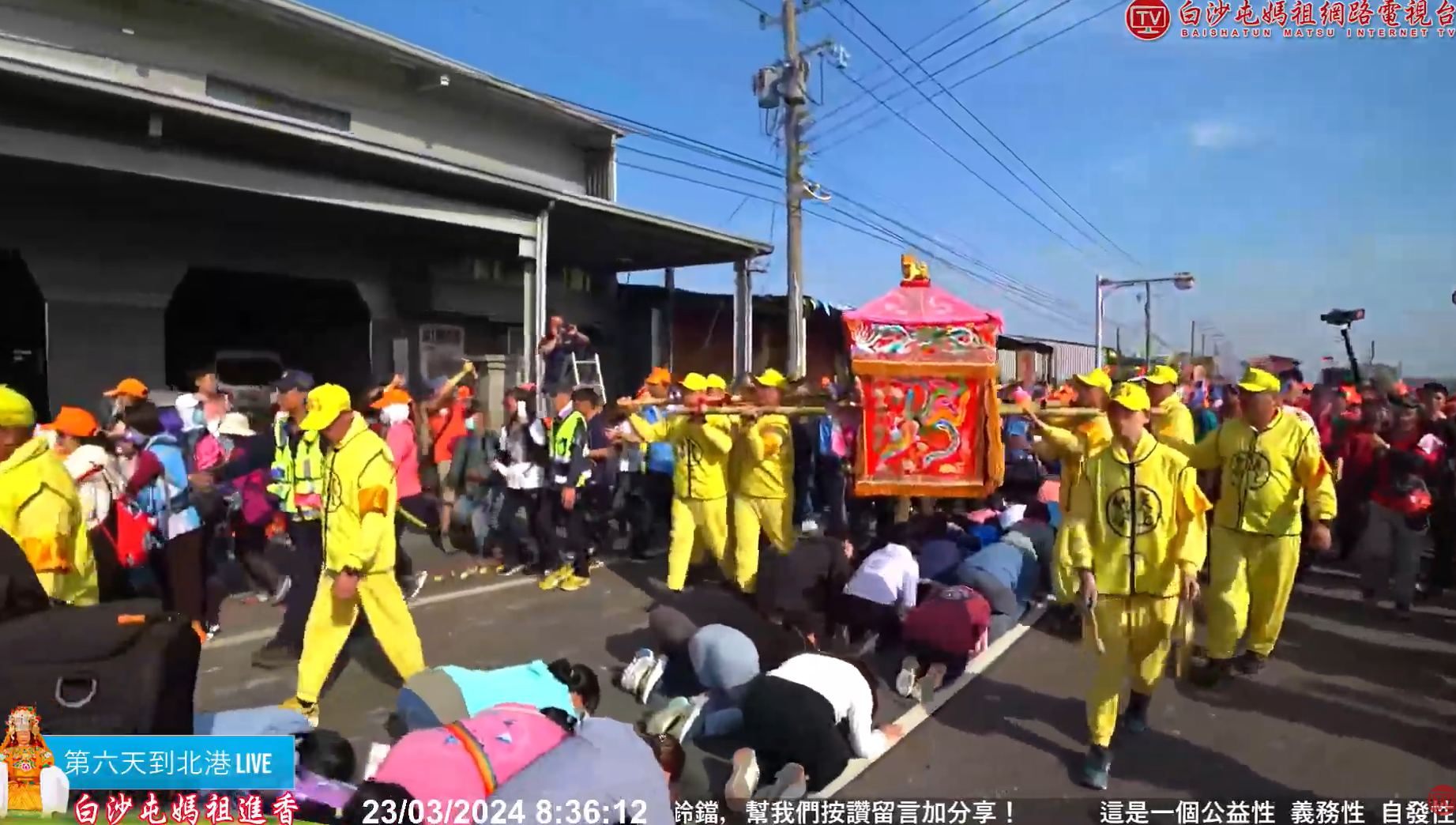
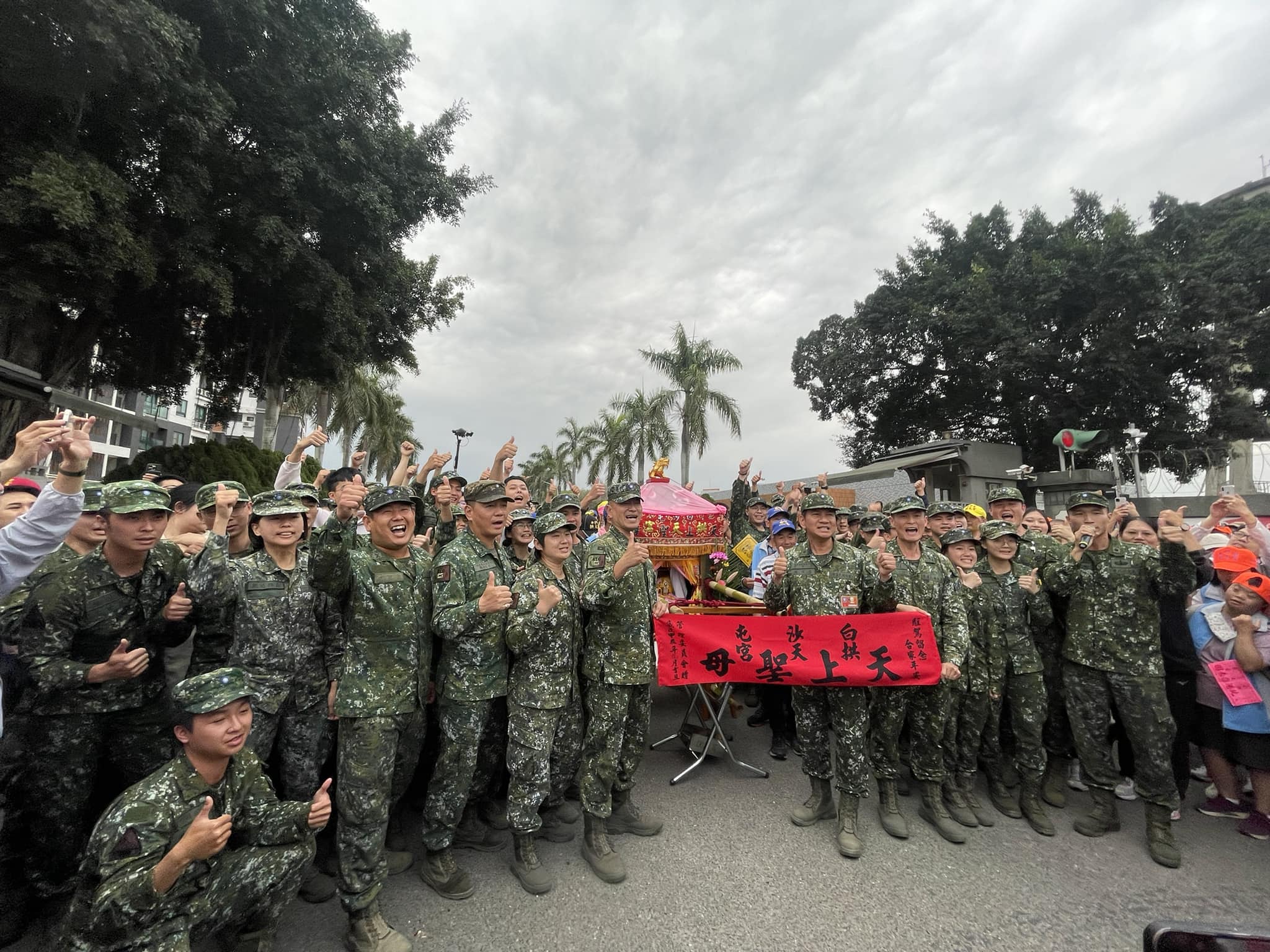
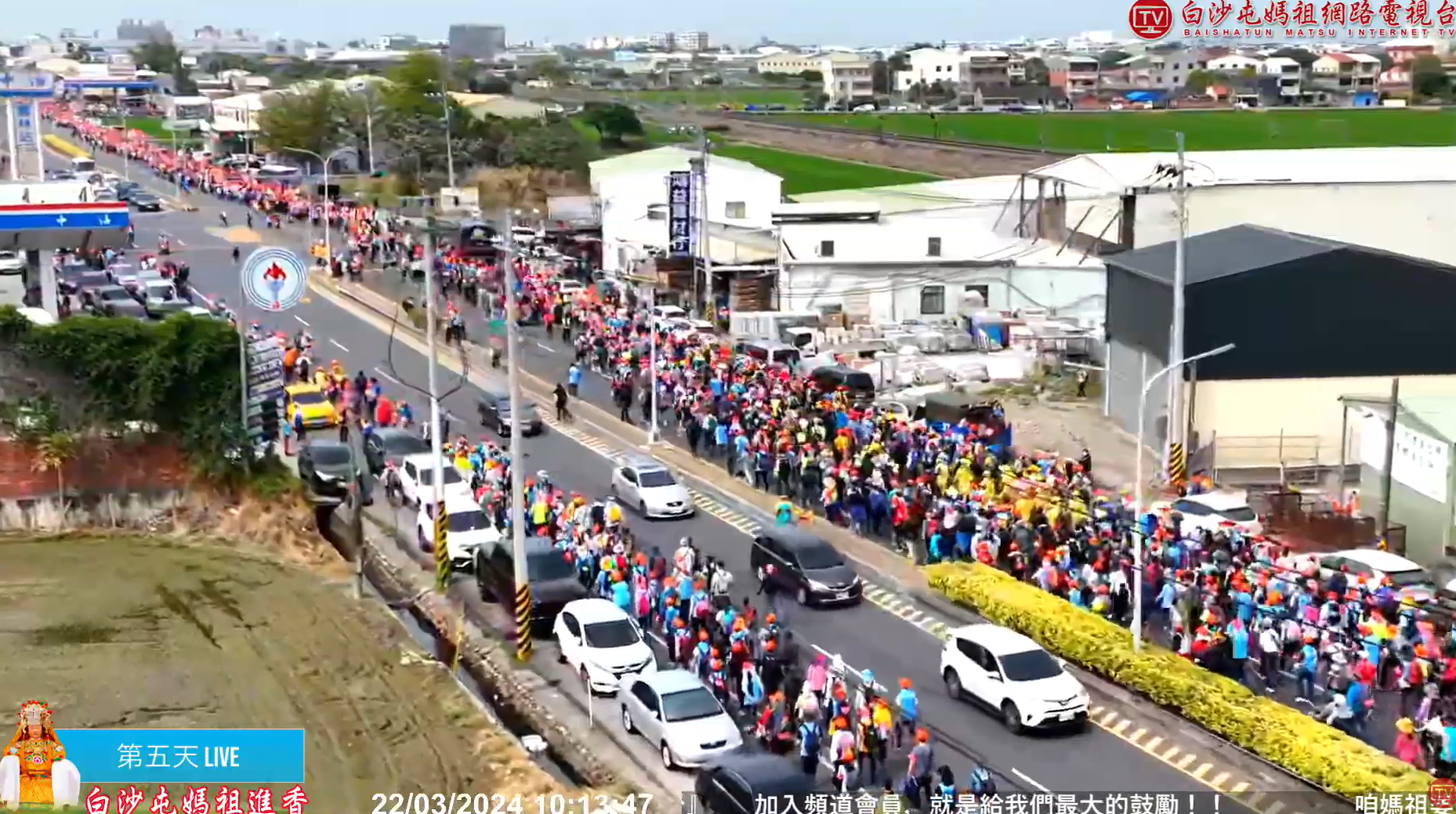
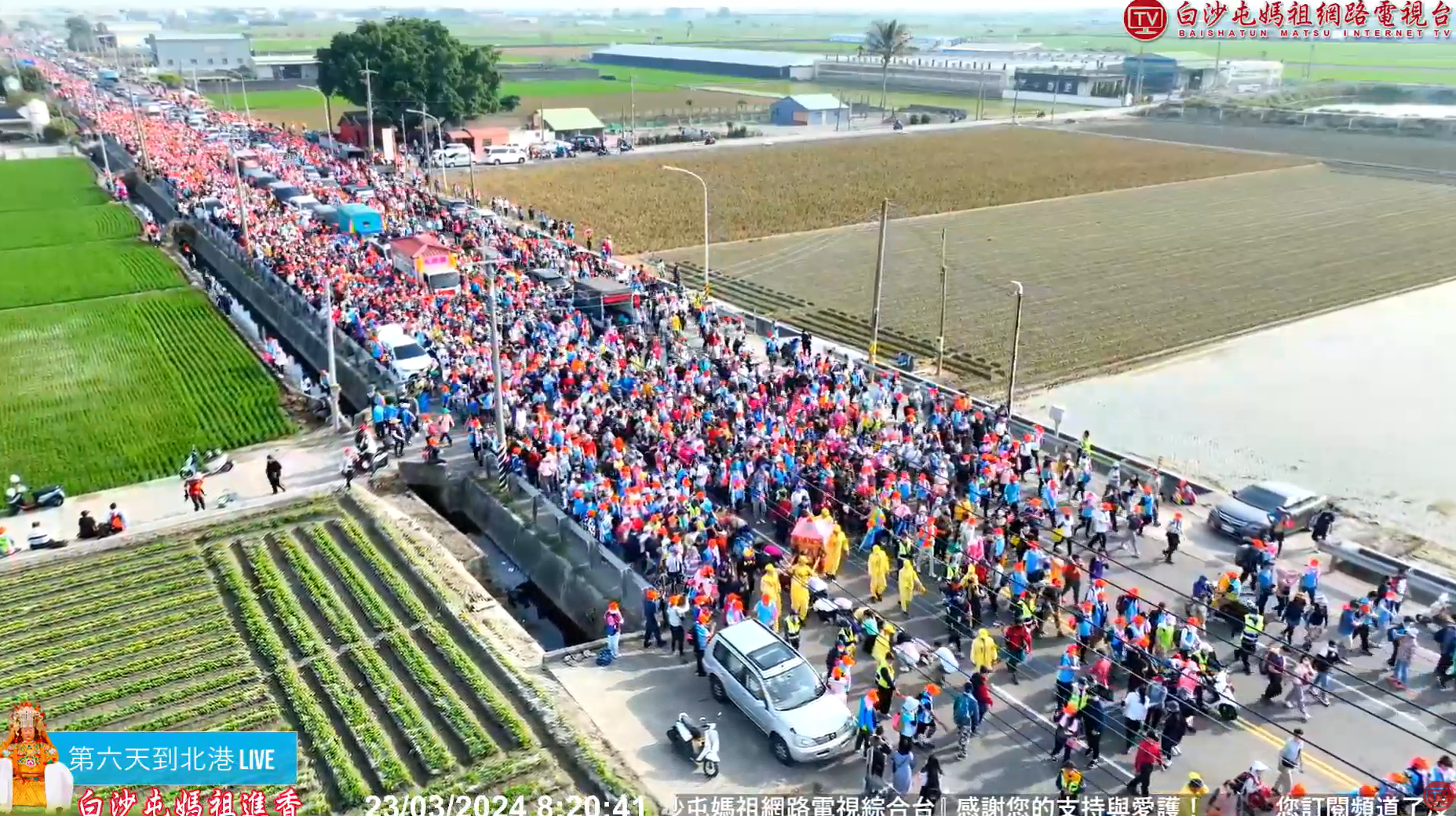
白沙屯媽祖National identity and world history classrooms. This emerging Taiwanese national identity. If a language is a dialect with an army (nifty idea, I would caution that one should be careful trying to universalize such an idea) – then is a religion a cult with an army? All of my classes have a religion/ritual component because it is so fundamental to understanding human behavior. What I have found with American students is a general impatience and naive optimism about knowing the boundary between “religion” and “cult” – in the same way that they tend to jump the gun on discerning the unstable boundary between education, information, and propaganda. In my familial life, it’s been interesting to ponder my highly educated Taiwanese parents as a microcosm of Taiwan’s complex social-political history. In behavior, they are modified traditionalists. Dad dislikes burning paper money and incense; mom is duty-bound because ancestor worshipping got handed to her by my paternal grandma. Yet ideologically, due to the China KMT’s campaign to de-Taiwanese Taiwan – a decades-long cultural genocide campaign to erase Taiwanese identity during their colonial occupation – my parents reflexively refer to Taiwanese religion(s) as backward, superstitious, and/or corrupt. Mom has spent decades hilariously trying to get my brother and me to become Christians – a status religion of the Chinese Taipei/China KMT – and whenever I ask her why she thinks a Middle Eastern/European God is superior to the Goddesses and Gods of Taiwan, she is unable to give me an answer. I have watched and studied this Mazu’s pilgrimage with great interest. The element I am most interested in is the emerging Taiwanese national identity; how the past is evolving into the present and future (This Goddess has a YouTube channel and a GPS APP ….); and the national discourse around the events. That a commander of a Taiwan army base – the army of all branches! – would welcome the Goddess in eloquent Taiwanese has sparked a social media debate. How dare Taiwanese speak Taiwanese to their Goddess, the Chinese sky dragon occupiers shriek. I am reminded of a session of World History I taught years ago when I tried to explain the nature of faith and why “superstition” is such a problematic idea when applied unthinkingly – all religions are human invented and sustained by human choices – hence all religions have the capacity for good, and cult-like bad behavior. Using myself as an example I explained why I believe that every person I meet has a reason – there is something I am to learn from them, these are not chance encounters. A very polite student asked me to prove this – and we had a great class discussion about the nature of believing versus proving. Can you, should you, try to prove that your spouse is your “soulmate” (not a fan of that term)? I would advise not. Other notes about watching the Goddess Mazu’s YouTube and studying social media posts. My favorite idea is that the Goddess does not change your fate, she offers you comfort and confidence to face challenges. The live feed gives me many glimpses of Taiwan outside of Chinese Taipei which I am far more familiar with. All of the grandparents and parents standing behind kids too young to hold incense and bai-bai to Mazu as she goes by – that reminds me a lot of my Neihu Grandma and me as a kid. I knew Grandma chatted with the Goddesses and Gods because in that position you hear the conversation intimately. The old people in wheelchairs and how high the volunteers must hold up the Goddess, and the folks holding the clothing of their loved ones – perhaps too ill to come out, maybe hospitalized or missing – bring back memories and are deeply moving. As a historian, I always ask students to imagine something like this pilgrimage for say someone 150 years ago – no tee vee, no radio, no newspaper, no formal education – the pomp, the sounds, the faith that Goddess Mazu is directing her route, the miracles small and big along the route, the impressive mass of pilgrims, the design of Her flag. Sure, we can arrogantly dismiss this as superstition. As I have watched the last six days, what I see is a psychologist, a social worker, a grief counselor, a neighbor, a good listener friend embodied in the Goddess Mazu – back a century ago, in impoverished, difficult communities when many such resources would be unthinkable. The fabric of these diverse Taiwanese localities, knit together by faith and historical memories, pageants and rituals, as a new and democratic island republic emerges. 22.3.2024

© Taiwan in World History 台灣與世界歷史. This site grants open access for educational and not-for-profit use. Maps and illustrations are borrowed under educational and not-for-profit fair use. If you are the rights holder and prefer not to have your work shared, please email TaiwanWorldHistory (at) Gmail (dot) com and the content will be removed.

Leave a comment

Filed under Taiwan Republic

Repairing a fragmenting world order

Geostrategery and world history classrooms.

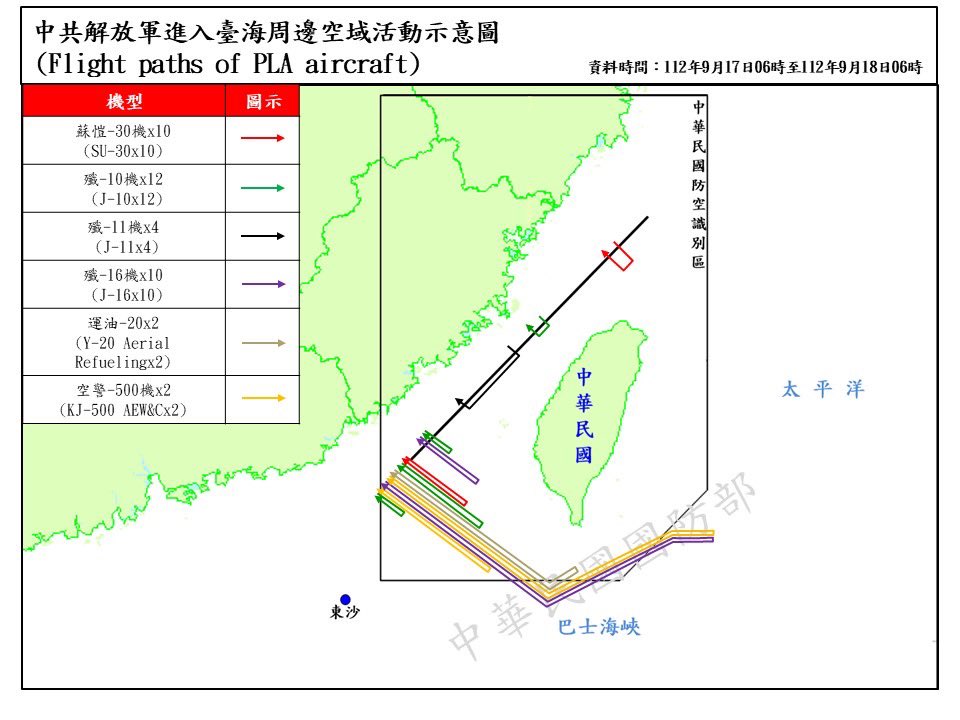
Some analysts will continue to focus on Taiwan — semiconductors, alleged national humiliation, etc. etc …. The narrative is: if we “give” democratic Taiwan to the Chinese communists, there will be world peace. Thankfully many national policymakers are not this misguided. I have been watching closely the US-Philippines, Japan-Philippines, and US/Japan-Vietnam/ASEAN moves. My theory is this: this is a dangerous moment in world history when one superpower, the US, is in domestic disarray because of the rise of American fascism; while the would-be next superpower, China, has been stillborn — neither powerful enough to create a new Pax Sinica; nor small enough to not do major damage as it flails and circles the drain. The main issue is not superficial and myopic like Taiwan-only — though Taiwan is an important piece; or whether we are talking to the Chinese nicely enough. The category of analysis is world order, and the theater of this struggle begins with the South and East Seas, not the Taiwan Strait. Though yes, Taiwan is a key chokepoint between the two seas.

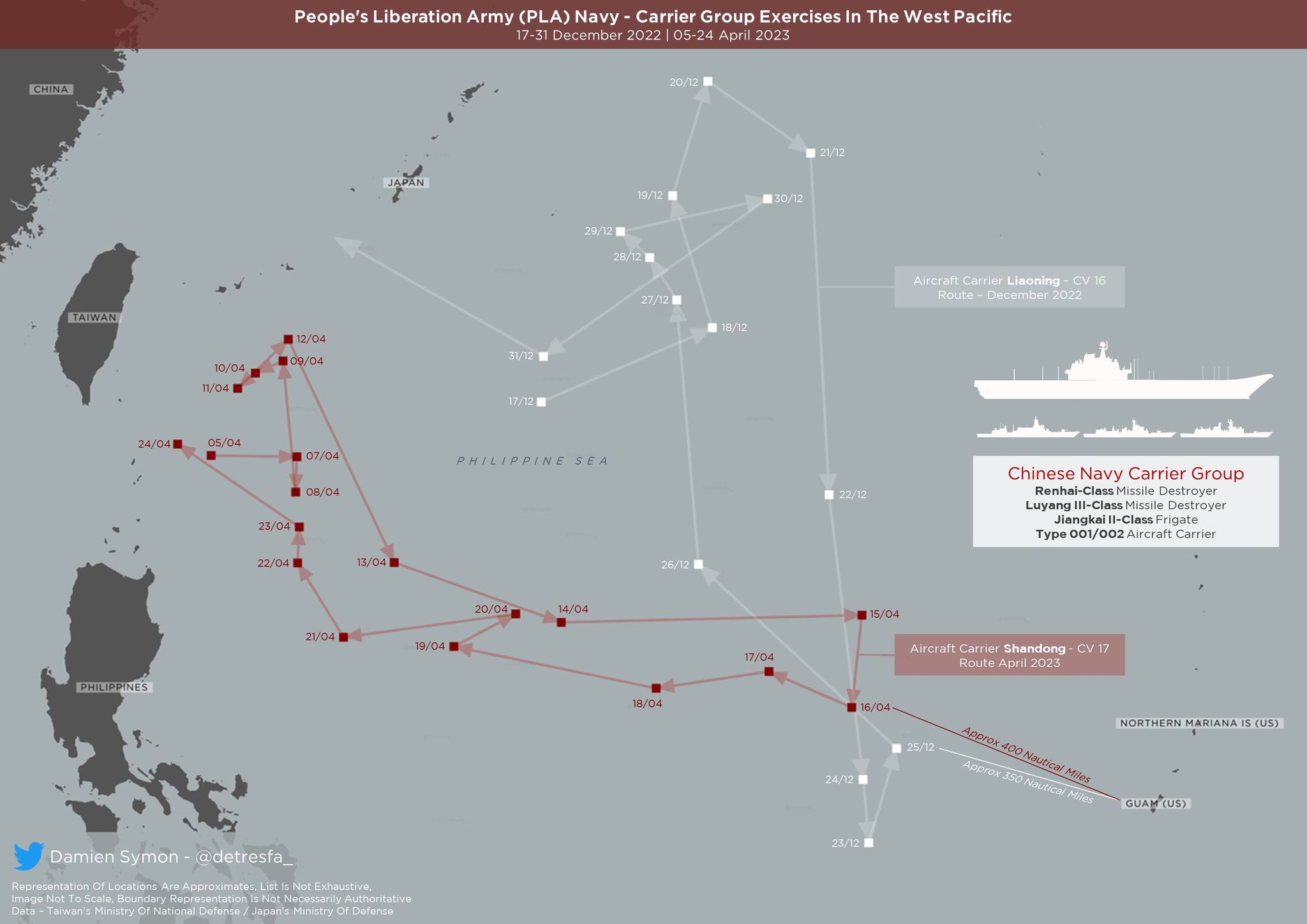
If this is what’s happening, then the US focus on Vietnam and the Philippines makes a ton more sense. I have written previously that the postwar American-invented world order is maritime-based, US Navy-enforced, and focused on free access to global raw material, labor, manufacturing, and markets. A not-quite superpower communist China, reaching into the South and East Seas attempting to “split” the Pacific and Indian Oceans challenges this world order. An American superpower in domestic disarray makes for a dangerous decade ahead. One can “give” democratic Taiwan to the Chinese tomorrow. Hell, one can even “give” democratic Japan (the truth is if Taiwan falls to the communists both Korea and Japan are dead nations walking ….) — it would not change the underlying, structural, global forces at work, no more than if we “give” democratic Ukraine to the Russians. I have been impressed with the complex global alliances the Biden liberal hawks have restored and enhanced. However, the best bet to ensure global stability and avoid a hot world war is to invest in American and global liberal democratic social welfare safety nets — to fund global democratic institutions. Populism-fascism across global liberal democracies will make a world war inevitable. 2.10.2023

© Taiwan in World History 台灣與世界歷史. This site grants open access for educational and not-for-profit use. Maps and illustrations are borrowed under educational and not-for-profit fair use. If you are the rights holder and prefer not to have your work shared, please email TaiwanWorldHistory (at) Gmail (dot) com and the content will be removed.
Leave a comment

Filed under Taiwan Republic