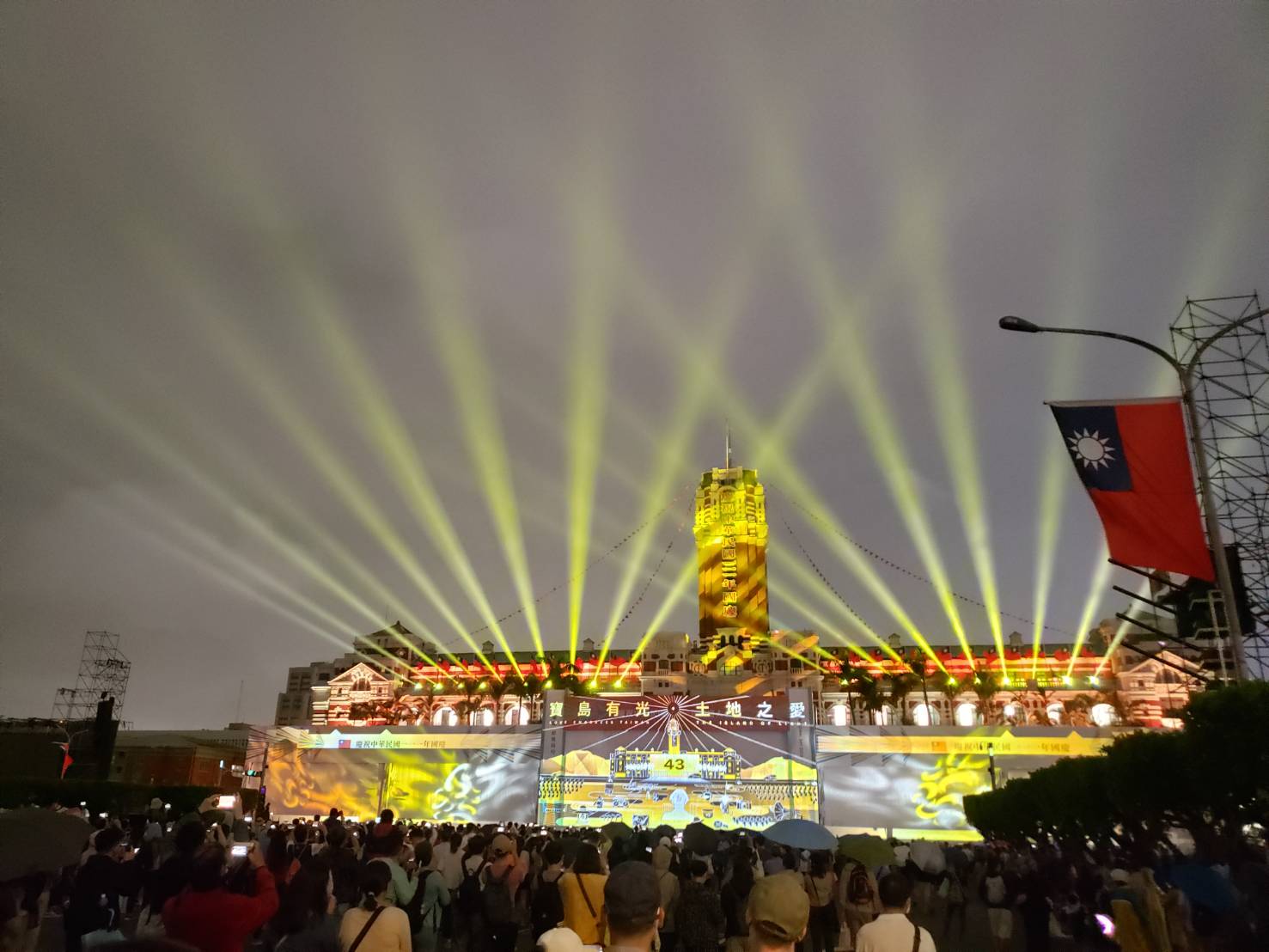
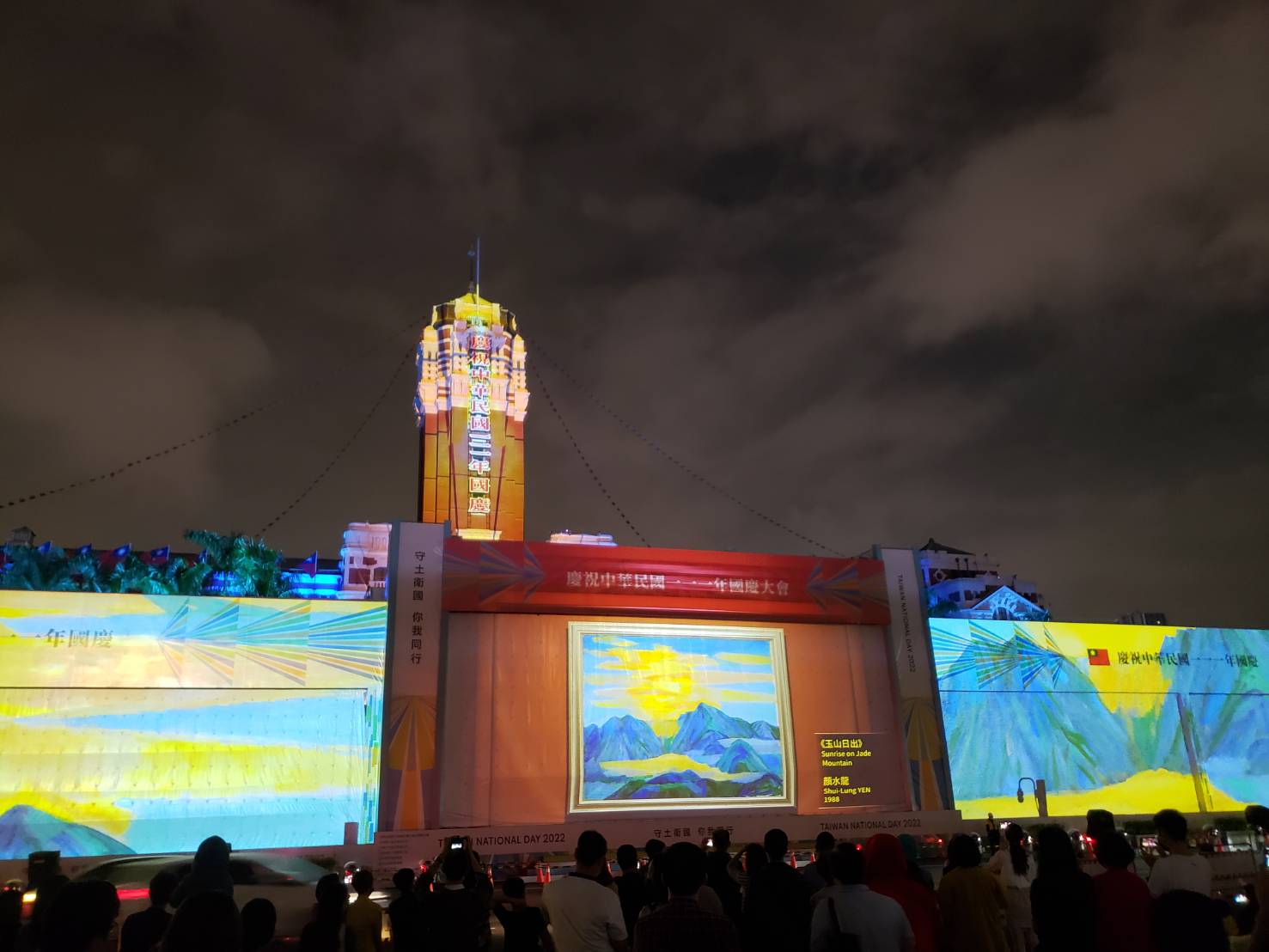
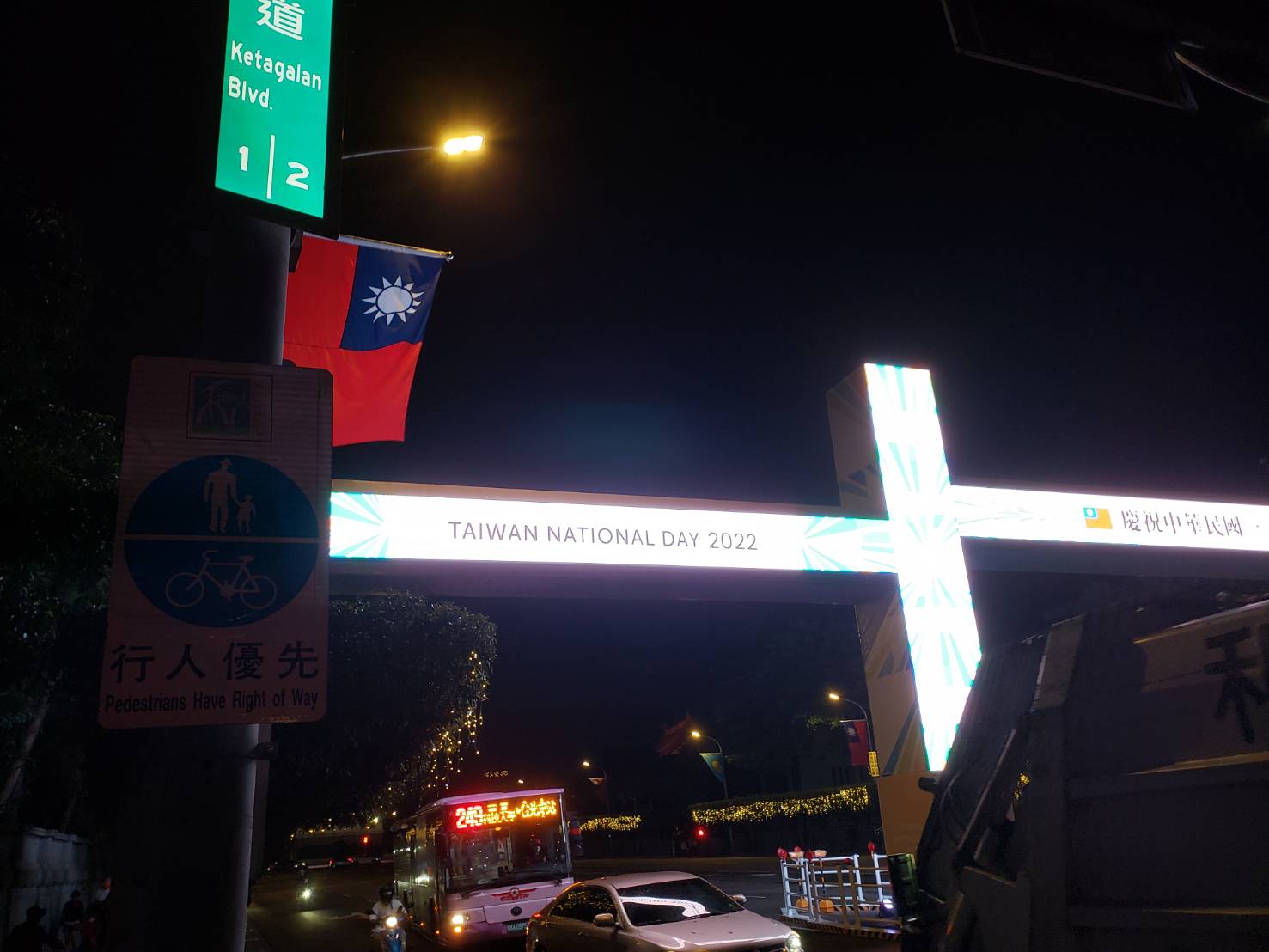
This emerging modern Taiwanese national identity. I took the subway (two convenient stops) to the Japanese Colonial Administration Building 臺灣總督府/Presidential Palace to see the “national” day laser show. I then walked around the palace and then walked home, less than half an hour, relatively safe (scooters notwithstanding, no guns, few muggings, etc.) This is probably the first time since I was ten, that I have shed a tear or had any feelings for this day. And it is in how President Tsai’s folks narrated the show, through Taiwanese artists, musicians, and filmmakers, melding home, family, and nation together — a Taiwan that belongs to the world — while opening that democratic space I have been writing about where more Taiwanese who immigrated before 1949, from 1945 to 1949, and after, could find democratic, peaceful common ground in this emerging Taiwanese nation. I have here the moment when the last painting of my favorite artist Chen Cheng-po of Taiwan Republic’s sacred Jade Mountain came on screen and my eyes teared up, he was murdered by the invading China KMT, and the show followed with this complex blend of people, ideas, and ways of telling this Taiwan story. Whatever differences we may have, this is where we were born, this is the soil that nurtured us, this is the nation we share, and this is where we will die. Or, as I wrote this morning, nationalism-patriotism without loving the human beings who share this land is meaningless. Nations are not about flags and names and constitutions and “history.” Many western and even many Asian/Taiwanese scholars are missing or ignoring the importance of this massive national identity engineering project of President Tsai. An impressive feat, taking the symbol of colonial administration, to Chinese KMT colonial occupation, and projecting diverse Taiwanese film and art and music and collective memory onto that symbol — in my own lifetime, I have witnessed that same building used by dictator Chiang Ching-Kuo extolling us to take back his fictionalized China, to this new emerging Taiwanese nation with democratic sovereignty. This relatively bloodless national revolution, decades in the making, marches on. Remarkable. May Taiwan Republic, democracy and human rights, full of art and music and good food, emerge from this process. 8.10.2022
We will see if words and policy declarations are matched by actions. After decades of contradictory US policy regarding the west Pacific, if these reports are accurate, and if the Biden administration follows through on investments in western Pacific democratic alliances, then they should be credited for substantively advancing American national security interests.
Given the gravity and urgency of the communist China threat, it is mind-boggling that the democratically elected presidents of Taiwan and the US do not meet regularly, nor do their Secretary of State and Foreign Minister, Secretary of Defense and Minister of Defense, and so on. These self-imposed restrictions by the US have long outlived their original purposes, much as the original communique, the One China myth-pacifier, etc. And while DC and Taipei have been, for decades, stuck in this self-manufactured, very boring rom-com KPop soap opera, tea leaf reading for signs of relationship upgrade and downgrade, in this life and death crisis created by the Chinese communists, direct conversations at the highest level between the democratically elected leaders of the US and Taiwan are pragmatic and in the interest of national security on all sides.
As we have seen with Ukraine, a sign of western imperialism is in how western academia, journalism, think tanks, and officialdom overestimate the role their actions figure in the calculations of autocrats in Moscow, Beijing, and elsewhere. No serious observers on any side have advocated needlessly “provoking” the Chinese communists. Yet it is fascinating to see how difficult this false conviction will not die – Did Putin really invade democratic Ukraine over NATO or not being coddled even more by the west, or were there ultimate factors internal to Russia and that dictatorship? Do we seriously believe a Pelosi visit or even the US changing Taiwan’s embassy in DC name from Taipei to Taiwan are the primary or even secondary drivers in the Chinese communist calculation over when their Taiwan annexation D-Day would come? Western imperialism may find this line of thinking self-flattering – frontline democracies like Taiwan Republic, Ukraine, the Baltics, and Poland cannot afford this fantasy. Autocrats are most likely to attack when they think they are stronger, and when they think we lack the will to resist. The main thing that matters to dictators is the preservation of their dictatorship.
The priorities outlined here by the Taiwanese Ministry of National Defense are sensible, and I am glad to see them specifying priorities in public, like intelligence sharing and coordination, interoperability, and joint exercises with the US and democratic allies. These are commonsensical ideas that for decades, because of unwise political decisions, the US-Taiwan-Japan have voluntarily ceded to communist China in lieu of military preparation. Also, a good sign that the relatively cautious and conservative Taiwanese military is willing to engage the US and the public this way – the core of Taiwan’s national defense will require the democratization and modernization of its military leadership. As the world should have learned from Ukraine, the priority must be to prevent a Chinese communist war of annexation from beginning. And while words like “dialogue” and “talks” and “compromise” are not bad per se, I have seen no evidence that they prevented or slowed the Russian decision to invade Ukraine. Ultimately, what may encourage a dictator like Xi to give his war plan to annex Taiwan a second thought is seeing concrete evidence that such a war will lead to the end of his dictatorship. How to communicate – in words and deeds – this reality to dictator Xi, is the top priority for Taiwan, the US, Japan, and global democracies. 6.10.2022
This is an important summary of the debates over Taiwan’s national security strategy during the last few decades, and the role played by “asymmetric warfare.” On that term, or “porcupine strategy,” students of global affairs are wise to be cautious to separate the jargon-chasers/repeaters from the professionals with a realistic grasp of the trade-offs between different options. Dr. Lai’s essay is an additional important corrective – in a field dominated by American voices, where the civilian, non-China KMT party-state voices inside Taiwan are scarce, it is a good sign that Taiwan’s decades-long democracy is slowly penetrating the China KMT dictatorship-dominated national security arena. Dr. Lai’s paragraph on America’s strategic ambiguity and Taiwan’s inability to fully accept the American advice on asymmetric warfare is most important. To the extent that the US, Japan, and democratic allies can operationalize President Biden’s repeated expression of strategic clarity regarding Taiwan’s democratic sovereignty status quo, adopting a version of asymmetric warfare would become more likely in Taiwan.
Several important global and historical contexts usually missing in the general discourse on the Chinese communist problem. First, this “no position” position by the US, clearly stated, takes place a year after President Tsai’s significant democratic sovereignty Taiwan has never been a part of the PRC speech. The US, Japan, and EU did not respond to that speech – they neither endorsed, nor disavowed, President Tsai’s assertion that Taiwan has never been a part of communist China, that China and Taiwan exercise separate sovereignties, and that the future of Taiwan belongs exclusively to the twenty-three million citizens of Taiwan exercising their democratic sovereignty.
Since that speech, the emphasis of the US, Japan, and EU has been on the peaceful ‘status quo’ – meaning, as they see more and more menacing signs of Chinese communist plans for military options to annex Taiwan, the international line for acceptable behavior has been underlined and sharpened.
Finally, a more subtle but critical point. The US may have no “formal” position on Taiwanese sovereignty (and significantly, Price phrased this as sovereignty across the strait, meaning, Chinese communist sovereignty is also up for discussion ….) but the ‘body language’ of the US, Japan, and EU since the 2021 speech by President Tsai has been anything but position-less. The Taiwanese de facto embassy in Washington, DC, and Tokyo and major European capitals have been as active and public as they have been in decades. European and Asian diplomats visit the Taiwanese embassy in DC and Tokyo – Taiwanese diplomats meet regularly with their American, Japanese, and European counterparts across the globe. One may call all of this “unofficial” and “no position” and “no change in policy” all one wishes – what is one to make of all of this? A peaceful status quo marks the Chinese communist military option as a catastrophic international incident. No position on sovereignty saves a little bit of face for the Chinese communists – incidentally, President Tsai convincing her supporters to tolerate, for now, “RoC” does the same – while the US, Japan, and the EU in behavior push interactions with Taiwan up to the edge of all-but-formal-recognition.
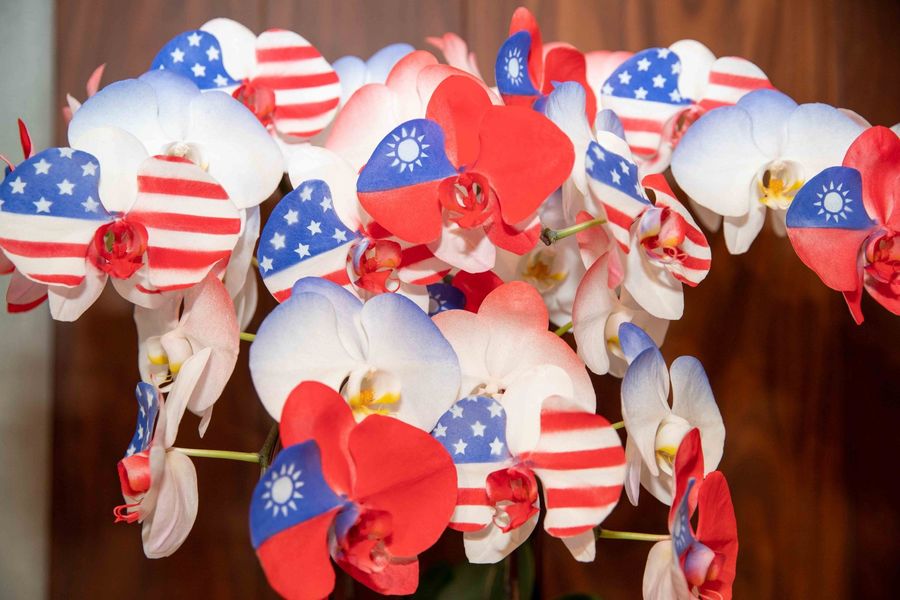
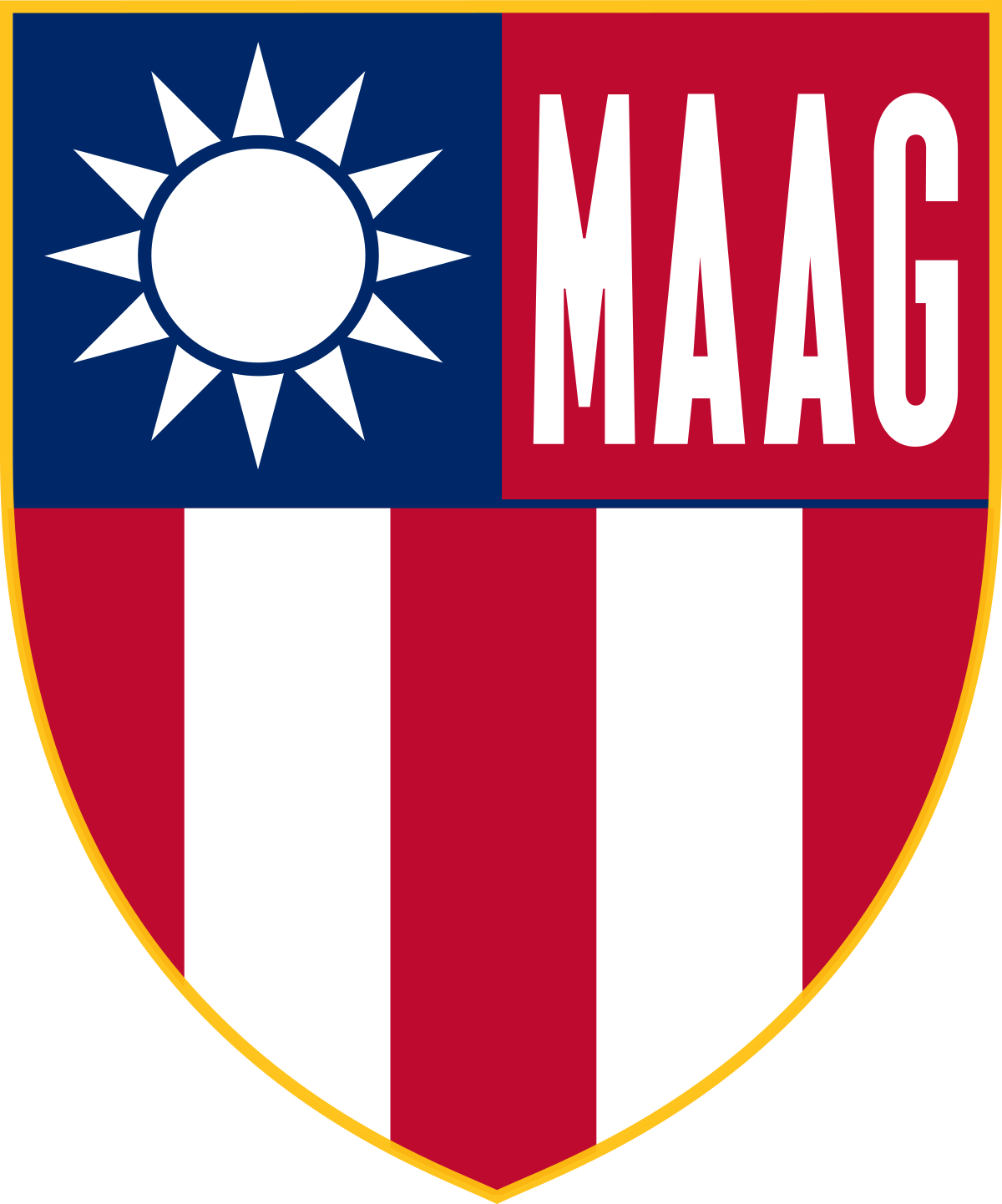
The first photo is of the Taiwanese ambassador to the US opening the new building for the Taiwanese military mission to the United States. Second is the historic US Military Assistance Advisory Group (MAAG) logo from the US-Taiwan Mutual Defense Treaty days. What do you see? MAAG represents decades of US military advisors and assistance in fixing a hapless China KMT military (along with Japanese military advisors ….). An era when the US interest in Taiwan not becoming a part of the PRC was official and required little doublespeak. It is impossible for the Taiwanese embassy or military attache to choose a logo without US feedback. If this is the case this would have been the most oddly inconsistent episode for a hypercautious President Tsai, and her even more hypercautious Ministry of National Defense.
So what does this mean? I don’t think it is a coincidence that the US, Japan, and even some in NATO have moved towards strategic clarity coupled with actual military muscles in and around Taiwan. I also think it is easy to see shadows – updated for a different reality in Taiwan and the US – of MAAG in the Taiwan Policy Act of 2022. The US-Taiwan-Japan strategic dilemma of 2022 is not hardware alone – Taiwan’s Ministry of National Defense, its generals and admirals and officer corps, and its national intelligence apparatus, require guidance and rapid reforms.
Much as my observation before that the salami slicing process the US and the PRC went through from 1949 to 1979, the US, Japan, and other global democracies are doing with democratic Taiwan now – with the reality that PRC is militarily more powerful than the Chiang dictatorship back during 1949-1979 – with the ultimate objective of pushing US-Japan-NATO relations with Taiwan Republic up to everything but formal diplomatic recognition, with an international consensus that a Chinese communist military invasion to annex Taiwan would not be tolerated. The process began with Taiwan’s first president Dr. Lee decades ago, the special state-to-state formula, now given substance by President Tsai, Prime Minister Abe’s free and open Indo-Pacific, and President Biden’s strategic clarity. 29.9.2022
If this report is accurate, that the US will sell more than four batteries of the NASAMS to Taiwan Republic for Taipei, Hualien, Taitung, and CCK Air bases, the system itself is fine. Two things to note. Taiwan’s domestic military production has a technological and a production bottleneck. I am worried about the Chinese communist’s ability to infiltrate critical information on Taiwan-developed weapons. What Taiwan’s domestic weapons development has lacked, and this is related to the unsteady and contradictory US policies, is the ability to focus on systems and platforms where Taiwan has the most technological advantage, and leave the other systems to imports. A cursory review of what Taiwan has tried to domestically develop over the last two decades shows a catalog of everything and anything – many items, advanced torpedoes, and next-generation jet fighters, probably do not make sense; while other items, drones, and unmanned vehicles, guided antitank missiles, long-range counterstrike missiles, could have used more focus and investments.
But then one could and should do the same thing with decades of contradictory American policy. Take a peek at the list of major weapons the US sold to Taiwan for the last few decades and it is difficult to create a coherent national security narrative out of them. The F-16A/B with Sparrow missiles instead of the F-16C/D because? Why the Kidd class destroyers and not AEGIS/VLS destroyers/frigates? Why did the US actively obstruct Taiwan’s attempts to acquire submarines for decades? The underlying mistaken premise – that Chinese communist military ambition can be managed by DC, that if the communists decide to invade and annex Taiwan it will be because Taipei and/or DC “provoked” such a decision, has infused America’s decisions on what weapon systems can be sold to Taiwan. This is where short-range systems like the NASAMS represent that continued mistaken notion from the US – “defensive,” “not provocative,” “short-range/point defense,” – while lacking a consistent strategic and tactical vision. Given limited defense resources in Taiwan, Japan, and the US, do the short-range NASAMS belong in the top ten missiles Taiwan Republic must purchase now? The answer to that depends on the level of strategic clarity and commitment the US provides to Taiwan and other democratic allies in this region. 28.9.2022
My impression, anecdotally, is that ever since former Prime Minister Abe sounded the alarm re: the possibility of the Chinese communists launching an invasion to annex Taiwan Republic (An emergency for Taiwan is an emergency for Japan, hence an emergency for America.) – not a month passes without a major civilian or military leader in the US and Japan making unusual comments about Chinese communist military adventurism, and signs of concrete preparation on the US, Japan, and democratic allied side. President Biden’s repeated strategic clarity regarding a Chinese communist military invasion to annex Taiwan, seen in this broader context, suggest that – like the US and UK before the Russian invasion of Ukraine, Washington and Tokyo are seeing troubling intelligence regarding Beijing’s intentions. In decades of following this, I have, for example, never heard a senior US military leader speak so concretely of what will occur during a China-Taiwan-Japan-US war. For all of the theorizing and arguments over abstractions like the One China Policy and Strategic Ambiguity – or even what that magical ‘cross-strait’ status quo means – the lesson of Ukraine is that democracies must act earlier and firmer to prevent an invasion from a dictatorship – and that dictators care primarily about the survival of their dictatorship, above anything else. How to communicate clearly to Beijing that the use of force will end the Chinese communist dictatorship, that’s the only policy-making issue that matters. 27.9.2022
The Lee-Abe-Tsai-Biden bottom lines are: The magical ‘cross-strait status quo’ is that Taiwan has (praise the Buddha) never been a part of the ‘People’s’ Republic of China. Taiwan Republic’s future is based on the democratic sovereignty of its twenty-three million Taiwanese citizens. (Not Taiwan’s business, but the world ought to ask, on what basis do the Chinese communists claim legitimacy to oppress its one billion subjects?)(Or is asking such a commonsensical question going to require smelling salt for American academia and think tanks? ….) And a Chinese communist war of annexation against Taiwan is an international violation that will be met with a devastating military-economic-diplomatic war of resistance from the Free World.
Global studies-world history pro-tip: power, broadly defined, determines everything in world affairs. Whether communist China will annex democratic Taiwan will ultimately be determined by how much total power the US, its democratic allies, and Taiwan Republic are willing to bring to bear. Still, if you follow this stuff as obsessively as I do, notice this. From the President of the United States of America on down to every cabinet member to generals and admirals to Japan and other democratic allies, for the last two years, the free world is demarcating a political-diplomatic “boundary” from which the China CCP and the China KMT may not define a communist Chinese invasion of Taiwan as an “internal affair.” I hate what’s happened to occupied Tibet, occupied East Turkestan, Tiananmen, Hong Kong — former two are Chinese imperialism foreign invasions but the world dropped the ball; the latter two are sadly domestic affairs. An additional historical context. For decades the first voice to denounce a Taiwanese ambassador in DC writing such an article in public would be the US State Department — in a bipartisan fashion by the way. So to see coordinated efforts, US, Japan, EU, and the Taiwanese ambassador adding to this effort with US assent/coordination — The Lee-Abe-Tsai Indo Pacific coming into reality, with the democratic west about two decades late to the party — but, better late than never. All remarkable. Let’s hope all of this is in time to deter-prevent a foolish Chinese communist war of annexation. 26.9.2022
But seriously: how many times does the President of the United States of America have to say, in plain words, again and again that the Chinese communists are not allowed to militarily annex Taiwan before these words are not branded as “gaffes”?
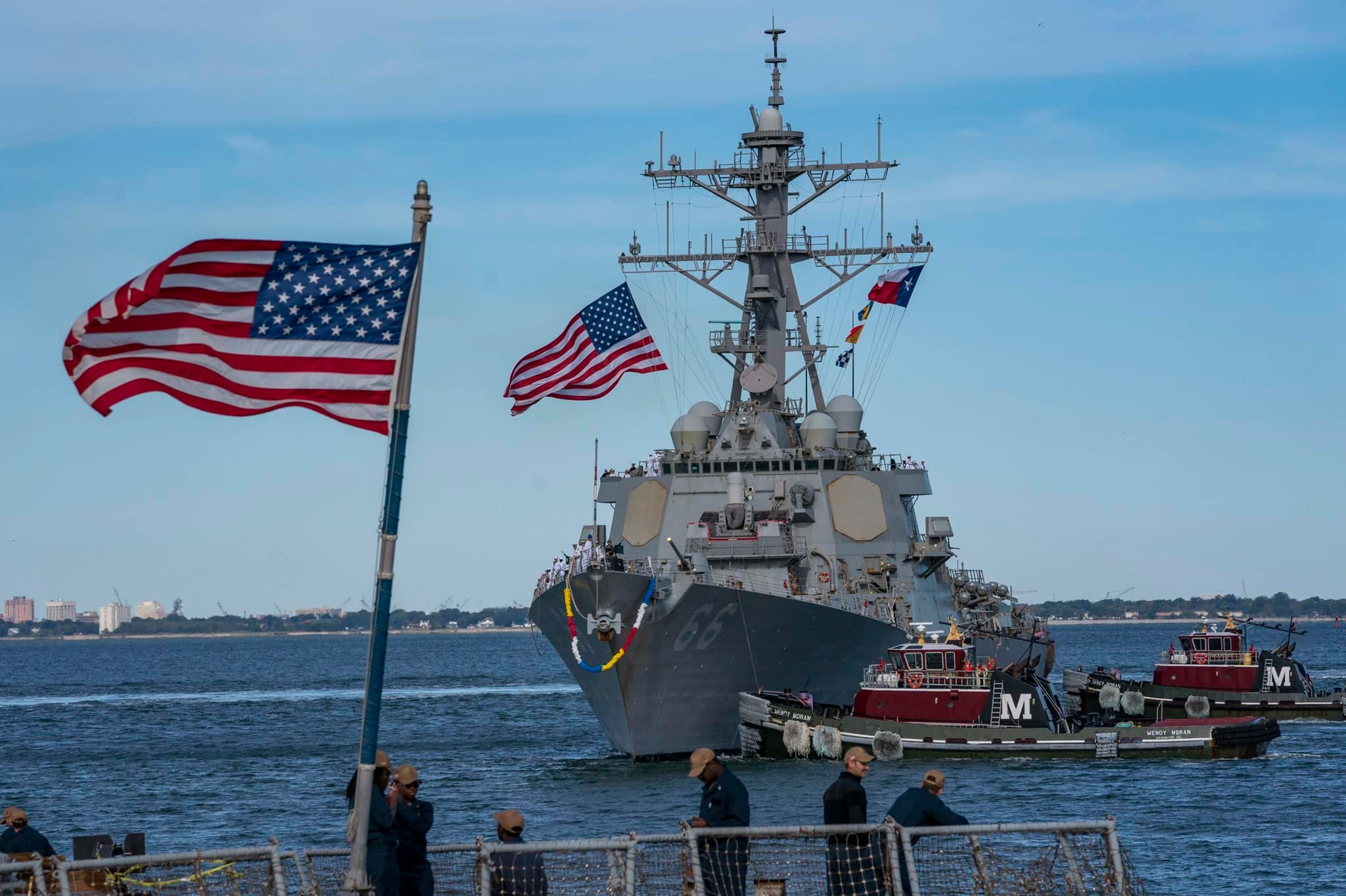
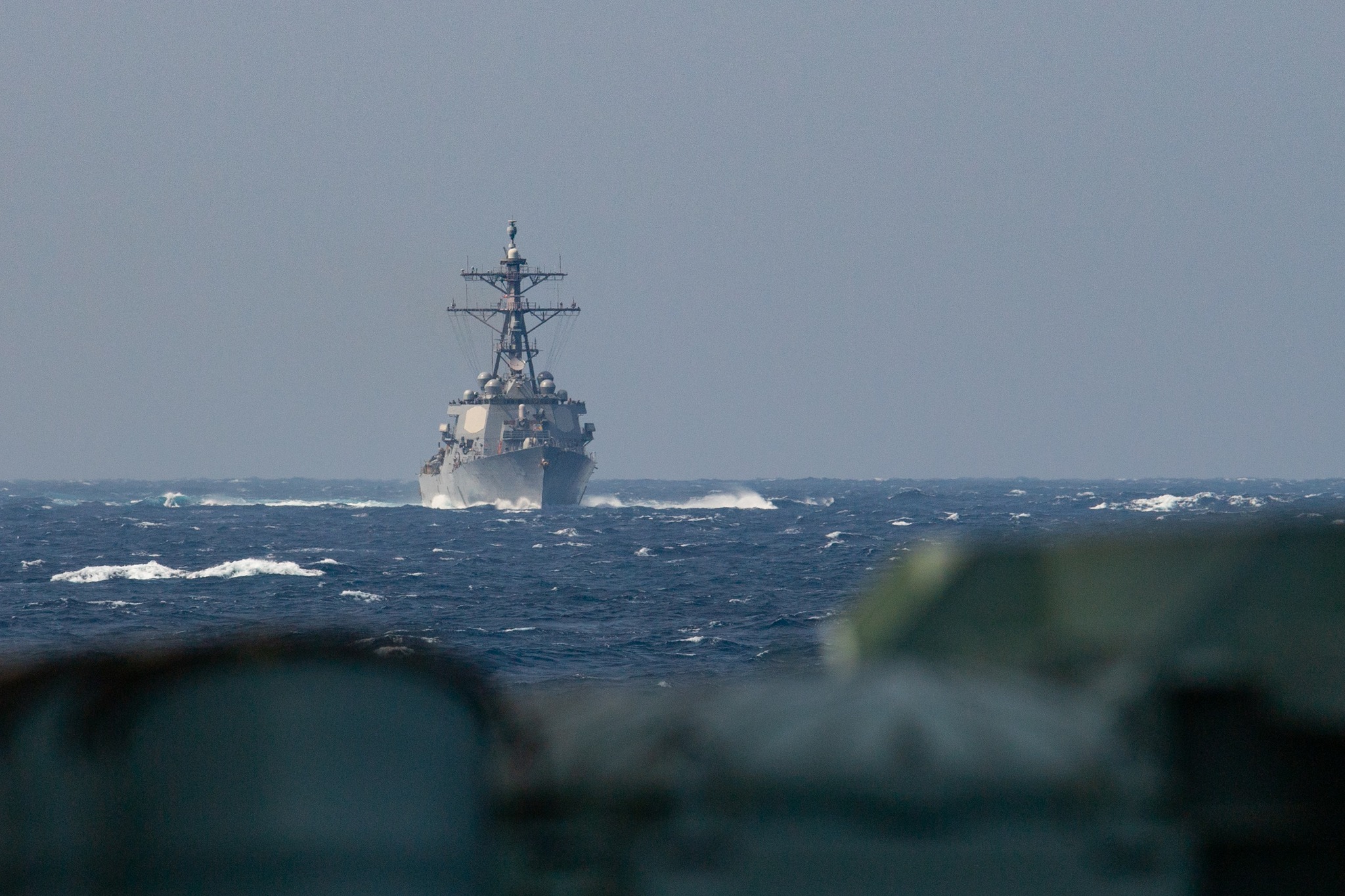
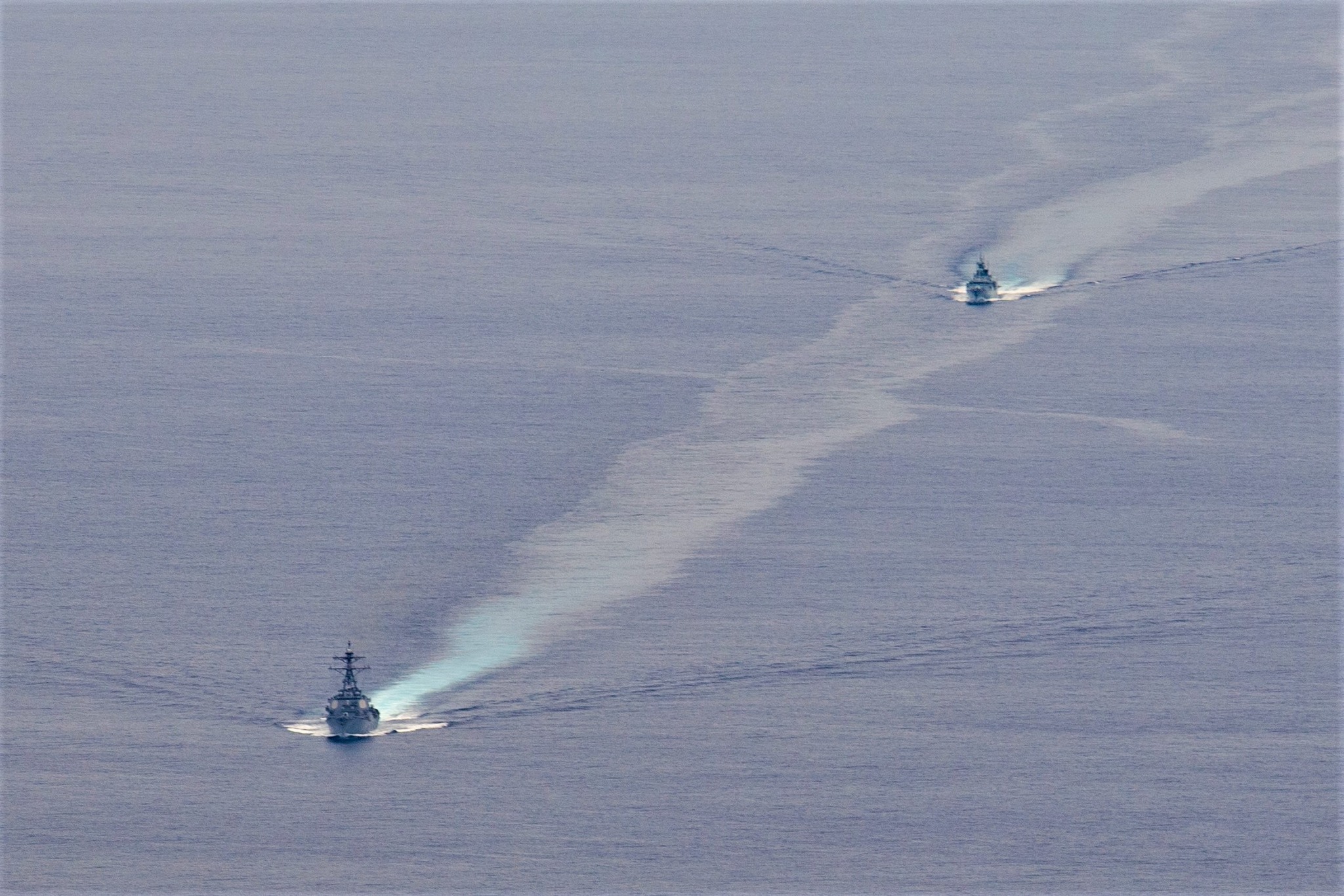
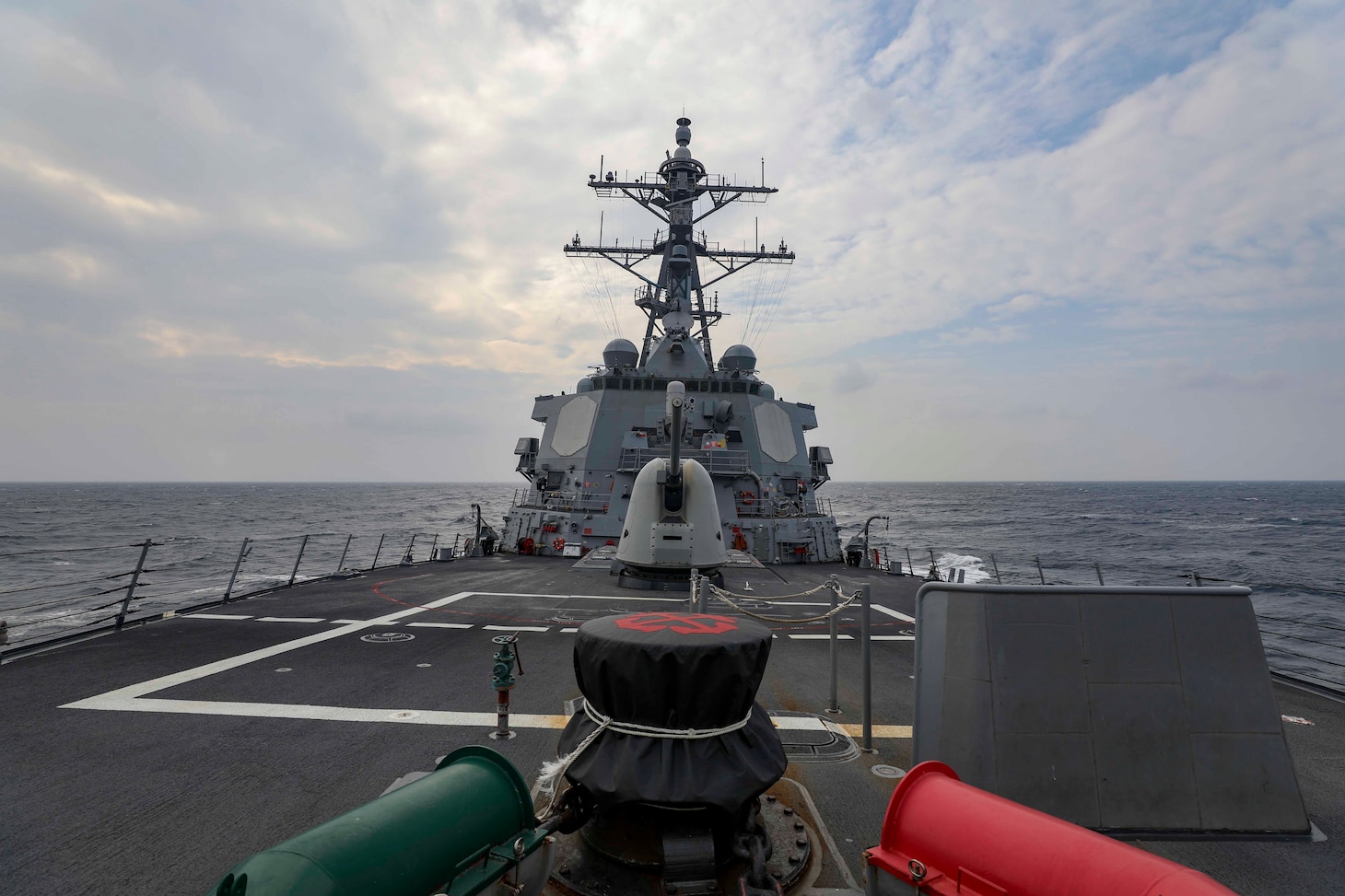
American academia, think tanks, press, and officialdom and their incessant fuss-potting and The Twitters meltdowns notwithstanding, they were never “gaffes” — The President of the United States of America and leader of the greatest global naval empire in world history has spoken. AEGIS destroyer with Canadian frigate – accompanied by Taiwanese navy and coast guard? – as exclamation marks. Let’s hope the Japanese Navy will appear soon. My heartfelt congratulations to divisive and controversial ultranationalist dictator Xi Jinping for getting even the most dovish Canadians to sail their warships through the Taiwan Strait. Xi’s parents must be so proud, even Chairman Mao didn’t manage to unite the global democracies thusly. 23.9.2022
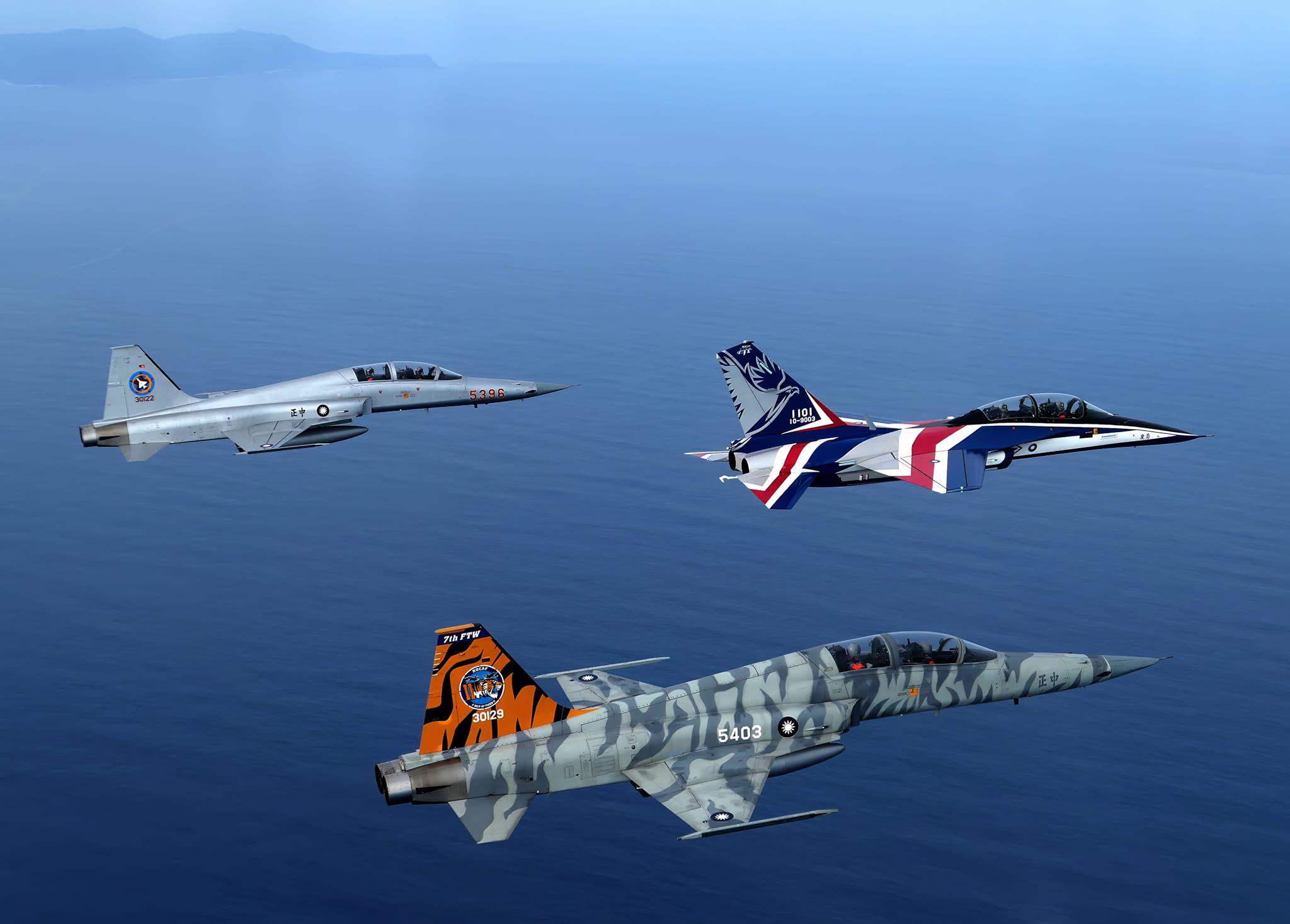
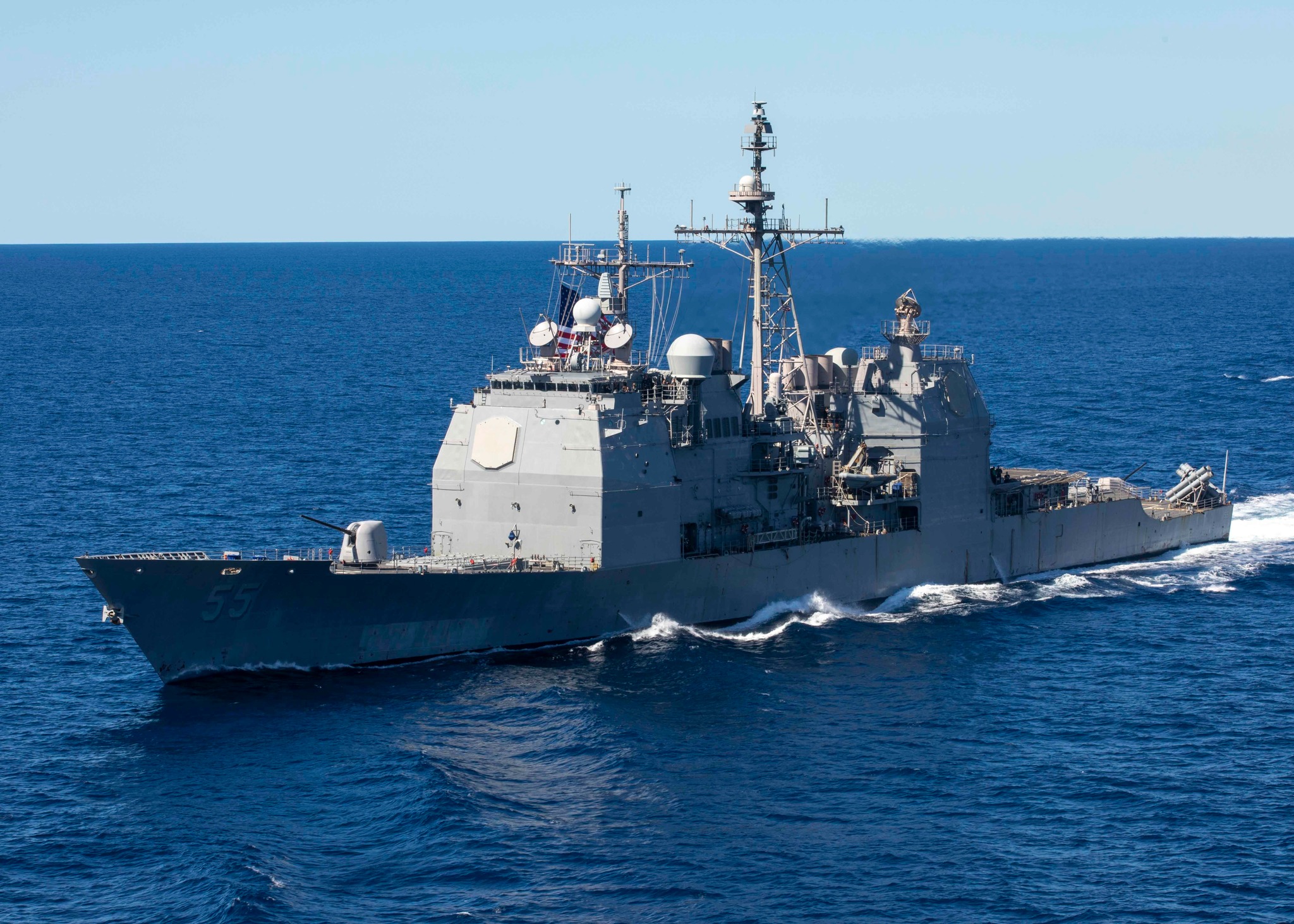
How Taiwan Republic’s national defense became so precarious is a historical, multifaceted phenomenon designed for anyone with an ax to grind to select just one piece to focus on, and ignore all the others. As a historian-scholar, I am trained to discuss and debate forever – but Taiwan and its democratic allies do not have the luxury of doing this because I suspect dictator Xi Jinping is suffering from the same imperialist malady that infected dictator Putin. So whether you are attached to these think tank jargon – porcupine and Javelins – or not, the reality remains – Taiwan and its democratic allies need to bring as many missiles into the theater, as rapidly and affordably as possible. Sending to Taiwan recently retired US Ticonderoga cruisers makes sense.
For decades the game between the US and Taiwan – this is what “strategic ambiguity” really means – is that Taiwan obsessively focuses on one or two major weapon systems partly in a hope that this one system will “solve” its defense like a talisman, but also tea leaf reading for signs that America has finally decided to treat Taiwan as it treats Japan, Korea, Israel – as a democratic ally. So whether it was the F-16 in the 1980s, or Arleigh Burkes in the 1990s, or submarines in like forever, decade after decade, the two sides dance this dance of eternal disappointment.
Debating about porcupine/asymmetrical warfare makes zero sense without this historical-political-diplomatic context. I am not a military expert and will defer to the expertise of military leaders in Taiwan, Japan, and America – but their military analysis is not actionable without taking into account America’s history of ambivalence towards Taiwan. Which makes President Biden’s relative strategic clarity remarkable. Thousands of Javelins and Stingers work very differently with an actively militarily engaged US and Japan – and would be disastrous if Taiwan’s democratic allies fail to show up.
Which gets us to this report on Taiwan requesting the US Navy decommissioned Ticonderoga cruisers. One thing I have noticed about certain policy debating circles is that at some moment of a debate keywords turn into jargon, jargon turn into mantras, and mantras turn into angels on the head of a pin style debates – realists and unrealistic, porcupine or not – detached from the purpose of the debate. Whether Ticonderogas or not, the only thing that matters is that Taiwan Republic, the US, Japan, and democratic allies coordinate a strategic and tactical plan to deter and defeat a Chinese communist invasion to annex Taiwan. Stingers and Javelins and a territorial defense force may play a role. Ticonderogas may, too. The main imperative is to bring as many missiles into the theater for Taiwan and its allies as quickly and cheaply as possible. And perhaps the elderly Ticonderogas are no longer able to serve America’s global maritime empire but with affordable fixes can serve as an instant upgrade to Taiwan’s missile-air defense – basically AEGIS missile barges. It would help Taiwan break the AEGIS/VLS barriers cheaply and quickly. And if strategic clarity is the direction we are headed in, this would be a good opportunity for the Taiwanese, Japanese, and American navies to link their platforms-operations. All of this requires some creativity on the part of Taiwanese and US national security leaders not known for such flexibilities. 22.9.2022
////// “An emergency for Taiwan is an emergency for Japan, which is also an emergency for America” – The Lee-Abe-Tsai Indo-Pacific.
Geostrategery and World History classrooms
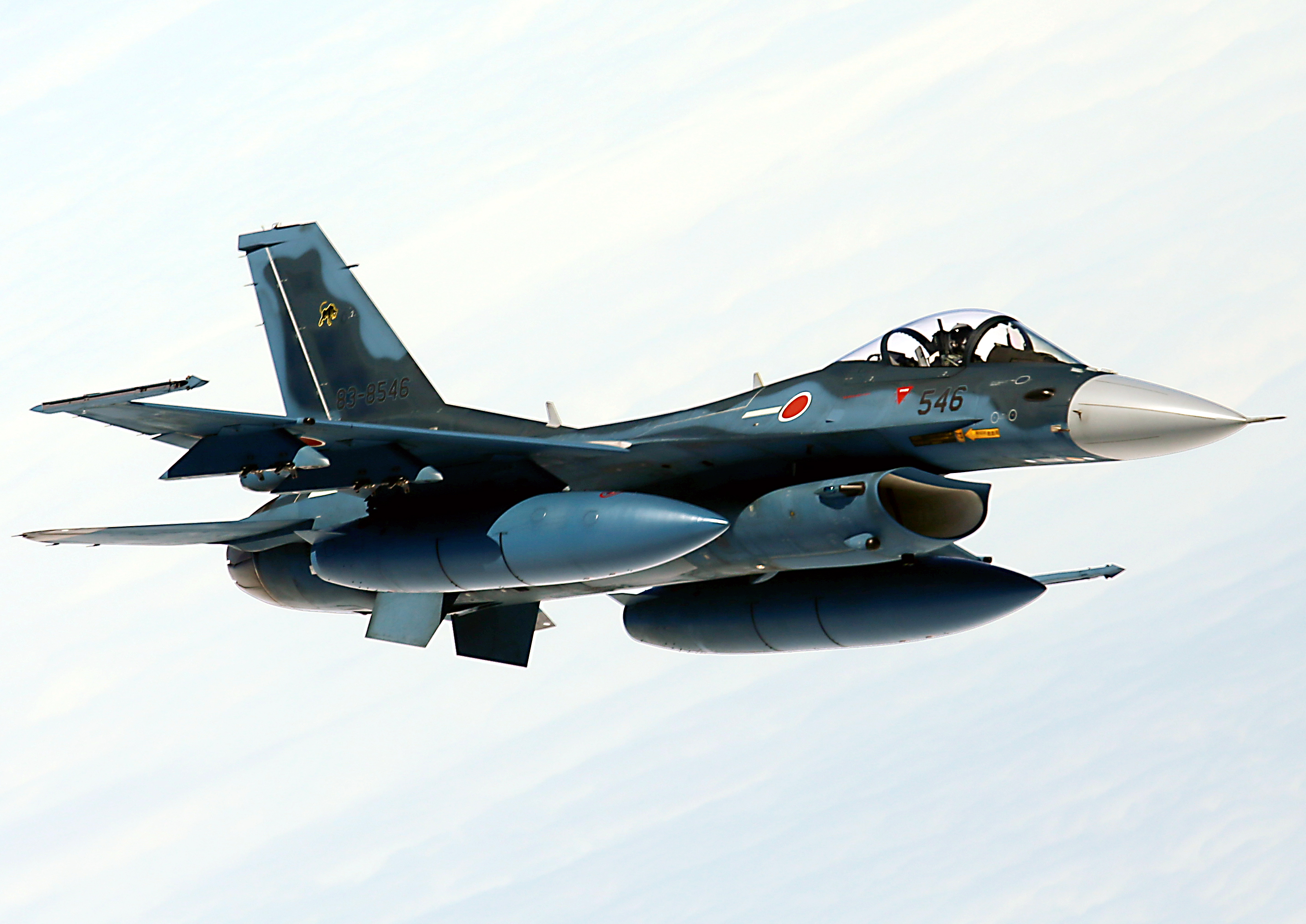
Five Chinese communist ballistic missiles meant to terrorize democratic citizens of Taiwan Republic landed in the Japanese EEZ, prompting protest and alarm from Japan. These Chinese communist missiles are evidence of Shinzo Abe’s foresight. Former Prime Minister Abe crystallized important ideas ahead of others when months ago he asserted, “An emergency for Taiwan is an emergency for Japan, which is also an emergency for America.”
We should sincerely thank the Chinese communists for doing everything they can to inadverdently 1. Encourage the Japanese to finally write their own constitution, normalize their nation as a regional power, and double the size of their military. 2. Give much military intelligence and data to the US-Taiwan-Japan military alliance. And 3. To ensure that Japanese and American military officers and military assets return to Taiwan Republic sooner than I had guessed. Don’t be surprised if Australian, Canadian, and British military presence, for the first time after the Pacific War, also appears in Taiwan Republic. I expect more high-level visits to Taiwan from global democracies. And the Quad+AUKUS+Japan+NATO will adjust the One China myth sooner rather than later. Just as dictator Putin has singlehanded done more for Ukrainian nationalism than many others, ultranationalist and controversial-divisive dictator Xi wins the Taiwan Independence-Formosan Nationalism Lifetime Achievement Award. 4.8.2022




 Taiwan in World History (台灣與世界歷史)