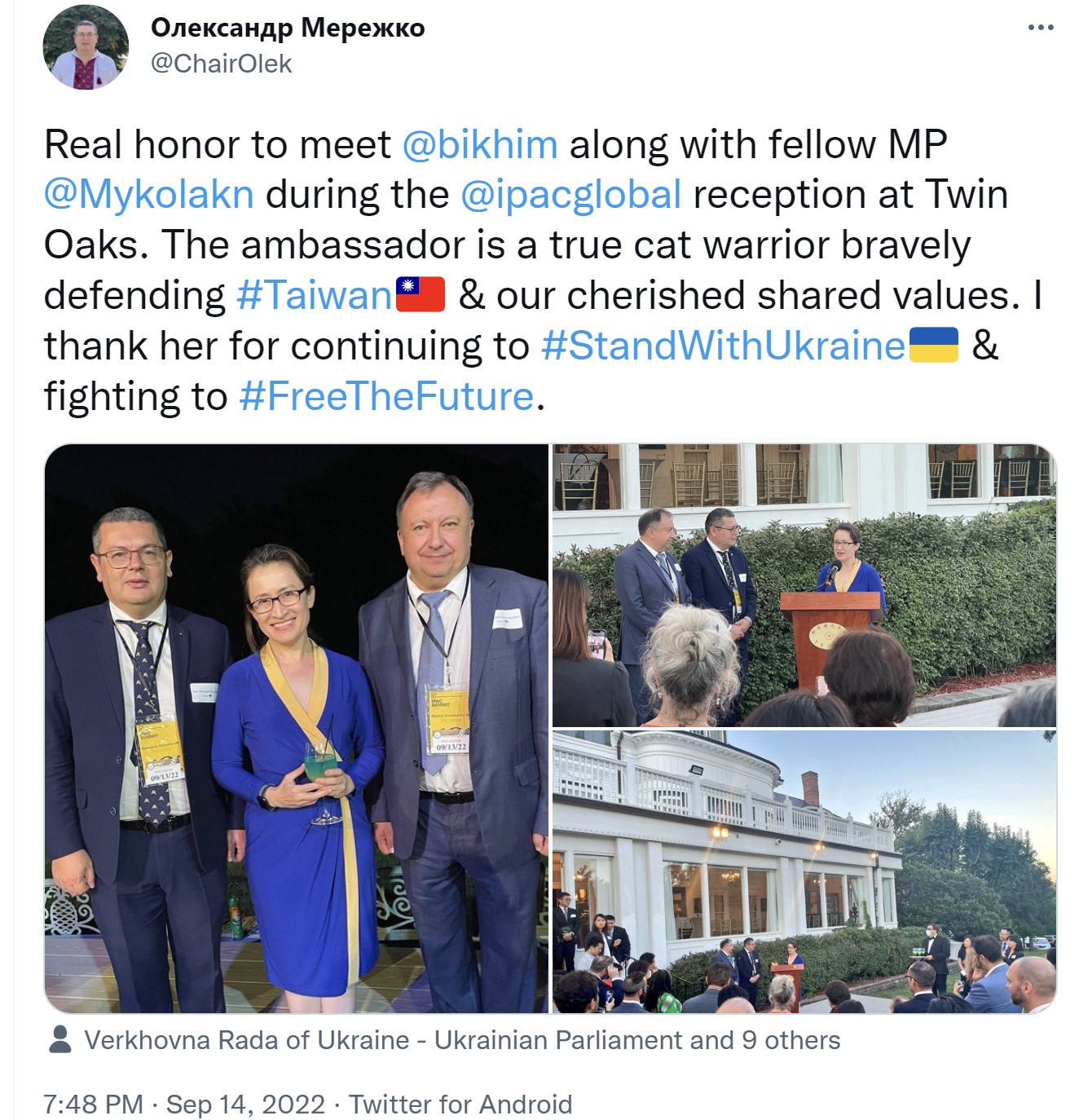
The most reassuring part of this report is the indication that the US and Taiwan Republic are collaborating. Remarkable progress in that the US is allowing the Taiwanese ambassador to the US to do this, in public – what a difference a few decades make. Would be even better if Japan co-lead this effort. The Chinese Communist Party ‘war’ against the world is all domain, multidimensional – and so seeing geoeconomic tools as a part of the efforts to deter a war of annexation against Taiwan makes sense. The main lesson from the Russian invasion and war of annexation against Ukraine is that a dictatorship like Russia and China will have very different ways of calculating “acceptable economic sacrifices.” And so I suspect the two main tools for the US, Japan, EU, and Taiwan to dissuade dictator Xi from launching a war of annexation remain convincing dictator Xi that such a move would lead to the end of his dictatorship. A parallel to the Ukraine case is the dictatorship’s information bubble – somehow Putin either convinced himself or selectively only listened to those inside Russia and Ukraine that assured him that Kyiv would fold and that most Ukrainians would welcome an invasion. One suspects Xi has created a similar information bubble, wherein he has selectively listened only to the most extreme anti-democracy anti-Taiwan voices inside Taiwan – assured, falsely, that Taipei would melt the way Chiang Kai-shek and his party-state did in 1949 and that the majority of Taiwanese would welcome a Chinese communist annexation. How the US, Japan, EU, and Taiwan find effective and convincing voices to change this perception in Beijing will go a long way to dissuade dictator Xi from resorting to an invasion.
I am not as optimistic as Dr. Song – if the Taiwan Policy Act of 2022 passes without major revisions, and if it is signed by President Biden, the executive branch has many tools to slow-walk and water down the measures (see also, legislation re: the Chinese communist genocide in East Turkestan.)
What these major legislative push shows are three main things. First, decades of mediocre American presidents have long delayed much-needed reevaluations of US-Taiwan policies. Such reviews started way back during the Clinton administration, and for one or another reason, expectations were never matched by results. Bureaucratic inertia, foreign entanglements, domestic scandals, “the blob” being its blobby selves, etc etc. Therefore, it is good to see sustained pressure coming from both political parties in Congress.
The second context is this. DC policy circles are mostly stuck in the imperious idea that they are “managing” or “creating” the world as we experience it, overestimating their roles and underestimating factors out of American control. Whether DC chooses to adjust to the dynamic, changing meaning of the “status quo,” Taiwan Republic, communist China, and even the US in 2022 are vastly different than 1972, or 1978. Rather than seeing this legislative effort as “changing the status quo,” it is a belated updating of formal policies to catch up with geopolitical reality.
Finally, this reminds me of the no-we-are-not-maybe-we-will Ross and Rachel dance between the US and the PRC from 1949 to 1978. While the US embassy to China remained in Taipei, and while the official statements kept asserting that US policy remained unchanged, salami slicing continued unabated, with changes in world conditions, the nature of contact between DC and Beijing changed, substantially, and rapidly. Given the dismal performance of the Biden White House on the Pelosi episode, I am not holding out high hopes for this. A wise and creative executive would minimize fighting against Congress on this issue, and use this as an opportunity to “internationalize” America’s policies on Taiwan – i.e., exporting the Taiwan Relations Act+ model to fellow democracies of Japan and EU. Using this approach as one of many other policy tools to prevent a Chinese communist war of annexation against Taiwan from ever starting. If we learn nothing else from the democratic west’s failure in Ukraine, it ought to be that porcupine or not, finding credible ways to prevent an authoritarian belligerent from starting an invasion is key for all of our interests. 7.9.2022
Historical knowledge, particularly world history level analysis, is so vital for policymaking. A few big-picture ideas and predictions.
The world is dynamic, yet humans shape the world as if it is static. When America and communist China normalized their relations in the 1970s unresolvable issues were purposely fudged. The status of Taiwan is one of those – this is why there is the confusing ‘One China Principle’ versus the ‘One China Policy’. Long story short: in the 1970s and 1980s, Taiwan was a China KMT colonial dictatorship, the Chinese communists did not have the means to invade and annex Taiwan, the two dictatorships did not have a disagreement about One China – merely over which side is the real China and which side are the bandits. It was far easier for Beijing and DC back then to sidestep the issue over the status of Taiwan.
This is not the reality of 2022 – for several decades starting with President Clinton successive administrations have talked about adjusting policies to changing reality. A stronger but authoritarian, ethnonationalist, imperialist communist China, a democratic and technologically advanced Taiwan Republic where the sovereignty is arrived at via peaceful fair and free national elections. And yet by our bad luck, we have had decades of mediocre presidents, each distracted by his own scandals and mistakes. My observation is that with the end of Globalization 1.0 – leaders can either get ahead of changing circumstances and shape and guide – or, as in the case of US Indo-Pacific policy, we can passively wait until we are forced to deal with it. That is where we are now, the room and time for kicking the can down the road have run out.
Military. For at least a decade the Chinese communists have had the ability to plausibly annex Taiwan by force. At the very least to cause a ton of damage and disruption to the region. America had been distracted by its wars in Iraq and Afghanistan, and the GWoT. Not until the Obama second term did we pivot to the Indo-Pacific, and even now it has been half-hearted. Not only have we not focused on the military preparation for the China Threat, but we have also been slow in changing the diplomatic-political conceptualizations necessary to deter and defeat China’s ambitions. Meaning, the 1970s fudging about the status of Taiwan was basically a ‘agree to disagree’ – Red China had no power to act, and both DC and Beijing wanted to focus on the USSR. However, by 2022 it is long past the time for a US-led global adjustment on Taiwan – is it a nation? would a Chinese communist invasion to annex Taiwan violate international norms? Strategic ambiguity can no longer function while serving the vital national interests of the US and its democratic allies in the Indo-Pacific.
That strategic ambiguity era is gone; the status quo is dynamic. The previous pattern that used to work – kind of like with the North Koreans, is changing rapidly. Every time Beijing wants something it throws a military tantrum – and then their partners in the west would push for “de-escalation/talks” – and then DC would concede something. This is how we ended up with so many communique. That era is over not because “hawks” are in charge – the material and geostrategic realities have changed.
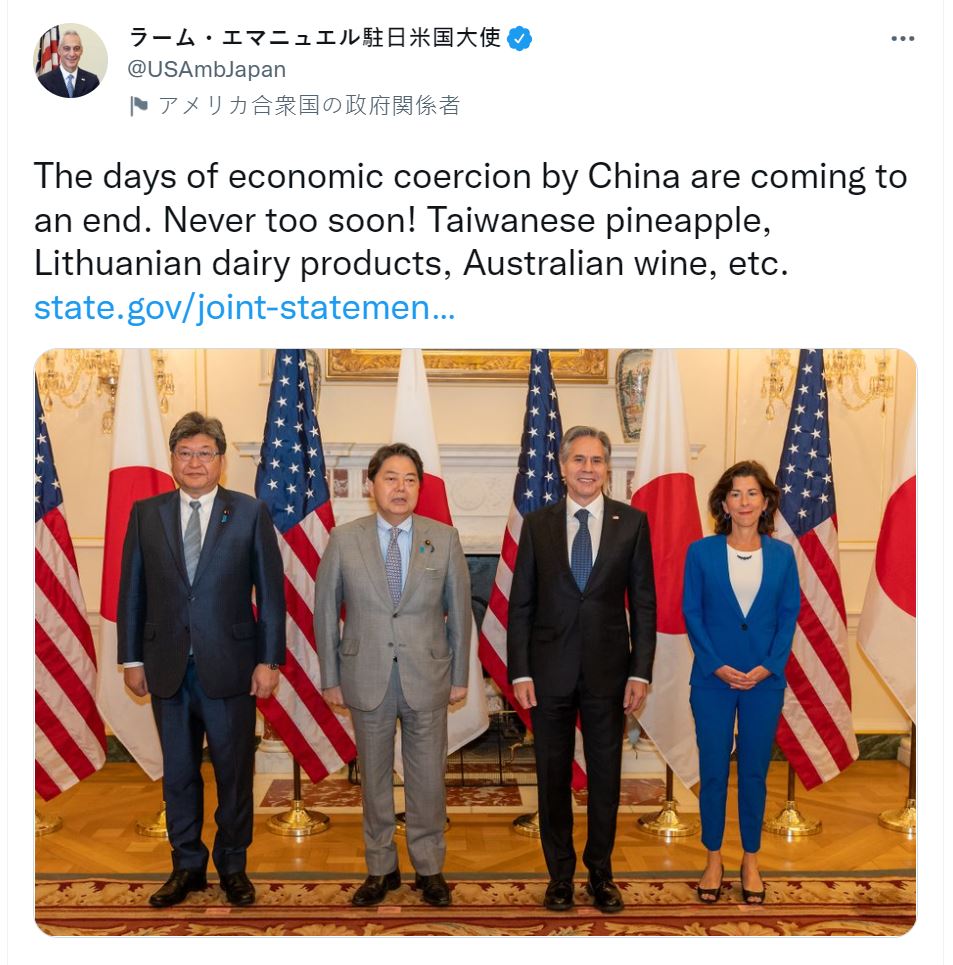
So while there are long overdue military-strategic changes that this latest Chinese communist missile crisis will provoke – Japan will change its constitution and double its military; Japan-Taiwan-US will no longer hide their military-intelligence collaborations. The counterstrike capabilities of both Japan and Taiwan will massively increase – Japan will become a nuclear power before the end of this decade. Assuming American democracy can keep it together long enough to deal with real-world problems, the largest overdue project is an American-led global democracy consensus on the status of Taiwan. My guess is that it will be the internationalization of the Taiwan Relations Act adopted by Japan and NATO and Quad. Think of it this way – during the annual RIMPAC maneuver in the south Pacific the “group photos” of the alliance carriers and destroyers and submarines – there will be a diplomatic-economic parallel to this. What we know about the Chinese communists is that they can target and sanction smaller nations like Lithuania – but when democracies take collective action, they are too vulnerable alone to act. 7.8.2022
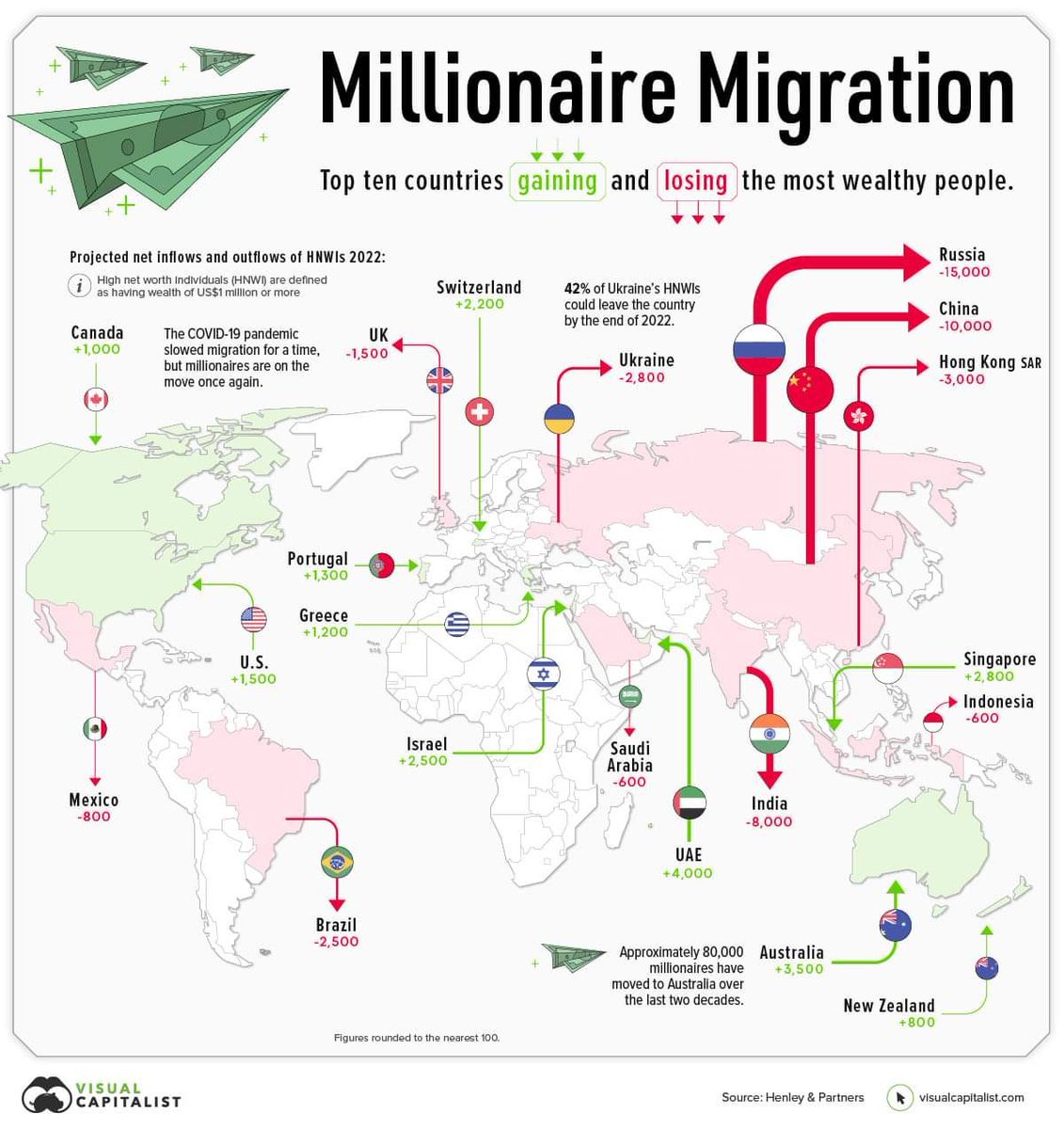
See earlier post re: demography and geography. Humans lie with words, so to triangulate the truth, watch where they send their kids for college, where they park their can’t-afford-to-lose retirement funds, and whose embassies and consulates have a line waiting for immigration visas. And while Chinese keyboard super-patriots are louder and more obnoxious than before, if you use these three metrics, you will find plenty of American, EU, Canadian, and Australian passports. While there are always essentialist ethnonationalist idiots: the fact remains, that there is nothing about supposed Chineseness, or Russianness, or Americaness, that makes a nation naturally more or less attractive to migrants. And students are always surprised when I gently remind them that millions of migrants wanting to come to America now does not make this ‘natural’ nor ‘eternal’ — and I find it super insulting when people on different sides of the ideological spectrum assume that migrants primarily are driven by money alone. The same kind of offense I take at assumptions that American citizens join the military primarily for money. Sure a job is important, but plenty of places on earth for jobs. America promises an unrivaled degree of stability, legal protection, equality, and social mobility, that though flawed and worthy of critique and improvements, relatively speaking, is unmatched by most nations on earth. We Americans of 2022 are doing a horrible job understanding and improving our own American democratic story, which is terrible for us, and bad news for the democratic world. 20.8.2022
Demography and geography are not quite destiny, though close.
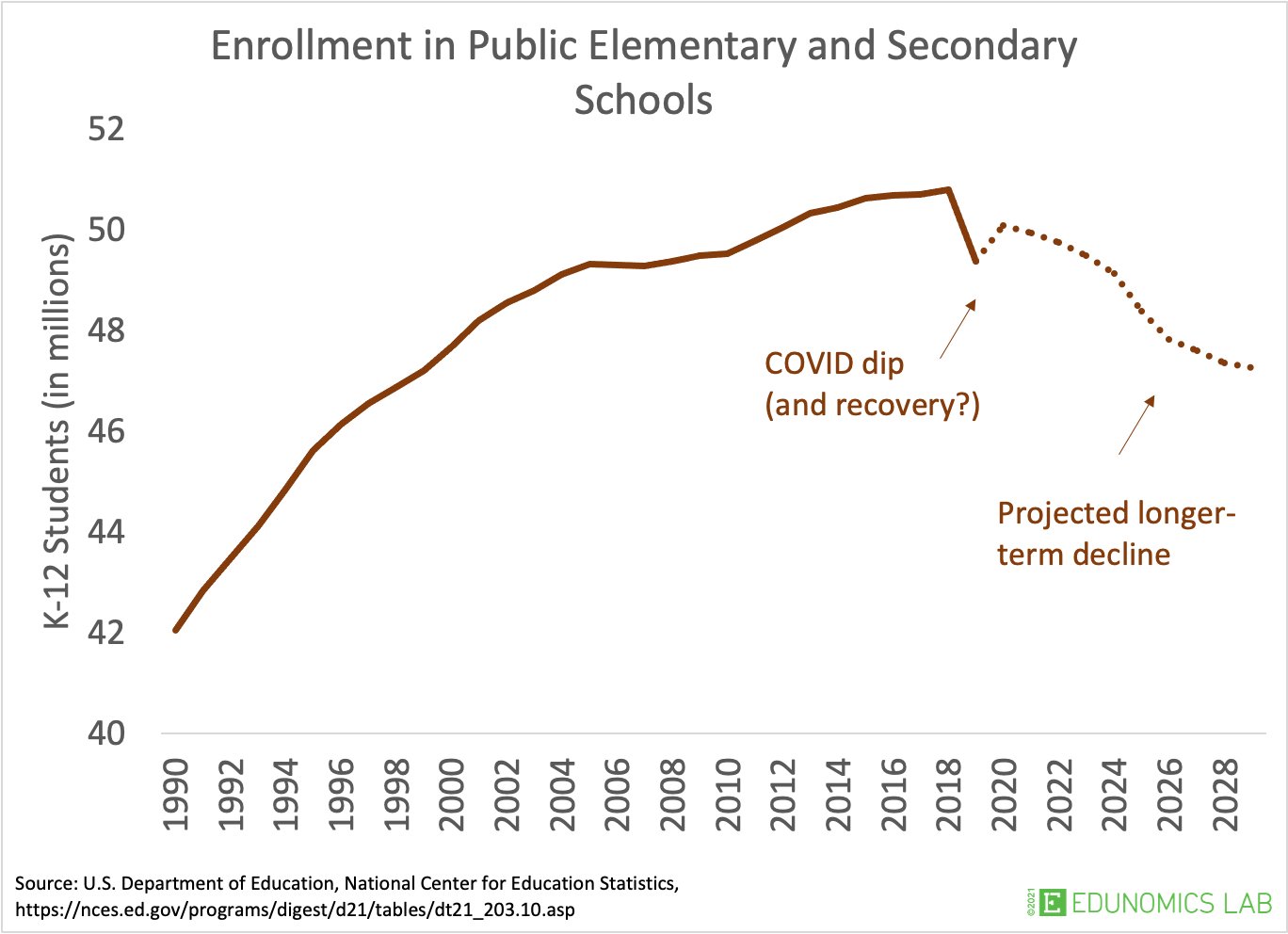
1. This is a terrible time to be American higher ed thought leader unless you are in the 1% of highly financed higher ed factories with prestige in engineering and healthcare. If Arizona State can accumulate 100,000 plus online students, imagine what Stanford can do when it decides it needs this revenue stream.
2. Given how important immigration has always been to American prosperity, it is amazing how little Americans actually talk about it. Without immigration, American demography would have collapsed decades ago. And while the labor crisis now is complicated (as is inflation), it is also interesting to see the dominant narrative twisting into whichever imaginary direction (can’t find workers because welfare is paying too much for The Poor to buy meth and be couch potatoes ….) except to understand the centrality of immigration in American labor.
3. Would be lovely to get a human wellness-centered study on what it is about this capitalist modernity we have imposed on the globe, that no matter the religion or race or history, a nation hits certain macroeconomic indicators and the birthrate collapses. A kind of paradox. Rather than the usual media-talking head blame women blame religion blame government blame this blame that, I just want to know why, and if humans having fewer or no children are overall happier or not happier. 19.8.2022
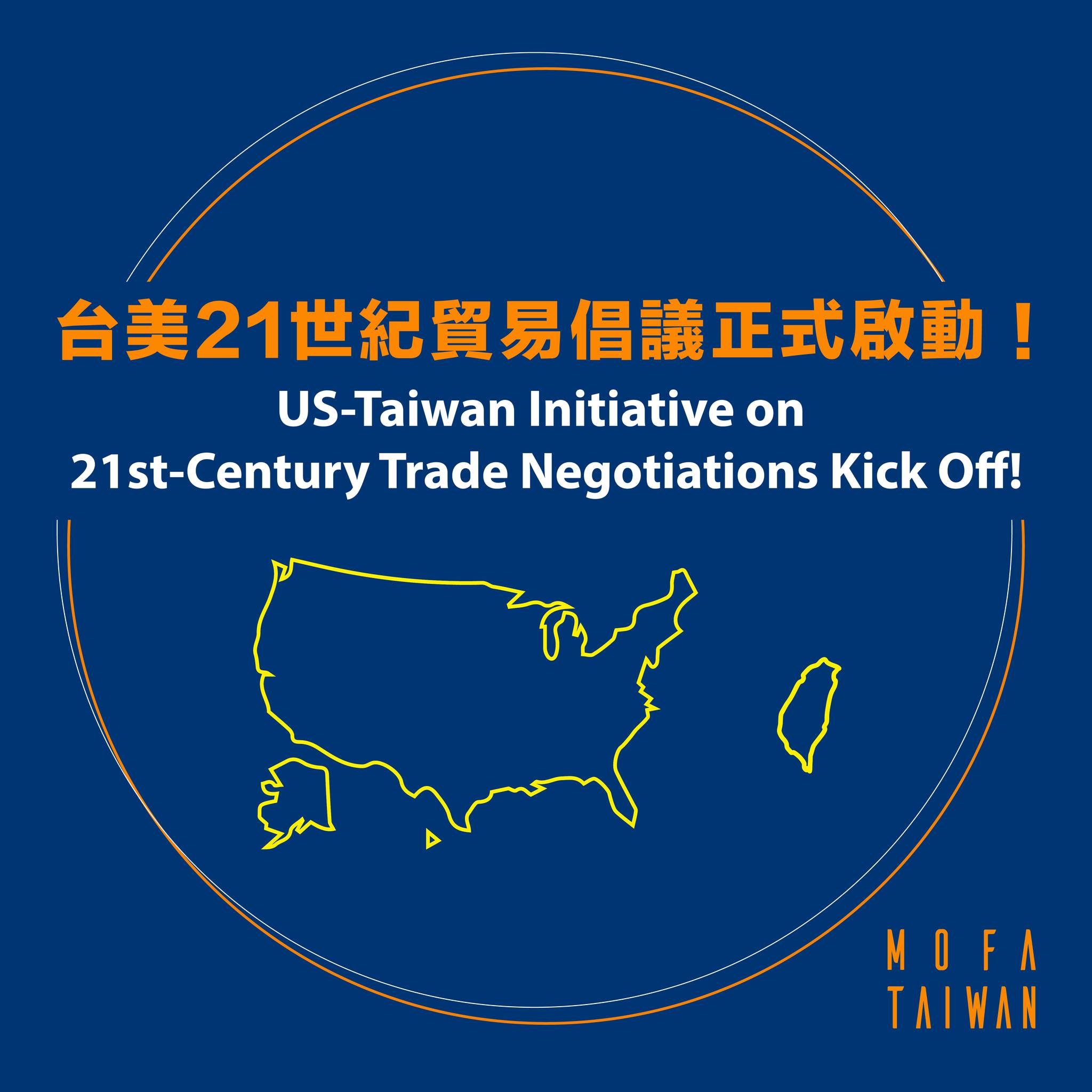
“《TAIPEI TIMES》US seeks to boost trade with Taiwan. BOLSTERING TIES: The US is ‘developing an ambitious road map for trade negotiations’ with Taiwan and plans to continue transits through the Taiwan Strait, a US official said. AFP and Reuters, WASHINGTON and TAIPEI. The Ministry of Foreign Affairs yesterday expressed “sincere gratitude” toward the US for taking “concrete actions” to maintain security and peace in the Taiwan Strait and the region, after the White House on Friday said it would boost trade with Taiwan and insist on the right of air and sea passage in the area in response to China’s “provocative” behavior. A new trade plan is to be unveiled within days, while US forces are to transit the Taiwan Strait in the next few weeks, US National Security Council Indo-Pacific Coordinator Kurt Campbell told reporters in a teleconference.”
Even though I have little interest in partisan domestic politics in the US and in the Taiwan Republic, I have repeatedly warned that chaos in American democracy carries grave danger for global democracies – particularly for vulnerable frontline democracies like Ukraine, Baltic States, and the Taiwan Republic. A weakened and chaotic United States makes a military attack on Ukraine and Taiwan more tempting to Moscow and Beijing. But it also carries other public policy risks, such as the inability of the US to think strategically and to lead a pro-democracy global economic order.
The world history level big picture: the core of this modern struggle between democracies and autocracies, the “Third World War,” is geoeconomics. Globalization 1.0, circa 1980 to 2019, entailed self-defeating deregulation and tax cuts for the wealthy multinationals led by the US, defunding of these democracies, and opening their door to global strategic corruption. In the aggregate, trillions in profits were made, but creating highly unstable polities with economic inequalities, all creating the precondition for populist extremisms and democratic instability. This Globalization 1.0 has also transferred trillions in funds and technological know-how to modern autocracies – Putin’s regime, and Xi’s Chinese communist war machine. This is the first time in world history where the leading superpower, the US and its allies, voluntarily funded and shared technological know-how with their enemies. For decades!
Compared with the flashy military scaremongering headlines, trade negotiations are boring. Yet these trade talks between the US and the Taiwan Republic, and eventually a broader regional free and fair trade pact between the US and its democratic allies, are as important to Taiwanese, American, and regional security as missile defense. Hence we return to the idea that stable and healthy American democracy with two pro-democracy parties is vital to Taiwanese and world democracy security. An American democracy that is confident and outward-facing, not paranoid and isolationist, is key to actively creating a pro-democracy and pro-US national interest, free and fair trade Globalization 2.0. A global economic system where trade and economic activities are tied to their service to democratic consolidation and human rights, and minimizing the phenomenon of the democracies directly funding autocracies such as the Chinese communists. A global democratic supply chain that enhances the prosperity and relative equality of democracies will also promote healthier, less acrimonious, non-extremists democracies.
On the Taiwan Republic specifically. Ever since 1945 the consensus between the China CCP and the China KMT is to turn the “Taiwan Question” into a domestic problem – i.e., a civil war between the two China political parties. So anything that the US, Japan, and NATO can do to internationalize Taiwan – particularly in trade, science, education, space, agriculture, media, and arts – the more Taiwan’s security is enhanced.
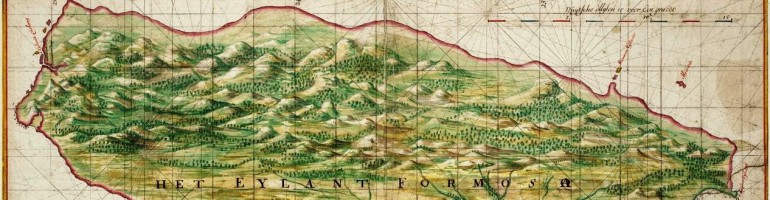


 Taiwan in World History (台灣與世界歷史)