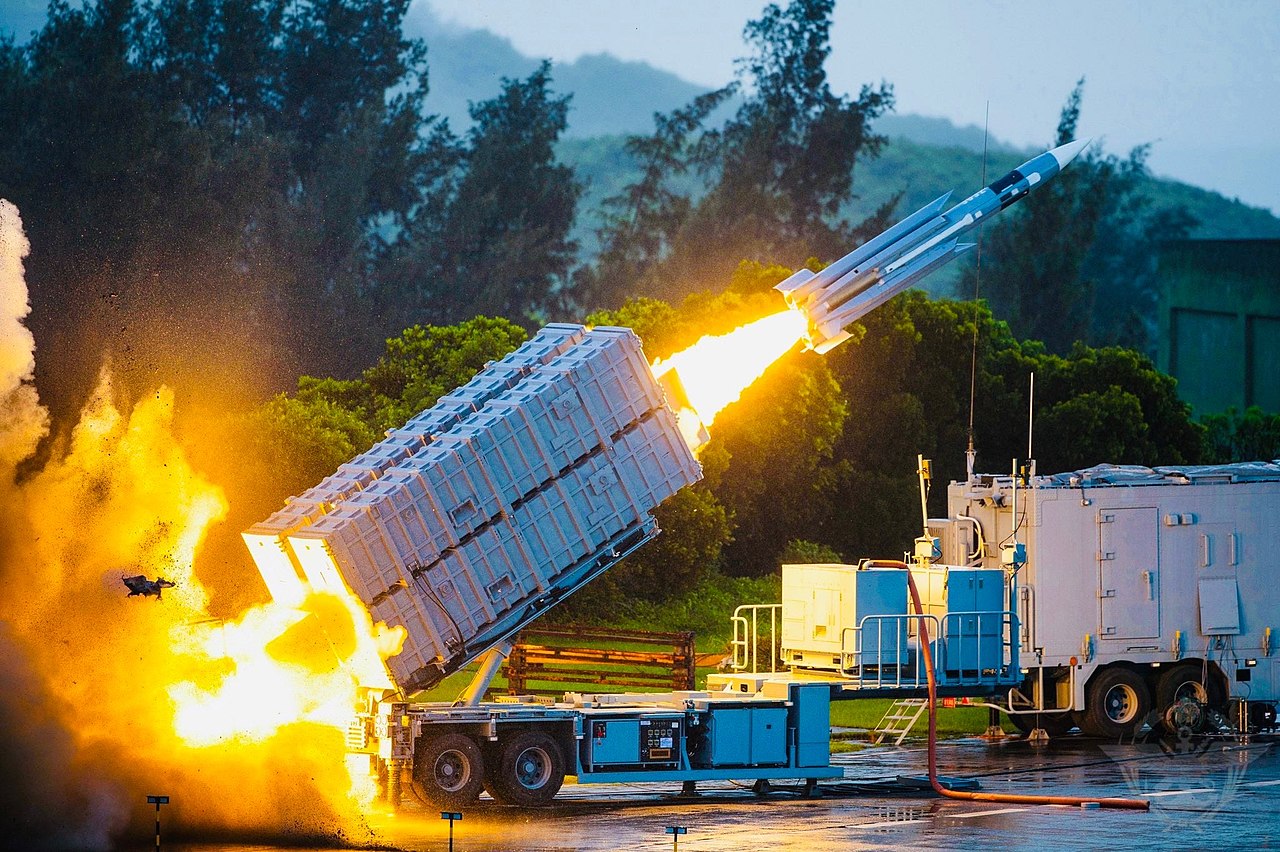
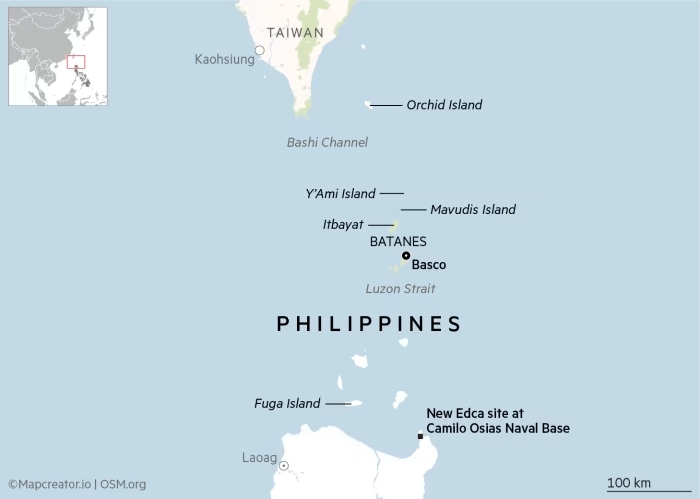
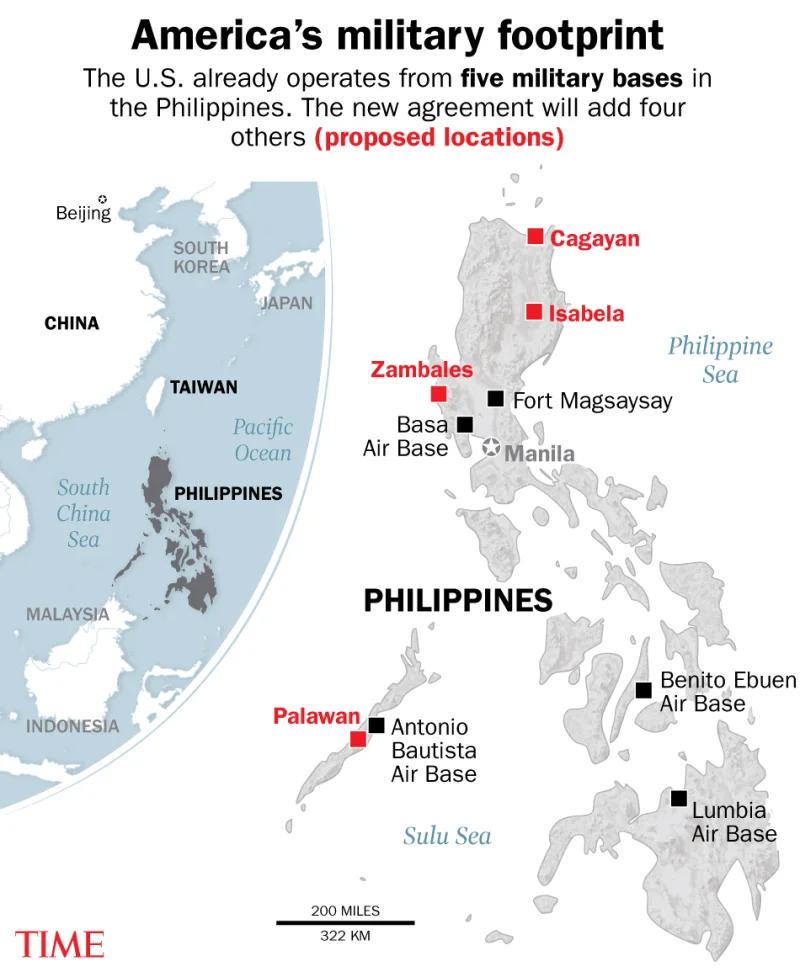
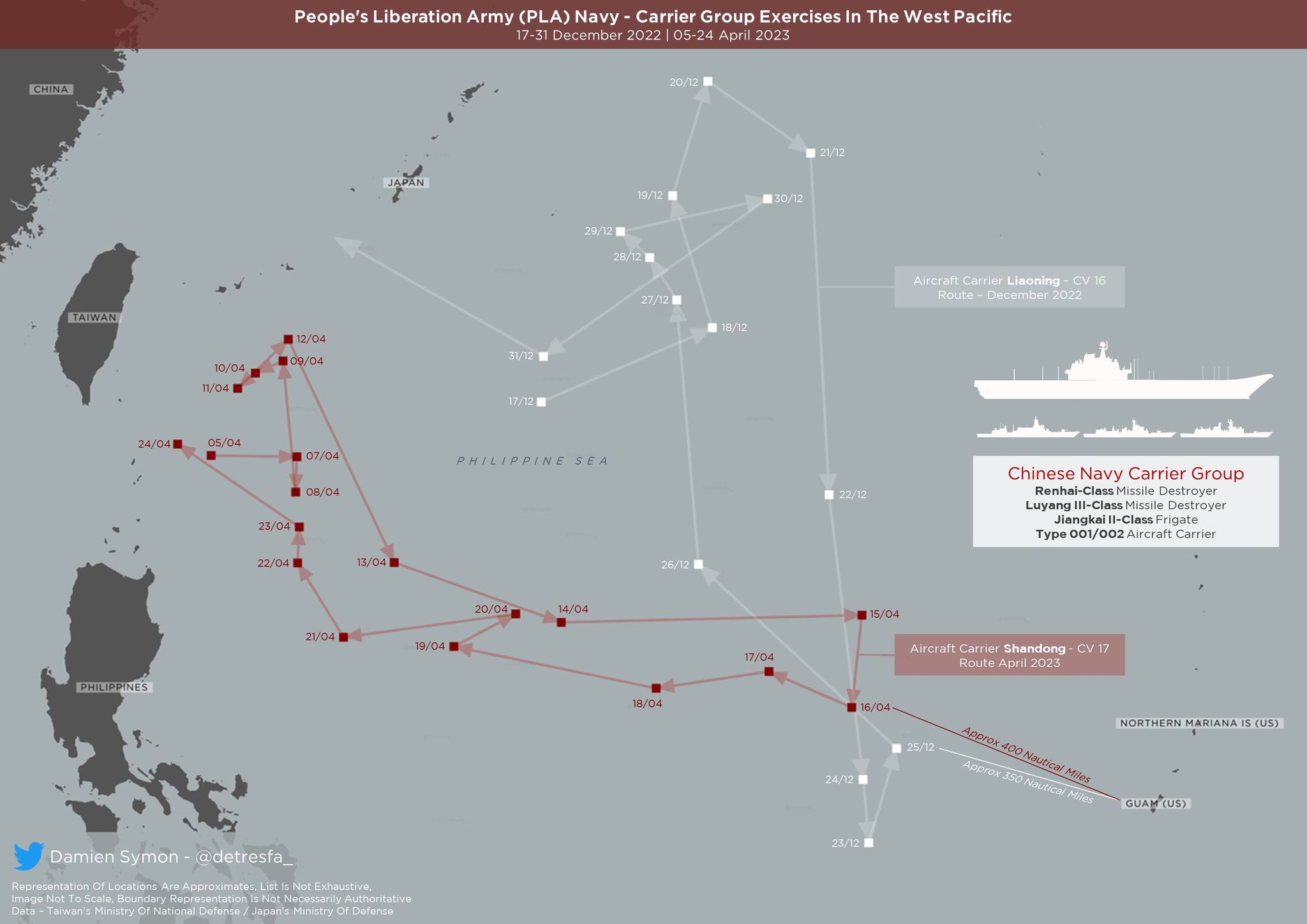
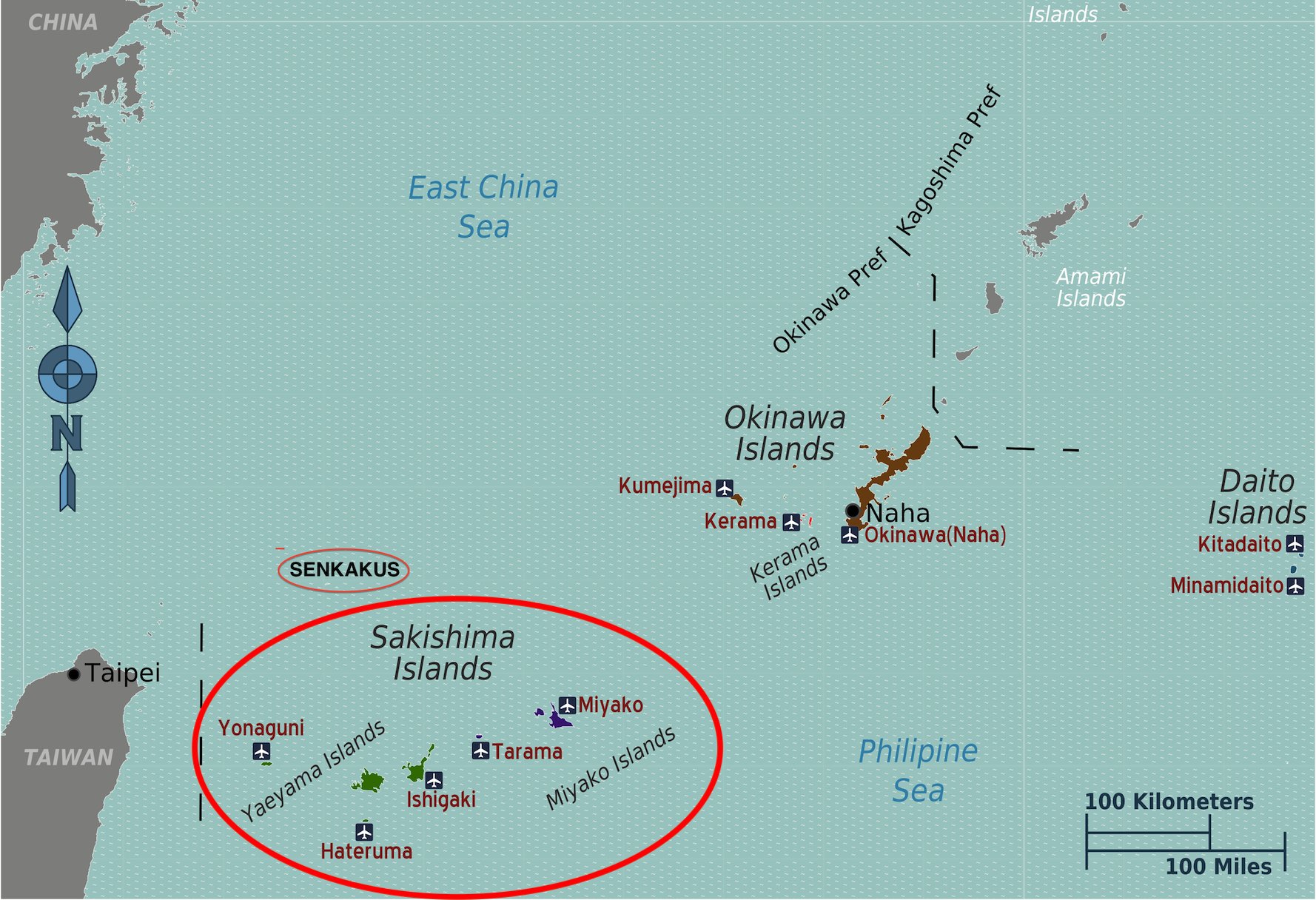
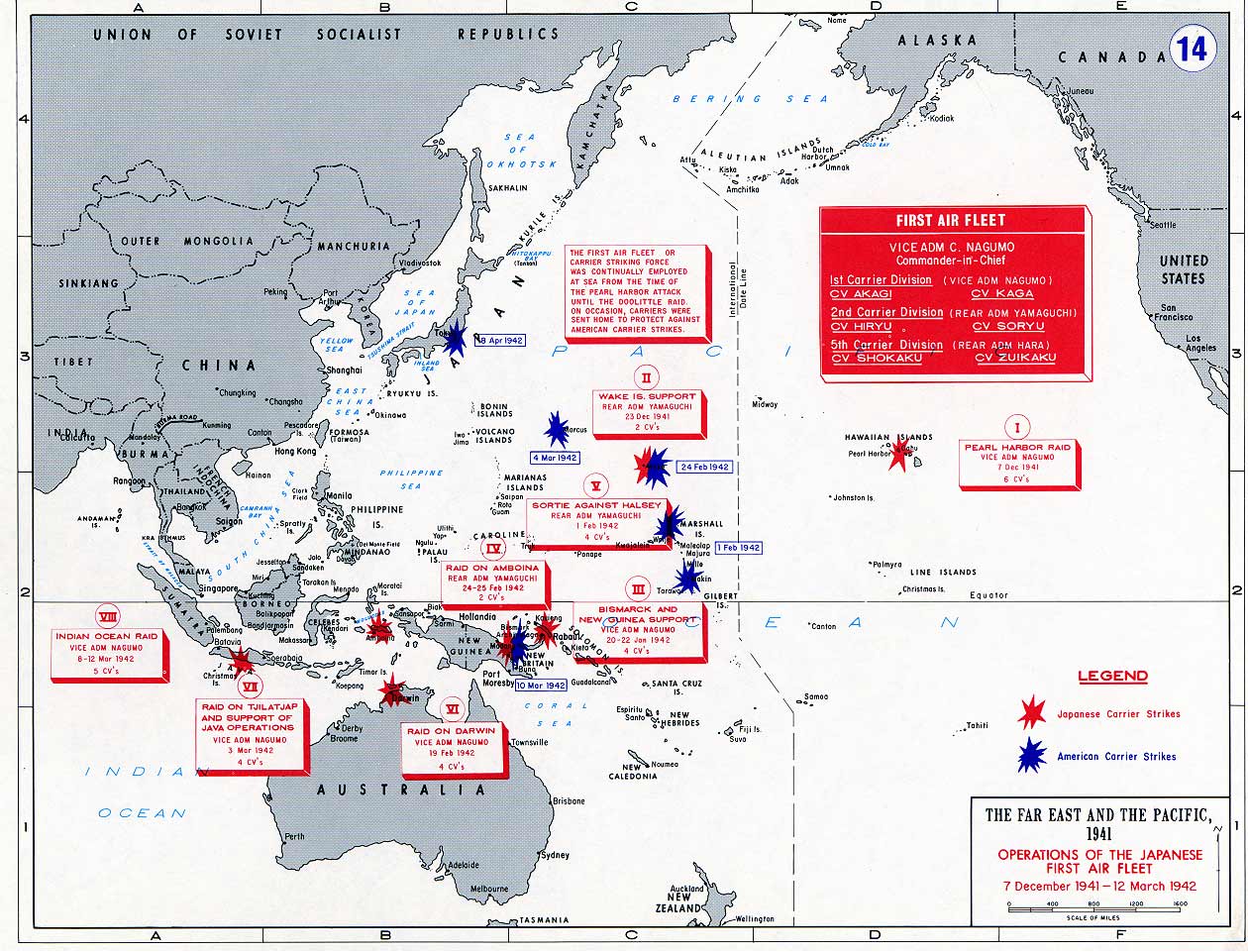
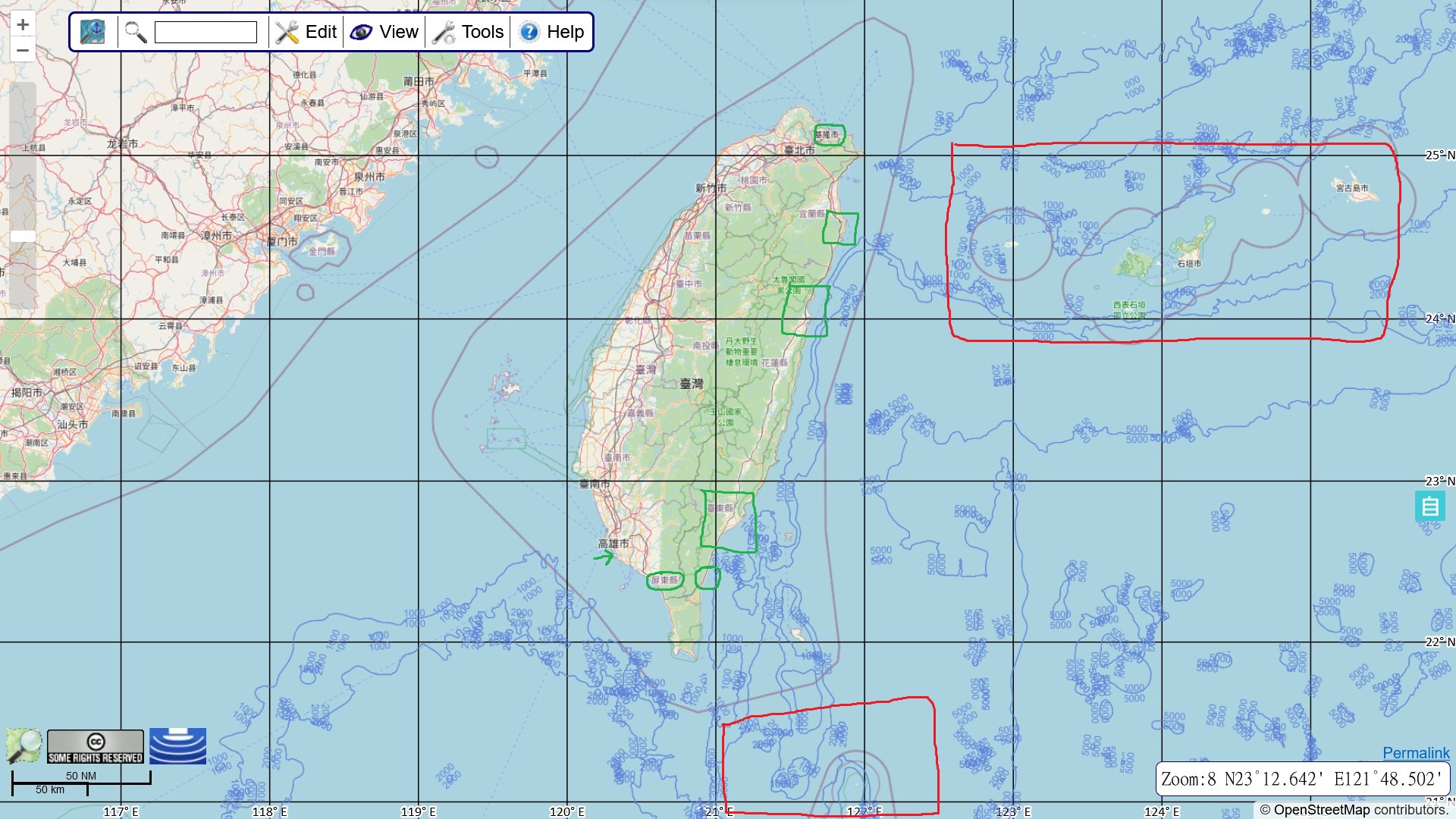
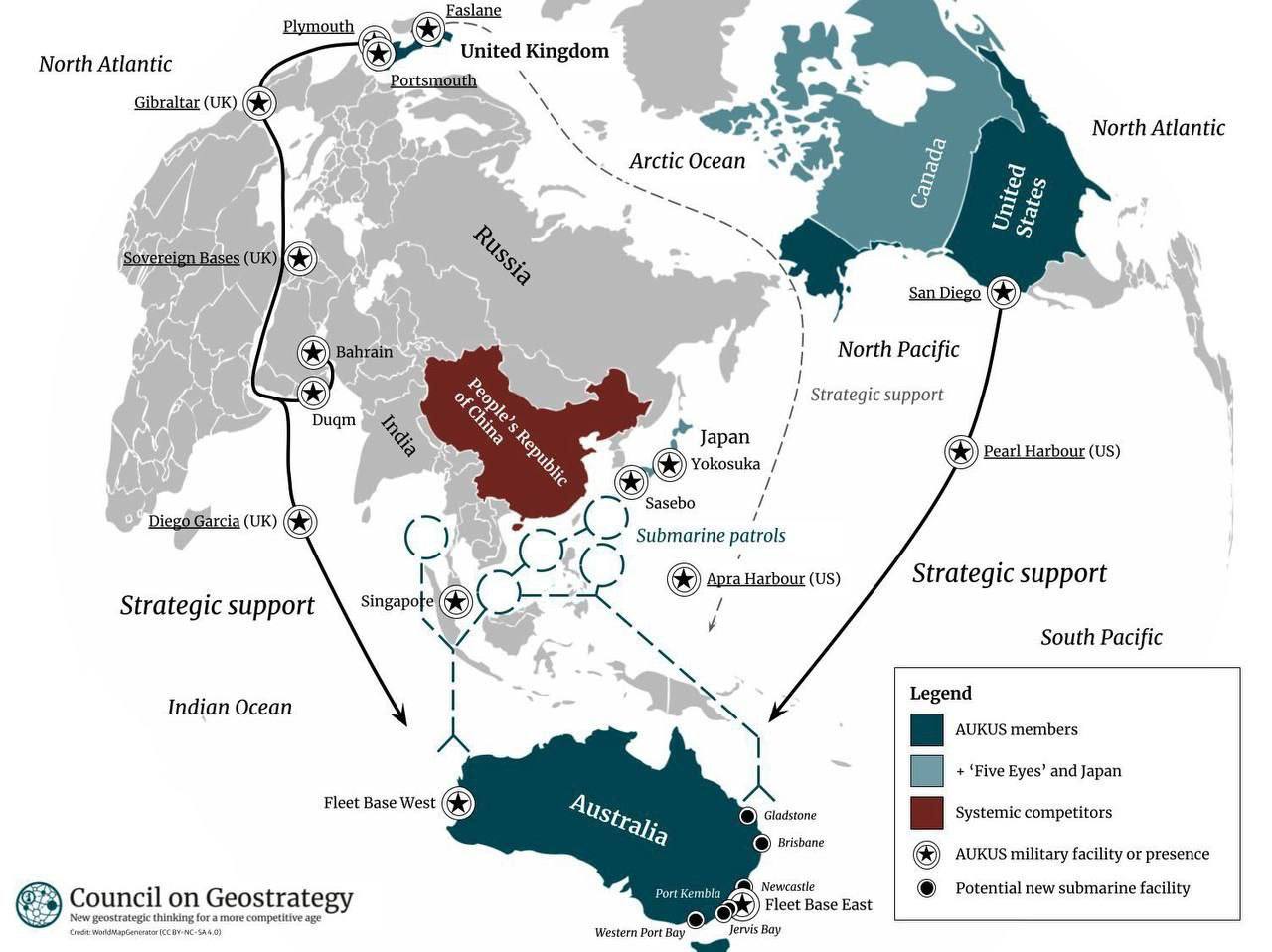
Bibliography: The importance of Japan and the Philippines in the defense of Taiwan Republic. Geostrategery and world history classrooms. The significance of the American military moves in the last two years with the Japanese and Philippines islands closest to Taiwan Republic is this: they close off the Chinese communist military’s paths to envelop Taiwan by air and by sea to Taiwan’s east — and in turn, funnel the invading Chinese communists into confined kill zones. The US Marines led the revolution in thinking with lighter, mobile, highly networked land-based surface-to-air and surface-to-surface missile units. Land-based because they are far cheaper and more sustainable than aircraft carriers and warships. Taiwan is massed with thousands of land-based missiles/mobile units. And there are signs that the Taiwanese military, with American assistance, is moving to coordinate their own force structure and thinking with that of the US Marines. President Tsai has successfully nudged the Taiwan military upper leadership into the area of unmanned vehicles – air, sea, and subsurface. The US and allies’ deployment northeast and southeast of Taiwan allows the Taiwanese military to focus on the communist threats from the west. In basketball and American football terms, these land units are zone defense, whereas the American, Japanese, and Free World/AUKUS+ carrier battle groups, submarines, and strategic bombers are mobile strike units/man-to-man offense. Recent reports in Taiwanese online newspapers that the US has assisted Taiwan in securing access to LINK-22 would be an important step forward in coordinating Taiwanese, American, Japanese, AUKUS, NATO, and ASEAN forces.
Taiwanese national identity and the global order. Geostrategery, Taiwan Republic 台灣国 , and national identity classrooms.
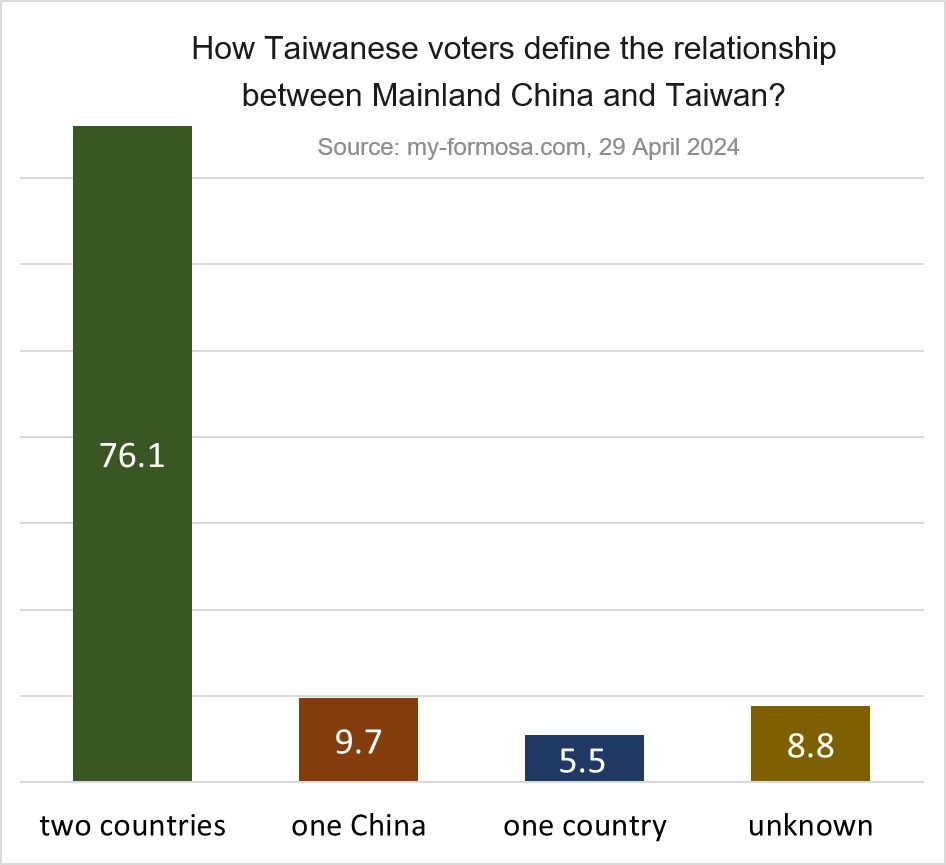
This emerging Taiwanese national identity. Came across this poll on the Twitters recently. How Taiwanese citizens self-identify in this poll is not surprising. The majority is basically the governing coalition President Tsai cobbled together over eight years – a fusion of Taiwan Republic, Taiwan, RoC Taiwan, Taiwan RoC, and RoC voters. President-elect Lai and the DPP need to figure out why this governing majority doesn’t translate well in legislative and local elections. Taiwan’s “mainlander” and Chinese communist-dominated media obsess over America’s statement not supporting “Taiwan independence,” and ignore substantive US, Japan, and Free World redefinition of what “status quo” means — i.e., status quo now also functionally means not supporting China annexing Taiwan, peaceful or by force. Also important to note the complex, dialectical, chemical-reaction characteristics of how national identities form – this emerging Taiwanese national identity is a compromise, articulated by Presidents Lee and Tsai – though leaders oftentimes respond to identity formation from below rather than to create, invent, or to lead them. This is the one feature that the authoritarian Chinese Communist Party and the China KMT cannot fathom – that a free people can, over time, come to these ideas without being brainwashed or forced by a higher authority.
Polls like this matter more for domestic electoral politics. They matter less for Taiwan’s ability to maintain its de facto independence within the global system – except perhaps in the realm of national security. To maintain this independence, Taiwan requires coherent and honest national security consciousness, improvements in its military (particularly upper-level leadership), and support from the US, Japan, and the Free World. Meaning, that to make national identity sustainable, it must be supported by military and economic power, and the endorsement of important global powers.
The nature of national identity, particularly for middling to smaller nations in the global system, is reactive-passive rather than active-assertive. Just as Taiwanese (Taiwan the place/people/nationality) ‘national’ identity did not emerge until the Japanese arrived; just as the Manchus did not ponder the status of Taiwan until global maritime powers arrived, the reality is that even if one hundred percent of Taiwanese citizens believe Taiwan is a sovereign, independent nation (whether as Taiwan, Taiwan Republic, ROC Taiwan, Taiwan ROC), that independence depends on Taiwan’s ability to defend that status, and whether this Taiwanese sovereignty separate from China is supported by the major powers.
This makes the interaction between the emerging Taiwanese national identity from the 1990s, when Taiwan slowly dismantled the authoritarian and colonialist system imposed by the China KMT, and the changing US policy regarding Taiwan, communist China, and the Indo-Pacific the key. Taiwan’s first democratically elected president Lee Teng-hui and President Tsai sought a Taiwanese national identity and sovereign status independent from the People’s Republic of China, acceptable to the US and the Free World, while minimizing domestic discord. Meanwhile, as the ability of the Chinese Communist Party to make China profitable for the Free World dissipated by the 2010s, and as dictator Xi went on an isolationist war footing, the US and its allies began to redefine what “status quo” means in the Taiwan context. While the pro-communist China media within Taiwan obsesses over the boilerplate US declaration that it “does not support Taiwan independence” (one will be hard-pressed to find a major political leader within the pro-Taiwan sovereignty groups that’s spoken about “Taiwan independence” in the last decade ….), I think the US will clarify this revised “status quo” because the China KMT and PFP are one step away from conceding to Beijing that “one China/one nation” = People’s Republic of China.
When Ma or whoever within the pan-blue/white/red camp concedes Taiwan’s sovereignty to the People’s Republic of China, the US, and its democratic allies will openly oppose both “independence” and “annexation/unification” on the basis that both are changes to the status quo. The US and Free World definition of “status quo” in the Taiwan Strait is a two-state solution – has been for decades but as the CCP and KMT have accelerated their push for Taiwan to surrender its sovereignty, the greater urgency for the US, Japan and its allies to also clarify their position. During the Lee Teng-hui era, there was still enough finesse on the Chinese communist side, and ambiguity among the deep blue/red groups inside Taiwan, to have the face-saving “special state-to-state” formulation. President Tsai is probably the last Taiwanese president in a position to give the Chinese communists a face-saving way to peacefully live with the status quo – notice for example that while she has been firm on the two sovereign states on both sides of the Taiwan Strait, she has never declared what the future might be. So Tsai’s eight years were a lost opportunity for the Chinese communists and its allies inside Taiwan. From this moment forward Taiwan’s status will be a matter of total national-allies power (economic, military, educational, technological ….) – communist China, its allies inside Taiwan, Russia, et al, versus Taiwan, US, Japan, and their democratic allies. 2.5.2024
“China’s Looming Crises | CNBC Marathon” . World history and geostrategery classrooms. The most remarkable thing about this question and this report is the fact that it appeared in a Western imperialist corporate financial press — Big Wall Street and Big Western Imperialist Higher Ed are the two industrial sectors most in the tank for the Chinese Communist Party and the blood money it handed out. The same Western pack mentality commentariat that talked up the “inevitable” Chinese Century is the same pack mentality industrial complex talking up the rapid collapse of communist China. I maintain the same skepticism and caution re: both extremes. It is true that communist China is no longer profitable for the Free World. It is true that dictator Xi has decided, as Putin has, that a deglobalized communist China that is on a permanent war footing (“continuous revolution”), that is poorer, is the best way to save his communist dictatorship. Once we understand these two main ideas, then we’ll see why advice from the Western imperialist academia and think tanks on how to “engage” and “de-escalate” and “pacify” the Chinese communists is at best ineffective, and I fear, highly dangerous for world peace.
This phase of the Chinese communist economic crisis is not unique in world history – demography changes, overcapacity, macroeconomic cycles, the transition from an export-led, low-wage economy into a consumer-service-led mature, domestic economy, etc. etc. What Western imperialist commentariat gingerly dances around is the fact that dictator Xi has either killed, imprisoned, and/or exiled nearly all economically competent leaders who makes any difference or dares to challenge Xi’s ignorance and hubris. While communist China’s economic crisis is multifaceted and complex, the main challenge to its economy is the nature of a totalitarian dictatorship. Dictatorships handle crises poorly — the Chinese communists mishandled the pandemic from beginning to end; the authoritarian Trump botched the pandemic for similar reasons — knowledge can only be held by the Great Leader, wrong choices cannot be debated honestly and changes made quickly. China’s economic crisis is a subset of its political crisis — since its late Manchu era, that’s been the case – a vast, landed, multinational empire with many talented thinkers, yet authoritarianism has stifled China’s ability to create a sustainable political and economic system. It is China’s continuous, self-inflicted political disasters from the late 1800s to now that prevents moderate, sensible, humane economic policies from emerging.
Lessons from Ukraine for the Indo-Pacific. Meta/conceptual
Geostrategery and world history classrooms. More than two years after the Russian invasion of Ukraine, has the Western foreign policy-national security establishments – public and private – learned lessons and made improvements? I fear perhaps not, or not enough, and walls of missiles and AUKUS submarines notwithstanding, this poses the greatest challenge in the face of the China Threat. There has been exceptional analysis, but not the “mainstream/loudest” – which has stubbornly held onto decades-long conceptual frameworks. Although US intelligence performed brilliantly, many in the policymaking establishment were not convinced that Putin would invade. Nor have we gotten good analysis of why Putin chose to invade at this time – a lot of Western-centric guesses, NATO, historical grievance, whatever. There was widespread surprise at how bravely the Ukrainians fought, and how shoddy the Russian military performed.
If these were the major blind spots of Western policymaking establishment during the Russian invasion of Ukraine, we should be concerned about similar blind spots while analyzing the Indo-Pacific and the China Threat. There is a growing consensus among US and Western intelligence that for dictator Xi of communist China, the ability to invade Taiwan by 2027 is the primary objective. Are we suffering from similar Western academia-think tank-official establishment mistakes regarding policymaking calculus within the Chinese dictatorship?
A few educated guesses. I don’t think dictator Putin cared much about the expansion of NATO (See Finland and Sweden). I think Putin was primarily motivated by primordial, reactionary ideas about geostrategery, and national security, reviving ancient Russian imperialist-chauvinist ways of seeing neighboring nations as subordinate, tribute states. I think his calculus is that an isolated, permanent warring Russia that’s poor and full of grievances real and imagined-manufactured makes his dictatorship safer. Is this why sanctions have not changed Putin’s thinking? It is certainly why the parade of Western leaders flying to Moscow on the eve of the invasion for dialogue didn’t do anything. This is why I have concluded that the “escalation/de-escalation/management” model favored by Western national security establishment makes little sense when dealing with dictatorships with an entirely different set of motivations.
Now back to the Indo-Pacific/China Threat. We have a similar and worrisome pattern wherein Western intelligence sees aggressive and rapid preparation by the Chinese imperialists. We see evidence – Chinese military aggressiveness from India to Southeast Asia into the South Sea against Taiwan, Japan, and Korea – of both preparation and intentions. Just as with Putin’s Russian imperialism, Xi’s Chinese imperialism has been stated by the Chinese communists in plain words – the right of the Chinese communist to invade and subjugate Taiwan, the right of Chinese imperialism to expand its sphere of influence from the Sino-Indian border to Southeast Asia, from the South Sea through the Taiwan Strait into the East Sea and the Western Pacific. Is it possible that once again Western foreign policy intelligentsia is repeating the same mistakes from Russia-Ukraine, imposing Western values and Western policymaking hierarchies onto another continental, imperialist dictatorship? I have read calls for assuring Beijing. I have seen proposals to make concessions. My question is – had the Western powers “gave” Ukraine to Russia in 2022, would Putin stop his aggressive policy challenging the US-led world order? And a similar question now – if the Western powers “give” Taiwan Republic or the Philippines or the South Sea to communist China, would that result in the Chinese communist dictatorship behaving in a way that benefits the US-led world order? Why haven’t relatively harsh economic sanctions and tools to decouple the Russian economy from the global trade system not curb Russian or Chinese aggression? And if such economic sanctions prove relatively ineffective against Russia, would they become more successful against China?
If my guess is correct – both dictator Putin and dictator Xi have calculated that decoupling from globalization – globalization to them merely means another phase in the post-war world order invented by the United States and enforced by the American navy – makes their dictatorship more secure, then what policies before 2022, and what policies in 2024, would have more likely prevent military aggression from the Russians and the Chinese? Would including Ukraine in EU and/or NATO as a response to the invasion of Crimea be the way? Does a US/AUKUS-led coalition of troops rotating into Taiwan and the South Sea change the calculation for dictatorship preservation for Xi? 27.4.2024
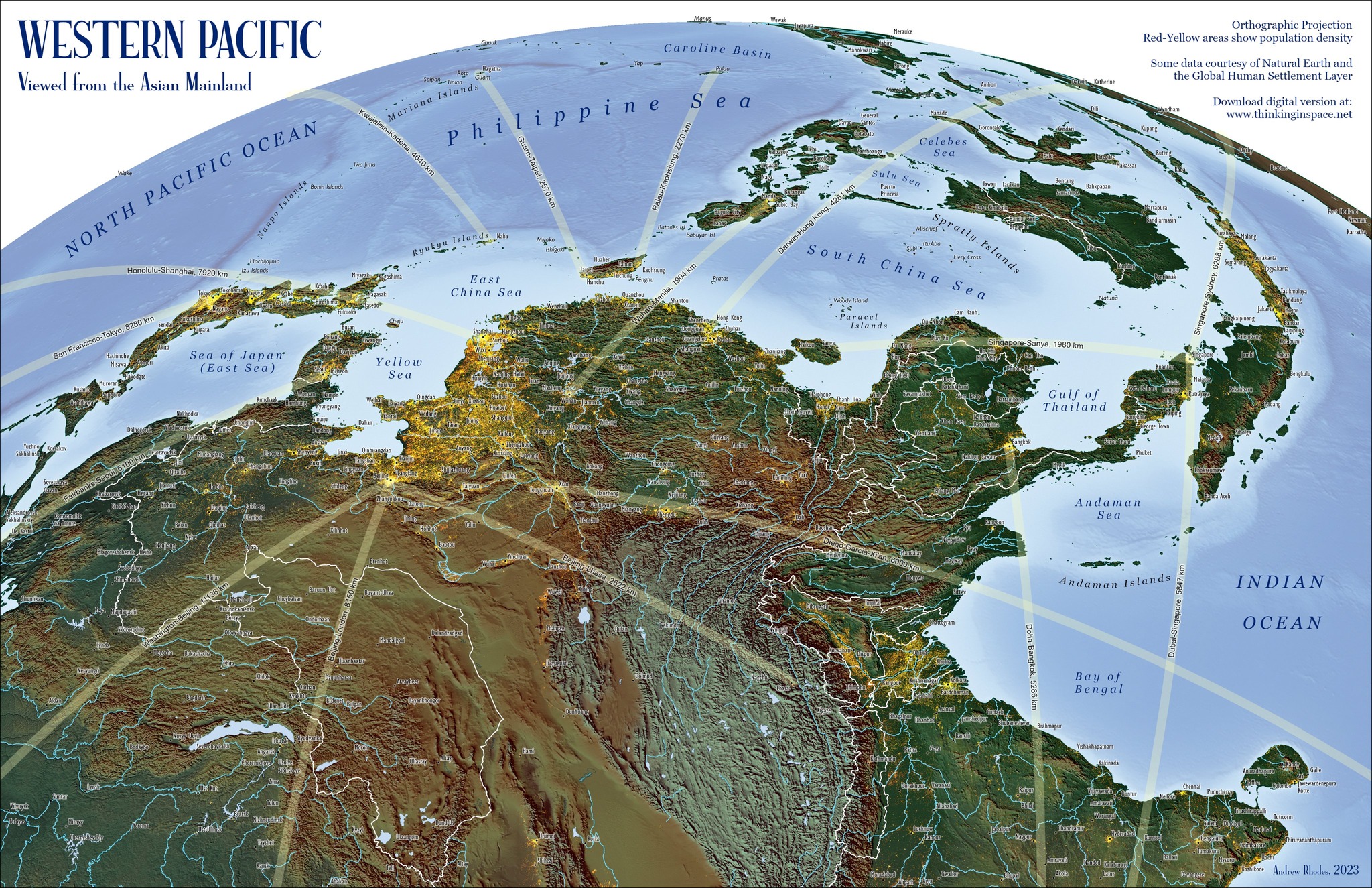
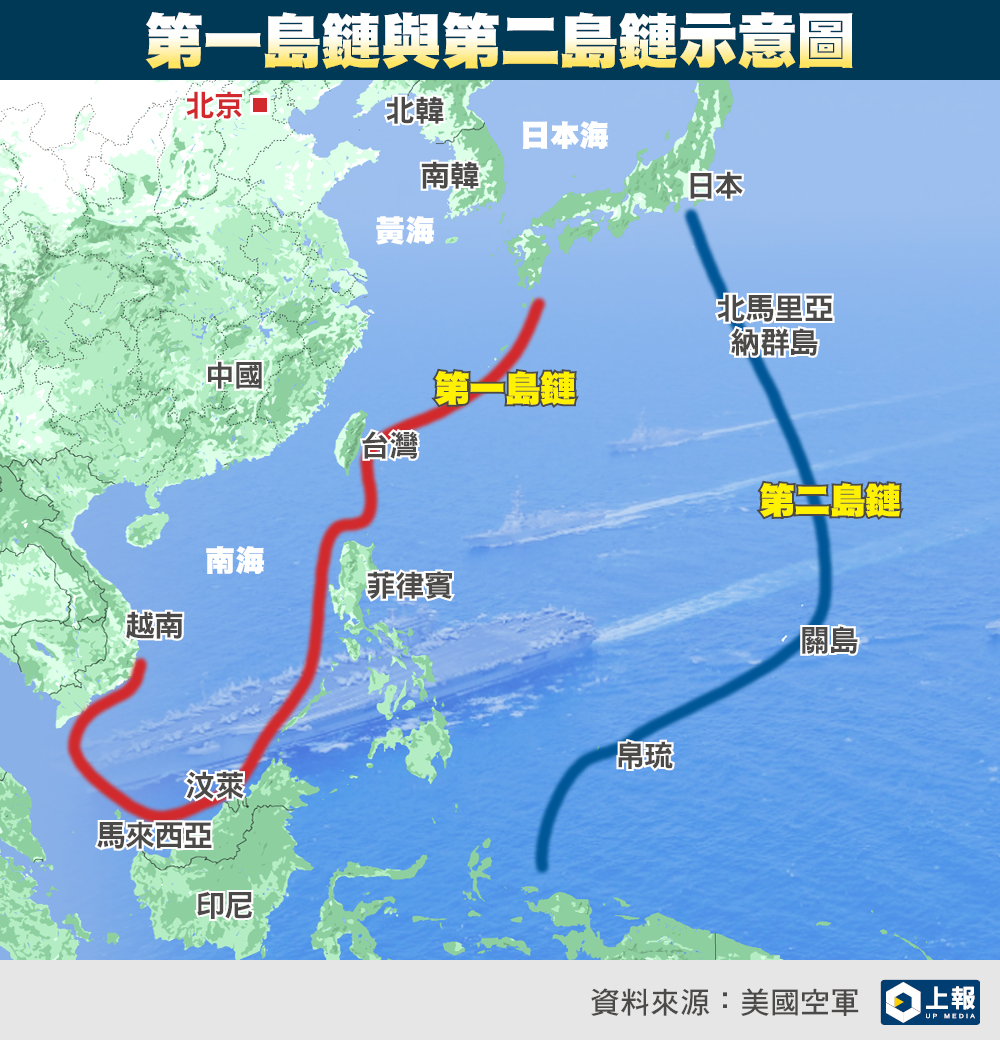
Some analysts will continue to focus on Taiwan — semiconductors, alleged national humiliation, etc. etc …. The narrative is: if we “give” democratic Taiwan to the Chinese communists, there will be world peace. Thankfully many national policymakers are not this misguided. I have been watching closely the US-Philippines, Japan-Philippines, and US/Japan-Vietnam/ASEAN moves. My theory is this: this is a dangerous moment in world history when one superpower, the US, is in domestic disarray because of the rise of American fascism; while the would-be next superpower, China, has been stillborn — neither powerful enough to create a new Pax Sinica; nor small enough to not do major damage as it flails and circles the drain. The main issue is not superficial and myopic like Taiwan-only — though Taiwan is an important piece; or whether we are talking to the Chinese nicely enough. The category of analysis is world order, and the theater of this struggle begins with the South and East Seas, not the Taiwan Strait. Though yes, Taiwan is a key chokepoint between the two seas.
If this is what’s happening, then the US focus on Vietnam and the Philippines makes a ton more sense. I have written previously that the postwar American-invented world order is maritime-based, US Navy-enforced, and focused on free access to global raw material, labor, manufacturing, and markets. A not-quite superpower communist China, reaching into the South and East Seas attempting to “split” the Pacific and Indian Oceans challenges this world order. An American superpower in domestic disarray makes for a dangerous decade ahead. One can “give” democratic Taiwan to the Chinese tomorrow. Hell, one can even “give” democratic Japan (the truth is if Taiwan falls to the communists both Korea and Japan are dead nations walking ….) — it would not change the underlying, structural, global forces at work, no more than if we “give” democratic Ukraine to the Russians. I have been impressed with the complex global alliances the Biden liberal hawks have restored and enhanced. However, the best bet to ensure global stability and avoid a hot world war is to invest in American and global liberal democratic social welfare safety nets — to fund global democratic institutions. Populism-fascism across global liberal democracies will make a world war inevitable. 2.10.2023
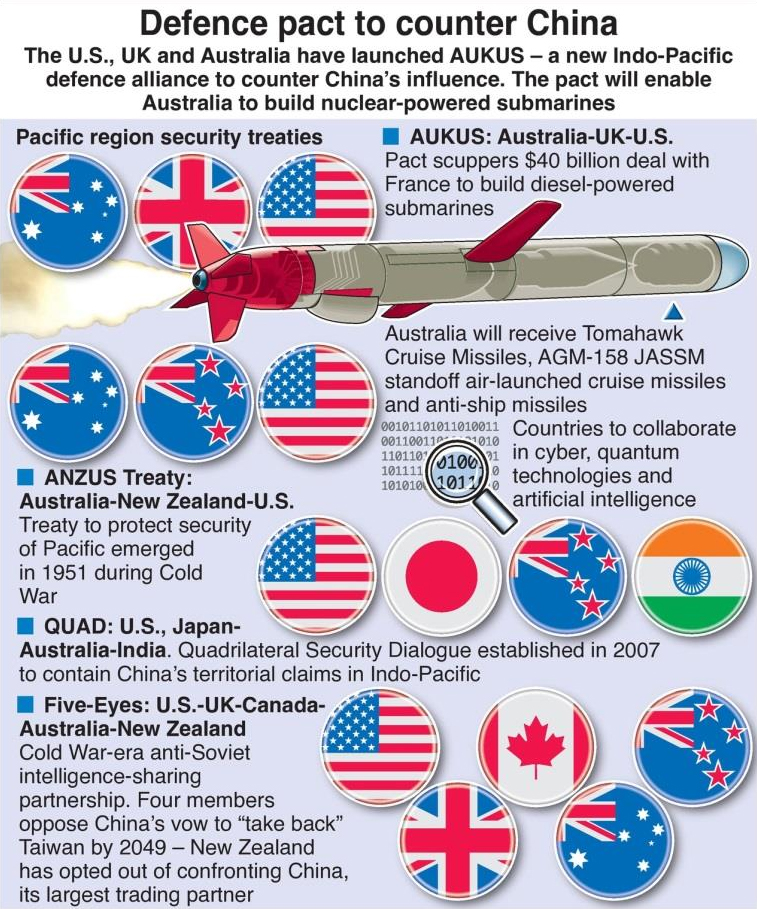
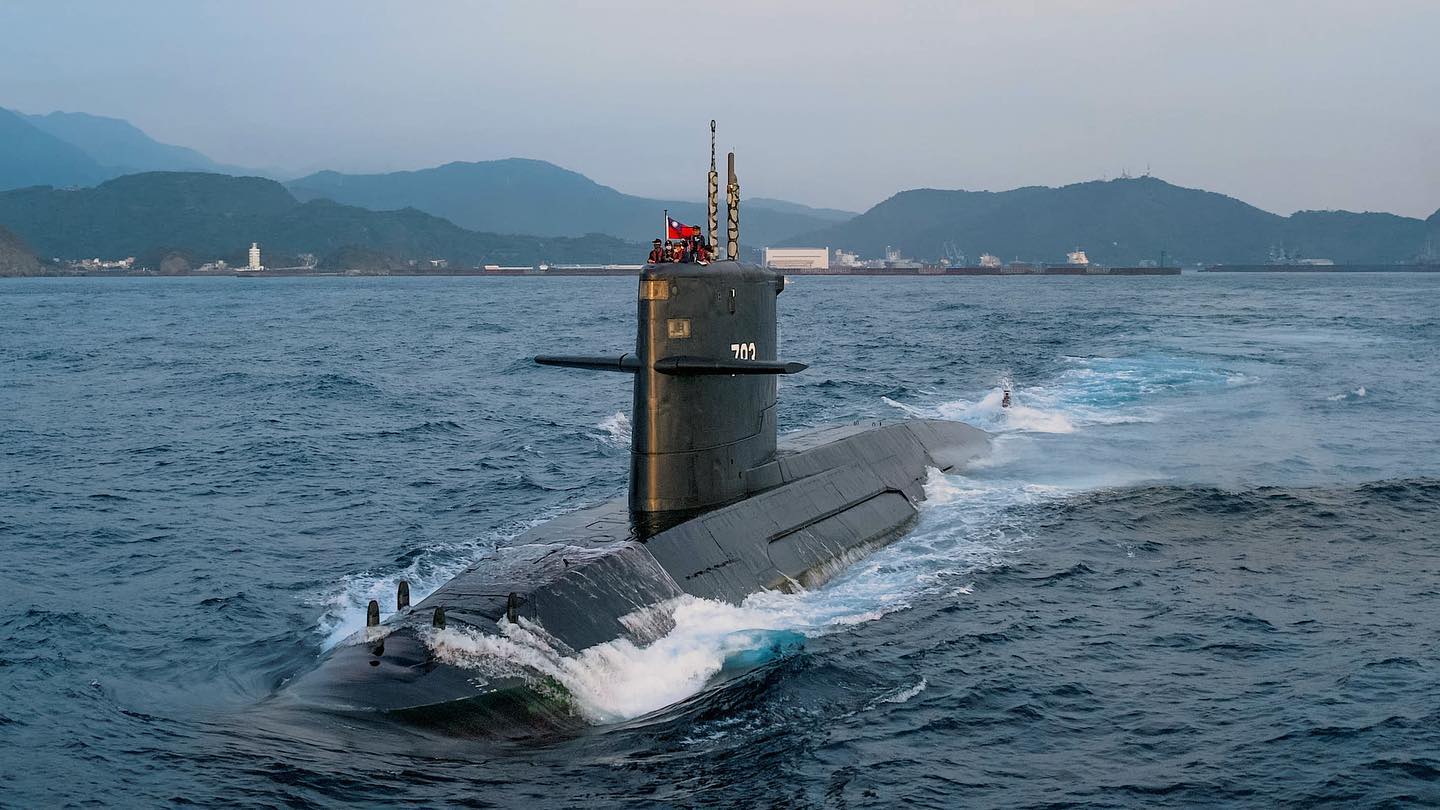
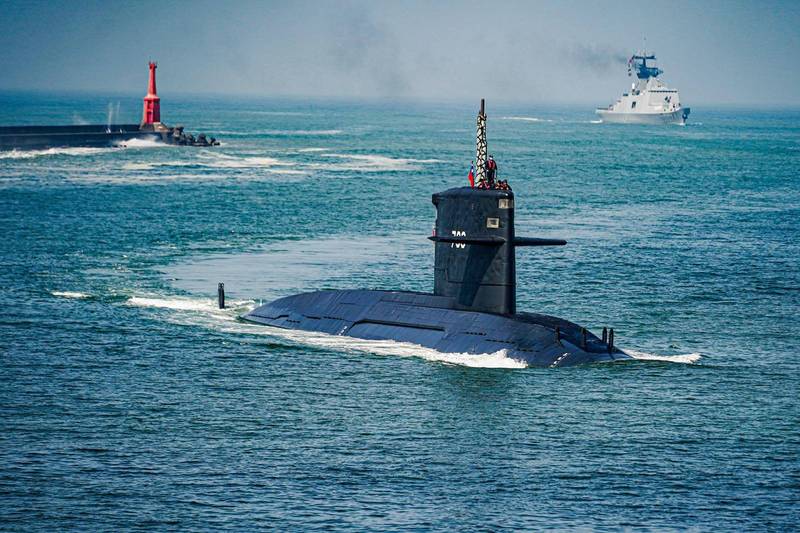
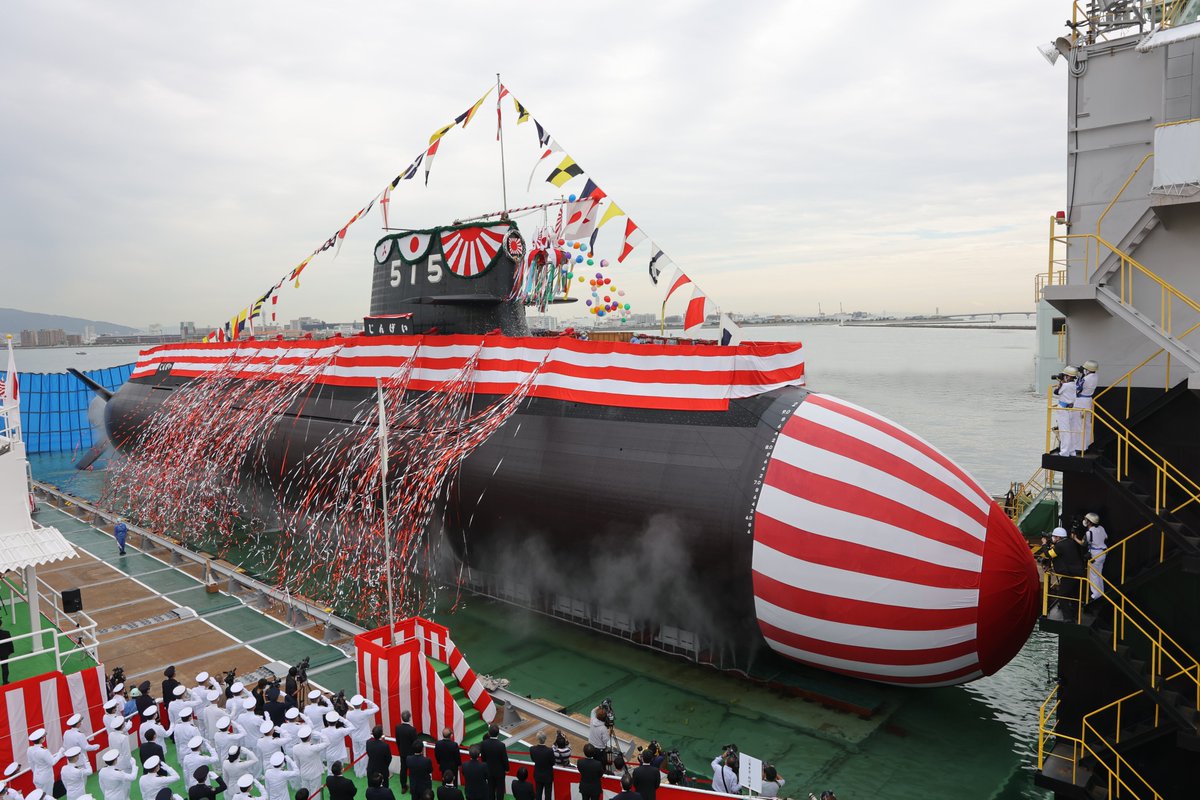
Whether or not this Taiwanese “indigenous” submarine program began as such, it is now best understood as a subset of AUKUS+Japan. Someday someone ought to write a book using the decades of back and forth between Taiwan and the US re: submarines – as a microcosm to illustrate the self-contradictory positions the US has taken regarding the status and future of Taiwan.
For 2023, the key facts are these. Decades of observing major Taiwanese military projects, given the nature of Taiwanese domestic politics and sustained information warfare sponsored by the Chinese Communist Party, I have never witnessed a Taiwanese multinational, complex, major military project that has leaked as little, and, for now, sustained as few charges of graft and irregularities, as this submarine project. During the democratic era of Taiwanese national history, President Tsai is the first democratically elected president who managed significant control over the national security apparatus.
These Taiwanese submarines also reflect a broader change in US-Japan-led vision for the Indo-Pacific – changes in military thinking and the status of Taiwan yes – less commented upon but just as significant as the revolutionary changes in multinational industrial policy. In this perhaps the size of the China Threat coupled with the lessons from Ukraine have finally forced leaders in the global democracies to rethink decades of “neoliberal” orthodoxy – free market, invisible hand, creative destruction – fascinating theories, important forces in world history, but there are realms in public policy, pandemic abatement, public health, national security, where one must sacrifice efficiency for resilience and reliability.
And so, while the AUKUS nucular submarines are the big ticket system to illustrate changes in thinking, many many other systems weave a complex global re-think in national security supply chains. From semiconductors. To HIMARS munitions. To 155mm rounds. To AMRAAMs and Patriots and AGM-158s and Javelins and Stingers and Mk.46s and Mk 48s. Looking for a new balance between national security, and responsibility to shareholders-the market, while ensuring there is enough global manufacturing, storage capacity, and resilience to respond to the challenge China poses. And, related to this overall concept, how to stretch out the R&D and small batch production lifecycle of each weapon, across time and nations, to sustain improvement and capacity while improving global resilience.
Sometime this past week it was reported that it will take the US another five years to increase its annual production rate for its attack submarines from 1.5 per year to 2. Modern wars are industrial wars. This is the weak link among the democracies, as they navigate populism and elections, how to remain democratic yet sustain important, not particularly popular national security public policy projects over the decades. 2.4.2023 Taipei, Taiwan.
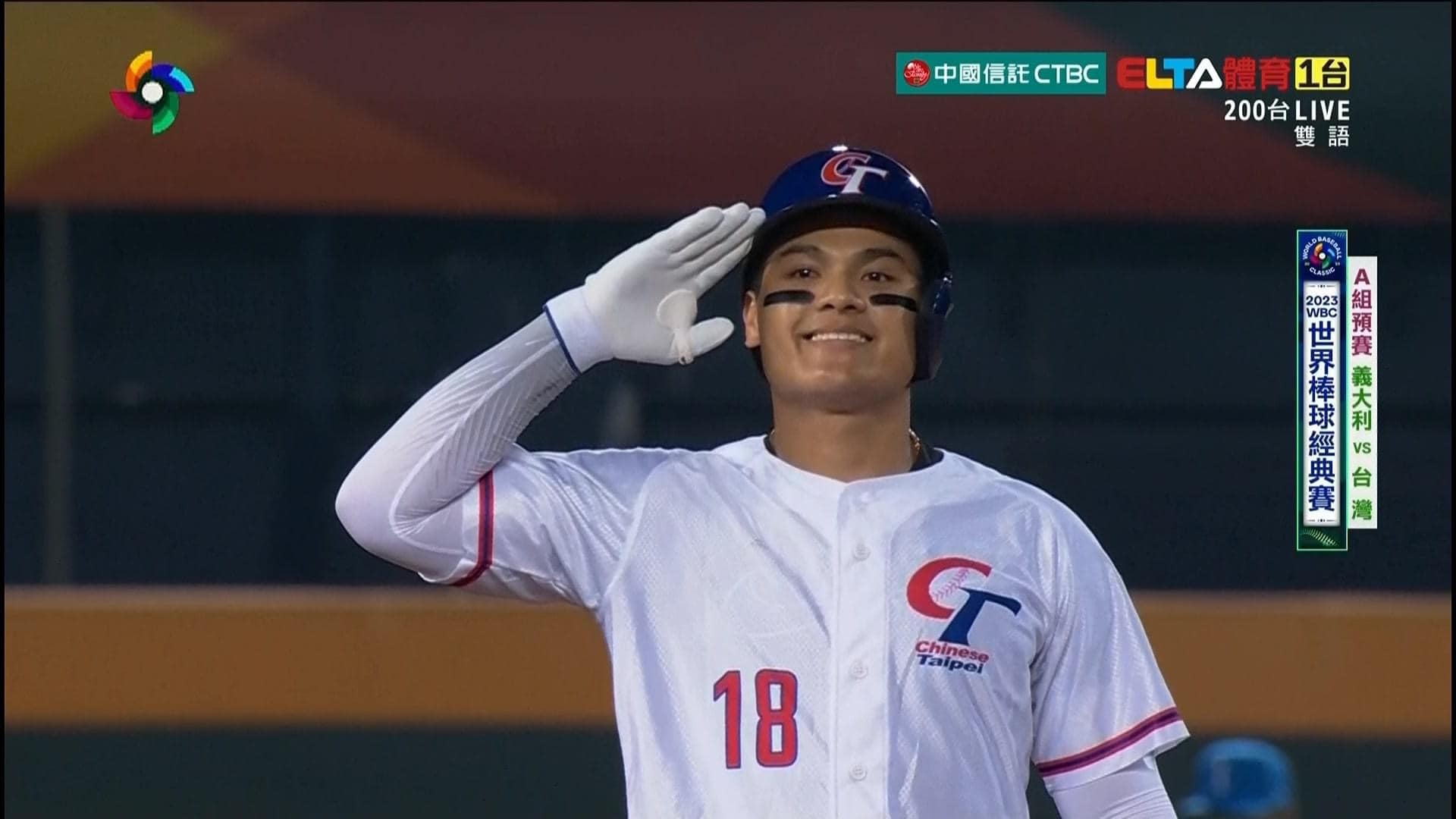
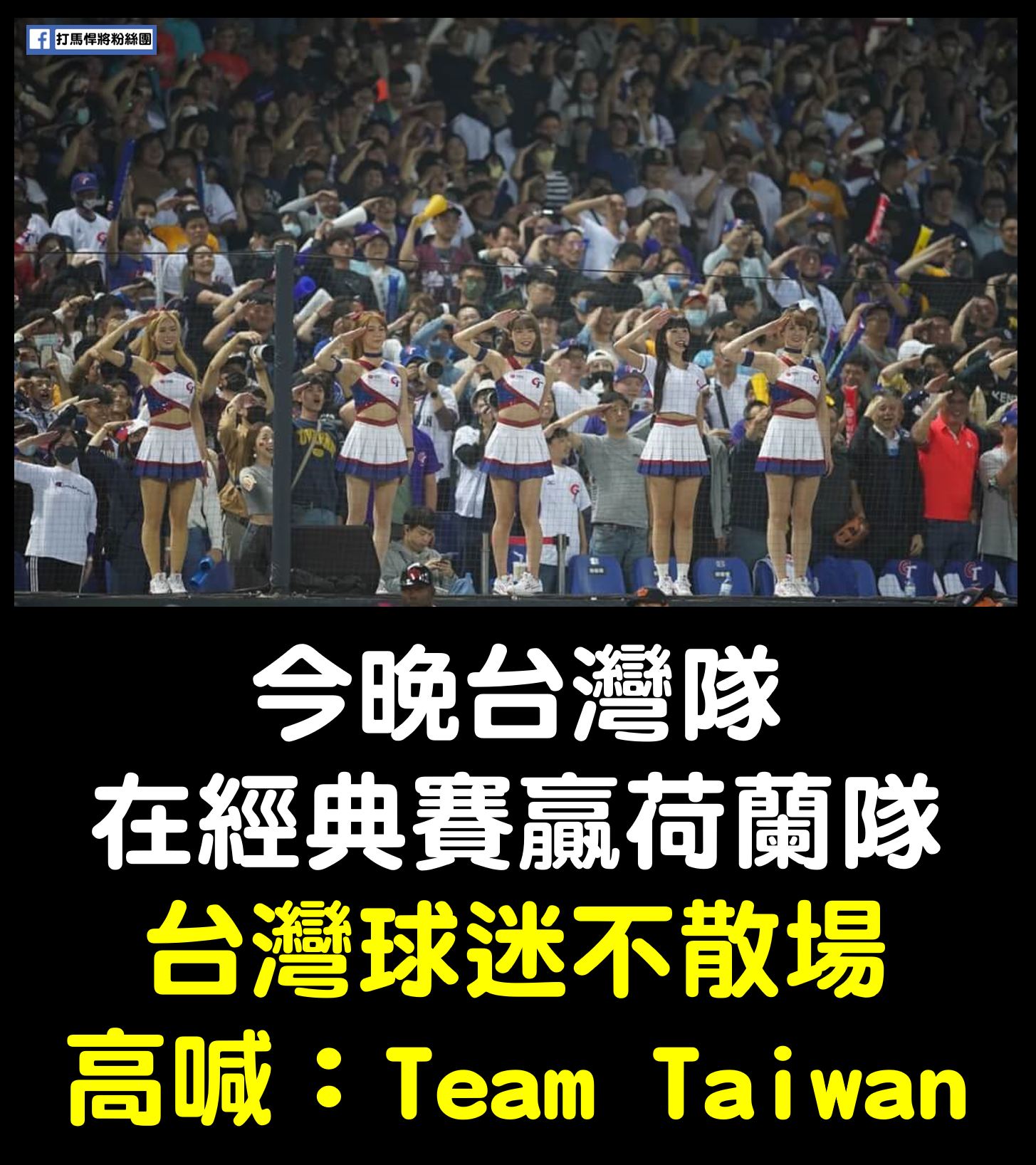
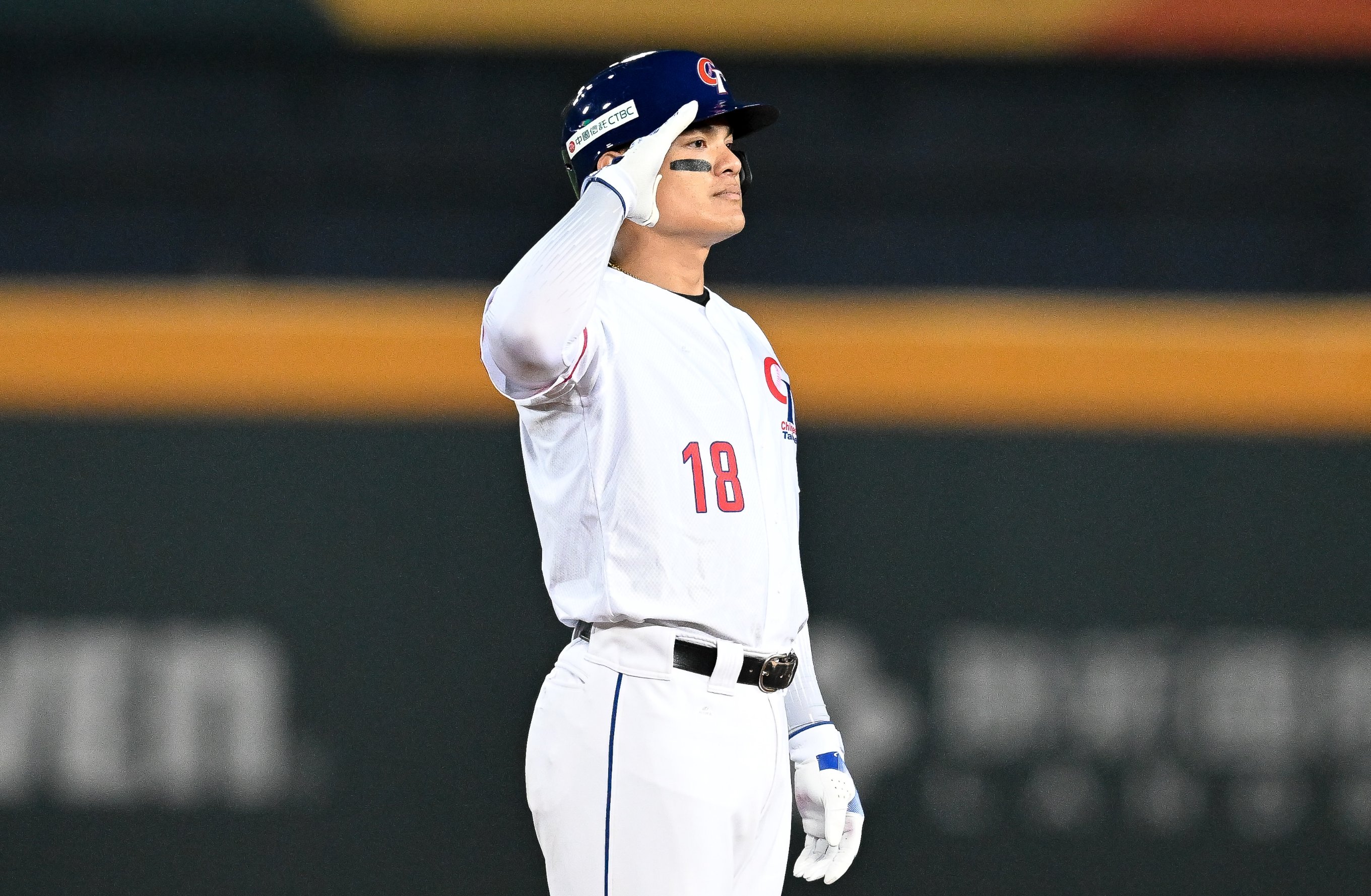
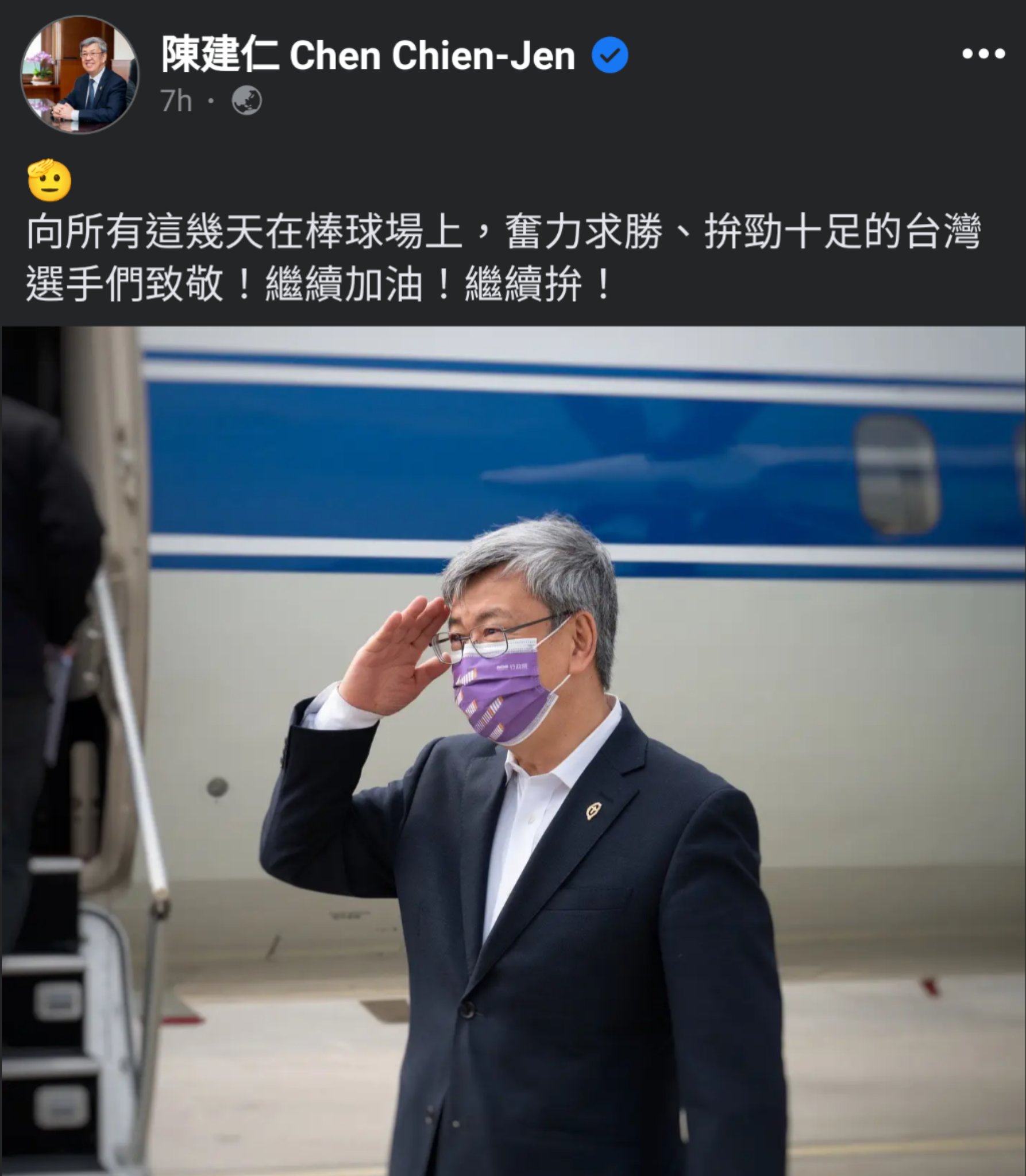
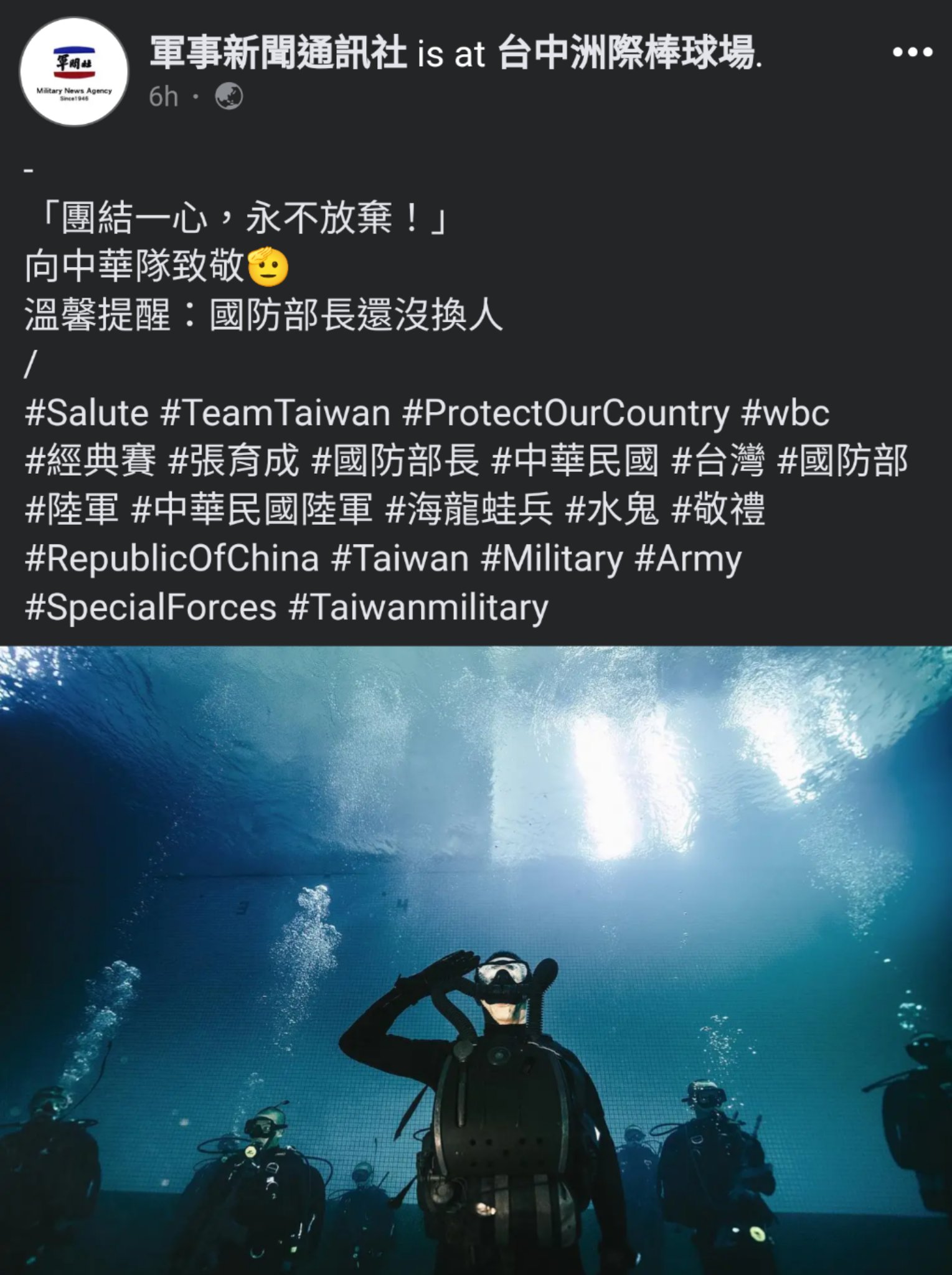
Where else but Taiwan Republic would a baseball hero’s nickname be ‘Minister of National Defense’, and where else but Taiwan would the democratically elected vice president now prime minister and Army frogmen heroes echo his salute?
Politicians focus on curriculum and monuments and formal national iconographies when it comes to national identity debates — these categories play a role, but national identity emerges from a complex mixture, of formal and informal, planned and accidental, low and high cultures, action and reaction. The Chinese Taipei refugees imposed a particularly odd set of values and historical memories on postwar Taiwan — meek, notebook in hand, sitting using only one-third of a chair, autocratic filial piety, loyalty to the Chiang crime family, frugality amidst their corruption, self-effacing mixed with Han Chinese imperialism and racism.
This Taiwanese baseball team, on the other hand, is modern and global, they are celebrating loudly — a natural swagger, this Team Taiwan celebrates individuality, and spontaneity — they reflect the real historical experience of peripheral, heterodox, land of refuge from many different quarters of historic Taiwan.
How to purge democratic Taiwan of this poison the Chinese brought democratically, without bloodshed — it may be that constitutional reforms and national day declarations and political summits play less role than something like a World Baseball Classic, where Taiwanese naturally call their team Team Taiwan — where Chinese Taipei is understood as the slur imposed by the Chinese Taipei KMT that it is — where Taiwanese naturally, joyously, return to their historic, authentic national identity — a land of pirates and rebels and migrants, an island nation where beliefs and practices and foodways from different immigrants get hilariously mixed together.
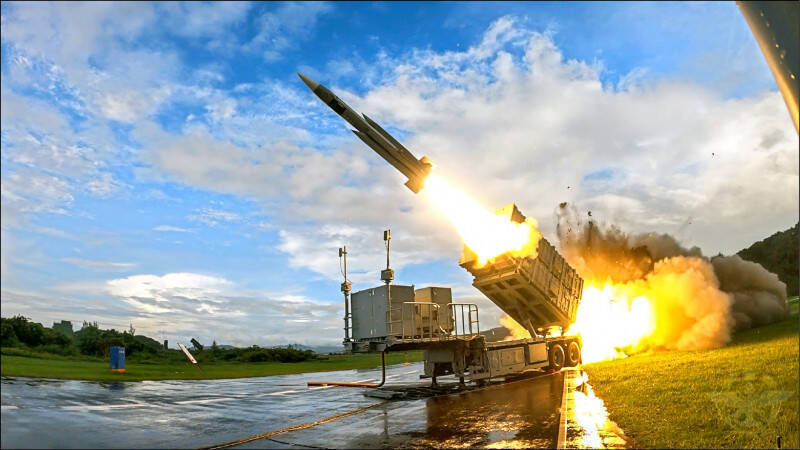
Without a breakdown of which missiles are produced in what quantity annually, it is difficult to assess the significance of “1,000” – though it is a good sign that Taiwan Republic, Japan, and US are all addressing the logistics of a war against China. Taiwanese “indigenous” missiles are a product of the peculiar stage in Taiwan-US-China relations – a product of compromise and the fictional One China status quo. I wonder if policymakers in DC have seriously studied and throught through the implications of having the Taiwanese continue this dual track – purchasing/importing US-made missiles while investing in domestically manufactured missiles. Perhaps the blurb from the recent US-Taiwan military talks about “enhancing munitions coproduction” is a way to discuss this issue – from economies of scale, to whether NCIST missiles are more vulnerable to Chinese communist infiltration and sabotage, to obstacles to interoperability with Japanese and American units. An example: during the war can the US-made Patriots efficiently coordinate with the Taiwanese TK2 and TK3 surface-to-air missiles? How about Taiwanese naval units using American Harpoons and Taiwanese HF series? Or Taiwanese artillery units using Taiwanese MLRS and soon-to-be imported American HIMARS?
A final observation: while it is good that Taiwan’s CSIST is moving away from the “handcrafted” model of manufacturing missiles into the modern mass assembly, one of the many chasms between the Taiwan military and Taiwanese democracy is in this island nation’s economic dynamism and know-how, and how isolated the military remains. Simple question: should a quasi-state military research entity like CSIST even manufacture missiles? Or would it be best to adopt the model from Israel, or Singapore, or South Korea, or Japan, have CSIST coordinate strategic level priority weapon systems research, and subcontract manufacturing to private or public-private corporations? 10.2.2023
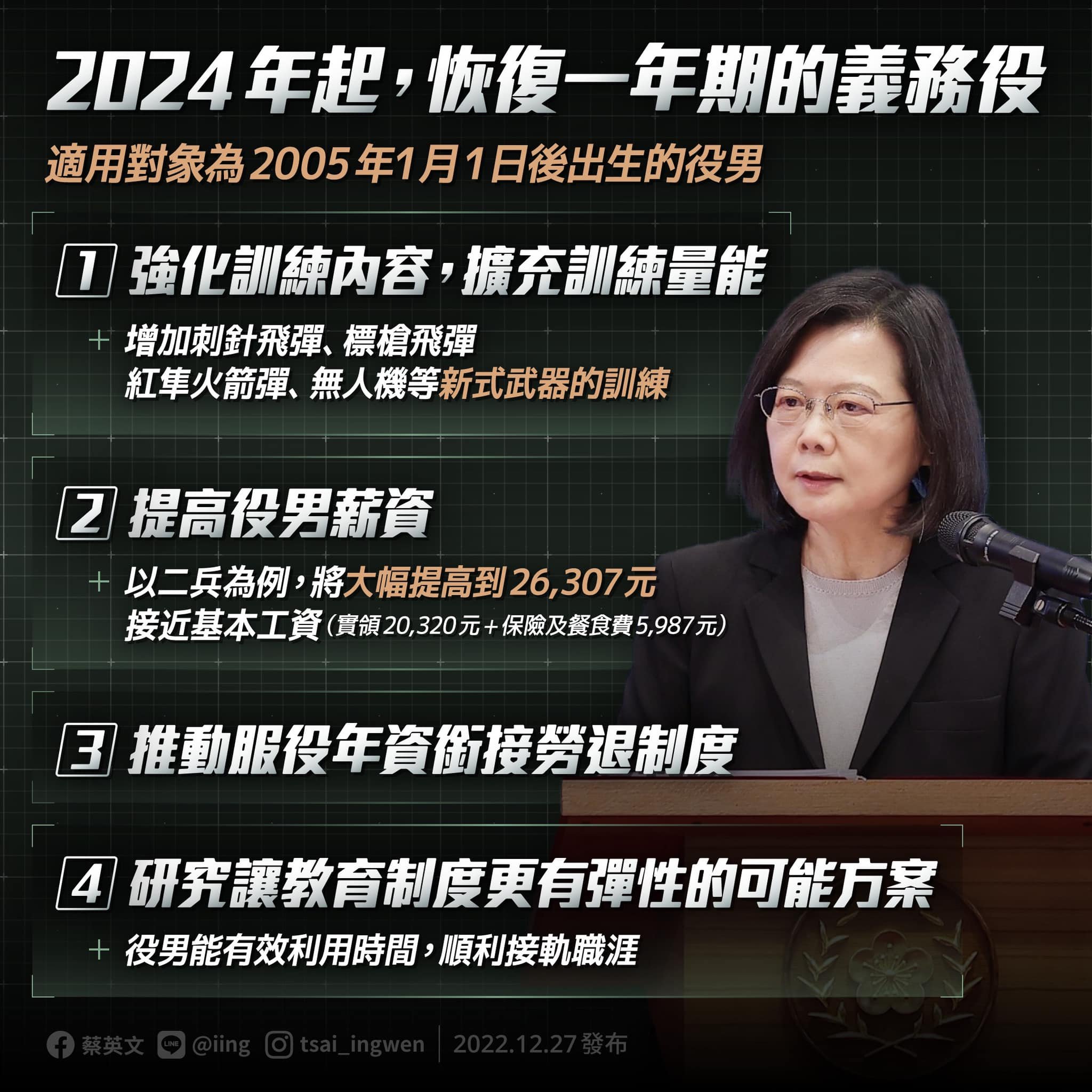
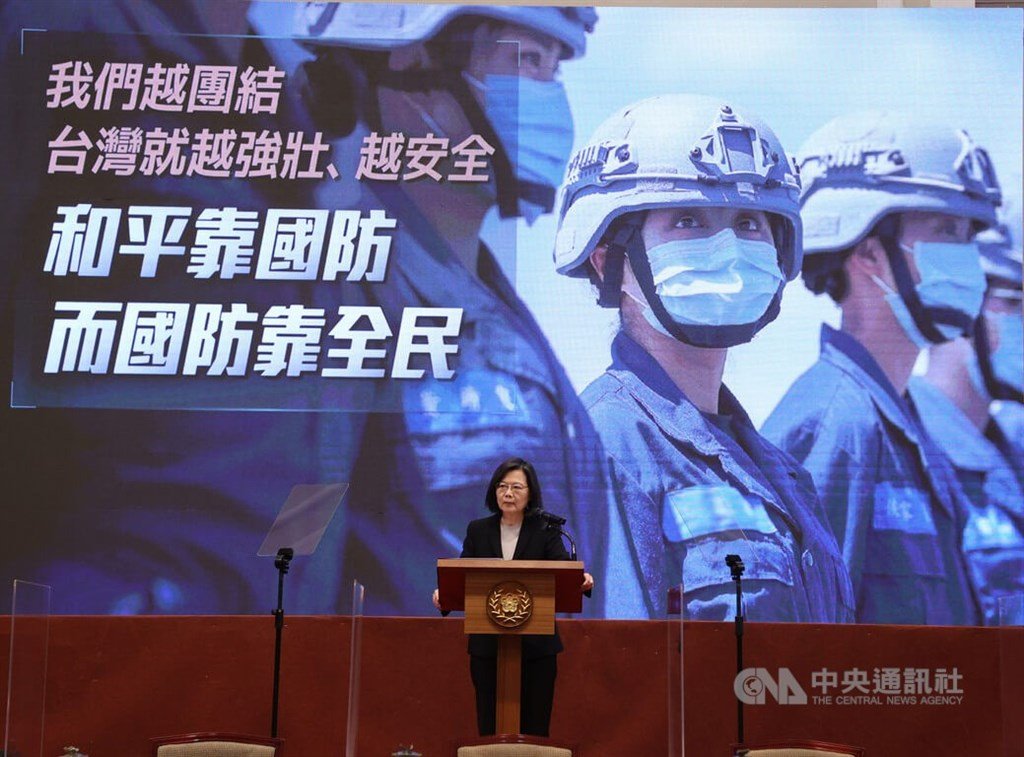
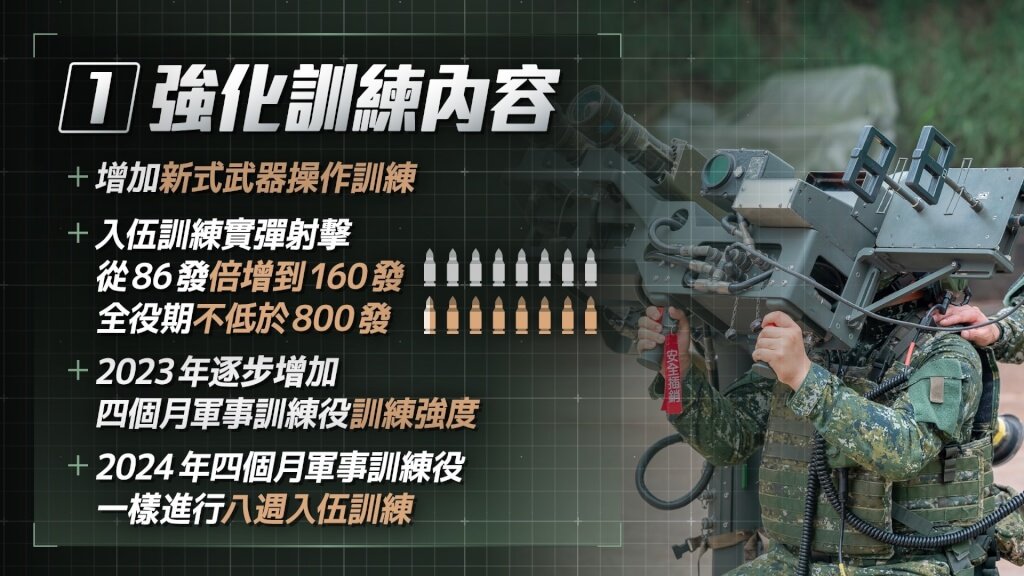
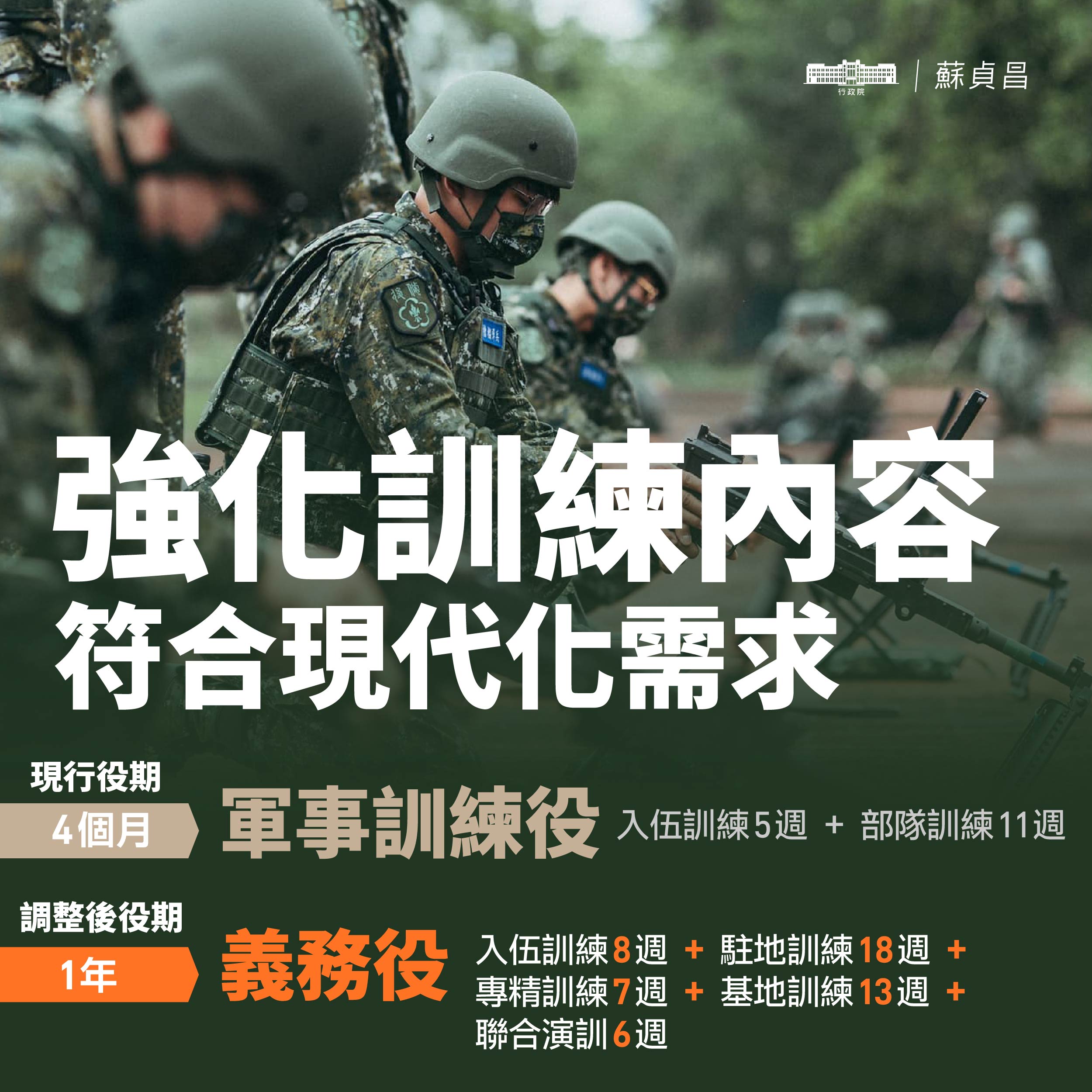
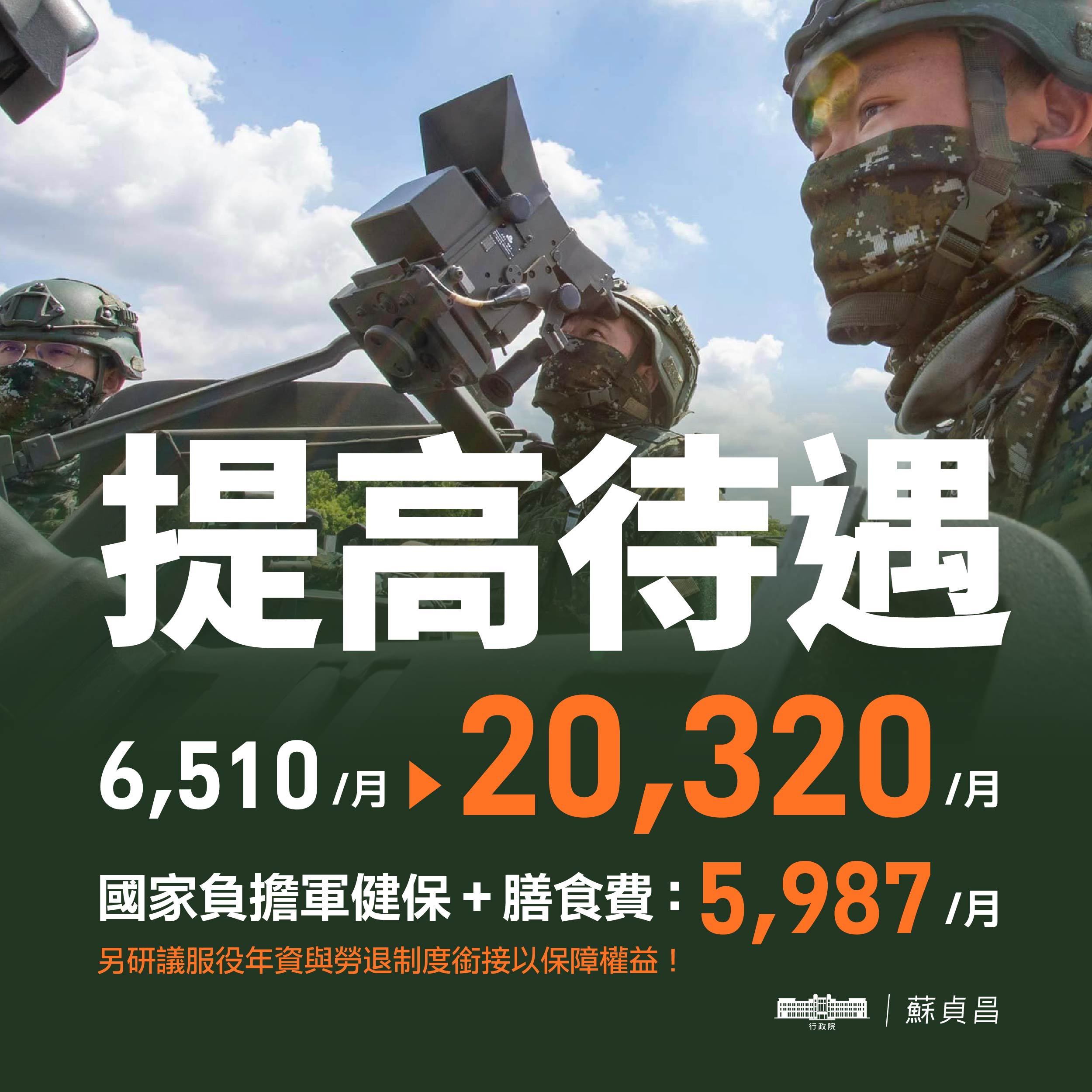
Depending on what ‘altitude’ you fly over news items, for most international news outlets Taiwan reinstating year-long conscription feeds into the “rising tensions-most dangerous place on earth” storyline. And for domestic Taiwan news, arguments about which party made this move necessary, whether American pressure is behind this change if this means the youth vote will shift for 2024, etc etc.
To me, this is classic President Tsai and why I am a supporter. Smart policymaking, aggravatingly careful and slow and boring, good for Taiwan’s democracy, not likely to win her praise or many votes. Kind of like her green energy policy. Legalizing gay marriage. Pension reforms. Pandemic abatement. The opposite of the kind of quick, easy-to-understand modern storytelling to rile up populist emotions.
I have no faith in the ability and resolve of the China KMT dictatorship-dominated Taiwan national security establishment, though I know if they are good at one thing, it is to use their bureaucratic skills to kill reform efforts pushed by civilian, democratically elected leaders. So we will see.
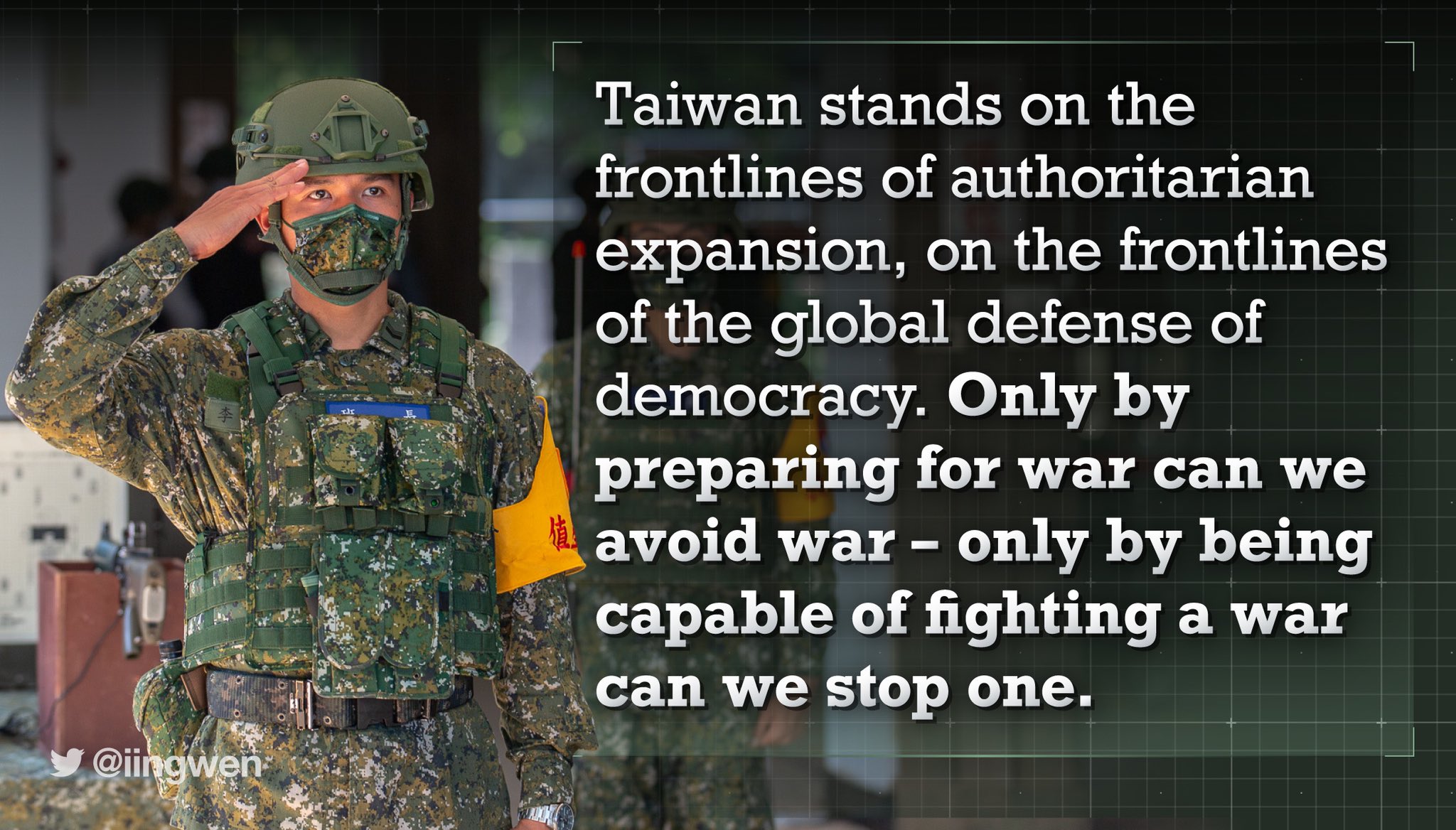
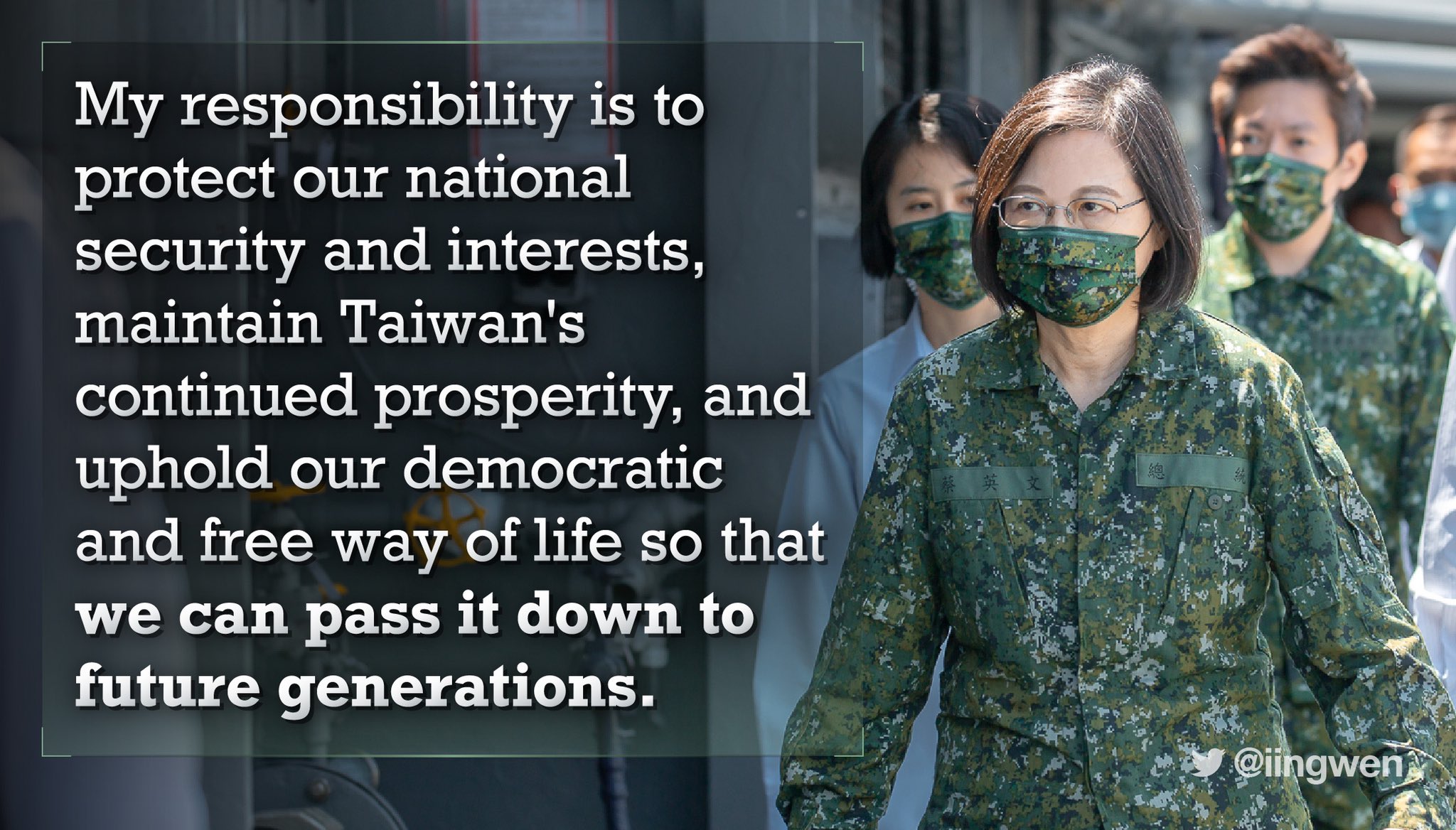
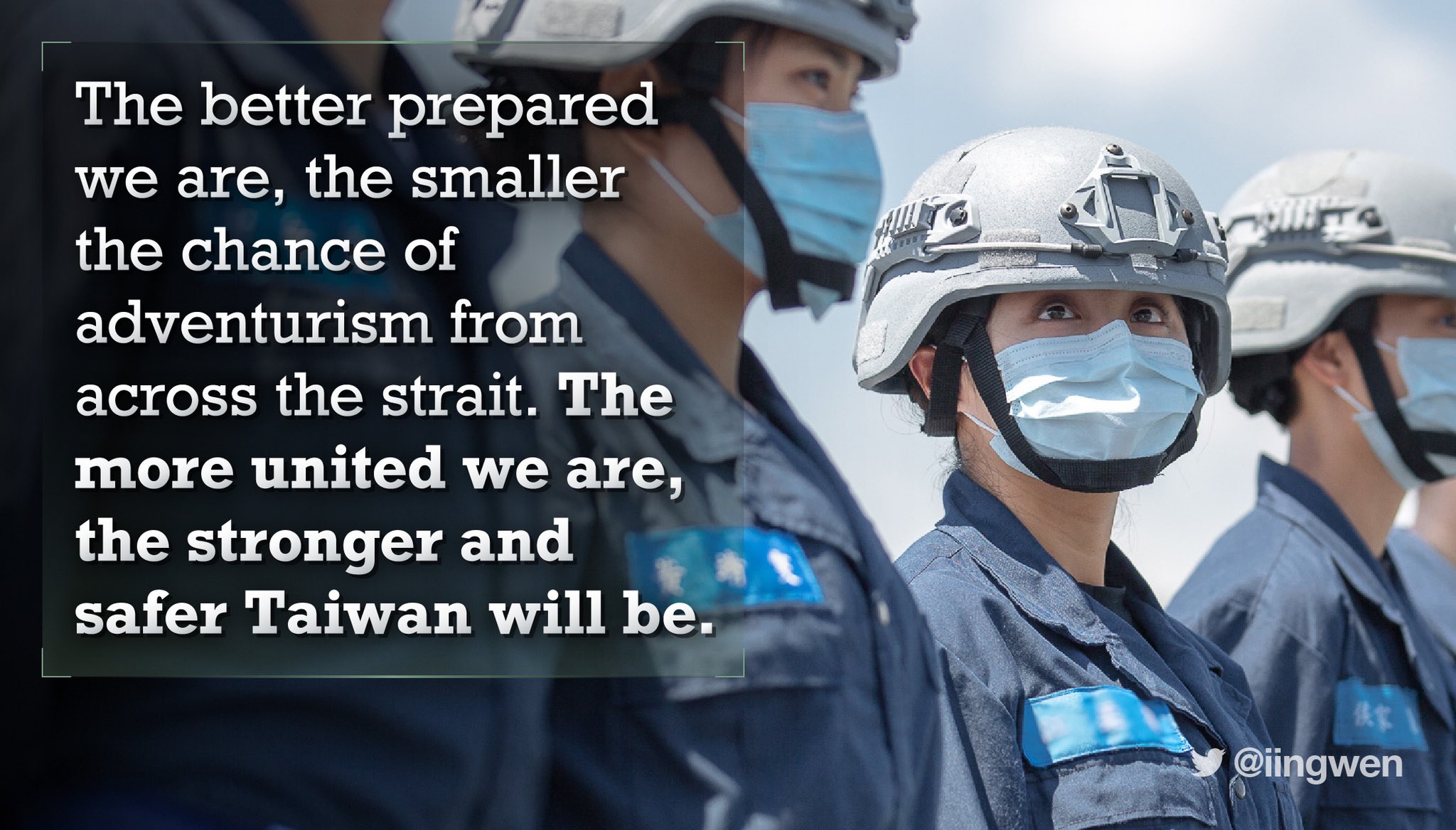
It is politically smart to give the mostly superficial domestic Taiwan press the massively raised salary of the conscripts as their headlines. Once you listen to the press conference and read the details the most encouraging facet of this new policy is the recognition that the Taiwan Ministry of National Defense requires revolutionary change and improvements – a breakthrough for the democratically elected president of Taiwan to acknowledge that former draftees felt their time and talent were not fully respected and utilized by the military, to be smart about using this year-long conscription wisely, to import training regimes (and important, doctrines and concepts) from the US and other leading democracies, to think about how the volunteer military and conscripts enhance one another. This is a difficult and important first step – future elections will determine whether the momentum to democratize and reform the Taiwan military will continue.
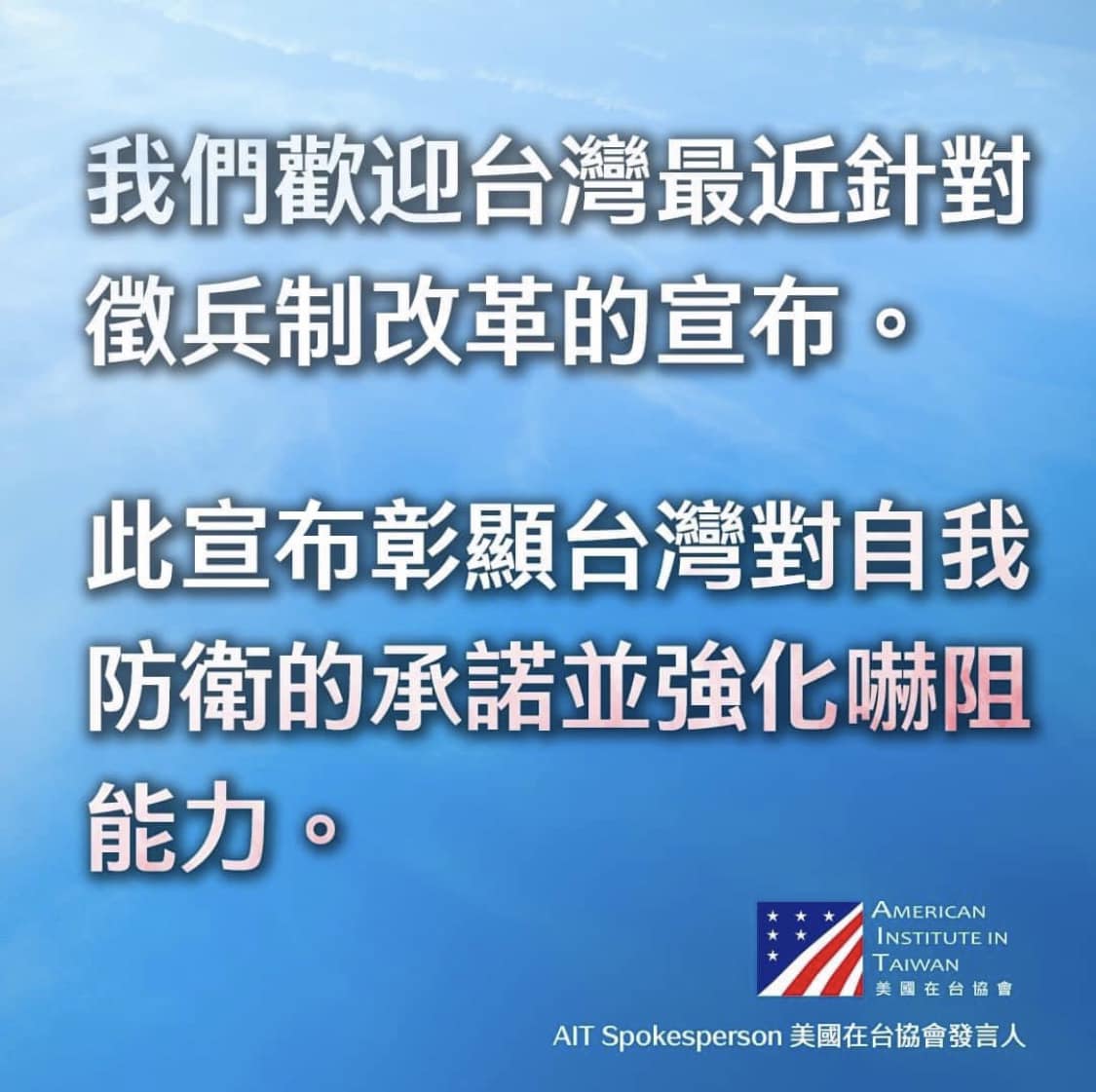
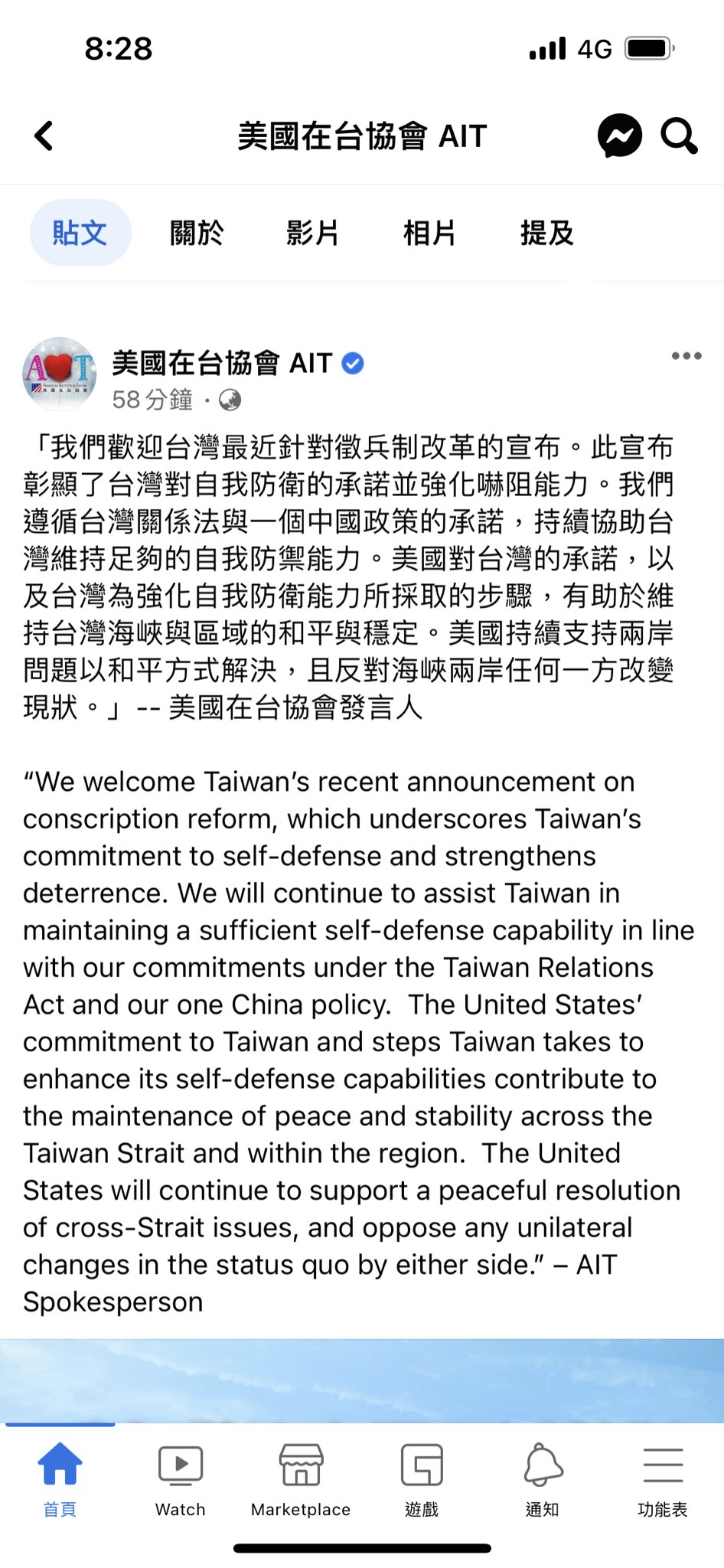
An additional breakthrough is in how rapidly and directly the praise came from the American embassy in Taipei – without regard for the thin skin-ness of the Chinese communists and their allies inside Taiwan and in the west. This gets me back to my earlier point that folks generally focus on the headline numbers of the NDAA and aid to Taiwan, I have been fascinated by the detailed plans on interoperability and the “software” of national security – personnel, advisors, new mentality. California and Florida National Guards heroically trained Ukrainian officers – Hawaii National Guard has been paired with the Taiwanese military, is this the model we will see with new, modern training for the conscripts and volunteers alike? And again, having seen too many bright-eyed Taiwanese patriots graduate from West Point, Annapolis, and US Air Force Academy only to file for early retirement due to a reactionary and hyper-bureaucratic Taiwan military leadership. We will see, and we hope for the best. No shortage of talent and vitality from the bottom up in a democracy such as Taiwan – the bottleneck is within Taiwan’s military leadership.
An additional thing to ponder is this paradox of Taiwan. A medium small-ish nation. An oceanic, island democracy with a history of heterodoxy and not following imperial rules. Taiwanese businesspeople are notoriously creative and flexible. Taiwanese cuisine and music and literature are hybrid and ever-changing. The parts of Taiwan dominated by the China KMT dictatorship are reactionary, uncreative, haughty, stuck in trench warfare mentality – hyper-bureaucratic, better to get fifteen stamps than five, hurry up and wait – these facets of Taiwan public life exist in a parallel universe with the vibrant, democratic, can-do democracy that grew up around this China KMT dictatorship.
So I have been wondering about creatively deconstructing how the Taiwan public health – less dominated by the China KMT dictatorship because during the martial law era this was a safe harbor for educated Taiwanese – could serve as a model for how a reformed Taiwanese military could democratize and harness the creativity and energy of this democratic nation. Taiwanese public health and healthcare were not flawless during this pandemic – yet compared to the Taiwan military, it has been far more flexible and responsive to criticism and suggestions from citizens, civilian authorities, and foreign experts. Pandemic management had features and characteristics that are warfare-like – the “enemy” was not just the virus, but foreign and domestic bad actors, fear, rumors, anxiety, and fake news. What is it about the Taiwanese public health leadership, bureaucracy and regulation, institutional culture, and how it relates to the rest of this democracy, that enabled it to successfully meet these challenges? And what lessons might the democratically elected civilian leaders of Taiwan seeking to democratize and reform the Taiwan national security establishment draw from this model? 28.12.2022
Even though Taipei appears full of doom and gloom over President Tsai’s electoral defeats during the recent local elections, future historians will study this ‘indigenous’ Taiwanese submarine project as an example of her administration’s success.
If the project proves successful, President Tsai and her team would have overcome decades – since the 1960s – of American, Chinese communist, China KMT interference and sabotage against a Taiwanese submarine fleet. No doubt rapidly shifting geopolitical realities enabled the change in American policy. This shift then brought along critical technology from other democratic allies, the UK, maybe South Korea, maybe Japan, and others. I remain fascinated and a bit confused at the relatively muted reactions from the Chinese communists and their allies inside Taiwan – is this because they have other problems and crises to deal with, or do they have other angles?
What remains true is this, if we compare the three democratically elected Taiwanese presidents, Lee, Chen, and Tsai – a bureaucracy of Taiwan’s central government, particularly the national security establishment, ensconced in decades of China KMT party-state external authoritarian occupation, a similar project under Presidents Lee and Chen that did not leak like a sieve would have been unimaginable. The relative success of the Tsai administration in preventing the vestiges of the authoritarian bureaucracy from sabotaging this project has been a noticeable success in Taiwan’s democratic consolidation.
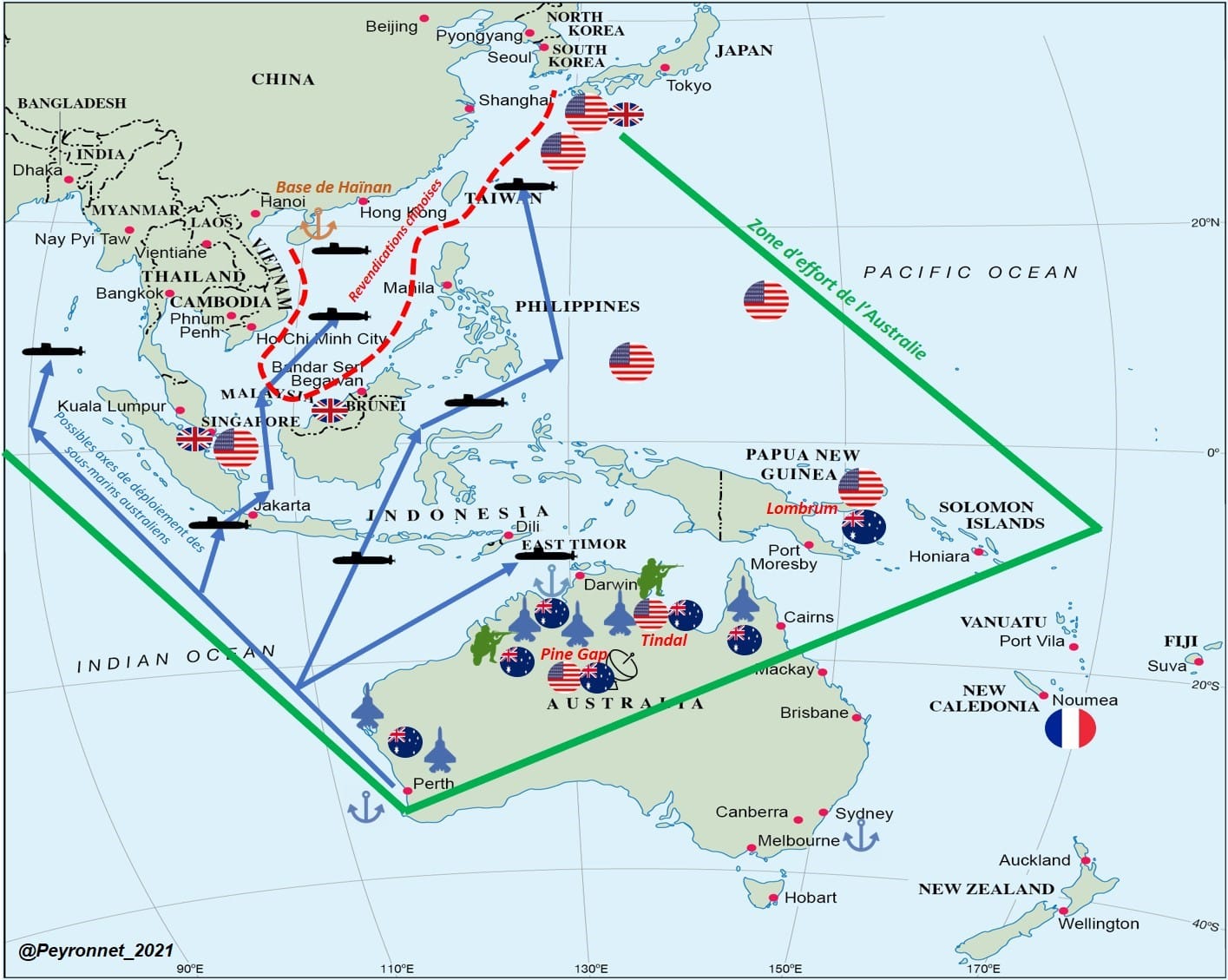
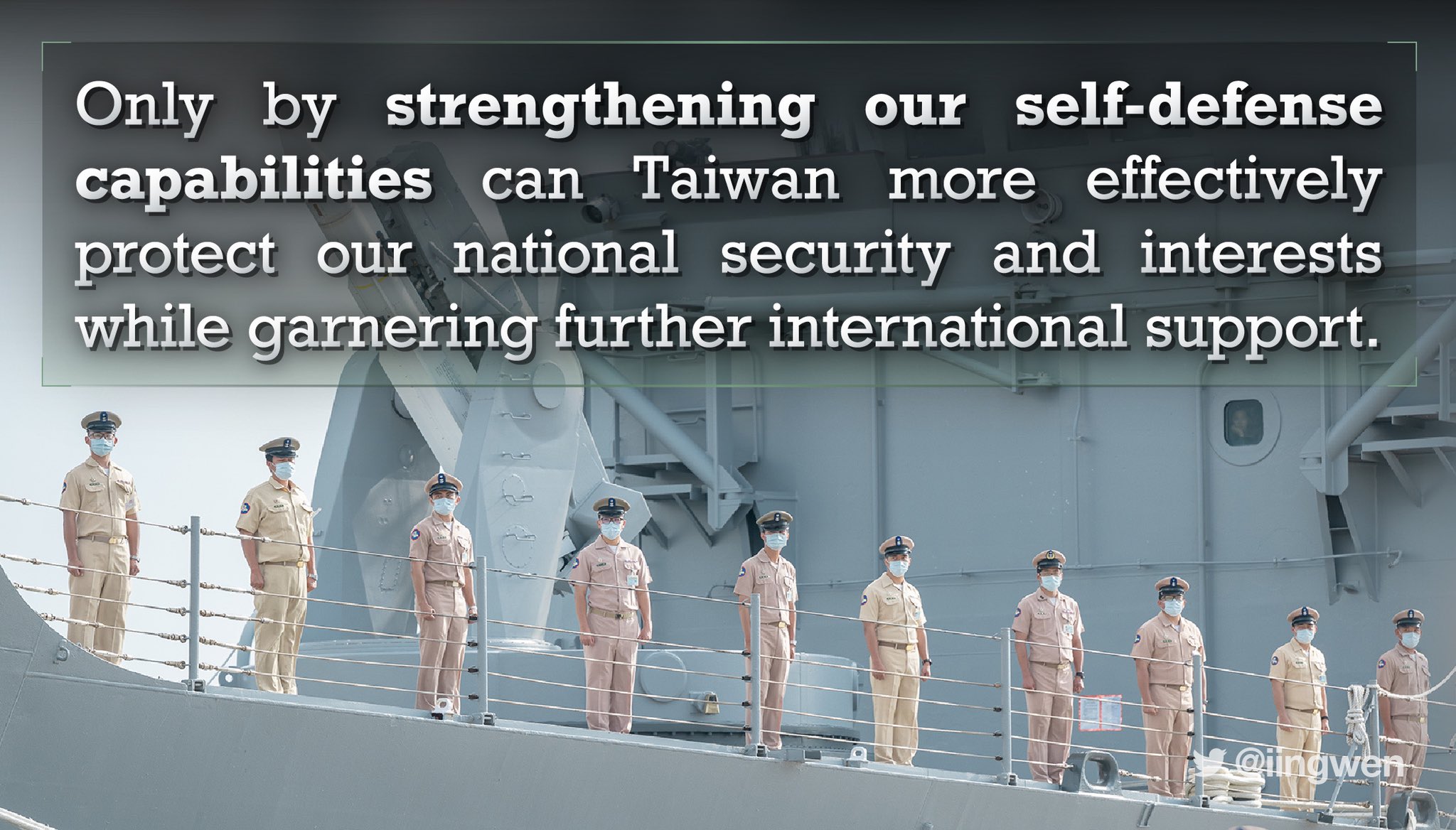
As to whether or not these ‘indigenous’ (even a global empire like the US can no longer manufacture high-end weapons without global supply chains and know-how, much less Taiwan ….) submarines will deter and defeat a Chinese invasion – are eight enough? Should they be paired with unmanned underwater vehicles? Should they be armed with defensive and offensive ordinances? Are they linked with other Taiwanese military units as well as US and Japanese units? Maybe the first step in a genuine democratization of the Taiwanese military is to have an open national debate on why the Taiwanese Navy has been circling in step since the 1990s – unable to match the surface nor subsurface fleets of the region? In this, I suspect advice and know-how from American and Japanese officers will play a critical role in ensuring the money invested in hardware such as submarines will be properly deployed during a future war to defend Taiwanese sovereignty and democracy – a kind of AUKUS+ regional submarine chain – Australian and Japanese long-range submarines plus smaller Taiwanese and others to contain the China threat. This is also where the significance of the US NDAA is never about money or hardware/weapons per se, but the infusion of American expertise into the stagnate and reactionary Taiwan national security establishment. 27.12.2022




 Taiwan in World History (台灣與世界歷史)