‘Porcupine’ without clarity on Taiwan’s statehood will not work: “Taiwan may yet become a porcupine,” The Strategist ASPI. Taiwan Republic 台灣国 and geostrategery classrooms. This is an excellent article. Particularly noteworthy is the attention the author paid to the historical-political-cultural background within the autocratic China KMT-dominated national security apparatus which has frustrated efforts at reform. This is unusual for English-language IR analysts. The key paragraph is:
Analysts have aptly compared Taiwan’s democratization – broadly understood, in all realms of this emerging democratic nation – as comparable to pro-democracy and pro-Taiwan leaders trying to upgrade and fix an aircraft while it is in flight. Taiwan Republic’s first democratically elected president Dr. Lee Teng-Hui had to simultaneously combat reactionary, anti-democratic, and anti-Taiwan forces within the China KMT, erroneous and unhelpful policies from the US, and the Chinese communists while democratizing Taiwan. President Chen, the second democratically elected president, had to face a parliament dominated by the anti-democracy and anti-Taiwan China KMT, along with a US that maintained unhelpful policies. While Presidents Tsai and Lai face the US and the Free World that is finally realizing the threat to the world posed by the Chinese communists, the importance of domestic political stability and the threat of an invasion from the Chinese to annex Taiwan means the pace of reform and change within the Taiwan national security apparatus is limited.
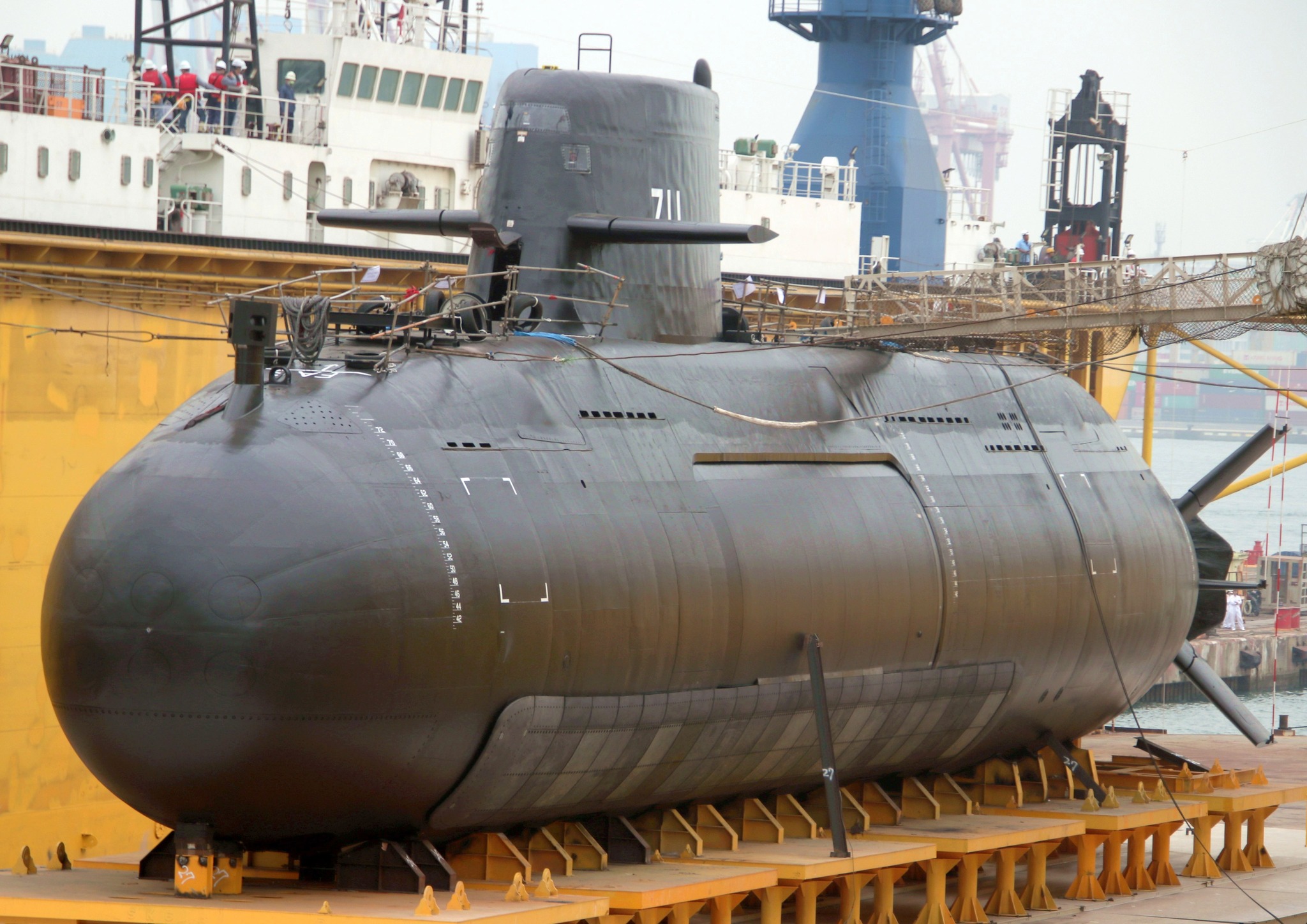
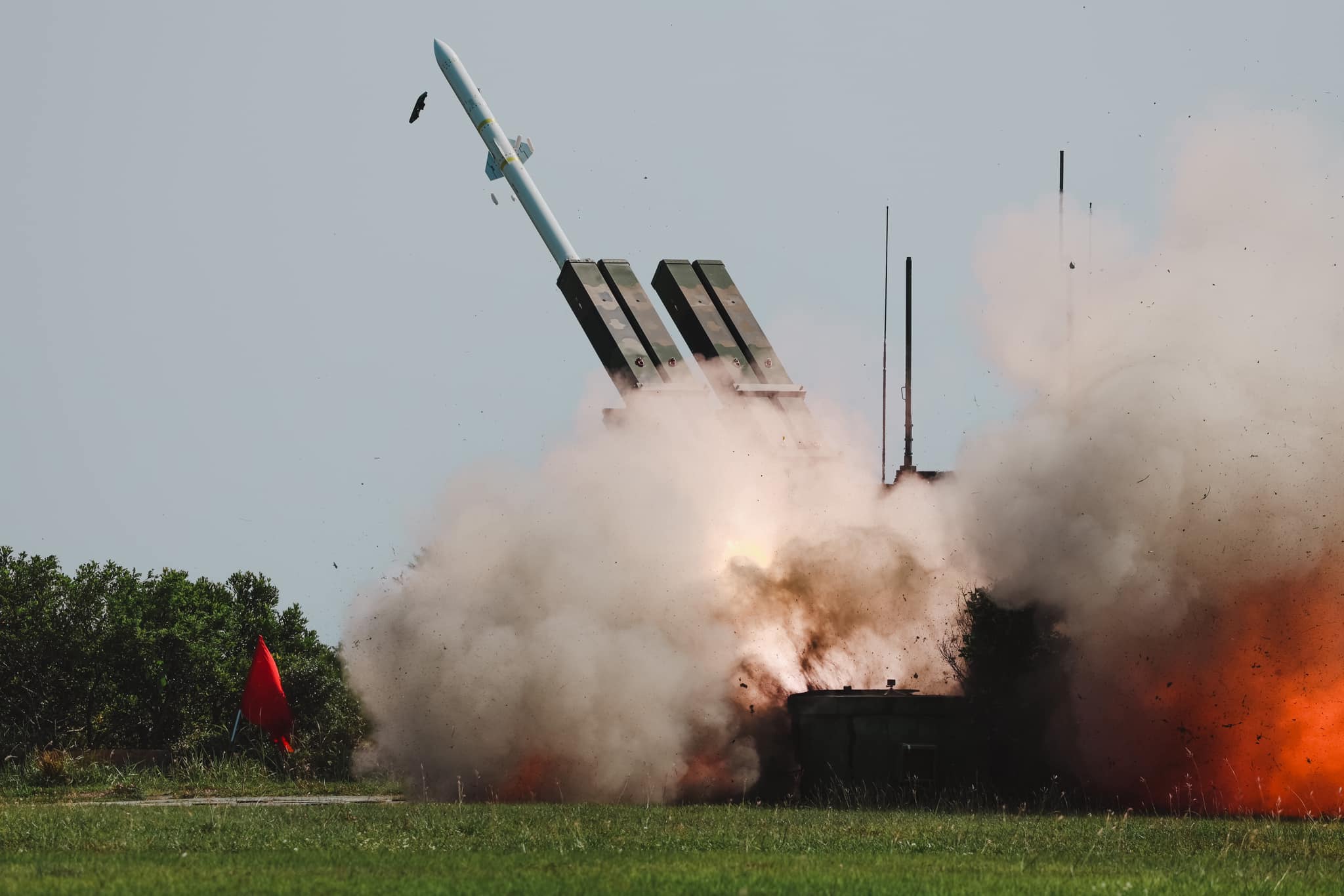
Two elements are often missing in foreign analysis of Taiwan’s military reforms to prepare for the Chinese invasion are domestic consensus on Taiwan’s national identity, and the clarity by the US and democratic allies on Taiwan’s democratic sovereignty. Taiwan does not have a healthy democratic polity because not all of the major political parties recognize Taiwan’s democratic sovereignty. Anti-democracy and anti-Taiwan China KMT’s leaders in the parliament are adamant that China – Taiwanese democratic sovereignty’s greatest enemy – must be addressed as the “mainland”. If there is no national consensus on “us/we” versus “them/they” – then from whom should the Taiwanese military defend Taiwanese citizens? If you read enough China KMT and China KMT adjacent writings you might be convinced that unreliable American imperialists or Japanese pose a greater threat than the Chinese communists. President Lai’s challenge is to nudge the national security apparatus to democratize and indigenize itself so that the national identity confusion is resolved – only then can democratic forces within Taiwan have a productive debate over whether the “porcupine” strategy makes sense, and if so, in what form would it be most effective. In short, it is impossible to have such a national security debate if the major parties do not even agree on Taiwan’s nationhood.
The other element missing in many analyses is that the porcupine strategy without a clear commitment from the US and the Free World to Taiwan’s democratic sovereignty will not deter Chinese imperialists from military adventurism. Think of this as the global companion to Taiwan’s domestic national identity crisis. So long as the US and the Free World maintain the dated strategic ambiguity regarding Taiwan’s democratic sovereignty, then Chinese imperialists in Beijing will imagine the opportunity where their militarism will succeed. So long as policymaking circles in DC and other democratic capitals hold on to the outdated and erroneous beliefs that democratic nations can dialogue and engage the Chinese communists into a peaceful compromise (how did this belief work out with dictator Putin and democratic Ukraine by the way? ….) – then the dictators of China will dream of a shock and awe, low cost, lighting military strike against democratic Taiwan where collaborators within Taiwan will assist in creating a de facto communist annexation of democratic Taiwan. Without clarity on Taiwan’s emerging national identity – premised on democratic sovereignty – domestically and abroad, Taiwan’s national security will not be enhanced, whether it be porcupine or hellscape. 30.7.2024
© Taiwan in World History 台灣與世界歷史. This site grants open access for educational and not-for-profit use. Maps and illustrations are borrowed under educational and not-for-profit fair use. If you are the rights holder and prefer not to have your work shared, please email TaiwanWorldHistory (at) Gmail (dot) com and the content will be removed.






 Taiwan in World History (台灣與世界歷史)