Tag Archives: military

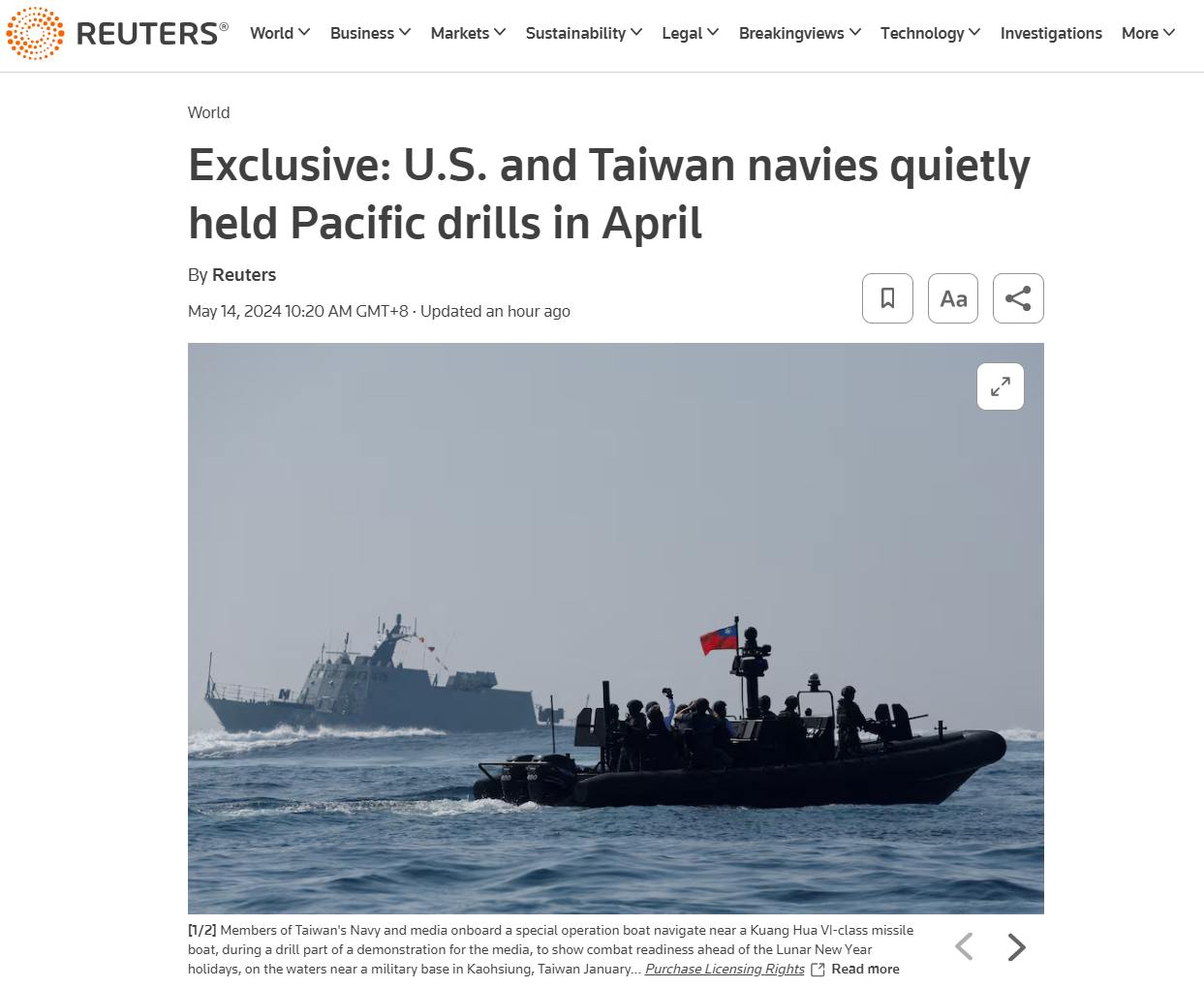
Bibliography: “Exclusive: U.S. and Taiwan navies quietly held Pacific drills in April,” Reuters. World history, Taiwan Republic 台灣国, and geostrategery classrooms.

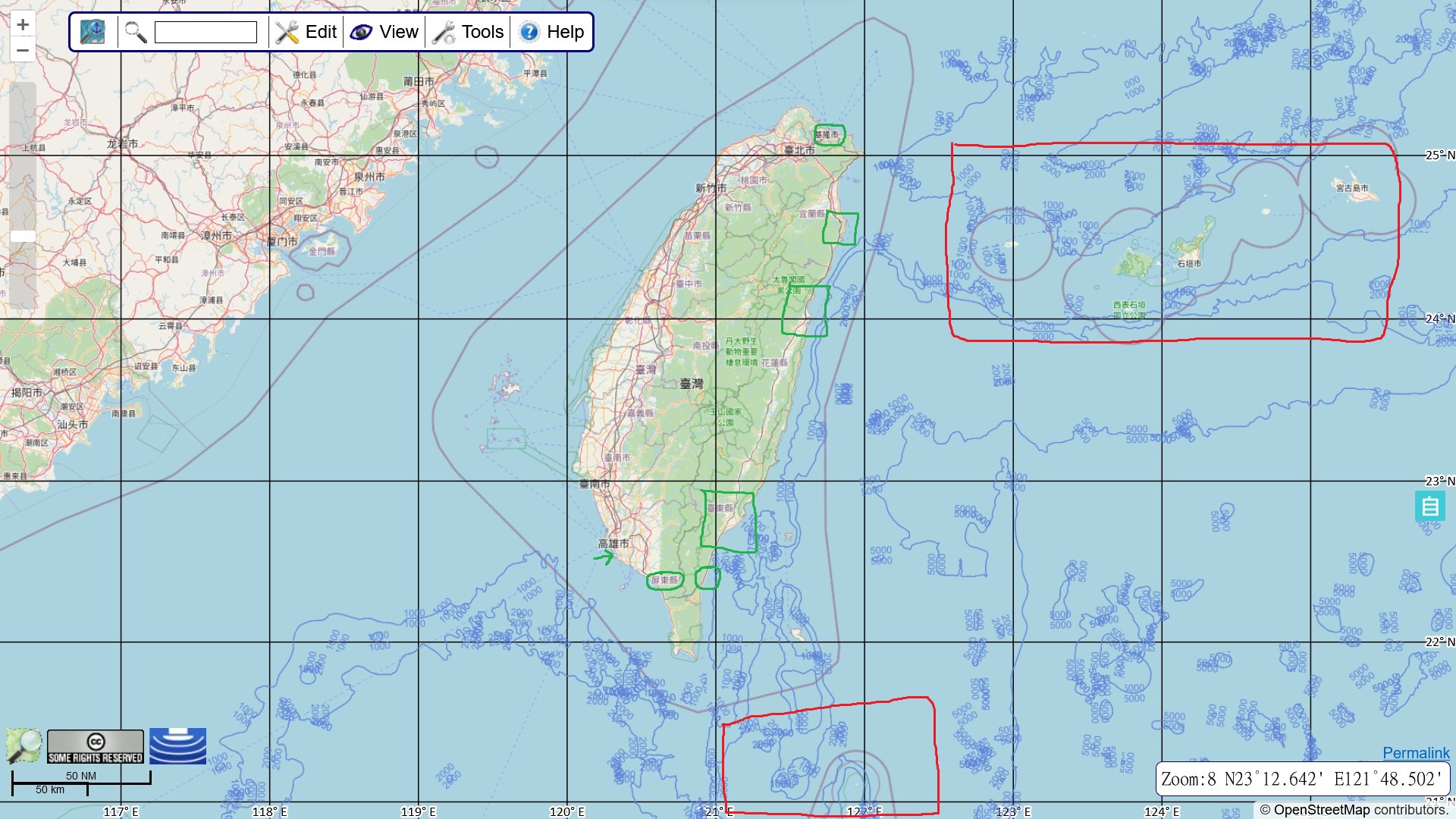
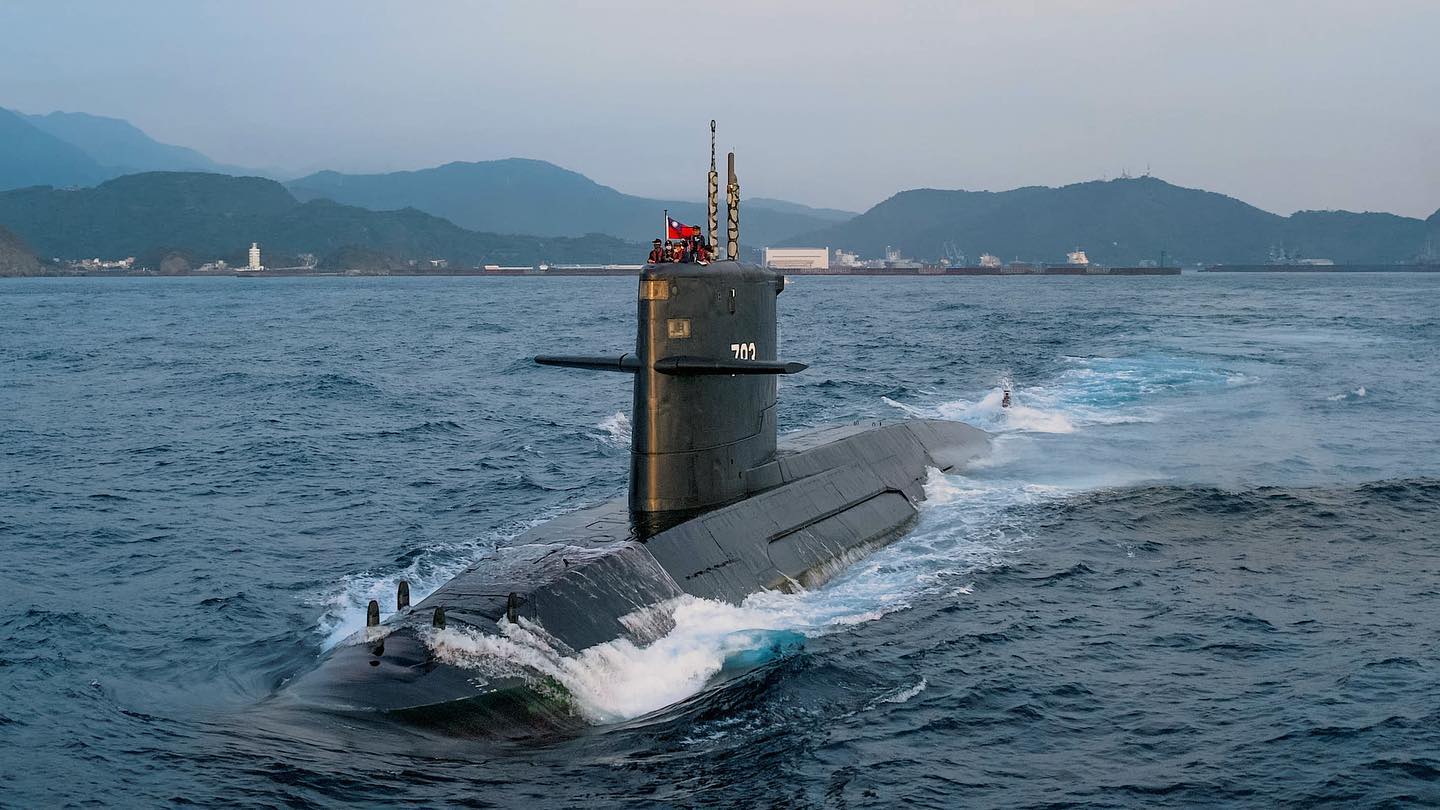
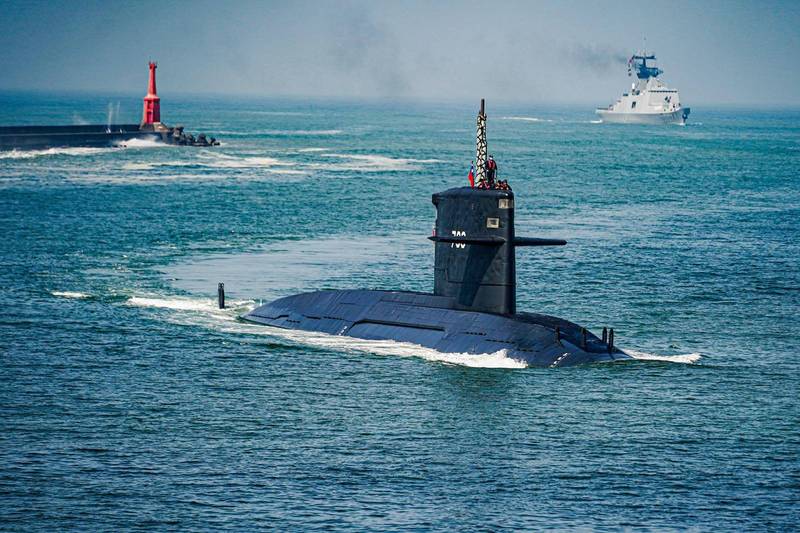
Bibliography: “Exclusive: U.S. and Taiwan navies quietly held Pacific drills in April,” Reuters. World history, Taiwan Republic 台灣国, and geostrategery classrooms. Is it “quiet” if it is purposely leaked to one of the largest news agencies on the planet? For a multi-day joint naval drill between the mighty US Seventh Fleet and the Taiwanese Navy that came as a result of a “chance meeting” in the vast Pacific Ocean, that officially did not occur, this Reuters exclusive is unusually detailed. These joint drills between the militaries of the US and Taiwan, particularly over the last decade as the US has finally understood the threat to the world order posed by the Chinese communists, are not unusual. Some of the Taiwanese Coast Guard missions into the South Pacific have been curious – if you collate US and Japanese Coast Guard missions. What’s unusual is the fact that this was intentionally leaked by the US to a reputable news agency.

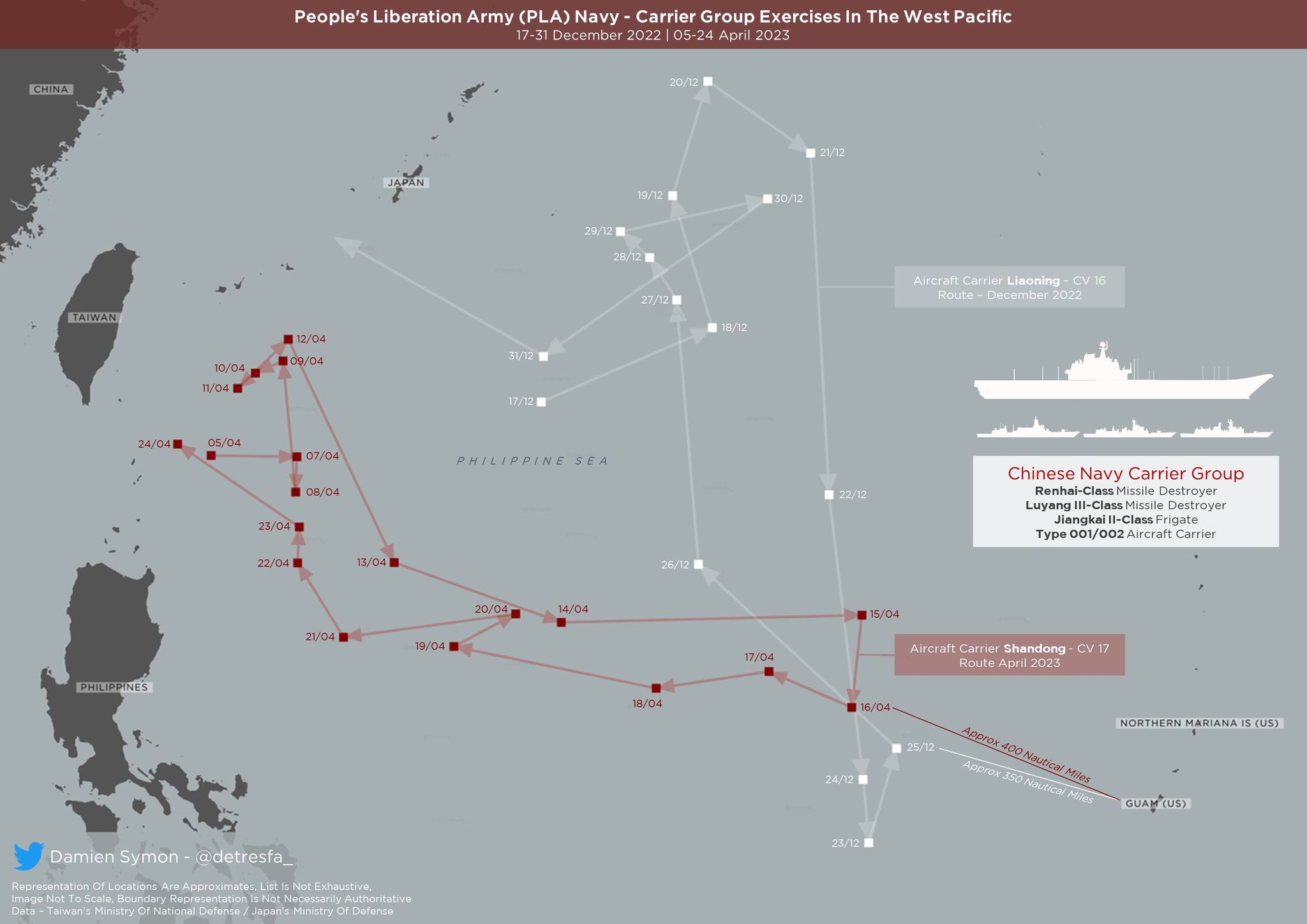
Policy spirals, as I have noted, are complicated because they cross so many policy realms and sectors. The Chinese communists have ratcheted up their level of military belligerence towards all its Indo-Pacific neighbors – which means the US and allies must respond in kind, which in turn means Beijing will find additional ways to increase the pressure. On Taiwan Republic in particular – poorly trained Chinese communist combat pilots and naval captains have come perilously close to Taiwan – sooner or later the calculation in DC will be that it is better to have the US and democratic allies have a permanent presence in and around the Taiwan Strait and have a direct hand in managing this Chinese communist instigated crisis – than to leave the situation to a belligerent and poorly trained Chinese communist military and an inexperienced Taiwanese military. Thousands of American officers will be based in Taiwan but unlike the older model, most will not be permanently stationed but will rotate in and out of Taiwan for exercises and training and so on. These exercises are important because during the Chinese communist invasion forces from different nations will need to know if they can communicate/coordinate properly. This small naval drill is only the beginning.

While this intentional news leak may be a way to signal to the Chinese communists that the more aggressive they become, the more the US and allies will do, there are also other purposes as well. This could also be a signal that soon these joint drills with the Taiwanese military will become routine and public. An interesting phenomenon as a watcher of all things Indo-Pacific is in how often the narrative is framed with Beijing as the only protagonist – Chinese historical sensitivities, Chinese red lines, Chinese gray zone tactics, etc. Whereas all parties in the Indo-Pacific are protagonists. Interestingly this “chance meeting” is a Chinese parlor game the Chinese Communist Party and the China KMT have used in the past to engage in direct contact without admitting it. Meaning, while the Chinese communists have pushed their gray zone/all domain warfare – harassing the Taiwanese Coast Guards near Quemoy and Matsu, flying and sailing dangerously close to Taiwan, using collaborators with the Chinese communists within Taiwan to prosecute information warfare against Taiwanese democracy – more than once the US has demonstrated that it too has plenty of tools in its gray-zone/multidomain warfare toolbox. And frankly, if the US can focus and sustain its policies – that’s always the main worry – in the context of Taiwan, unlike Beijing, the US has had more decades with direct access to all sectors of Taiwanese society for which to combat and resist Chinese communist inroads. In terms of the military policy spirals, sooner rather than later American and democratic allies will have to ponder a permanent military presence in and around Taiwan. This “chance meeting” joint naval drill is the first of many early steps.
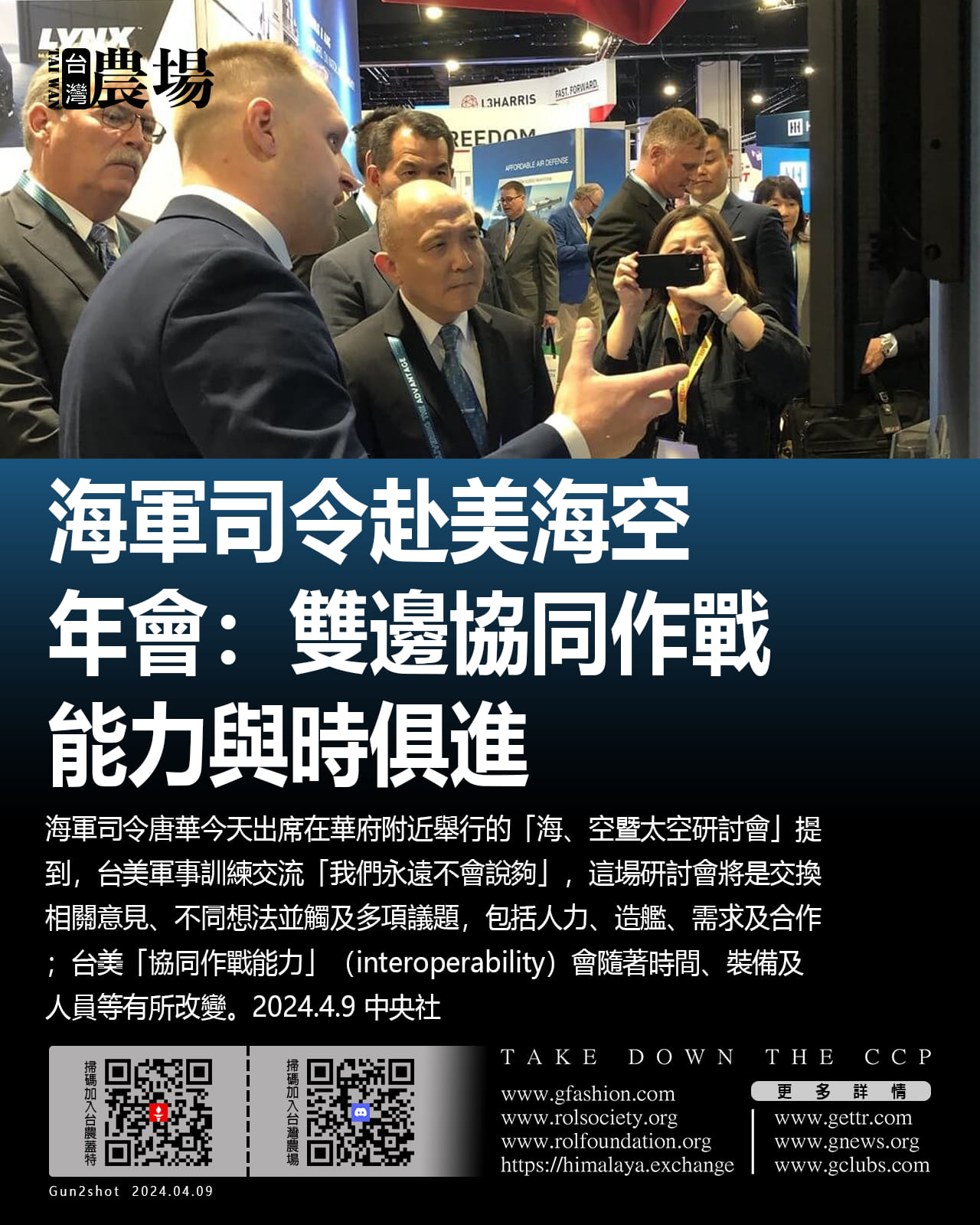
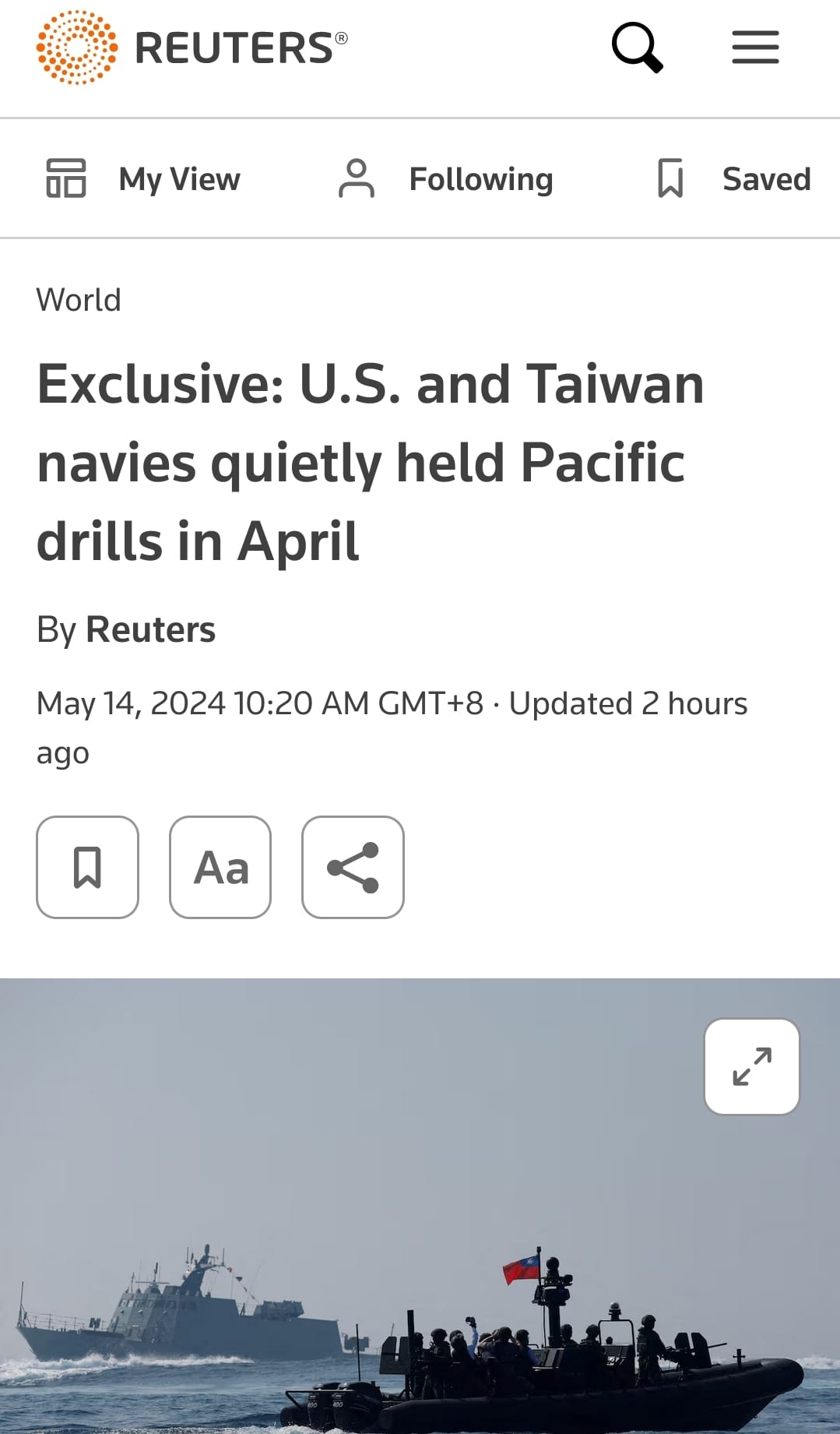
Exclusive: U.S. and Taiwan navies quietly held Pacific drills in April

https://www.reuters.com/world/us-taiwan-navies-quietly-held-pacific-drills-april-sources-say-2024-05-14/

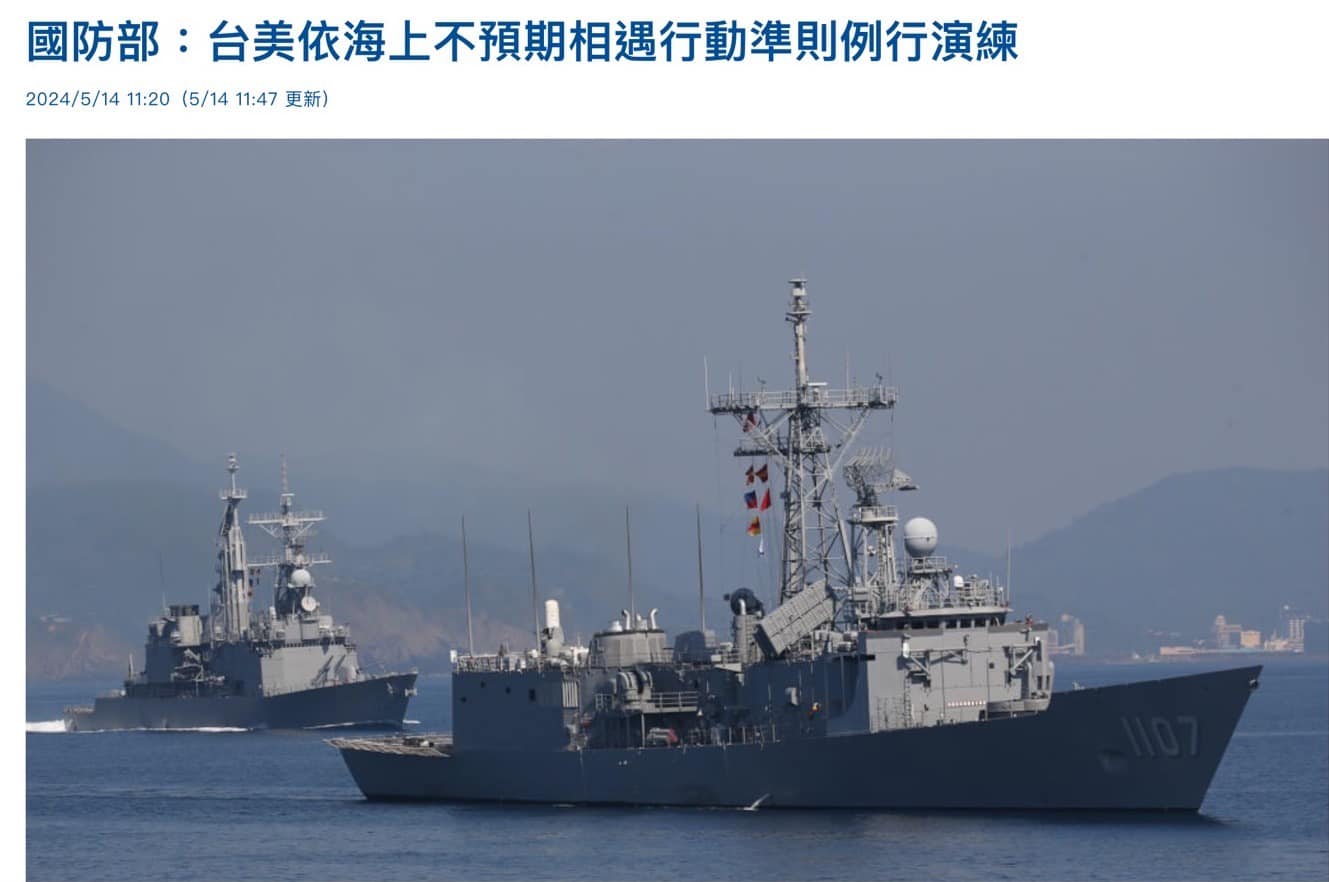
Taiwan-US drills followed CUES: MND BASIC OPERATIONS: About half a dozen navy ships from both countries took part in the days-long exercise based on the Code for Unplanned Encounters at Sea

https://www.taipeitimes.com/News/front/archives/2024/05/15/2003817873

路透:美台海軍4月低調聯合軍演

https://news.ltn.com.tw/news/politics/paper/1646036

Defense Ministry: Taiwan Navy drills with U.S. are routine encounter drills

https://en.rti.org.tw/news/view/id/2011137

外媒:美國與台灣海軍4月「秘密」在太平洋舉行「不期而遇」演習

 https://www.cmmedia.com.tw/home/articles/46858 

© Taiwan in World History 台灣與世界歷史This site grants open access for educational and not-for-profit use. Maps and illustrations are borrowed under educational and not-for-profit fair use. If you are the rights holder and prefer not to have your work shared, please email TaiwanWorldHistory (at) Gmail (dot) com and the content will be removed.
Leave a comment

Filed under geostrategery, Taiwan Republic, world history

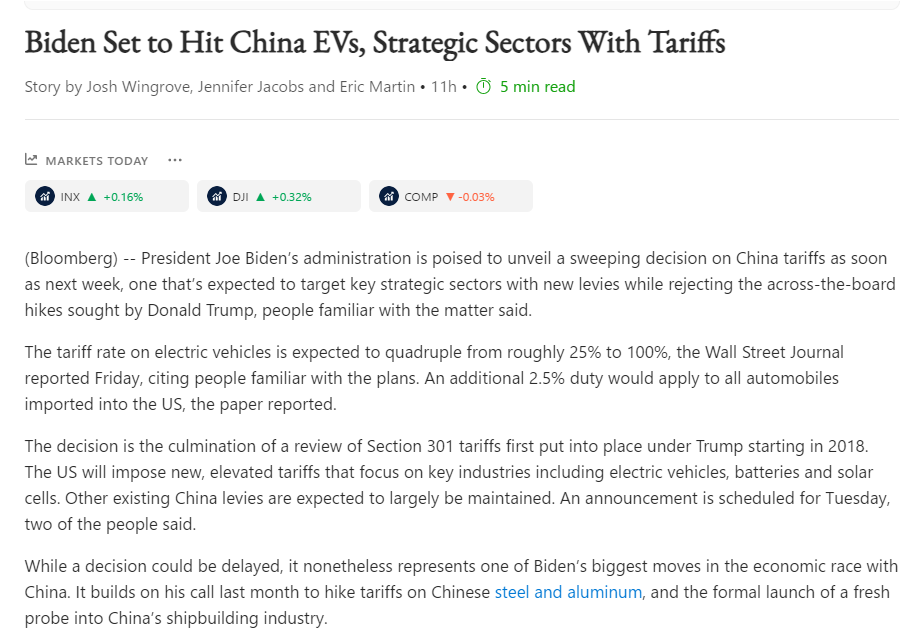
The dangers of a geoeconomics policy spiral. “Biden Set to Hit China EVs, Strategic Sectors With Tariffs,” Markets Today. Geoeconomics and geostrategery classrooms.

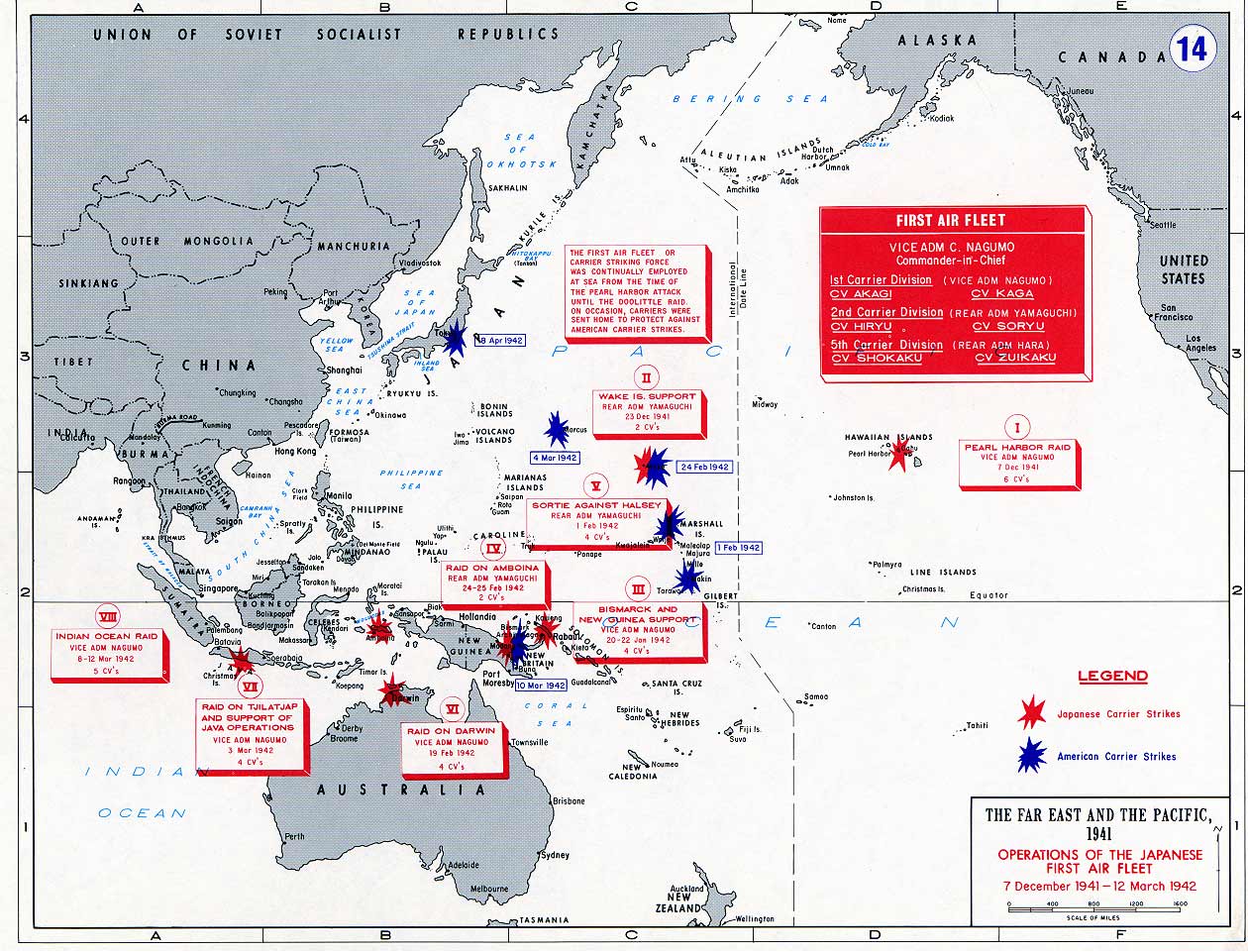
The dangers of a policy spiral. “Biden Set to Hit China EVs, Strategic Sectors With Tariffs,” Markets Today. Geoeconomics and geostrategery classrooms. The policy spiral involving economic sanctions now has a US cutting off oil supply to the Empire of Japan on the eve of the Pacific War feel. Partisans will pick and choose ahistorical moments in the timeline to blame communist China and/or US. My sense is that years before the West realized, the Chinese communists knew their ability to make themselves profitable to the West was coming to an end — and so Beijing decided a de-globalized, disconnected, poorer China that’s on a permanent war footing is a safer bet for Xi’s dictatorship. Will the Chinese communists repeat the Empire of Japan’s major mistake — thinking that actively pursuing expansionist warfare would make them safer? That part I am not sure yet, although in the last two years, I have become more convinced that dictator Xi might just be stupid enough to repeat that mistake. Certainly the military set up in the Indo-Pacific, particularly from the South Sea into the Taiwan Strait and the East Sea are prone for an accident.

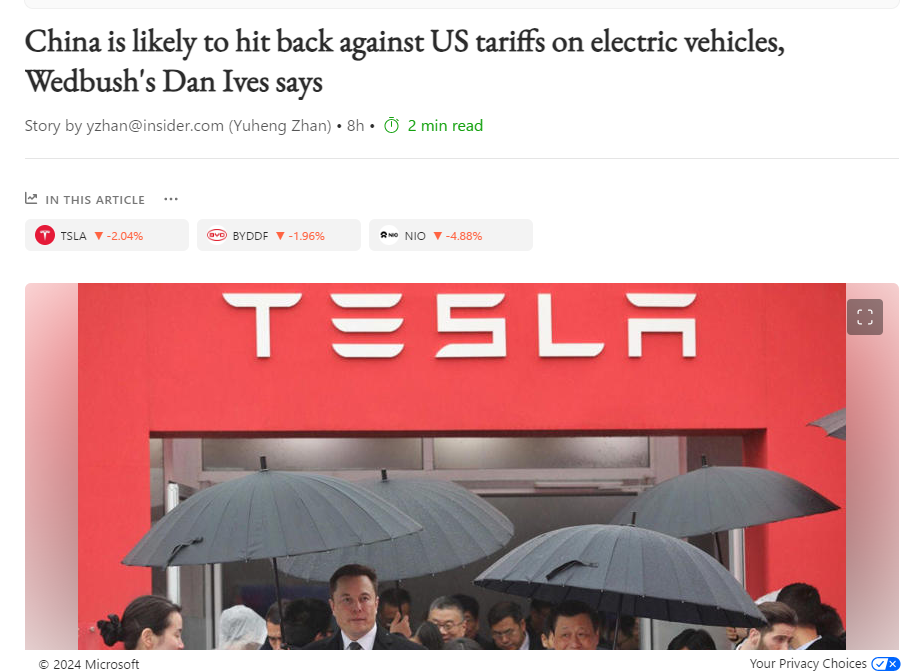
“China is likely to hit back against US tariffs on electric vehicles, Wedbush’s Dan Ives says,” Markets Insider

This is a companion article regarding geoeconomic policy spirals on the eve of Pearl Harbor. The main thing to understand about a policy spiral is that even when observers and policymakers can see them clearly, they are difficult to stop — because every policymaker gets short-term memory problems, because no one can agree on where the timeline ends and begins — most important, neither democratically elected nor dictatorial leaders want to be the one to “cave” and pay the domestic legitimacy price for being weak – requiring one party to back off is the only way to stop a policy spiral. You add in the complexities of the sectors involved — economic, politics, religious, military …. — add in multinational, domestic and foreign policies, and policy spirals are difficult to end without a massive catastrophe. I have always thought of the two world wars as major spasms within a huge, century-plus-long policy spiral — once one Western imperialist power decided foreign colonies, global empires, militarism, and mercantilism was the path, other Western nations plus Japan responded in kind. You would have thought the First World War was costly enough to cause a break in the policy spiral and encourage a deep rethink — it was not nearly enough. It required an even worse Second World War plus the nucular age to cause a break. It was not a utopian break — Cold War, local skirmishes, etc etc. But it was an unusually stable and prosperous few decades, 1945 to say 2000. the first break in this stability was the unwise decision by junior Bush to instigate a needless war in Iraq — that signaled the end of the 1945 world order. Everything after is far too complex to lay out in a fifteen-week seminar, much less a post. The main point being: the world is now knee deep in another dangerous policy spiral.

© Taiwan in World History 台灣與世界歷史This site grants open access for educational and not-for-profit use. Maps and illustrations are borrowed under educational and not-for-profit fair use. If you are the rights holder and prefer not to have your work shared, please email TaiwanWorldHistory (at) Gmail (dot) com and the content will be removed.
Leave a comment

Filed under geoeconomics, world history

How DC became obsessed with a potential 2027 Chinese invasion of Taiwan, Defense News. Taiwan Republic 台灣国 and geostrategery classrooms

How DC became obsessed with a potential 2027 Chinese invasion of Taiwan, Defense News. Taiwan Republic 台灣国 and geostrategery classrooms.

As a historian, I appreciate this type of intellectual history of how an idea came to be. How did the US become obsessed with the domino theory in Southeast Asia? Why did the US think it was possible, or even desirable, to install American-style democracies in the Middle East after 9-11? And any student of Washington, DC would not be surprised by a town obsessed with fads and pack-mentality – down to annoying, glib catchphrases (thank Buddha the icky kimono thing seems to have finally faded ….) – envelope-pushing, paradigm-shifting, etc.

Is it fair to call the present-day US focus on the threat posed by the Chinese communists an “obsession”? One could go with a more moderate, fair word like “focus” can’t one. However the fact that Admiral Davidson gave the DC policymakers a year certain – even though his testimony was far more complicated and nuanced – makes this focus easier to propagate.

I don’t know if the Chinese communists will invade and attempt to annex Taiwan Republic in 2027. I don’t even think dictator Xi did. I do know watching the recent CSIS conference that people who should know more than I do, commanders and deputy commanders of branches of the American armed forces seem to speak of Chinese communist preparation less hypothetically and far more urgently than I can ever remember. And sure, I remember Iraq II and the failure of policymakers to understand reality on the ground. On the other hand, American intelligence on Russian intentions on the eve of the invasion of Ukraine seems near perfect.

Maybe the fact that this 2024 attention to the threat posed by communist China’s expansionism and imperialism feels like an “obsession” only in the historical context with how many decades Washington, DC and global democracies lulled themselves into a delusion – that somehow globalization and trade and cultural exchange will pacify the Chinese communists and make the world “flat”? Just as Putin’s invasion of Ukraine is a reminder to Western elites that certain fundamental features of human history have not been entirely erased by “progress,” dictator Xi’s aggressiveness is a reminder that while one can put fancy pants high rises and bullet trains all over China, but for the Chinese communists, their desire to subvert the US-led world order had never changed. And Davidson Window or not, I had always assumed no matter the Chinese communist leader, they have not attempted to annex Taiwan by force not because of “management” by DC think tank folks, but because they have not achieved such military capacity – once they do, you can sign a million more treaties and Beijing will militarily pursue Chinese imperialism against Taiwan and beyond.

While I have been impressed by the Biden liberal hawks and how they have expertly wielded tools of global statecraft – chip wars, interest rate wars, alliance building, preparing the armed forces – even the most recent foreign aid package still showed a lack of obsession/proper priority-urgency – 60 billion for Ukraine, 20 for Israel, 15 for the “Indo-Pacific,” – I am in full support of Ukraine, just merely pointing out that if we go by dollar amounts, this is hardly an obsession.

It is also confusing to view this phenomenon from Taipei’s perspective – on the one hand significant change in US policy regarding Taiwan – greater respect, more open, and normalizing political-diplomatic, and military interactions. President Biden should be given great credit – even though the Mandarins of DC policymaking circle had a massive cow about alleged “gaffes” – for repeatedly stating America’s commitment to defend Taiwan. On the other hand, the delays in the shipment of major weapons purchased by Taiwan from the US. It is not at all clear if the US has taken a firm and clear position on Taiwan’s critical submarine program. Most importantly, sooner or later, the US, Japan, and the Free World will have to obsess about another reality – if a Taiwan free from Chinese occupation is a matter of American and allies’ national interest, then a permanent military presence in and around Taiwan by the US and allies is the policy necessary to deter Chinese communist aggression. 9.5.2024

© Taiwan in World History 台灣與世界歷史This site grants open access for educational and not-for-profit use. Maps and illustrations are borrowed under educational and not-for-profit fair use. If you are the rights holder and prefer not to have your work shared, please email TaiwanWorldHistory (at) Gmail (dot) com and the content will be removed.
Leave a comment

Filed under geoeconomics, geostrategery, Taiwan Republic

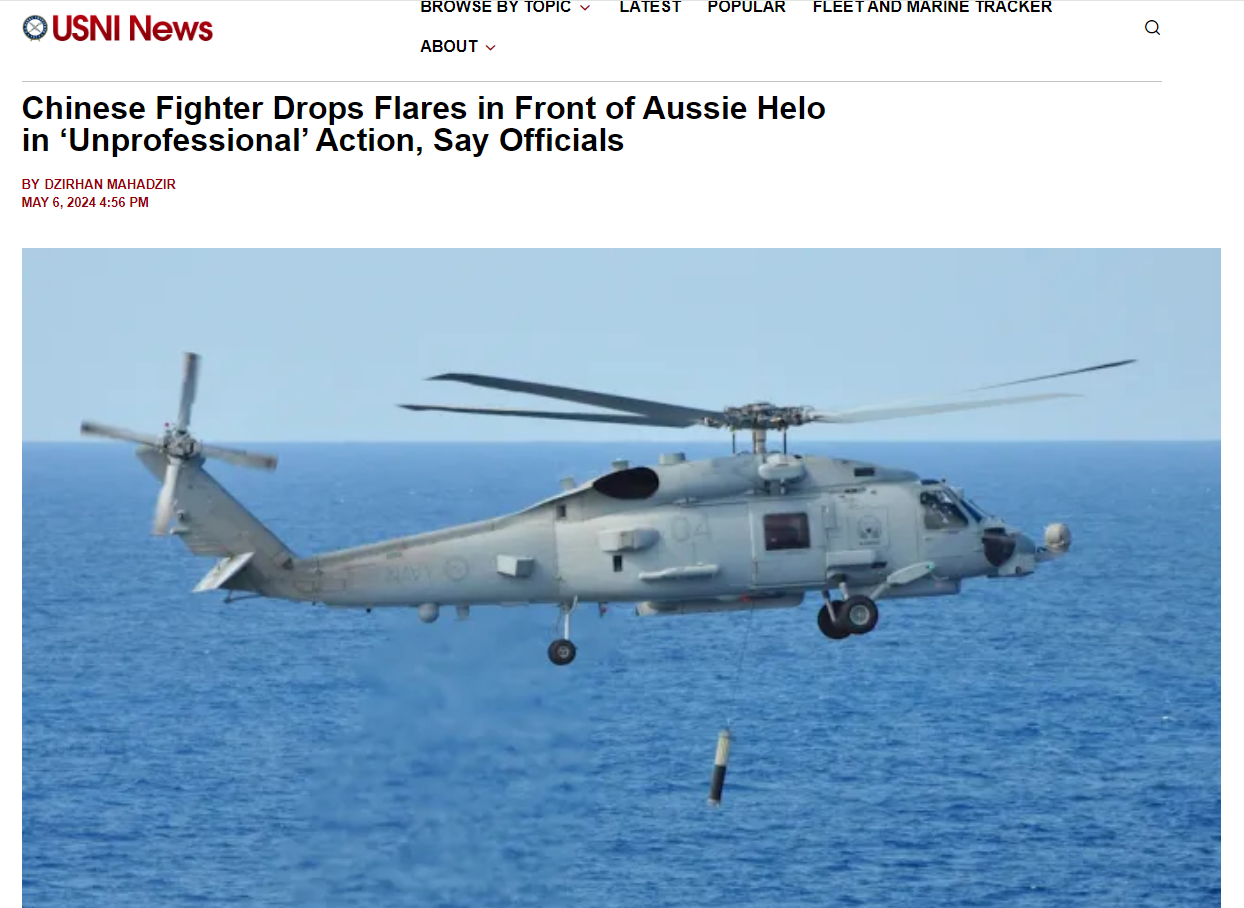
“Chinese Fighter Drops Flares in Front of Aussie Helo in ‘Unprofessional’ Action, Say Officials,” USNI News.  Geostrategery and military classrooms

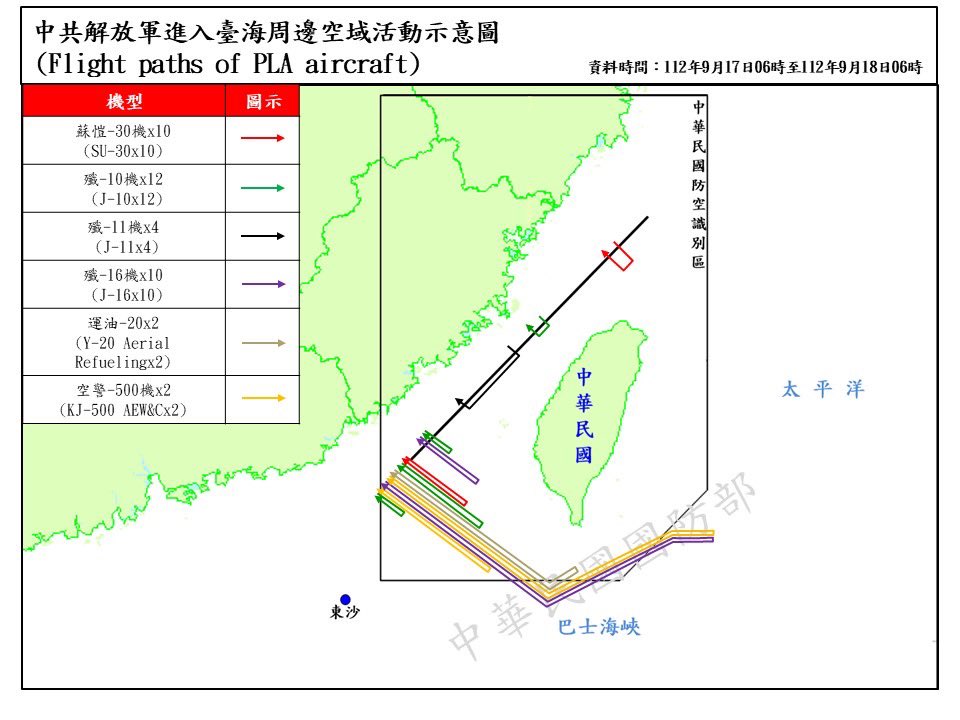
“Chinese Fighter Drops Flares in Front of Aussie Helo in ‘Unprofessional’ Action, Say Officials,” USNI News.  Geostrategery and military classrooms. The likelihood that Chinese communists will purposefully plan and execute a war the same way dictator Putin did against Ukraine is low-ish. The likelihood that the Taiwan Strait is where the Chinese communist war begins is also low — even dictator Xi knows any such action will guarantee a third world war and the end of his communist dictatorship. My bet is on something like this incident in the South, East, Yellow, and Japan Seas — where the Chinese communists believe they can nudge and prod right up to the edge, even over the edge to move the goalpost, and somehow manage and contain the conflict. Unlike the armed forces of democratic nations led by the US, the Chinese communist military is not as well trained, not as professional, and not as disciplined. There is also the dictator’s conundrum – everyone working below dictator Xi is guessing what the Dear Leader wants, and everyone is trying to show maximum toughness and loyalty to the dictator. I have read, unconfirmed, reports that this is how that Chinese school bus-sized spy “balloon” invaded the heartland of the United States – not Xi approved, a lower-level commander trying to curry favor. How long before a Chinese communist combat pilot or naval captain takes things a step too far and kills someone? We have had many close calls — the Chinese communist pilot taking down a US Navy EP-3 near Hainan Island during the George W Bush administration being a good example. Back during the Bush days communist China was still too profitable for the Free World for that crisis to escalate — in 2024 China is a big financial deficit — a similar incident, poorly trained, trying to please the leadership, hot-dogging communist Chinese pilot or captain can easily cause a wider-broader war.

© Taiwan in World History 台灣與世界歷史. This site grants open access for educational and not-for-profit use. Maps and illustrations are borrowed under educational and not-for-profit fair use. If you are the rights holder and prefer not to have your work shared, please email TaiwanWorldHistory (at) Gmail (dot) com and the content will be removed.
Leave a comment

Filed under geostrategery, Taiwan Republic, world history

Bibliography: The importance of Japan and the Philippines in the defense of Taiwan Republic. Geostrategery and world history classrooms.

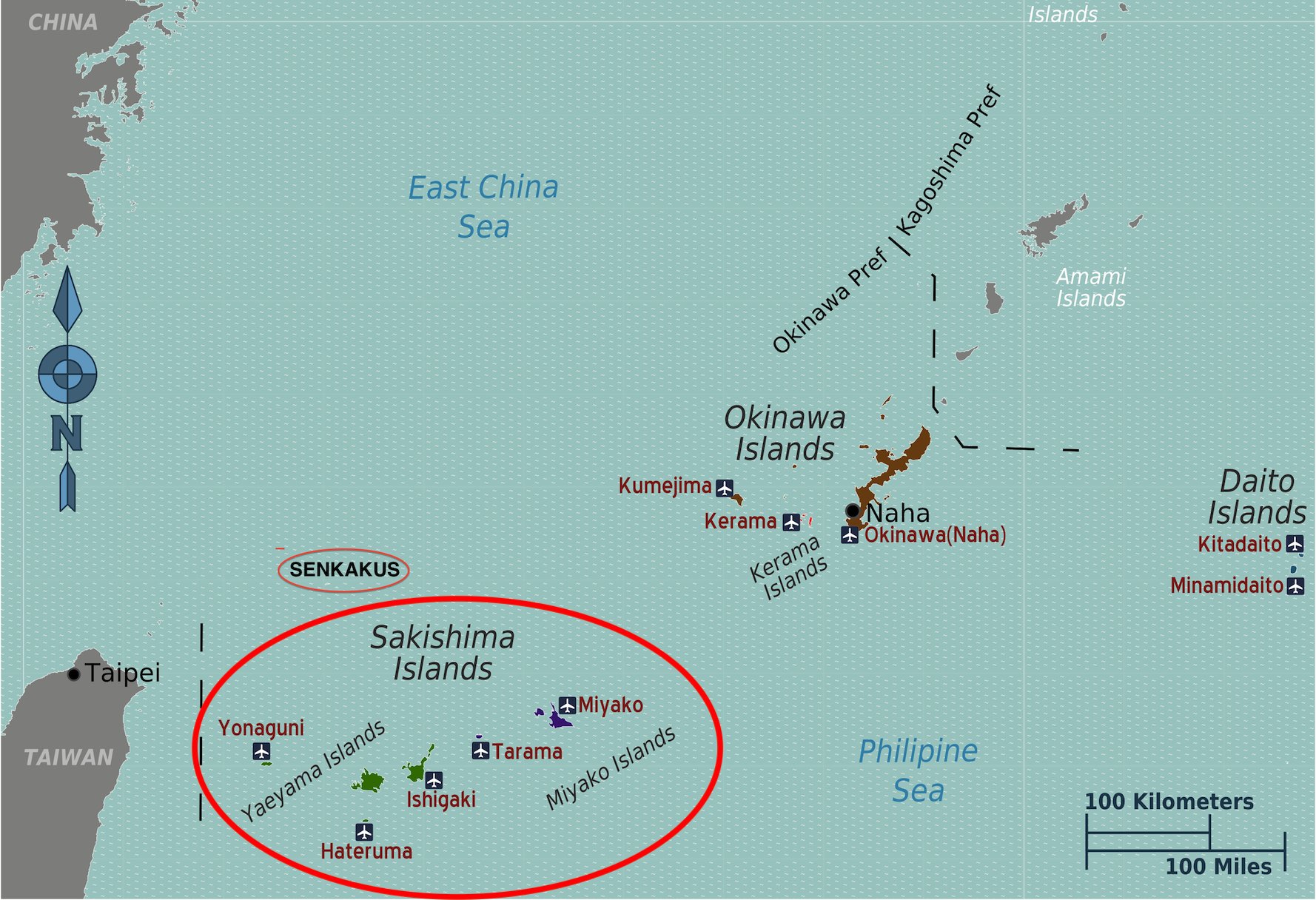
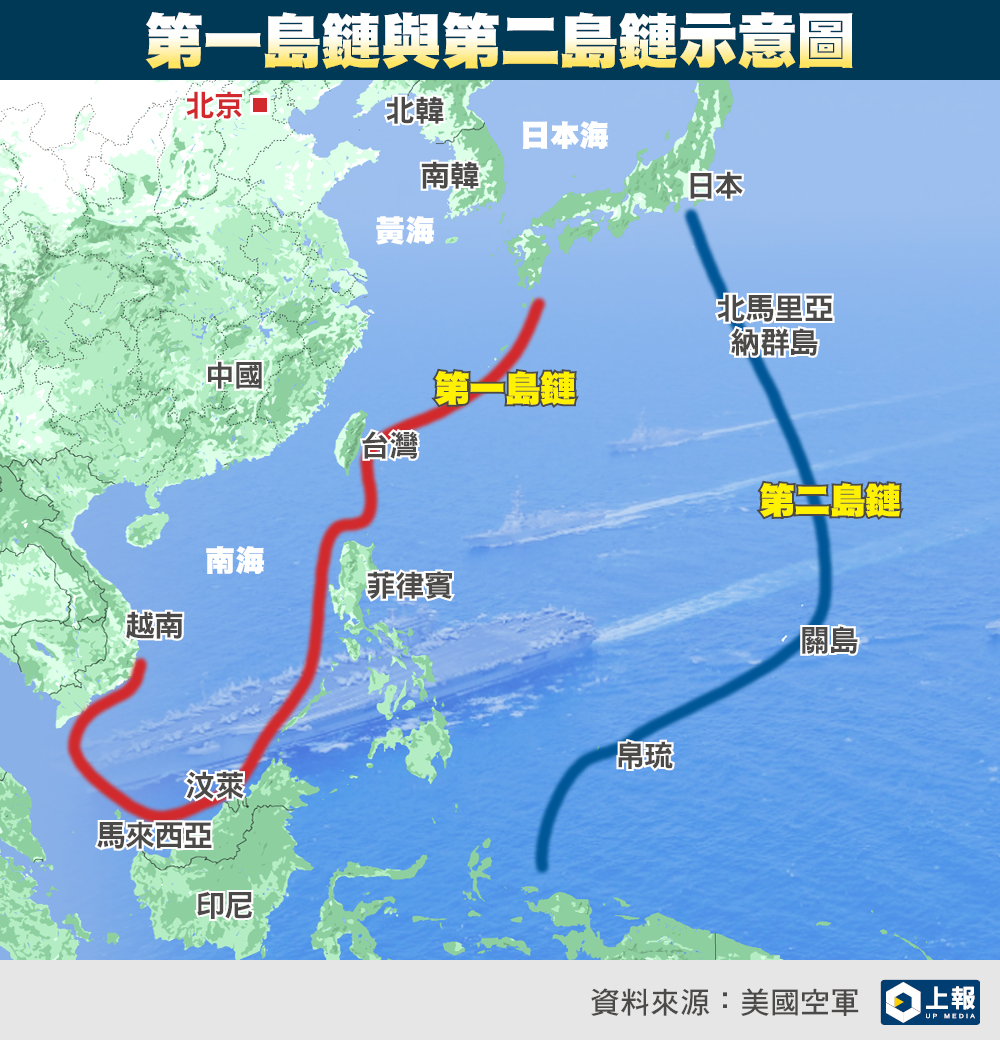
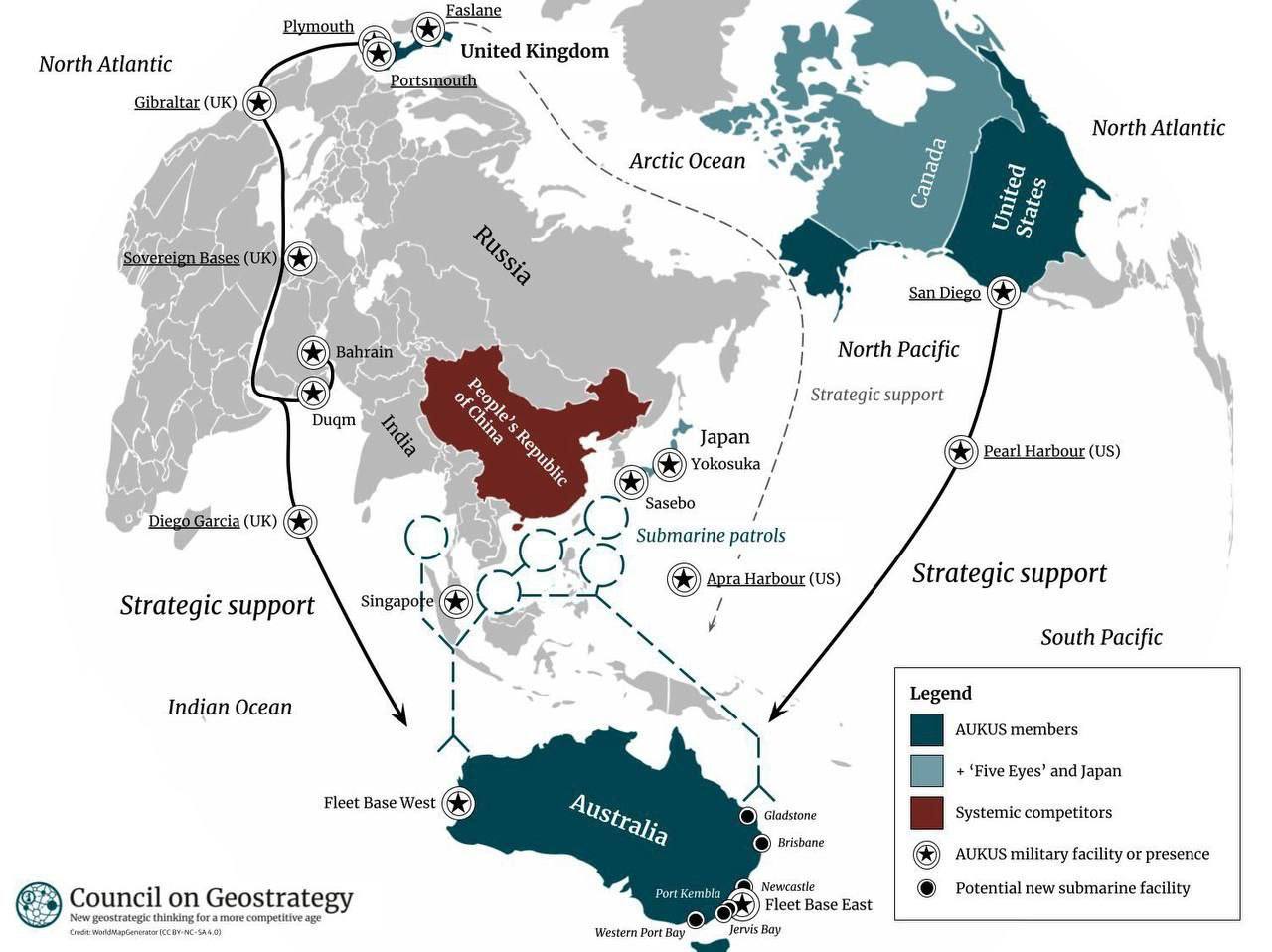
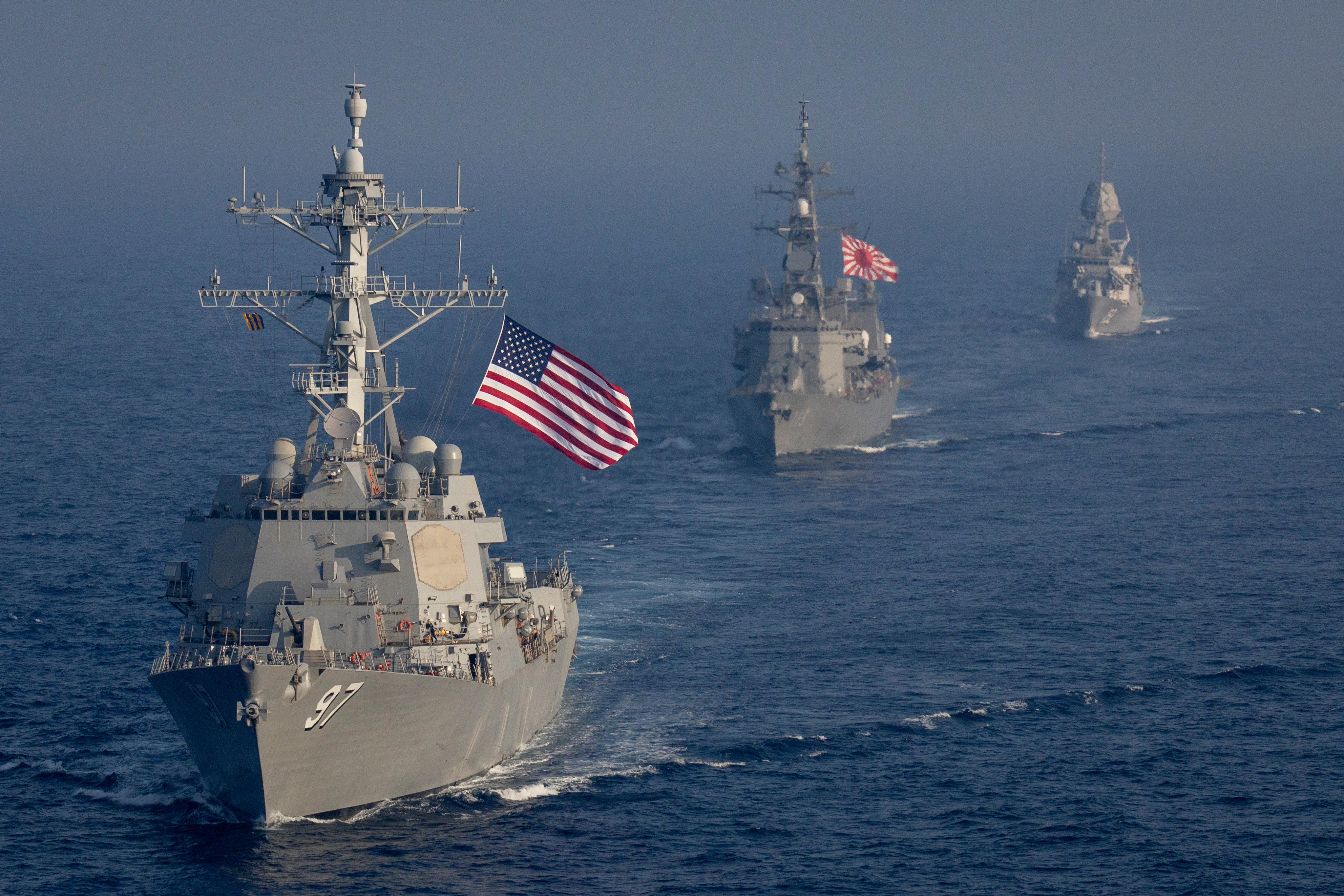
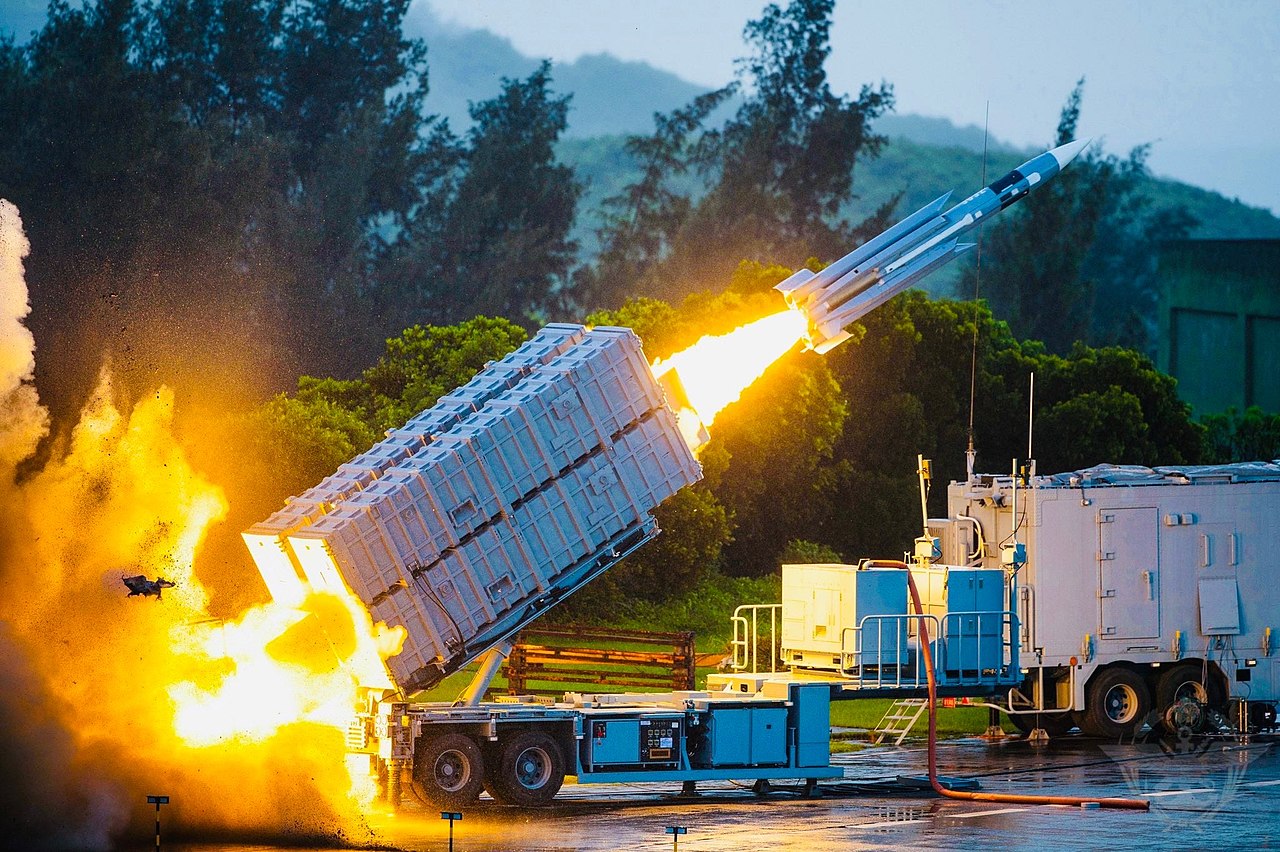
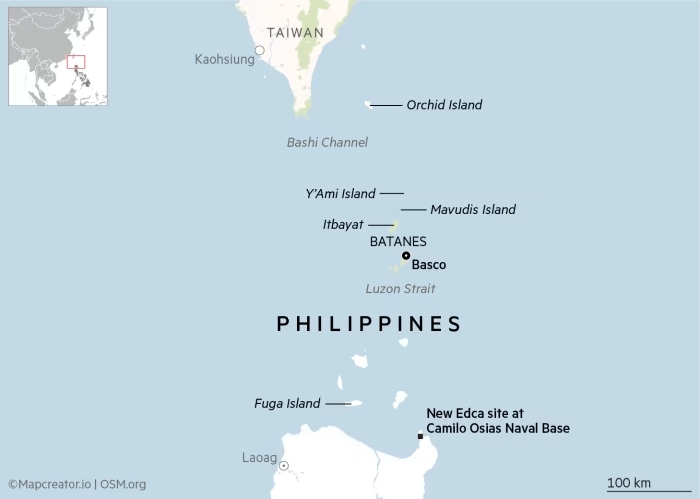
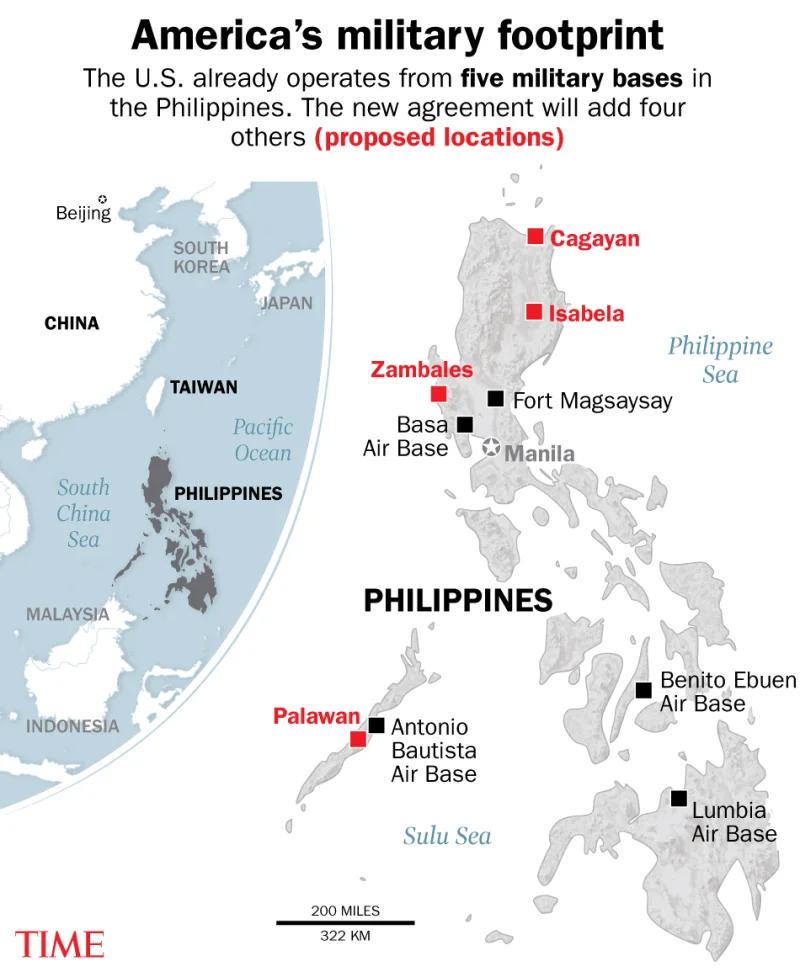
Bibliography: The importance of Japan and the Philippines in the defense of Taiwan Republic. Geostrategery and world history classrooms. The significance of the American military moves in the last two years with the Japanese and Philippines islands closest to Taiwan Republic is this: they close off the Chinese communist military’s paths to envelop Taiwan by air and by sea to Taiwan’s east — and in turn, funnel the invading Chinese communists into confined kill zones. The US Marines led the revolution in thinking with lighter, mobile, highly networked land-based surface-to-air and surface-to-surface missile units. Land-based because they are far cheaper and more sustainable than aircraft carriers and warships. Taiwan is massed with thousands of land-based missiles/mobile units. And there are signs that the Taiwanese military, with American assistance, is moving to coordinate their own force structure and thinking with that of the US Marines. President Tsai has successfully nudged the Taiwan military upper leadership into the area of unmanned vehicles – air, sea, and subsurface. The US and allies’ deployment northeast and southeast of Taiwan allows the Taiwanese military to focus on the communist threats from the west. In basketball and American football terms, these land units are zone defense, whereas the American, Japanese, and Free World/AUKUS+ carrier battle groups, submarines, and strategic bombers are mobile strike units/man-to-man offense. Recent reports in Taiwanese online newspapers that the US has assisted Taiwan in securing access to LINK-22 would be an important step forward in coordinating Taiwanese, American, Japanese, AUKUS, NATO, and ASEAN forces.

距台不到200公里 美菲澳「肩並肩」演習再登巴丹島

https://def.ltn.com.tw/article/breakingnews/4663565

美菲澳軍隊演練空降巴丹島 為台海或南海衝突做準備 https://www.taisounds.com/news/content/84/123755

American troops return to strategic islands near Taiwan for air-assault practice

https://www.stripes.com/branches/army/2024-05-05/balikatan-air-assault-taiwan-china-13759680.html

US Holds Drills With the Philippines at Tiny Island Near Taiwan

Filipino, US troops fire at ‘invasion’ force in war games

https://www.taipeitimes.com/News/front/archives/2024/05/07/2003817488

史上最長漢光兵推 任務式指揮「去中心化」授權部隊獨立作戰

https://www.taisounds.com/news/content/71/123500

【強化制海資通】透過AI接戰系統整合 讓以岸制海打擊戰力發揮極大化

【博騰專案】美助攻獲北約同意 國軍規劃逾550億向美軍購LINK-22數據鏈系統

【博騰專案】建構第一島鏈情資互通網迫切 日方促賴清德及早完成LINK-22系統

【博騰專案】配合LINK-22系統建構 長程預警雷達性能升級費用由美方支應

© Taiwan in World History 台灣與世界歷史This site grants open access for educational and not-for-profit use. Maps and illustrations are borrowed under educational and not-for-profit fair use. If you are the rights holder and prefer not to have your work shared, please email TaiwanWorldHistory (at) Gmail (dot) com and the content will be removed.
Leave a comment

Filed under geoeconomics, geostrategery, Taiwan Republic, world history

Lessons from Ukraine for the Indo-Pacific. Meta/conceptual

Lessons from Ukraine for the Indo-Pacific. Meta/conceptual

Geostrategery and world history classrooms. More than two years after the Russian invasion of Ukraine, has the Western foreign policy-national security establishments – public and private – learned lessons and made improvements? I fear perhaps not, or not enough, and walls of missiles and AUKUS submarines notwithstanding, this poses the greatest challenge in the face of the China Threat. There has been exceptional analysis, but not the “mainstream/loudest” – which has stubbornly held onto decades-long conceptual frameworks. Although US intelligence performed brilliantly, many in the policymaking establishment were not convinced that Putin would invade. Nor have we gotten good analysis of why Putin chose to invade at this time – a lot of Western-centric guesses, NATO, historical grievance, whatever. There was widespread surprise at how bravely the Ukrainians fought, and how shoddy the Russian military performed.

If these were the major blind spots of Western policymaking establishment during the Russian invasion of Ukraine, we should be concerned about similar blind spots while analyzing the Indo-Pacific and the China Threat. There is a growing consensus among US and Western intelligence that for dictator Xi of communist China, the ability to invade Taiwan by 2027 is the primary objective. Are we suffering from similar Western academia-think tank-official establishment mistakes regarding policymaking calculus within the Chinese dictatorship?

A few educated guesses. I don’t think dictator Putin cared much about the expansion of NATO (See Finland and Sweden). I think Putin was primarily motivated by primordial, reactionary ideas about geostrategery, and national security, reviving ancient Russian imperialist-chauvinist ways of seeing neighboring nations as subordinate, tribute states. I think his calculus is that an isolated, permanent warring Russia that’s poor and full of grievances real and imagined-manufactured makes his dictatorship safer. Is this why sanctions have not changed Putin’s thinking? It is certainly why the parade of Western leaders flying to Moscow on the eve of the invasion for dialogue didn’t do anything. This is why I have concluded that the “escalation/de-escalation/management” model favored by Western national security establishment makes little sense when dealing with dictatorships with an entirely different set of motivations.

Now back to the Indo-Pacific/China Threat. We have a similar and worrisome pattern wherein Western intelligence sees aggressive and rapid preparation by the Chinese imperialists. We see evidence – Chinese military aggressiveness from India to Southeast Asia into the South Sea against Taiwan, Japan, and Korea – of both preparation and intentions. Just as with Putin’s Russian imperialism, Xi’s Chinese imperialism has been stated by the Chinese communists in plain words – the right of the Chinese communist to invade and subjugate Taiwan, the right of Chinese imperialism to expand its sphere of influence from the Sino-Indian border to Southeast Asia, from the South Sea through the Taiwan Strait into the East Sea and the Western Pacific. Is it possible that once again Western foreign policy intelligentsia is repeating the same mistakes from Russia-Ukraine, imposing Western values and Western policymaking hierarchies onto another continental, imperialist dictatorship? I have read calls for assuring Beijing. I have seen proposals to make concessions. My question is – had the Western powers “gave” Ukraine to Russia in 2022, would Putin stop his aggressive policy challenging the US-led world order? And a similar question now – if the Western powers “give” Taiwan Republic or the Philippines or the South Sea to communist China, would that result in the Chinese communist dictatorship behaving in a way that benefits the US-led world order? Why haven’t relatively harsh economic sanctions and tools to decouple the Russian economy from the global trade system not curb Russian or Chinese aggression? And if such economic sanctions prove relatively ineffective against Russia, would they become more successful against China?

If my guess is correct – both dictator Putin and dictator Xi have calculated that decoupling from globalization – globalization to them merely means another phase in the post-war world order invented by the United States and enforced by the American navy – makes their dictatorship more secure, then what policies before 2022, and what policies in 2024, would have more likely prevent military aggression from the Russians and the Chinese? Would including Ukraine in EU and/or NATO as a response to the invasion of Crimea be the way? Does a US/AUKUS-led coalition of troops rotating into Taiwan and the South Sea change the calculation for dictatorship preservation for Xi? 27.4.2024

© Taiwan in World History 台灣與世界歷史. This site grants open access for educational and not-for-profit use. Maps and illustrations are borrowed under educational and not-for-profit fair use. If you are the rights holder and prefer not to have your work shared, please email TaiwanWorldHistory (at) Gmail (dot) com and the content will be removed.

Leave a comment

Filed under Taiwan Republic

Repairing a fragmenting world order

Geostrategery and world history classrooms.

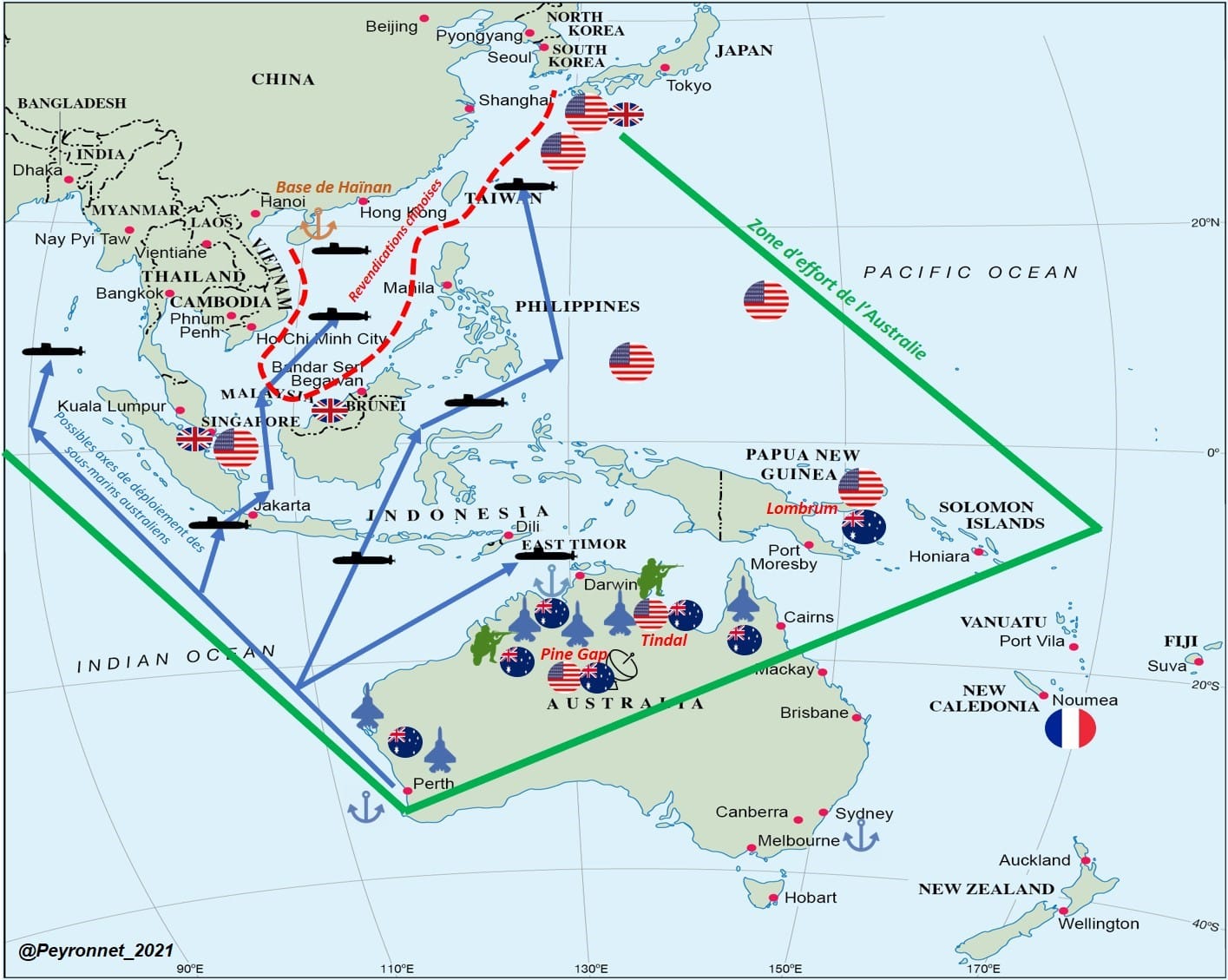
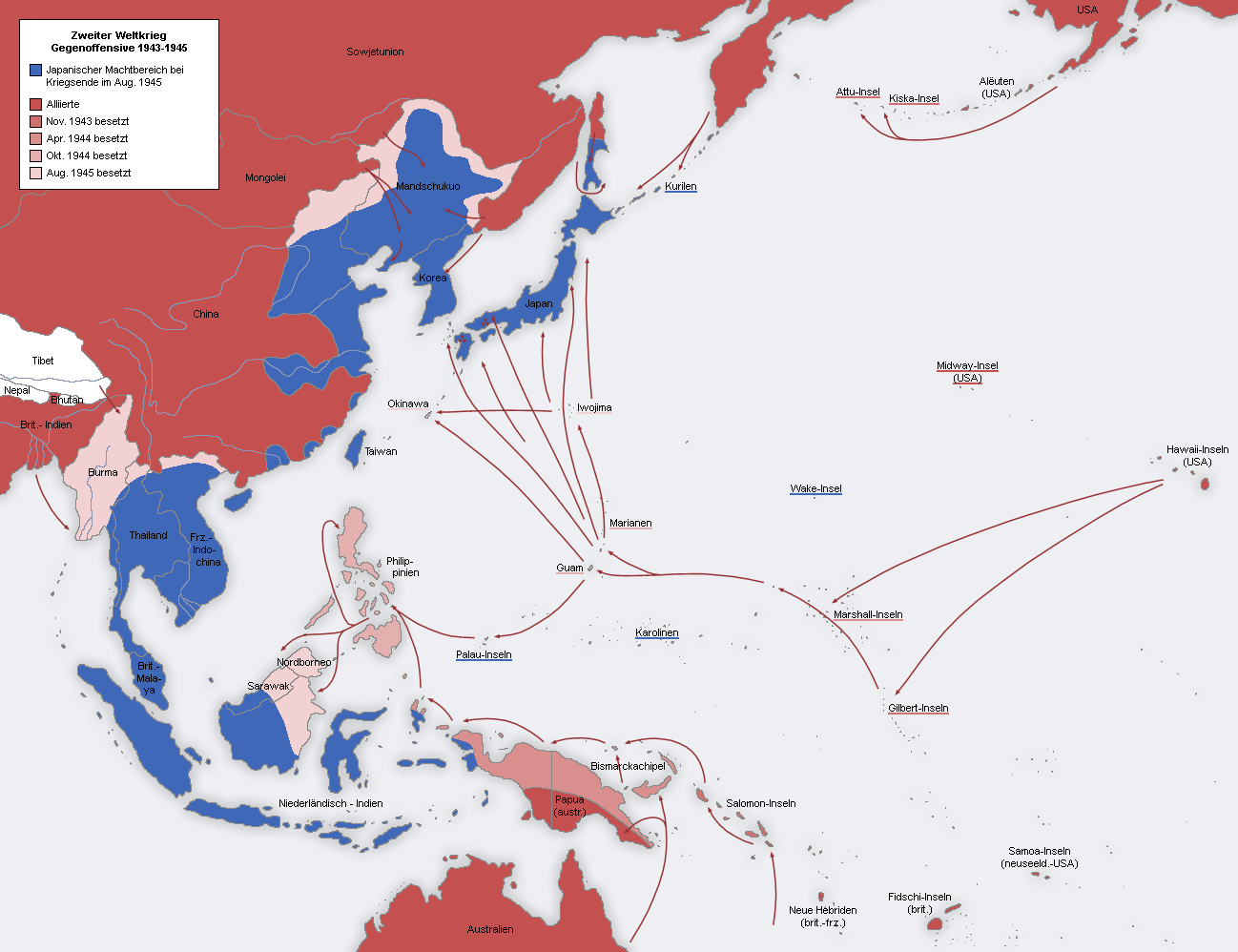
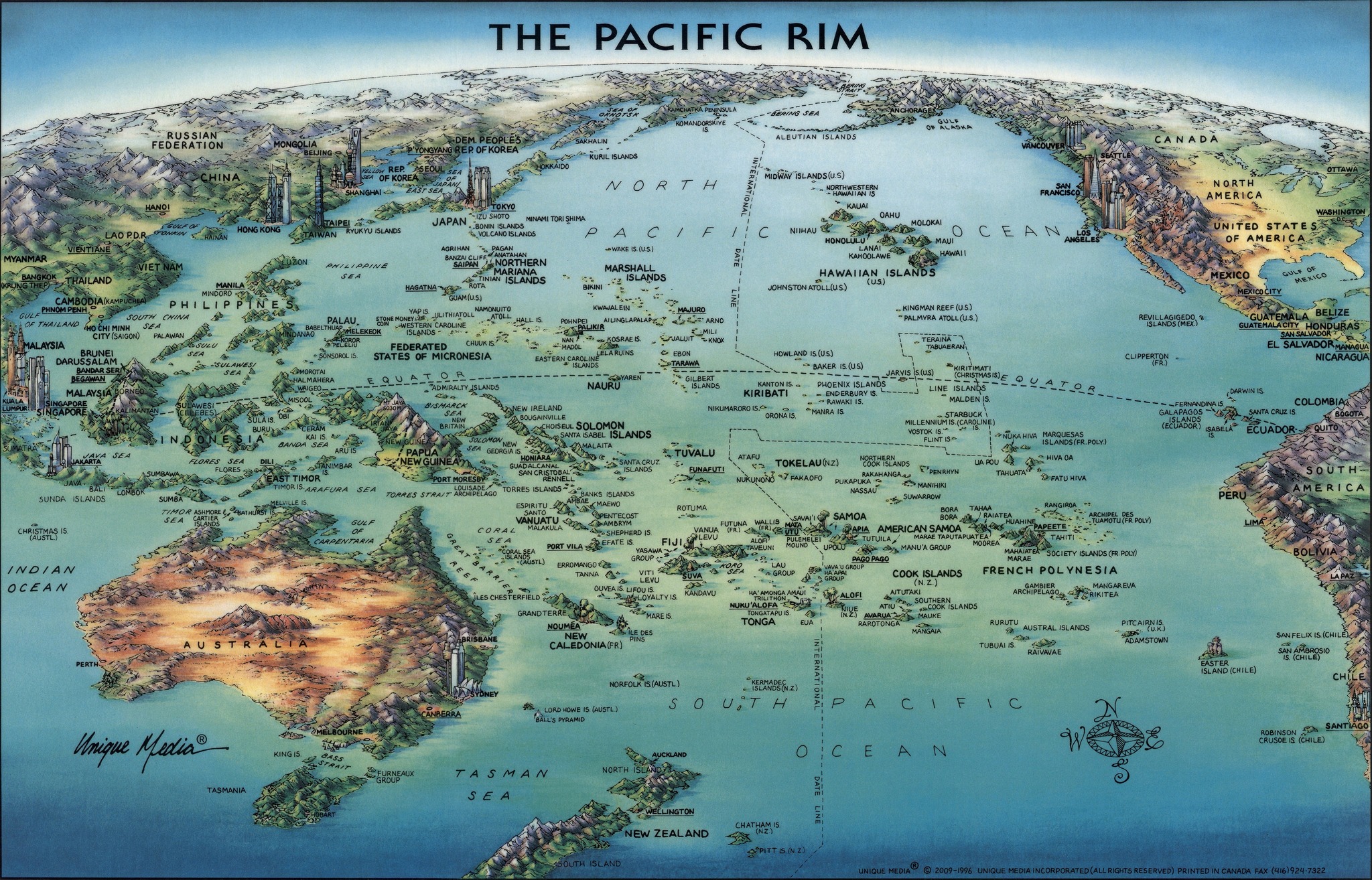
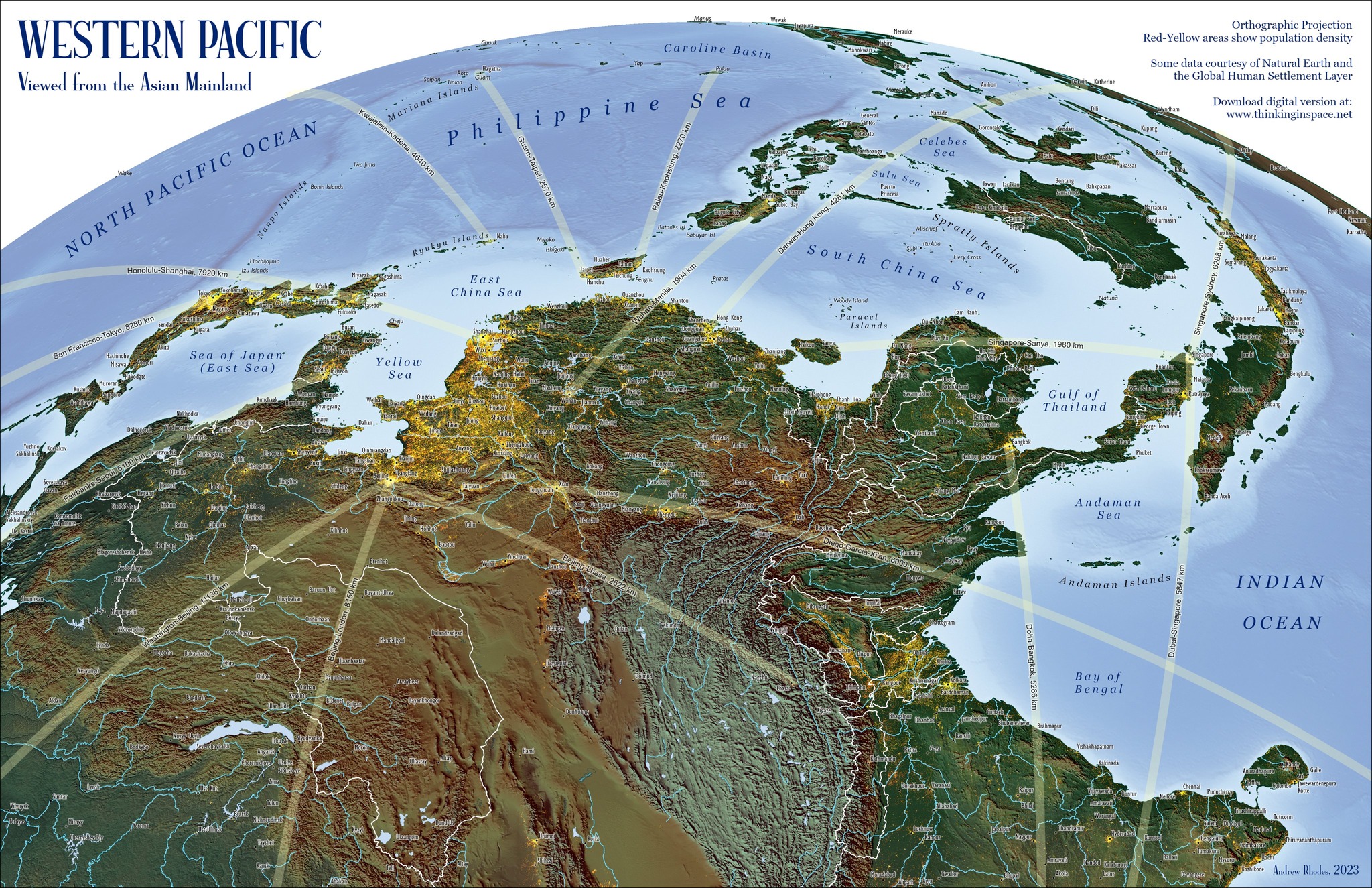
Some analysts will continue to focus on Taiwan — semiconductors, alleged national humiliation, etc. etc …. The narrative is: if we “give” democratic Taiwan to the Chinese communists, there will be world peace. Thankfully many national policymakers are not this misguided. I have been watching closely the US-Philippines, Japan-Philippines, and US/Japan-Vietnam/ASEAN moves. My theory is this: this is a dangerous moment in world history when one superpower, the US, is in domestic disarray because of the rise of American fascism; while the would-be next superpower, China, has been stillborn — neither powerful enough to create a new Pax Sinica; nor small enough to not do major damage as it flails and circles the drain. The main issue is not superficial and myopic like Taiwan-only — though Taiwan is an important piece; or whether we are talking to the Chinese nicely enough. The category of analysis is world order, and the theater of this struggle begins with the South and East Seas, not the Taiwan Strait. Though yes, Taiwan is a key chokepoint between the two seas.

If this is what’s happening, then the US focus on Vietnam and the Philippines makes a ton more sense. I have written previously that the postwar American-invented world order is maritime-based, US Navy-enforced, and focused on free access to global raw material, labor, manufacturing, and markets. A not-quite superpower communist China, reaching into the South and East Seas attempting to “split” the Pacific and Indian Oceans challenges this world order. An American superpower in domestic disarray makes for a dangerous decade ahead. One can “give” democratic Taiwan to the Chinese tomorrow. Hell, one can even “give” democratic Japan (the truth is if Taiwan falls to the communists both Korea and Japan are dead nations walking ….) — it would not change the underlying, structural, global forces at work, no more than if we “give” democratic Ukraine to the Russians. I have been impressed with the complex global alliances the Biden liberal hawks have restored and enhanced. However, the best bet to ensure global stability and avoid a hot world war is to invest in American and global liberal democratic social welfare safety nets — to fund global democratic institutions. Populism-fascism across global liberal democracies will make a world war inevitable. 2.10.2023

© Taiwan in World History 台灣與世界歷史. This site grants open access for educational and not-for-profit use. Maps and illustrations are borrowed under educational and not-for-profit fair use. If you are the rights holder and prefer not to have your work shared, please email TaiwanWorldHistory (at) Gmail (dot) com and the content will be removed.
Leave a comment

Filed under Taiwan Republic

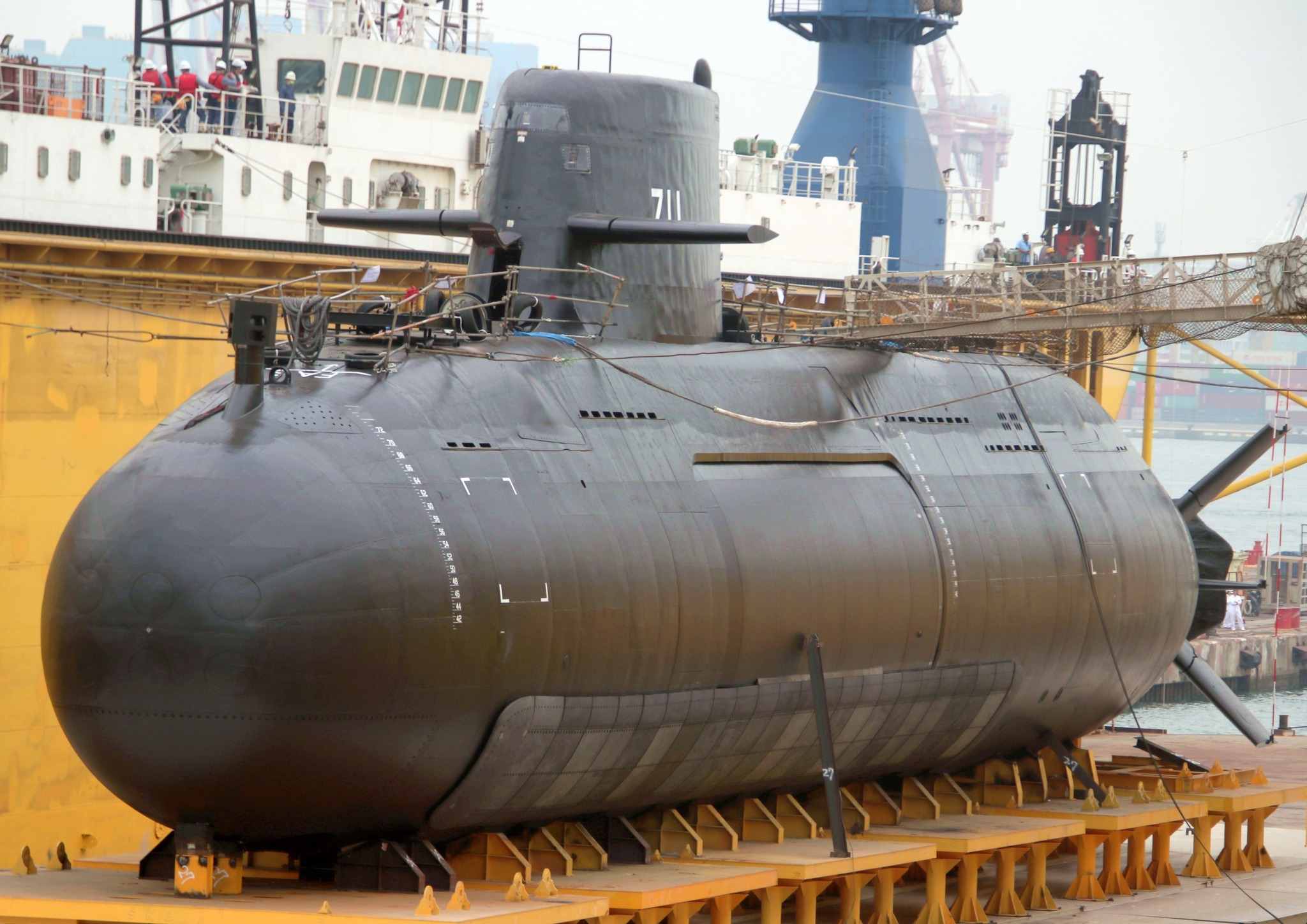
[Taiwanese ‘indigenous’] Submarine prototype could be ready ahead of schedule – Taipei Times Geostrategery and Taiwan Republic 台灣国 classrooms

The Indigenous Defense Submarine (IDS) prototype is expected to undergo a harbor acceptance test in September, a sea acceptance test in February next year and, if it passes, be delivered to the navy in the first half of 2025 instead of November 2025, defense officials said yesterday. The goal of the IDS program is to create a fleet of nine to 11 domestic diesel-electric submarines that would defend the waters around Taiwan, the officials said, speaking on condition of anonymity. The boat would be 70m long, 8m wide and 18m high, including the conning tower, and have a displacement of 2,500 tonnes to 3,000 tonnes, the officials said. It would have a pair of stabilizing fins on the sides of the conning tower and an X-shaped tail rudder, they added. The submarine’s weapons would include 18 MK 48 Mod 6 heavyweight torpedoes and an undisclosed number of Harpoon missiles, they said.

Whether or not this Taiwanese “indigenous” submarine program began as such, it is now best understood as a subset of AUKUS+Japan. Someday someone ought to write a book using the decades of back and forth between Taiwan and the US re: submarines – as a microcosm to illustrate the self-contradictory positions the US has taken regarding the status and future of Taiwan.

For 2023, the key facts are these. Decades of observing major Taiwanese military projects, given the nature of Taiwanese domestic politics and sustained information warfare sponsored by the Chinese Communist Party, I have never witnessed a Taiwanese multinational, complex, major military project that has leaked as little, and, for now, sustained as few charges of graft and irregularities, as this submarine project. During the democratic era of Taiwanese national history, President Tsai is the first democratically elected president who managed significant control over the national security apparatus.

These Taiwanese submarines also reflect a broader change in US-Japan-led vision for the Indo-Pacific – changes in military thinking and the status of Taiwan yes – less commented upon but just as significant as the revolutionary changes in multinational industrial policy. In this perhaps the size of the China Threat coupled with the lessons from Ukraine have finally forced leaders in the global democracies to rethink decades of “neoliberal” orthodoxy – free market, invisible hand, creative destruction – fascinating theories, important forces in world history, but there are realms in public policy, pandemic abatement, public health, national security, where one must sacrifice efficiency for resilience and reliability.

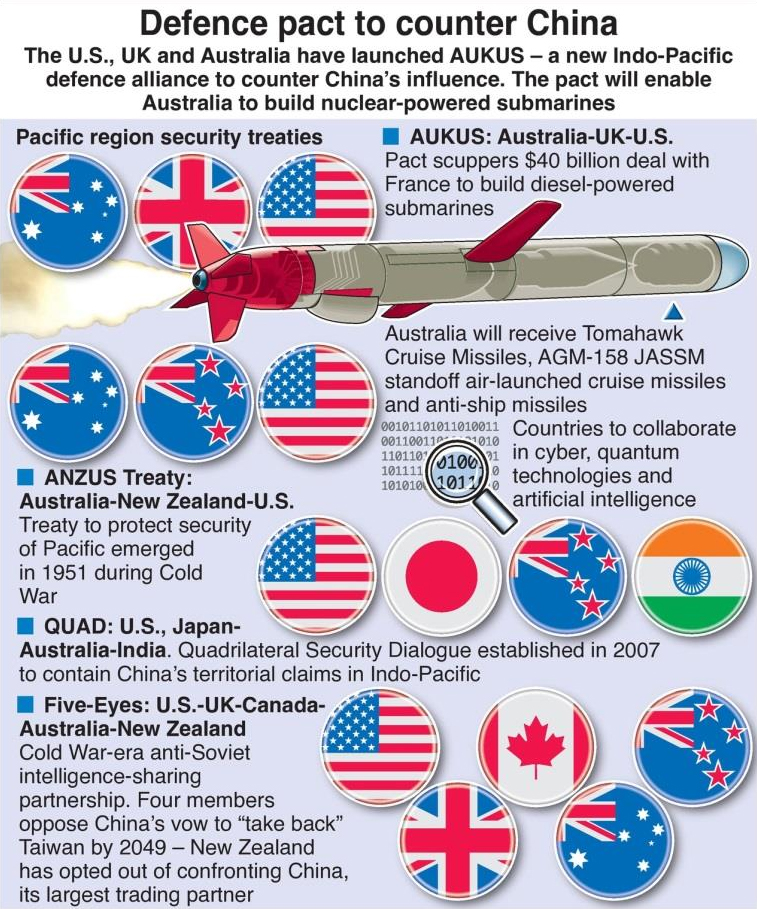
And so, while the AUKUS nucular submarines are the big ticket system to illustrate changes in thinking, many many other systems weave a complex global re-think in national security supply chains. From semiconductors. To HIMARS munitions. To 155mm rounds. To AMRAAMs and Patriots and AGM-158s and Javelins and Stingers and Mk.46s and Mk 48s. Looking for a new balance between national security, and responsibility to shareholders-the market, while ensuring there is enough global manufacturing, storage capacity, and resilience to respond to the challenge China poses. And, related to this overall concept, how to stretch out the R&D and small batch production lifecycle of each weapon, across time and nations, to sustain improvement and capacity while improving global resilience.

Sometime this past week it was reported that it will take the US another five years to increase its annual production rate for its attack submarines from 1.5 per year to 2. Modern wars are industrial wars. This is the weak link among the democracies, as they navigate populism and elections, how to remain democratic yet sustain important, not particularly popular national security public policy projects over the decades. 2.4.2023 Taipei, Taiwan.

© Taiwan in World History 台灣與世界歷史. This site grants open access for educational and not-for-profit use. Maps and illustrations are borrowed under educational and not-for-profit fair use. If you are the rights holder and prefer not to have your work shared, please email TaiwanWorldHistory (at) Gmail (dot) com and the content will be removed.
Leave a comment

Filed under Taiwan Republic

【台灣國】國防MIT》各型飛彈產量去年逾800枚 中科院16條生產線量能全開, Taiwanese NCIST 16 missile production lines with an annual production of 1,000 missiles in 2023 – 自由時報 Liberty Times Geostrategery and Taiwan Republic 台灣国 classrooms

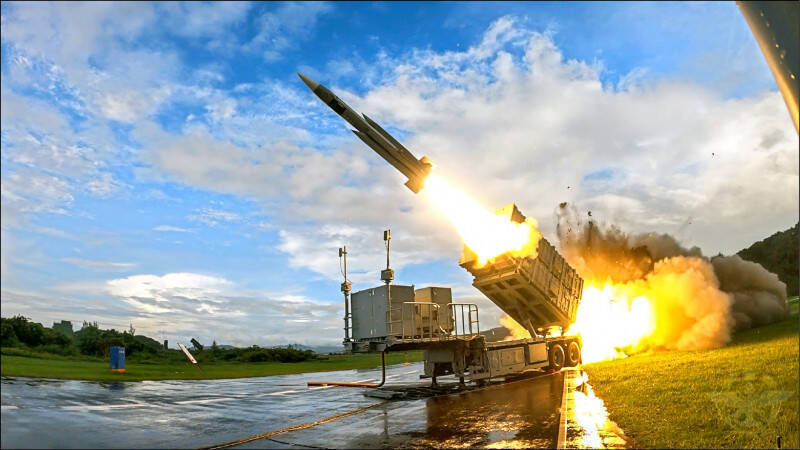
〔記者羅添斌/台北報導〕為因應中國軍事威脅,軍方加速量產各型國產飛彈,大幅增加戰備及庫儲飛彈,高層人士今天指出,中科院以16條生產線全面生產各型飛彈,去年的飛彈總產量合計超過800枚,預估今年明年將達到產能高峰,可達年產量1000枚飛彈的階段目標。國防部以「海空戰力提升計畫採購特別預算」,委由中科院量產包括劍翔無人攻擊載具丶萬劍彈丶雄昇飛彈丶天弓三型防空飛彈丶陸射型與艦射型劍二飛彈丶增程型空射劍二飛彈丶雄三及增程雄三反艦飛彈等,中科院先前投資興建的飛彈量產廠房順利運作,目前各型飛彈的生產線,已開到16條之多,可說是能量全開。

Without a breakdown of which missiles are produced in what quantity annually, it is difficult to assess the significance of “1,000” – though it is a good sign that Taiwan Republic, Japan, and US are all addressing the logistics of a war against China. Taiwanese “indigenous” missiles are a product of the peculiar stage in Taiwan-US-China relations – a product of compromise and the fictional One China status quo. I wonder if policymakers in DC have seriously studied and throught through the implications of having the Taiwanese continue this dual track – purchasing/importing US-made missiles while investing in domestically manufactured missiles. Perhaps the blurb from the recent US-Taiwan military talks about “enhancing munitions coproduction” is a way to discuss this issue – from economies of scale, to whether NCIST missiles are more vulnerable to Chinese communist infiltration and sabotage, to obstacles to interoperability with Japanese and American units. An example: during the war can the US-made Patriots efficiently coordinate with the Taiwanese TK2 and TK3 surface-to-air missiles? How about Taiwanese naval units using American Harpoons and Taiwanese HF series? Or Taiwanese artillery units using Taiwanese MLRS and soon-to-be imported American HIMARS?

A final observation: while it is good that Taiwan’s CSIST is moving away from the “handcrafted” model of manufacturing missiles into the modern mass assembly, one of the many chasms between the Taiwan military and Taiwanese democracy is in this island nation’s economic dynamism and know-how, and how isolated the military remains. Simple question: should a quasi-state military research entity like CSIST even manufacture missiles? Or would it be best to adopt the model from Israel, or Singapore, or South Korea, or Japan, have CSIST coordinate strategic level priority weapon systems research, and subcontract manufacturing to private or public-private corporations? 10.2.2023

© Taiwan in World History 台灣與世界歷史. This site grants open access for educational and not-for-profit use. Maps and illustrations are borrowed under educational and not-for-profit fair use. If you are the rights holder and prefer not to have your work shared, please email TaiwanWorldHistory (at) Gmail (dot) com and the content will be removed.
Leave a comment

Filed under Taiwan Republic

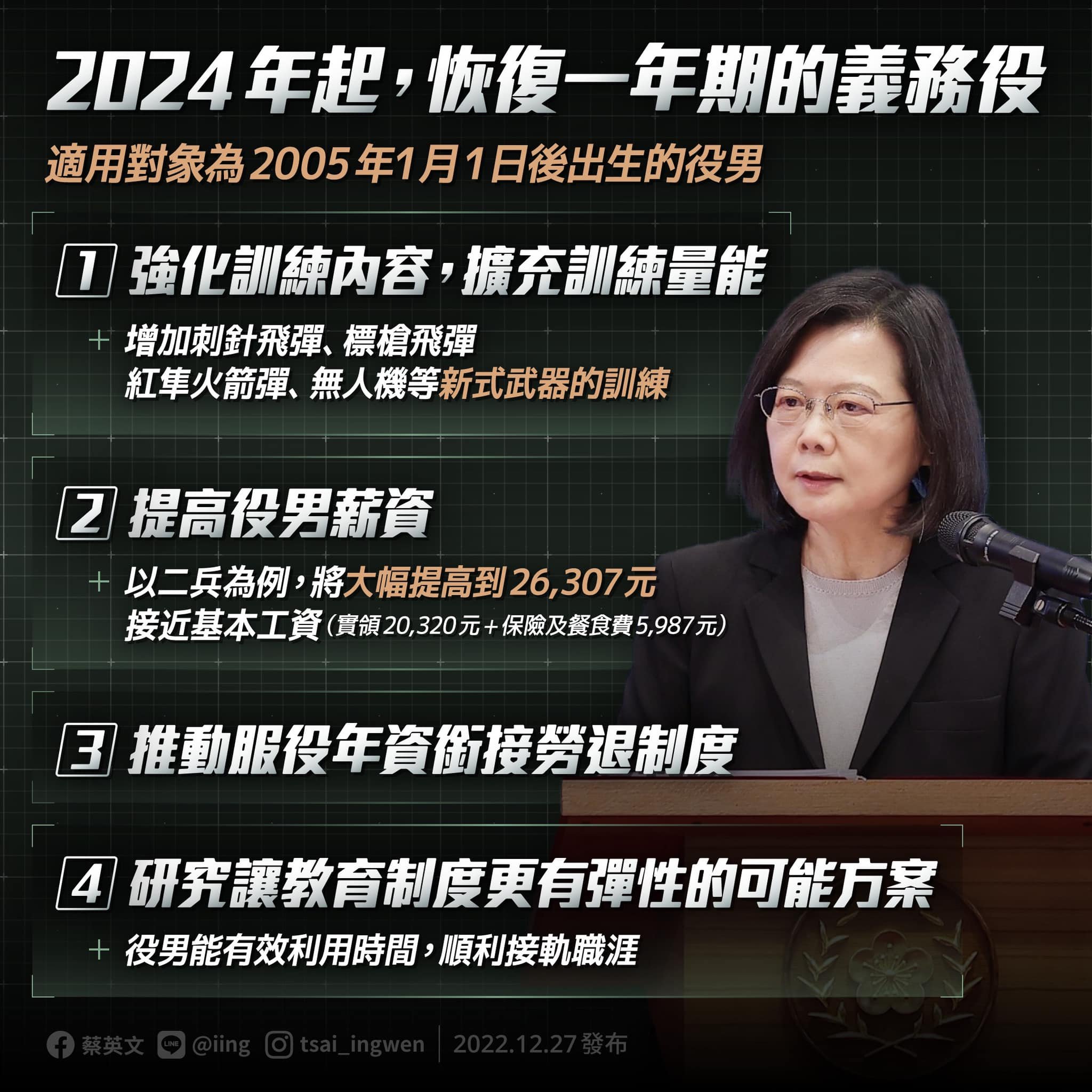
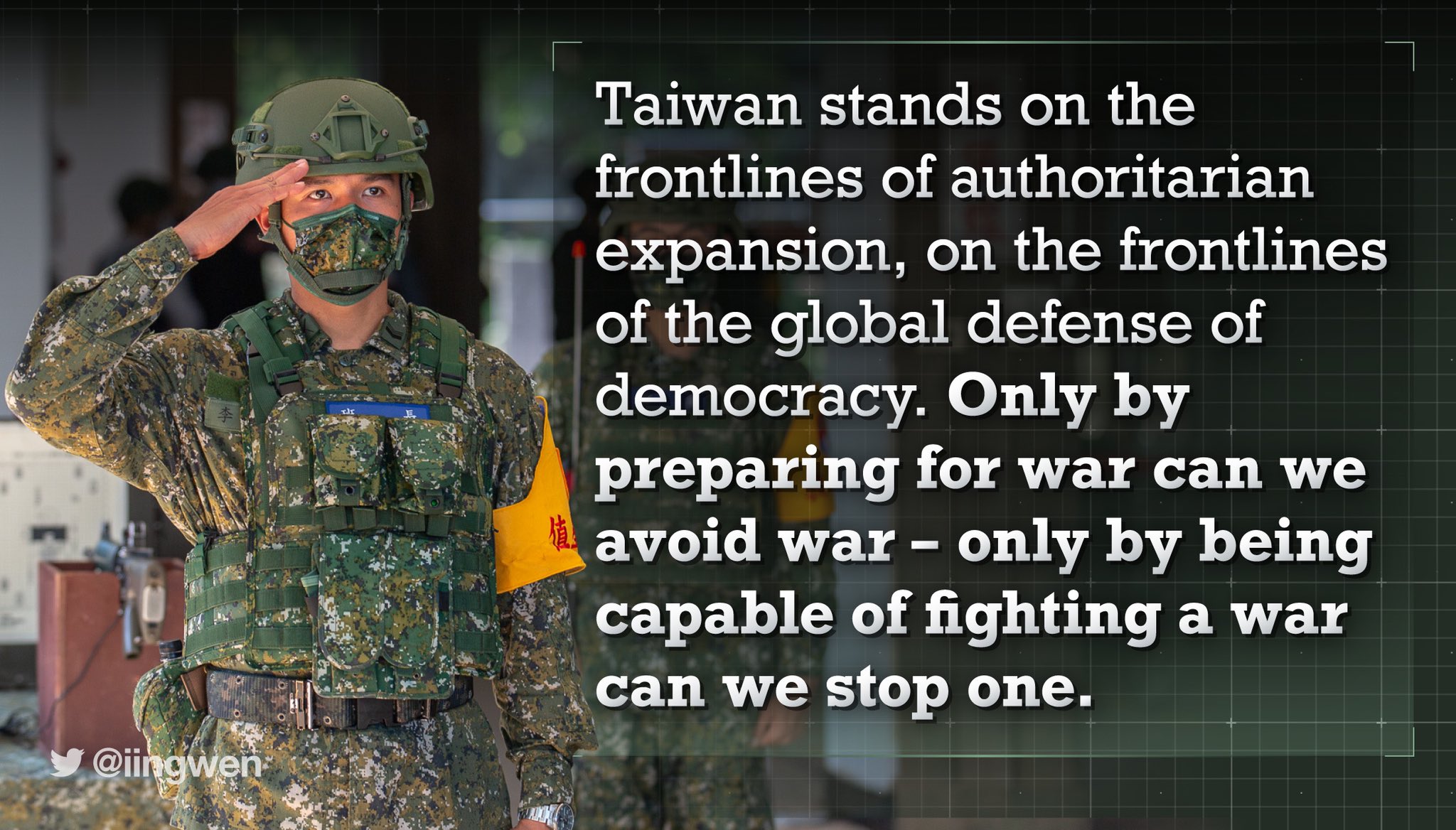
[President] Tsai reinstates one-year conscription [for Taiwan] – Taipei Times: Geostrategery, politics, and Taiwan Republic 台灣国 classrooms

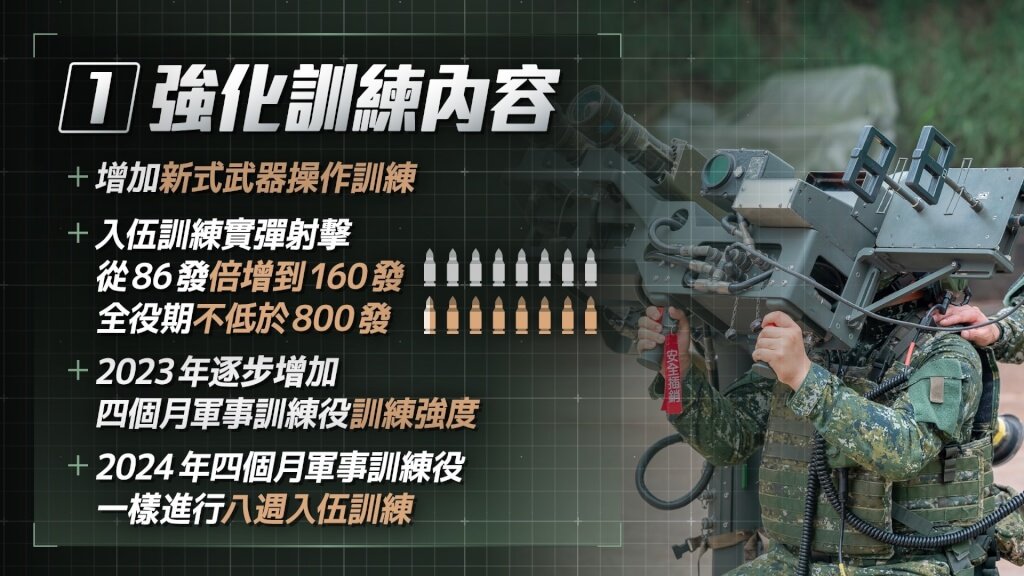
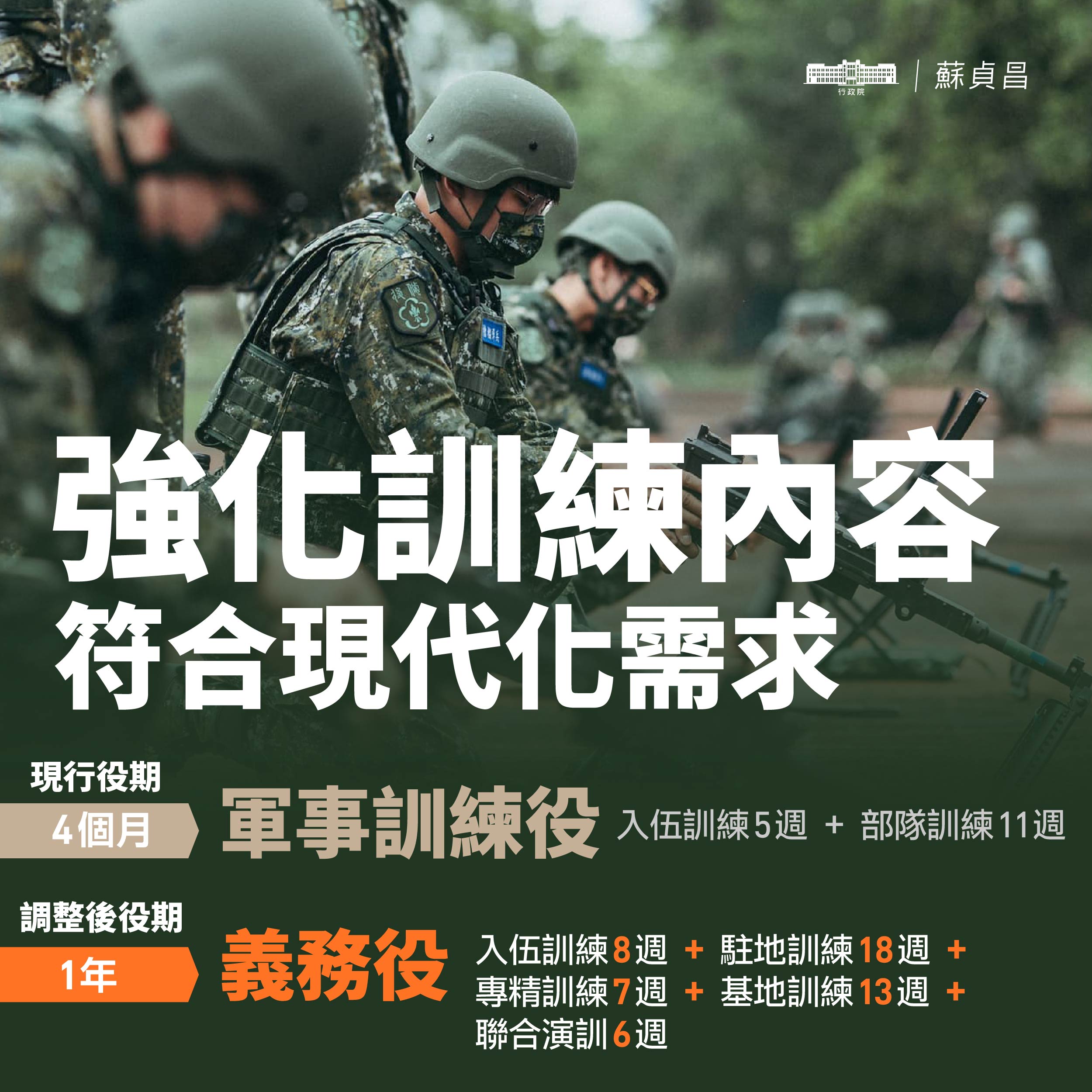
Many people have stereotypical views of mandatory service based on their own experience, but the training regimen has undergone drastic changes, Tsai added. To ensure conscripts undergo appropriate training and do not waste time during the longer service period, they would undergo more intense and longer boot camp training to boost their combat preparedness, the president said. Boot camp training is to be extended to eight weeks from five, and is to include physical fitness and exercise, as well as weapons and combat training. Standard courses would focus on discipline, equipment maintenance, basic training and stress training, while physical training would include basic fitness, grenade throwing and a 500m obstacle course. Physical training is to incorporate science-based learning for health management and muscle-building. The arms training section would increase the number of shots fired from 104 to 160 to ensure that recruits know the differences between weapons and how firing position affects accuracy. Combat training is to focus on combat techniques, field medicine and what to do in the event of a biological or nuclear disaster, while the training regimen for recruits is to include marches, camp setting and other skills. The Ministry of Education is in talks with local universities and colleges to develop ways to make the higher-education curriculum more flexible so that conscripts can complete their required one year of service while studying, Tsai said. That would allow them to avoid postponing plans to enter the job market due to the longer military service requirement, she said.

Depending on what ‘altitude’ you fly over news items, for most international news outlets Taiwan reinstating year-long conscription feeds into the “rising tensions-most dangerous place on earth” storyline. And for domestic Taiwan news, arguments about which party made this move necessary, whether American pressure is behind this change if this means the youth vote will shift for 2024, etc etc.

To me, this is classic President Tsai and why I am a supporter. Smart policymaking, aggravatingly careful and slow and boring, good for Taiwan’s democracy, not likely to win her praise or many votes. Kind of like her green energy policy. Legalizing gay marriage. Pension reforms. Pandemic abatement. The opposite of the kind of quick, easy-to-understand modern storytelling to rile up populist emotions.

I have no faith in the ability and resolve of the China KMT dictatorship-dominated Taiwan national security establishment, though I know if they are good at one thing, it is to use their bureaucratic skills to kill reform efforts pushed by civilian, democratically elected leaders. So we will see.

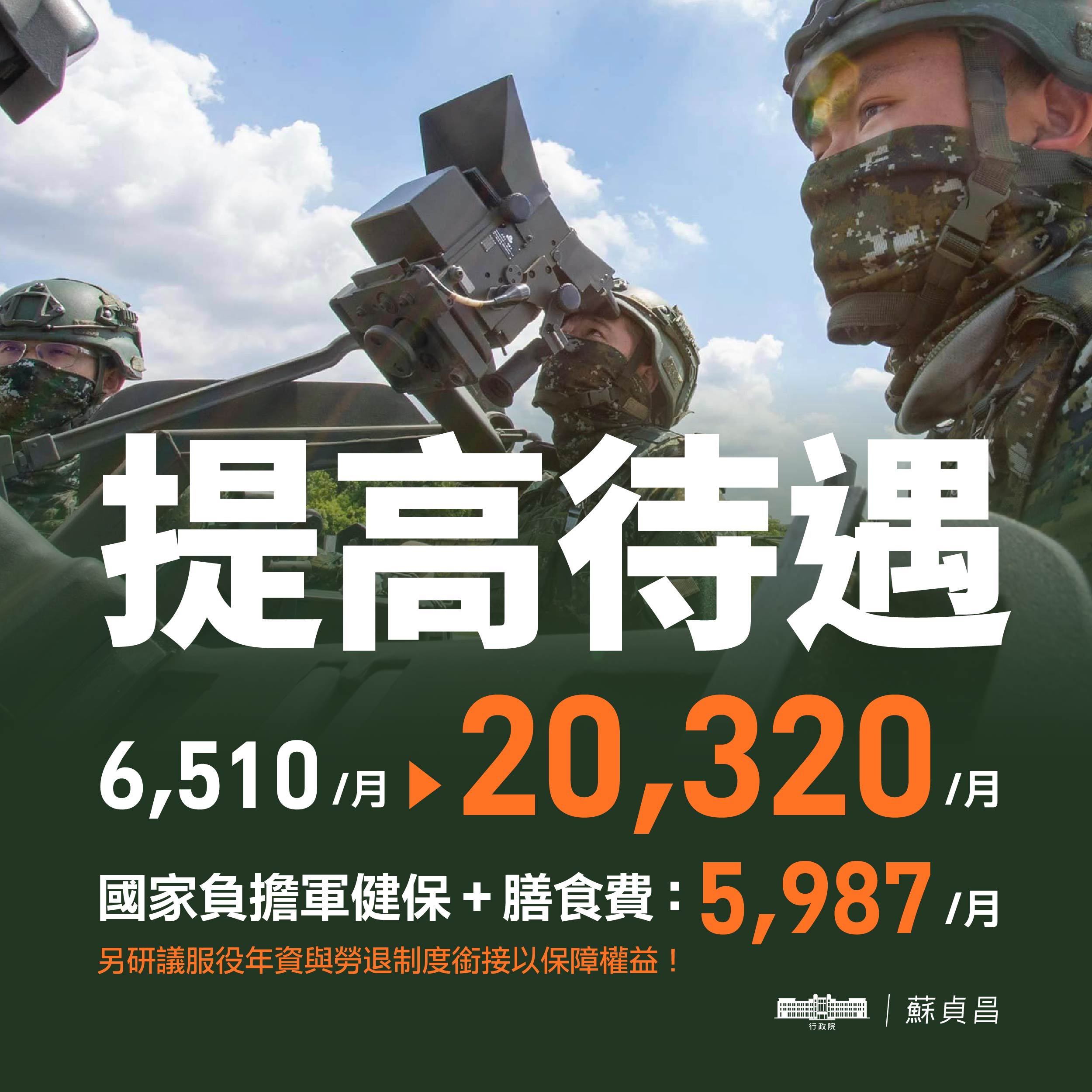
It is politically smart to give the mostly superficial domestic Taiwan press the massively raised salary of the conscripts as their headlines. Once you listen to the press conference and read the details the most encouraging facet of this new policy is the recognition that the Taiwan Ministry of National Defense requires revolutionary change and improvements – a breakthrough for the democratically elected president of Taiwan to acknowledge that former draftees felt their time and talent were not fully respected and utilized by the military, to be smart about using this year-long conscription wisely, to import training regimes (and important, doctrines and concepts) from the US and other leading democracies, to think about how the volunteer military and conscripts enhance one another. This is a difficult and important first step – future elections will determine whether the momentum to democratize and reform the Taiwan military will continue.

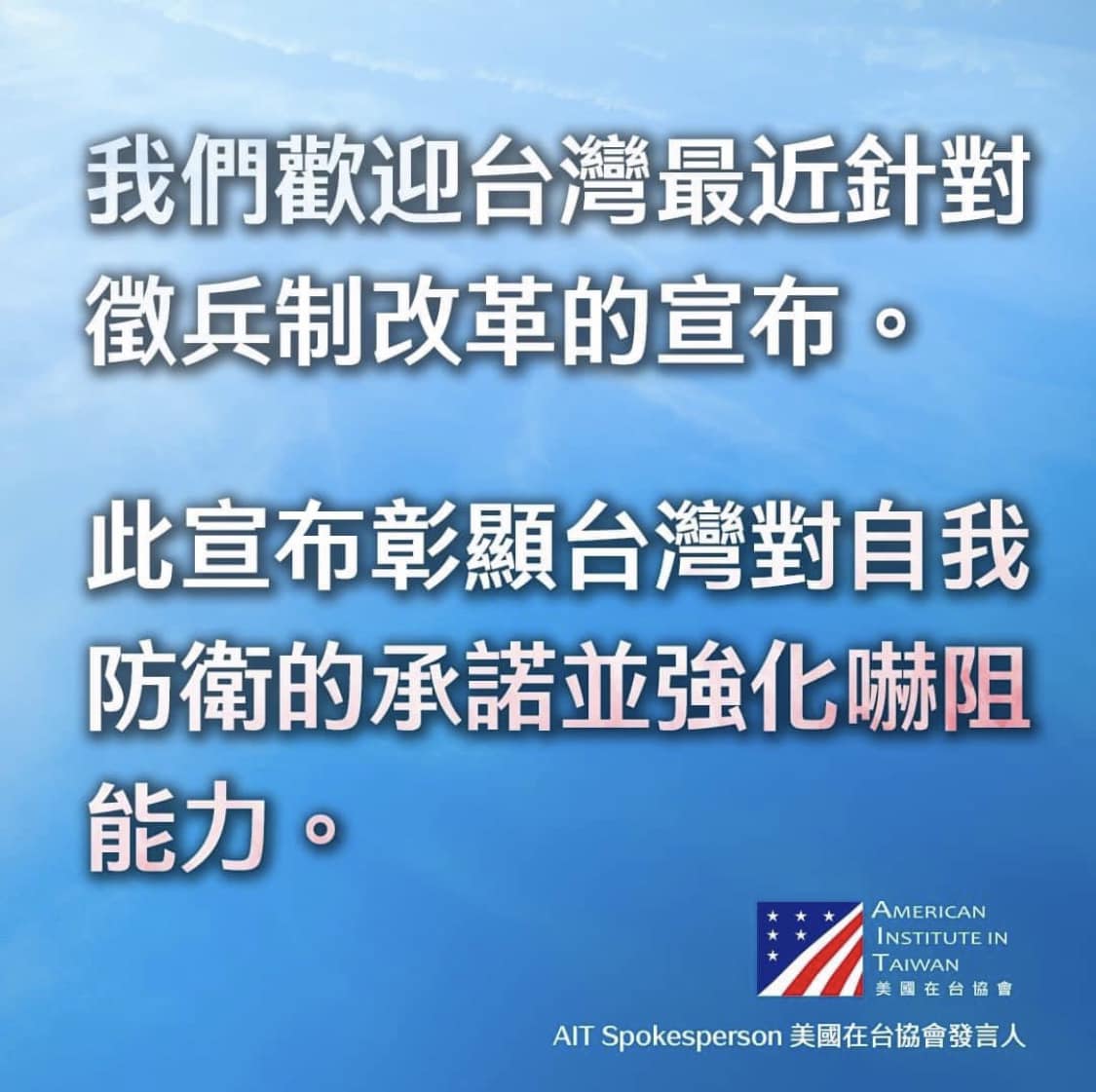
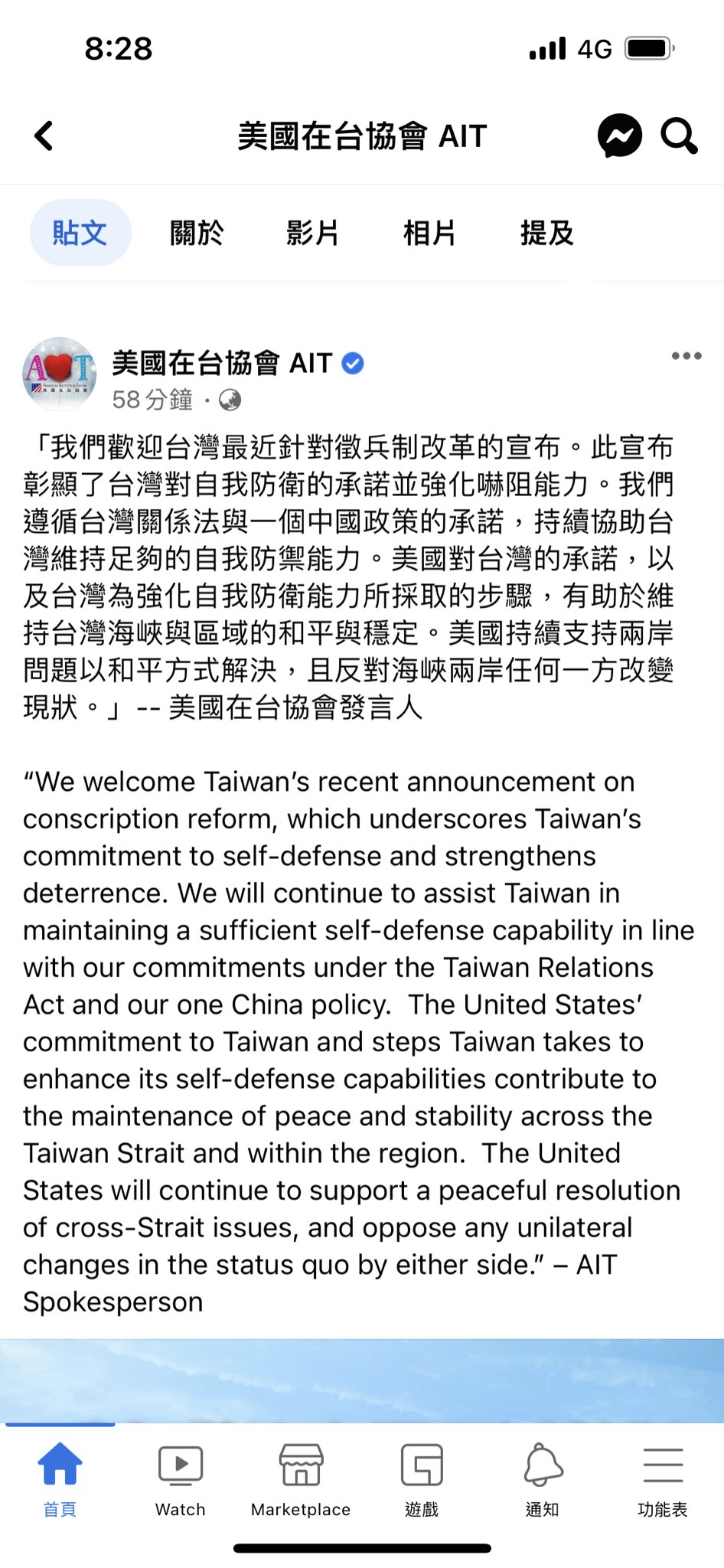
An additional breakthrough is in how rapidly and directly the praise came from the American embassy in Taipei – without regard for the thin skin-ness of the Chinese communists and their allies inside Taiwan and in the west. This gets me back to my earlier point that folks generally focus on the headline numbers of the NDAA and aid to Taiwan, I have been fascinated by the detailed plans on interoperability and the “software” of national security – personnel, advisors, new mentality. California and Florida National Guards heroically trained Ukrainian officers – Hawaii National Guard has been paired with the Taiwanese military, is this the model we will see with new, modern training for the conscripts and volunteers alike? And again, having seen too many bright-eyed Taiwanese patriots graduate from West Point, Annapolis, and US Air Force Academy only to file for early retirement due to a reactionary and hyper-bureaucratic Taiwan military leadership. We will see, and we hope for the best. No shortage of talent and vitality from the bottom up in a democracy such as Taiwan – the bottleneck is within Taiwan’s military leadership.

An additional thing to ponder is this paradox of Taiwan. A medium small-ish nation. An oceanic, island democracy with a history of heterodoxy and not following imperial rules. Taiwanese businesspeople are notoriously creative and flexible. Taiwanese cuisine and music and literature are hybrid and ever-changing. The parts of Taiwan dominated by the China KMT dictatorship are reactionary, uncreative, haughty, stuck in trench warfare mentality – hyper-bureaucratic, better to get fifteen stamps than five, hurry up and wait – these facets of Taiwan public life exist in a parallel universe with the vibrant, democratic, can-do democracy that grew up around this China KMT dictatorship.

So I have been wondering about creatively deconstructing how the Taiwan public health – less dominated by the China KMT dictatorship because during the martial law era this was a safe harbor for educated Taiwanese – could serve as a model for how a reformed Taiwanese military could democratize and harness the creativity and energy of this democratic nation. Taiwanese public health and healthcare were not flawless during this pandemic – yet compared to the Taiwan military, it has been far more flexible and responsive to criticism and suggestions from citizens, civilian authorities, and foreign experts. Pandemic management had features and characteristics that are warfare-like – the “enemy” was not just the virus, but foreign and domestic bad actors, fear, rumors, anxiety, and fake news. What is it about the Taiwanese public health leadership, bureaucracy and regulation, institutional culture, and how it relates to the rest of this democracy, that enabled it to successfully meet these challenges? And what lessons might the democratically elected civilian leaders of Taiwan seeking to democratize and reform the Taiwan national security establishment draw from this model? 28.12.2022

© Taiwan in World History 台灣與世界歷史. This site grants open access for educational and not-for-profit use. Maps and illustrations are borrowed under educational and not-for-profit fair use. If you are the rights holder and prefer not to have your work shared, please email TaiwanWorldHistory (at) Gmail (dot) com and the content will be removed.
Leave a comment

Filed under Taiwan Republic