
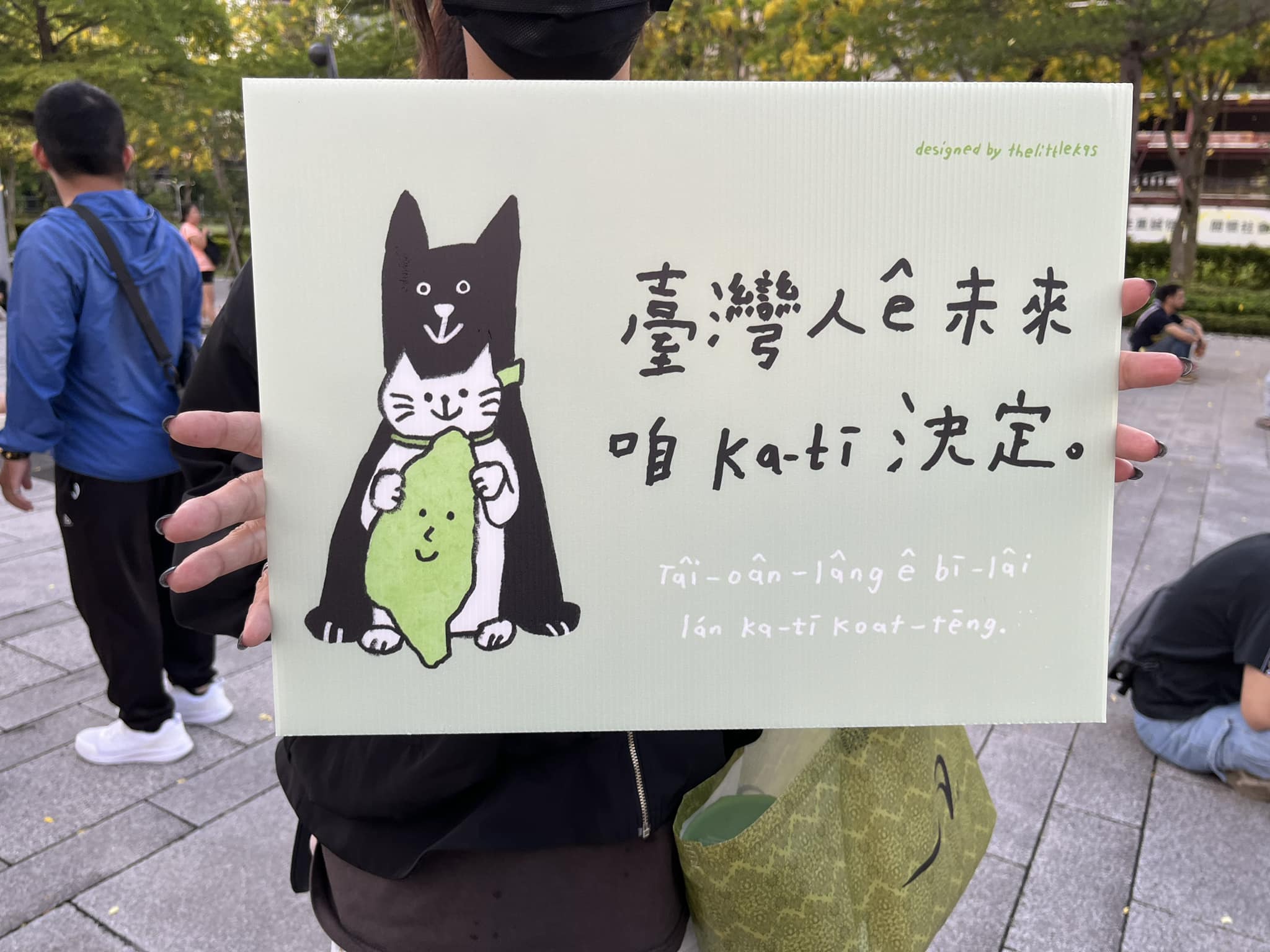
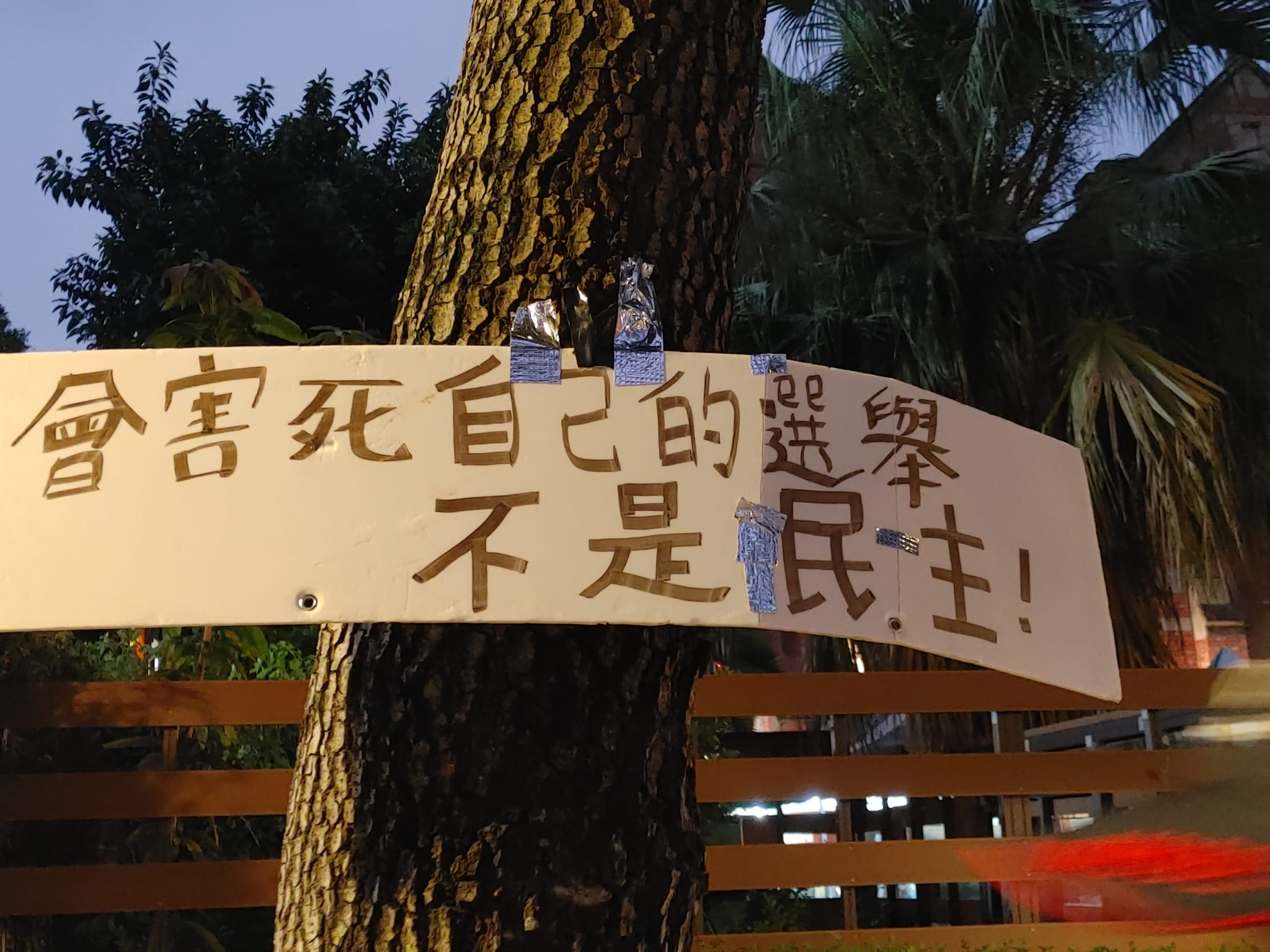
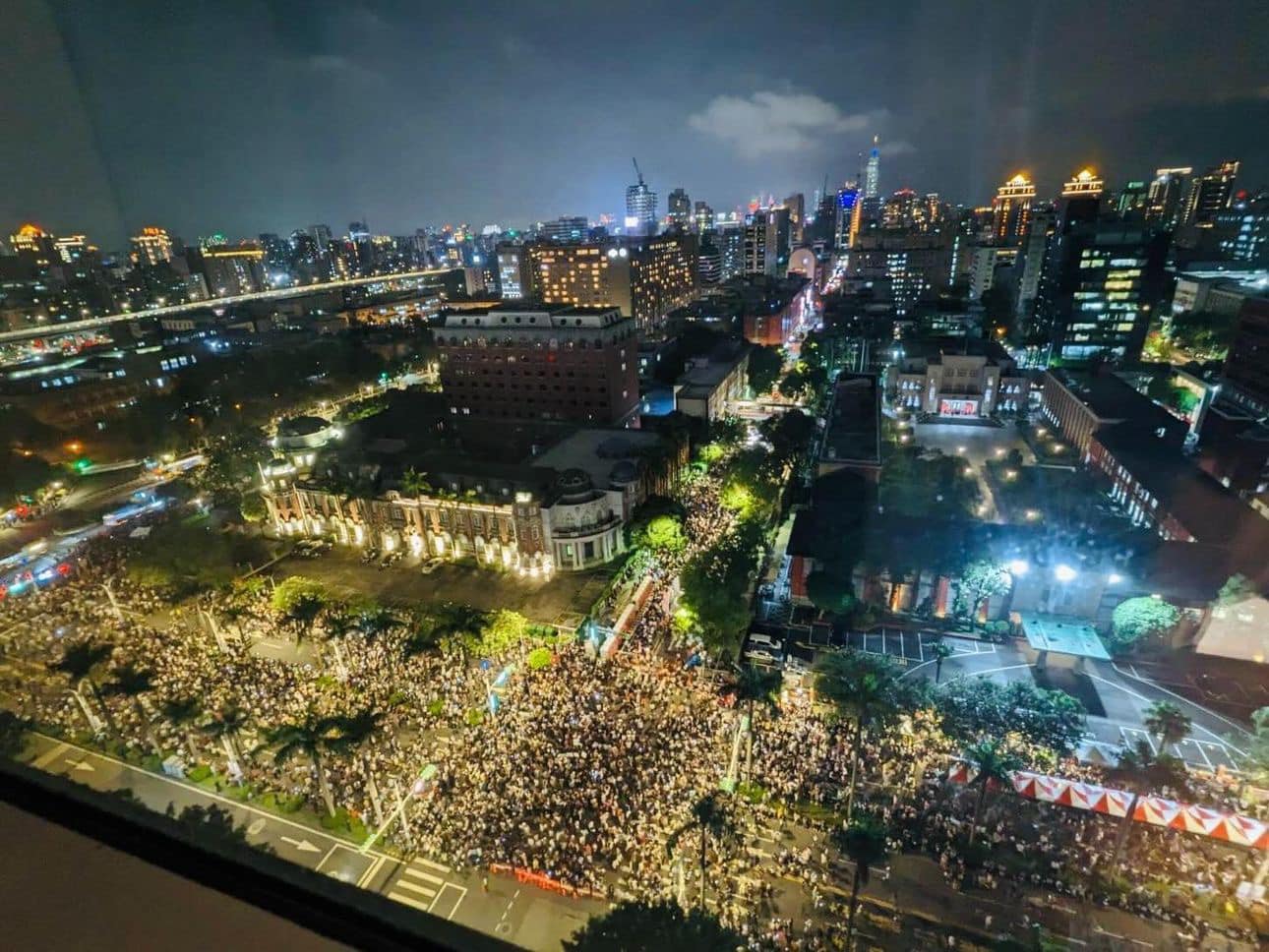
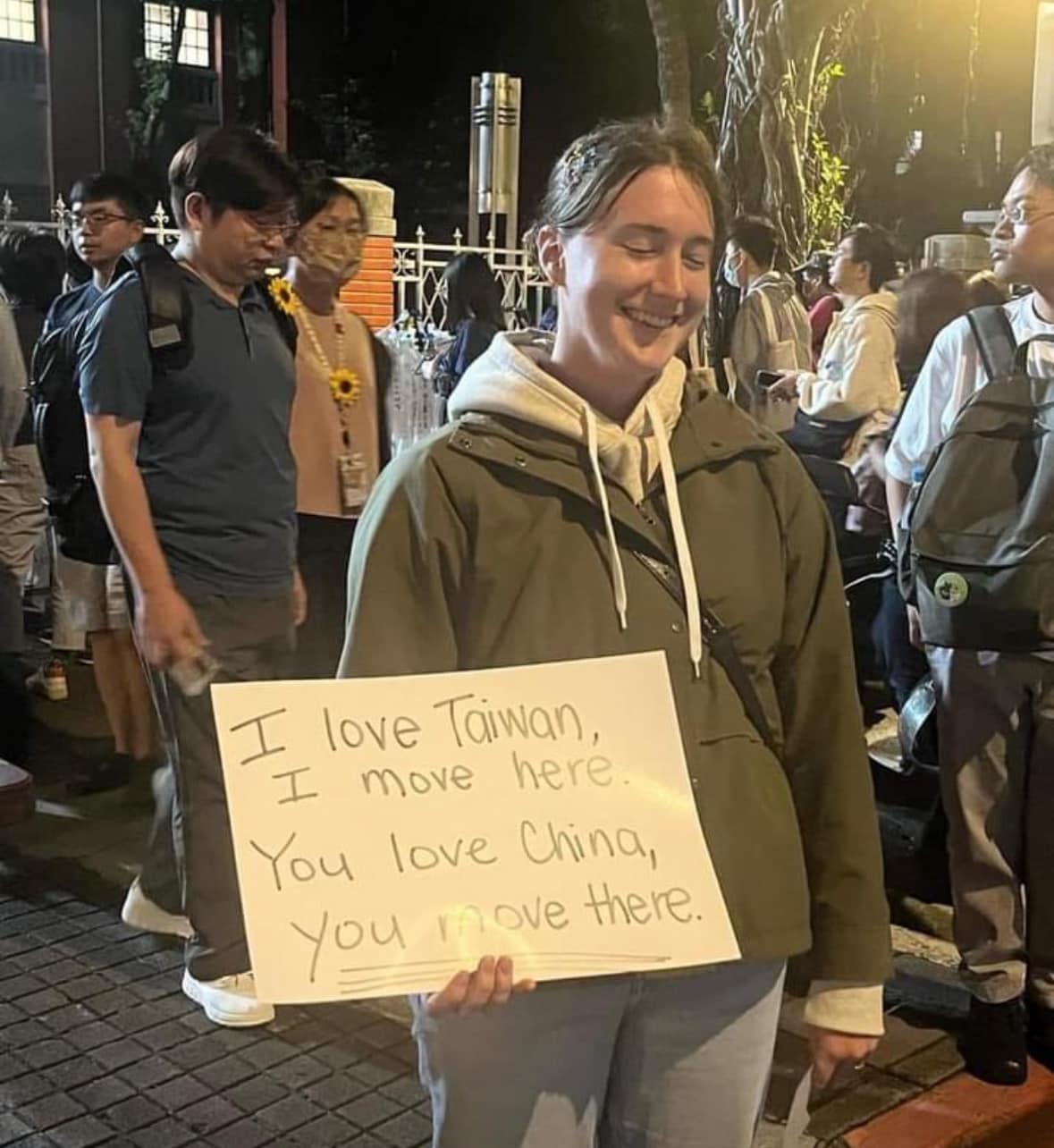
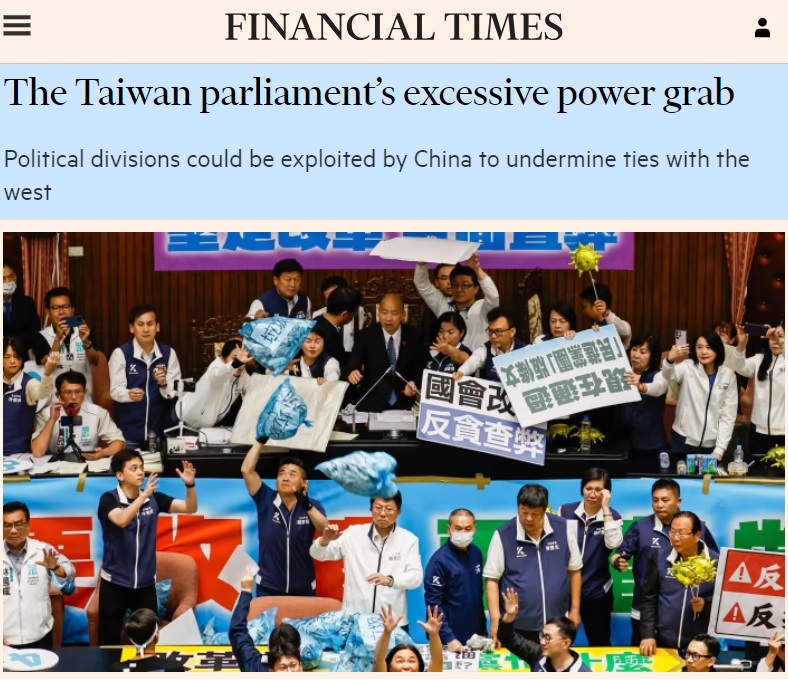
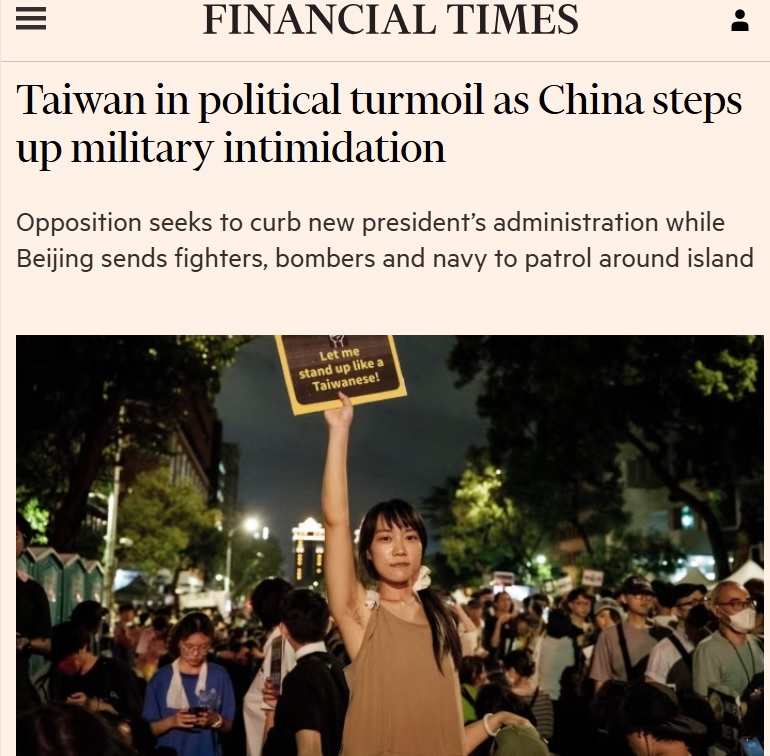
President Tsai Ing-wen and this emerging Taiwanese national identity, part two, Returning the China KMT to China. Taiwan Republic 台灣国, national identity, and world history classrooms. For the first time in eight years, Taiwan’s legislature has a pro-communist-China majority, and with street protests and headlines, it feels as if Taiwanese democracy has descended into chaos. However, with historical context, particularly comparing President Lai’s first term with President Chen’s perilous eight years, this emerging Taiwanese national identity during President Tsai’s exceptional eight years has created an entirely different domestic and global reality.
President Tsai’s DPP has co-opted symbols and iconographies of “RoC” as “RoC Taiwan” – pro-democracy, anticommunist, Taiwanese democratic sovereignty – for a remarkable example, see President Lai’s recent speech at the ‘RoC’ Army Academy. This means the DPP now occupies a mainstream position within Taiwan’s democratic polity, while at the same time, the China KMT’s former president Ma has repeatedly rejected Taiwan’s democratic sovereignty, and its current vice chair visited communist China asserting that Taiwanese are also “Chinese 中国人”。China KMT’s radicalization has, given Ma’s recent trip to communist China, meant that the only major concession left of any worth that the China KMT has to give to Beijing is to acknowledge that the “one China” they support is the People’s Republic of China, and that Taiwan and Taiwanese should be subjects – dictatorships have subjects and no citizens — of this communist China. If you think of the Taiwanese political spectrum as running from China/Chinese to Taiwan/Taiwanese, and from democracy to authoritarianism – President Lee’s dream of a moderate, indigenized Taiwan KMT was the last chance that this authoritarian foreign party had to remain competitive in national elections in Taiwan – whereas President Tsai has pulled DPP into a larger, more moderate domestic coalition – acceptable to US and the Free World.
Another way to think about the China KMT’s radicalization, and now the fledgling China People’s Party, and their quandary – with possible reliance on foreign financial support, an absolute minority of hard-core anti-democracy and pro-China supporters (think of the same dilemma faced by American GOP candidates, with a MAGA dominated party primary, and a moderate-centrist voting citizenry). Leave aside one’s own value judgment, let’s ponder electoral politics. If you are the China KMT, and you have been in the political wilderness for eight years, and for the first time since Taiwan became a democratic nation, a two-term incumbent DPP president has successfully extended DPP’s presidential term to the sitting VP, and you barely won a legislative majority – would the reasonable electoral strategy to expand your future electoral coalition _in Taiwan_ in both the legislative and executive branches be to promote highly polarizing, anti-democratic, and pro-communist China legislations? The DPP has many domestic political weaknesses – dissatisfied younger voters, income inequality, housing crisis, educational stagnation …. Yet the China KMT and People’s Party chose highly polarizing, ideologically pro-communist China legislation to begin. Doesn’t make any sense does it.
The only way China KMT’s legislative agenda makes any sense is to understand how Taiwan’s emerging national identity has evolved under President Tsai, and how a moderate status quo DPP has become a political dilemma faced by a radicalizing anti-democratic China KMT. The China KMT’s latest presidential candidate, New Taipei mayor Hou, himself a native Taiwanese, spent years painstakingly avoiding polarizing pro-China issues, and kept the China KMT at arm’s length – yet right after he was nominated by the China KMT, he too could not overcome the pressure by his radicalized party’s leadership to nominate a pro-China VP candidate, and to accept electorally disastrous policies (granting electoral right to Chinese communist subjects; opening Taiwanese job markets to Chinese communist students). A sensible candidate without this baggage known as the China KMT might have focused on center-right issues – housing, pollution, education, income equality, or after eight years of DPP executive and legislative majority, a candidate with a party not beholden to the Chinese communists might have wisely simply focused, as Obama did, on “change.”
While President Tsai did not push the China KMT towards radicalization – that pro-China anti-democracy coup started when Ma and Lien pushed Lee out of the China KMT, and came as a result of financial dependency, ideology, and primarily due to an authoritarian minority used to colonialist privileges resenting democratization removing those bounties – Tsai pulling the DPP into the moderate status quo position and coopting ‘RoC’ institutions and iconographies – the DPP took over the ideological, national identity vacuum abandoned by the China KMT. Therefore, President Lai’s position is far more stable than President Chen because of this shifting domestic and global landscape. The unique challenge he faces is that as the China KMT becomes radically anti-democracy and pro-Chinese annexation, Taiwan’s democracy will face sharper challenges because Taiwan’s major opposition parties are essentially insurrectionists. With time one assumes (hopes?) an opposition party that affirms Taiwan’s democratic sovereignty will emerge – but for the time being, this will be a challenging moment, particularly given China’s desperation and direct interference into Taiwanese democracy. 18.6.2024
© Taiwan in World History 台灣與世界歷史. This site grants open access for educational and not-for-profit use. Maps and illustrations are borrowed under educational and not-for-profit fair use. If you are the rights holder and prefer not to have your work shared, please email TaiwanWorldHistory (at) Gmail (dot) com and the content will be removed.




 Taiwan in World History (台灣與世界歷史)