Tag Archives: reading art

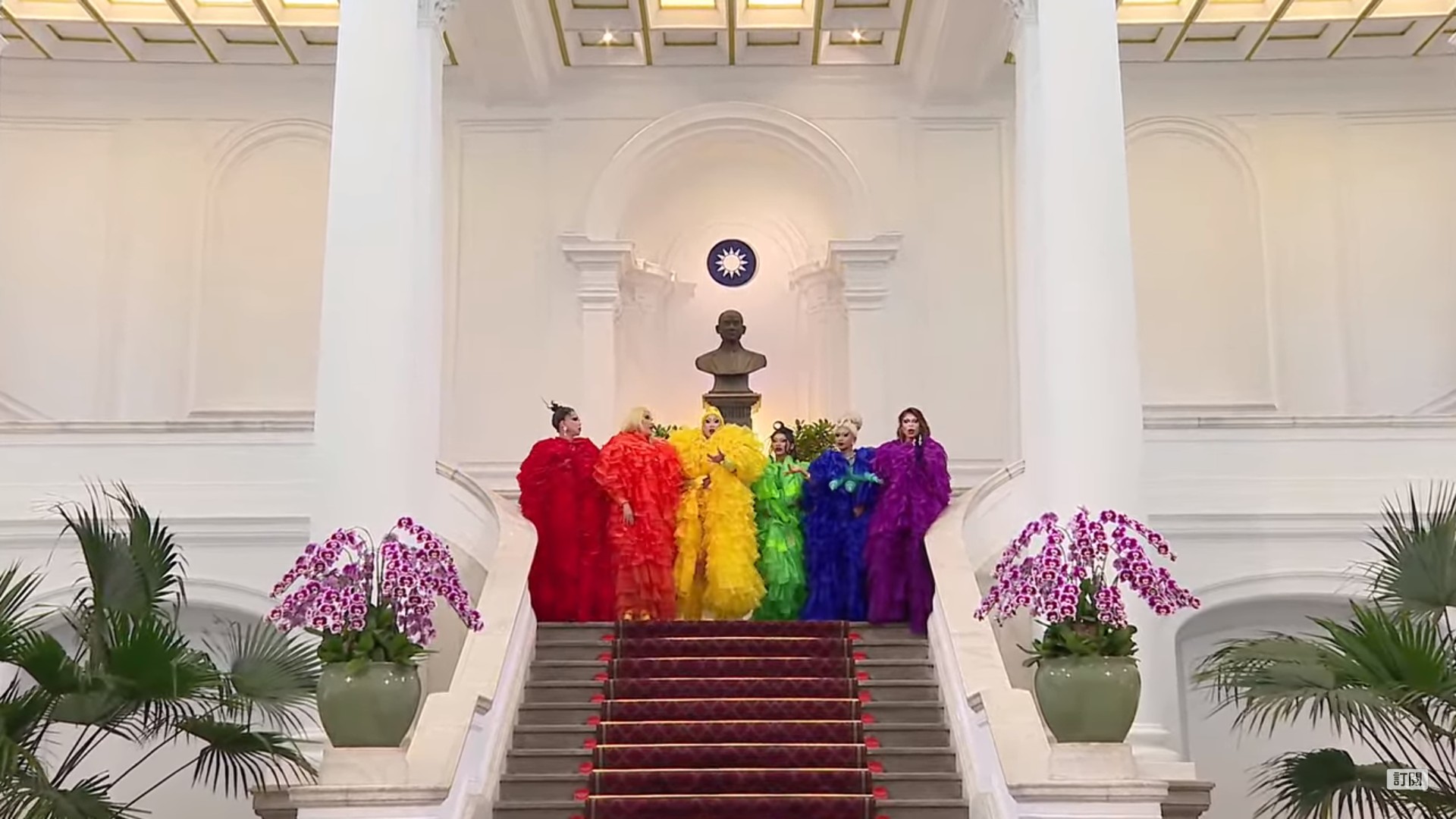
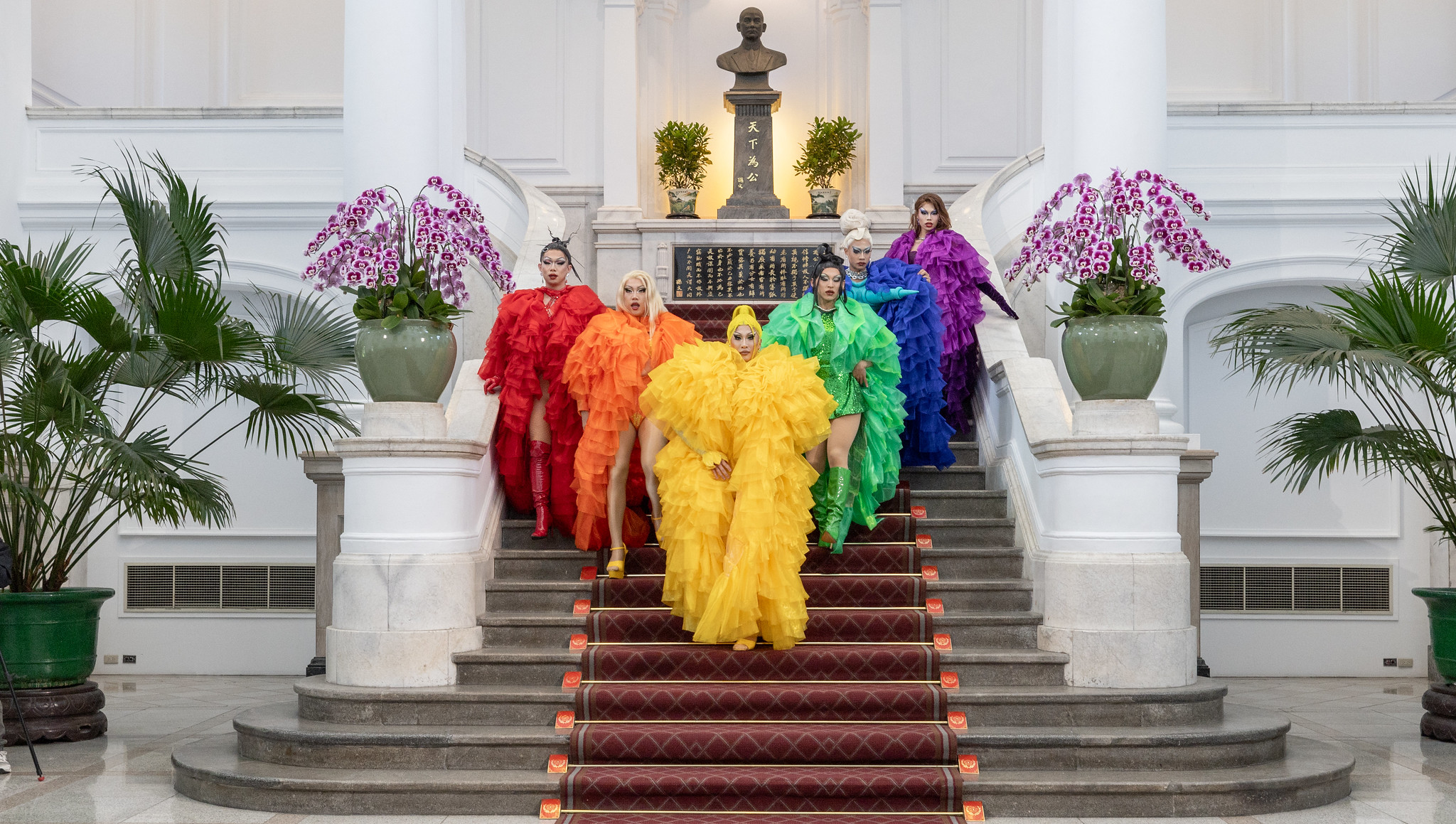
President Tsai Ing-Wen, Nymphia Wind, and this emerging Taiwanese national identity. National identity and Taiwan Republic 台灣国classrooms.

President Tsai Ing-Wen, Nymphia Wind, and this emerging Taiwanese national identity. National identity and Taiwan Republic 台灣国classrooms.

Tsai Ing-Wen and Nymphia Wind are as important to this emerging Taiwanese national identity as missiles, State Department policy papers, and the UN.

President Tsai has invented an understated, humble, nerdy bookish Taiwanese cool – an unusual combination for Taiwanese and world politicians. As her remarkable, world-changing eight-year term draws to an end, I will periodically share reflections on the emerging independent Taiwan shaped by her leadership. President Tsai is not a traditional politician, and her charisma is not traditional either – I have trouble listening to her speeches because they are content rich but her delivery is incredibly boring. She is unusual for a politician in the modern age in that she says precious little and does not appear to desire to be the center of national attention. No one calls her Tsai Goddess 蔡神, and she seems perfectly happy about that. It speaks to a remarkable level of confidence and peace in herself.

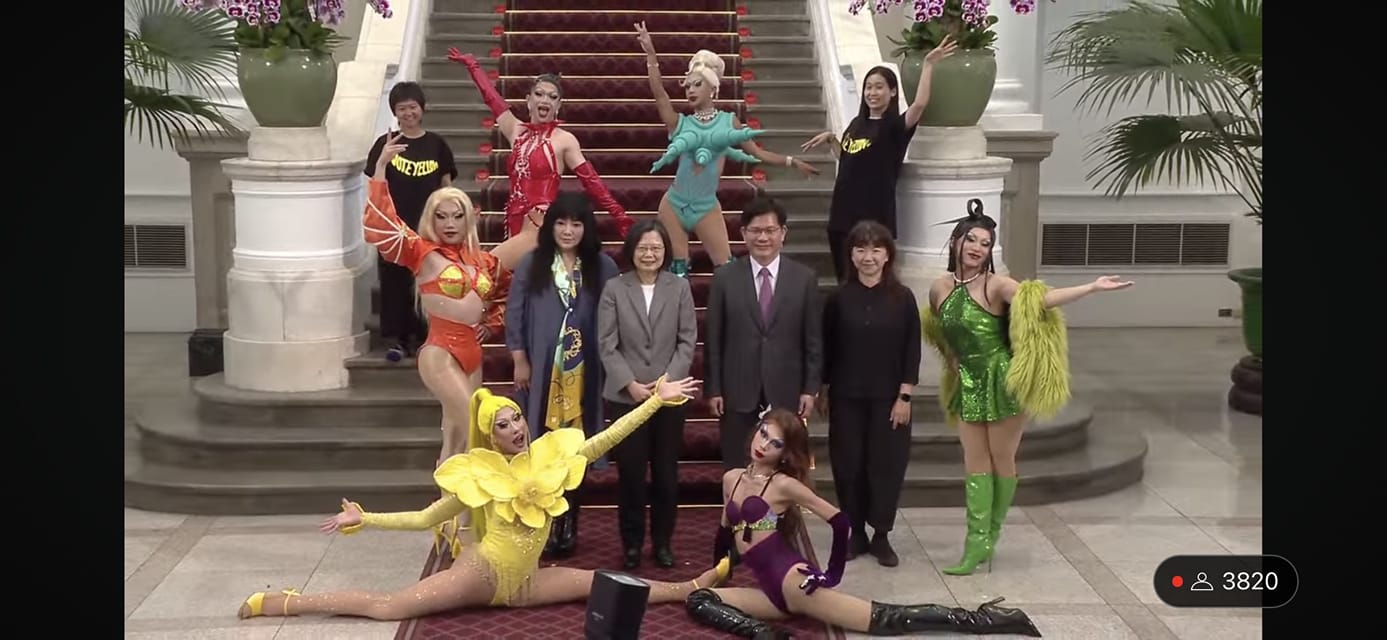
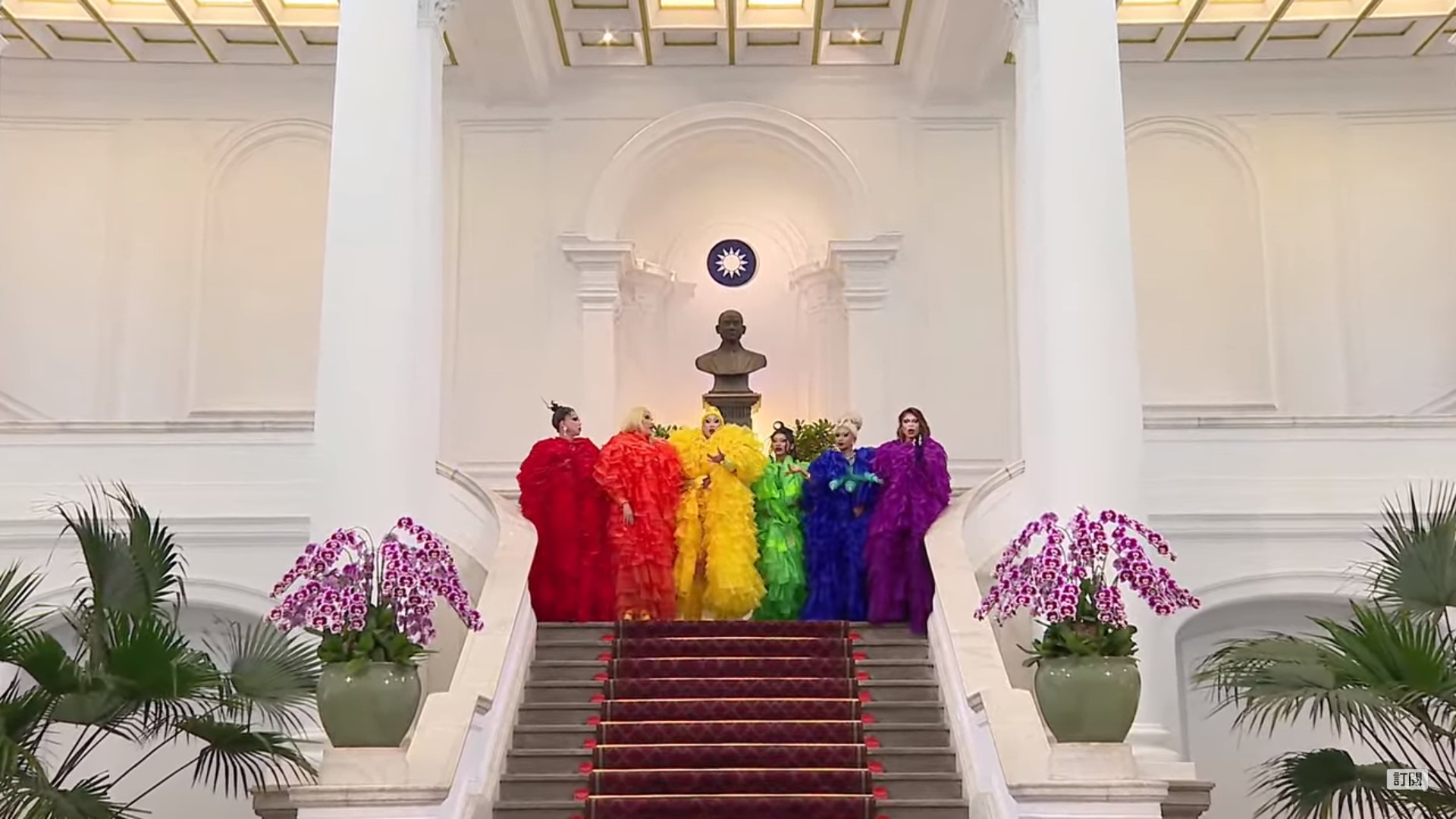
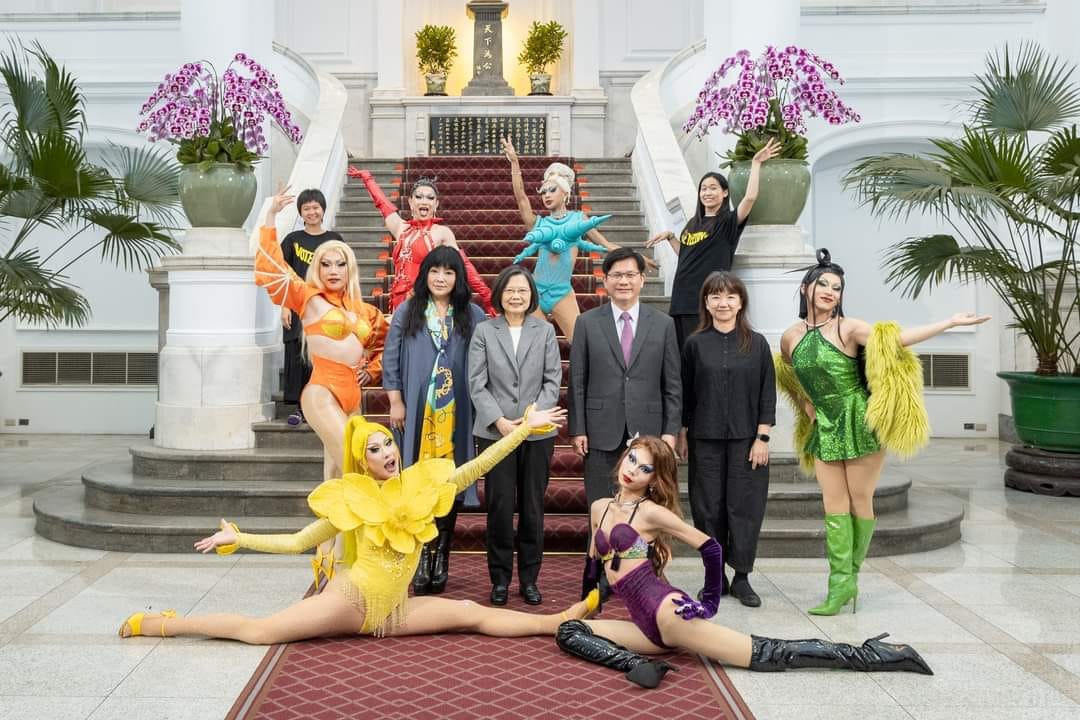
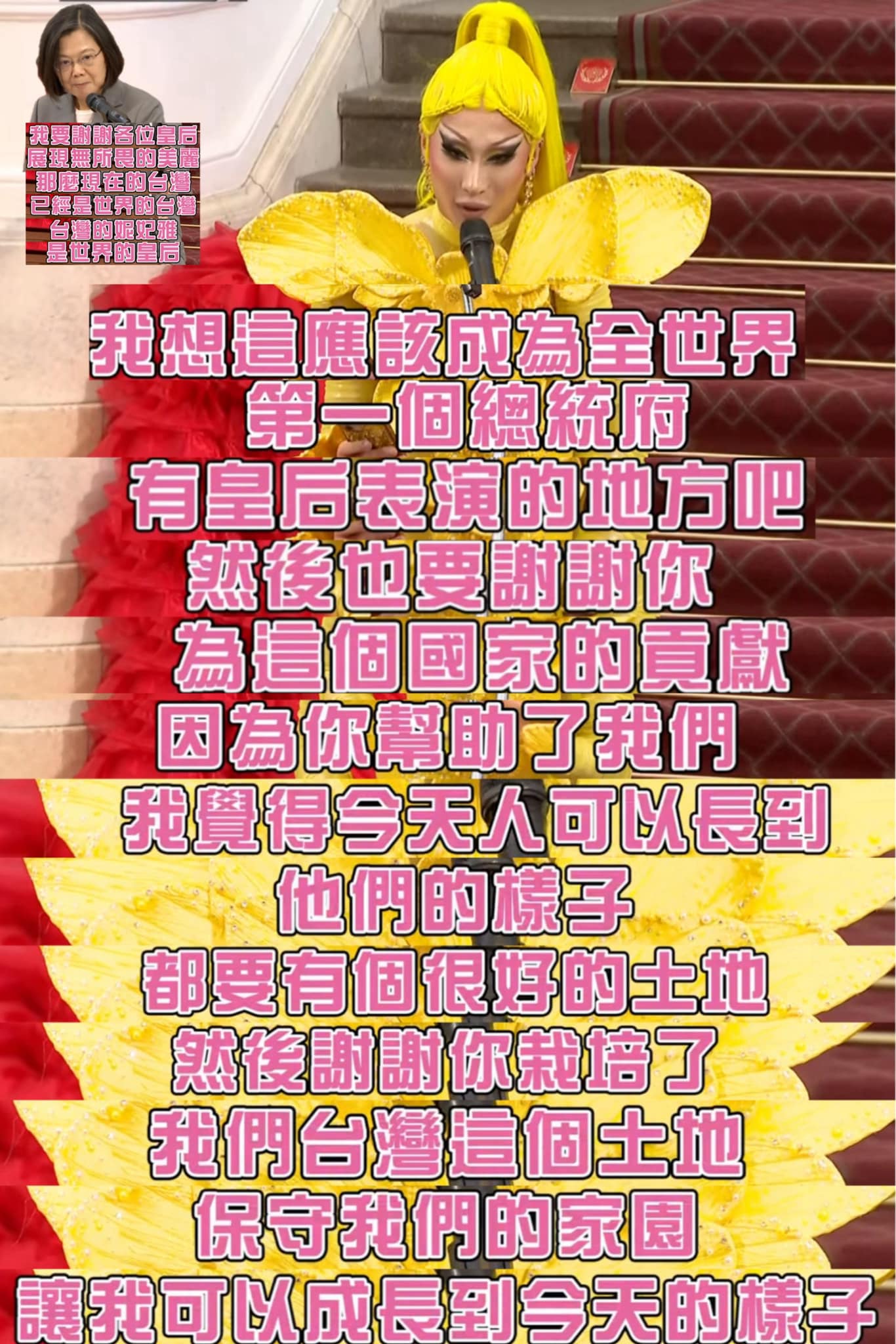
Taiwanese drag queen and victor of the hit TV show “RuPaul’s Drag Race,” Nymphia Wind visited the Taiwanese presidential palace yesterday and was honored by President Tsai. With a more ordinary political leader one can imagine any number of calculations – conservative-reactionary voters, public perception, religious leaders, and so on. I thought the event crystalize Tsai’s unique leadership style, and highlighted a particular way she is shaping this emerging Taiwanese national identity – gently tolerant, forward-looking, while minimizing direct confrontations. Tsai is competent at using the social media age tools while being, in this sense, wholly counter-cultural – her message is not divide/attack, but calling her citizens to build new bridges and doors. And this counter-cultural Taiwanese national identity has the support of a stable governing majority, while receiving unprecedented support from the US, Japan, and other nations in the Free World.

And it is Tsai’s stubborn incrementalism, moderation, cosmopolitanism, a counter-cultural kind of love of slowness and quietness that frustrates and angers both his supporters and his enemies foreign and domestic. Tsai is also unusual in that she rarely feels the need to counter-attack, or even acknowledge these assaults.

An interesting contrast between the two DPP presidents Chen and Tsai. Chen is one of the best natural retail politicians of his generation – charismatic, and bombastic, but also short-sighted, and self-centered, his words often not matched by deeds. Many of his Taiwan independence words were used for short-term campaign purposes, producing the opposite effect internationally and domestically. More so, I think both the China KMT and the China communists preferred Chen because they knew he would take the bait and argue everything. President Tsai’s approach is an improvement made upon President Lee’s realism, idealism, and incrementalism – a peaceful transition into a Taiwan-centric national identity is only possible when it is acceptable to independence supporting Taiwanese (remarkable to hear president-elect Lai speak of RoC Taiwan), those related to the Chinese folks brought to Taiwan by Chiang in 1949, and supported by the US, Japan, and major democratic powers. National status and national identity are dynamic – and no doubt the Tsai formulation is transitory – but a critical departure in the Taiwanese postwar national history.

President Tsai hosting Nymphia Wind and other drag queens in the presidential palace is extraordinary. Tsai has frustrated many deep greens for avoiding and slow-walking many of the decolonization steps – such as removing the word “China/Chinese” from institutional names, in fact, she has mostly taken the superstructures left by the China KMT dictatorship, the so-called “RoC” – and kept the exteriors of these structures – flag, presidential palace, Sun Yat-sen as the fabricated founding father, Double Ten National Day – while changing what they mean to a Taiwanese citizen in 2024 by slowly, creatively, and often joyously subvert the meaning from within.

And so this remarkable sight within this building built by the Japanese as the seat of power when they administered Taiwan – which then got adopted by Chiang Kai-shek when he lost the Chinese Civil War in 1949 as his “presidential palace,” holding on to Sun Yst-sen as his claim to remain as the legitimate ruler of China, while using this presidential palace as the locus of power of the China KMT colonialist dictatorship over Taiwan – the superstructure of the Chiang crime family remain remarkably intact – RoC name and flag, statue of Sun Yat-sen, the national emblem that looks like a copy of the China KMT party emblem – yet with a democratically elected president, a concept opposed by the Leninst KMT, hosting world-renowned drag queen/fashion designers/artists. I felt the same sense of wonderment and awe watching the colorful and glamorous drag queens dancing around the reactionary symbols of Sun and the national emblem inside the presidential palace as I often do attending Taiwanese temple festivals – ancient symbols and rites freely intermixed with pole dancers, LED neon, manga-inspired characters, electronic pop music. Nonsensical, but peaceful and incremental, this emerging Taiwanese national identity. 15.5.2024
© Taiwan in World History 台灣與世界歷史This site grants open access for educational and not-for-profit use. Maps and illustrations are borrowed under educational and not-for-profit fair use. If you are the rights holder and prefer not to have your work shared, please email TaiwanWorldHistory (at) Gmail (dot) com and the content will be removed.
Leave a comment

Filed under Taiwan Republic, world history

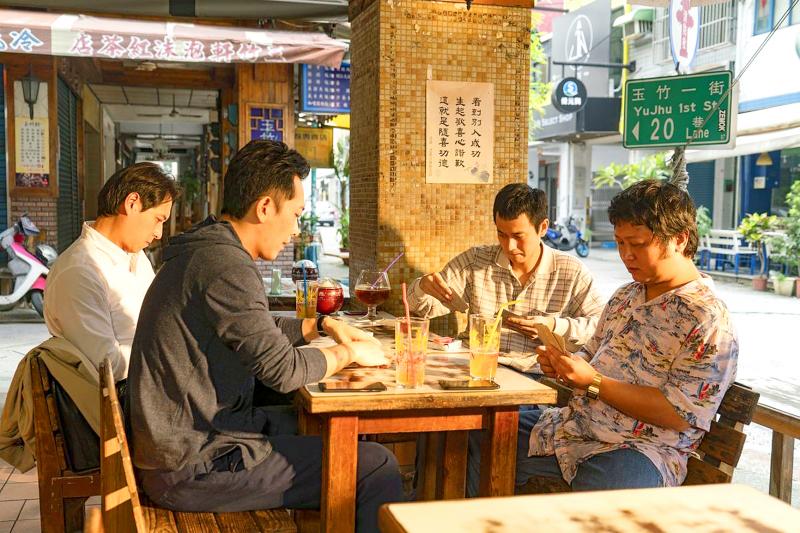
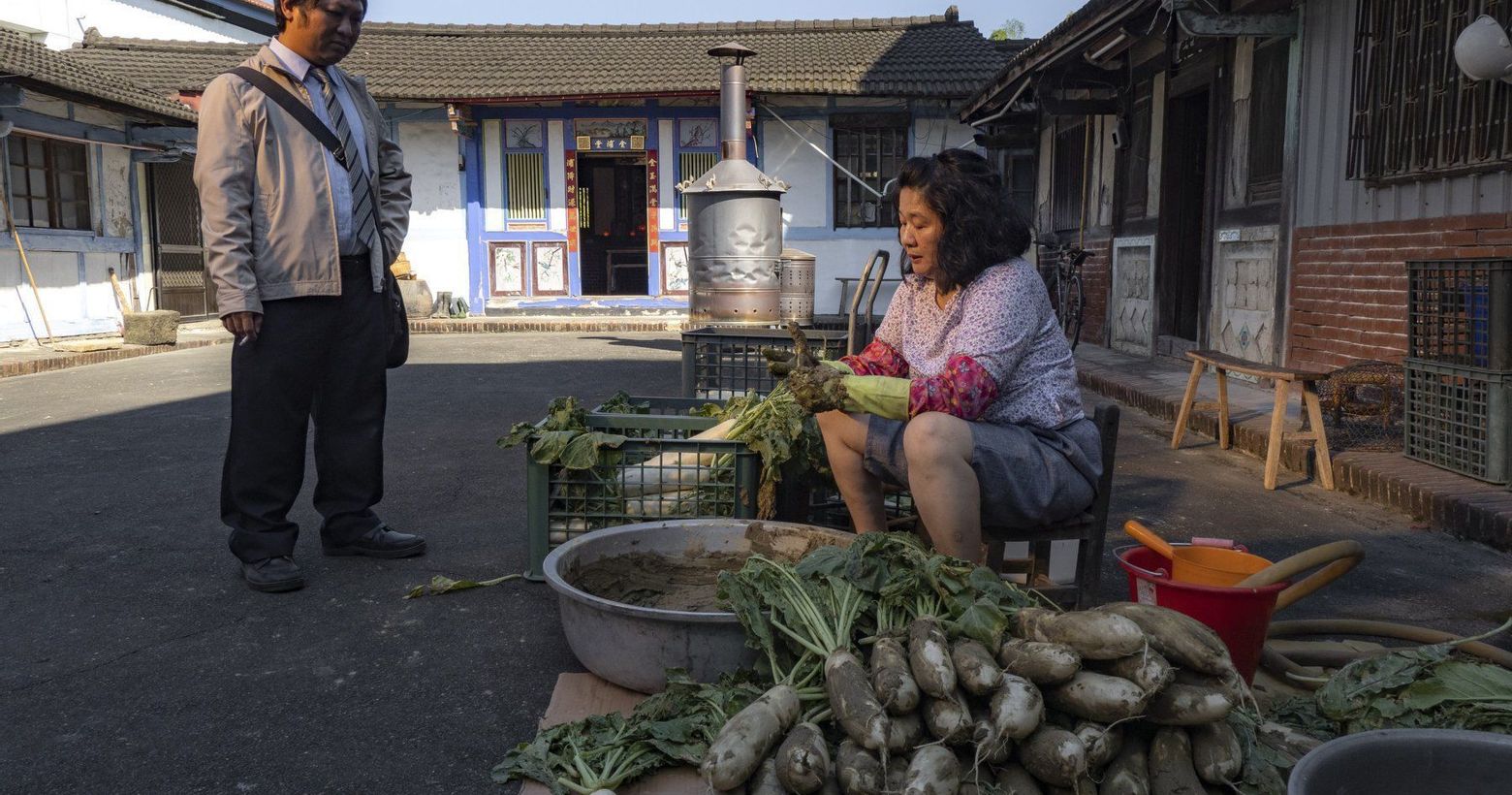
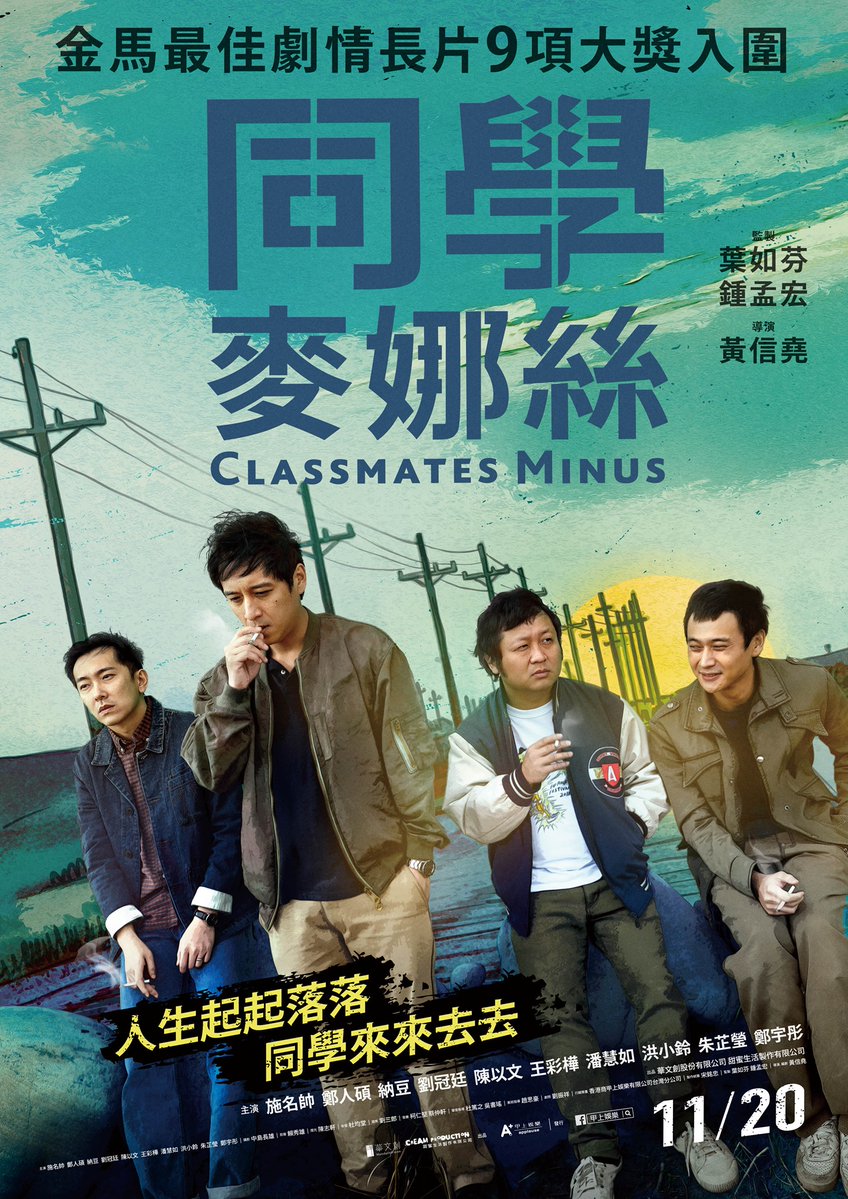
Reviews: Classmates Minus (同學麥娜絲). National identity and popular culture classrooms

Reviews: Classmates Minus (同學麥娜絲). National identity and popular culture classrooms. Netflix. This is a subsequent film from the director of The Great Buddha+ (大佛普拉斯). It is rare to have a film or tee vee show that can have me belly-laugh and cry uncontrollably at the same time. Related to my previous review of the recent Taiwanese soap opera Mad Doctor and Taiwan’s Public tee-vee – in this film, and in this director’s work, ordinary Taiwanese outside of colonialist Chinese Taipei are not props. In that choice alone this is a significant gesture towards a new, emerging Taiwanese identity. There is a broader idea about the nature of imperialism – whether it is British, American, or Chinese; whether it is about Taiwan University or Harvard graduates; income, how many houses owned, net worth, profession, gender, race, and ethnicity. Out of the diversity of imperialisms through time and across space, one shared trait is their default setting in categorizing everyone/everything else as-compared-to-the-idealized-imperialist. This is how we often get the “Oh look he is just an uneducated janitor but how nice he saved money to donate to the school kids just like a real human being/us” news stories.

What Classmates Minus reminded me of is how different the storytelling is when one engages subjects outside of the imperial core as they are, warts and all – with a good dose of wry humor, cleared-eyed, but full of love. Gentle and heartfelt enough to make me cry, as if these are my classmates. Humorous and sarcastic enough because life sucks, your friends are unreliable, your family problematic, but whatareyougonnado?

The older I get the more soothing it is to listen to characters who can speak fluent Taiwanese – I understand about ninety percent of it without subtitles. To my ears, Taiwanese is a more emotion-laden language than Mandarin, just as I have noted Taiwanese rock n’ roll songs are more powerful than Mandarin ones. For me, the attachment to this language I cannot speak fluently due to Chinese imperialism-invasion is in part remembering elders who are gone. Very interesting that during the last year of my Dad’s life, he stopped using Mandarin altogether – as if the illness and pain liberated him from the prison the Chinese refugees built for his professional-cultural life, as he faded he reclaimed his own ancestral language.

This film’s storytelling structure is something I want to go back and map out to think about. You cannot say it is disorganized, but it is not a conventional structure. A small sidenote: I have noticed Taiwanese films and tee-vee shows where political elections appear as background or subplots. I have often argued with my parents about Taiwanese temples and religious practices – they jump too quickly into the religion v superstition judgment; my point is humans fight to protect their family, property livelihood, and their Goddesses and Gods. Likewise, I think even though most of the portrayal of elections and democracy have been jaded, some are even cynical – it is the ritual and melded into the quotidian – as if it is family outings and annual holidays and temple festivals – that rootedness and ordinariness of democracy must be what most bother the Chinese communists and KMT. And finally, kudos for using one of the most brilliant Taiwanese indie bands, 濁水溪公社.

© Taiwan in World History 台灣與世界歷史. This site grants open access for educational and not-for-profit use. Maps and illustrations are borrowed under educational and not-for-profit fair use. If you are the rights holder and prefer not to have your work shared, please email TaiwanWorldHistory (at) Gmail (dot) com and the content will be removed.
Leave a comment

Filed under books and artifacts, Taiwan Republic, world history

Reviews. Let’s Talk About Chu 愛愛內含光 National identity and popular culture classrooms.

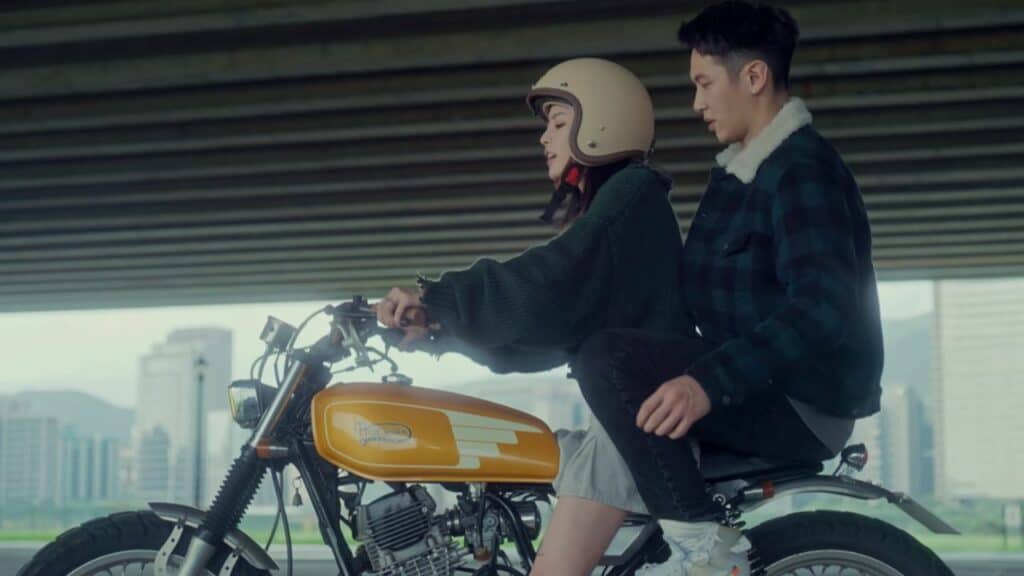
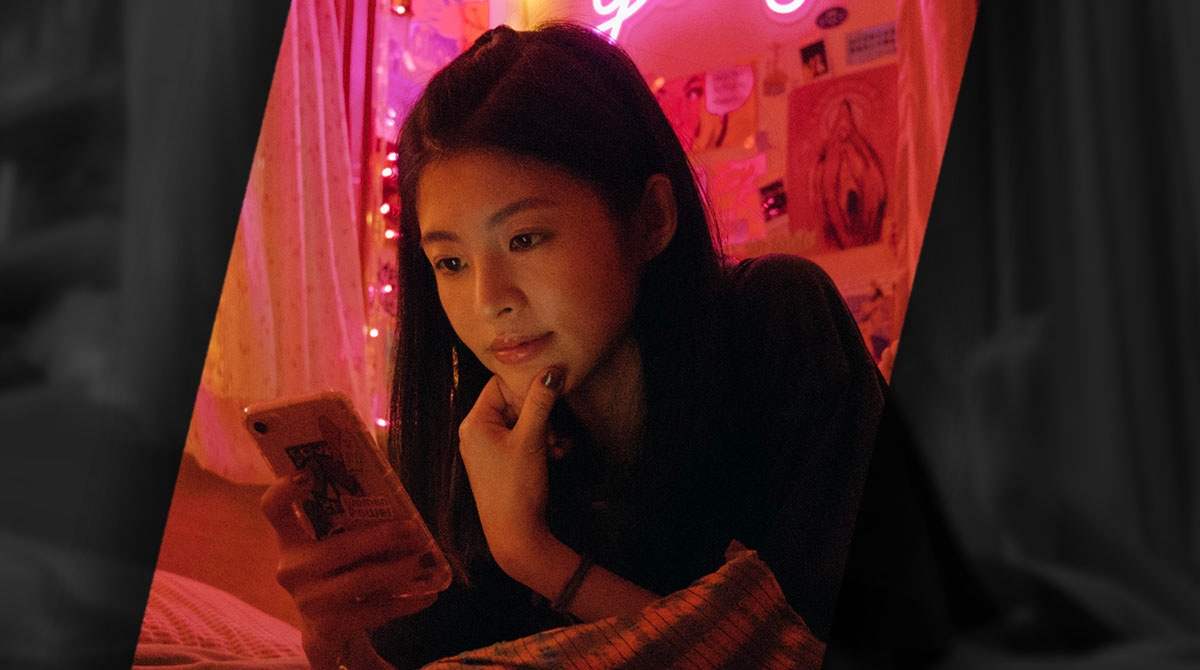
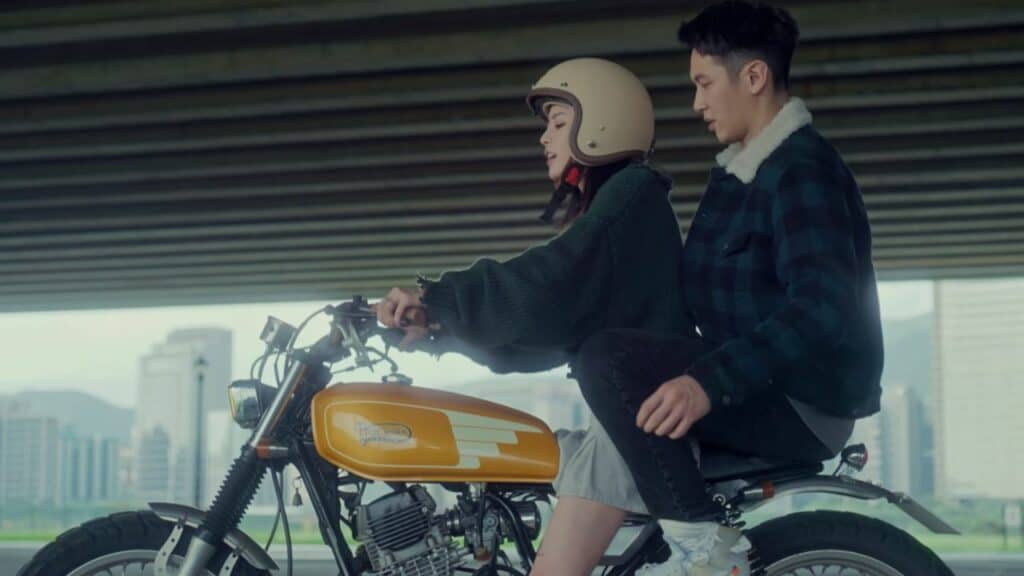
Reviews. Let’s Talk About Chu 愛愛內含光. National identity and popular culture classrooms. Netflix. A refreshing thing about Taiwan versus America is how difficult it is to get Taiwanese to mass panic about sexual or moral-ethical issues. It’s not that they are necessarily “progressive” or enlightened, but that in Taiwan you are more likely to get a shrug. As I watched this problematic show, I imagined what the tiresome “what about the children” reactions might have been on the east side of the Pacific. There are many things about Taiwan’s peculiar colonial history – colonized by the Chinese invaders since 1945 – and the impact on its educational-cultural means of production, that I am highly suspicious of. The politics of languages. How come the east side of Taipei gazillioaires never speak Taiwanese in these tee vee shows? For a show premised on the idea that its frankness about sex and sexuality is supposed to shock-provoke, that’s actually the most boring part of the show – but then I generally find film and tee-vee portrayal of sex either boring and/or unintentionally funny. So maybe that’s me and not them. Most of the sub-threads of this eight-episode show are contrived – the professor and his ex-student; the gay couple with the problematic portrayal of a descendant of a 1949er becoming a street hoodlum speaking not very good Taiwanese (my experience is that kids and grandkids of 1949ers who grew up in rural Taiwan speak more fluent Taiwanese than me and my cousins in Taipei ….) and so on. What made the show work for me are the superb lead actress Chan Tzu Hsuan (xoxo) and lead actor Kai Ko (oxox). Beyond their ability to keep my attention, ironically this relationship is the opposite of the shock-and-awe sex premise of the show. It’s a predictable, conventional love story. It’s about companionship, about genuine concern for one another, an ordinary, boring kind of love. And that’s OK by me. Love and relationships are predictable and boring because life is boring too. Like many recent Taiwan for Netflix shows this is a beautifully shot product – with a conventional but well-done soundtrack. Although in this mass media age, one inevitably notices copy-catting – lead actor with a motorcycle. Taiwanese directors now seem to love a particular bridge scene with the motorcycles at dusk. Rooftops, Taiwanese directors in the 2020s love rooftops for some reason. Maybe because at street level Taipei is such a mess. As contrived and silly as the show overall is, there were several moments during the eight episodes when lead actress Chan Tzu Hsuan’s facial expressions – when she thought she saw her father and his mistress in particular – that are super-duper. Minimal, heartbreaking, less is more. In all though, a broader issue not only for Taiwanese but for global artists to ponder. This is not the first time when a Taiwanese show launched bravely and then ended up with the socially acceptable happy endings – and maybe some of this is a human trait, but one wonders what part market pressure plays a role? These shows can be art, but they are primarily products – conventional capitalist markets are conventional – making unconventional products unprofitable. 18.2.2024

© Taiwan in World History 台灣與世界歷史. This site grants open access for educational and not-for-profit use. Maps and illustrations are borrowed under educational and not-for-profit fair use. If you are the rights holder and prefer not to have your work shared, please email TaiwanWorldHistory (at) Gmail (dot) com and the content will be removed.

Leave a comment

Filed under books and artifacts, Taiwan Republic

Reviews. The Great Buddha+ (大佛普拉斯). National identity and popular culture classrooms

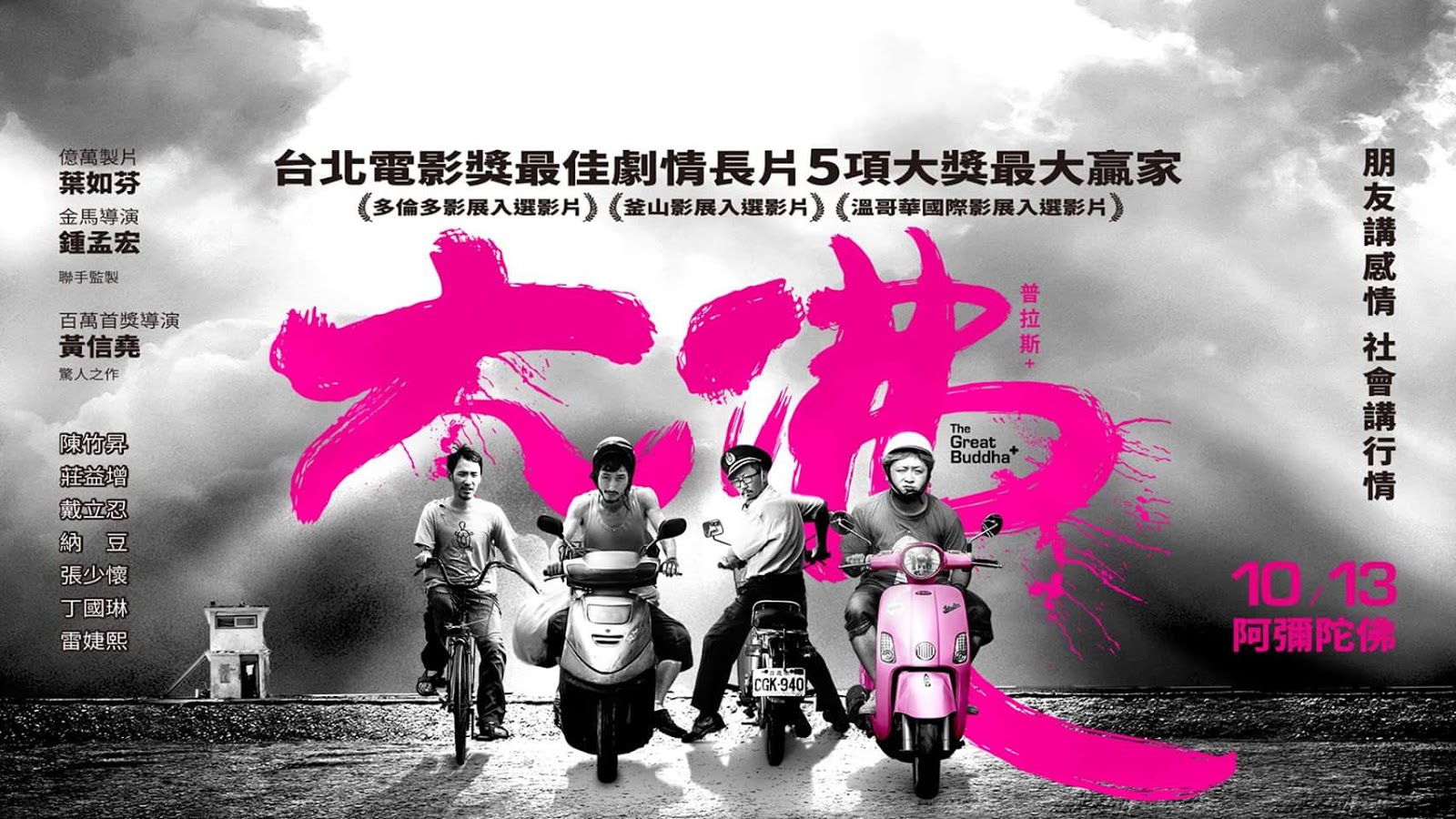
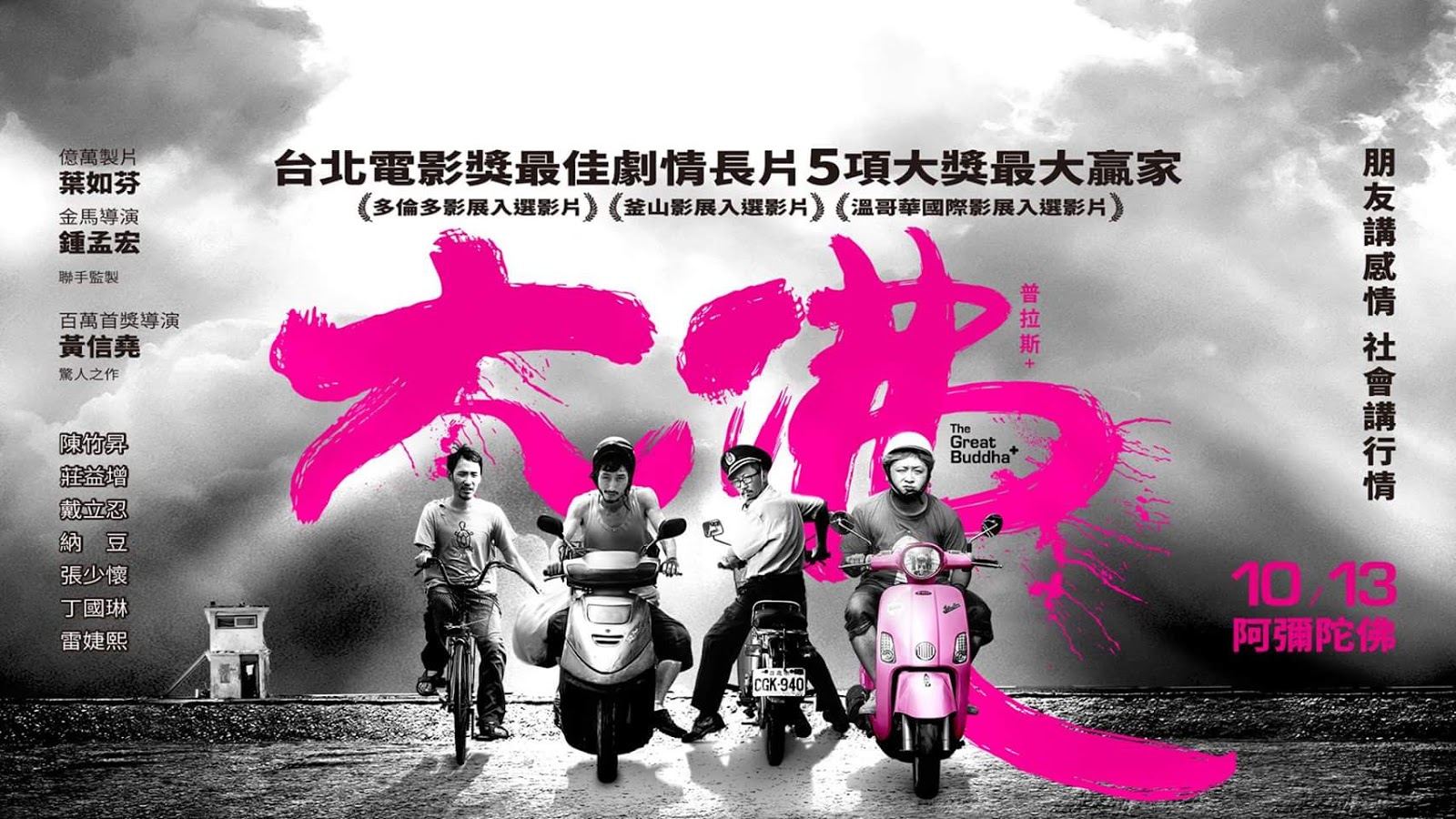
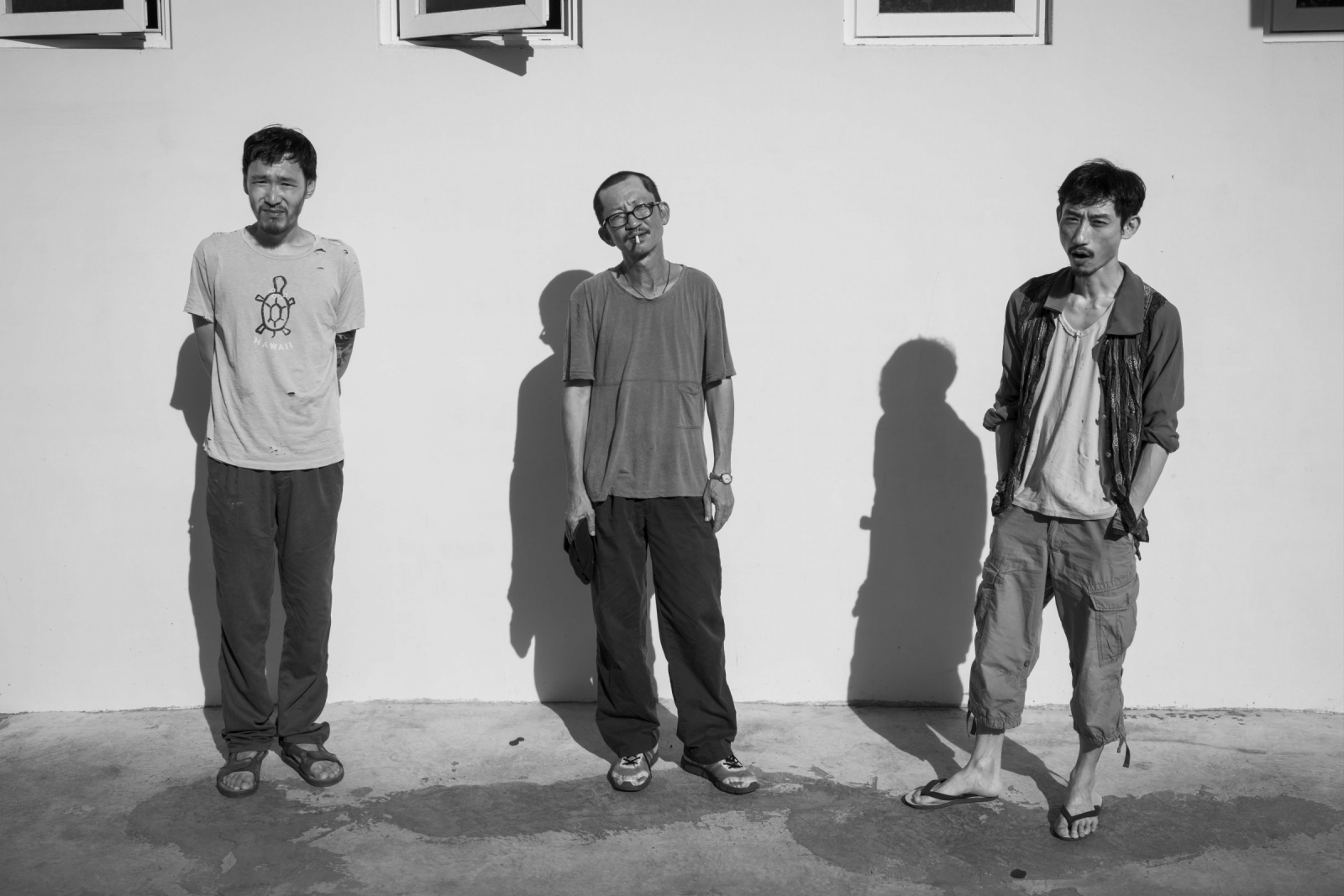
Reviews. The Great Buddha+ (大佛普拉斯). National identity and popular culture classrooms. This Taiwanese film is available on Amazon Prime, which is quite a breakthrough for those of us who are permanent foreign exchange students. And for a grumpy elderly monkey who grew up used to a letter taking 7-10 days to cross the Pacific, mind-boggling. I waited so long to watch it because too many people talked about it too often. I waited too, because I knew it would depress me in deep and complicated ways. I watched it alone on purpose. I cried. Often. I stopped several times to gather myself. As a former Taipei resident, taught-brainwashed by the Chinese occupiers to detest my own kinfolks, the rural southern Taiwan depicted is alien and super familiar at once — foreigner in one’s own land kind of stuff — all subjects of foreign colonial occupation would have some version of this out of the body experience. While the invading Chinese refugees stripped my native language, culture, memory, and identity during my childhood, the world depicted in this film is the parallel universe the Chinese colonialists exploited and demeaned — this is where they grabbed conscripts for their stupid civil war, this is where they exploited the cheap labor to benefit their parasitic party-state. And now, decades after their military dictatorship formally collapsed, the sociological, cultural, economic, and political legacies remain — a poisoned well, no way forward, no way back. The rural Taiwanese character sketches are familiar from my ancestral village of Neihu, now an urban Taipei suburb but during my childhood a transitional rural light industry village; and my mother’s central Taiwan home of Chang-Hwa. Even after all of these decades I could smell the dust, heavy metal, rice paddies, animals, cooking, diesel fuel …. and hear the sounds, scooters to mini farm tractors (“metal water buffalos”) and factories and food vendors and animals. I enjoyed the banter in Taiwanese — basically impossible to hear in Taipei nowadays — though it reminded me how poorly I speak Taiwanese, the fluent, natural, beautiful language of our ancestors, the language of this soil. As it has been for decades, even in one film the language of the invaders speaks to education/class/wealth, while the language of the occupied is the language of the homeless and impoverished and powerless. yes, I enjoyed the temple dedicated to the bloodthirsty invader Chiang Kai-shek, and the scene alluding to the many multinational Buddhist-ish cults based in Taiwan. The passive-aggressive full of Buddhist kindness art critique of the great big Buddhist statue was delightful as it depicted at once the hypocrisy of the Taiwan elites, and every childhood conversation one has ever had with one’s elders. The swearing in Taiwanese throughout made me so proud and happy — just beautiful. I wish more Taiwanese would learn to righteously swear at our colonial occupiers in our beautiful ancestral tongue. The beautiful memorable parts of this film are the inconsequential details — conversations, silence, framing of scenes, detailing essential truths about what life for the most vulnerable in Taiwan is like under Chinese KMT occupation. And as I thought about it, it is also an op-ed about how these awful realities have not changed since the supposedly Taiwanese party DPP has taken over — rather than a genuinely Taiwanese renaissance, a much-needed decolonization, cleansing, and a national rebirth, what we have now is a new crop of Taiwanese politicians ruling by following the underlying corrupt, elitist, exploitative logic and habits of the Chinese refugees-invaders. What to do about this? …. Well, I did say I avoided the film knowing it would be deeply and personally depressing right. I don’t know. I am at a loss myself. 22.9.2018

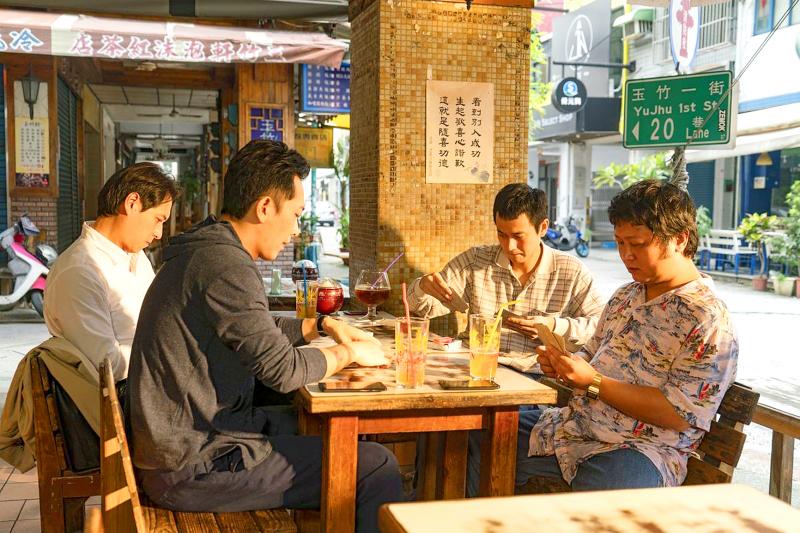
Reviews. The Great Buddha+ (大佛普拉斯) [Netflix] It is difficult making a film about human beings on the margin of society – or about the inhumanity of modern capitalism – while being hilariously funny, and deeply sad, and humane, and thoughtful, without veering into melodrama, sentimentalism, hope-casting, cynicism, or worse, becoming preachy. The is a beautifully constructed film – on some level even on multiple viewings it feels like being hit by a sledgehammer – yet it is also gentle and beautiful at once. As always with this director, the Taiwanese spoken throughout is lovely, and the musicians chosen for the soundtrack are superb. He’s got this thing about religious and political – modern democratic – pieties, and he expresses the critiques of elite hypocrisy in the sharpest and funniest ways. Usually, I hate crying during films and tee-vee shows – this film has the unusual achievement of making me cry and belly laugh at the same time. The death of one of the main characters was rendered in such a beautiful way – full of commentary yet with such humor, love, and respect. And the gaps between the religious and secular-democratic pieties versus how they actually behave – the passive-aggressive arguing over the overly large statue of the Buddha; and the campaign posters sheltering a near homeless family from the rain. And maybe too, the brilliance with this director is in the discipline to not propose quick fixes, or even to have a conventional ending to his stories. Life is full of good and bad – friendship and love, injustice and exploitation – and how many of us leave this earth all that different than the poor fella with the chalk outline around his corpse? Another gift of this director I think, which I noted in a review of his other film, is in respecting his characters – people on the margin – enough to not sentimentalize or idealize them. A wonderful, beautiful, funny, terribly sad film. Just like life itself. 22.2.2024

© Taiwan in World History 台灣與世界歷史. This site grants open access for educational and not-for-profit use. Maps and illustrations are borrowed under educational and not-for-profit fair use. If you are the rights holder and prefer not to have your work shared, please email TaiwanWorldHistory (at) Gmail (dot) com and the content will be removed.
Leave a comment

Filed under books and artifacts, Taiwan Republic

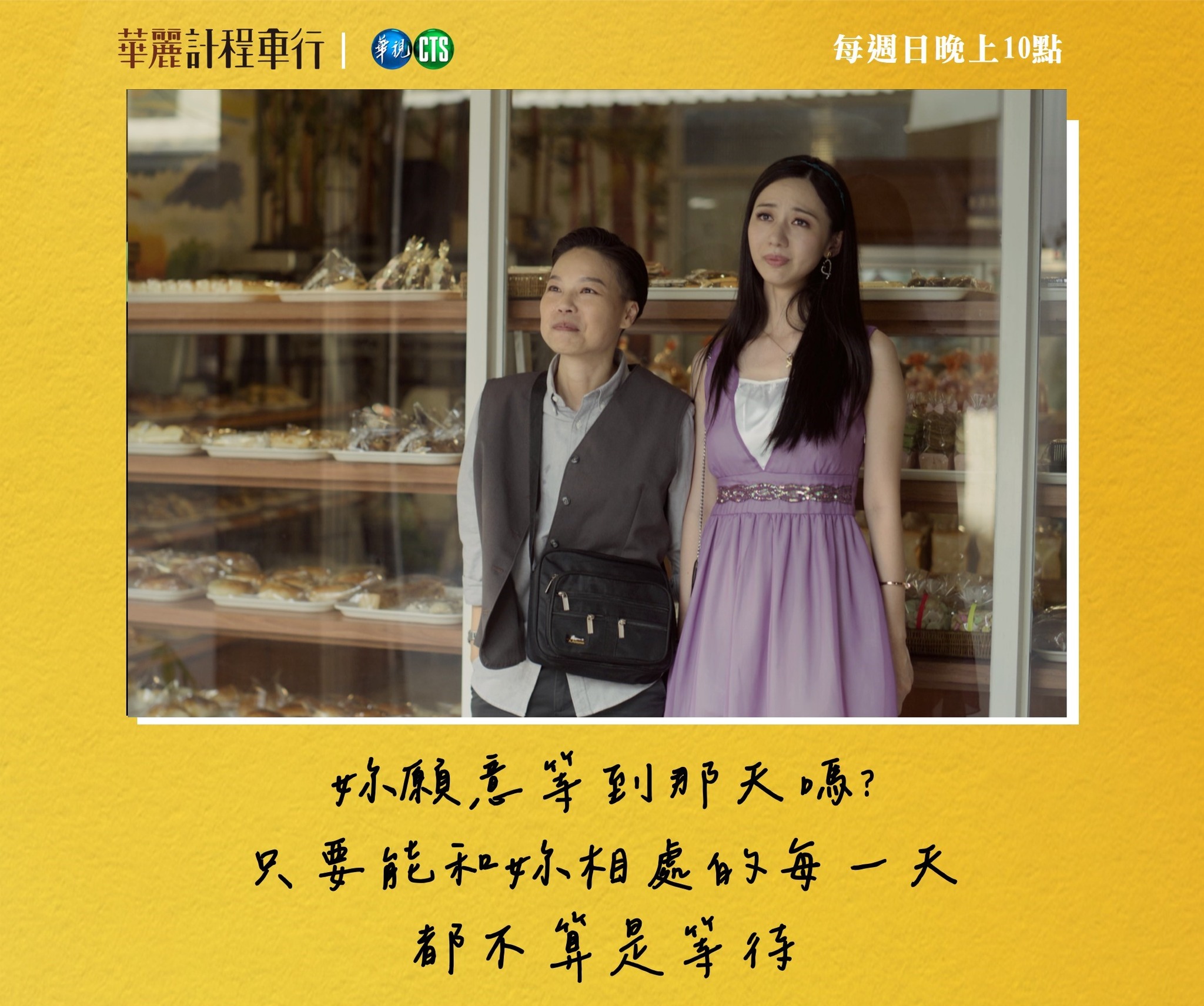
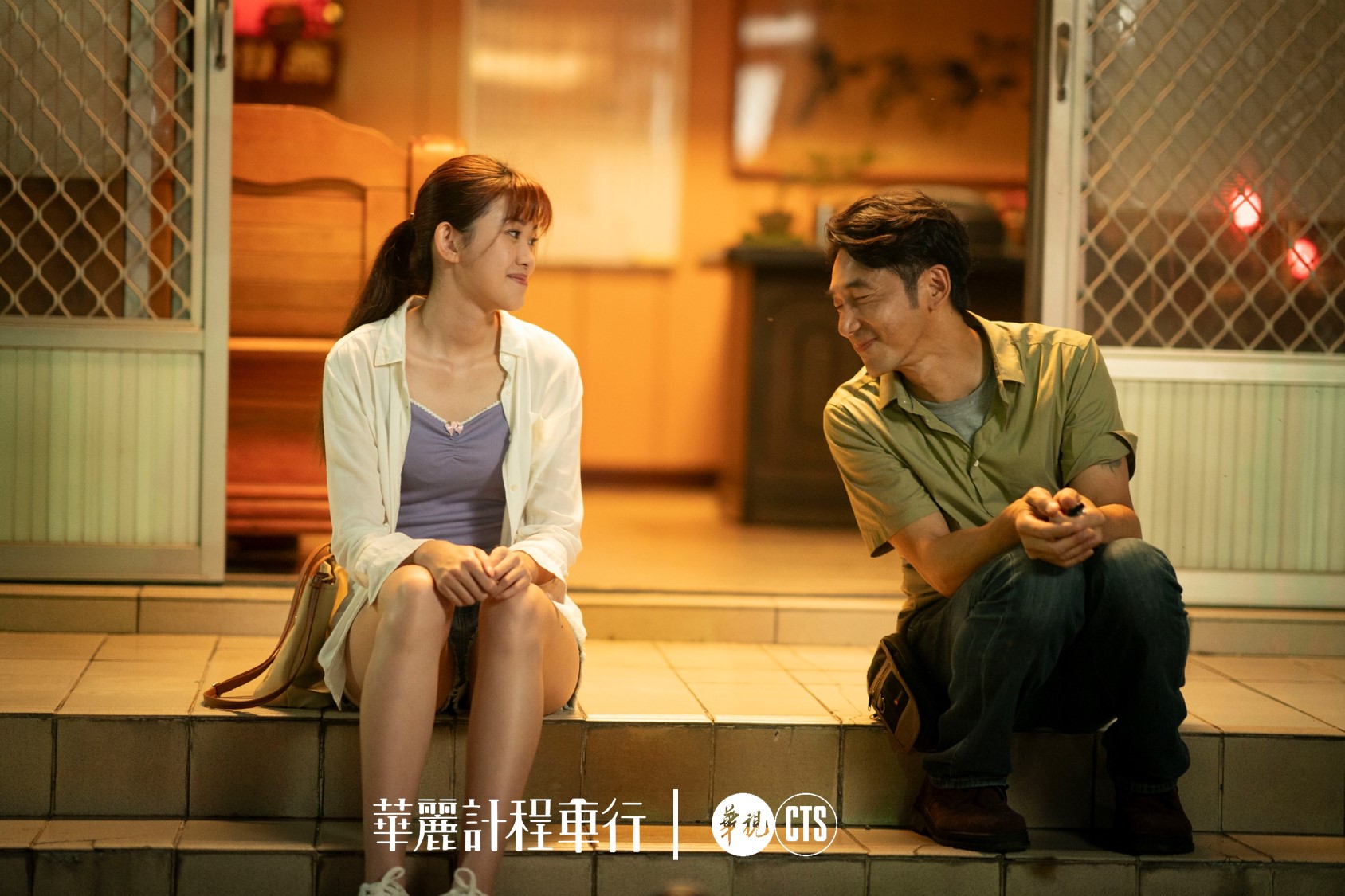
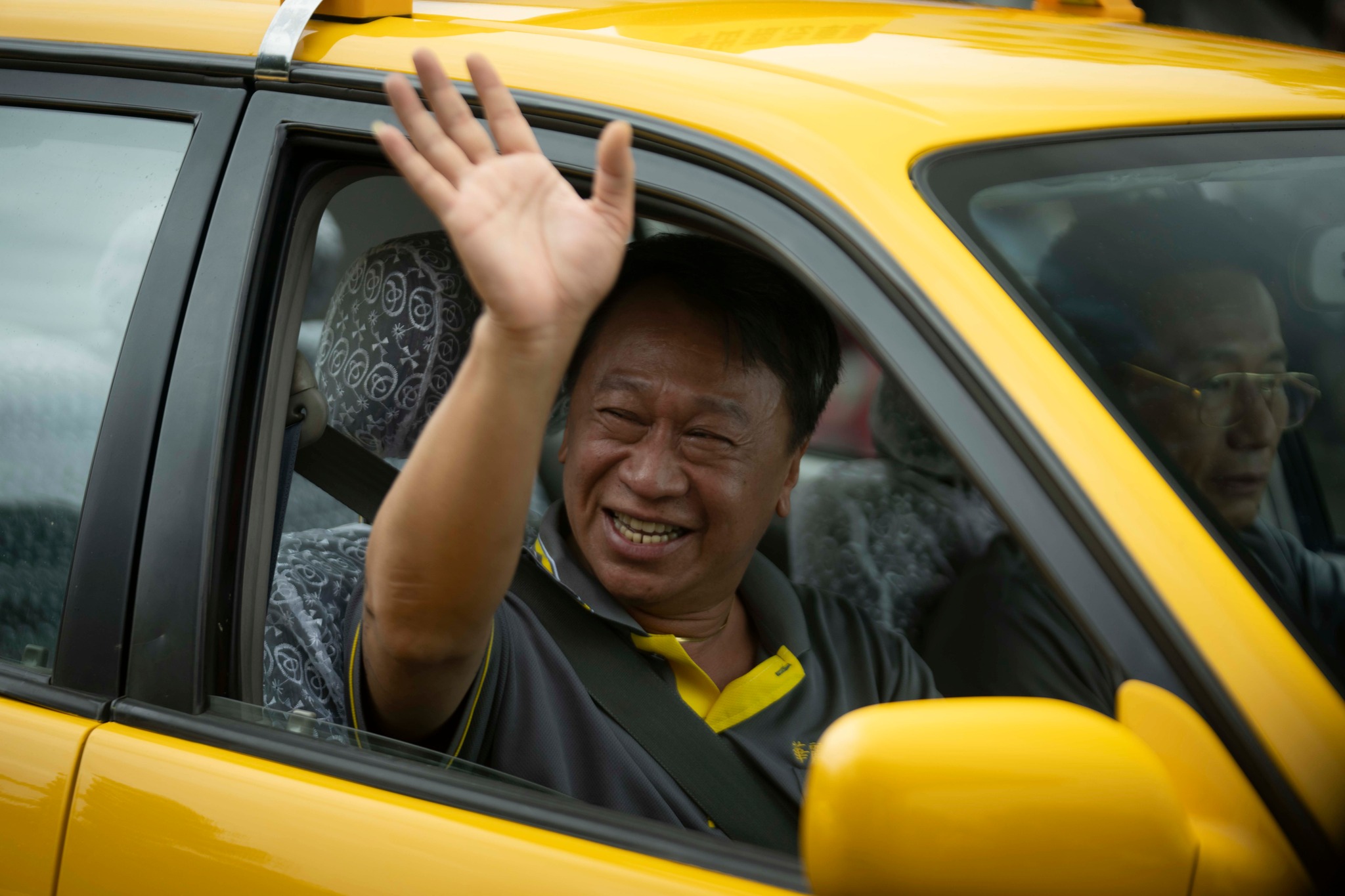
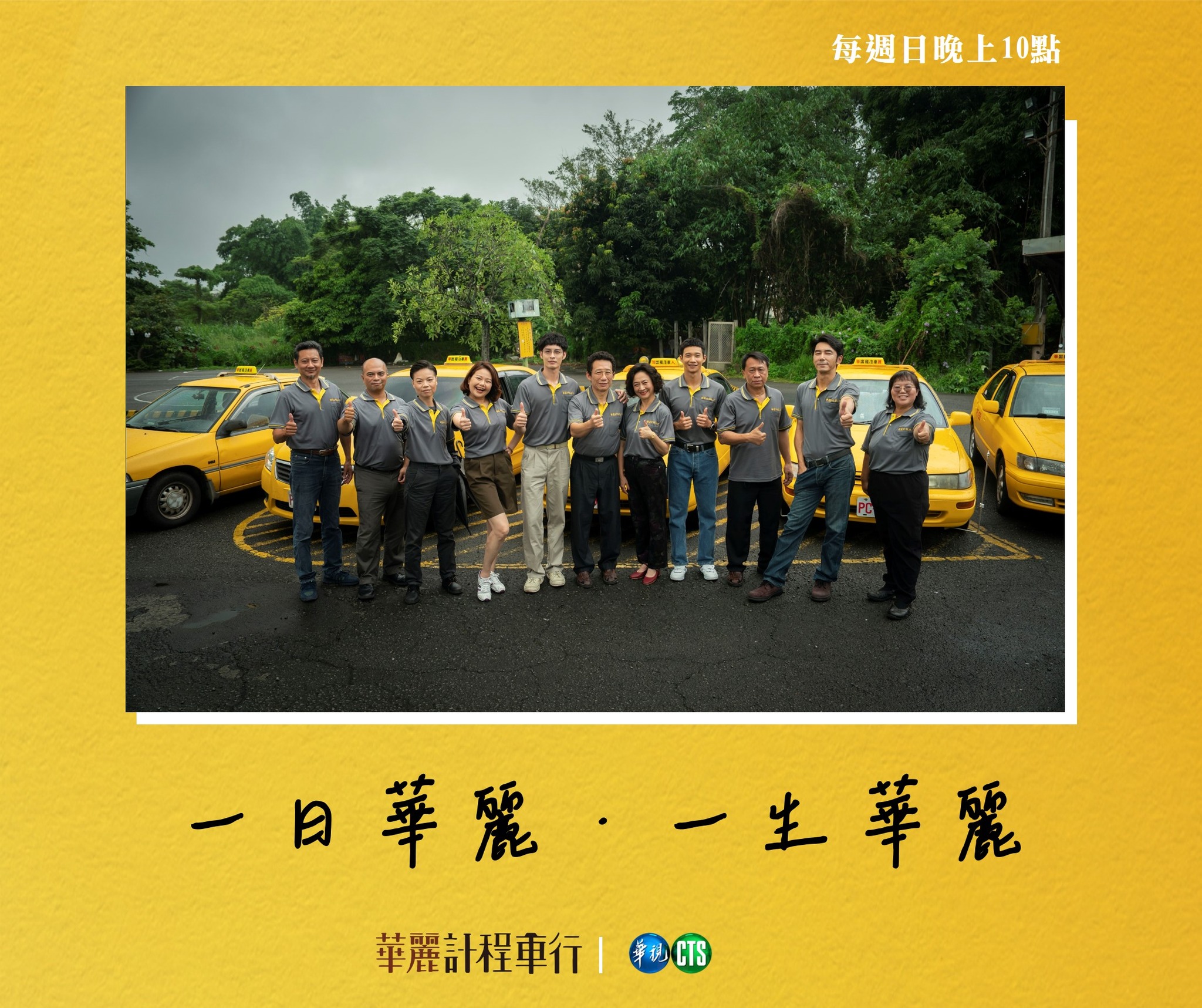
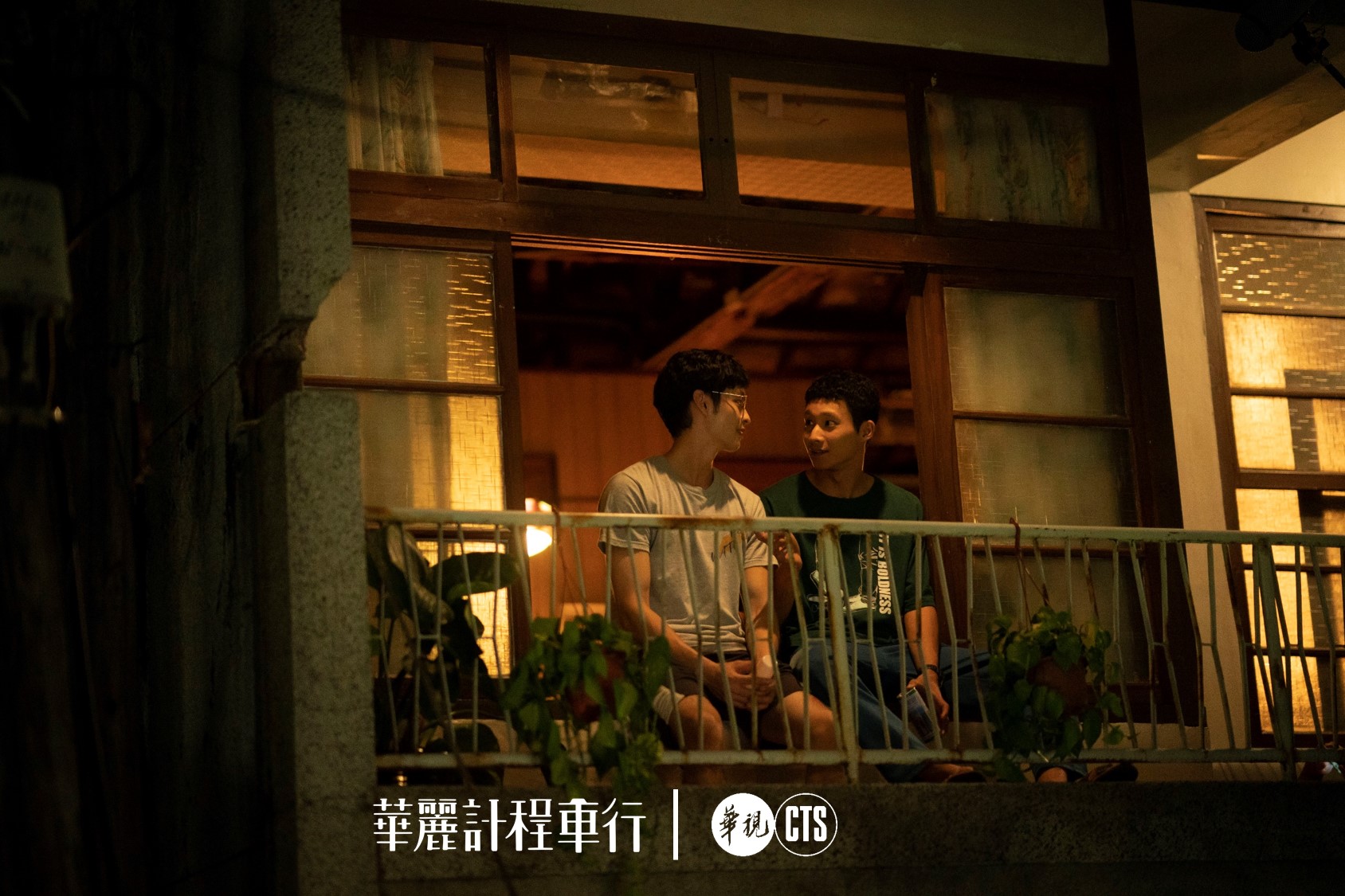
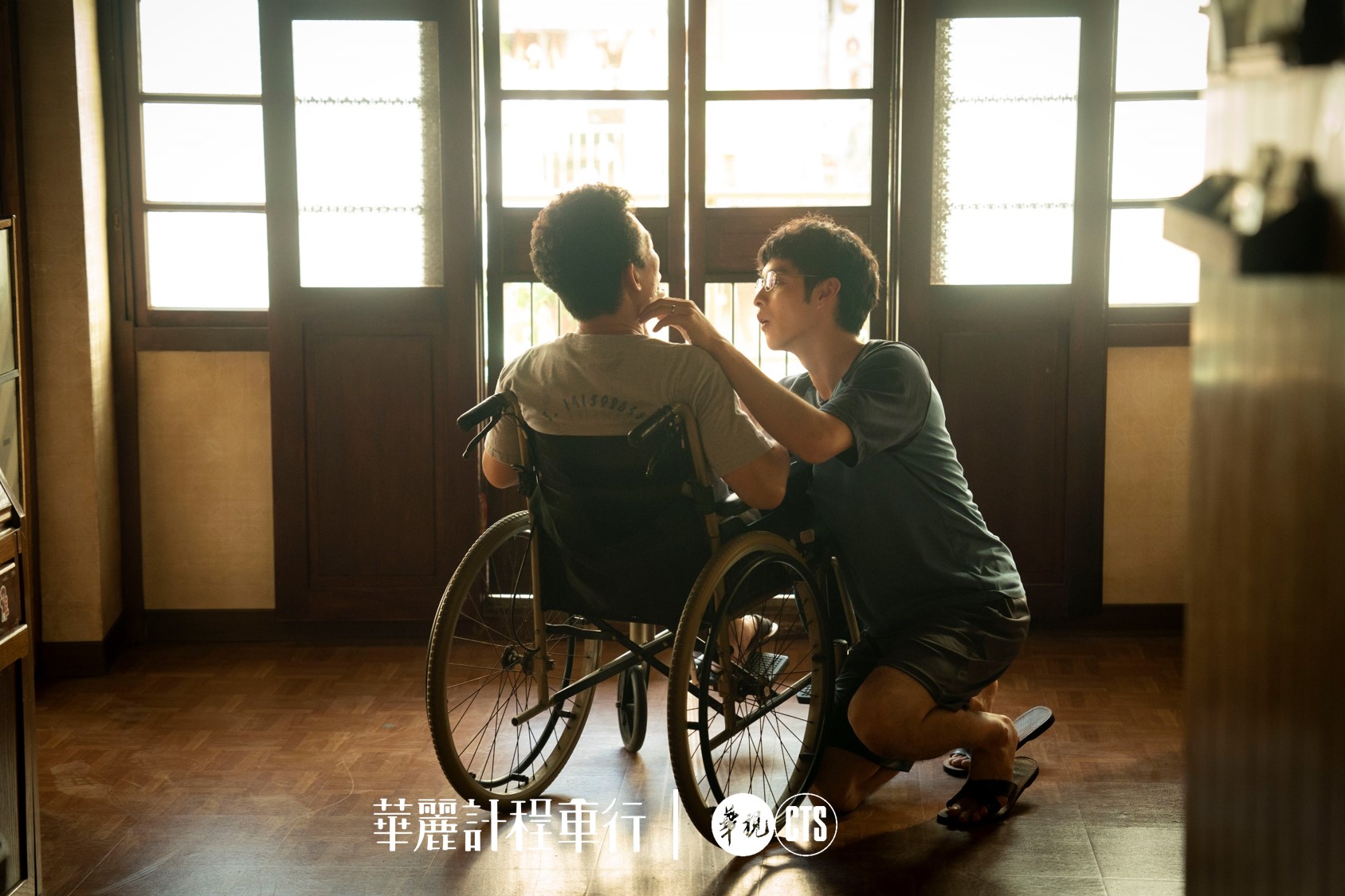
Reviews. 華麗計程車行 A Wonderful Journey

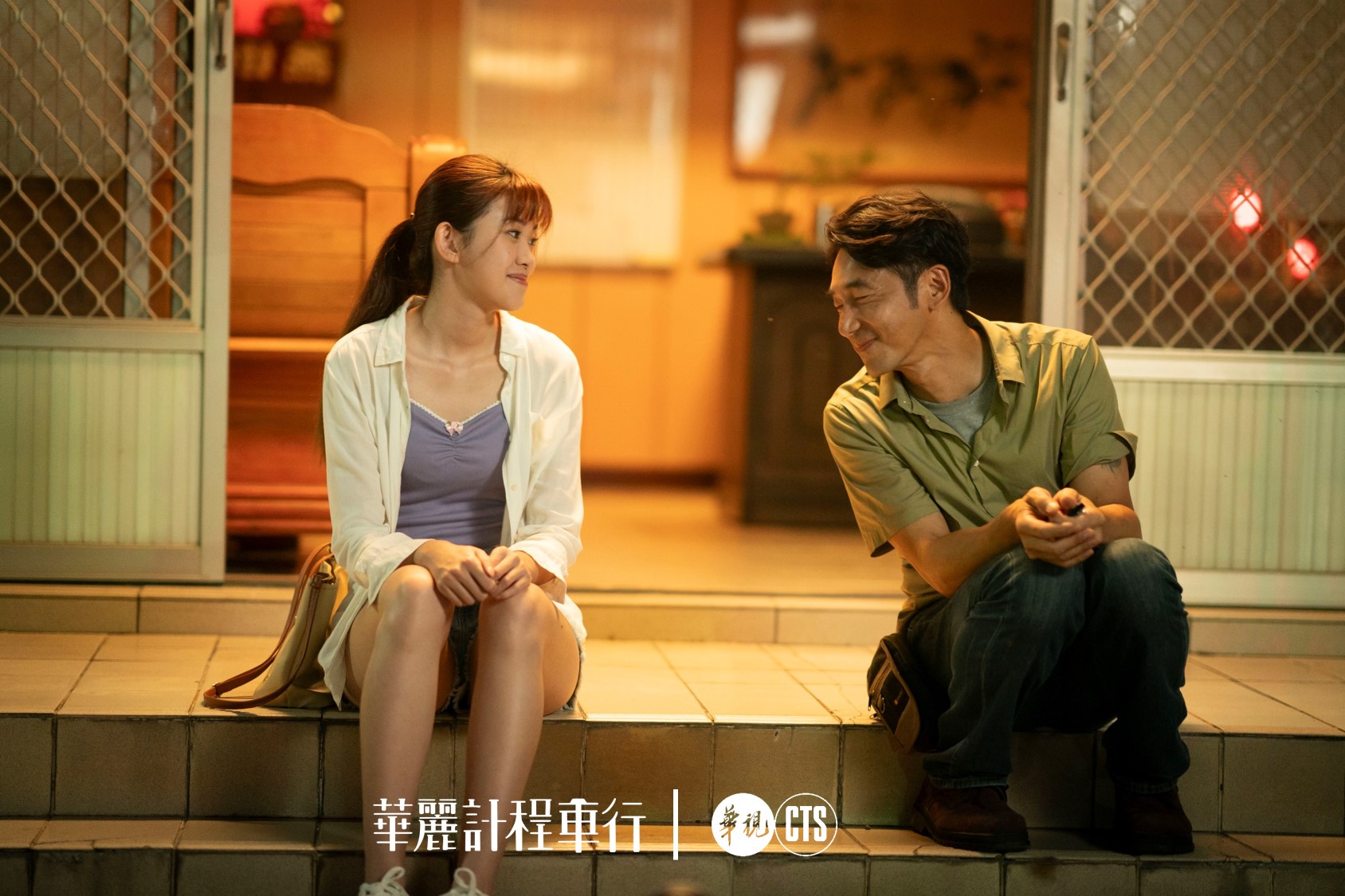
National identity and popular culture classrooms. Reviews. 華麗計程車行 A Wonderful Journey, [Netflix]. Ten episodes is a wonderful disciplining tool for storytelling. This Taiwanese tee vee show – based in the historic southern Taiwanese city of Chiayi, the third such Taiwanese show in recent months – is based on a small Taiwanese family-run taxi company. Part coming of age, part that slice of modern Taiwanese history, part about Taiwan outside of Chinese Taipei colonialist core, part sketches of rural, small town, paycheck-to-paycheck working folks. Impossible to not compare a sentimental show like this to the gold standard, 俗女養成記 The Making of an Ordinary Woman. Ordinary Woman was a near-perfect show, Wonderful Journey is weaker – though compared with what one might ordinarily find on US and Taiwanese channels and Netflix, it is an above-average show. While Ordinary Woman tightly organized the storylines around the lead character and her family, what surprised me the most about Wonderful Journey is in how the stories about the protagonist/narrator, family, and taxi company – though not unimportant, were not as impressive as the middling/later episodes which individually sketched the ”side” characters. Most moving and memorable are the two episodes focusing on the driver instructor/mechanic and his budding relationship with a KTV/bar lady – and the episode describing the death of the narrator’s dad’s best friend/long-time taxi driver – just those two episodes cost me several bags of Kleenex. These episodes reminded me of the stories from the Taiwanese film Buddha+ — empathetic, stylized, a clear-eyed look at the Taiwanese working poor – and how the meaning and dignity of life were represented by different characters. As with many of these shows, some of the best moments were the mini sketches between characters – the two brothers, and the taxi drivers, reminiscent of the scenes of Buddha Minus where old friends played cards and chatted. Returning to the comparisons between Wonderful Journey and Ordinary Woman – Wonderful Journey is not nearly as funny, or moving, or ‘real’ – some of the dialogue struck me as stiff and unlikely to be spoken in the real world. While both shows are heartfelt and earnest, Wonderful Journey often fell into sentimentalism-sap – whereas the imperfection of life and the need to still get up each morning even though life sucks was shown by Ordinary Woman in a funny, creative, non-cynical way. Too often as lesser shows lean on – Wonderful Journey resorted to speech-making instead of trusting the audience to understand the complexities of what these characters are enduring. This is particularly so for the conventional rainbow unicorn all lose ends tied up final episode – as my old writing mentors repeated, show don’t tell. It is impossible for me to not return to the politics of languages and national identity in these Taiwanese shows. When the China KMT colonized Taiwan in 1945 and fled to Taiwan in 1949, the Mandarin they brought became the “national language” and the many languages spoken by residents of Taiwan became “dialects.” One of the many consequences of this foreign-imposed, dictatorship maintenance language policy is a still in-practice conceptual categorization of Taiwan’s popular cultural world – whereas American musicians are pigeonholed into genres/categories, Taiwanese singers and actors and shows are categorized (and valued/devalued) on the basis of languages. Ordinary Woman was extraordinary and unusual as a Taiwanese show in that it successfully challenged the language rules created by the Chinese colonialists – wherein either a show is a “national language show,” or it is a “Taiwanese dialect show,” – an extraordinary amount of beautiful Taiwanese was spoken in Ordinary Woman without one feeling as if it was an overcorrection, whereas Mandarin made appearances when it was natural. Wonderful Journey tried to straddle the politics of languages-national identity – the choice of a not-very inspiring Mandarin ballad as an opening theme song, where how languages of this period in that locality are not as nearly thoughtfully crafted. And this part perhaps is simply the budget. Unlike the long-running Taiwanese soap Uncle, also located in Chiayi, it is kind of remarkable to have a show located in Chiayi with taxi cabs as the main theme and to see/know so little of this important southern Taiwanese city. 15.4.2024

© Taiwan in World History 台灣與世界歷史. This site grants open access for educational and not-for-profit use. Maps and illustrations are borrowed under educational and not-for-profit fair use. If you are the rights holder and prefer not to have your work shared, please email TaiwanWorldHistory (at) Gmail (dot) com and the content will be removed.
Leave a comment

Filed under books and artifacts

Taiwan’s 2022 local elections and this emerging Taiwanese national identity: Taiwan dispatch, world history,  and Taiwan Republic 台灣国 classrooms

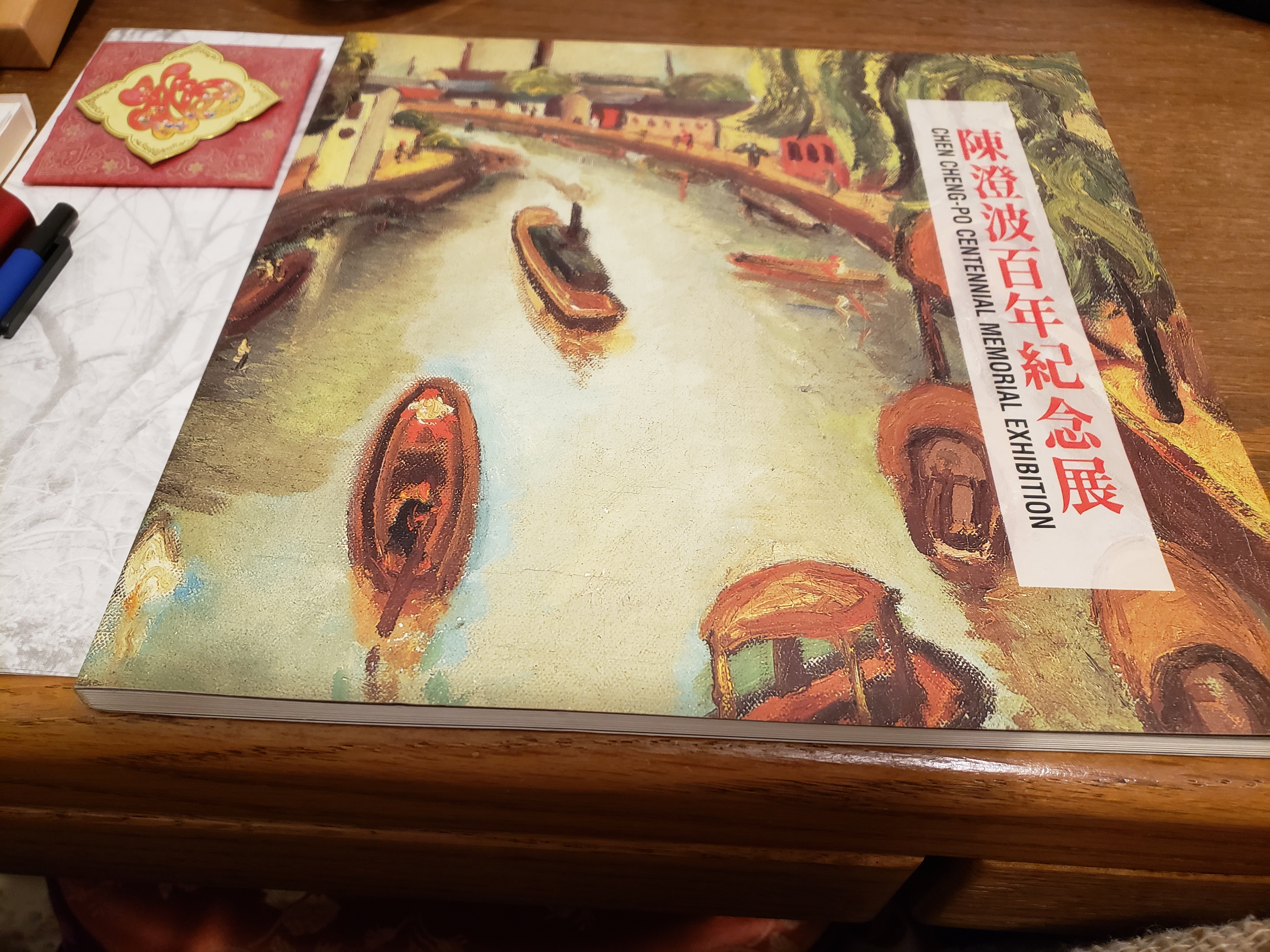
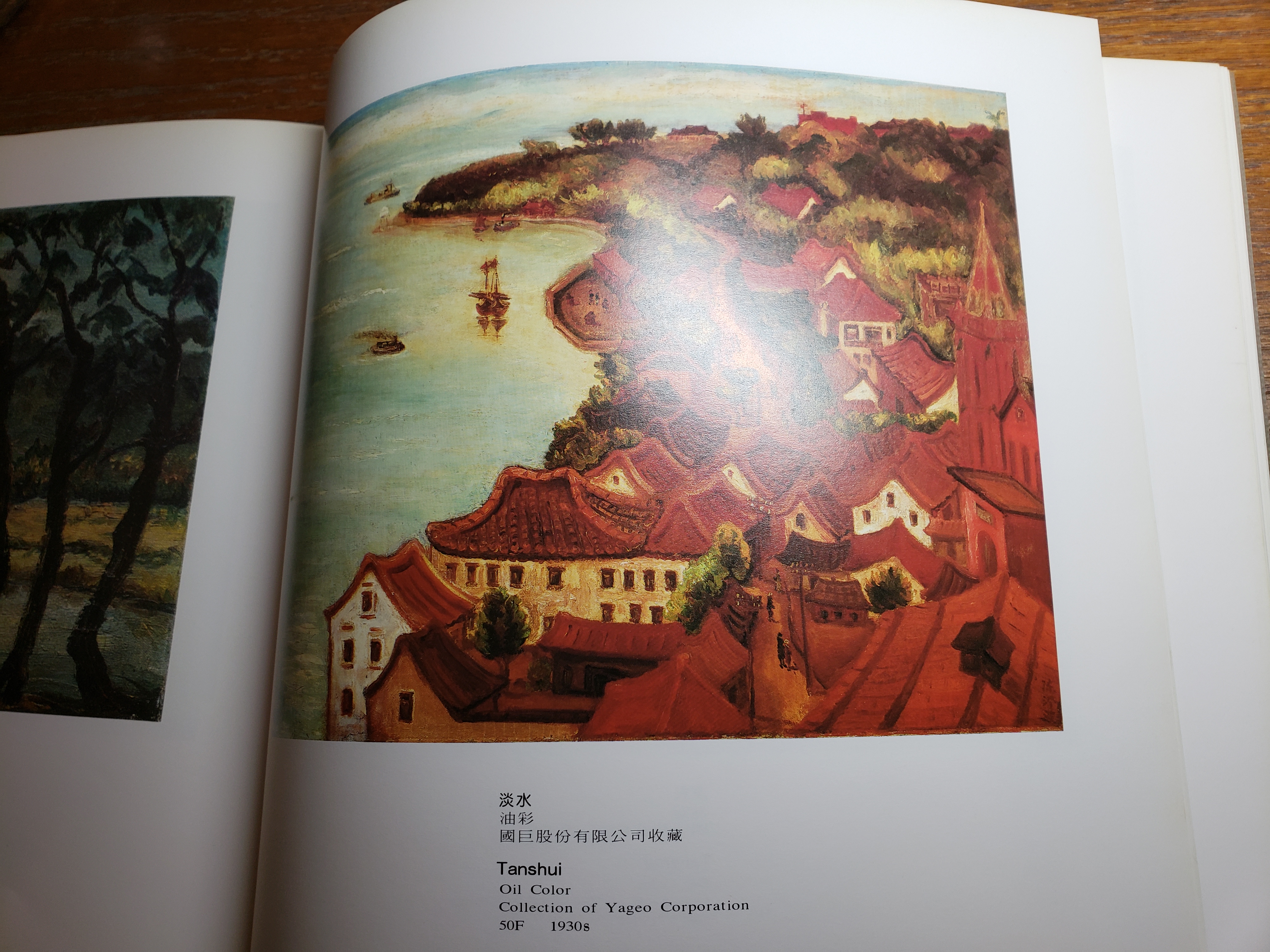
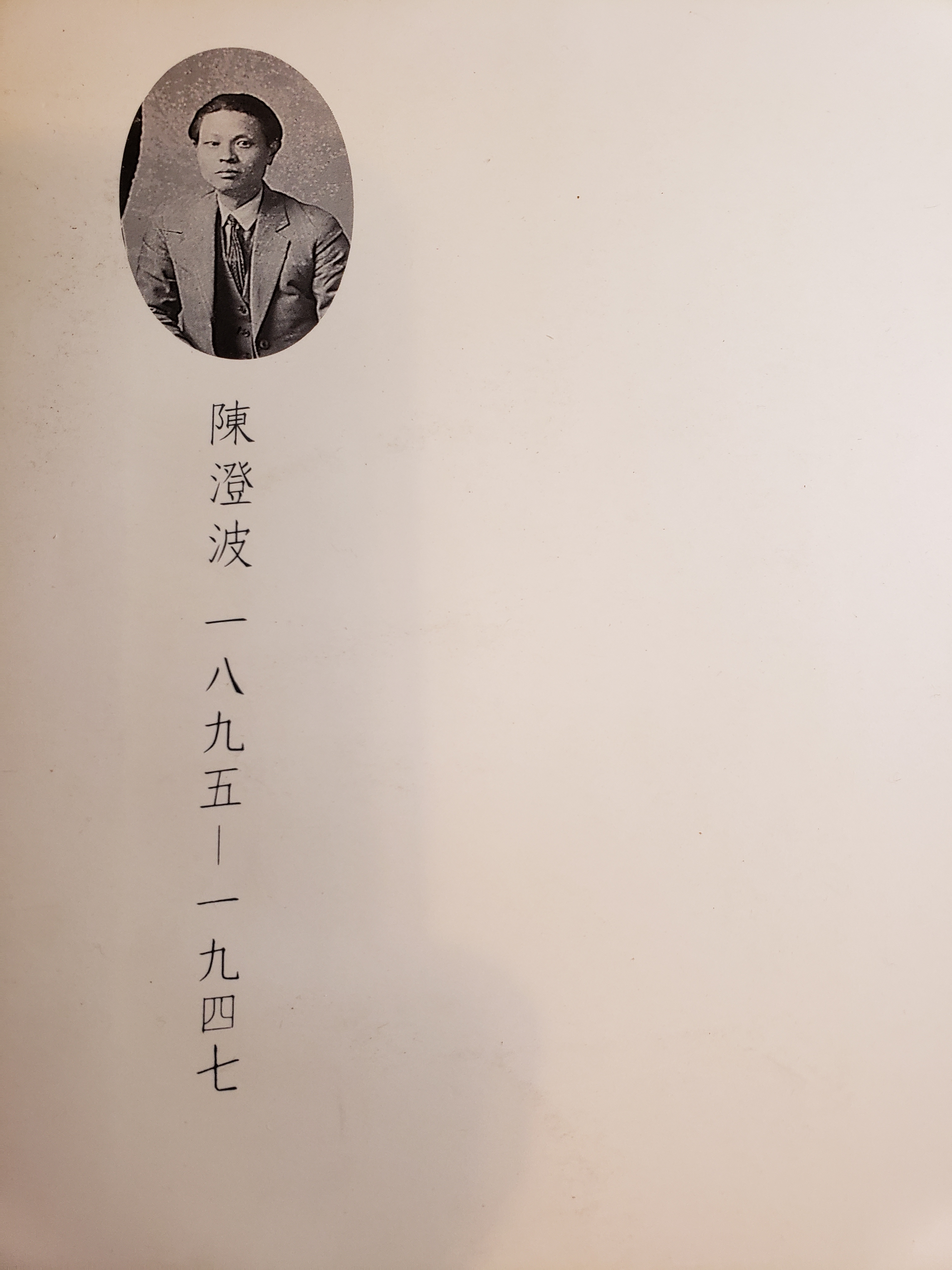
Taiwan Republic dispatch. No one likes losing elections, and I am hyperpartisan when it comes to Taiwanese politics. I do, however, take a world history perspective on the wins and losses — that is, what is the larger, general direction. This is why I turned off the news after last evening’s losses and read this book on Taiwanese artist Chen Cheng-po, educated by the Japanese, murdered by the invading China KMT — his mangled corpse left at Chiayi town square, family members unable to retrieve it, as a show of force for the Chinese invaders. Many of his pieces I love, his painting on Tamsui, one of my favorite northern Taiwan places, is my favorite — it populates my computer background, class slides, and phone screen savers.

It has taken centuries of struggle by Taiwanese forbearers, against enemies foreign and domestic, to get Taiwan Republic to this point of democracy and human rights — and it will be centuries more of tears and sweat to preserve and improve Taiwanese democratic statehood. Human beings always wish for an easier path, I include myself in that camp — so yes we all wish for a “final” victory, a moment when we can all breathe a sigh of relief that the Chinese in China and the Chinese in Taiwan and the western imperialist powers will all leave Taiwanese democracy alone. Not without centuries more of difficult fighting and sacrificing — of using Taiwanese art and literature, anime and manga, food and street fairs, films and documentaries, songs and poems — just as Mr. Chen did here, to put into earthly forms expressions and explanations of this Taiwanese nation that we love. For that love, he was murdered by the Chinese invaders.

Given the level of political polarization, I am proud of the relative normalness of it all — for a relatively young democracy, little violence, losers conceded, and the democratically elected president resigned as chair of her party to take responsibility. I walked around the streets of Taipei last evening, MRT and shops buzzing, citizens going about their business – they voted, some obsess over results, life goes on as it must in a democracy. We can always rely on some western imperialist press and academics to produce bad takes — local electoral victories in Taiwan as a sign of warm feelings for the Chinese communists, implications for the rising tension, etc. I suggest studying the ruling DPP’s massive defeats in the 2018 local elections and then pondering what happened in 2020 as a way to frame what is going on in Taiwan. Our Taiwanese elders fought the Chinese to have this democracy, preserving democratic sovereignty no matter who wins any particular election is the most important reason for the struggles. Without democracy and domestic peace, Taiwanese nationalism would be pointless. 27.11.2022

© Taiwan in World History 台灣與世界歷史. This site grants open access for educational and not-for-profit use. Maps and illustrations are borrowed under educational and not-for-profit fair use. If you are the rights holder and prefer not to have your work shared, please email TaiwanWorldHistory (at) Gmail (dot) com and the content will be removed.
Leave a comment

Filed under books and artifacts, Taiwan Republic

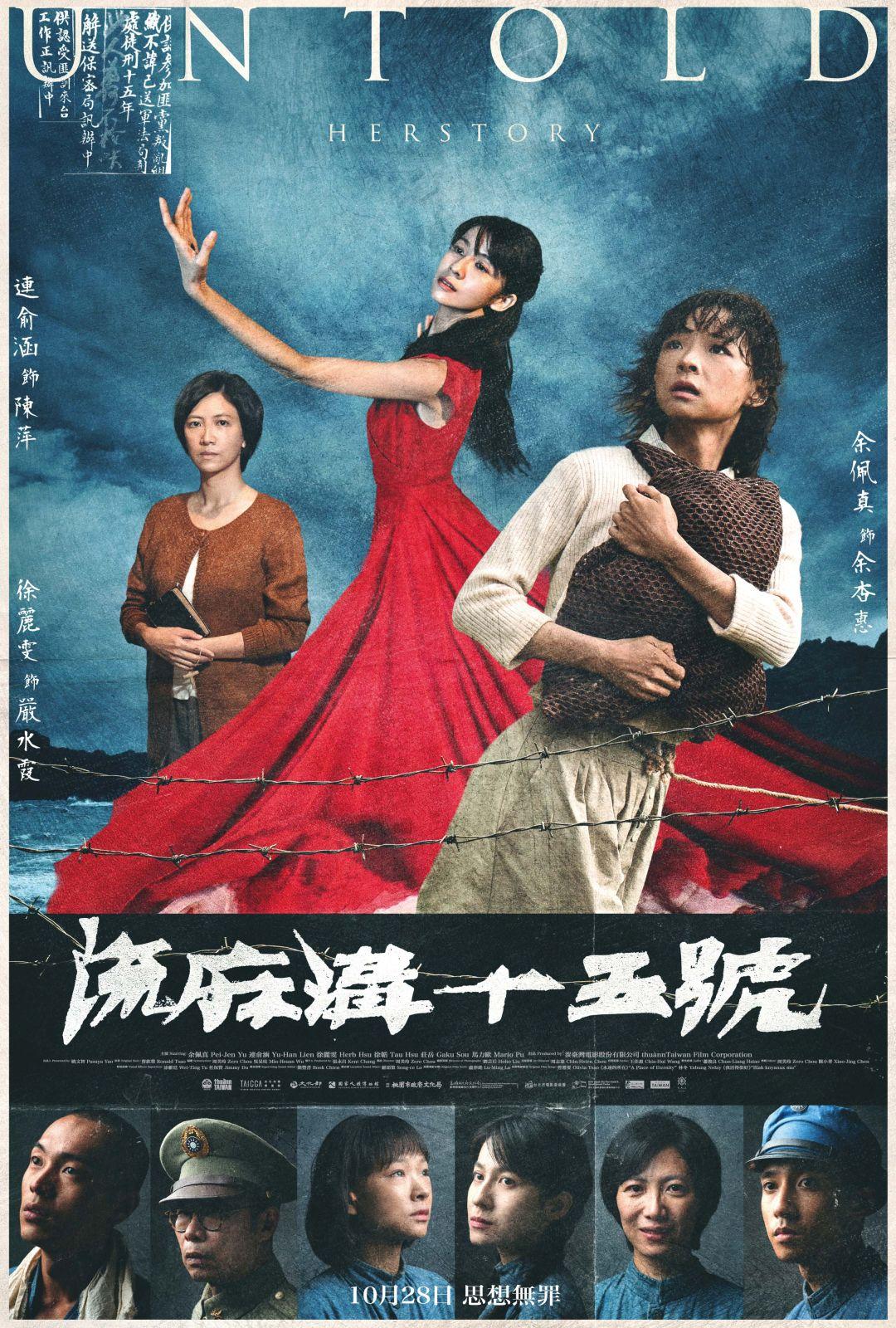
Reviews: Taiwanese film Untold Herstory 流麻溝十五號 – Decolonization, historical memory, art, and this emerging Taiwanese national identity: Taiwan dispatch, national identity, and Taiwan Republic 台灣国 classrooms

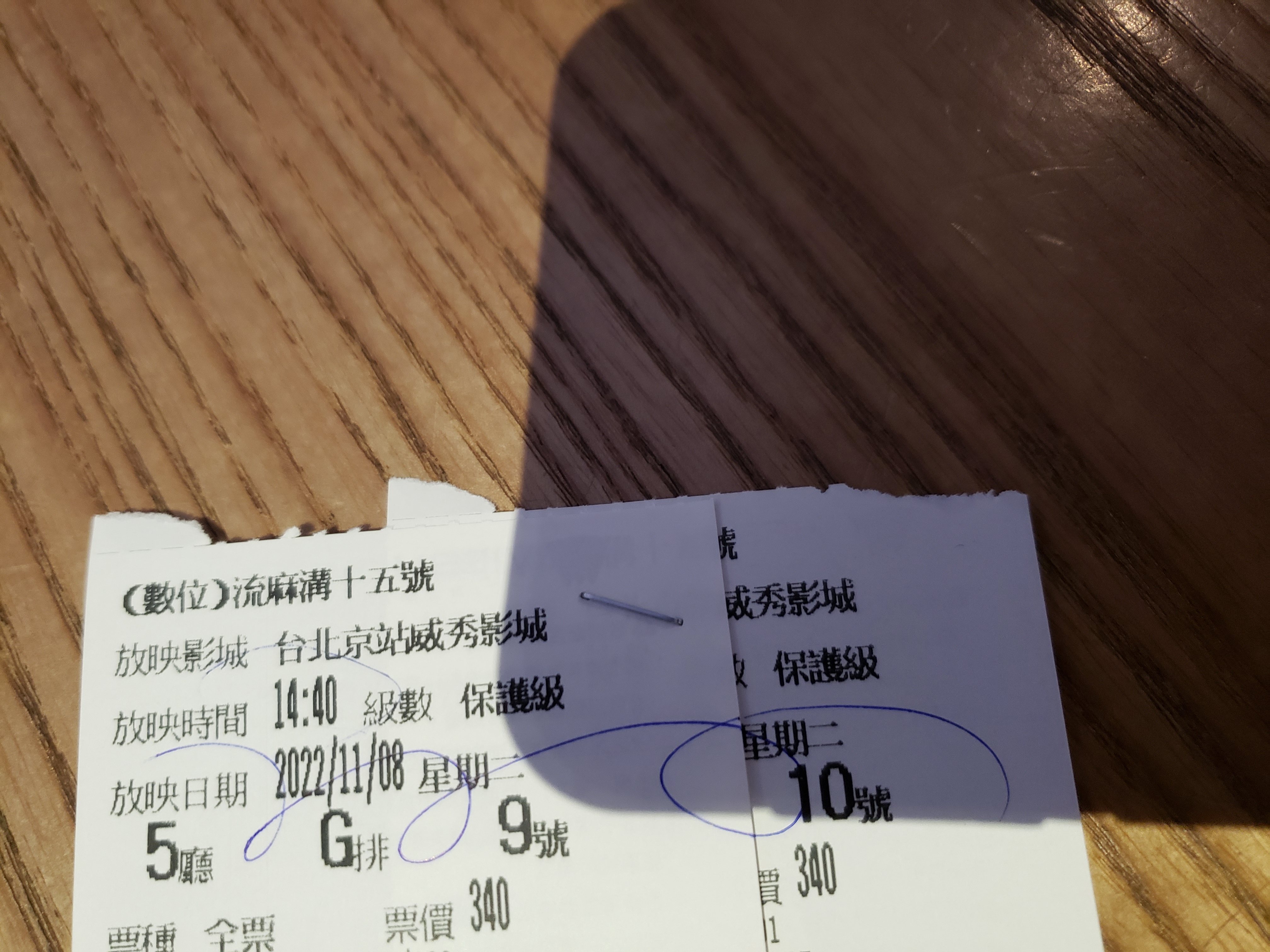
Because few Taiwanese dared to go into filmmaking, TV, radio, journalism, the arts, history, and politics during the days of the China KMT occupation-dictatorship, even decades after Taiwan’s democratization the decolonization process remains stalled. Taiwanese do not have the institutions, the people, nor the vocabulary to yet fully recover their historical memory and examine their own histories. This new film about the invading China KMT’s political prisoners and white terror during the 1950s and 1960s is an attempt to reverse that tide – for Taiwanese to reclaim their memory, and to tell their own stories. It was a difficult film to watch, much tears, sometimes I just closed my eyes for minutes to shut out the pain. But I told my wife going to a theater is no less important than voting – a small, personal vote against Chinese colonialism.

The incongruities and complications of modernity and modern Taiwan are these – to walk out of a beautiful and heart-wrenching film, subtle and tastefully done, into a western-style shopping mall complex in downtown Taipei. And then, a few minutes later, on a subway, to transfer to the Chiang Kai-shek Memorial stop – the same invader-dictator who is responsible for these crimes against humanity, yet Taiwanese citizens are still forced to host a memorial in his honor. And for extra incongruity, one of the Taipei mayoral candidates claims to be Chiang’s illegitimate great-grandson. And he may actually win. None of it makes any sense, yet all of them must coexist, parallel universe-like, democratically and peacefully.

How to reclaim historical memory, tell one’s own stories, and decolonize one’s own nation peacefully and democratically? The greatest strength of this film, I thought, was complicating and humanizing all of the characters, from China KMT political prison guards to political prisoners who are from China to Taiwanese victims – without descending into moral relativism and “What a tragedy of that era ….” b.s. These are my initial thoughts – I am going to take a while to think over my notes and ponder all of this. The range of linguistic diversity, accents, and languages brought over from China to the beautiful code-switching between southern Taiwanese to Japanese to English, speaks to a level of multiculturalism and diversity inherent to Taiwan that the China KMT dictatorship tried mightily to erase. The film did a masterful job with a light touch – this is a subject and a story that’s constantly at risk of tipping over into melodrama. The China KMT crimes and the human suffering were drama enough when simply illustrated. Something about the way the film was filmed and narrated and the stories interspersed felt immersive throughout – a deep sense of sadness and anger, sadness for the needless suffering and injustice, anger that the criminals remain unrepentant and unpunished, beautiful shots of the Pacific Ocean waves and the natural beauty of the Green Island almost as momentary reprieve.

It also occurred to me that decades of China KMT brainwashing into their particular brand of neutered in service of the Chiang crime family dictatorship “Confucianism” and decades of enforced forgetting have nearly erased most of modern-day Taiwanese memory of highly educated and super strong-willed Taiwanese women leaders in its history. A history that films like this is beginning to remember.

The film’s thankless task is also President Tsai’s thankless task – tell a fair and complicated historical memory story which some will take offense for not being harsh enough; while even touching the subject is making Chinese reactionaries inside Taiwan upset. Yet these are necessary steps for the future of Taiwanese democracy and nationhood – requiring brave, selfless Taiwanese to take – to engage the pain and suffering while opening a democratic and peaceful path for national coexistence. 8.11.2022

© Taiwan in World History 台灣與世界歷史. This site grants open access for educational and not-for-profit use. Maps and illustrations are borrowed under educational and not-for-profit fair use. If you are the rights holder and prefer to not have your work shared, please email TaiwanWorldHistory (at) Gmail (dot) com and the content will be removed.

Leave a comment

Filed under books and artifacts, Taiwan Republic

Reviews: Guided Tour of Taiwanese History 導讀台灣 台灣史系列 導演魏德聖 三立: Geostrategery and Taiwan Republic 台灣国 classrooms

This history series by Taiwan’s 三立 is a rare public forum for Taiwanese history on Taiwanese mass media. Academic historians can, and will, find something to fuss over history for a mass audience. What is notable about this series is that it provides a rare oasis of thoughtful content in an otherwise content-poor Taiwanese electronic media landscape. It also does an admirable job breaking down politically and historically created barriers in how Taiwanese history has and has not been conceptualized. Nothing in the public discourse in Taiwan can escape the omnipresent national identity-historical memory either/or’s, the “Are we Taiwanese or Chinese or both” debate. This series makes a serious attempt to push across these artificial boundaries – periodization, conceptual categories, national identity as confined by modern nation-states, and so on while placing Taiwan the place, and Taiwanese the ever-evolving communities of humans on this island, at the center. In this effort, it echoes the evolving views developed by newer generations of Taiwanese leaders – pushing farther back into Taiwanese history and pre-history (Dutch, indigenous, Oceania), while broadening beyond the usual characters (Han Chinese, Japanese, China KMT) – and providing new ways to include contradictory and competing historical memories, from indigenous to the Japanese to the disaggregated Taiwanese to the immigrants of 1949 to the even more recent immigrants from Southeast Asia and beyond to the global Taiwanese diaspora, into a dynamic Taiwanese national identity bond together by place and by democracy. I have often noted that for a nation that formally declares such reverence for history, Taiwan is comparatively apathetic to its own history and quick in developing historical amnesia. Any effort, such as this series, to reverse this trend will do much to deepen and enhance Taiwan’s democratic sovereignty.

導讀台灣:台灣史系列 導演魏德聖 每周日20:00 三立新聞台 帶您用鏡頭看台灣 https://www.youtube.com/channel/UCMjFUtt9nFwMlbzqCTKY3wQ/about

© Taiwan in World History 台灣與世界歷史. This site grants open access for educational and not-for-profit use. Maps and illustrations are borrowed under educational and not-for-profit fair use. If you are the rights holder and prefer to not have your work shared, please email TaiwanWorldHistory (at) Gmail (dot) com and the content will be removed.
Leave a comment

Filed under Uncategorized

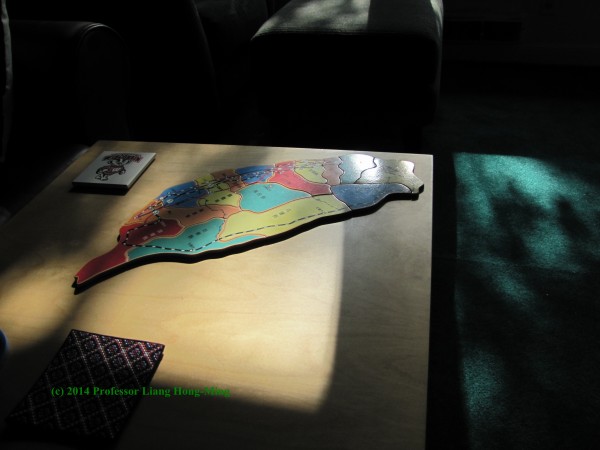
Formosa, good evening

IMG_3508u-e1413542774114

Leave a comment

17/10/2014 · 5:56 AM

Reading art: multiple identities and histories

22353_1250884526665_1666054772_613333_3407703_n

Leave a comment

03/07/2014 · 9:39 AM