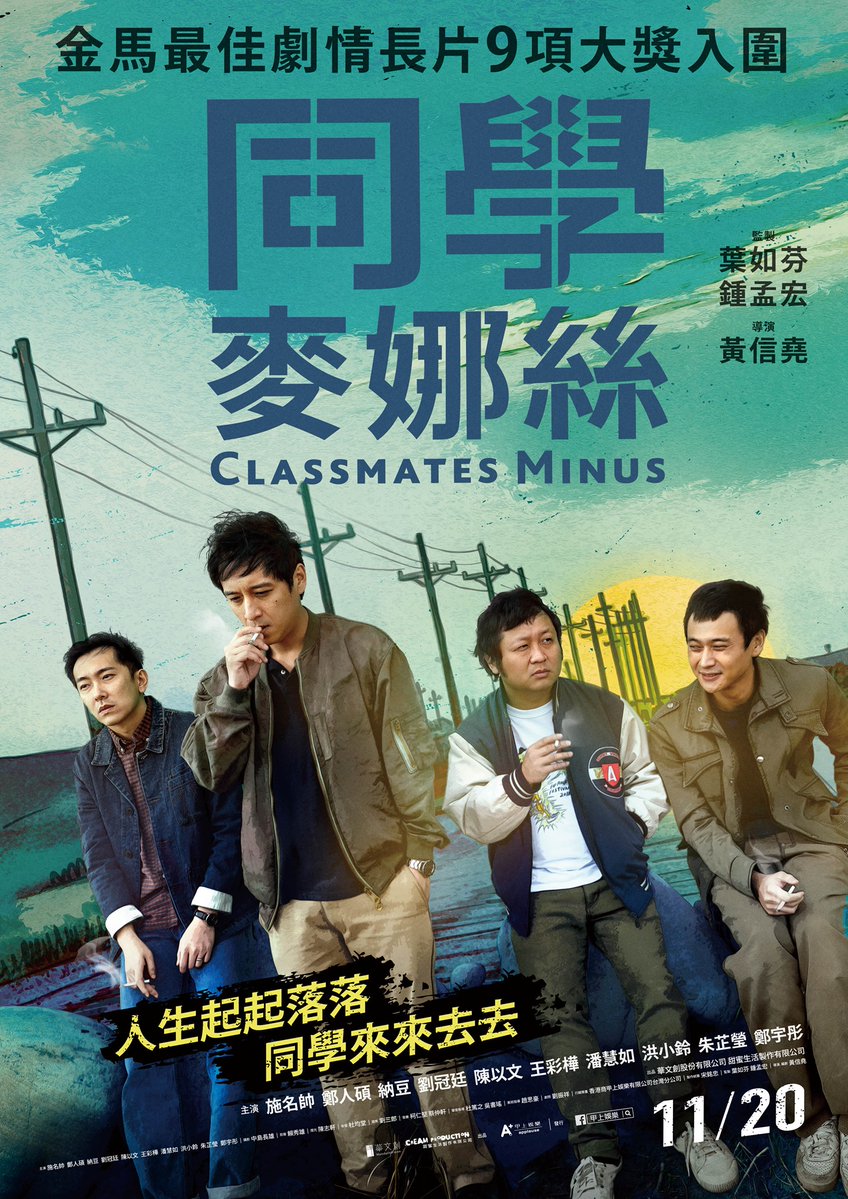
Reviews: Classmates Minus (同學麥娜絲). National identity and popular culture classrooms. Netflix. This is a subsequent film from the director of The Great Buddha+ (大佛普拉斯). It is rare to have a film or tee vee show that can have me belly-laugh and cry uncontrollably at the same time. Related to my previous review of the recent Taiwanese soap opera Mad Doctor and Taiwan’s Public tee-vee – in this film, and in this director’s work, ordinary Taiwanese outside of colonialist Chinese Taipei are not props. In that choice alone this is a significant gesture towards a new, emerging Taiwanese identity. There is a broader idea about the nature of imperialism – whether it is British, American, or Chinese; whether it is about Taiwan University or Harvard graduates; income, how many houses owned, net worth, profession, gender, race, and ethnicity. Out of the diversity of imperialisms through time and across space, one shared trait is their default setting in categorizing everyone/everything else as-compared-to-the-idealized-imperialist. This is how we often get the “Oh look he is just an uneducated janitor but how nice he saved money to donate to the school kids just like a real human being/us” news stories.
What Classmates Minus reminded me of is how different the storytelling is when one engages subjects outside of the imperial core as they are, warts and all – with a good dose of wry humor, cleared-eyed, but full of love. Gentle and heartfelt enough to make me cry, as if these are my classmates. Humorous and sarcastic enough because life sucks, your friends are unreliable, your family problematic, but whatareyougonnado?
The older I get the more soothing it is to listen to characters who can speak fluent Taiwanese – I understand about ninety percent of it without subtitles. To my ears, Taiwanese is a more emotion-laden language than Mandarin, just as I have noted Taiwanese rock n’ roll songs are more powerful than Mandarin ones. For me, the attachment to this language I cannot speak fluently due to Chinese imperialism-invasion is in part remembering elders who are gone. Very interesting that during the last year of my Dad’s life, he stopped using Mandarin altogether – as if the illness and pain liberated him from the prison the Chinese refugees built for his professional-cultural life, as he faded he reclaimed his own ancestral language.
This film’s storytelling structure is something I want to go back and map out to think about. You cannot say it is disorganized, but it is not a conventional structure. A small sidenote: I have noticed Taiwanese films and tee-vee shows where political elections appear as background or subplots. I have often argued with my parents about Taiwanese temples and religious practices – they jump too quickly into the religion v superstition judgment; my point is humans fight to protect their family, property livelihood, and their Goddesses and Gods. Likewise, I think even though most of the portrayal of elections and democracy have been jaded, some are even cynical – it is the ritual and melded into the quotidian – as if it is family outings and annual holidays and temple festivals – that rootedness and ordinariness of democracy must be what most bother the Chinese communists and KMT. And finally, kudos for using one of the most brilliant Taiwanese indie bands, 濁水溪公社.
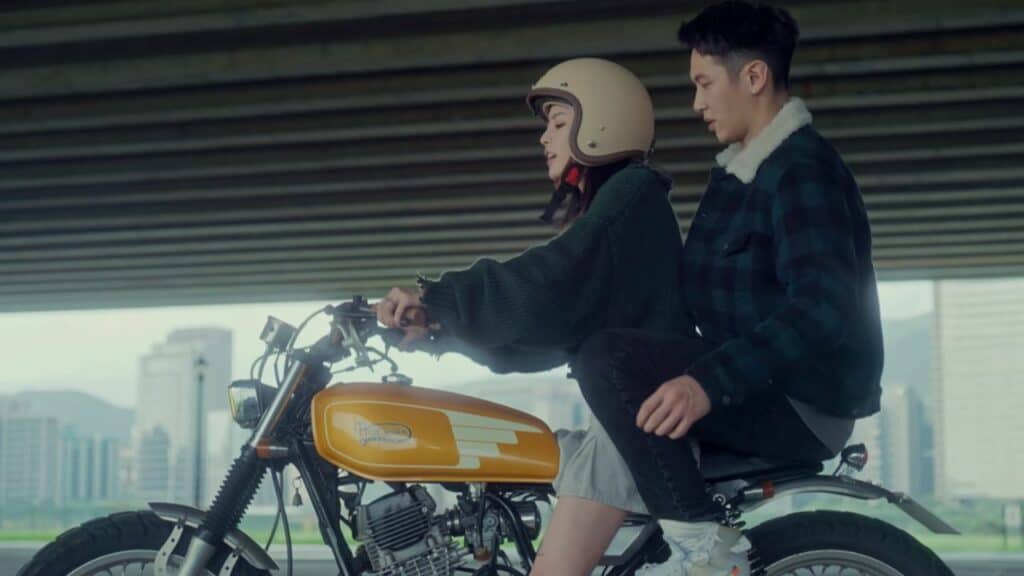
Reviews. Let’s Talk About Chu 愛愛內含光. National identity and popular culture classrooms. Netflix. A refreshing thing about Taiwan versus America is how difficult it is to get Taiwanese to mass panic about sexual or moral-ethical issues. It’s not that they are necessarily “progressive” or enlightened, but that in Taiwan you are more likely to get a shrug. As I watched this problematic show, I imagined what the tiresome “what about the children” reactions might have been on the east side of the Pacific. There are many things about Taiwan’s peculiar colonial history – colonized by the Chinese invaders since 1945 – and the impact on its educational-cultural means of production, that I am highly suspicious of. The politics of languages. How come the east side of Taipei gazillioaires never speak Taiwanese in these tee vee shows? For a show premised on the idea that its frankness about sex and sexuality is supposed to shock-provoke, that’s actually the most boring part of the show – but then I generally find film and tee-vee portrayal of sex either boring and/or unintentionally funny. So maybe that’s me and not them. Most of the sub-threads of this eight-episode show are contrived – the professor and his ex-student; the gay couple with the problematic portrayal of a descendant of a 1949er becoming a street hoodlum speaking not very good Taiwanese (my experience is that kids and grandkids of 1949ers who grew up in rural Taiwan speak more fluent Taiwanese than me and my cousins in Taipei ….) and so on. What made the show work for me are the superb lead actress Chan Tzu Hsuan (xoxo) and lead actor Kai Ko (oxox). Beyond their ability to keep my attention, ironically this relationship is the opposite of the shock-and-awe sex premise of the show. It’s a predictable, conventional love story. It’s about companionship, about genuine concern for one another, an ordinary, boring kind of love. And that’s OK by me. Love and relationships are predictable and boring because life is boring too. Like many recent Taiwan for Netflix shows this is a beautifully shot product – with a conventional but well-done soundtrack. Although in this mass media age, one inevitably notices copy-catting – lead actor with a motorcycle. Taiwanese directors now seem to love a particular bridge scene with the motorcycles at dusk. Rooftops, Taiwanese directors in the 2020s love rooftops for some reason. Maybe because at street level Taipei is such a mess. As contrived and silly as the show overall is, there were several moments during the eight episodes when lead actress Chan Tzu Hsuan’s facial expressions – when she thought she saw her father and his mistress in particular – that are super-duper. Minimal, heartbreaking, less is more. In all though, a broader issue not only for Taiwanese but for global artists to ponder. This is not the first time when a Taiwanese show launched bravely and then ended up with the socially acceptable happy endings – and maybe some of this is a human trait, but one wonders what part market pressure plays a role? These shows can be art, but they are primarily products – conventional capitalist markets are conventional – making unconventional products unprofitable. 18.2.2024
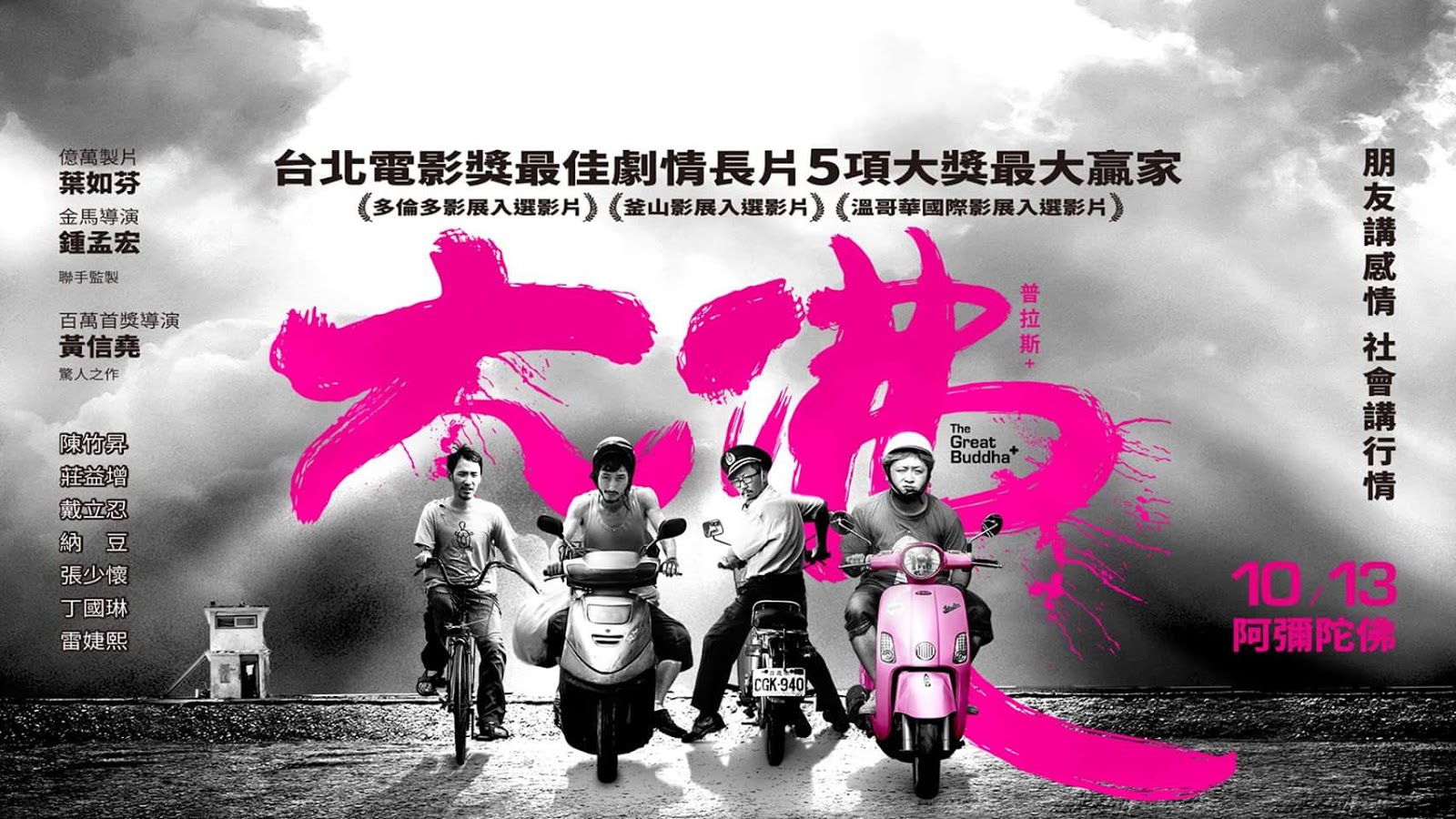
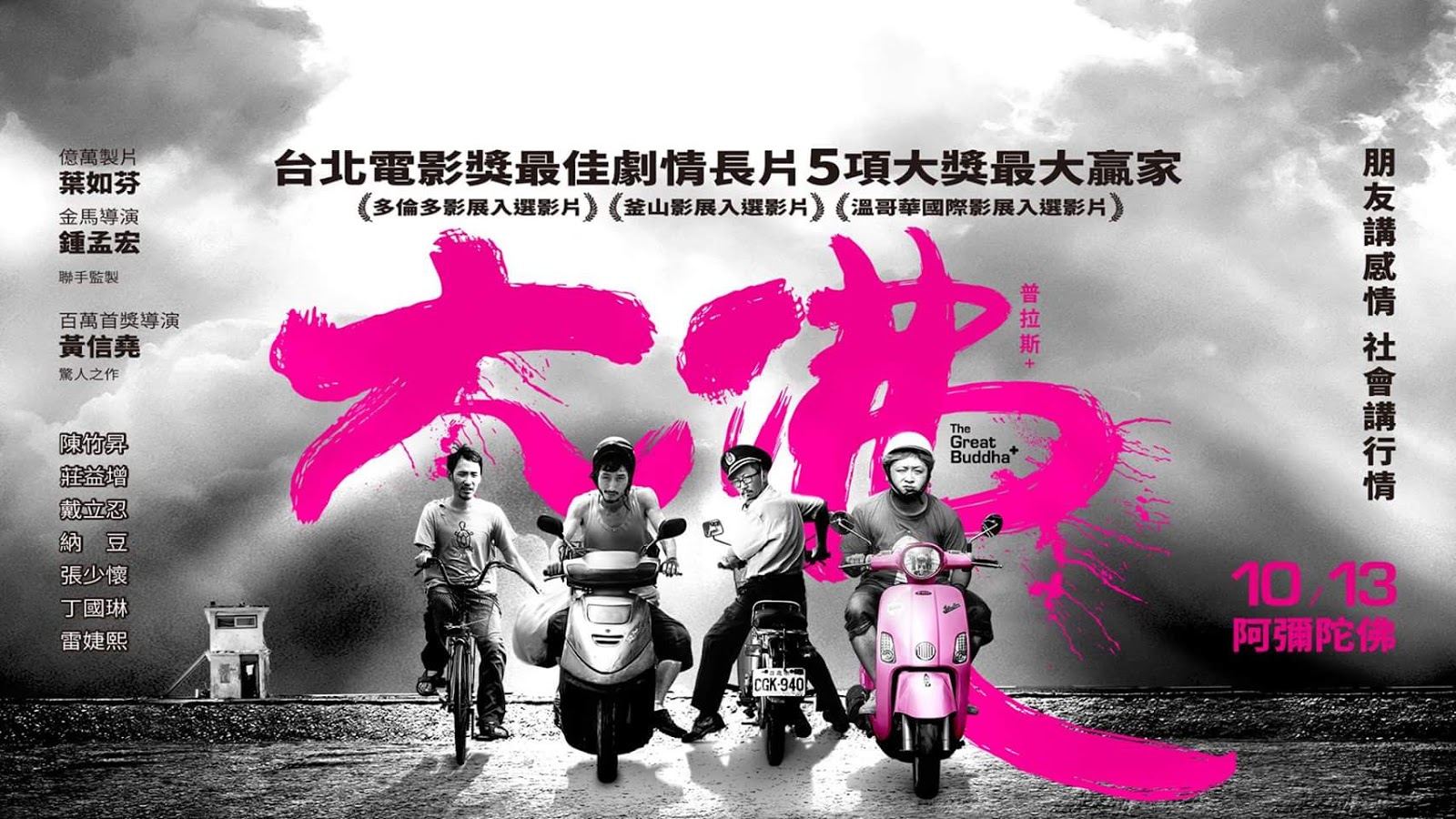
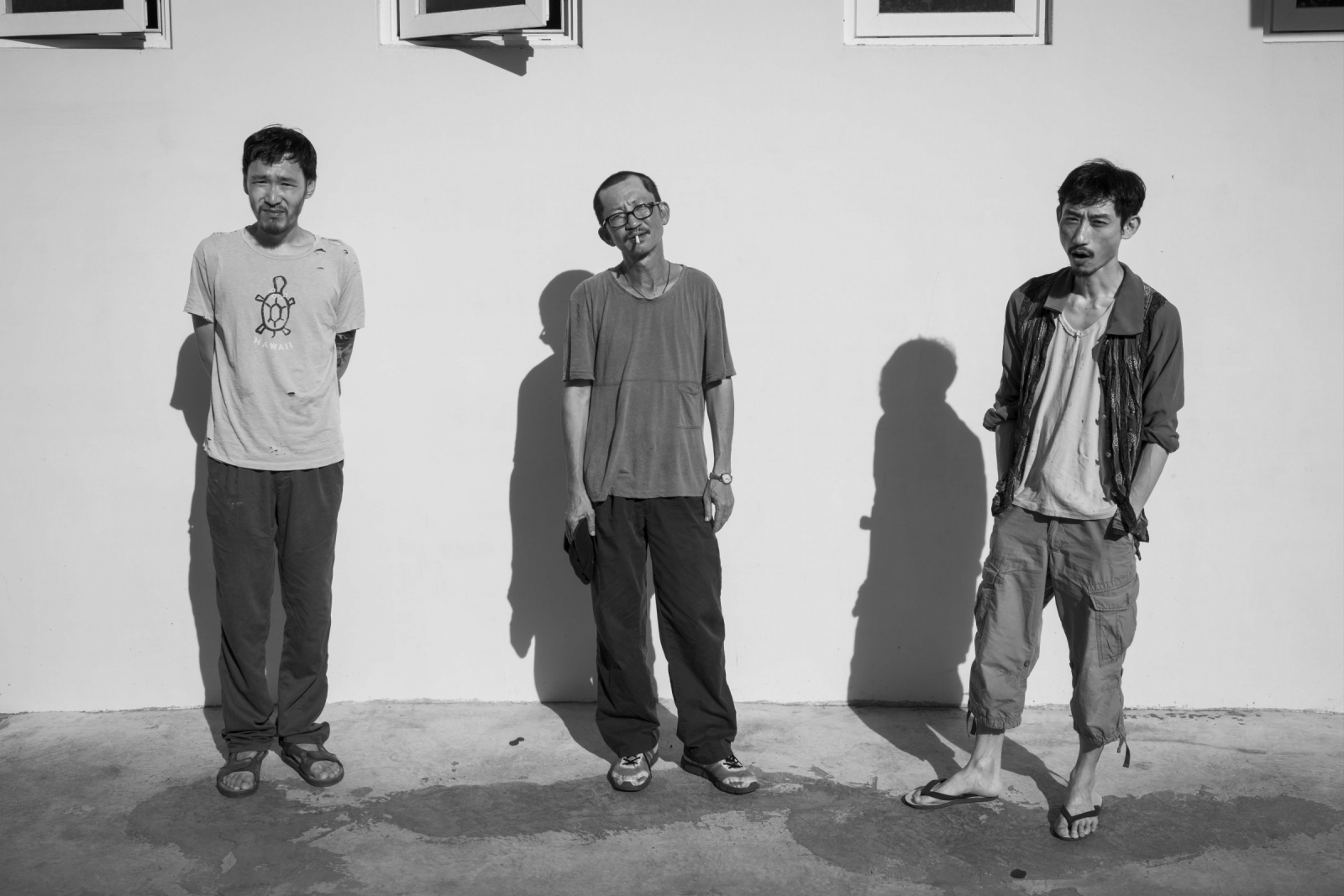
Reviews. The Great Buddha+ (大佛普拉斯). National identity and popular culture classrooms. This Taiwanese film is available on Amazon Prime, which is quite a breakthrough for those of us who are permanent foreign exchange students. And for a grumpy elderly monkey who grew up used to a letter taking 7-10 days to cross the Pacific, mind-boggling. I waited so long to watch it because too many people talked about it too often. I waited too, because I knew it would depress me in deep and complicated ways. I watched it alone on purpose. I cried. Often. I stopped several times to gather myself. As a former Taipei resident, taught-brainwashed by the Chinese occupiers to detest my own kinfolks, the rural southern Taiwan depicted is alien and super familiar at once — foreigner in one’s own land kind of stuff — all subjects of foreign colonial occupation would have some version of this out of the body experience. While the invading Chinese refugees stripped my native language, culture, memory, and identity during my childhood, the world depicted in this film is the parallel universe the Chinese colonialists exploited and demeaned — this is where they grabbed conscripts for their stupid civil war, this is where they exploited the cheap labor to benefit their parasitic party-state. And now, decades after their military dictatorship formally collapsed, the sociological, cultural, economic, and political legacies remain — a poisoned well, no way forward, no way back. The rural Taiwanese character sketches are familiar from my ancestral village of Neihu, now an urban Taipei suburb but during my childhood a transitional rural light industry village; and my mother’s central Taiwan home of Chang-Hwa. Even after all of these decades I could smell the dust, heavy metal, rice paddies, animals, cooking, diesel fuel …. and hear the sounds, scooters to mini farm tractors (“metal water buffalos”) and factories and food vendors and animals. I enjoyed the banter in Taiwanese — basically impossible to hear in Taipei nowadays — though it reminded me how poorly I speak Taiwanese, the fluent, natural, beautiful language of our ancestors, the language of this soil. As it has been for decades, even in one film the language of the invaders speaks to education/class/wealth, while the language of the occupied is the language of the homeless and impoverished and powerless. yes, I enjoyed the temple dedicated to the bloodthirsty invader Chiang Kai-shek, and the scene alluding to the many multinational Buddhist-ish cults based in Taiwan. The passive-aggressive full of Buddhist kindness art critique of the great big Buddhist statue was delightful as it depicted at once the hypocrisy of the Taiwan elites, and every childhood conversation one has ever had with one’s elders. The swearing in Taiwanese throughout made me so proud and happy — just beautiful. I wish more Taiwanese would learn to righteously swear at our colonial occupiers in our beautiful ancestral tongue. The beautiful memorable parts of this film are the inconsequential details — conversations, silence, framing of scenes, detailing essential truths about what life for the most vulnerable in Taiwan is like under Chinese KMT occupation. And as I thought about it, it is also an op-ed about how these awful realities have not changed since the supposedly Taiwanese party DPP has taken over — rather than a genuinely Taiwanese renaissance, a much-needed decolonization, cleansing, and a national rebirth, what we have now is a new crop of Taiwanese politicians ruling by following the underlying corrupt, elitist, exploitative logic and habits of the Chinese refugees-invaders. What to do about this? …. Well, I did say I avoided the film knowing it would be deeply and personally depressing right. I don’t know. I am at a loss myself. 22.9.2018
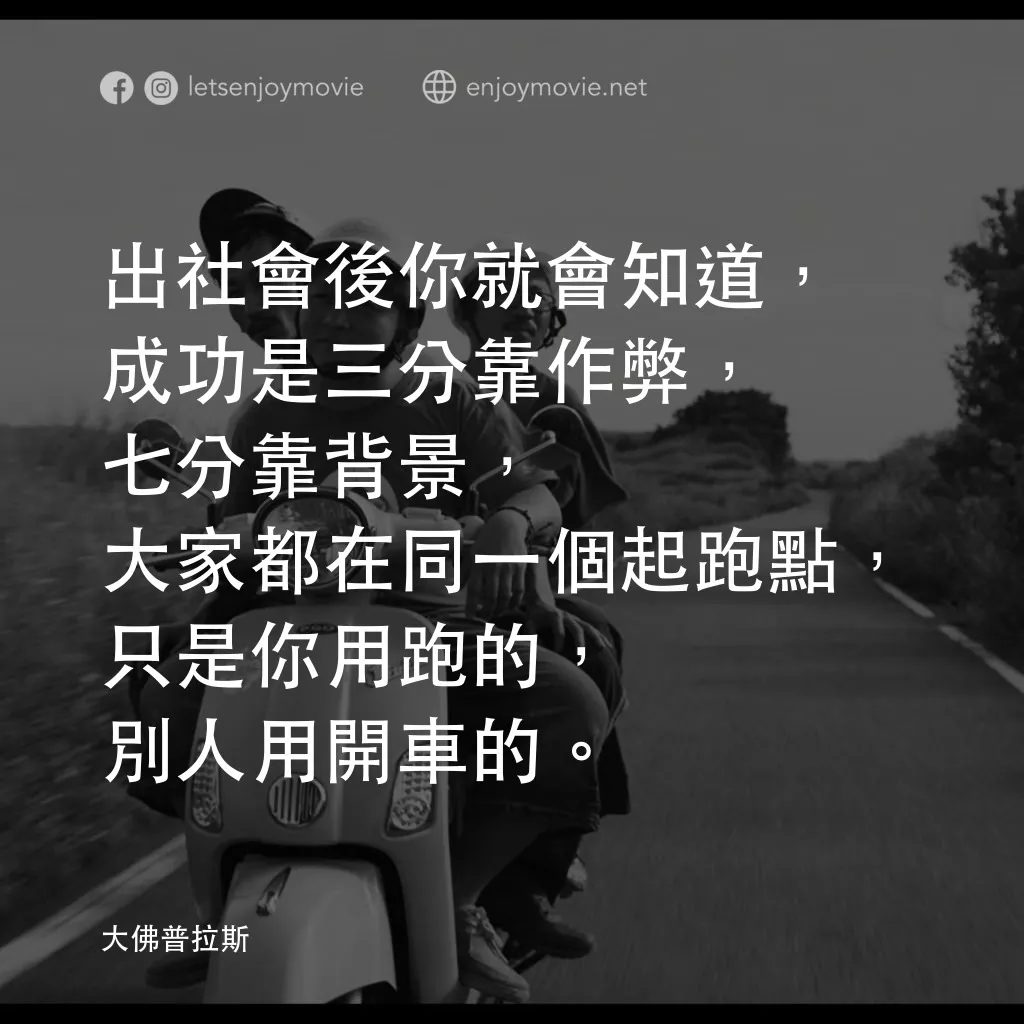
Reviews. The Great Buddha+ (大佛普拉斯) [Netflix] It is difficult making a film about human beings on the margin of society – or about the inhumanity of modern capitalism – while being hilariously funny, and deeply sad, and humane, and thoughtful, without veering into melodrama, sentimentalism, hope-casting, cynicism, or worse, becoming preachy. The is a beautifully constructed film – on some level even on multiple viewings it feels like being hit by a sledgehammer – yet it is also gentle and beautiful at once. As always with this director, the Taiwanese spoken throughout is lovely, and the musicians chosen for the soundtrack are superb. He’s got this thing about religious and political – modern democratic – pieties, and he expresses the critiques of elite hypocrisy in the sharpest and funniest ways. Usually, I hate crying during films and tee-vee shows – this film has the unusual achievement of making me cry and belly laugh at the same time. The death of one of the main characters was rendered in such a beautiful way – full of commentary yet with such humor, love, and respect. And the gaps between the religious and secular-democratic pieties versus how they actually behave – the passive-aggressive arguing over the overly large statue of the Buddha; and the campaign posters sheltering a near homeless family from the rain. And maybe too, the brilliance with this director is in the discipline to not propose quick fixes, or even to have a conventional ending to his stories. Life is full of good and bad – friendship and love, injustice and exploitation – and how many of us leave this earth all that different than the poor fella with the chalk outline around his corpse? Another gift of this director I think, which I noted in a review of his other film, is in respecting his characters – people on the margin – enough to not sentimentalize or idealize them. A wonderful, beautiful, funny, terribly sad film. Just like life itself. 22.2.2024
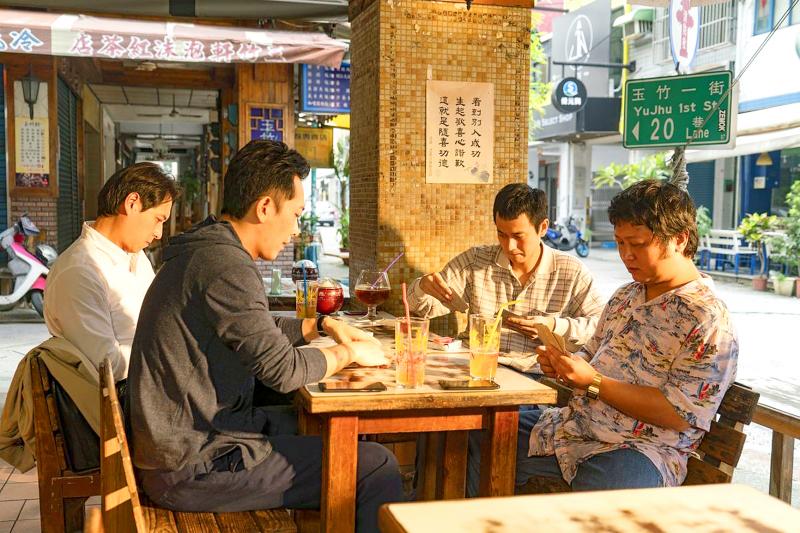
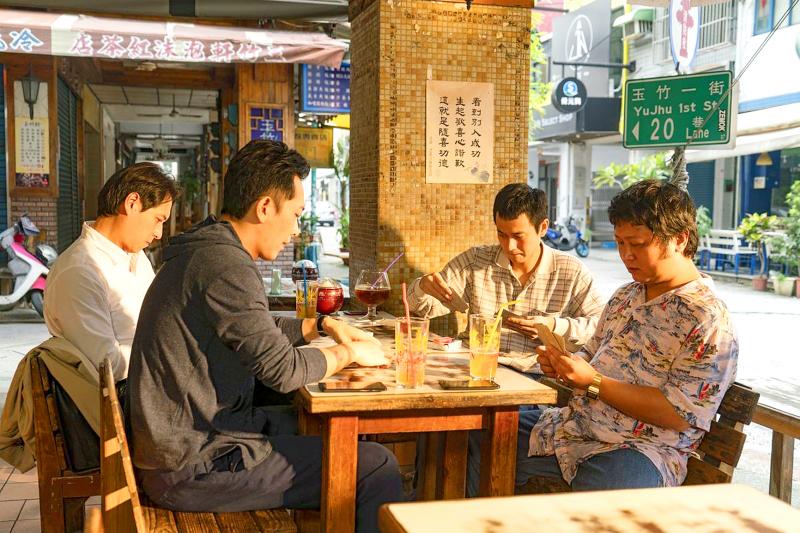
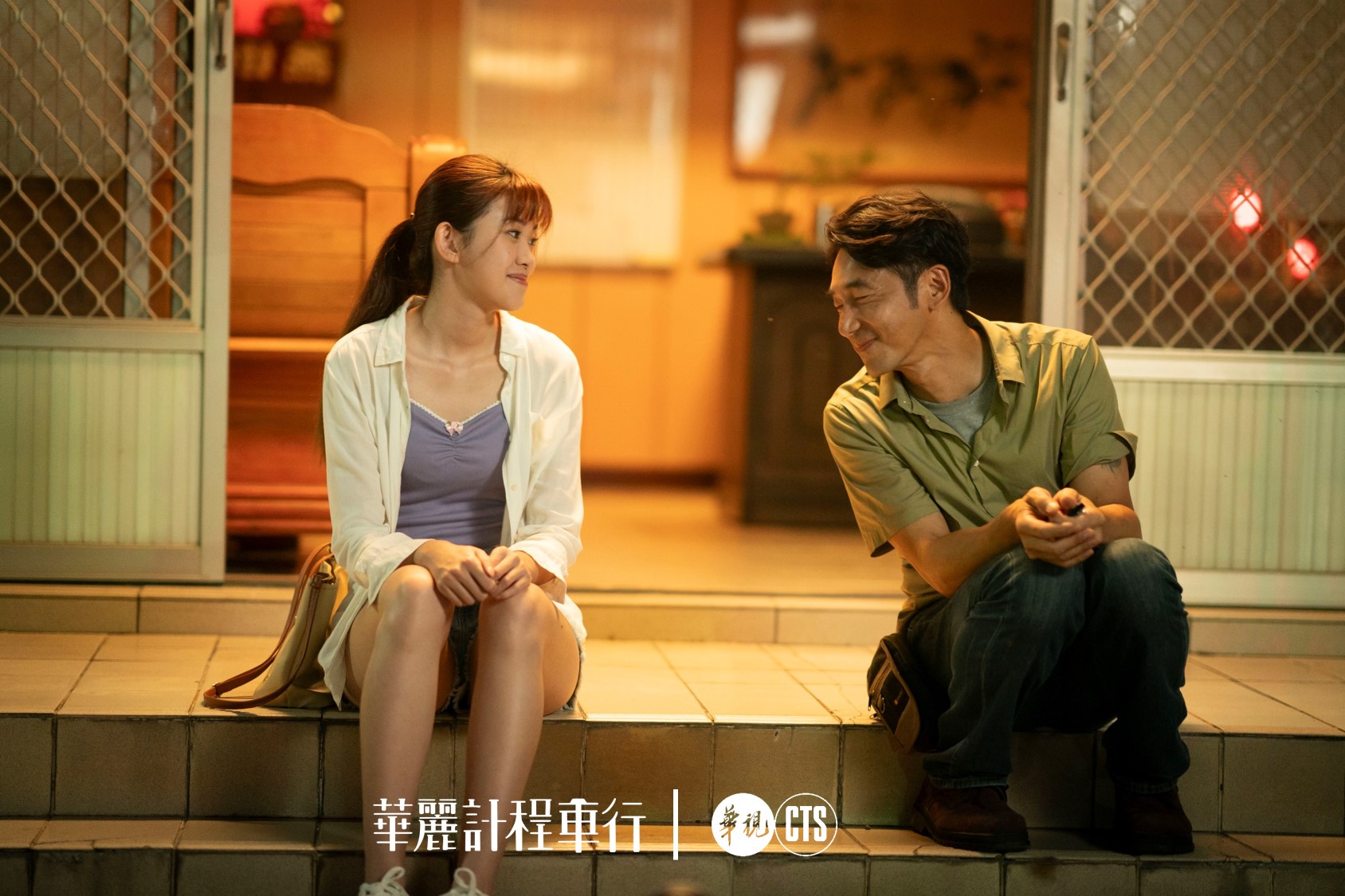
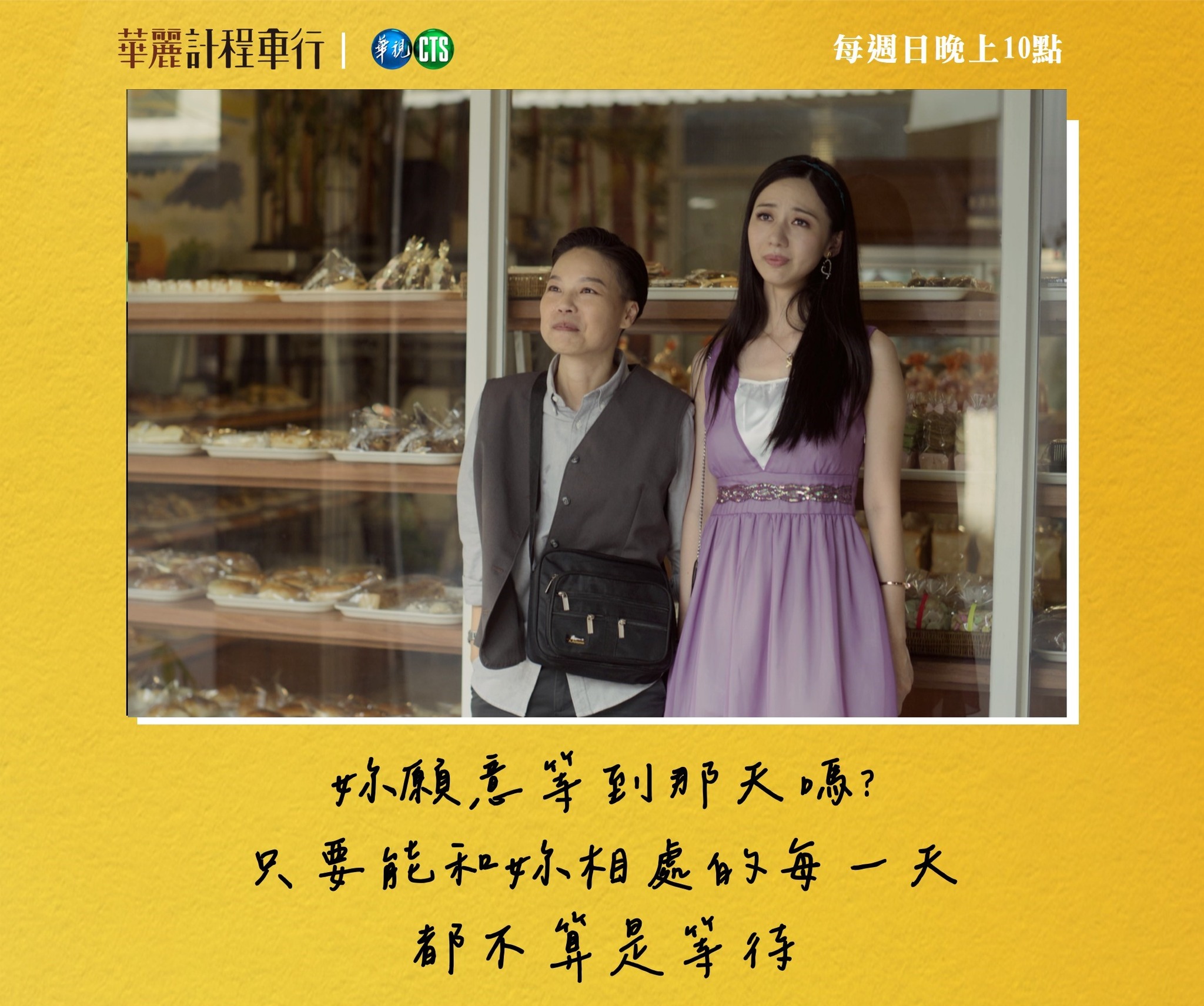
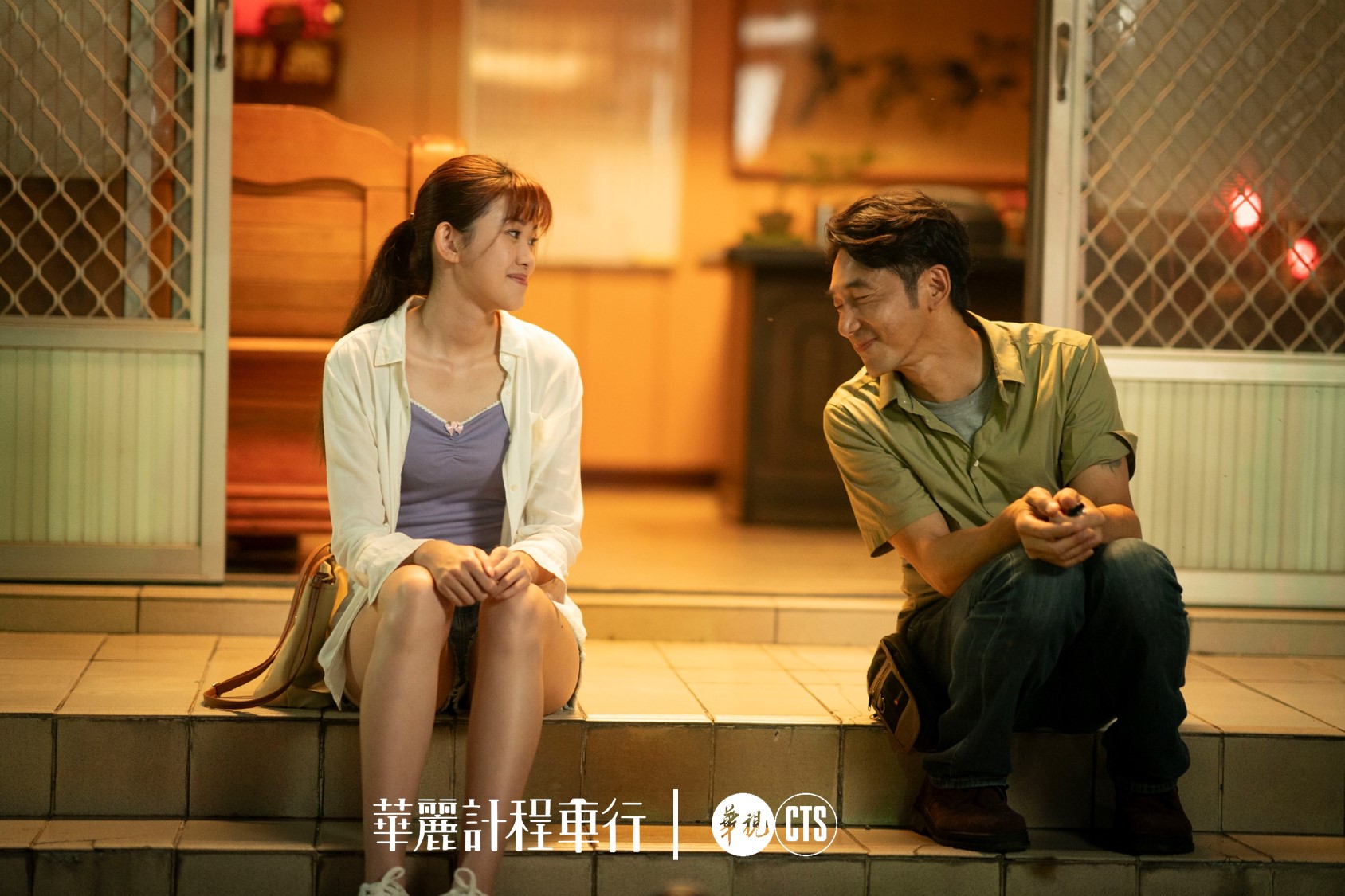
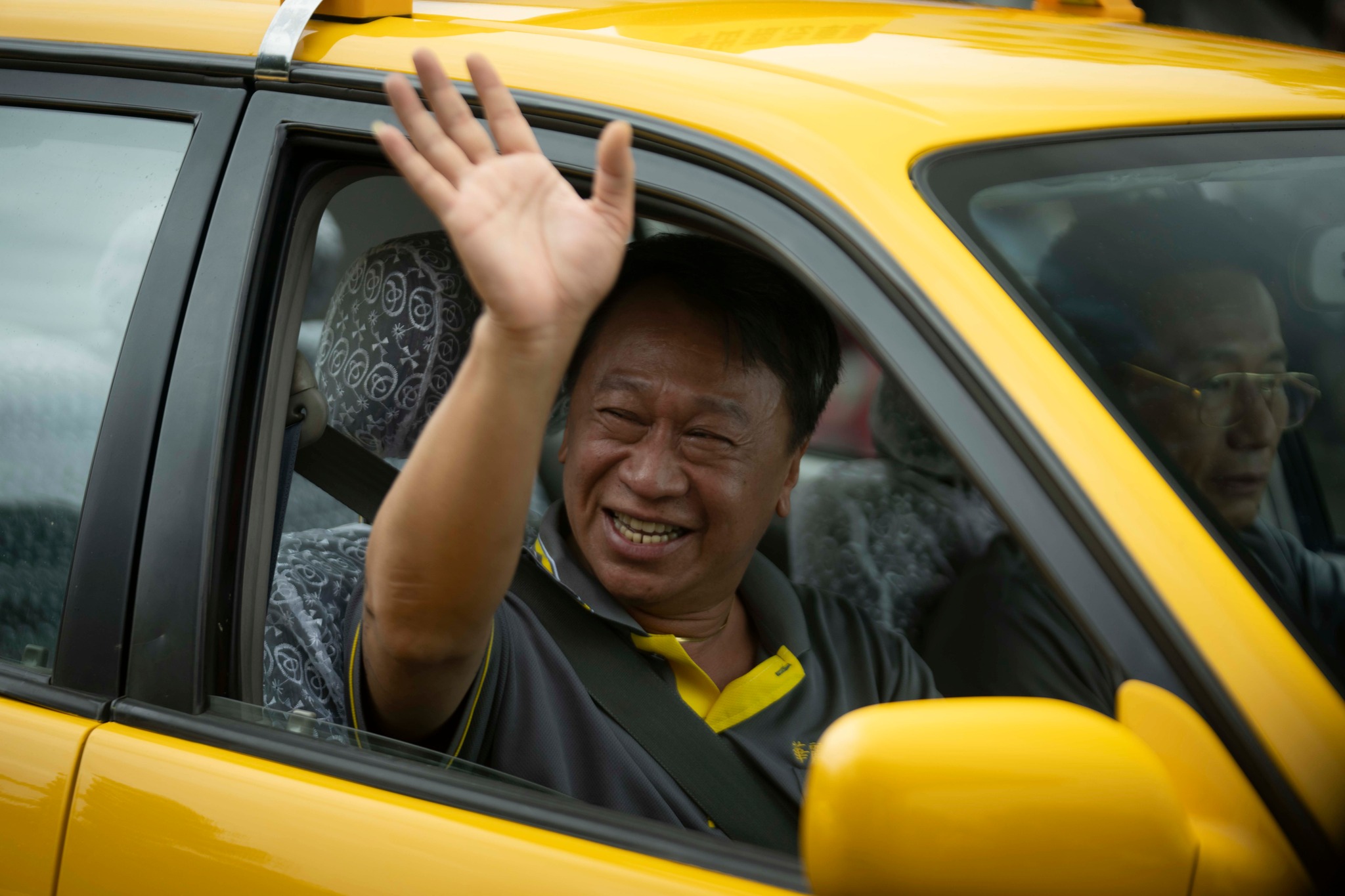
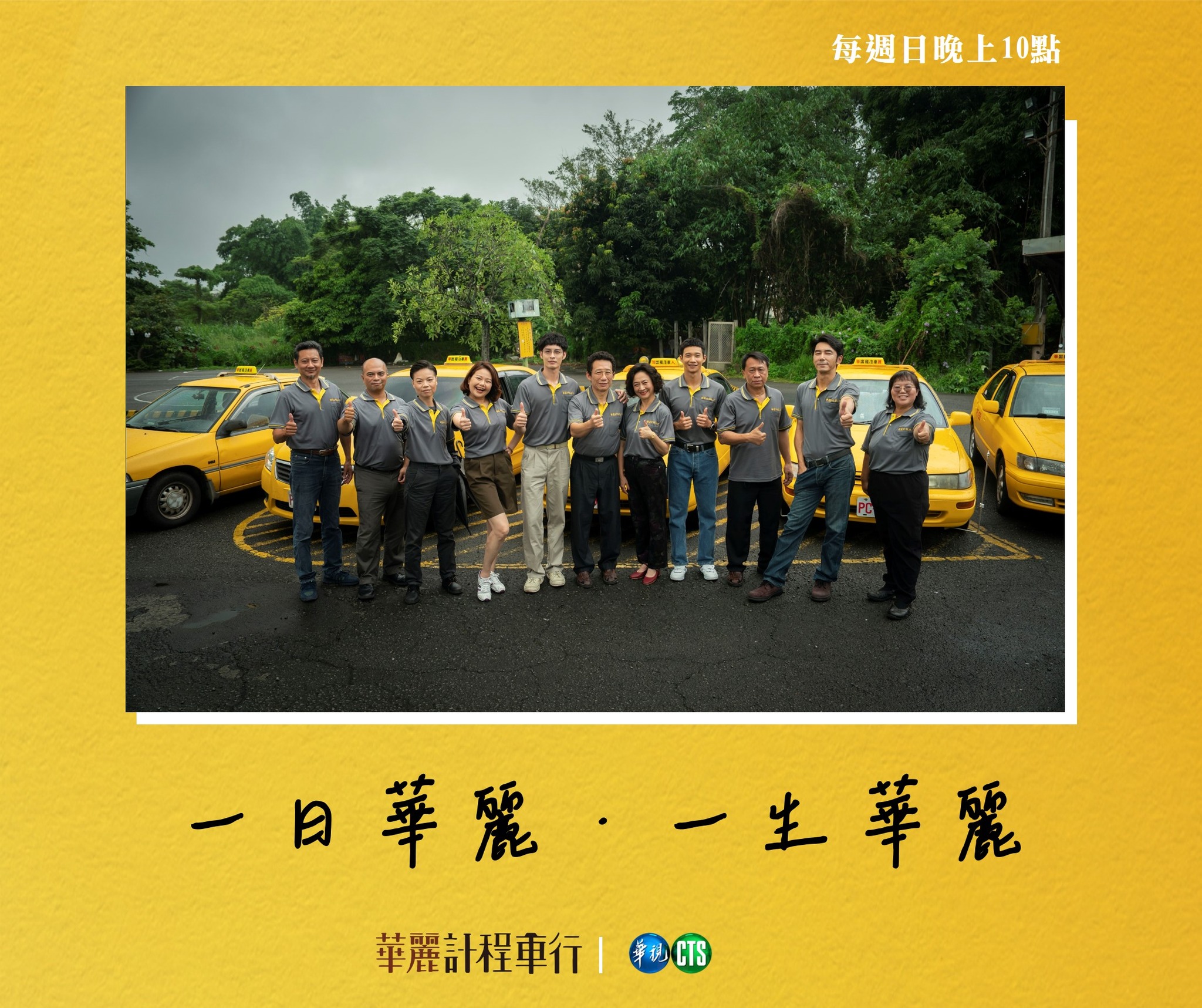
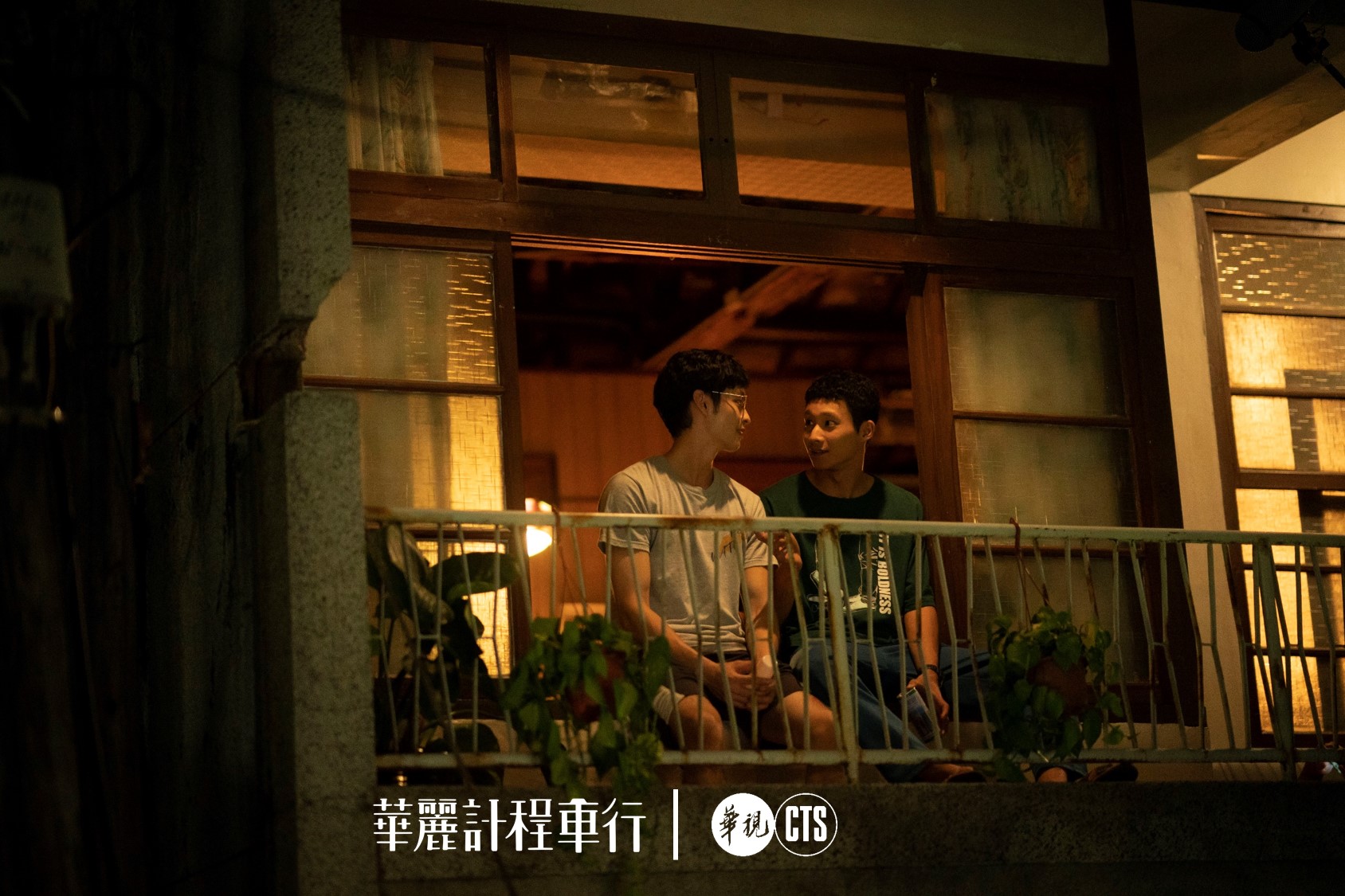
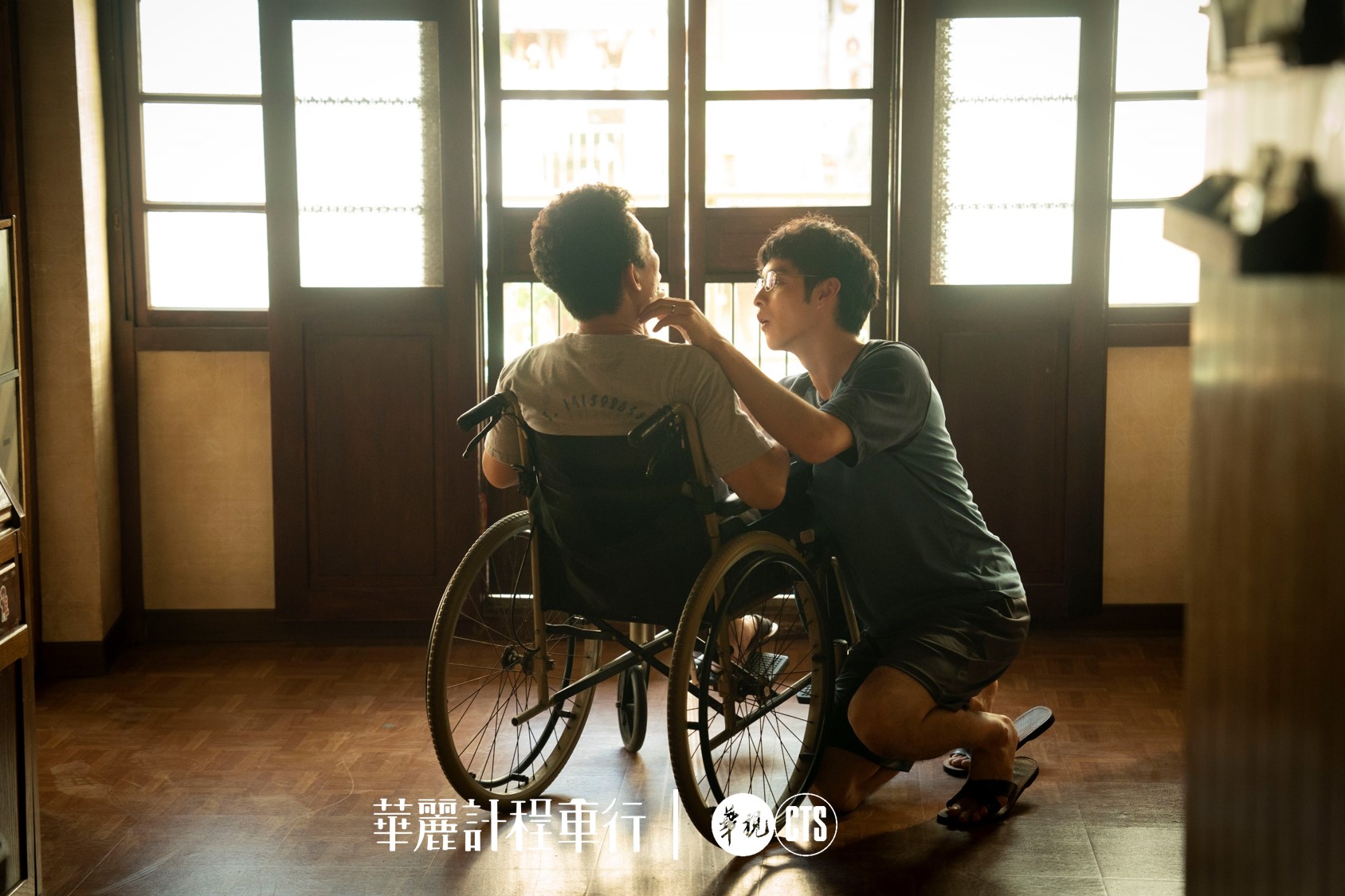
National identity and popular culture classrooms. Reviews. 華麗計程車行 A Wonderful Journey, [Netflix]. Ten episodes is a wonderful disciplining tool for storytelling. This Taiwanese tee vee show – based in the historic southern Taiwanese city of Chiayi, the third such Taiwanese show in recent months – is based on a small Taiwanese family-run taxi company. Part coming of age, part that slice of modern Taiwanese history, part about Taiwan outside of Chinese Taipei colonialist core, part sketches of rural, small town, paycheck-to-paycheck working folks. Impossible to not compare a sentimental show like this to the gold standard, 俗女養成記 The Making of an Ordinary Woman. Ordinary Woman was a near-perfect show, Wonderful Journey is weaker – though compared with what one might ordinarily find on US and Taiwanese channels and Netflix, it is an above-average show. While Ordinary Woman tightly organized the storylines around the lead character and her family, what surprised me the most about Wonderful Journey is in how the stories about the protagonist/narrator, family, and taxi company – though not unimportant, were not as impressive as the middling/later episodes which individually sketched the ”side” characters. Most moving and memorable are the two episodes focusing on the driver instructor/mechanic and his budding relationship with a KTV/bar lady – and the episode describing the death of the narrator’s dad’s best friend/long-time taxi driver – just those two episodes cost me several bags of Kleenex. These episodes reminded me of the stories from the Taiwanese film Buddha+ — empathetic, stylized, a clear-eyed look at the Taiwanese working poor – and how the meaning and dignity of life were represented by different characters. As with many of these shows, some of the best moments were the mini sketches between characters – the two brothers, and the taxi drivers, reminiscent of the scenes of Buddha Minus where old friends played cards and chatted. Returning to the comparisons between Wonderful Journey and Ordinary Woman – Wonderful Journey is not nearly as funny, or moving, or ‘real’ – some of the dialogue struck me as stiff and unlikely to be spoken in the real world. While both shows are heartfelt and earnest, Wonderful Journey often fell into sentimentalism-sap – whereas the imperfection of life and the need to still get up each morning even though life sucks was shown by Ordinary Woman in a funny, creative, non-cynical way. Too often as lesser shows lean on – Wonderful Journey resorted to speech-making instead of trusting the audience to understand the complexities of what these characters are enduring. This is particularly so for the conventional rainbow unicorn all lose ends tied up final episode – as my old writing mentors repeated, show don’t tell. It is impossible for me to not return to the politics of languages and national identity in these Taiwanese shows. When the China KMT colonized Taiwan in 1945 and fled to Taiwan in 1949, the Mandarin they brought became the “national language” and the many languages spoken by residents of Taiwan became “dialects.” One of the many consequences of this foreign-imposed, dictatorship maintenance language policy is a still in-practice conceptual categorization of Taiwan’s popular cultural world – whereas American musicians are pigeonholed into genres/categories, Taiwanese singers and actors and shows are categorized (and valued/devalued) on the basis of languages. Ordinary Woman was extraordinary and unusual as a Taiwanese show in that it successfully challenged the language rules created by the Chinese colonialists – wherein either a show is a “national language show,” or it is a “Taiwanese dialect show,” – an extraordinary amount of beautiful Taiwanese was spoken in Ordinary Woman without one feeling as if it was an overcorrection, whereas Mandarin made appearances when it was natural. Wonderful Journey tried to straddle the politics of languages-national identity – the choice of a not-very inspiring Mandarin ballad as an opening theme song, where how languages of this period in that locality are not as nearly thoughtfully crafted. And this part perhaps is simply the budget. Unlike the long-running Taiwanese soap Uncle, also located in Chiayi, it is kind of remarkable to have a show located in Chiayi with taxi cabs as the main theme and to see/know so little of this important southern Taiwanese city. 15.4.2024
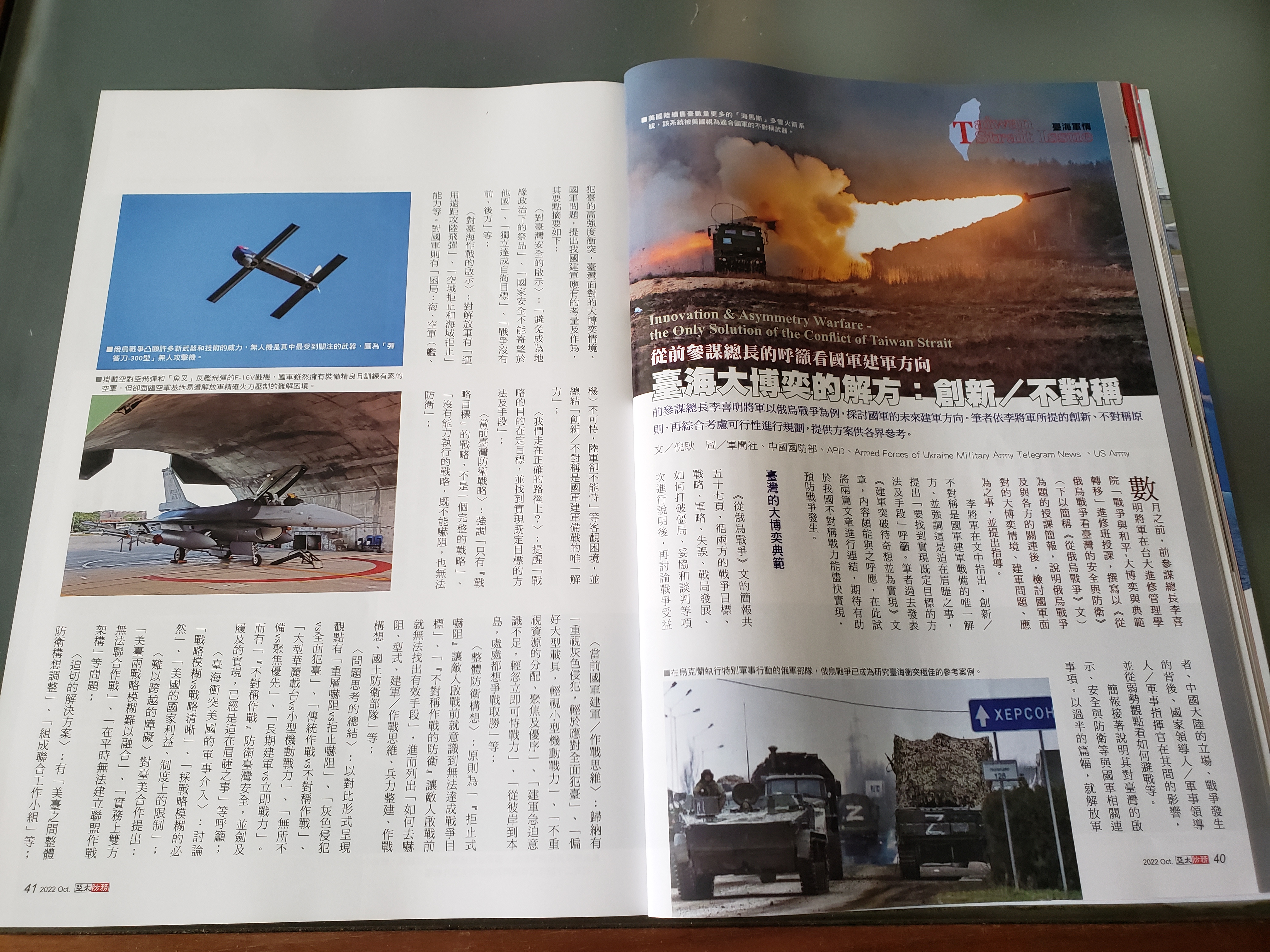
Admiral Lee’s main argument is that smaller, resource-poor Taiwan’s best defense policy is to transform its national security establishment’s long-held mentality and focus on smaller, mobile, survivable platforms-munitions in all branches while emphasizing resiliency, mobility, and survivability in surveillance, intelligence, and logistics. These are difficult changes because they revolutionize how things have been done within the Taiwan Ministry of National Defense since 1949. These proposals also revolutionize how the nation’s elected leaders and citizens evaluate their national security and express their sense of national pride – pouring concrete and making small mobile communication vehicles and producing thousands of cheap, replaceable drones make national security sense, but challenges the psychology and emotions of all sectors of this nation.
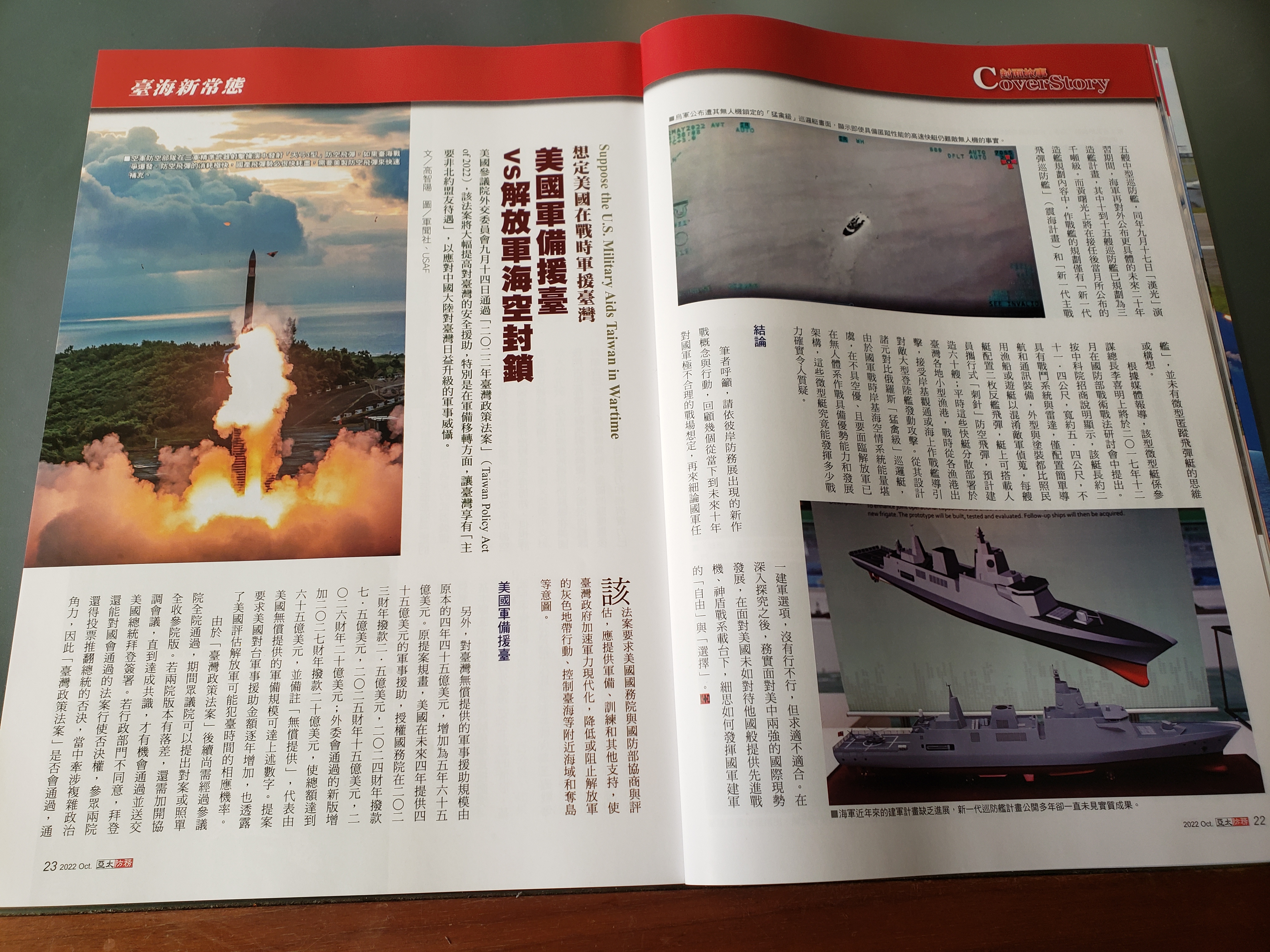
Which gets us to the mystifying process of how the Taiwanese Navy has been pursuing its surface fleet since the early 1980s. I am not a partisan in intra-Taiwan Ministry of National Defense factions and arguments – I find those arguments, dating back to their China days (big northern fleet versus small attack craft southern command ….) tiresome. It is fascinating to think carefully about Admiral Lee’s stillborn manned and unmanned stealth missile crafts versus recent news that once again the Taiwan Navy will reverse course, delay its larger AEGIS/VLS surface vessels, and build smaller non-AEGIS/VLS frigates.
I do not have the professional-academic background to argue which model makes the most sense. Whether Taiwan is better off with a large vessel fleet, small fast attack craft fleet, a combination of both, and/or focus on submarines (and if so, what size and how many ….) I do have the background to conclude that Taiwan has not had an adequate, democratic, public policy debate over such an important issue. Admiral Lee’s argument is that if the US warning that dictator Xi and the Chinese communists want to be ready for a war of annexation no later than 2027 – then quickly getting hundreds of small, cheap, rapidly manufactured missile crafts into service is far more sensible than programs requiring decades. He further makes the argument, convincingly, that the Chinese communists would like nothing more than a grand, conventional, force-on-force battle – reminiscent of how Chiang Kai-shek’s army melted into thin air in 1948-1949 China I think.
And if these smaller frigates take too long to build, require too many sailors to staff, take too long to train to bring online, and are too easily sunk by the Chinese – well then in the same issue of this Taiwan-based military magazine, the additional mystery of Taiwan Navy building a massive amphibious landing vessel. In an ideal world – say if you are cheating in a computer game and money can be infinitely replaced, then sure you buy everything. In the real world, Admiral Lee argues correctly, one needs to prioritize – and the priority is not choosing weapons that make people proud, but choosing weapons that will survive the initial strikes from China and be able to inflict enough damage on the invaders so as to deny them the victory they seek.
But then the peculiar modern history of Taiwan is this. In the early 1980s when Taiwan was still under China KMT martial law military publications began to appear, but military affairs were very much seen as highly confidential, only the military ought to discuss the military. Taiwan has a long history of civilians rightly avoiding politics, military, history, and diplomacy – no one wanted to become yet another political prisoner of the China KMT. This is what I thought of when Admiral Lee pointed out Taiwan is one of the world’s leading manufacturers of high-end speed seacrafts – one of many, many areas where the democratic, civilian Taiwanese civil society thrives, yet this historically created chasm between the national security establishment and Taiwanese civilians remain. In this sense, the greatest proposal from Admiral Lee’s book is not about a particular model or approach, or a particular weapon or munition – I’ve noticed in publications and online discussions these shorthands, asymmetry, porcupine, Javelins and Stingers. I think the main conclusion from Admiral Lee’s book, and the experience of Ukraine, is that a democracy cannot compartmentalize its national security policies from other realms of democratic policy debates. That in order for a democracy to make difficult national security decisions, in order for the democracy to harness all of its talents, its national security apparatus must be as democratic and modern as the rest of the nation. Admiral Lee pointed to the thriving and creative ship design and building industry in Taiwan – contrast that with the uncreativity and directionlessness of the Taiwan Navy since the 1980s. I see similar gaps in unmanned vehicles (design, manufacturing, deployment-uses), in gaming, in information warfare, etc etc. Taiwanese businesses are perhaps some of the most creative and resilient in global logistics – whereas the Taiwan military has had a reputation for weaknesses in logistics. Democratizing and modernizing the national security establishment are the only ways forward to ensure Taiwan’s national security can withstand the challenge posed by its imperialistic autocratic neighbor.
This is an important book regarding the national security of Taiwan, and it is a pity that it has provoked little earnest discussion and debate among Taiwan’s civilian and military leaders. This does not mean I believe Admiral Lee’s ideas should all be adopted – but the lack of debates is indicative of the greatest danger posed to Taiwan’s national security – the inability of its hyper-conservative (in this instance, I mean not ideology but a culture – reluctance to embrace new ideas, take risks, debate openly) national security apparatus to adopt democratic and modern norms in order to make necessary and rapid adjustments.
At nearly five hundred pages, this book could have used more thorough editing. The writing can be repetitive. In a polarized national identity climate, nothing in public policy Taiwan can escape quick and ideological dismissals. Probably I disagree with Admiral Lee on most political and diplomatic issues. I respect his expertise, and I see no reason as other reviewers have, prematurely jump to conclusions regarding his patriotism and loyalty.
If I were to choose a few pages as a microcosm of what makes this book important, it would be the section on Admiral Lee’s proposed manned and unmanned stealth mini-attack naval crafts (pages 344-357). Many words have been spilled by many parties over this aborted proposal – but the admiral’s convincing explanation here, and the unhealthy political process by which other leaders in the Taiwan national defense establishment ended this project without engaging in a proper and fair democratic debate, serves as an important example for what policymakers in Taipei, Tokyo, and DC ought to focus on – not merely weapons and platforms, not how much money to provide for military aid, not denial versus control, not porcupine or not – but that Taiwan’s military leadership is in dire need of a revolutionary change in culture.
Elsewhere I have noted this, that in the decades of Taiwanese democratization, the national security institutions have been the least touched by democracy and openness to engage the rest of the world. One may generally argue that this is the case in most nations. Yet I think one can reasonably argue that this phenomenon is particularly pronounced in Taiwan. And Taiwan’s civilian leaders from all parties lack the expertise, and rightly fear the instability of a menacing authoritarian neighbor, by pushing for democratization and openness within its military.
This is where a constructive avenue is to adopt the models of the 1950s, where Taiwan turned to Japanese and American officers – retired and active service – for advice. Again, refusing to participate in simpleminded name calling one sees in some Taiwan-based military publications – this is not about whether Taiwanese officers have expertise and insight. I think they do, no less than foreign officers. I have never had doubt about the quality of the Taiwanese rank-and-file military – only doubts and worries about its generals and admirals. The problem is not expertise, but bureaucratic, institutional inertia, decades in the making – requiring a push from the outside to cut through decades of habits and precedence. In many ways while reading this book and other related articles the inertia in the Taiwanese military leadership reminds me of the American higher ed thought leaders – everyone knows a demographic tsunami is coming, everyone agrees that the economic model makes no sense – yet there is zero incentive structure for anyone to be the one to say this, much less to make substantive changes.
So then back to Admiral Lee’s mini-missile crafts. I do not have the expertise to decide whether they were the right approach for the defense of Taiwan. I think the fact that there was basically no national discussion and debate, from the proposal, and adoption, to the removal of both the policy and Admiral Lee himself from office, illustrates the gap between Taiwan’s democracy and its national security policy-making apparatus. Even the fact that this book has received relatively muted responses from Taiwanese political leaders, military establishment, journalists, and scholars, illustrates this dangerous gap – an otherwise vibrant democracy, yet cannot engage in honest and direct conversations and debates regarding its fundamental survival.
And I admit, as I read Admiral Lee’s thorough proposals, moving away from jet aircraft and large warships and armored vehicles, my initial reactions were emotional and reactive – my decades-long sense of Taiwan’s national defense and identity intertwined in these weapons and systems. Yet Admiral Lee’s analysis is rational and thoughtful – how does a smaller nation invest very limited resources so that it could deny a larger neighbor the military victory it seeks? And Admiral Li is a rare Taiwan military leader who is neither defeatist/too political, yet is willing to risk the unpopularity of speaking the unvarnished truth.
This reminds me of something I have thought about for decades as I watch Taiwanese military maneuvers and read interviews and articles published by the Taiwanese military – a core question for me has been: Are these generals and admirals honestly preparing to fight for real? And I think Admiral Lee has convincingly answered this question as sadly being no. This is where Taiwan’s civilian democratic leaders require the most assistance from their US, Japan, and other democratic allies – expertise and credibility to push for a revolution in Taiwanese military leadership. A few recent examples are alarming indications. That the Taiwan military leadership reacted so slowly to the Chinese communist unmanned aerial vehicle intrusions is a clue of deep-seated institutional problems. The recent special forces maneuver preparing for a Chinese communist landing at the mouth of the Tamsui River – they have been practicing against that scenario for as long as I have been reading the news – do you suppose the Chinese communists have noticed that too? And if so, why would they follow the Taiwan Ministry of National Defense’s scenario? And finally, this is subtle but to my thinking indicative and fundamental. A Taiwanese college student, a music major, on his own initiative used open-source information to map out major Chinese communist military installations on Google Map. In most functioning democracies he would have been invited by the Ministry of Defense – if only for the PR/marketing/recruitment drive – and an even smarter military would see this as a way to draw strengths from the democracy it is trying to protect. Yet thus far, to my knowledge, the Taiwan Ministry of National Defense has not reacted.
This is where Admiral Lee’s policy suggestions should meet actual global policy moves. All of the particulars he has offered are debatable in a democratic process. I think one of the most important first steps for Admiral Lee’s proposal to have a chance of taking root inside Taiwan’s national security institutions is for a US-Japan led global effort to share expertise – civil defense and modern military concepts by Finland, Sweden, and Norway; logistics and civil defense by Israel; how to modernize the Ministry of National Defense by the US. And perhaps a pressing issue is to find ways to send Taiwanese and American officers to learn from their Ukrainian counterparts. How did Ukraine manage to transform its authoritarian, Soviet-based national security apparatus to adapt to its modern democratic reality? How did Ukraine manage to deal with members within its national security apparatus who had loyalty-identity issues without violating democratic norms? How did Ukraine manage the vast logistical and supply issues [recent Taiwan military publication rightly focuses on this issue – where will foreign military supplies reach Taiwan during a war? Has Taiwan planned on how to move them from air and sea ports to storage and distribution?] What lessons have the Ukrainians learned regarding the resiliency of local governments, police, reserve forces, transportation, and communication?
Taiwan has had a long history of sending officers and fact-finding teams abroad, similar to those US higher ed task forces and committees, where findings and reports sink slowly into an entrenched bureaucracy full of reasons why needed reforms cannot occur. Taiwan Can Help, Taiwan in military affairs needs that push from abroad – expertise, resources, reassurances – so that it can transform its mentality from fielding a force for the parade grounds, into a military force prepared to fight, prepared for the unexpected. Admiral Lee has provided invaluable service to his nation by writing this book – a thankless task really, he could have easily kept his mouth shut, become the head of another state-owned industry, and collect his pensions, he should have the gratitude of everyone who cares about Taiwan’s democracy. 12.11.2022
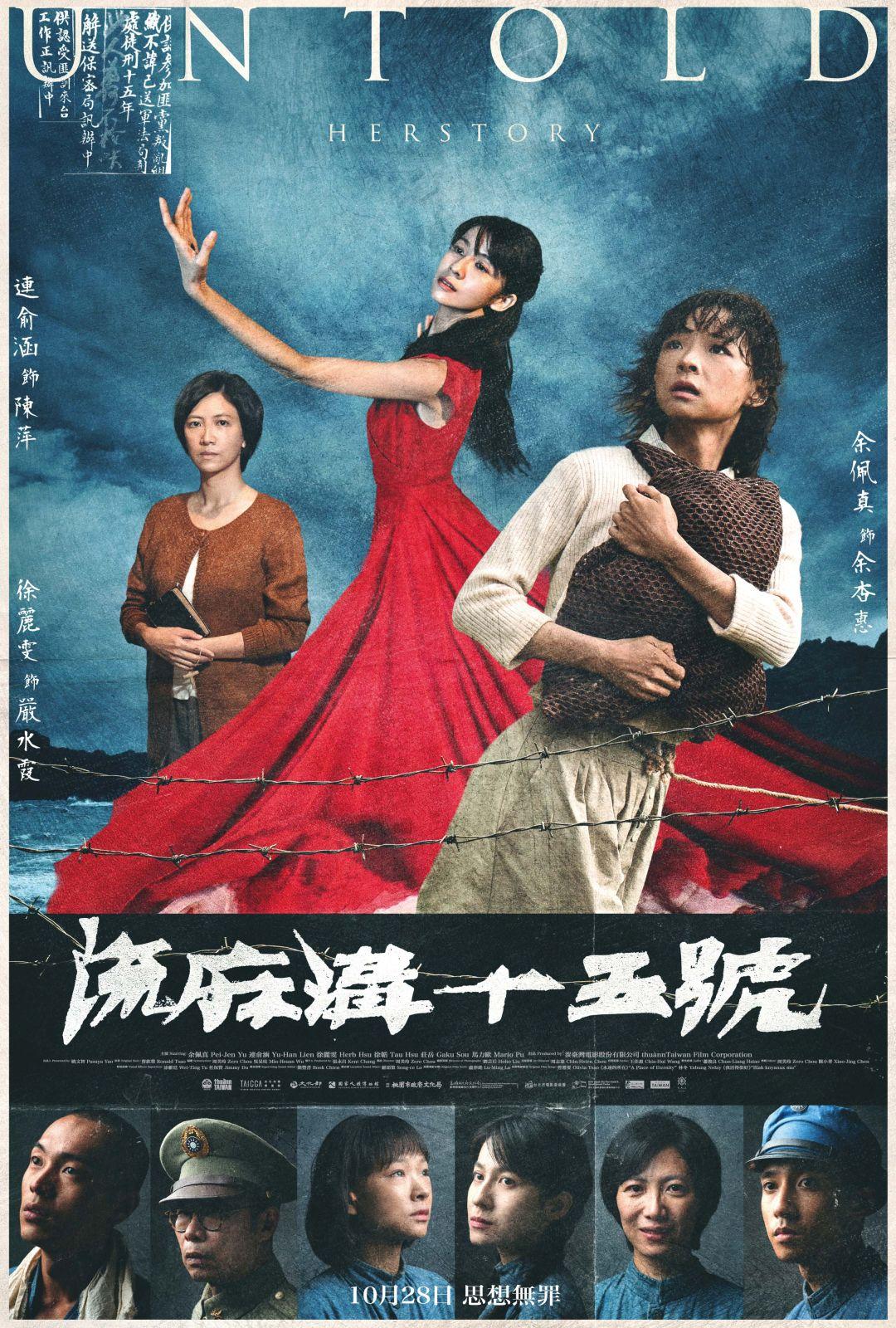
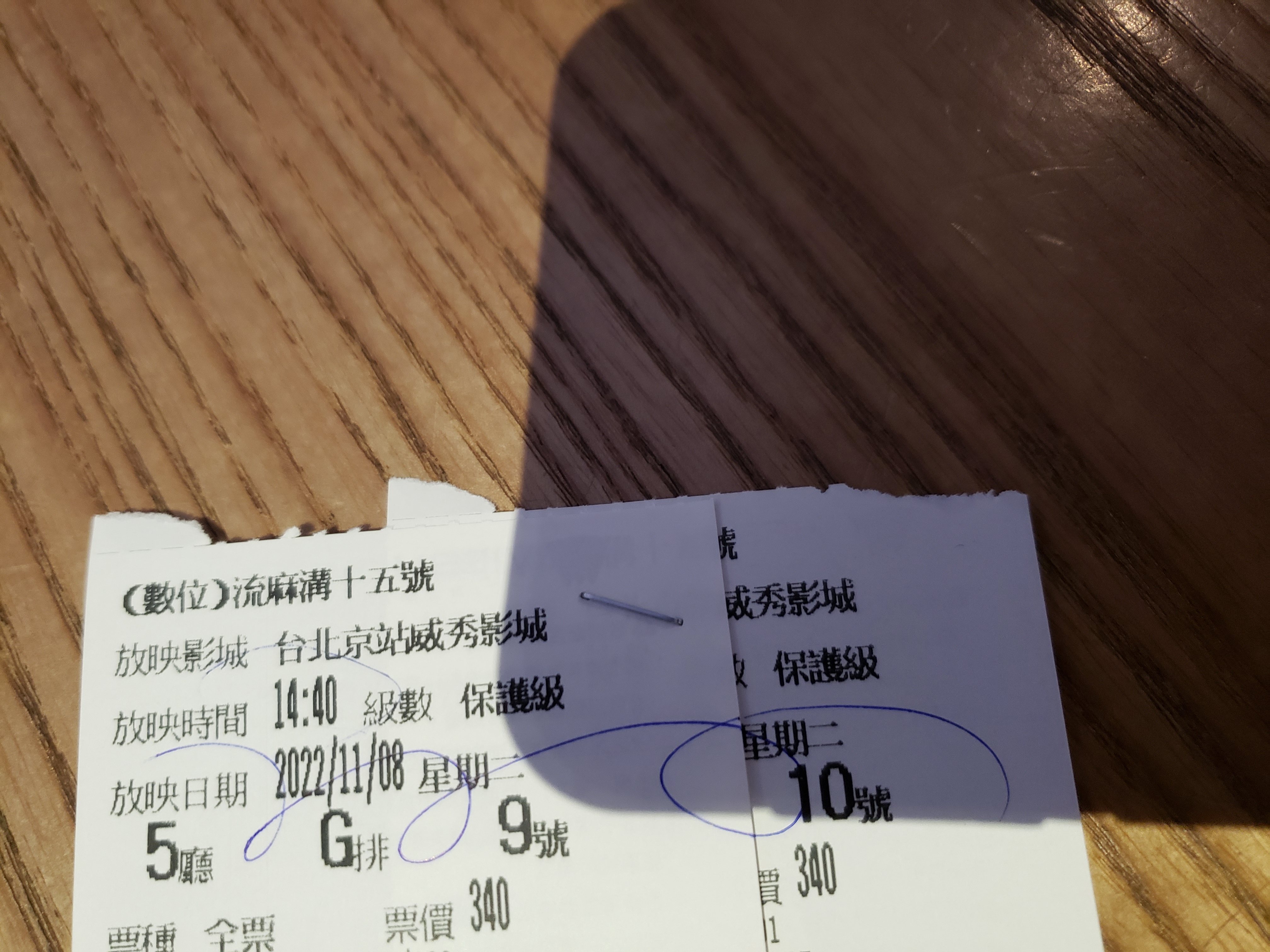
Because few Taiwanese dared to go into filmmaking, TV, radio, journalism, the arts, history, and politics during the days of the China KMT occupation-dictatorship, even decades after Taiwan’s democratization the decolonization process remains stalled. Taiwanese do not have the institutions, the people, nor the vocabulary to yet fully recover their historical memory and examine their own histories. This new film about the invading China KMT’s political prisoners and white terror during the 1950s and 1960s is an attempt to reverse that tide – for Taiwanese to reclaim their memory, and to tell their own stories. It was a difficult film to watch, much tears, sometimes I just closed my eyes for minutes to shut out the pain. But I told my wife going to a theater is no less important than voting – a small, personal vote against Chinese colonialism.
The incongruities and complications of modernity and modern Taiwan are these – to walk out of a beautiful and heart-wrenching film, subtle and tastefully done, into a western-style shopping mall complex in downtown Taipei. And then, a few minutes later, on a subway, to transfer to the Chiang Kai-shek Memorial stop – the same invader-dictator who is responsible for these crimes against humanity, yet Taiwanese citizens are still forced to host a memorial in his honor. And for extra incongruity, one of the Taipei mayoral candidates claims to be Chiang’s illegitimate great-grandson. And he may actually win. None of it makes any sense, yet all of them must coexist, parallel universe-like, democratically and peacefully.
How to reclaim historical memory, tell one’s own stories, and decolonize one’s own nation peacefully and democratically? The greatest strength of this film, I thought, was complicating and humanizing all of the characters, from China KMT political prison guards to political prisoners who are from China to Taiwanese victims – without descending into moral relativism and “What a tragedy of that era ….” b.s. These are my initial thoughts – I am going to take a while to think over my notes and ponder all of this. The range of linguistic diversity, accents, and languages brought over from China to the beautiful code-switching between southern Taiwanese to Japanese to English, speaks to a level of multiculturalism and diversity inherent to Taiwan that the China KMT dictatorship tried mightily to erase. The film did a masterful job with a light touch – this is a subject and a story that’s constantly at risk of tipping over into melodrama. The China KMT crimes and the human suffering were drama enough when simply illustrated. Something about the way the film was filmed and narrated and the stories interspersed felt immersive throughout – a deep sense of sadness and anger, sadness for the needless suffering and injustice, anger that the criminals remain unrepentant and unpunished, beautiful shots of the Pacific Ocean waves and the natural beauty of the Green Island almost as momentary reprieve.
It also occurred to me that decades of China KMT brainwashing into their particular brand of neutered in service of the Chiang crime family dictatorship “Confucianism” and decades of enforced forgetting have nearly erased most of modern-day Taiwanese memory of highly educated and super strong-willed Taiwanese women leaders in its history. A history that films like this is beginning to remember.
The film’s thankless task is also President Tsai’s thankless task – tell a fair and complicated historical memory story which some will take offense for not being harsh enough; while even touching the subject is making Chinese reactionaries inside Taiwan upset. Yet these are necessary steps for the future of Taiwanese democracy and nationhood – requiring brave, selfless Taiwanese to take – to engage the pain and suffering while opening a democratic and peaceful path for national coexistence. 8.11.2022
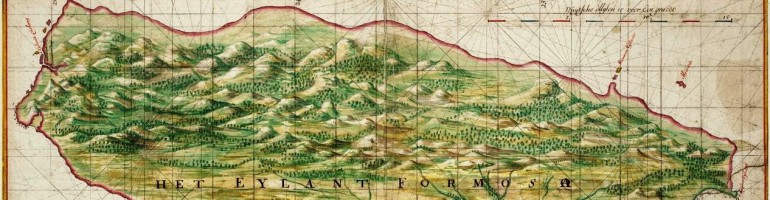
This history series by Taiwan’s 三立 is a rare public forum for Taiwanese history on Taiwanese mass media. Academic historians can, and will, find something to fuss over history for a mass audience. What is notable about this series is that it provides a rare oasis of thoughtful content in an otherwise content-poor Taiwanese electronic media landscape. It also does an admirable job breaking down politically and historically created barriers in how Taiwanese history has and has not been conceptualized. Nothing in the public discourse in Taiwan can escape the omnipresent national identity-historical memory either/or’s, the “Are we Taiwanese or Chinese or both” debate. This series makes a serious attempt to push across these artificial boundaries – periodization, conceptual categories, national identity as confined by modern nation-states, and so on while placing Taiwan the place, and Taiwanese the ever-evolving communities of humans on this island, at the center. In this effort, it echoes the evolving views developed by newer generations of Taiwanese leaders – pushing farther back into Taiwanese history and pre-history (Dutch, indigenous, Oceania), while broadening beyond the usual characters (Han Chinese, Japanese, China KMT) – and providing new ways to include contradictory and competing historical memories, from indigenous to the Japanese to the disaggregated Taiwanese to the immigrants of 1949 to the even more recent immigrants from Southeast Asia and beyond to the global Taiwanese diaspora, into a dynamic Taiwanese national identity bond together by place and by democracy. I have often noted that for a nation that formally declares such reverence for history, Taiwan is comparatively apathetic to its own history and quick in developing historical amnesia. Any effort, such as this series, to reverse this trend will do much to deepen and enhance Taiwan’s democratic sovereignty.










 Taiwan in World History (台灣與世界歷史)