Tag Archives: Taiwan dispatch

Reviews. 華麗計程車行 A Wonderful Journey

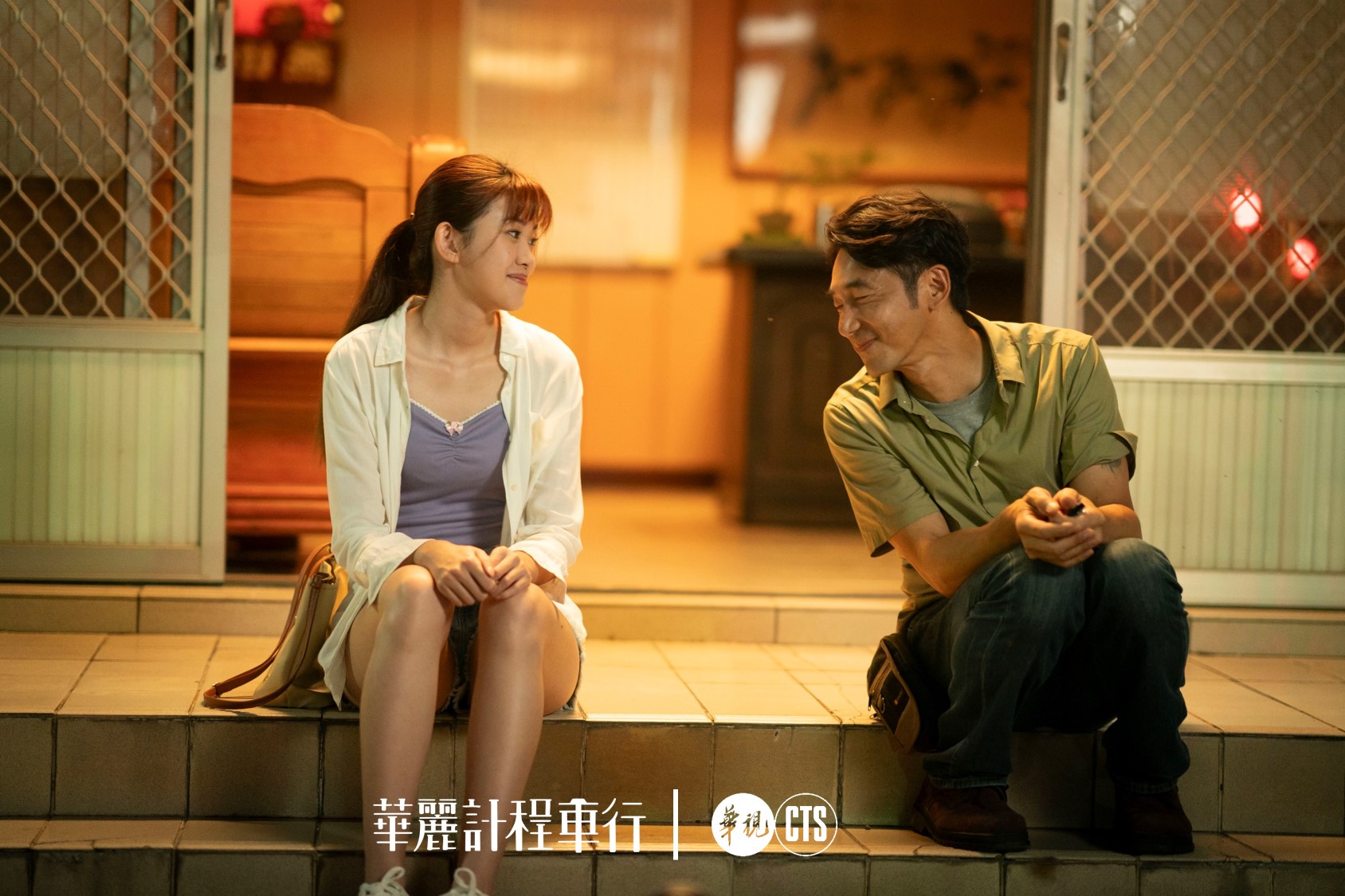
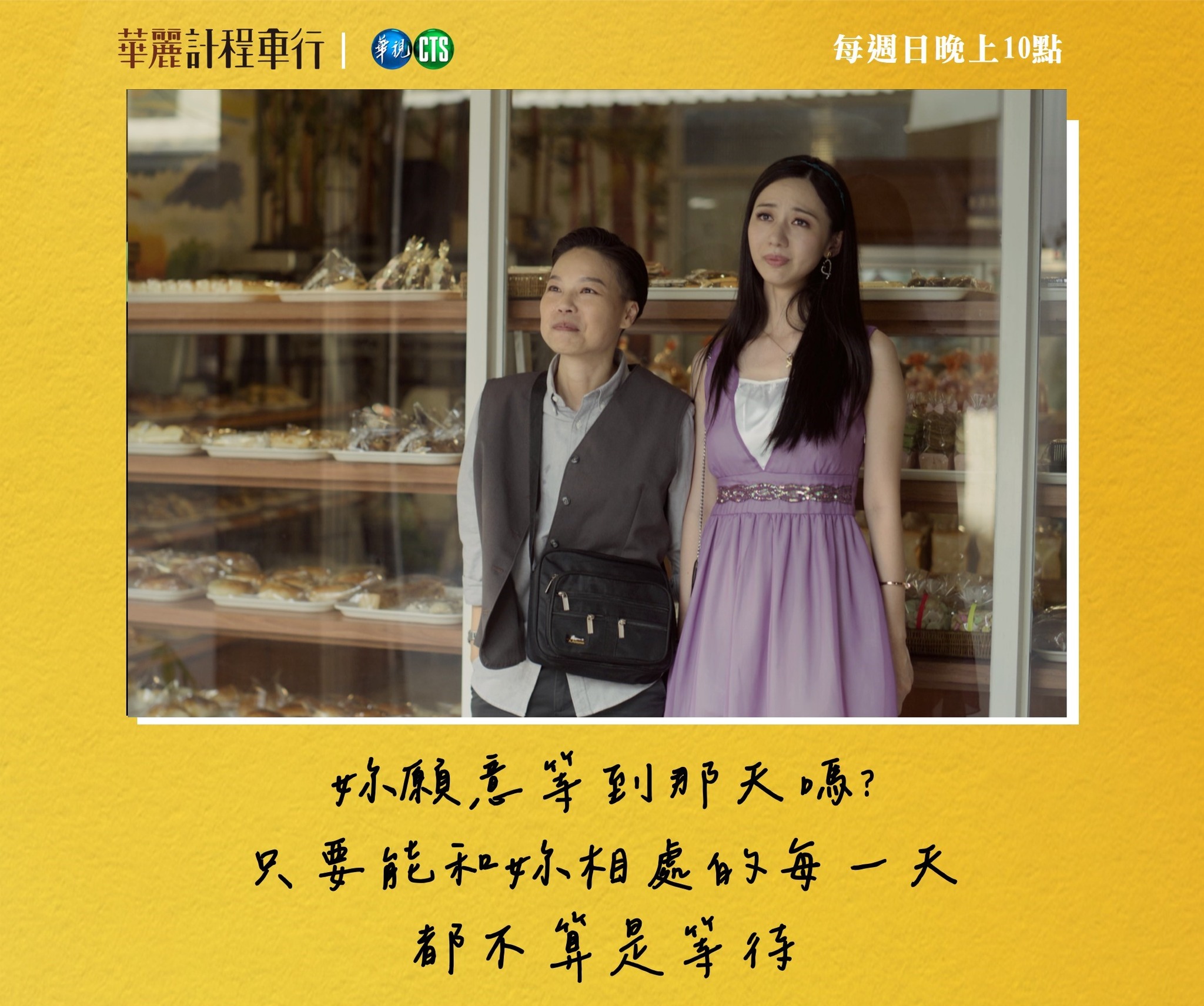
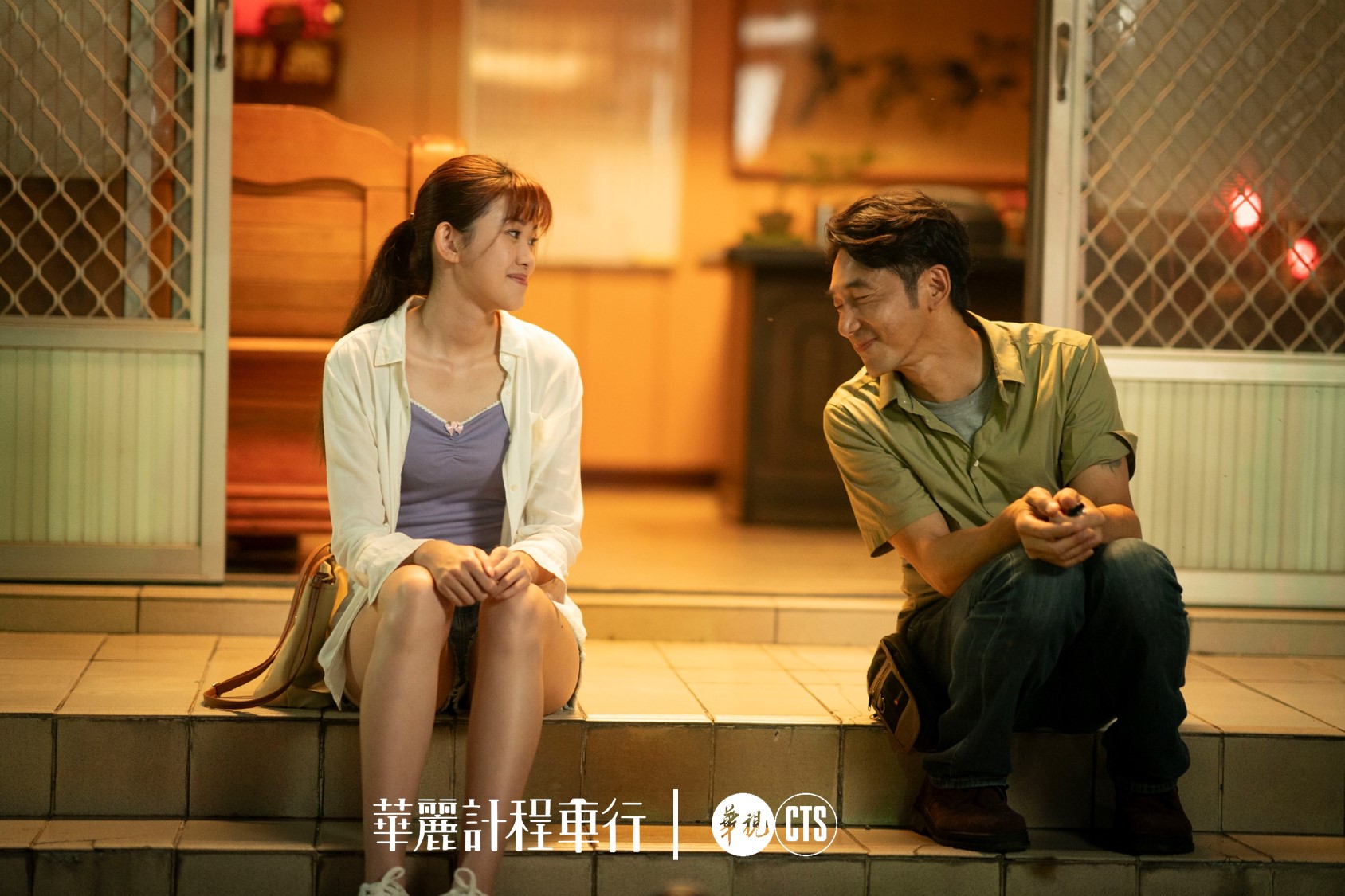
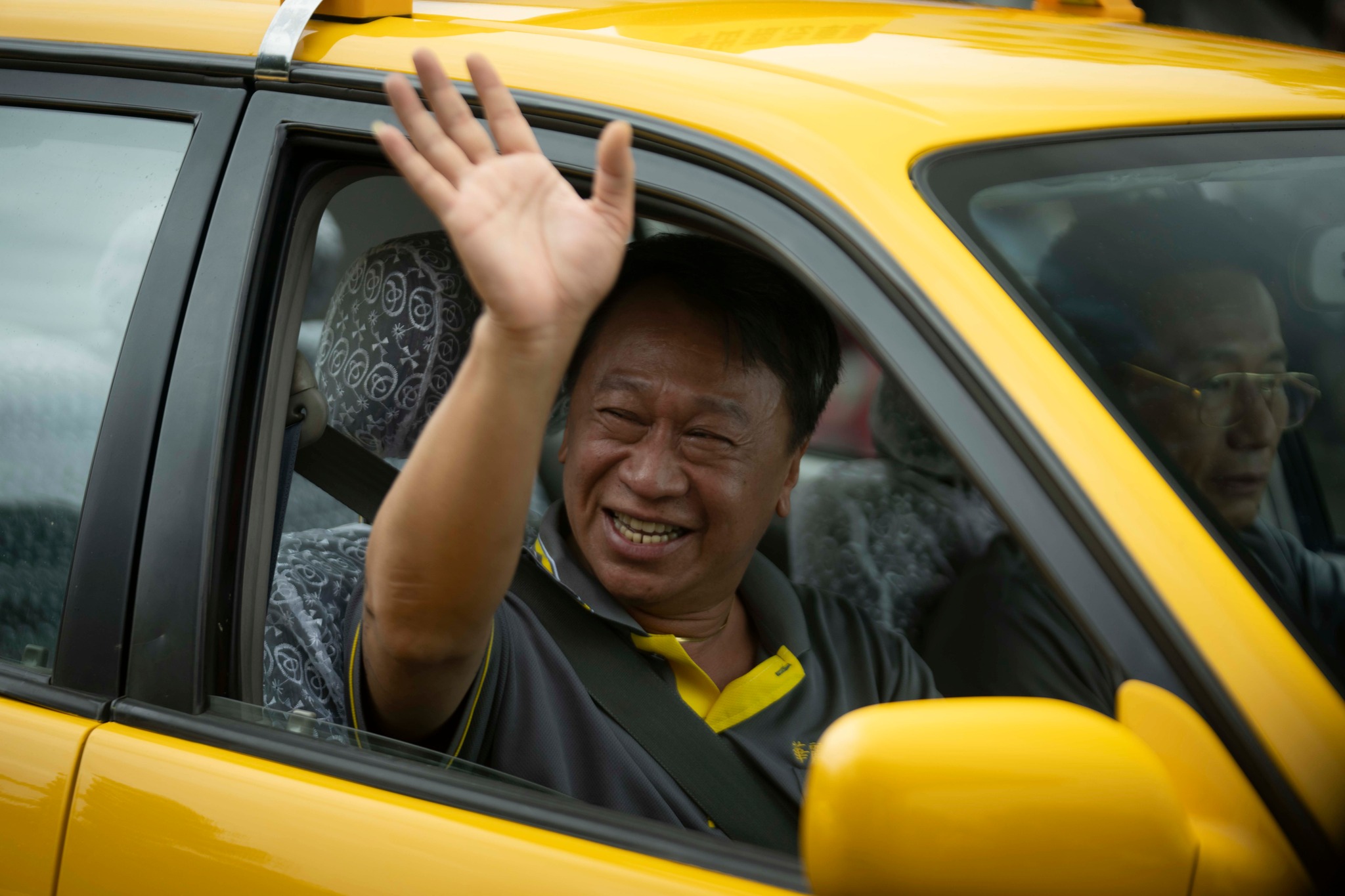
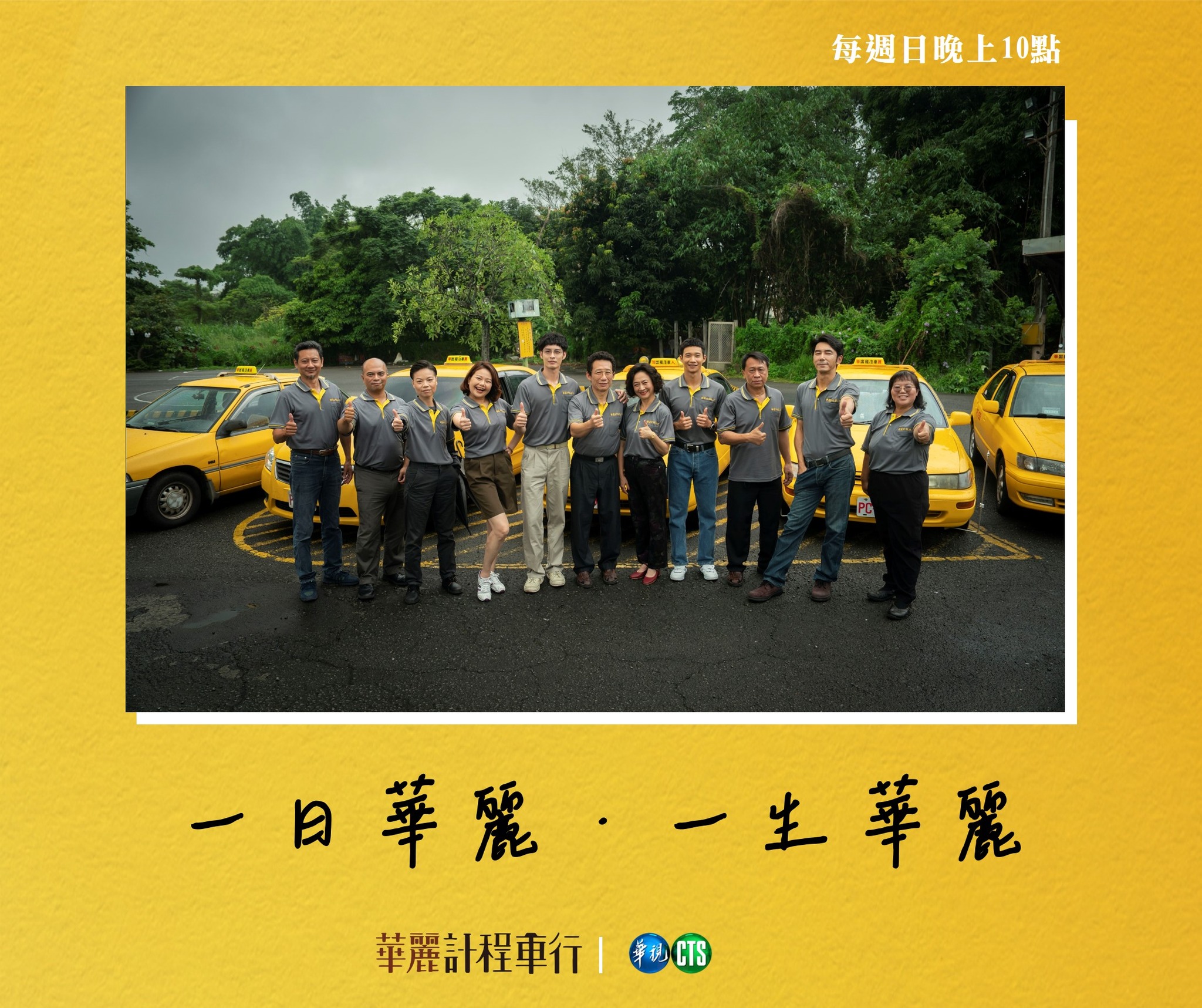
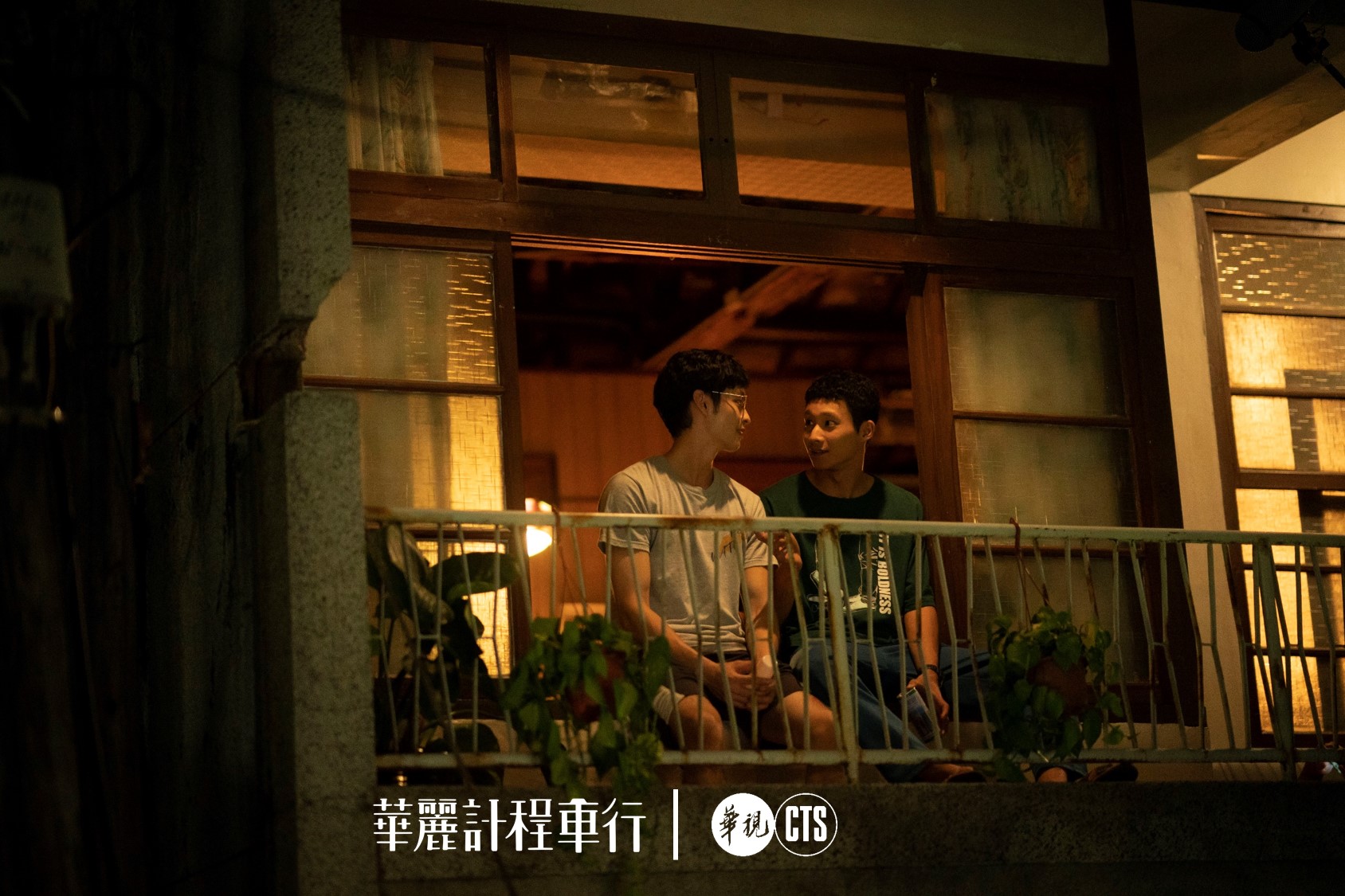
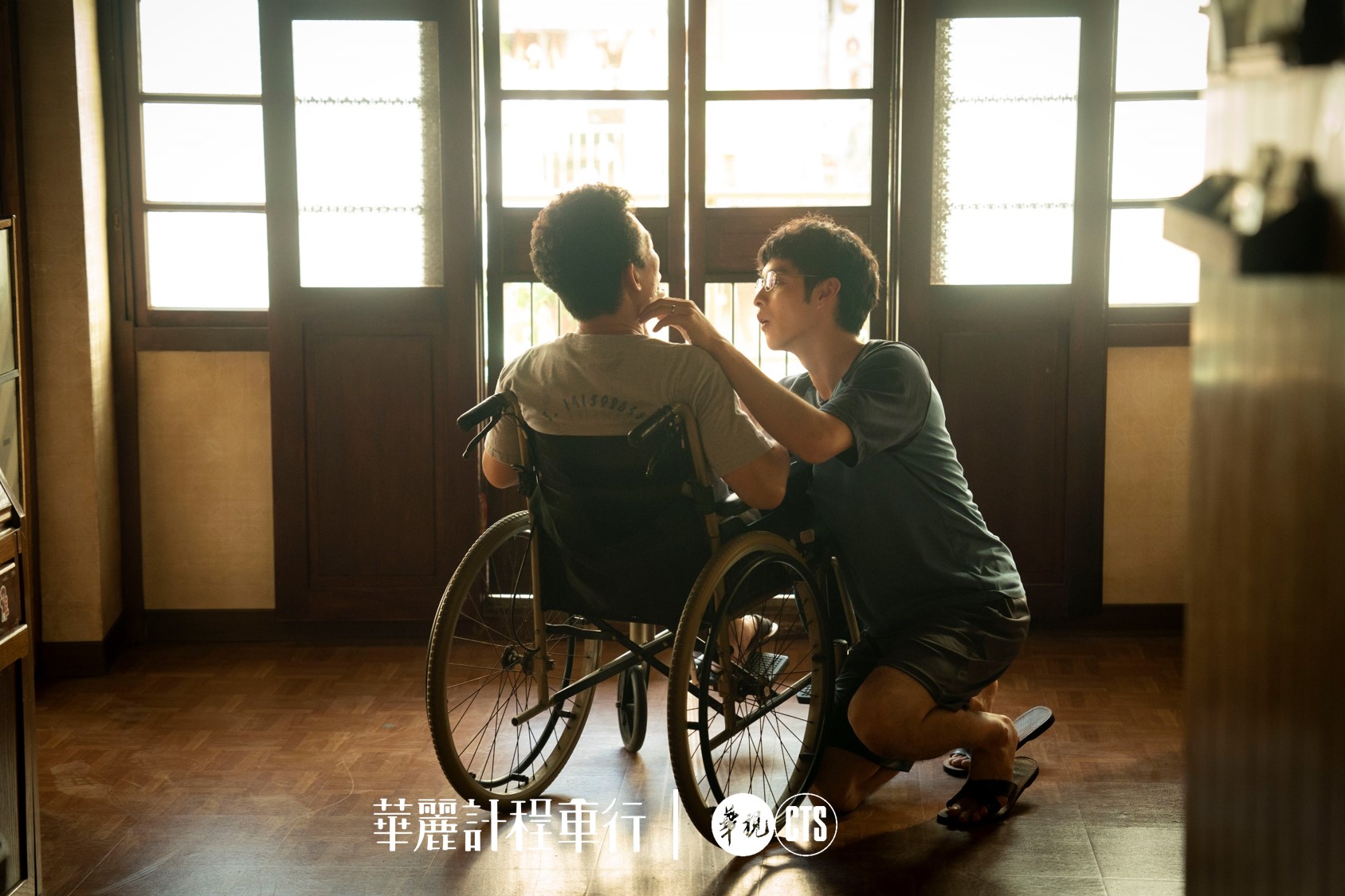
National identity and popular culture classrooms. Reviews. 華麗計程車行 A Wonderful Journey, [Netflix]. Ten episodes is a wonderful disciplining tool for storytelling. This Taiwanese tee vee show – based in the historic southern Taiwanese city of Chiayi, the third such Taiwanese show in recent months – is based on a small Taiwanese family-run taxi company. Part coming of age, part that slice of modern Taiwanese history, part about Taiwan outside of Chinese Taipei colonialist core, part sketches of rural, small town, paycheck-to-paycheck working folks. Impossible to not compare a sentimental show like this to the gold standard, 俗女養成記 The Making of an Ordinary Woman. Ordinary Woman was a near-perfect show, Wonderful Journey is weaker – though compared with what one might ordinarily find on US and Taiwanese channels and Netflix, it is an above-average show. While Ordinary Woman tightly organized the storylines around the lead character and her family, what surprised me the most about Wonderful Journey is in how the stories about the protagonist/narrator, family, and taxi company – though not unimportant, were not as impressive as the middling/later episodes which individually sketched the ”side” characters. Most moving and memorable are the two episodes focusing on the driver instructor/mechanic and his budding relationship with a KTV/bar lady – and the episode describing the death of the narrator’s dad’s best friend/long-time taxi driver – just those two episodes cost me several bags of Kleenex. These episodes reminded me of the stories from the Taiwanese film Buddha+ — empathetic, stylized, a clear-eyed look at the Taiwanese working poor – and how the meaning and dignity of life were represented by different characters. As with many of these shows, some of the best moments were the mini sketches between characters – the two brothers, and the taxi drivers, reminiscent of the scenes of Buddha Minus where old friends played cards and chatted. Returning to the comparisons between Wonderful Journey and Ordinary Woman – Wonderful Journey is not nearly as funny, or moving, or ‘real’ – some of the dialogue struck me as stiff and unlikely to be spoken in the real world. While both shows are heartfelt and earnest, Wonderful Journey often fell into sentimentalism-sap – whereas the imperfection of life and the need to still get up each morning even though life sucks was shown by Ordinary Woman in a funny, creative, non-cynical way. Too often as lesser shows lean on – Wonderful Journey resorted to speech-making instead of trusting the audience to understand the complexities of what these characters are enduring. This is particularly so for the conventional rainbow unicorn all lose ends tied up final episode – as my old writing mentors repeated, show don’t tell. It is impossible for me to not return to the politics of languages and national identity in these Taiwanese shows. When the China KMT colonized Taiwan in 1945 and fled to Taiwan in 1949, the Mandarin they brought became the “national language” and the many languages spoken by residents of Taiwan became “dialects.” One of the many consequences of this foreign-imposed, dictatorship maintenance language policy is a still in-practice conceptual categorization of Taiwan’s popular cultural world – whereas American musicians are pigeonholed into genres/categories, Taiwanese singers and actors and shows are categorized (and valued/devalued) on the basis of languages. Ordinary Woman was extraordinary and unusual as a Taiwanese show in that it successfully challenged the language rules created by the Chinese colonialists – wherein either a show is a “national language show,” or it is a “Taiwanese dialect show,” – an extraordinary amount of beautiful Taiwanese was spoken in Ordinary Woman without one feeling as if it was an overcorrection, whereas Mandarin made appearances when it was natural. Wonderful Journey tried to straddle the politics of languages-national identity – the choice of a not-very inspiring Mandarin ballad as an opening theme song, where how languages of this period in that locality are not as nearly thoughtfully crafted. And this part perhaps is simply the budget. Unlike the long-running Taiwanese soap Uncle, also located in Chiayi, it is kind of remarkable to have a show located in Chiayi with taxi cabs as the main theme and to see/know so little of this important southern Taiwanese city. 15.4.2024

© Taiwan in World History 台灣與世界歷史. This site grants open access for educational and not-for-profit use. Maps and illustrations are borrowed under educational and not-for-profit fair use. If you are the rights holder and prefer not to have your work shared, please email TaiwanWorldHistory (at) Gmail (dot) com and the content will be removed.
Leave a comment

Filed under books and artifacts

白沙屯媽祖 and this emerging Taiwanese national identity

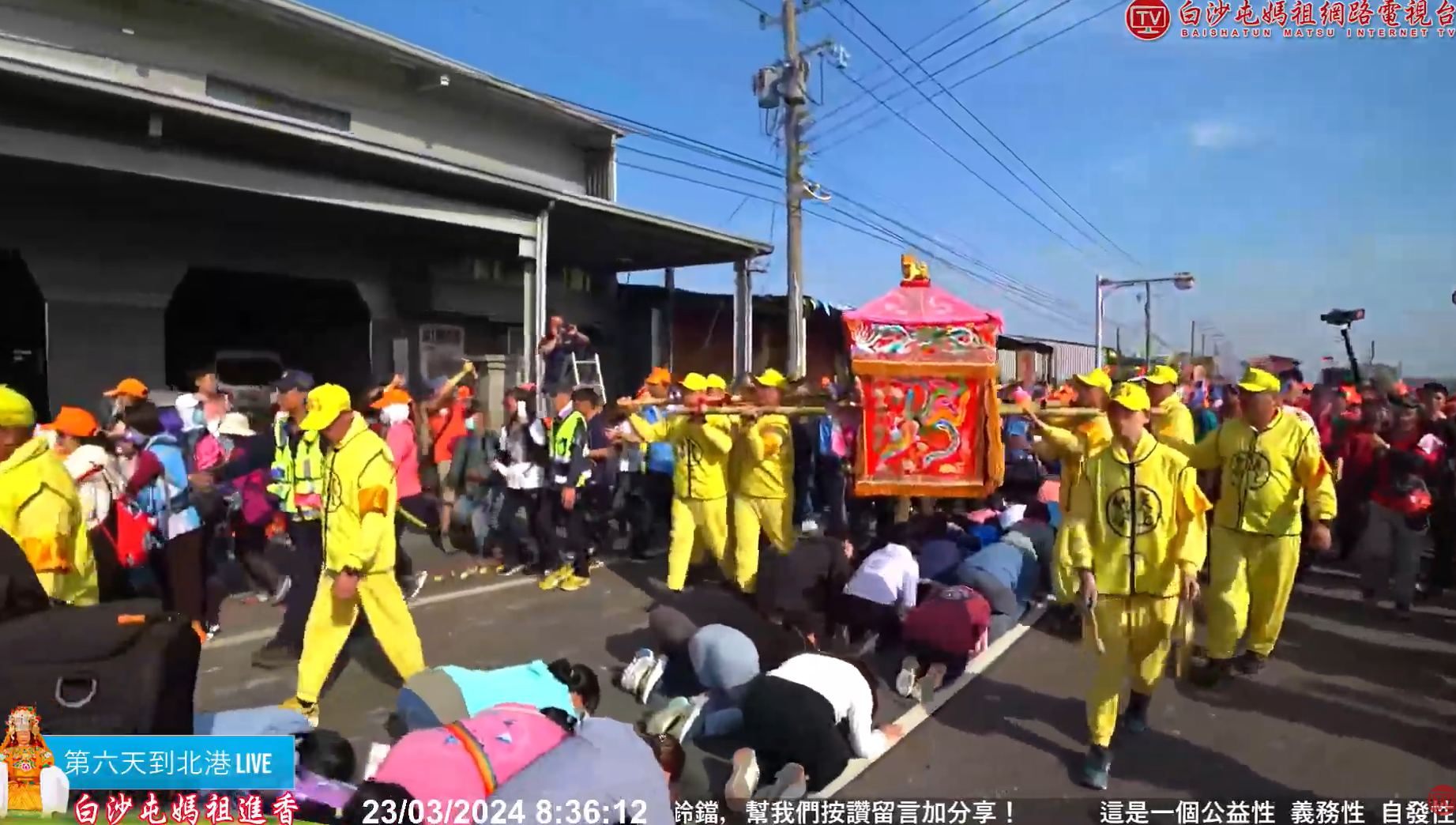
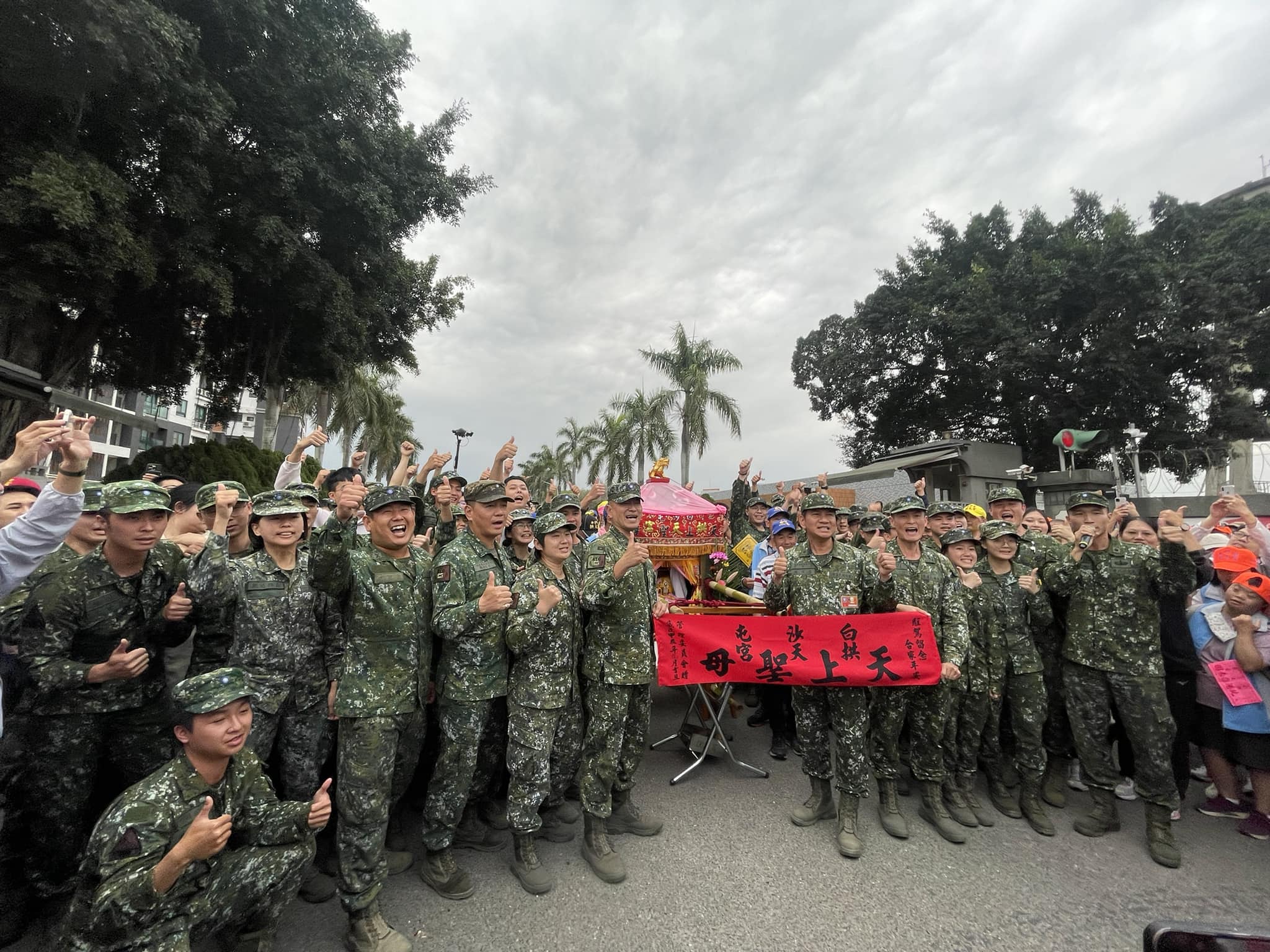
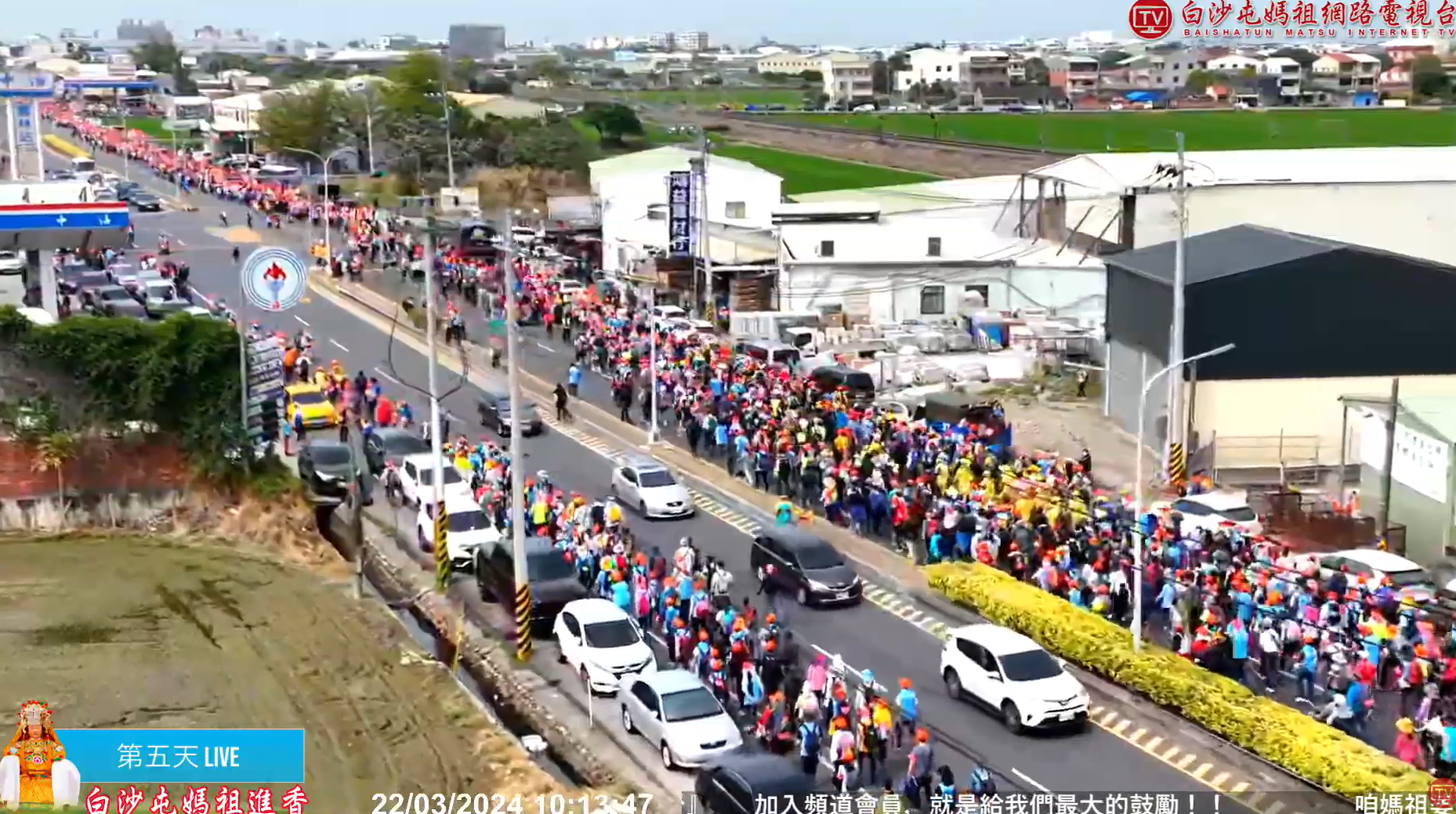
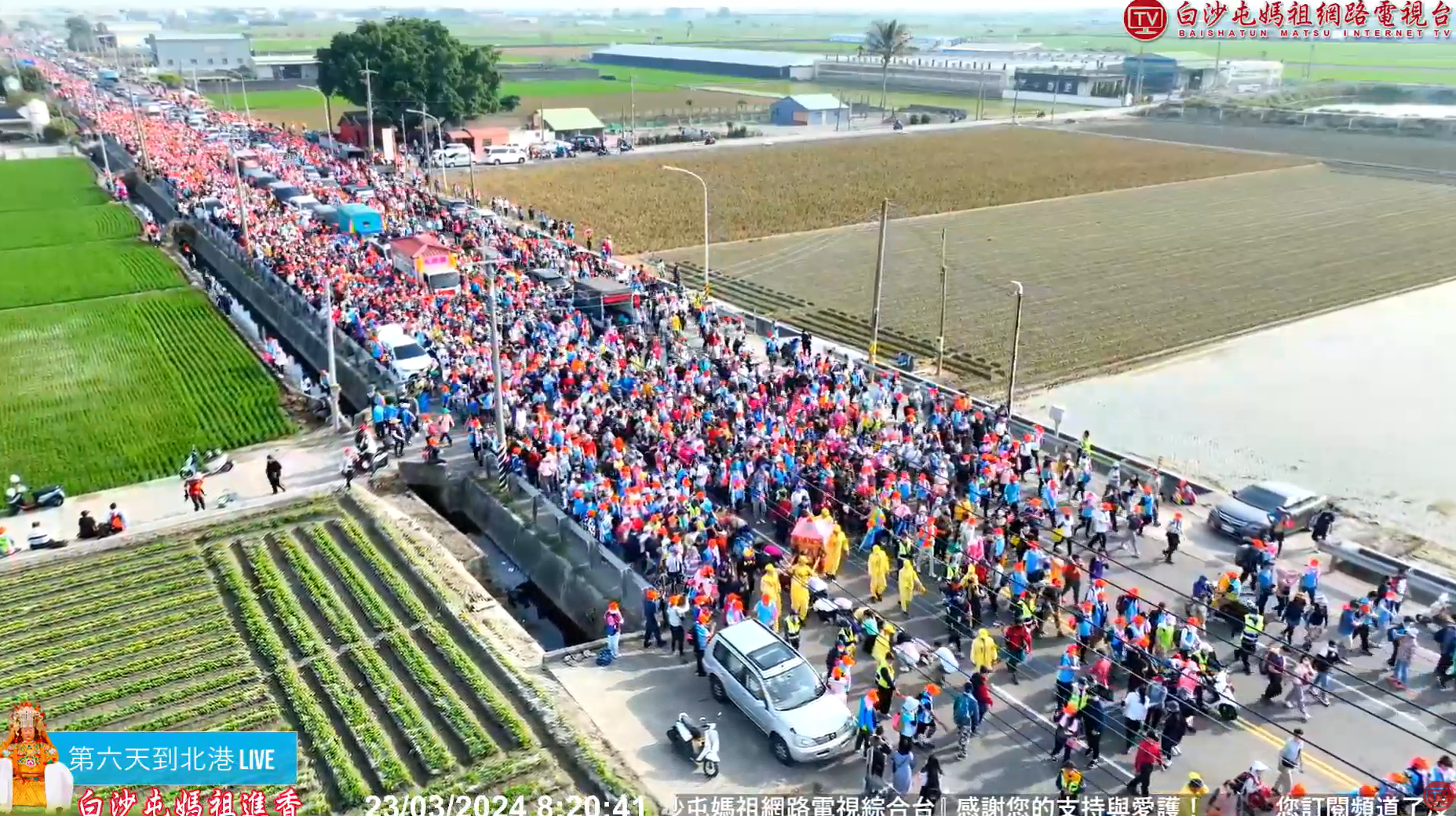
白沙屯媽祖National identity and world history classrooms. This emerging Taiwanese national identity. If a language is a dialect with an army (nifty idea, I would caution that one should be careful trying to universalize such an idea) – then is a religion a cult with an army? All of my classes have a religion/ritual component because it is so fundamental to understanding human behavior. What I have found with American students is a general impatience and naive optimism about knowing the boundary between “religion” and “cult” – in the same way that they tend to jump the gun on discerning the unstable boundary between education, information, and propaganda. In my familial life, it’s been interesting to ponder my highly educated Taiwanese parents as a microcosm of Taiwan’s complex social-political history. In behavior, they are modified traditionalists. Dad dislikes burning paper money and incense; mom is duty-bound because ancestor worshipping got handed to her by my paternal grandma. Yet ideologically, due to the China KMT’s campaign to de-Taiwanese Taiwan – a decades-long cultural genocide campaign to erase Taiwanese identity during their colonial occupation – my parents reflexively refer to Taiwanese religion(s) as backward, superstitious, and/or corrupt. Mom has spent decades hilariously trying to get my brother and me to become Christians – a status religion of the Chinese Taipei/China KMT – and whenever I ask her why she thinks a Middle Eastern/European God is superior to the Goddesses and Gods of Taiwan, she is unable to give me an answer. I have watched and studied this Mazu’s pilgrimage with great interest. The element I am most interested in is the emerging Taiwanese national identity; how the past is evolving into the present and future (This Goddess has a YouTube channel and a GPS APP ….); and the national discourse around the events. That a commander of a Taiwan army base – the army of all branches! – would welcome the Goddess in eloquent Taiwanese has sparked a social media debate. How dare Taiwanese speak Taiwanese to their Goddess, the Chinese sky dragon occupiers shriek. I am reminded of a session of World History I taught years ago when I tried to explain the nature of faith and why “superstition” is such a problematic idea when applied unthinkingly – all religions are human invented and sustained by human choices – hence all religions have the capacity for good, and cult-like bad behavior. Using myself as an example I explained why I believe that every person I meet has a reason – there is something I am to learn from them, these are not chance encounters. A very polite student asked me to prove this – and we had a great class discussion about the nature of believing versus proving. Can you, should you, try to prove that your spouse is your “soulmate” (not a fan of that term)? I would advise not. Other notes about watching the Goddess Mazu’s YouTube and studying social media posts. My favorite idea is that the Goddess does not change your fate, she offers you comfort and confidence to face challenges. The live feed gives me many glimpses of Taiwan outside of Chinese Taipei which I am far more familiar with. All of the grandparents and parents standing behind kids too young to hold incense and bai-bai to Mazu as she goes by – that reminds me a lot of my Neihu Grandma and me as a kid. I knew Grandma chatted with the Goddesses and Gods because in that position you hear the conversation intimately. The old people in wheelchairs and how high the volunteers must hold up the Goddess, and the folks holding the clothing of their loved ones – perhaps too ill to come out, maybe hospitalized or missing – bring back memories and are deeply moving. As a historian, I always ask students to imagine something like this pilgrimage for say someone 150 years ago – no tee vee, no radio, no newspaper, no formal education – the pomp, the sounds, the faith that Goddess Mazu is directing her route, the miracles small and big along the route, the impressive mass of pilgrims, the design of Her flag. Sure, we can arrogantly dismiss this as superstition. As I have watched the last six days, what I see is a psychologist, a social worker, a grief counselor, a neighbor, a good listener friend embodied in the Goddess Mazu – back a century ago, in impoverished, difficult communities when many such resources would be unthinkable. The fabric of these diverse Taiwanese localities, knit together by faith and historical memories, pageants and rituals, as a new and democratic island republic emerges. 22.3.2024

© Taiwan in World History 台灣與世界歷史. This site grants open access for educational and not-for-profit use. Maps and illustrations are borrowed under educational and not-for-profit fair use. If you are the rights holder and prefer not to have your work shared, please email TaiwanWorldHistory (at) Gmail (dot) com and the content will be removed.
Leave a comment

Filed under Taiwan Republic

Goodbye Dad, and thank you.

Goodbye Professor Liang. 梁發進教授,再会了。爸爸,感谢你。Dad, thank you for being my teacher.

My father Professor Liang Fa-Chin (1938-2023) died on the morning of August 28, 2023. I am grateful to have had this year with him. Before he died, I held him in my arms, holding his hand and gently touching his hair. I whispered into his good ear as I have all year. I urged him to follow the Buddha’s Light. I assured him that his earthly duties had been successfully completed. I told him that as his eldest son, I would protect our family on his behalf.

Though Buddhist teachers taught me to be calm and reassuring for those dying, as he drew his last breath I broke down. I have never sobbed as often as I have this terrible, wonderful year. One of the last things he heard was me thanking him for being my father, while I gently kissed his forehead. Paying final respect and bidding farewell to my teacher and role model.

Other than my Neihu Grandma, my students have heard me talk about my father the most. Which is funny because he rarely talked about himself. He grew up in impoverished rural Neihu, as the eldest son he took on the economic responsibility for his family as a child, and nearly got starved to death by the invading Chinese. He never had the luxury to ponder and verbalize about his life or feelings, always responding from one crisis to another, one responsibility to another. He spent his life making sure my brother and I would never worry about our next meal, the next tuition bill, or the money for the next book. He made sure his life’s burden would not be ours.

My love of books is because of Dad. He taught me at a very young age to find used bookstores in every town we visit. My love of teaching and learning came from him. I applied for the scholarship that funded his Ph.D. We attended the same graduate school. I wore his neckties when I taught. I always have a pen and something to write on because of Dad. Like him, I cannot go anywhere without a book in my hand. Everything I did as a teacher was my attempt to live up to the standard he set. Stern and quiet at home, there are so many photos of him surrounded by his students, and my dad laughing heartily. I often tell my students, the classroom is one of the few spaces in my life where I feel at peace. Maybe I got that from Dad too.

Dad sold vegetables and worked on the family farm while putting himself through night school. He taught himself English by listening to the radio at night. Earned cash for his family whenever possible. Helped to put his younger siblings through school. After he got married and had us, he continued to provide for my grandparents. He made sure my grandparents were cared for until the very end. With his family, with his elders, with his students and friends, he was quietly generous. For a super frugal man, he was quick to help others. One of the last times I went for a walk with him he handed a beggar a big bill without saying anything, the kind of money he would never spend on himself. Just like my Neihu Grandma, people who feel the pain of poverty have a quiet, determined, generous way.

The most remarkable thing about my father is that no matter how high his education, no matter how elevated his school and political offices became, he never forgot where he came from. When he visited his rural ancestral home, when you spent time with him, you could never tell. He never put on air. For him, it was about the work, the ideas he was thinking about, not about status nor the money. What I admire the most about him, he rarely talks about himself and his accomplishments. I have had this year to ponder what it is about him. He seems genuinely befuddled that one would even want to talk about it. There is a kind of peace I think, a confidence where one does not need to prove anything to anyone else.

The gifts my father gave me have been lifelong. He set a standard for scholarship and hard work. I keep running into people who have read his books or taken his classes. His students tell me Dad had a knack for translating complex concepts into memorable, digestible pieces – I like to think I learned that skill from him as a teacher too. He taught me about being kind and thoughtful, particularly to those in need.

The gift he gave me during this terrible, difficult, complicated year – his decline and illnesses forced me to fundamentally rethink assumptions I had about family, about life and death, about the nature of suffering, about Buddhism. About love and commitment. About the meaning of life. Before his steep decline the long walks we took – talking about economics and politics and history and the nature of scholarship. The love and respect we have for one another, though very different people that we are. We always consulted one another before making big decisions. The most significant gift from my father was being able to accompany him as he faded, step by step, minute by minute, to the very end. Bitter, angry, sad, painful. Loving, gentle, heartfelt. Every moment mattered. And to face all the things I feared and dreaded, and to find peace with these facets of life and death.

My father is my most important teacher. As my role model, he rarely instructed or lectured – and so it made sense that his final year on earth and final lessons as my teacher on life and death were to guide me by example.

I miss you terribly Dad. I am grateful for this year together, and for being your son. May the compassionate Buddha and our ancestors embrace you with serenity, joy, and love.

17.9. 2023 Taipei, Dad’s beloved democratic and independent Taiwan Republic 在爸爸心爱的民主独立台湾国。

This is the video of Dad’s life from the funeral, and my translation of the lyrics. Skills from my previous life as an editor came in handy. How does one summarize a life in sixty photos? You don’t. I think these photos captured the spirit of a life no longer here. In choosing the song, I knew it must be in Dad’s beloved Taiwanese. I did not choose one he loved, but instead, one I listened to while he faded away. The Liangs believe that less is more — not-ornate, few stanzas, simple ideas and words. And Dad, while occasionally mumbling about how songs from his youth were superior, was delighted to learn from me that “young people” are still writing songs in Taiwanese and Hakka and indigenous languages — much as during the torment of his final year any news of his grandchildren gave him relief and hope, something about the future cheered him up.

Art is life. Love is everything. Do, don’t wait.

旺福 Ōng-hok

等待雨散 Tán-thāi Hōo Suànn

Waiting for the Rain to Stop

今仔日的風澹澹

Kin-á-ji̍t ê hong tâm-tâm

It is raining today

今仔日的天暗暗

Kin-á-ji̍t ê thinn àm-àm

And the sky is dark

今仔日我需要一个人

Kin-á-ji̍t ê guá su-iàu tsi̍t ê lâng

What I need today is someone

來陪我風吹雨淋

Lâi puê guá hong tshue hōo lâm

Who will be my companion during the storm

人生親像一場夢

Jîn-sing tshin-tshiūnn tsi̍t tiûnn bang

Life is like a dream

你是我上媠的夢

Lí sī guá siōng suí ê bang

You are my most beautiful dream

你是風颱天衝煙的泡麵

Lí sī hong-thai-thinn tshìng-ian ê phàu-mī

You are like a steaming bowl of instant noodles during a typhoon day

你是我上愛的人

Lí sī guá siōng ài ê lâng

You are someone I love the most

若是有你佮我做伴

Nā-sī ū lí kah guá tsuè-phuānn

If you will be my companion

好額散食我攏無差

Hó-gia̍h sàn-tsia̍h guá lóng bô-tsha

Whether we are wealthy or poor does not matter

攑著雨傘等待雨散

Gia̍h-tio̍h hōo-suànn tán-thāi hōo suànn

Holding the umbrella together to wait for the storm to end

我欲牽你的手

Guá beh khan lí ê tshiú

I will hold on to you

牽甲手紅紅

Khan kah tshiú âng-âng

Until our hands turn red

© Taiwan in World History 台灣與世界歷史. This site grants open access for educational and not-for-profit use. Maps and illustrations are borrowed under educational and not-for-profit fair use. If you are the rights holder and prefer not to have your work shared, please email TaiwanWorldHistory (at) Gmail (dot) com and the content will be removed.
Leave a comment

Filed under Taiwan Republic

Taiwan’s 2022 local elections and this emerging Taiwanese national identity – a few more thoughts: Taiwan dispatch, world history, and Taiwan Republic 台灣国 classrooms

After decades of studying elections in the US, Europe, and Asia, a few observations and thoughts.

One. Never criticize/review citizens-voters. The easiest path for the losing party is to criticize the voters-citizens, and the party that falls prey to that temptation will continue to lose. Democracy is imperfect and messy, but its beauty is that what’s right and wrong is decided by citizens – full stop, end of discussion. I am unhappy with what the voters chose for the 2022 Taiwan local elections, but it is what it is. DPP leaders must examine exit polling and other data to improve their performance in future elections. This defeat is on them, not the voters.

Two. Refrain from reviewing/criticizing “the media.” Likewise, to criticize the media landscape and reporting. Taiwan’s journalism is deeply flawed – a legacy of its China KMT authoritarian era, communist infiltration, too many outlets controlled by conglomerates, and the unwillingness of media companies to pay journalists decent wages. I am not uncritical of Taiwanese and western journalists but related to the point above, the losing party will continue to lose if they focus on journalists and not themselves.

Three. I am a supporter and admirer of President Tsai. During the democratic era, out of its three elected presidents, Lee, Chen, and Tsai, Tsai has been the best national security president. For domestic affairs and electoral politics President Tsai and her team have been far less impressive – they are no match for President Chen’s insight into the mechanics of local politics, nor President Lee’s charisma and retail electioneering. In contrast, President Tsai and her team are too Taipei-centered, too reliant on a particular style of soft Taiwan soap-opera-ish online storytelling – these may be useful towards a particular subset of urban educated younger voters, but clearly not useful for nationwide local elections.

Four. Misreading past success and failure. I am astonished that after the DPP drubbings in the 2018 local elections the national party failed to radically rethink its local electioneering strategy – and in fact, I think they misread the 2020 national, presidential election victory as a sign that the DPP already overcame the previous challenge – institutional, attitudinal, structural, towards local elections. Think of this as the DPP’s version of a common fallacy by some western journalists and academics, over and misreadings of what local elections actually mean – either in the US, or Taiwan.

Five. Elections require storytelling and a narrative strategery. For the DPP this 2022 election was story-narrative free – confused, contradictory, grab bag of things from the past. It was passive, confusing, contradictory, and reactive. I am dumbfounded, for example, that they nominated the super competent and likable health minister responsible for protecting Taiwan during this pandemic, and failed to have a clear and prepared strategy to counter the predictable pan-blue/red lies about vaccines and death rates. The focus within the DPP leadership on nominees rather than a coherent story/narrative makes me wonder if the major party factions have moved on to the 2024 nomination fight.

Six. All politics is local, with some peculiar exceptions. I was taught from my very first Political “Science” class that voters do not vote on foreign affairs – voters respond to pocketbook/kitchen table issues. There are exceptions when foreign affairs bleed into domestic tranquility (American War in Vietnam, Global War on Terror and Iraq invasion ….), or when the China KMT nominated a dangerously incompetent candidate in 2020, enough so that citizens decided this is neither the kind of neighborhood nor moment in Taiwanese history to experiment with an unusual candidate. Watching the 2022 DPP election strategy, I failed to hear a consistent series of domestic, local, policy-based narratives – pandemic success could have been rebranded as a harbinger for positive healthcare reforms, success in trade talks with the US and other democracies could have been translated into a vision for transformation local manufacturing, education, R&D, very few words on the perpetual problems of low wages, particularly for young, recent graduates, housing justice for the youth and low-income population, etc, etc. Even the China threat could have been productively built into a clear, consistent web of local, domestic, and future policy visions – and yet this did not occur.

Seven. The unique characteristics of President Tsai and her team. President Tsai’s astonishing success in national security and foreign affairs is rooted in her approach to public affairs – sober, consistent, thoughtful, professorial in its sophistication and boring-ness – all characteristics that are particularly unuseful in domestic politics, particularly local elections. The nominees from DPP are super competent – but unable to control the tempo and seize the narrative. Going back to the super competent Health Minister and nominee for Taipei Dr. Chen – was he even the right nominee? A man who has never run for local offices, without a political-campaign team of his own, to run in one of the nastiest, toughest localities in Taiwan? And if he was to be the the best nominee for the moment, why did the DPP fail to put together a political-campaign team, with the same level of narrative storytelling sophistication it organized during the 2020 election?

Eight. Speed is not our friend and the dangers of over-reading specific episodes. As brave Chinese people protest the Chinese communists all over China I cautioned students from jumping to quick, self-serving conclusions. This is my sense about the 2022 Taiwan local election as well. Is this the pendulum effect? Is this voter fatigue? Are these major factions within the DPP moving onto 2024 prematurely? Are voters seeking an outlet for their frustration with the pandemic? I have noted previously that during the democratic era, President Tsai is the first Taiwanese president who – paws crossed – has maintained relatively high approval ratings and avoided a major protest during her second term. Is this changing? We do not know, but I am certainly watching closely. The simplest conclusive assertion I can share is that this election had little to do with the “cross-straits/communist China/rising tension” issue. It is possible for Taiwanese citizens to seek democratic avenues to express dissatisfaction or to teach a lesson to the ruling party, without it having to do with changing views of the Chinese Communist Party. Maybe even top election managers of the DPP could use that lesson, along with analysts and talking heads, so that we may gain a better, more informative sense of local Taiwanese politics. 29.11.2022

© Taiwan in World History 台灣與世界歷史. This site grants open access for educational and not-for-profit use. Maps and illustrations are borrowed under educational and not-for-profit fair use. If you are the rights holder and prefer not to have your work shared, please email TaiwanWorldHistory (at) Gmail (dot) com and the content will be removed.
Leave a comment

Filed under Taiwan Republic

Taiwan’s 2022 local elections and this emerging Taiwanese national identity: Taiwan dispatch, world history,  and Taiwan Republic 台灣国 classrooms

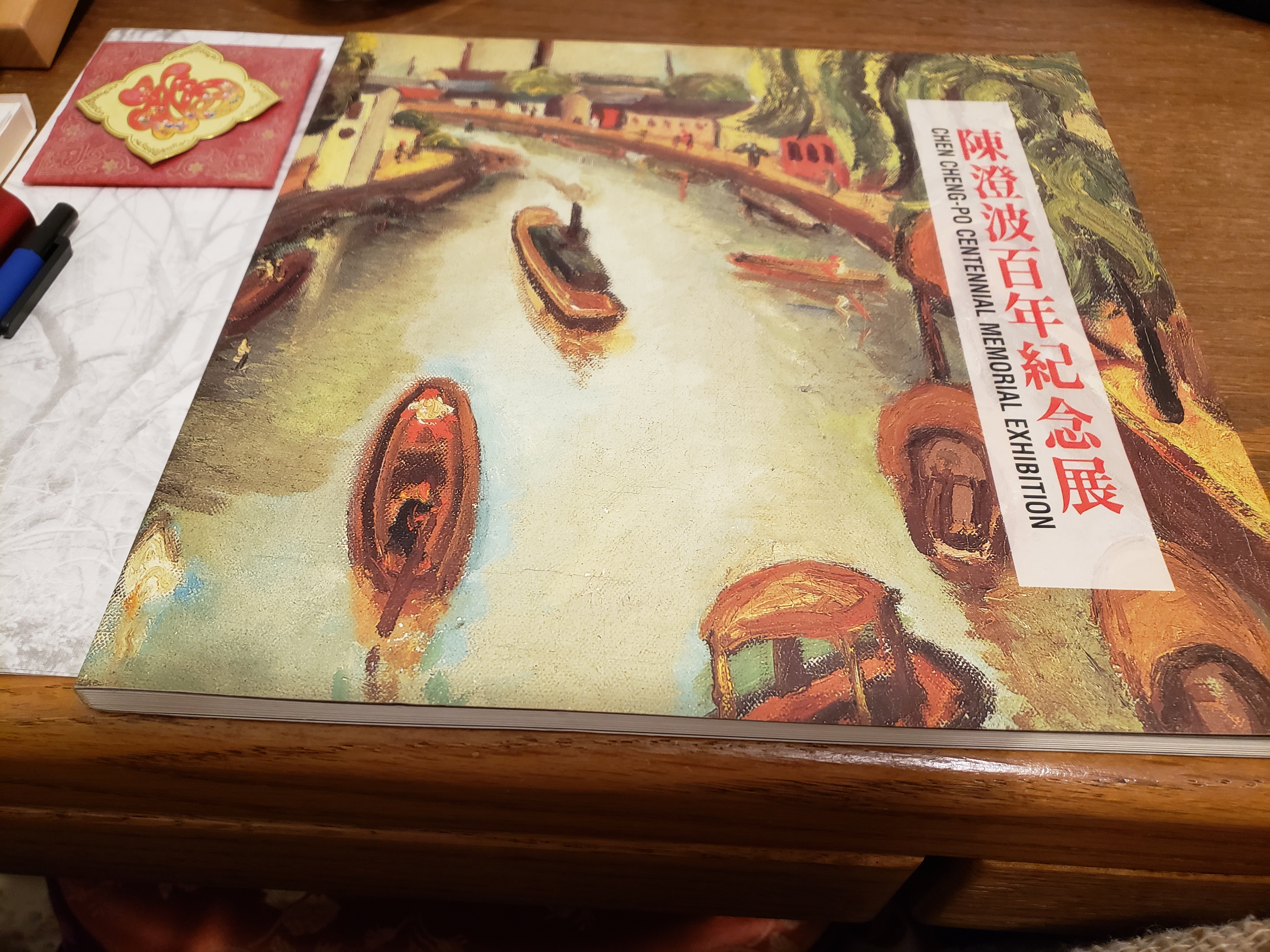
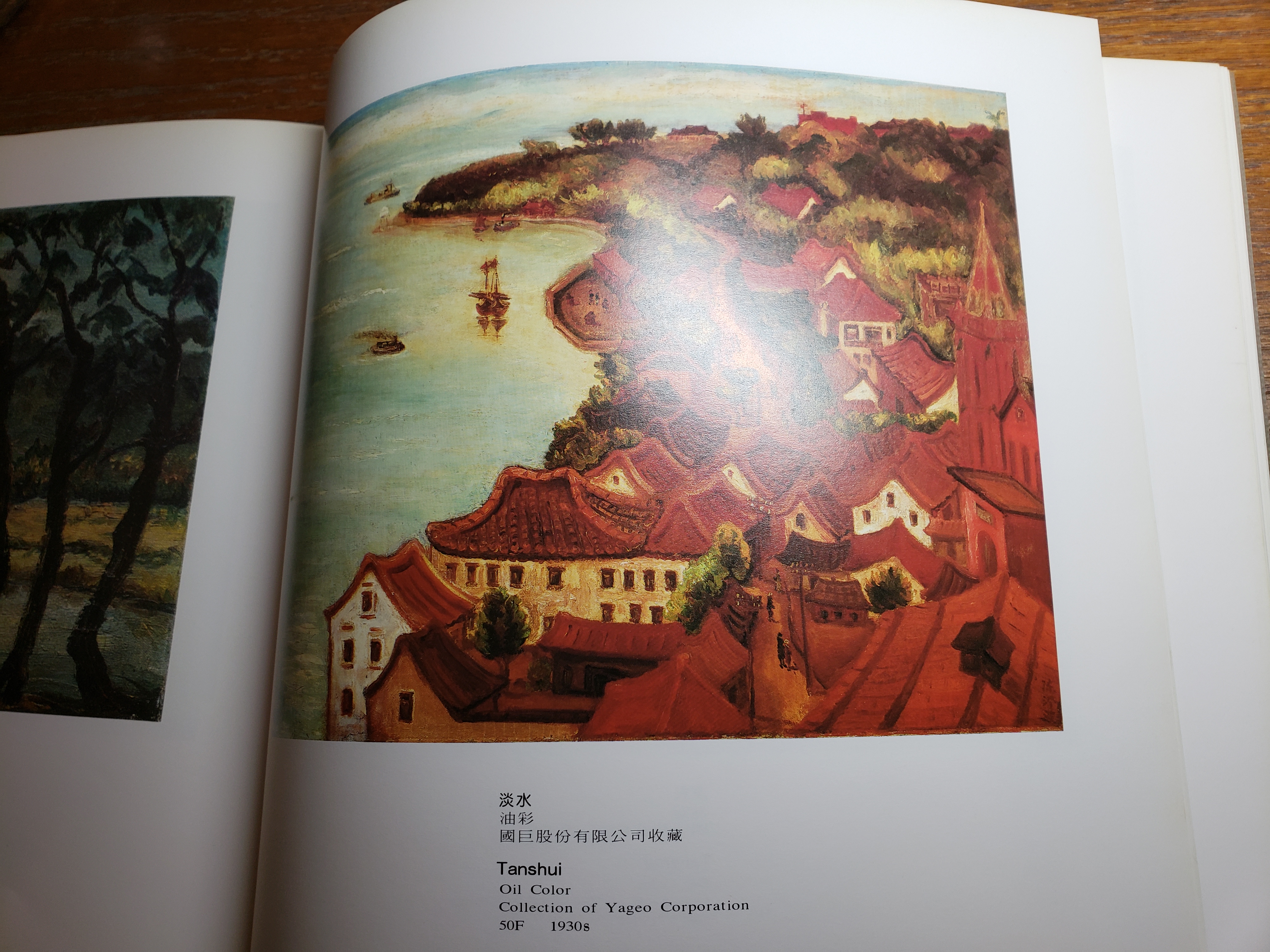
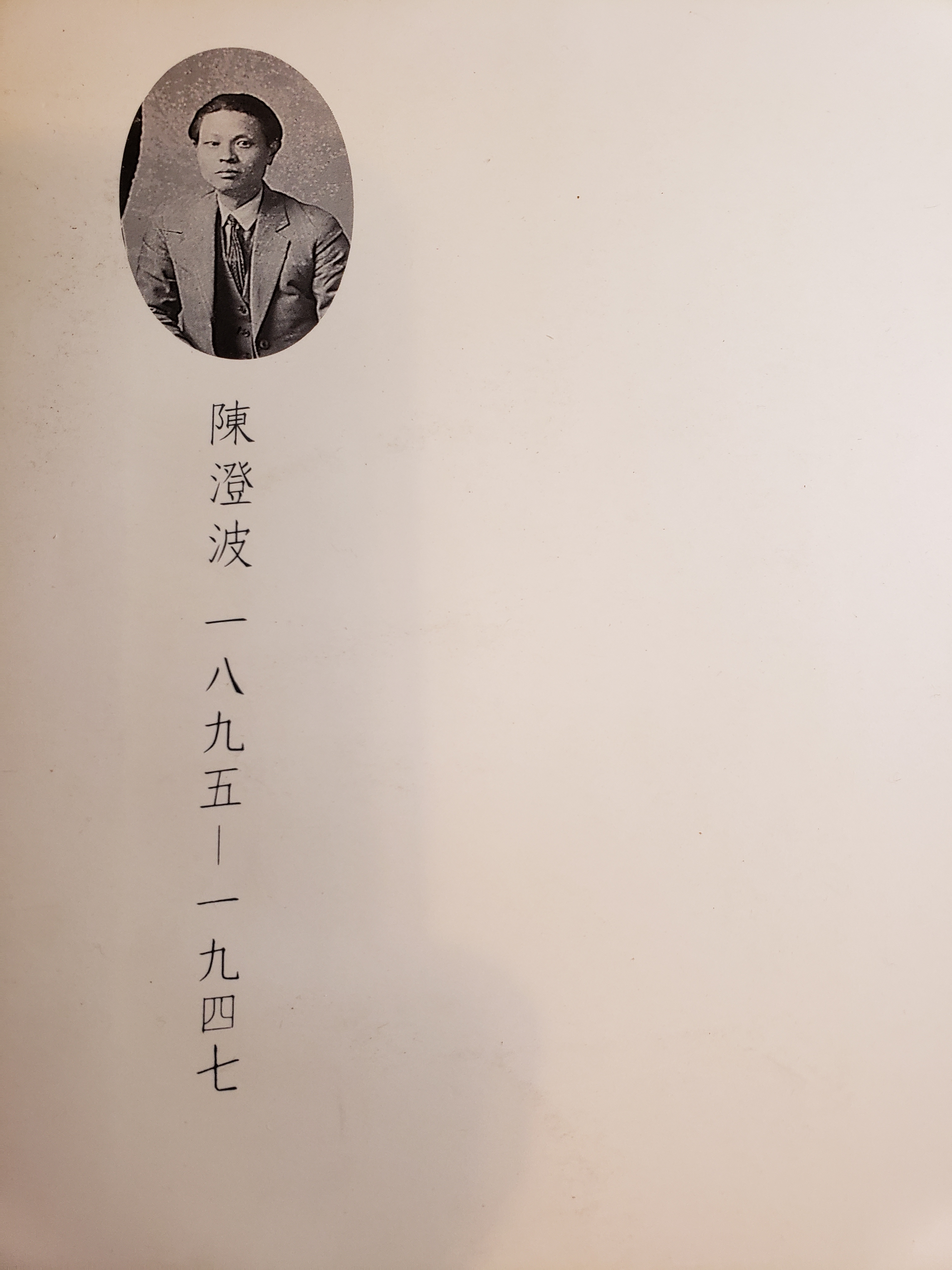
Taiwan Republic dispatch. No one likes losing elections, and I am hyperpartisan when it comes to Taiwanese politics. I do, however, take a world history perspective on the wins and losses — that is, what is the larger, general direction. This is why I turned off the news after last evening’s losses and read this book on Taiwanese artist Chen Cheng-po, educated by the Japanese, murdered by the invading China KMT — his mangled corpse left at Chiayi town square, family members unable to retrieve it, as a show of force for the Chinese invaders. Many of his pieces I love, his painting on Tamsui, one of my favorite northern Taiwan places, is my favorite — it populates my computer background, class slides, and phone screen savers.

It has taken centuries of struggle by Taiwanese forbearers, against enemies foreign and domestic, to get Taiwan Republic to this point of democracy and human rights — and it will be centuries more of tears and sweat to preserve and improve Taiwanese democratic statehood. Human beings always wish for an easier path, I include myself in that camp — so yes we all wish for a “final” victory, a moment when we can all breathe a sigh of relief that the Chinese in China and the Chinese in Taiwan and the western imperialist powers will all leave Taiwanese democracy alone. Not without centuries more of difficult fighting and sacrificing — of using Taiwanese art and literature, anime and manga, food and street fairs, films and documentaries, songs and poems — just as Mr. Chen did here, to put into earthly forms expressions and explanations of this Taiwanese nation that we love. For that love, he was murdered by the Chinese invaders.

Given the level of political polarization, I am proud of the relative normalness of it all — for a relatively young democracy, little violence, losers conceded, and the democratically elected president resigned as chair of her party to take responsibility. I walked around the streets of Taipei last evening, MRT and shops buzzing, citizens going about their business – they voted, some obsess over results, life goes on as it must in a democracy. We can always rely on some western imperialist press and academics to produce bad takes — local electoral victories in Taiwan as a sign of warm feelings for the Chinese communists, implications for the rising tension, etc. I suggest studying the ruling DPP’s massive defeats in the 2018 local elections and then pondering what happened in 2020 as a way to frame what is going on in Taiwan. Our Taiwanese elders fought the Chinese to have this democracy, preserving democratic sovereignty no matter who wins any particular election is the most important reason for the struggles. Without democracy and domestic peace, Taiwanese nationalism would be pointless. 27.11.2022

© Taiwan in World History 台灣與世界歷史. This site grants open access for educational and not-for-profit use. Maps and illustrations are borrowed under educational and not-for-profit fair use. If you are the rights holder and prefer not to have your work shared, please email TaiwanWorldHistory (at) Gmail (dot) com and the content will be removed.
Leave a comment

Filed under books and artifacts, Taiwan Republic

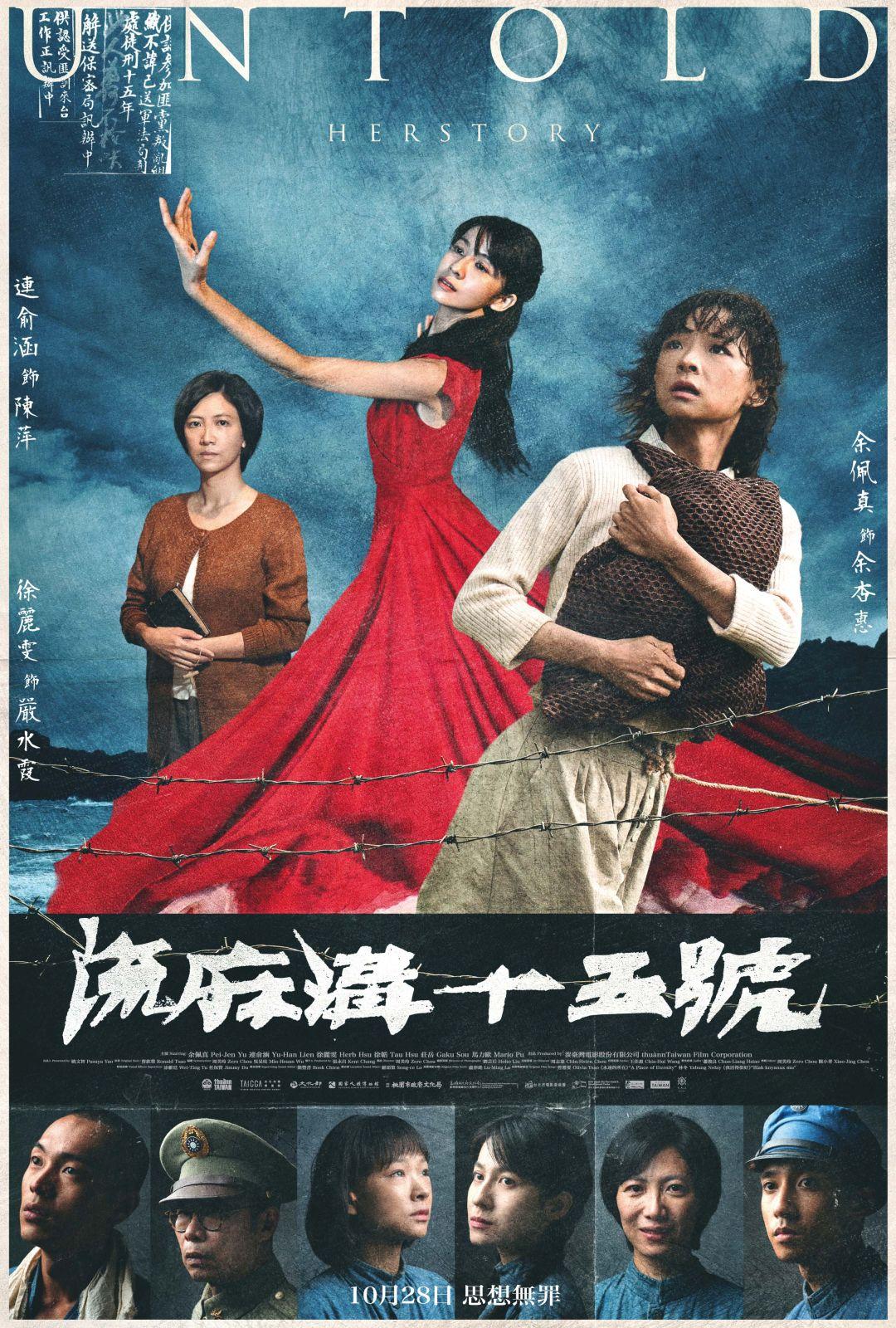
Reviews: Taiwanese film Untold Herstory 流麻溝十五號 – Decolonization, historical memory, art, and this emerging Taiwanese national identity: Taiwan dispatch, national identity, and Taiwan Republic 台灣国 classrooms

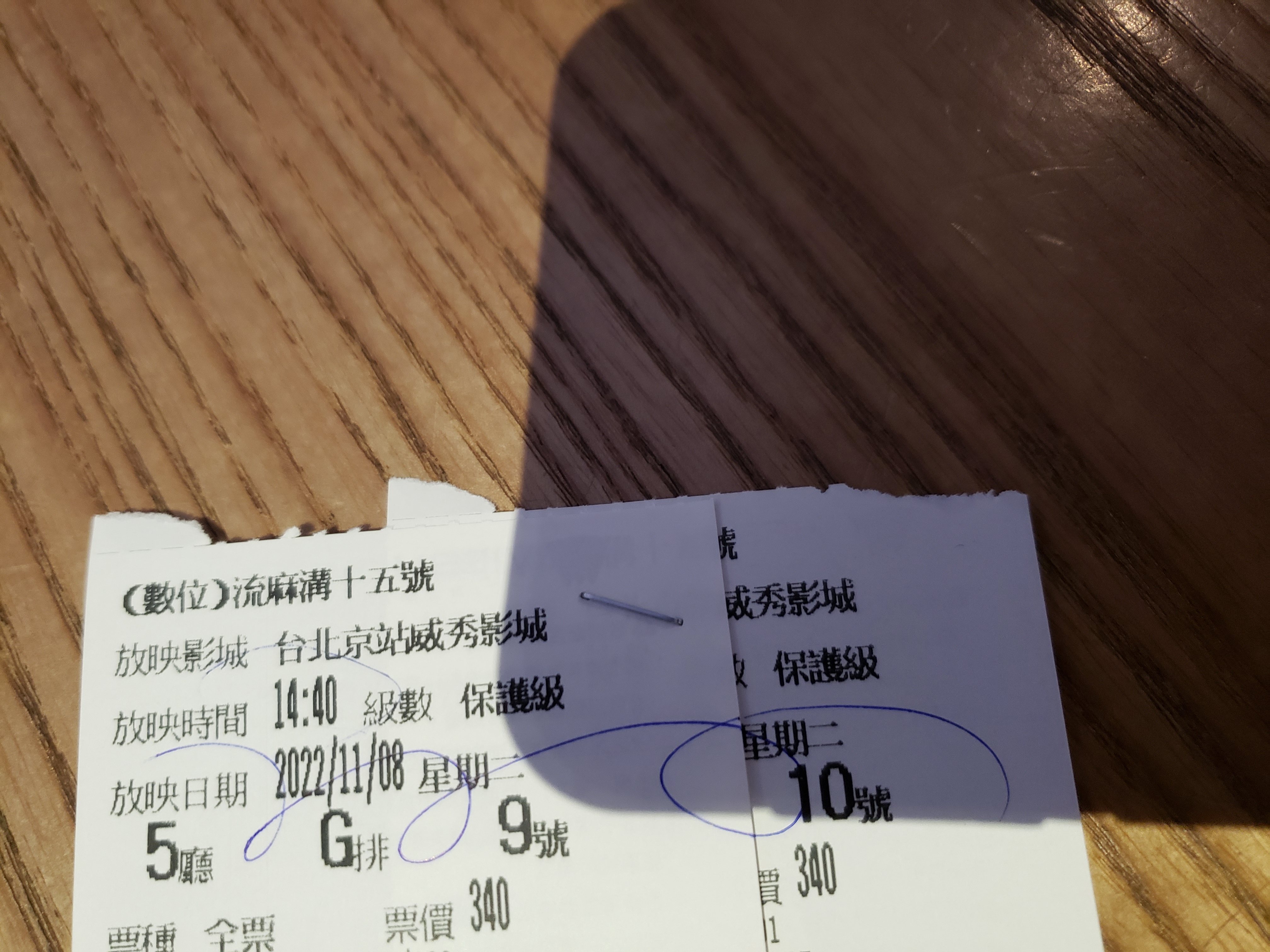
Because few Taiwanese dared to go into filmmaking, TV, radio, journalism, the arts, history, and politics during the days of the China KMT occupation-dictatorship, even decades after Taiwan’s democratization the decolonization process remains stalled. Taiwanese do not have the institutions, the people, nor the vocabulary to yet fully recover their historical memory and examine their own histories. This new film about the invading China KMT’s political prisoners and white terror during the 1950s and 1960s is an attempt to reverse that tide – for Taiwanese to reclaim their memory, and to tell their own stories. It was a difficult film to watch, much tears, sometimes I just closed my eyes for minutes to shut out the pain. But I told my wife going to a theater is no less important than voting – a small, personal vote against Chinese colonialism.

The incongruities and complications of modernity and modern Taiwan are these – to walk out of a beautiful and heart-wrenching film, subtle and tastefully done, into a western-style shopping mall complex in downtown Taipei. And then, a few minutes later, on a subway, to transfer to the Chiang Kai-shek Memorial stop – the same invader-dictator who is responsible for these crimes against humanity, yet Taiwanese citizens are still forced to host a memorial in his honor. And for extra incongruity, one of the Taipei mayoral candidates claims to be Chiang’s illegitimate great-grandson. And he may actually win. None of it makes any sense, yet all of them must coexist, parallel universe-like, democratically and peacefully.

How to reclaim historical memory, tell one’s own stories, and decolonize one’s own nation peacefully and democratically? The greatest strength of this film, I thought, was complicating and humanizing all of the characters, from China KMT political prison guards to political prisoners who are from China to Taiwanese victims – without descending into moral relativism and “What a tragedy of that era ….” b.s. These are my initial thoughts – I am going to take a while to think over my notes and ponder all of this. The range of linguistic diversity, accents, and languages brought over from China to the beautiful code-switching between southern Taiwanese to Japanese to English, speaks to a level of multiculturalism and diversity inherent to Taiwan that the China KMT dictatorship tried mightily to erase. The film did a masterful job with a light touch – this is a subject and a story that’s constantly at risk of tipping over into melodrama. The China KMT crimes and the human suffering were drama enough when simply illustrated. Something about the way the film was filmed and narrated and the stories interspersed felt immersive throughout – a deep sense of sadness and anger, sadness for the needless suffering and injustice, anger that the criminals remain unrepentant and unpunished, beautiful shots of the Pacific Ocean waves and the natural beauty of the Green Island almost as momentary reprieve.

It also occurred to me that decades of China KMT brainwashing into their particular brand of neutered in service of the Chiang crime family dictatorship “Confucianism” and decades of enforced forgetting have nearly erased most of modern-day Taiwanese memory of highly educated and super strong-willed Taiwanese women leaders in its history. A history that films like this is beginning to remember.

The film’s thankless task is also President Tsai’s thankless task – tell a fair and complicated historical memory story which some will take offense for not being harsh enough; while even touching the subject is making Chinese reactionaries inside Taiwan upset. Yet these are necessary steps for the future of Taiwanese democracy and nationhood – requiring brave, selfless Taiwanese to take – to engage the pain and suffering while opening a democratic and peaceful path for national coexistence. 8.11.2022

© Taiwan in World History 台灣與世界歷史. This site grants open access for educational and not-for-profit use. Maps and illustrations are borrowed under educational and not-for-profit fair use. If you are the rights holder and prefer to not have your work shared, please email TaiwanWorldHistory (at) Gmail (dot) com and the content will be removed.
Leave a comment

Filed under books and artifacts, Taiwan Republic

Bang-Kah and an emerging rock n’ rolling Taiwanese national identity: Taiwan dispatch, national identity, and Taiwan Republic 台灣国 classrooms


I am not naive about semiconductors and global finance, but I think the greatest contribution Taiwan Republic offers the world (Taiwan Can Help!) is a heterodox, pragmatic, peaceful, and democratic national identity. A challenge to a world quick to violence and tempted by utopian perfectionism – bloodshed and authoritarianism in the name of orthodoxies.

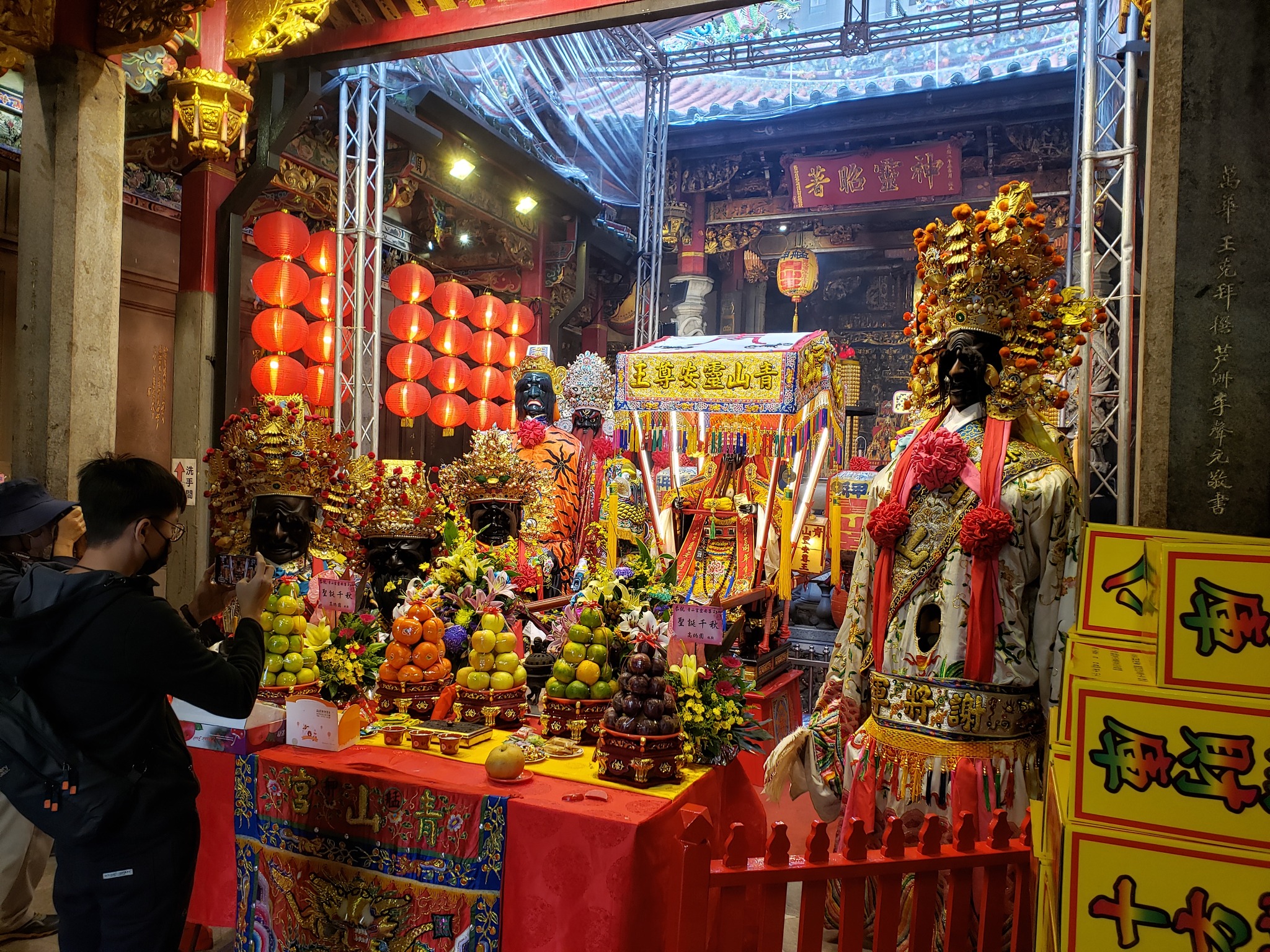
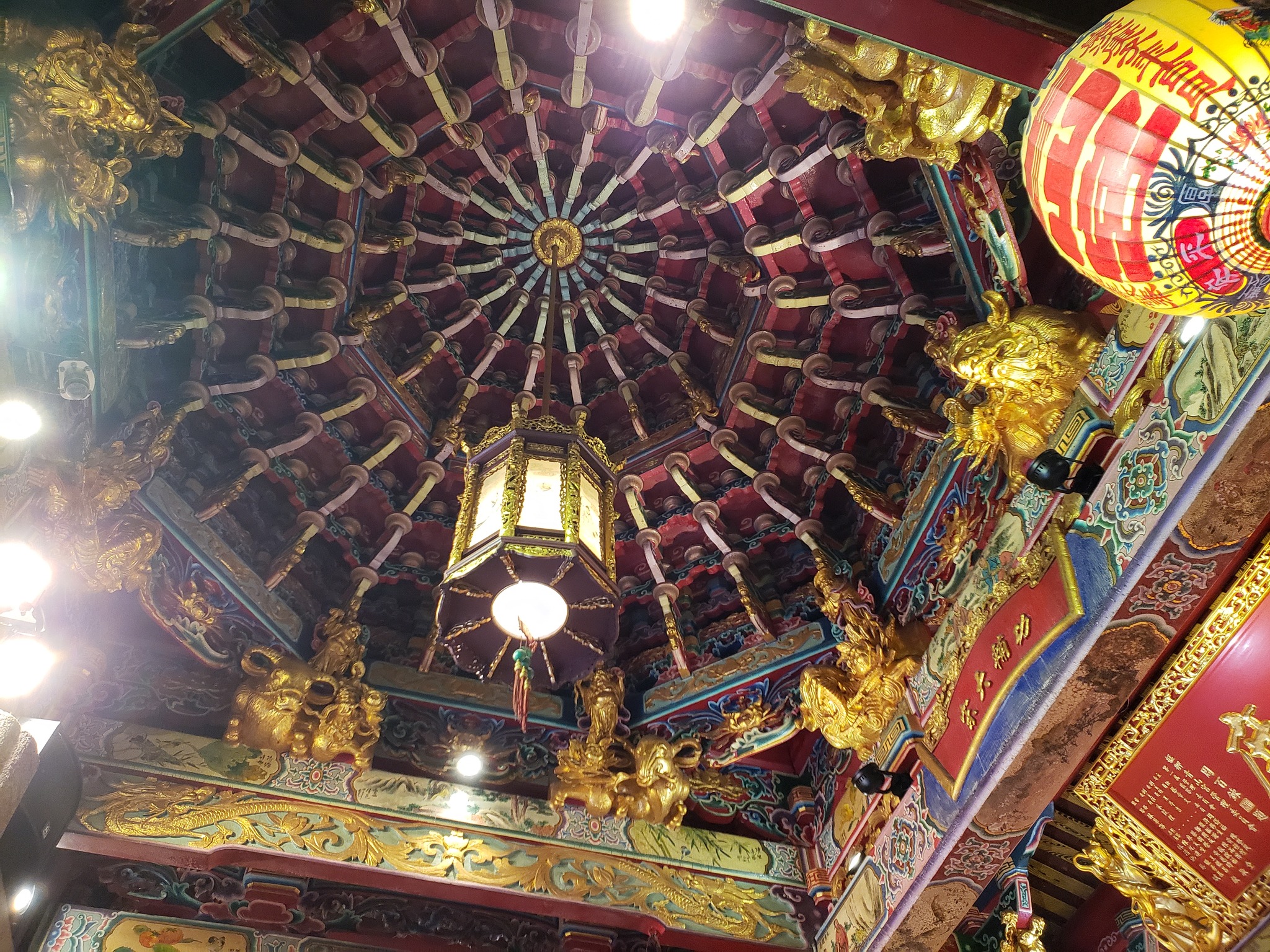
I love temples. I always remind students to look up and study their ceilings. I love Taiwan’s anti-utopian, heterodox, mishmash with a gentle shrug approach to even religious lives. Yesterday I visited a temple that was basically a United Nations/Mall of America of deities, Buddhist to folk to Taoist to everything in between. One could hear imperialist academics and theologians critique how it really doesn’t make sense – but it works for Taiwan, peacefully, and largely without discussion. And it occurred to me that this kind of incoherence for now works broadly – RoCTaiwan73years.

The first temple we visited had a birthday ceremony for the resident God, with major Goddesses and Gods – again of different localities and heritage and tradition and theological origins – from other Taiwanese temples visiting to celebrate the occasion. That temple, like many in Taiwan Republic, came about during a plague/pandemic, it was built to honor the God’s work putting down the plague.

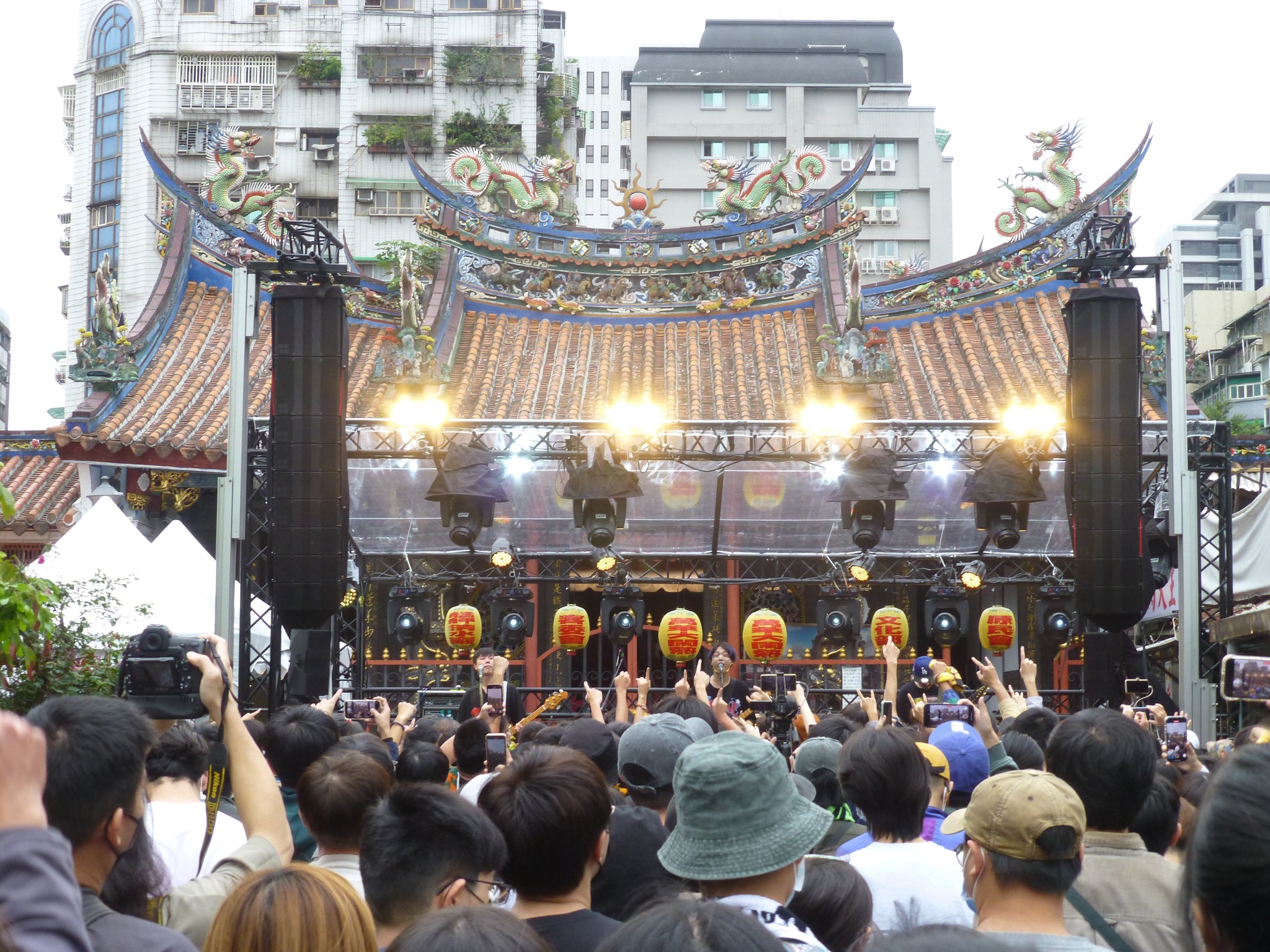
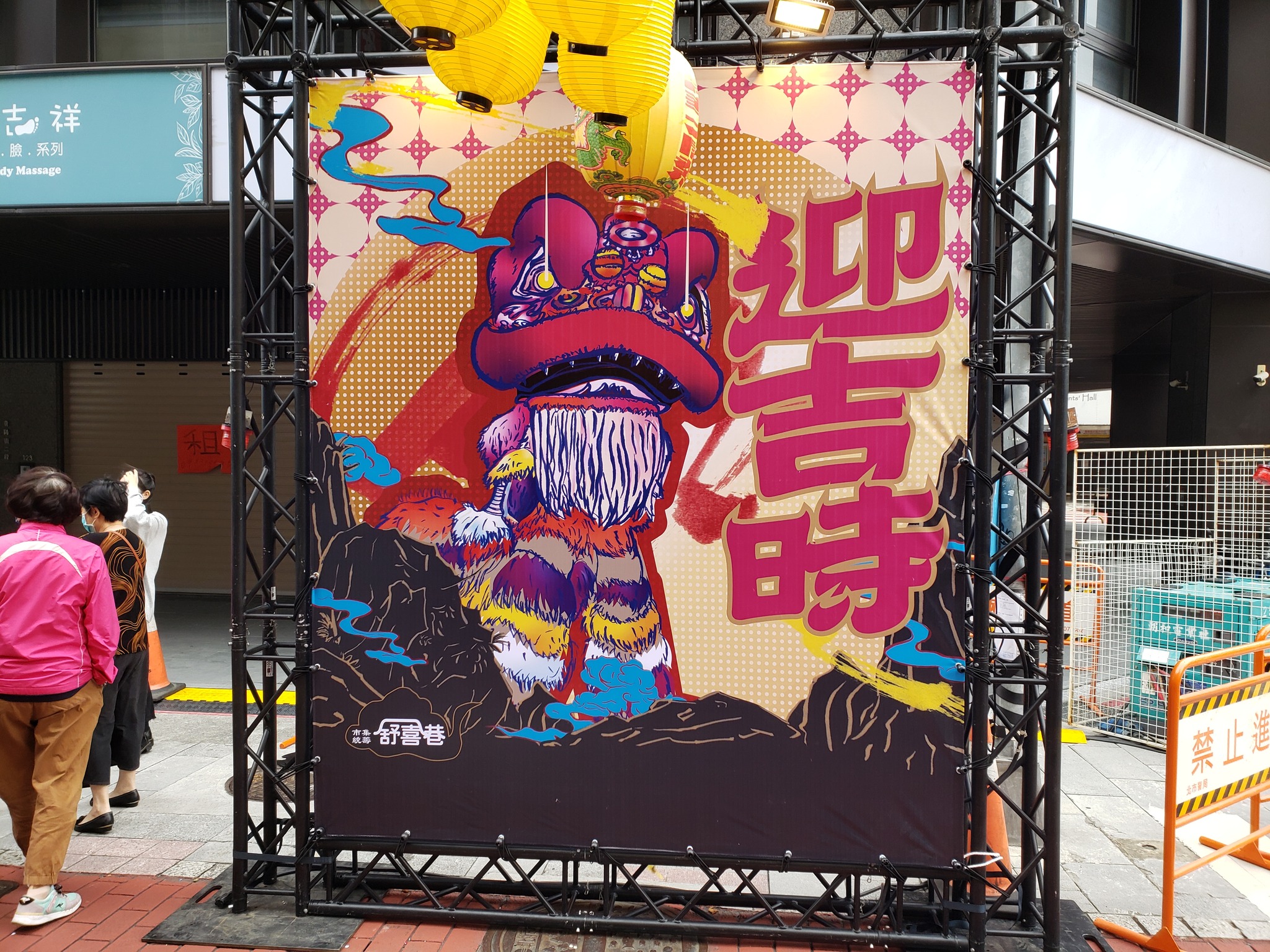
The same cultural association that organized the incongruent yet beautiful Taiwan National Day show I wrote about organized this historic Bang-Kah street fair – from temple to temple they laid out the festivities, three stages for three series of Taiwanese kids playing their music – from rock to pop to jazz to hip hop to emo? – most of which I don’t quite get. Another of these Taiwanese incongruities – the Cultural Association was started by the China KMT dictatorship during the bad old days when Chiang Kai-shek needed to pretend that his China is the real China, and that his dictatorship was the preserver and inheritor of real “Chineseness” – the characters “Chinese” was removed from the association’s name, put back during Taiwan’s reactionary retrenchment, and left alone by the pragmatic Tsai administration – though their logo emphasizes the two mandarin characters “Cultural Association” – and they are leading the charge in melding President Tsai’s compromise – RoCTaiwan73 years, democratic sovereignty, Taiwan has never been a part of the PRC. Instead of fighting over orthodoxy and symbols and names, President Tsai changes the meaning from within seeking a stable governing majority.

We listened to the band whose name is a multilingual pun on poop – I chuckled as if I was suddenly a junior high student. What struck me the most was not the music, I’m just too old to be jumping up and down, and I can’t dance, and I have a ginormous oldster chest pack – but that the concert and event is a microcosm of this emerging Taiwanese national identity – a relatively peaceful coexistence of one of Taipei’s oldest neighborhoods, full of young people, setting up a rock concert stage right in front of a temple, no way they did not make the proper offerings and asked the resident God permission to do this, and then to have their semi-ironic, sometimes profane, I wondered what the God made of this kidsnowadays concert, and no one says a peep. Imagine the kind of utopian-perfectionist orthodoxy debate and outrage in an imperialist power like America, or communist China – or maybe even Japan and Korea. My point is not that Taiwan is a harmonious utopia – far from that. Taiwanese politics is polarized, its cities tightly packed, there is for now a willingness to not debate everything endlessly – to be pragmatic, to let differences be.

As we walked around the Bang-Kah neighborhoods and temples and took notes, it occurred to me when my wife asked about a building being pre-Japan, Japanese, or China KMT, or western, that so many had likely fusion/mishmash – layers of Han immigrants, maybe with indigenous connections, trading with Fujianese and Okinawan and Japanese and Koreans and westerners, who may have seen the kind of “Ocean-foreign” buildings in other harbors and rather than borrowing the whole design, took parts, say windows while fuzing the new with geomancy and local material.

Utopianism and perfectionism and modern nationalism are impossible without bloodshed, left or right, fascist or communist, American or Chinese. Taiwan frustrates because the randomness of life and human imperfections frustrate. This emerging Taiwanese national identity is a model, an ongoing experiment with global implications: Can heterodoxy and imperfection and things not fitting and making no sense democratically and peacefully coexist as a modern nation? Past and present, religious and secular, descendants of the 1949 refugees with Taiwan independence activists, Hakkas and Minnan, indigenous and new immigrants from SE Asia, returnees from the global Taiwan diaspora, and immigrants from the world, peacefully and democratically coexisting in a nation.

This is sentimental and emotional on my part. Standing there in a historic temple’s courtyard, watching Taiwanese youths bopping up and down while doing their Texas Long Horn rock and roll hand gestures, with the temple and the resident God as the backdrop, I love this heterodox-based national identity. Live peacefully and democratically, don’t try to resolve and solve everything, and leave other people alone as much as possible. And the most endearing part of Taiwan Republic is, last evening (oldsters like me do not like standing out in the dark too close to bedtime….), my beloved Taiwanese independence rockband FireEx performed at the main stage, and the resident temple provided the Farcebook live stream. This emerging Taiwanese national identity is the most important resource to offer for Taiwan Can Help – it is a model for a different way to manage modern national identity, for a violent, angry, and troubled world. 6.11.2022

© Taiwan in World History 台灣與世界歷史. This site grants open access for educational and not-for-profit use. Maps and illustrations are borrowed under educational and not-for-profit fair use. If you are the rights holder and prefer to not have your work shared, please email TaiwanWorldHistory (at) Gmail (dot) com and the content will be removed.
Leave a comment

Filed under Taiwan Republic

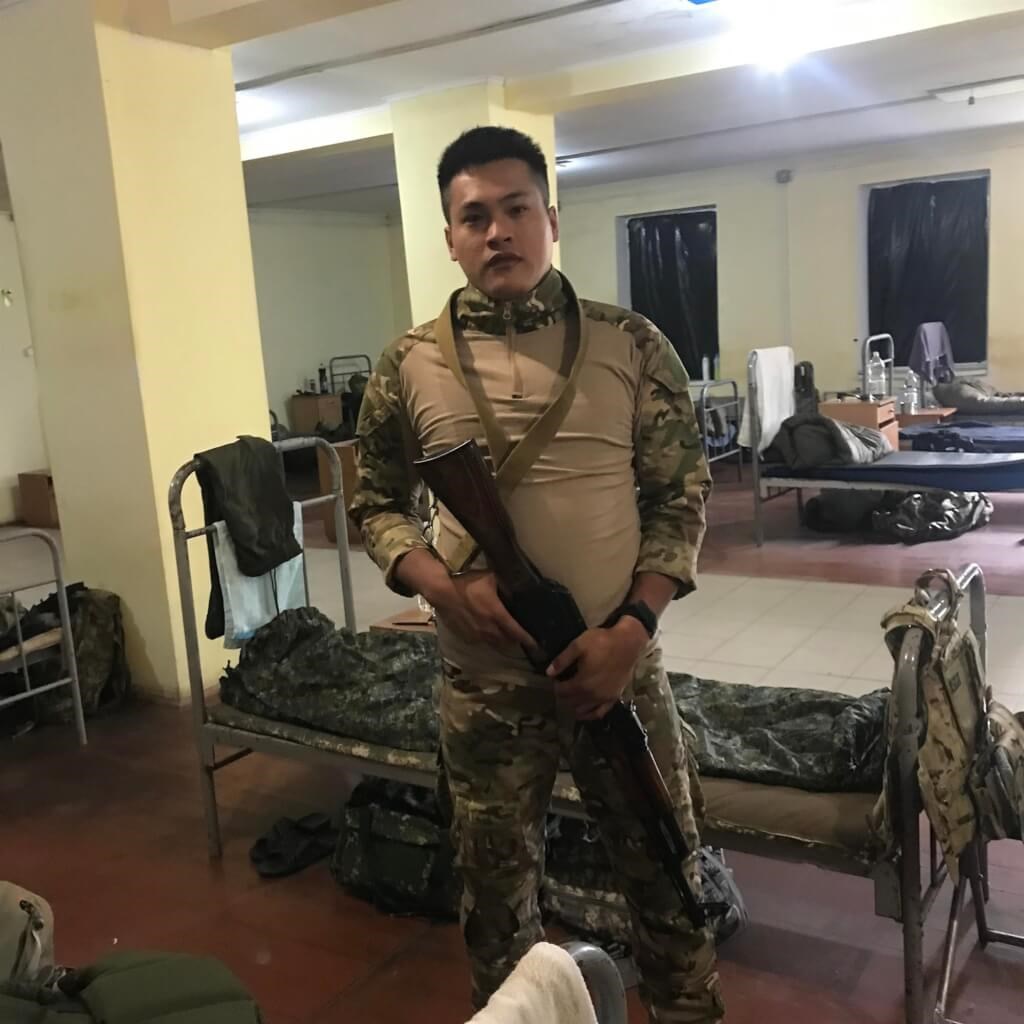
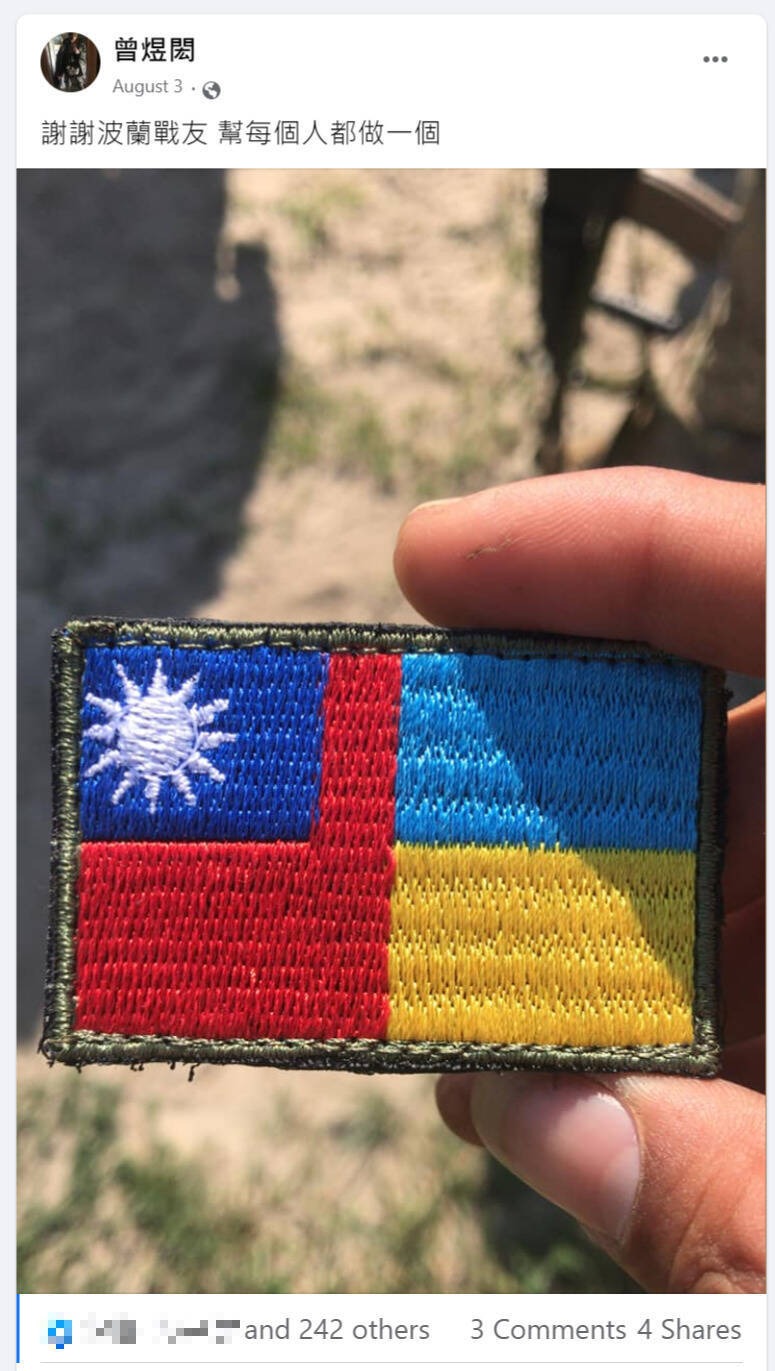
Glory to heroes – honor the first Taiwanese warrior, Tseng Sheng-Kuang (曾聖光), to perish on the battlefield in defense of Ukraine and democracy: Taiwan dispatch, national identity, and Taiwan Republic 台灣国 classrooms

除了記錄軍旅生活,曾聖光也經常關注台灣國軍改革的議題,常分享軍事評論人員對於國軍改革建議,像是認為漢光演習變成演戲,「根本是表演用」,不符合實戰,認為義務役4個月太短應該直接1年,並分享一張諷刺圖,認為目前台灣目前的黃埔思維、刺槍術、勤儉建軍、越戰戰鬥法等等是阻礙變革的原因。曾聖光分享一篇文章,認為台灣目前「民間的民防體系、後備動員體系、災難應變能力、戰略物資儲備都不成熟甚至沒有」,認為「即使在最佳的情況下,目前讓民間與軍方能夠進入到戰爭狀態的準備至少要5年,那些跟你講什麼準備好的都是鬼扯」,也許是想要透過實際參戰,把實戰觀念跟技術帶回台灣。

This emerging Taiwanese national identity.

In a world full of cowards, only a few heroes emerge. Something I tell students often — when assessing actions of historical figures and others, we tend to imagine a utopian standard for ourselves — surely we would face down the Nazis, of course we would risk jail or worse when the Chinese communist tanks rolled in the streets of Beijing, we would never ponder our livelihood by ratting out friends to the China KMT dictatorship — this is not making excuses for evil acts, just a caution that while watching films and reading novels we like to transpose ourselves as the hero, in beliefs in previous lives somehow we are almost always prince and princess and never dirt poor peasants, yet in reality, most of us do not make the cut. We are not rockstars. We are average, and fallible. A more cautious, realistic, humble view of human behavior — whether in warfare or in everyday life.

All a long-ish way to pay tribute to this fallen Taiwanese hero — most of us will think and talk and feel behind our phones and keyboards, and few of us will get on a plane, pick up a gun, and kill and die for democracy.
Taiwanese hero Tseng’s criticism of the Taiwan military leadership excerpted above should not get lost, either, it is nothing new – Taiwan has sent hundreds and thousands of talented young women and men abroad to study modern military doctrines, only to have them return and get chewed up by the China KMT national security apparatus. The best way to honor his memory is to take these ideas to heart and engage in difficult reforms of the Taiwan national security establishment.

This slowly emerging, complex modern Taiwanese national identity based around democratic sovereignty is another way to honor his sacrifice, and it relates to Taiwan’s pandemic slogan Taiwan Can Help. The China KMT dictatorship brought to Taiwan a contradictory identity – at once self-pitying (refugees forced to a barbarous hinterland island, dependent on American generosity and Taiwanese tolerance but unable to face this embarrassment directly ….) and arrogant (“we” are the real China, the cream of the crop, “we” brought the gold and high culture and the essence of real Chineseness to you lessers ….) One sees a microcosm of this pitiful interplay among the Taiwan national security press – the inaccurate often repeated myth that the Taiwanese defense industry would have made world-class weapons had it not been for American manipulation; one still sees the China KMT legislators at parliament asking whether foreign nations will come to Taiwan’s assistance when the Chinese communists attack.

A slow but significant transformation in democratic Taiwan, and a significant feature of this emerging Taiwanese national identity, is to normalize this democratic nation by stepping away from this self-pitying/arrogant prison brought by these outsiders. Taiwan, as any democratic must, should not focus on who will help during an invasion but must focus on what we must do to defend ourselves. Taiwan Can Help is an important democratic and universal human rights principle – we are not beggars, we are a member of a democratic community and we have a duty to help others whenever we can. This principle applies domestically, and globally. A small detail I noticed when Taiwanese Vice President Lai briefly chatted with US Vice President Harris in Honduras – VP Lai did not ask VP Harris for anything, instead, VP Lai offered Taiwan’s assistance to US-led humanitarian work in Central America. A seachange in attitude from the China KMT dictatorship days.

May the Buddha bless this Taiwanese hero and his family, and may the Buddha protect Ukraine, Taiwan Republic, America, and all democracies.

Hualien man becomes 1st Taiwanese combatant to die in Ukraine war

© Taiwan in World History 台灣與世界歷史. This site grants open access for educational and not-for-profit use. Maps and illustrations are borrowed under educational and not-for-profit fair use. If you are the rights holder and prefer to not have your work shared, please email TaiwanWorldHistory (at) Gmail (dot) com and the content will be removed.
Leave a comment

Filed under Taiwan Republic

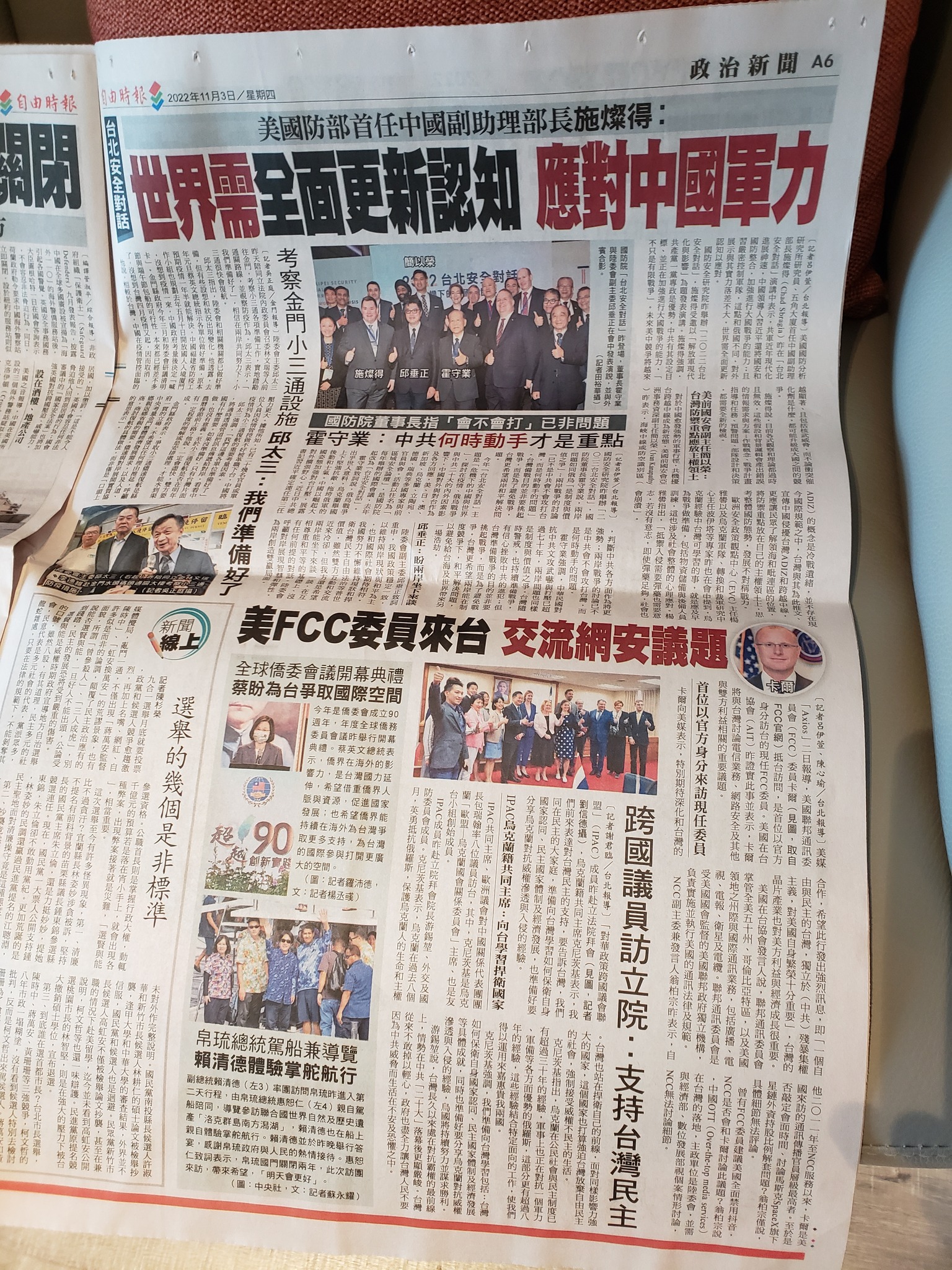
Reading Taiwanese newspaper – Democratic sovereignty, head of FCC in Taiwan Republic: World history, geostrategery, and Taiwan Republic 台灣国 classrooms

Taiwan news, Thursday (3/11/2022) print newspaper. Most important news is tucked away inside A6, I find the only print newspaper left in Taipei confusing. A global security dialogue took place in Taipei, a second-third track quasi-official conference full of leaders from the Indo-Pacific. That the focus is on the China Threat is not surprising. That a former US official called on Taiwan Republic to focus its resources to defend its soverignty is fantastic — this echoes President Tsai’s main idea, and is why the China communists-KMT and some American academics are staging such fierce information warfare against Tsai and Taiwanese democracy.

On the same page is the other significant news: the head of the American FCC is visiting Taiwan Republic to discuss cybersecurity. Taiwan Republic just established a Ministry of Digital Affairs and assigned their genius cabinet member Audrey Tang (part Taiwanese, part Vulcan) to head it. Remember the head of the Taiwanese FBI visiting the head of the American FBI? Then I pointed out that whether the Library of Congress style categorizing has the heading of hacking, cybercrime, industrial espionage, illegal drugs, or human trafficking, these are all spokes leading back to the Chinese Communist Party. And so once the Americans started counterattacks against the Chinese communists in semiconductors, then I am looking at ways the US will lead its democratic allies to combat the Chinese in financial, cyber, and other related realms. Taiwan is an interesting frontline beyond the obvious geography — China, HK, Taiwan, California — the movement of people, multiple passports, nationalities, know-how, capital — dictator Xi plugged up HK as a conduit to strengthen (temporarily) his dictatorship, the US, in turn, shows up in Taiwan Republic with FBI, DEA, Coast Guard, and Homeland Security. A multifront, all-domain, global struggle. 4.11.2022

© Taiwan in World History 台灣與世界歷史. This site grants open access for educational and not-for-profit use. Maps and illustrations are borrowed under educational and not-for-profit fair use. If you are the rights holder and prefer to not have your work shared, please email TaiwanWorldHistory (at) Gmail (dot) com and the content will be removed.

Leave a comment

Filed under Taiwan Republic

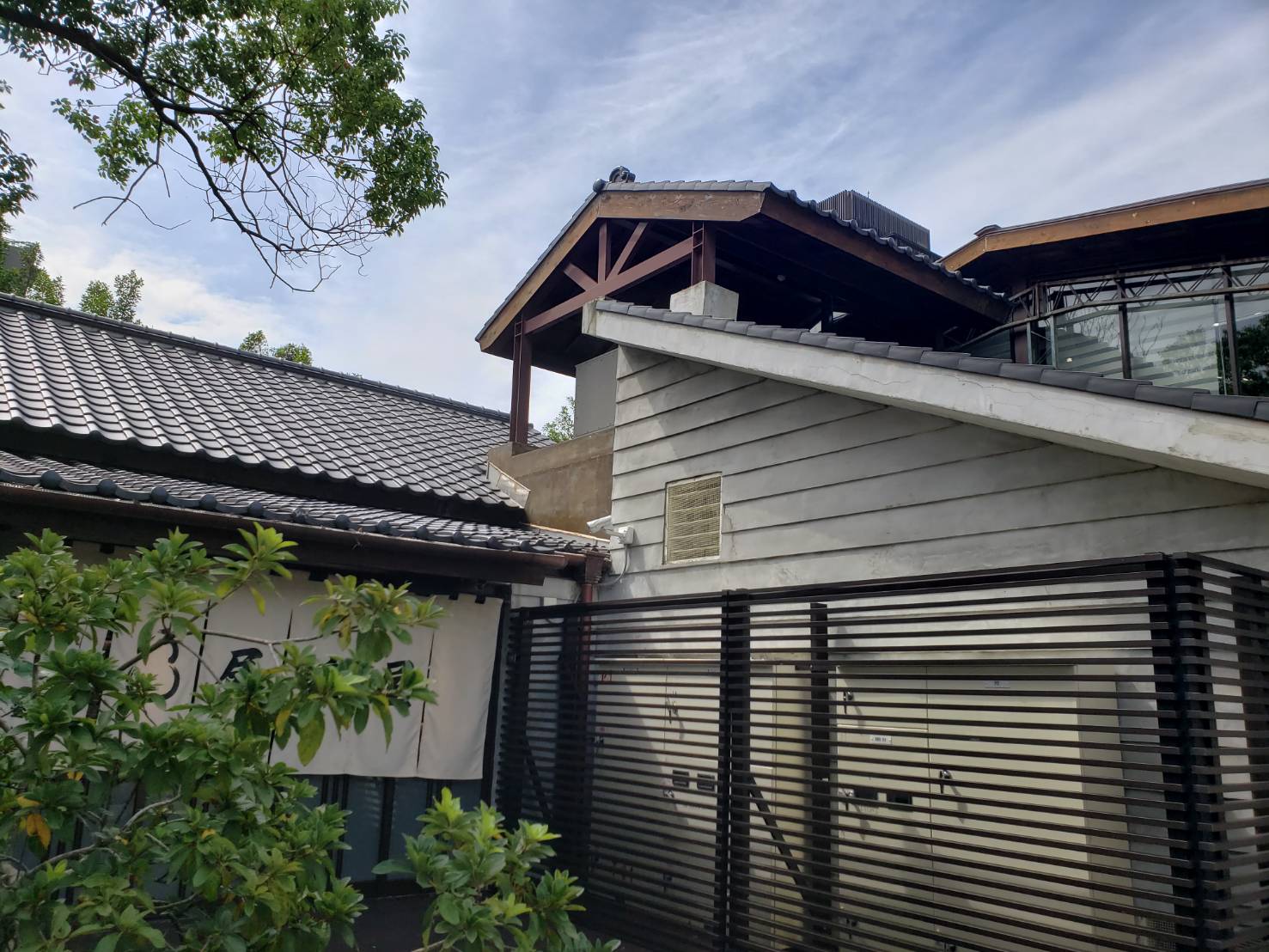
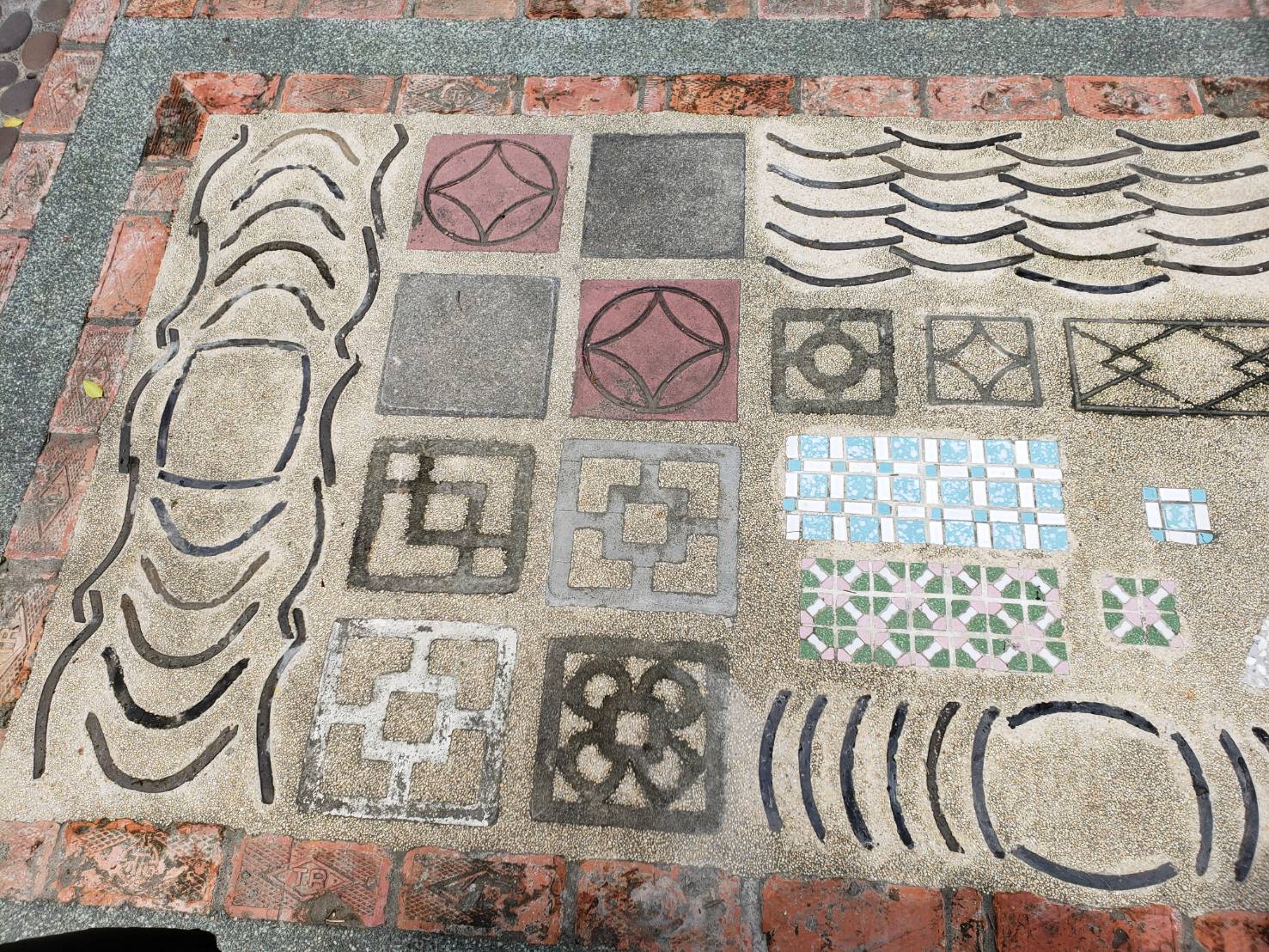
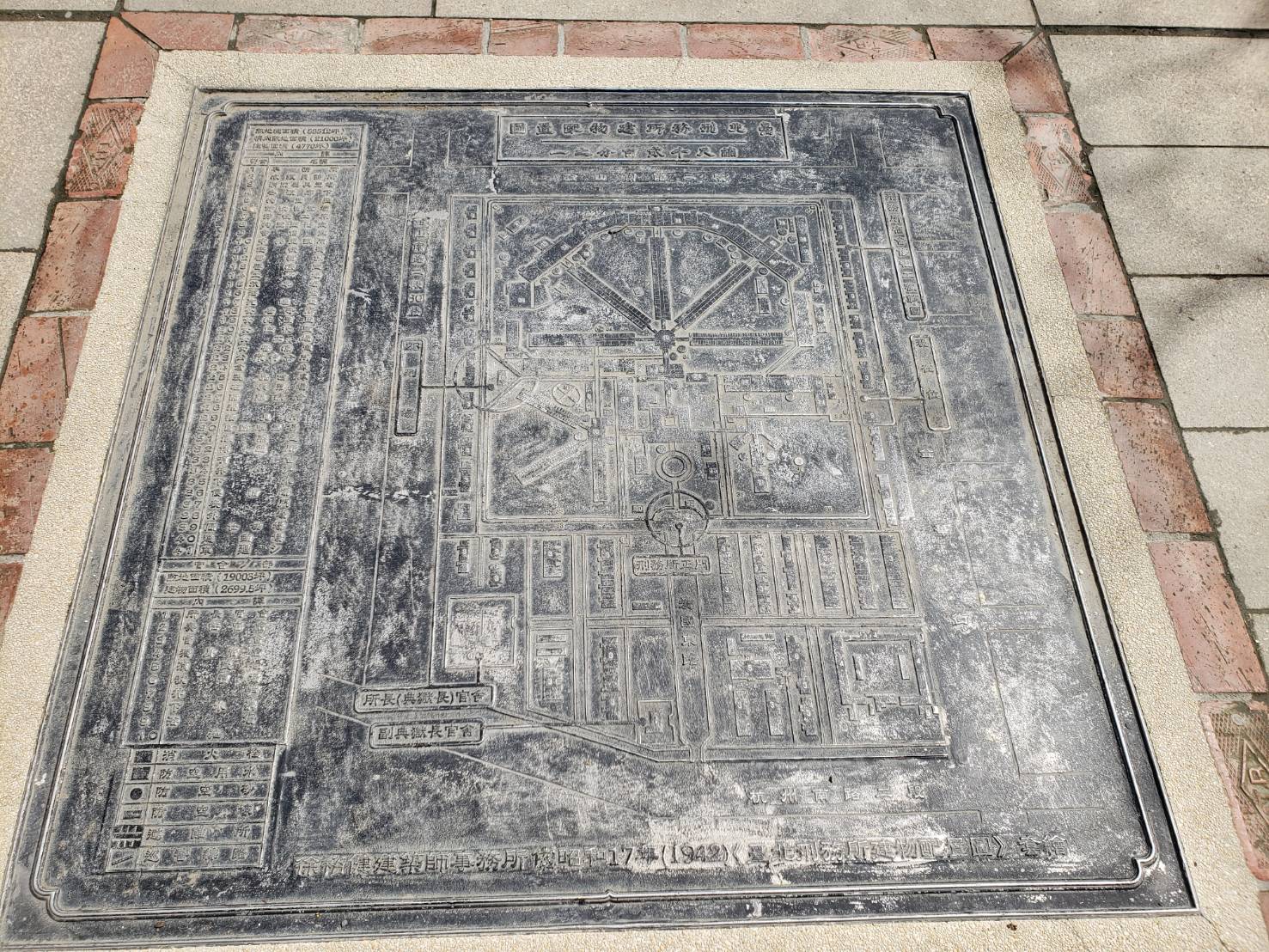
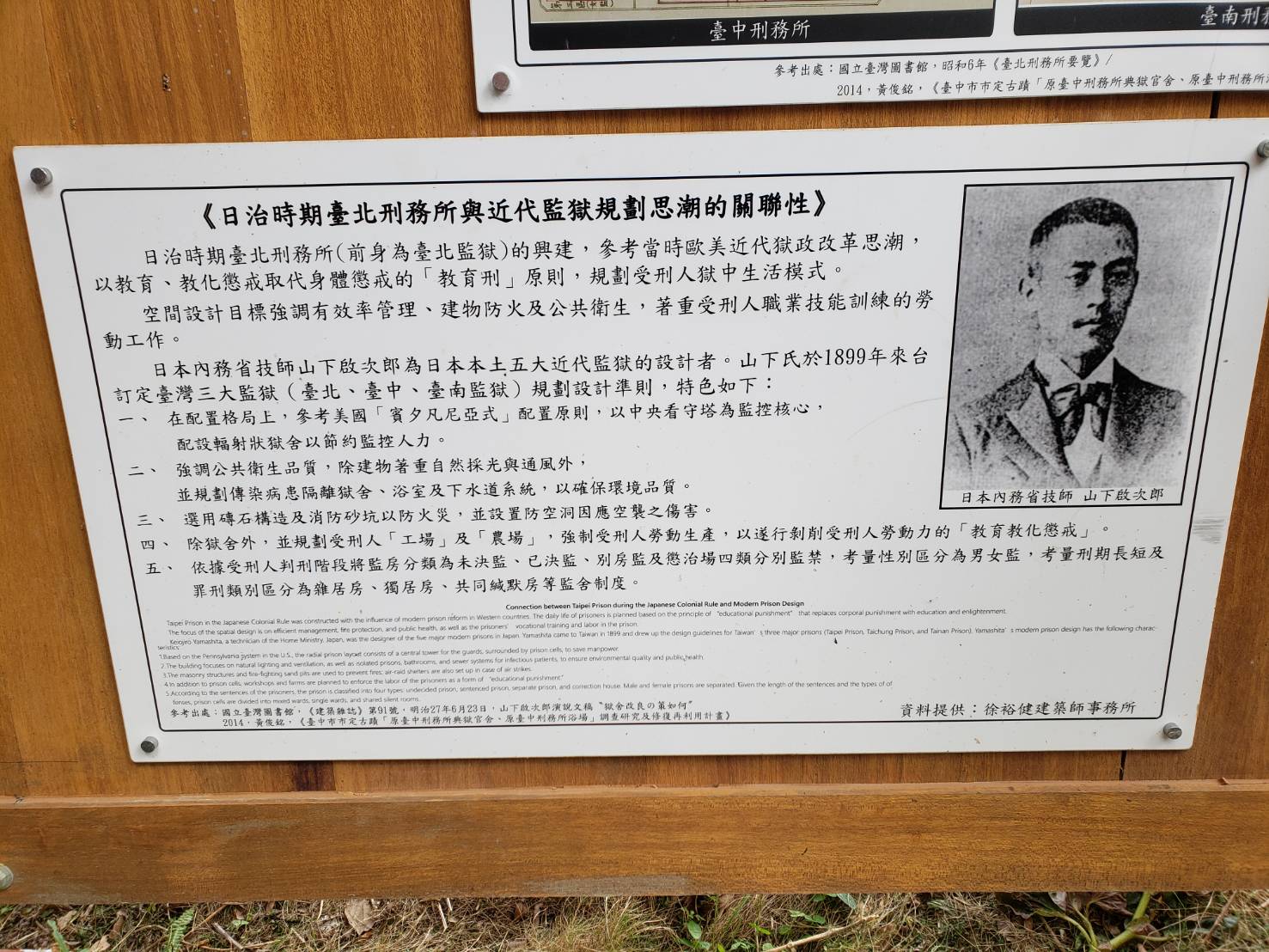
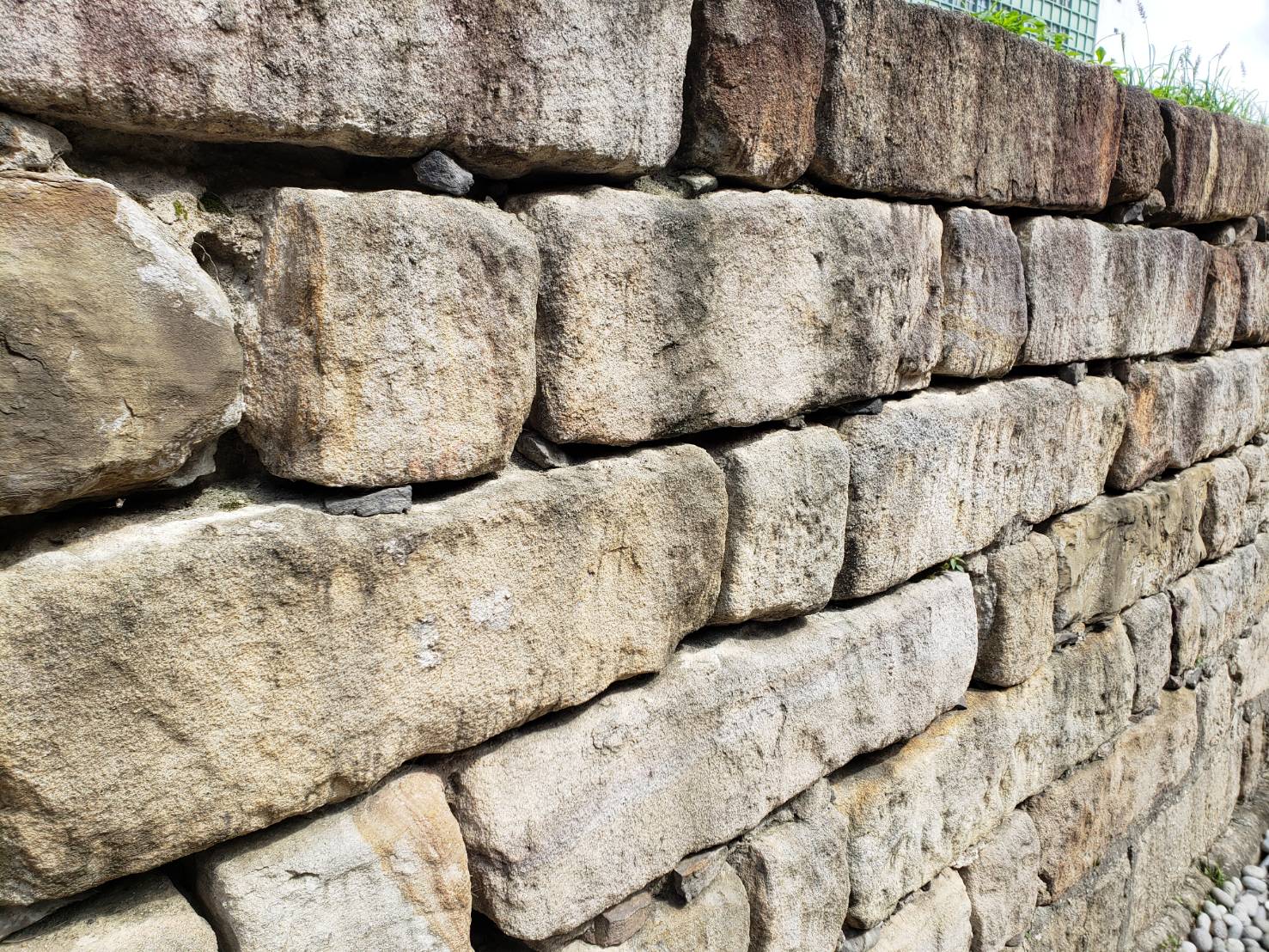
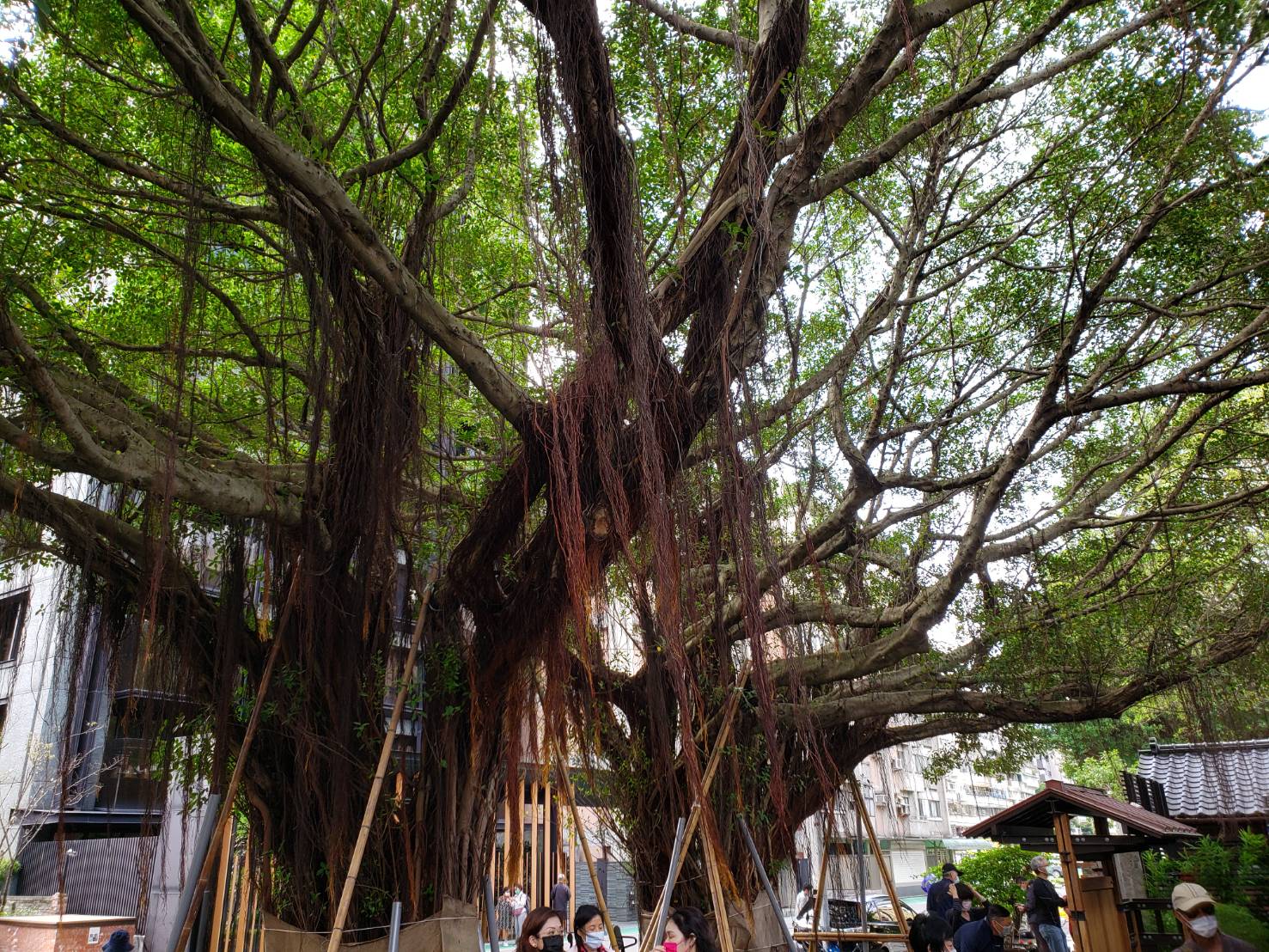
A prison into a small urban mall, Japan, China KMT, democratic Taiwan Republic – this emerging Taiwanese national identity 榕錦時光生活園區-原臺北刑務所官舍: Taiwan dispatch, historical memory, and Taiwan Republic 台灣国 classrooms

This emerging Taiwanese national identity — urban history and collective memories. Remarkable to have this new project, 榕錦時光生活園區-原臺北刑務所官舍, three blocks from my childhood home. As an elementary school student, I used to save the bus money to buy newspapers and walk home from my school via these alleys.

Taipei is sadly a remarkably not beautiful city — whatever it was the pre-Japanese folks had in mind, and whatever grand plans the Japanese had, the Chinese invaders brought chaos and temporary-ness — occupiers who did not plan to stay long behaved accordingly. It also occurred to me today while experiencing the present and remembering my childhood that I have watched multiple Taipeis slowly meld incompletely into one another — the elegant Japanese wooden buildings that used to be all around the neighborhood, with the one-to-two-story super ugly Chinese invader concrete buildings, with the latter-day 1990s and beyond “western-ish/glass/concrete” apartments.

My parents made a pain face a few days ago when I politely noted that all of the buildings in Taipei are designed as if they have no neighbors — as if they are not a part of a city. In my childhood 1970s Taiwan was still under a Chinese invader-junta dictatorship, and in those classrooms, I was being brainwashed about how “we” fought the Japanese and must soon take back “our” fictionalized China — while coming home to visit my Japanese-speaking maternal grandparents and aunts and uncles.

If you ask me what I make of a former Japanese prison being turned into an urban hipster shopping/restaurant/coffee place, I made a face. Not because I am above the fray anti-consumerism per see — a prison is an unhappy place, and this transformation did strike me as odd. On the other hand, as I have often argued with fellow academic historians — we cannot keep just having a cow over every single history inspired film and tee-vee shows not being as boring as many academic books — regular people have fun, and we should at least not be anti-fun. More pragmatically, for downtown Taipei land this precious/costly, this is probably the only way to preserve the site without razing the little that’s left of what the Japanese built and turning it into yet another unremarkable but highly profitable apartment. And that’s not nothing, either. And I think the folks the city subcontracted did a tasteful job, things are clearly marked, and the rebuilt restaurants and coffee shops are useful, attractive to mass consumers, and interesting enough to history buffs.

This slowly emerging democratic Taiwanese national identity — to find a reasonable national container to tolerate these contradictory currents — peacefully — none of us particularly pleased, but tolerable, functional, democratic, and not a part of China. Historians cannot resist periodizations. Do urban projects like this mean modern Taiwanese national history has moved from the Dutch, Koxinga, Manchus, Japanese, China KMT invaders, and Democracy, into the consumerist coffee house phase?

© Taiwan in World History 台灣與世界歷史. This site grants open access for educational and not-for-profit use. Maps and illustrations are borrowed under educational and not-for-profit fair use. If you are the rights holder and prefer to not have your work shared, please email TaiwanWorldHistory (at) Gmail (dot) com and the content will be removed.
Leave a comment

Filed under Taiwan Republic