Tag Archives: world history

Reviews: Guided Tour of Taiwanese History 導讀台灣 台灣史系列 導演魏德聖 三立: Geostrategery and Taiwan Republic 台灣国 classrooms

This history series by Taiwan’s 三立 is a rare public forum for Taiwanese history on Taiwanese mass media. Academic historians can, and will, find something to fuss over history for a mass audience. What is notable about this series is that it provides a rare oasis of thoughtful content in an otherwise content-poor Taiwanese electronic media landscape. It also does an admirable job breaking down politically and historically created barriers in how Taiwanese history has and has not been conceptualized. Nothing in the public discourse in Taiwan can escape the omnipresent national identity-historical memory either/or’s, the “Are we Taiwanese or Chinese or both” debate. This series makes a serious attempt to push across these artificial boundaries – periodization, conceptual categories, national identity as confined by modern nation-states, and so on while placing Taiwan the place, and Taiwanese the ever-evolving communities of humans on this island, at the center. In this effort, it echoes the evolving views developed by newer generations of Taiwanese leaders – pushing farther back into Taiwanese history and pre-history (Dutch, indigenous, Oceania), while broadening beyond the usual characters (Han Chinese, Japanese, China KMT) – and providing new ways to include contradictory and competing historical memories, from indigenous to the Japanese to the disaggregated Taiwanese to the immigrants of 1949 to the even more recent immigrants from Southeast Asia and beyond to the global Taiwanese diaspora, into a dynamic Taiwanese national identity bond together by place and by democracy. I have often noted that for a nation that formally declares such reverence for history, Taiwan is comparatively apathetic to its own history and quick in developing historical amnesia. Any effort, such as this series, to reverse this trend will do much to deepen and enhance Taiwan’s democratic sovereignty.

導讀台灣:台灣史系列 導演魏德聖 每周日20:00 三立新聞台 帶您用鏡頭看台灣 https://www.youtube.com/channel/UCMjFUtt9nFwMlbzqCTKY3wQ/about

© Taiwan in World History 台灣與世界歷史. This site grants open access for educational and not-for-profit use. Maps and illustrations are borrowed under educational and not-for-profit fair use. If you are the rights holder and prefer to not have your work shared, please email TaiwanWorldHistory (at) Gmail (dot) com and the content will be removed.
Leave a comment

Filed under Uncategorized

The Taiwan Policy Act of 2022 and updating the Taiwan-US ‘status quo’ 宋國誠專欄:掏空一中原則的準軍事同盟──美國「台灣政策法」重點釋義 Up Media: Geostrategery and Taiwan Republic 台灣国 classrooms

美國國會參眾兩院將在9月份開始審議一項決定台美關係大躍進的重要法案「2022台灣政策法」(The Taiwan Policy Act of 2022)。這是由參議院外交委員會主席梅南德茲(Robert Menendez)和共和黨議員格雷厄姆(Lindsey Graham)聯名提出的。這項法案若經審查通過並交付總統拜登簽署執行,不僅是一項跨黨派、重磅級的挺台法案,更是台美重建一種「沒有官方之名的官方關係」的重大起步,台美之間將逼近1979年(美中建交)之前「全政府形式」的官方關係。法案共分三大篇、九大主題、107頁,立足於結構性增補《臺灣關係法》的基礎,納入《六項保證》的精神與規定,以「包裹立法」(a package of legislation)的方式,展現美國全面支持臺灣民主政體的立場。儘管法案聲明以不與台灣恢復外交關係為前提,但法案開宗明義指出,法案的目的在「促進台灣安全」、「確保區域穩定」、「遏制中國對台侵略」,以及採取嚴厲制裁中國對台灣的「敵對行動」(hostile action)。這是一項設計完備、包羅萬象、具體可行的護台法案,一旦付諸執行,將是40多年來美國對台政策最清晰的法律表達,最重要的是,法案的施行將徹底支解並淘空中共的「一中原則」,以極限逼近「軍事同盟」的軌道,促使美台關係朝向「高階/準官方」的模式邁進。

I am not as optimistic as Dr. Song – if the Taiwan Policy Act of 2022 passes without major revisions, and if it is signed by President Biden, the executive branch has many tools to slow-walk and water down the measures (see also, legislation re: the Chinese communist genocide in East Turkestan.)

What these major legislative push shows are three main things. First, decades of mediocre American presidents have long delayed much-needed reevaluations of US-Taiwan policies. Such reviews started way back during the Clinton administration, and for one or another reason, expectations were never matched by results. Bureaucratic inertia, foreign entanglements, domestic scandals, “the blob” being its blobby selves, etc etc. Therefore, it is good to see sustained pressure coming from both political parties in Congress.

The second context is this. DC policy circles are mostly stuck in the imperious idea that they are “managing” or “creating” the world as we experience it, overestimating their roles and underestimating factors out of American control. Whether DC chooses to adjust to the dynamic, changing meaning of the “status quo,” Taiwan Republic, communist China, and even the US in 2022 are vastly different than 1972, or 1978. Rather than seeing this legislative effort as “changing the status quo,” it is a belated updating of formal policies to catch up with geopolitical reality.

Finally, this reminds me of the no-we-are-not-maybe-we-will Ross and Rachel dance between the US and the PRC from 1949 to 1978. While the US embassy to China remained in Taipei, and while the official statements kept asserting that US policy remained unchanged, salami slicing continued unabated, with changes in world conditions, the nature of contact between DC and Beijing changed, substantially, and rapidly. Given the dismal performance of the Biden White House on the Pelosi episode, I am not holding out high hopes for this. A wise and creative executive would minimize fighting against Congress on this issue, and use this as an opportunity to “internationalize” America’s policies on Taiwan – i.e., exporting the Taiwan Relations Act+ model to fellow democracies of Japan and EU. Using this approach as one of many other policy tools to prevent a Chinese communist war of annexation against Taiwan from ever starting. If we learn nothing else from the democratic west’s failure in Ukraine, it ought to be that porcupine or not, finding credible ways to prevent an authoritarian belligerent from starting an invasion is key for all of our interests. 7.9.2022

Additional report: 重構美對台政策 美國會9月將審理《2022年台灣政策法》

© Taiwan in World History 台灣與世界歷史. This site grants open access for educational and not-for-profit use. Maps and illustrations are borrowed under educational and not-for-profit fair use. If you are the rights holder and prefer to not have your work shared, please email TaiwanWorldHistory (at) Gmail (dot) com and the content will be removed.
Leave a comment

Filed under Uncategorized

One graph, different interpretations – is Taiwan spending enough on defense? World history and Taiwan Republic 台灣国 classrooms

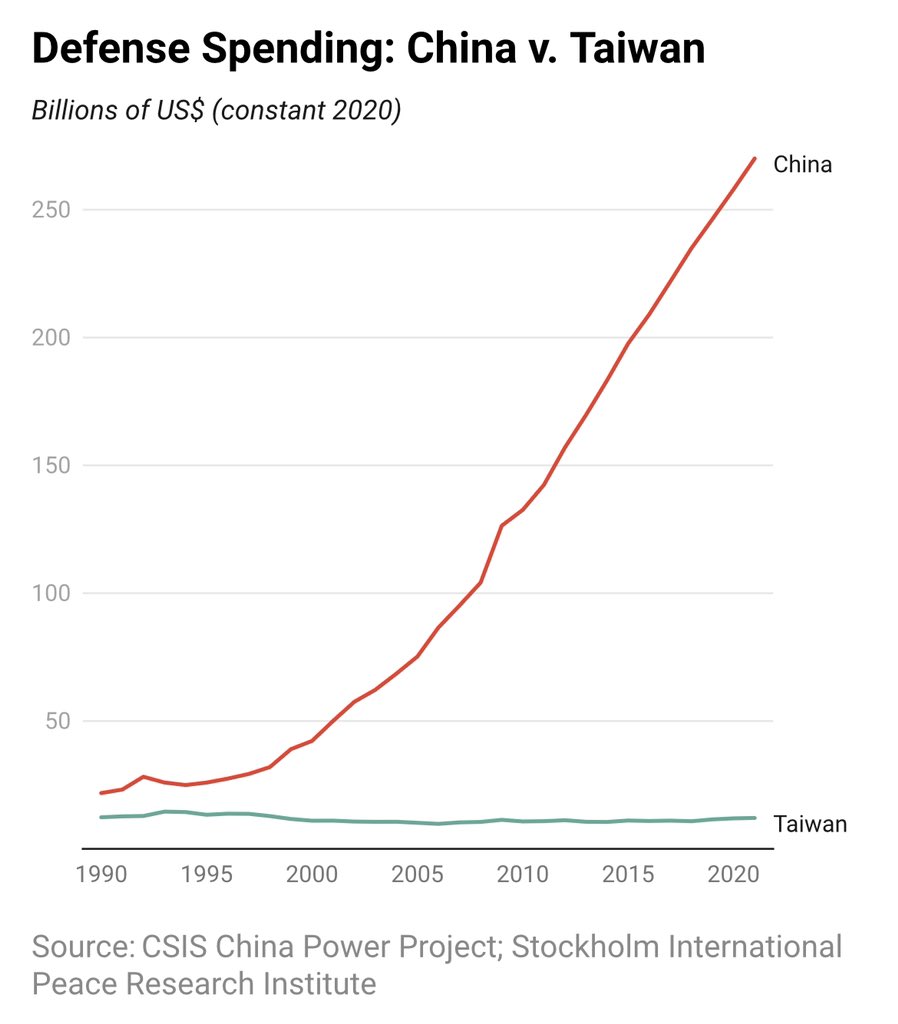
Saw this graph on The Twitters. It fits with a recurring narrative that Taiwan is spending too little on defense, and some of the more obnoxious addendums to this line of thought is that Taiwan is purposely waiting for America to bail it out.

Taiwan should spend at least 3% of its GDP on defense. Taiwan should not have allowed its armed forces to fall below 200,000. I have no idea why a nation like Taiwan, facing the enemy that it has, does not have conscription for men and women for at least a year. Taiwan’s Ministry of National Defense and national security establishments are overdue for thorough modernization and reform. If the point of this graph is that Taiwan should spend more on its military, and take its own defense more seriously, I am in agreement.

How social media and a graph can easily mislead is this. I don’t think Taiwan’s democratic forces have the wherewithal, without sustained assistance from the US and Japan, to reform its national security establishment – Ministry of National Defense, intelligence, etc. One can pour ten times the cash into this structure and raise the conscription time to three years and still get unsatisfactory results. This graph also does a poor job of capturing the effect of decades of contradictory, unsteady, and self-defeating US policy on how to arm Taiwan, and sometimes, even whether or not to arm Taiwan. A few examples:

The US sabotaged Taiwan’s nuclear weapons program. I have mixed feelings about this policy choice, but even if Taiwan only has a credible not totally assembled nuclear deterrence force, maybe the scaremongering headlines of 2022 would read differently.

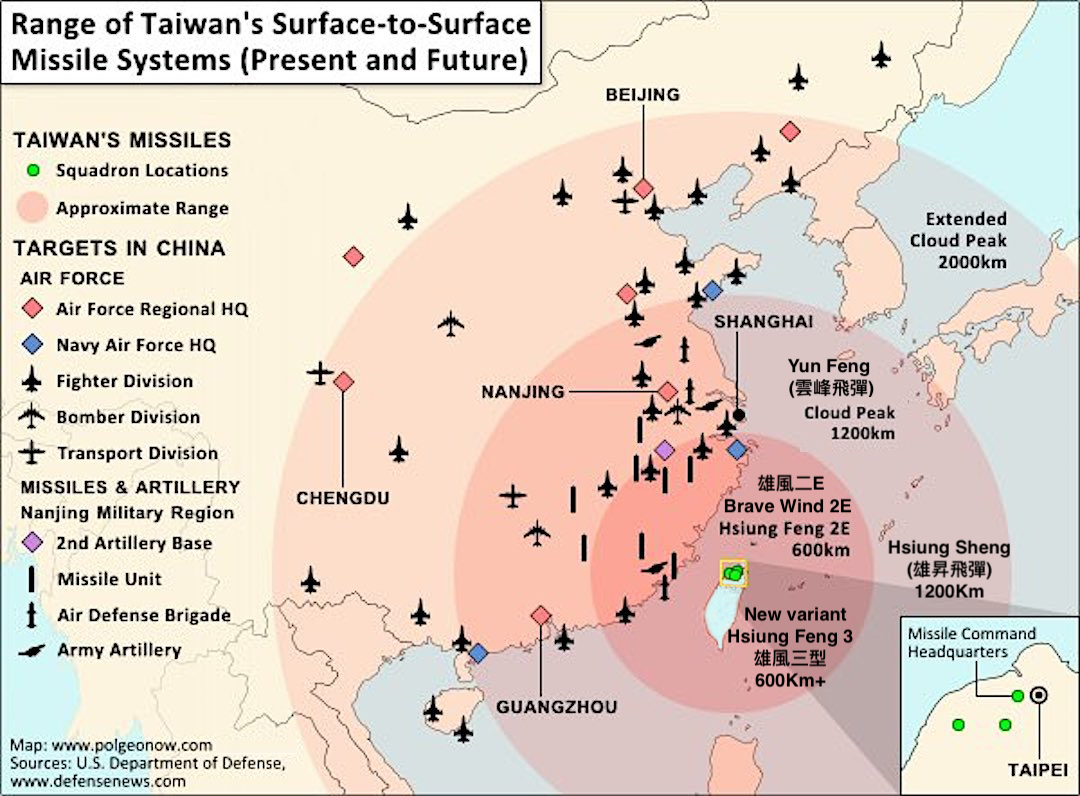
For decades the US interfered with and sabotaged Taiwan’s indigenous counterstrike/long-range missile programs.

Did Taiwanese combat pilots fly the venerable F-100s and F-104s well into the 1990s because they love history, or because the US prevented sales of advanced jet fighters for decades?

The billions the Taiwanese were forced to spend by US policy to develop the inferior IDF fighters achieve better result had the US sold the jet fighters it was willing to sell to Israel and Korea.

When the US forced Taiwan to purchase the inferior F-16A/B in the 1990s instead of the F-16C/D, with minimal anti-surface munitions and inferior Sparrow missiles, was this about Taiwanese budget or US policy?

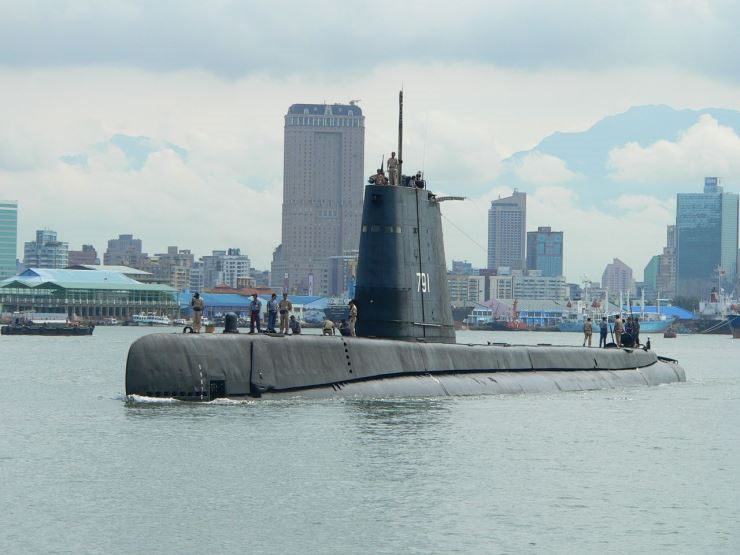
Are the Taiwanese, in 2022, still sailing two 1980s Dutch diesel submarines and two World War II era GUPPY IIs because they refuse to spend on defense?

Are the millions Taiwan is forced to spend to cobble together its own indigenous submarines now the best way to spend defense dollars?

How many years did US policy force the Taiwanese Navy to sail World War Two era destroyers?

Or prevented Taiwan from importing AEGIS/VLS for its navy?

Or interfered with Taiwan’s acquisition of anti-ship missiles throughout the 1970s and 1980s, forcing Taiwan into a costly and fun-filled route importing the Israeli Gabriels, reverse engineering it, and manufacturing its own HFIIs and HFIIIs?

Imperial superpowers have the luxury of selective amnesia and never having to apologize. Might makes right, we get it. If you take every single dollar Taiwan has ever spent on the military from 1960 to 2022, and had the US treated Taiwan as an ally like Israel, or Japan, or Korea, or Singapore – if that amount spent by Taiwan could have avoided decades of US policy detours and delays and the DC “balancing” and “managing” and “de-escalation” and “off ramping” …. Taiwan’s security in 2022 would have been in a far, far better place, and US policymakers would not feel this cornered. So yes encourage Taiwan to spend more and do more, but American policymakers should also take a long hard look into the mirror.

One of the two WW2 era GUPPY IIs still deployed by the Taiwanese Navy

© Taiwan in World History 台灣與世界歷史. This site grants open access for educational and not-for-profit use. Maps and illustrations are borrowed under educational and not-for-profit fair use. If you are the rights holder and prefer to not have your work shared, please email TaiwanWorldHistory (at) Gmail (dot) com and the content will be removed.
Leave a comment

Filed under Uncategorized

US cruisers sail ‘in formation’ with Taiwanese vessels, dictators Xi and Putin, everything with them is opposite days: World history, geostrategery, and Taiwan Republic classrooms

“Just hold on loosely
But don’t let go
If you cling to tightly
You’re gonna lose control ….”
Sagacious philosophers of the 1980s .38 Special

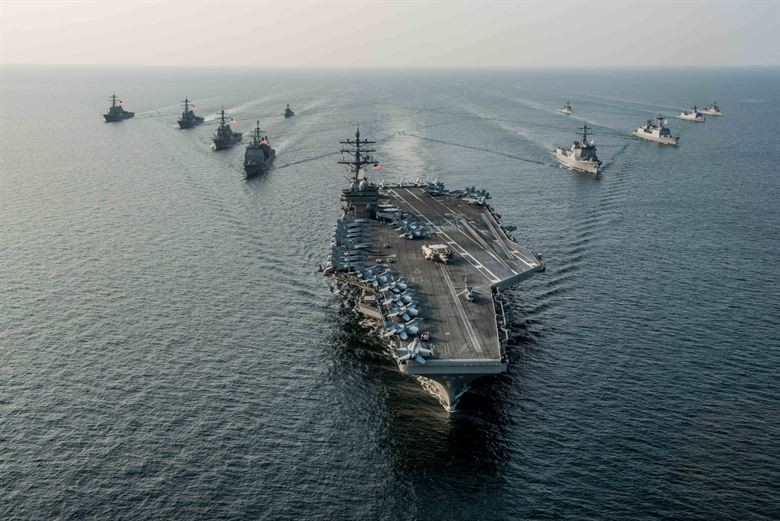
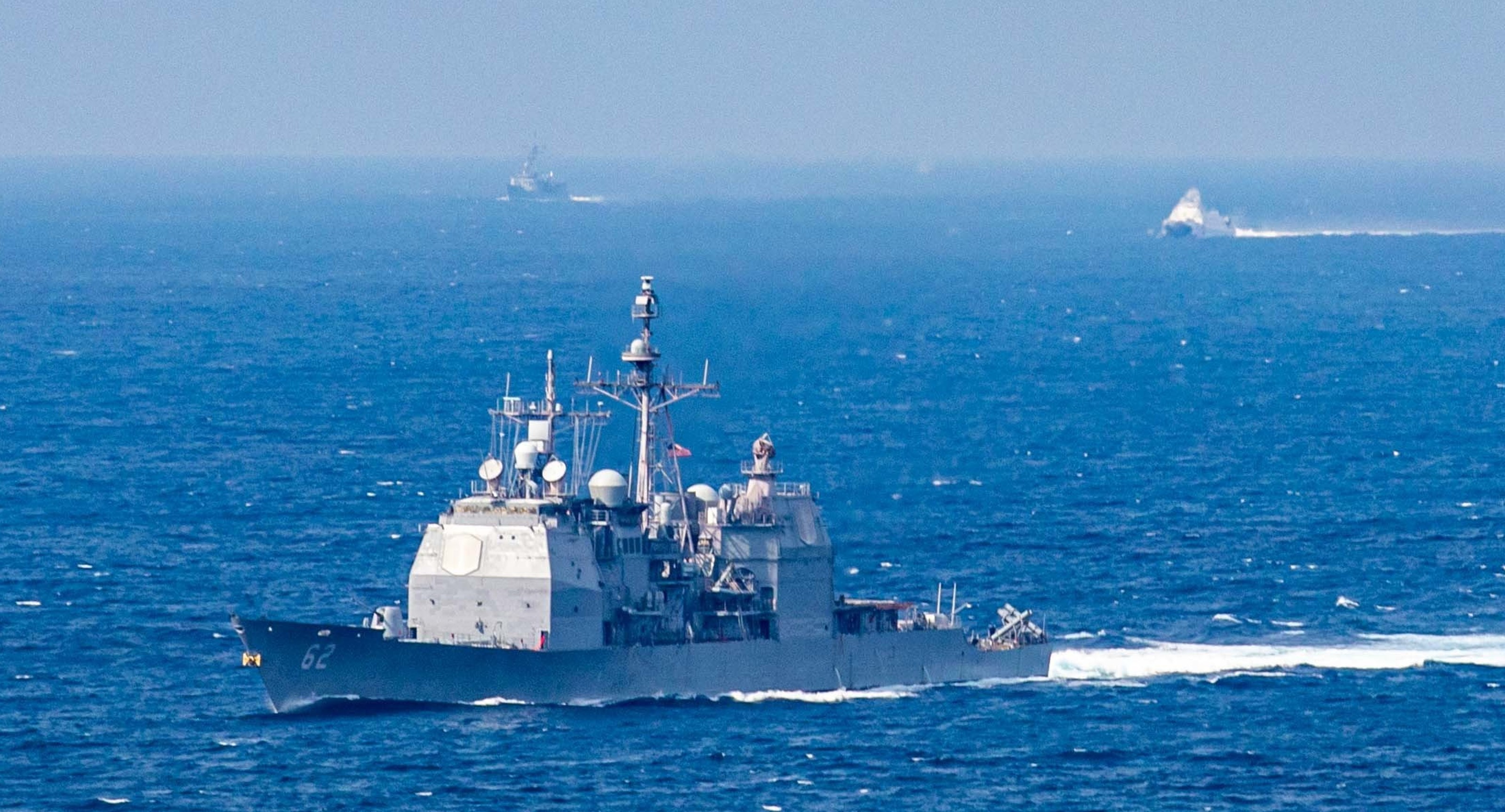
[US Navy photos from Naval warfare journalist Chris Cavas at https://twitter.com/CavasShips/status/1565020387653607427?s=20&t=6ITkBgg7L1b8orFBUg_uCg&%5D

A world history level pattern of dictators pursuing policies generates the exact opposite results of their stated objectives. President Biden and Zelenskyy, before the Russian invasion, probably could have reached accommodating deals with Putin that would continue to maintain or even enhance Russia’s historic influence in the region. Everything being equal, by size China has much going for it vis-a-vis Taiwan and its other neighbors. Yet in both cases, by lacking patience, not having confidence, by exporting the dictatorial attitude they are used to in domestic rule, Xi and Putin have created opposite effects. Even though the Chinese communists have stigmatized Taiwan’s democratically elected Presidents Lee and Tsai as radical pro-independence activists, they are likely the last two democratically elected Taiwanese leaders willing to tolerate pragmatic, face-saving for the snowflakey Chinese communist’s arrangements (for e.g. by keeping the RoC, even though the status quo is two separate sovereign entities on both sides of the Taiwan Strait, the appearance of “C” remains and no one says anything about what happens a century, or two, from now.)

From 2014, or maybe even earlier, absolutist and belligerent positions from Moscow have unintentionally solidified Ukrainian resolve; and likewise, the Leninist Chinese Communist Party and its inability to share power/space with any other entity mean it has done as much to promote Taiwanese national identity than any other force. The most important “escalatory spiral” is that of seeing the world through the eyes of a Leninist tyrant – ever more belligerence and ugliness even though all metrics show one is getting the opposite effect. After the Xi genocide in East Turkestan and the brutality in Hong Kong, how many democratic citizens of Taiwan – whether they love Taiwan Republic, or Taiwan RoC, or RoC Taiwan, or just RoC – would be interested in a deal with the communists?

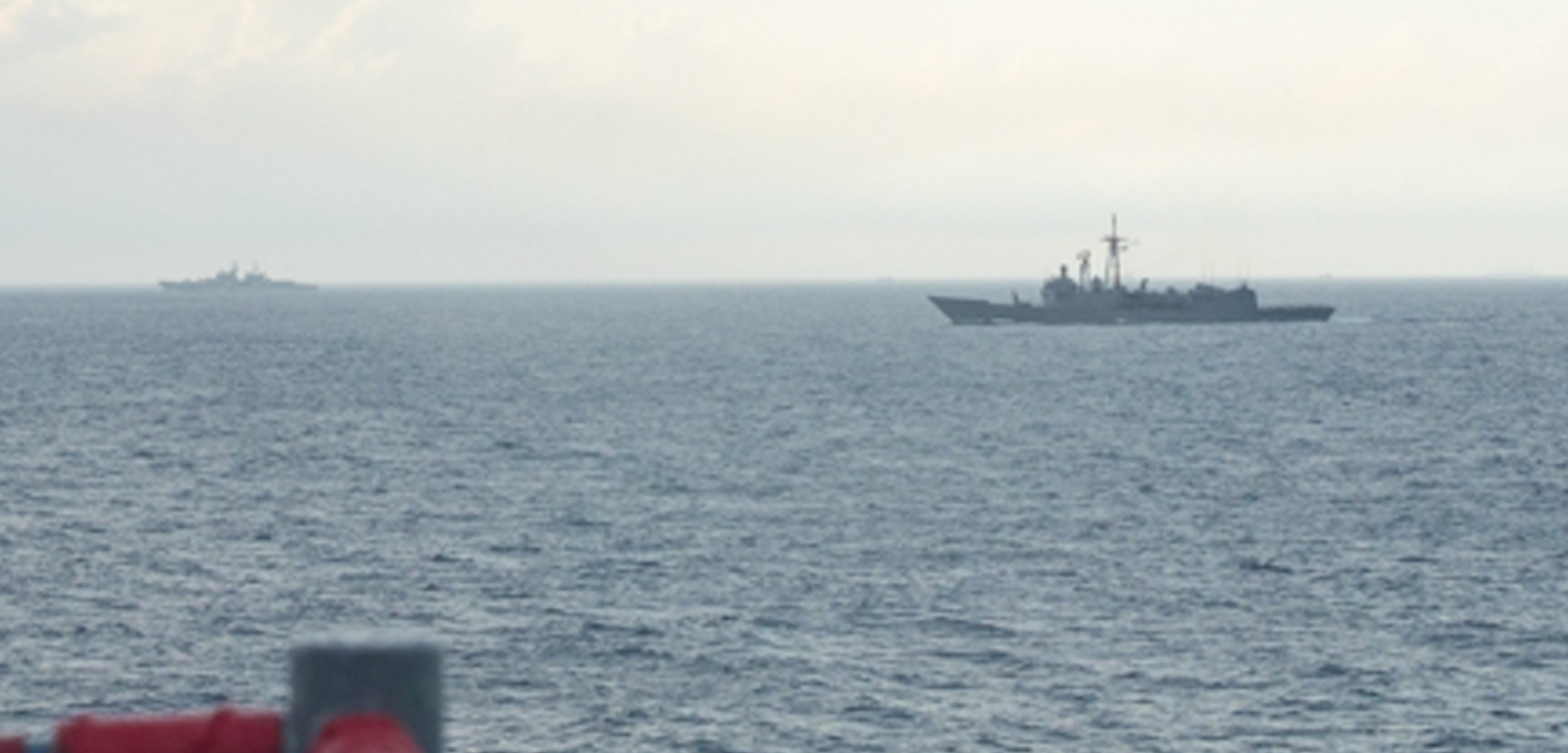
Western corporate media and talking heads may not be great at this, but this is where Twitters and open source military observers shine. A textbook example of this unintended consequence of the Chinese communist reflex is this important detail: When the US sent two Ticonderoga class cruisers through the Taiwan Strait, they were shadowed by Chinese communist destroyer(s) and accompanied by a Taiwanese naval frigate and a Taiwanese Coast Guard corvette – Taiwanese and American ships sailing in formation.

The ‘breakthrough’ is not that this has never been done – one suspects after 1996 Taiwanese, American, and Japanese military vessels and aircraft have had many “chance meetings” away from the limelight. What’s interesting about this case is that photos of the Taiwanese naval vessels sailing alongside US naval vessels were publicized by the US Navy. Even though Beijing thinks ratcheting up its military belligerence will isolate Taiwan, it has actually promoted many breakthroughs.

I would guess that it is nearly impossible, given the tasks needed, that the highest national security officials in Taiwan do not occasionally communicate directly with their counterparts in Tokyo and DC. But up to this point, it is taboo to acknowledge this in public. I think Beijing’s threats are creating the opposite intended effect by forcing these contacts into the public. And sooner rather than later, for practical and for symbolic reasons, continued Beijing belligerence will accelerate the pace when American, Japanese, and maybe even NATO officers returning to Taiwan. 5.9.2022

© Taiwan in World History 台灣與世界歷史. This site grants open access for educational and not-for-profit use. Maps and illustrations are borrowed under educational and not-for-profit fair use. If you are the rights holder and prefer to not have your work shared, please email TaiwanWorldHistory (at) Gmail (dot) com and the content will be removed.
Leave a comment

Filed under Uncategorized

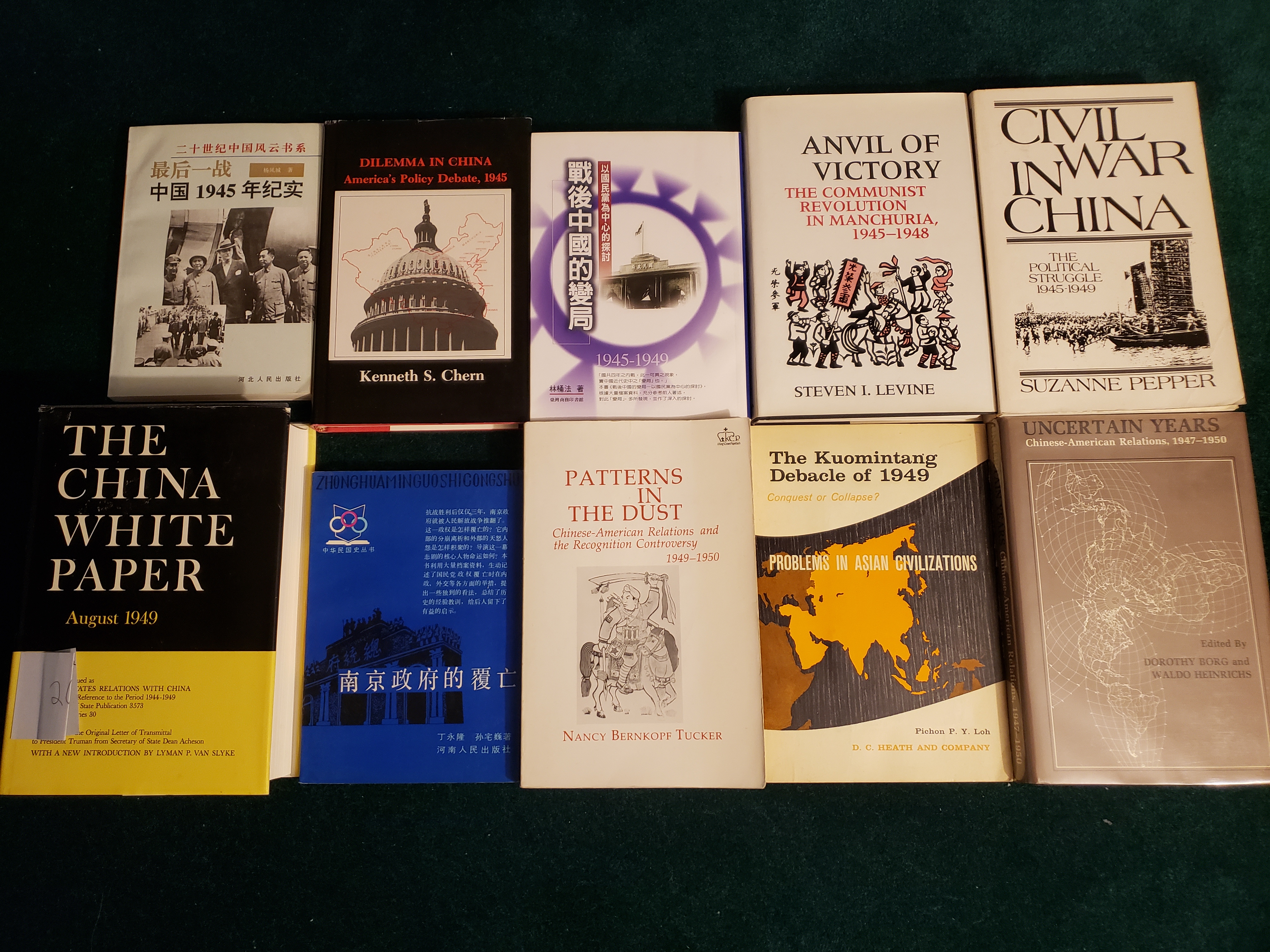
Taiwan’s national security in 2022 requires studying the end of the latest Chinese Civil War, 1945 to 1949: World history and Taiwan Republic 台灣国 classrooms

Leaders in Taiwan Republic, Japan, and the US must study how the Chinese Communist Party defeated China Kuomintang in 1949. With a formidable military, funded with American aid, and equipped with topline American weapons, Chiang Kai-shek’s military evaporated. 2022 Taiwan Republic is not 1949 Nanking RoC. The world has changed significantly. Though, old habits die hard. Has the Taiwanese Ministry of National Defense democratized and modernized its mentality? Has it realized that rather than a lumbering bureaucracy for an old continental power, it is now a ministry for a mid-sized democracy that requires agility creativity and rapid problem-solving skills? Have the democratic allies of Taiwan, Japan, and the US studied how the Chinese communists infiltrated, sabotaged, and defeated Chiang’s government military from within – spies and infiltrators, useful idiots, and fifth column united front idealists alike? In an environment where malevolent authoritarians like the Chinese communists are using full-domain information warfare against liberal democracies, how should democracies such as Taiwan balance freedom of the press, free flow of capital, migration, and business in a way that protects national security? The most important lesson from the defeat of the Chiang regime in 1949, buttressed by examples from South Vietnam, Afghanistan, and Ukraine, is this. Hardware and weapons will only get one so far. In the struggle between democracy and dictatorship, the most important battlefield is ideological-political-information. Or as the Ukrainians have shown, one cannot defeat authoritarians without heart. How to actively defend democracy without resorting to authoritarian means is the most important lesson for leaders in Taipei, Tokyo, DC, and other frontline democracies. 3.9.2022

© Taiwan in World History 台灣與世界歷史. This site grants open access for educational and not-for-profit use. Maps and illustrations are borrowed under educational and not-for-profit fair use. If you are the rights holder and prefer to not have your work shared, please email TaiwanWorldHistory (at) Gmail (dot) com and the content will be removed.
Leave a comment

Filed under Uncategorized

Gorbachev, Leninist party-state, Taiwan, and the choices leaders make: World history classroom

12/7/1988 President Reagan and Vice-President Bush meet with Soviet General Secretary Gorbachev on Governor’s Island New York

[From:https://commons.wikimedia.org/wiki/File:President_Ronald_Reagan_and_Vice-President_George_H._W._Bush_meet_with_Soviet_General_Secretary_Mikhail_Gorbachev_on_Governor%27s_Island_New_York.jpg%5D

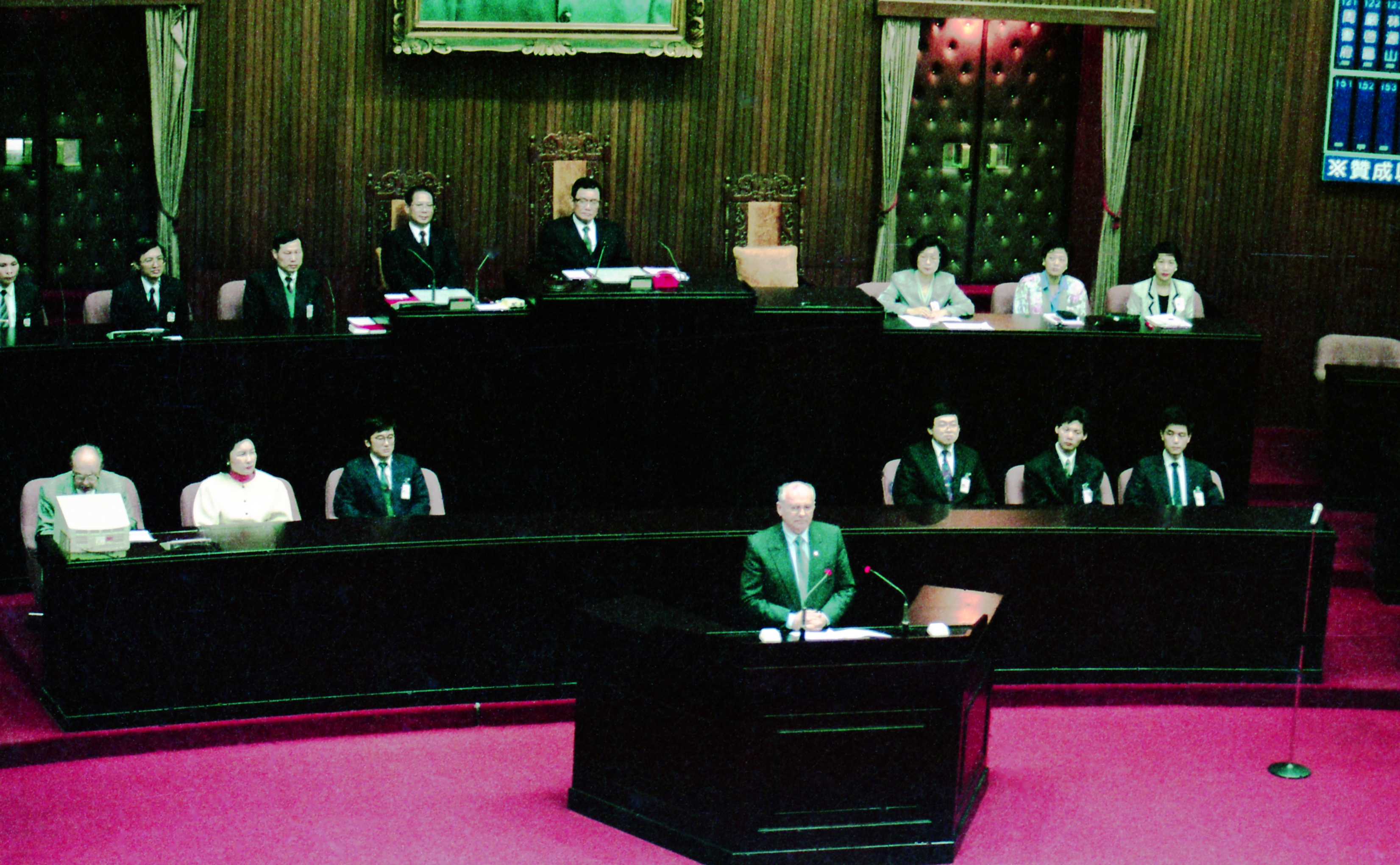
Gorbachev visited Taiwan Republic in 1994, and gave a speech at the Legislative Yuan. I don’t recall any hysteria from western talking heads or Beijing …. Not sure if this was before or after his Pizza Hut commercials ….

Because I never believed the Cold War ended, much less that ‘we’ won, I ignored the incessant arguing in the west over who should get the credit. Though as a subset of the anti-anti-communism in the west, I have been fascinated by the western adoration for Gorbachev, the kind of cult of personality that no mortal human could possibly live up to, and wondered to what degree the adoration is about Gorbachev, and how much is a dig at Reagan. This is where, and not shocking if you have been following closely how the Russian invasion of Ukraine has been covered differently in the west versus the less credulous, more realistic Ukrainian, Baltic, and eastern European press, reminders from these victims of Soviet communism with less fond memories of Gorbachev provide a useful antidote.

I think this is a fair assessment. Gorbachev rose through the ranks of a totalitarian communist system, anointed by the Communist Party of the Soviet Union to be their dictator. So I have never had illusions about how he came to power, and what that meant. However, on a range of behavior of communist dictators that one would reasonably expect, Gorbachev must be given credit for taking the least bloody route while facing the final collapse of the Soviet Union – i.e., by his decisions, lives were spared. This is particularly important when comparing Gorbachev’s decision with that of the Chinese communists.

Interesting too, to think of different global examples of this cruel and inhumane Leninist party-state – Gorbachev’s Communist Party of the Soviet Union; Sun Yat-sen, Chiang Kai-shek, Chiang Ching-Kuo, and Lee Teng-hui’s China Kuomintang, and the Chinese Communist Party. And to compare similar Leninist reflexes – authoritarian, paranoid, corrupt, secretive, bloody. And to see different paths chosen by different leaders at key historical moments. The China CCP chose in 1989 to murder students and civilians. And their subsequent policies of techno-authoritarian control were reflections of the Chinese communists not wanting to repeat Gorbachev’s “mistakes.” Whereas Gorbachev’s CPSU and Lee’s China KMT in the 1990s accepted democratization and electoral competition relatively peacefully. The China KMT after Lee and Russia after Gorbachev both had adjustment problems, too complicated to get into here. Though thus far Taiwan-the-democratic-nation has fared far better than Russia’s stillborn democracy. At key historical moments, a brave and clear-eyed leader is needed to prevent a bloody massacre – that part of history is basically luck. What would have happened had Gorbachev accepted the institutional impulse of his CPSU and resorted to a bloody crackdown in Eastern Europe and USSR? Or had he tried to engineer a war against NATO to save his communist empire? What might have happened if Dr. Lee coveted wealth and power more than he did and engineered a way for his Leninist China KMT party-state to operate a Singapore-style ‘soft’ authoritarian technocratic state?

Other world history cross currents and sidenotes on the Leninist party-state. Without Sun Yat-sen turning to the Soviet Union for aid the re-engineered China Kuomintang may not have survived. And without the military academy that the Soviets sponsored, which produced so many early China KMT and CCP military leaders, the latter-day anti-communist Chiang Kai-shek probably would not have been able to seize leadership of the China KMT. Chiang’s eldest son Chiang Ching-Kuo, the last dictator over Taiwan, was sent to study in the USSR and briefly held hostage by Stalin. And Lee Teng-Hui was rumored to have flirted with Marxism during his college years as a Taiwanese subject of the Japanese empire. One should also note: that the two shrillest, most narrow-minded, hardliner extremist ethnonationalist political parties of modern China, KMT and CCP, are both products of an alien, Leninist ideology-structure. Ironies of history abound ….

Which got me thinking about Nelson Mandela. Not quite the same storyline as the Leninist parties, but with a lifetime of suffering and cruelty wherein when he came to power historical precedence would have easily predicted something far more vengeful and bloody. And I have always marveled at and pondered on how Mandela managed to do the exact opposite – to have the discipline and moral-ethical fortitude to choose to use his credibility to spare his long-suffering nation decades of chaos and violence. To lead his people to a path of peace and reconciliation.

This is why history and studying human behavior are so much fun. One can track data, one can study patterns – yet history is full of these blink of an eye, contingent on personality and luck choices individuals make. What would China and the world be like now had the students of Tiananmen survived and if some of them are now leading their nation? What might have been. 1.9.2022

© Taiwan in World History 台灣與世界歷史. This site grants open access for educational and not-for-profit use. Maps and illustrations are borrowed under educational and not-for-profit fair use. If you are the rights holder and prefer to not have your work shared, please email TaiwanWorldHistory (at) Gmail (dot) com and the content will be removed.

Leave a comment

Filed under Uncategorized

Biden administration to ask Congress to approve $1.1B arms sale to Taiwan- Politico: Geostrategery and Taiwan Republic 台灣国 classrooms

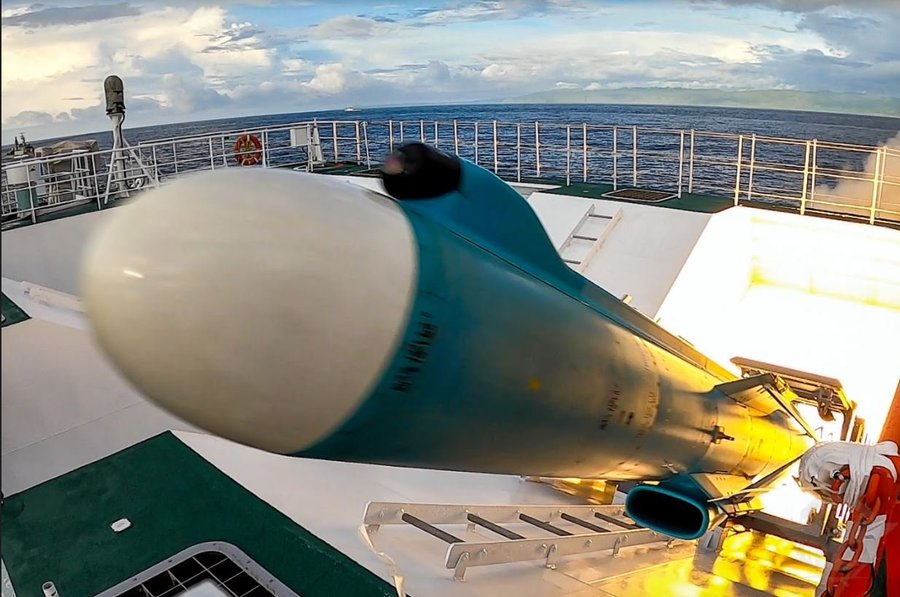
“The package, which is still in an early stage, includes 60 AGM-84L Harpoon Block II missiles for $355 million, 100 AIM-9X Block II Sidewinder tactical air-to-air missiles for $85.6 million, and $655.4 million for a surveillance radar contract extension, the people said. The Sidewinder missiles will arm Taipei’s U.S.-made F-16 fighter jets.”

Is this ‘porcupine’/asymmetrical or not? …. Not sure what the radar contract is (PAVE-PAWS?). The Taiwanese Air Force will need 10x the Sidewinders and AMRAAMs, and 400 Harpoons are still on backorder. Long story short: cannot count on the Chinese communists being as incompetent as the Russians invading Ukraine. Communist China is far larger than Taiwan. And Taiwan Republic does not have a nice protected land neighbor like Poland to slowly dribble supplies in during the war. The Sidewinders are not enough to put two on each of their existing F-16Vs, not to mention the 66 F-16Vs on backorder.

© Taiwan in World History 台灣與世界歷史. This site grants open access for educational and not-for-profit use. Maps and illustrations are borrowed under educational and not-for-profit fair use. If you are the rights holder and prefer to not have your work shared, please email TaiwanWorldHistory (at) Gmail (dot) com and the content will be removed.
Leave a comment

Filed under Uncategorized

The Pelosi effect: foreign delegations queue up to visit Taiwan in defiance of China, The Guardian: Geostrategery and Taiwan Republic 台灣国 classrooms

The solo visit by Blackburn was the fourth US delegation to Taiwan since Pelosi’s landmark visit, coming a few days after Indiana governor Eric Holcomb and a cross-party Japanese delegation, and just weeks after an 11-member delegation from Lithuania … Shortly before his arrival, Keiji Furuya, a member of Japan’s ruling Liberal Democratic party, tweeted: “China’s military provocations and other erratic behaviour pose a risk to the peace and safety of not only Taiwan, but east Asia as a whole.” … “A lot of what’s happening is symbolic. I don’t want to suggest it’s not important – it can have substantive effect,” said Raymond Kuo, a political scientist at the Rand Corporation. … “But in terms of Taiwan’s ability to defend itself [and] diversify its economic ties away from China … those policies haven’t been put in place yet. They’re coming down the pipe which is positive, and I think China’s action has spurred on unity in Congress and support from other countries.”

If whoever from the Biden administration did not overreact and unwisely leaked Speaker Pelosi’s planned visit to Taiwan to selected press, and then tried to mobilize the chorus of talking heads generating weeks of ever more hysterical punditry against the visit. And if the Chinese communists did not respond to this routine, nothing out of the ordinary visit with their ballistic missile tantrum (and to deliberately choose to include the Japanese EEZ in this belligerent overreaction ….). Given what we know about the global news cycle, the fixation of the Euro-American centric English language press on domestic and Euro-American news, honestly, how many people would have noticed that Speaker Pelosi or any of these subsequent delegations visited Taiwan? So was this a “Pelosi effect”? Or, is it a “Deliberate and unwise White House leak, DC foreign policy establishment, and the Chinese Communist Party” effect?

It is fair to think of the Pelosi effect as having reframed how the many parties – democratic Taiwan, its neighbor Japan, US national interest in the region, and the Chinese communists are discussed and covered in the west.

The conceptual framing of ‘symbolic’ v ‘ substantive’ is fascinating. When journalists cover foreign dignitaries visiting the White House I don’t recall ever seeing this framing. On the eve of the Russian invasion of Ukraine when western leaders visited Moscow, were those trips symbolic or substantive (most likely, as with most visits, both ….) I agree with Dr. Kuo that given the scale and immediacy of Chinese communist belligerence, these important foreign visits must be matched with sustained, multidomain, concrete action. And while imperial powers often are slow in reflection, an honest appraisal is that the US has been decades late in understanding the threat posed by the Chinese communists, distracted and navel-gazing for decades – urgent changes from the US are required in ensuring its West Pacific alliance system will survive the Chinese communist challenge.

An important reason why foreign dignitaries visiting Taiwan Republic is critical is that for decades the China Communist Party and the China KMT have tried to frame the “Taiwan Problem” as a domestic, end of the most recent Chinese civil war issue. Once Taiwan started electing its presidents and national legislators in 1996, the Chinese civil war-domestic problem could no longer stand. This is why President Lee and President Tsai’s seemingly mild and intuitive focus on democratic sovereignty bothers both China parties so much. The Chinese communist’s recent claim that the Taiwan Strait is “domestic, territorial water” is just another facet of this line of thinking. Speaker Pelosi and others, flying official aircraft, using their official titles, landing in a dual-use civilian/military air base in Taipei, visiting democratically elected national leaders in the Taiwanese executive and legislative branches, all without receiving permission (visas, flight clearance ….) from Beijing, punctures the positions held by the Chinese parties.

There is also much to be said for expanding the level of official contact between Taiwan and its democratic allies, including higher officials and military leaders. Given the gravity of the geostrategic threats posed by Beijing, isn’t it odd that the US Secretary of State doesn’t speak with the Taiwanese Foreign Minister on the phone, the Secretary of Defense, or the Joint Chief of Staff? Why shouldn’t the elected presidents of both nations speak regularly – to coordinate, clarify, to understand one another’s priorities and preferences? Such a breakthrough would be symbolic but also address glaring substantive problems. And given the innovations in online communications brought about because of the pandemic, one hope for greater creativity between DC, Taipei, and Tokyo. If it is too much still for President Tsai to fly to DC and visit the White House, why should she be prevented from attending Congressional and Executive branch-hosted online forums and meetings? And vice versa.

© Taiwan in World History 台灣與世界歷史. This site grants open access for educational and not-for-profit use. Maps and illustrations are borrowed under educational and not-for-profit fair use. If you are the rights holder and prefer to not have your work shared, please email TaiwanWorldHistory (at) Gmail (dot) com and the content will be removed.

Leave a comment

Filed under Uncategorized

【台灣】空軍下一代主力戰機研製案 不符現階段戰備需求+關鍵技術未克服暫喊卡 Up Media: Geostrategery and Taiwan Republic 台灣国 classrooms

據指出,面對中國軍事上步步進逼,台美已有共識,在有限的國防預算上,除了要調整建軍戰備在建構不對稱戰力上,例如陸軍改變預算項目,將A6自走砲車預算取消,將其預算額度移去採購「海馬斯」多管火箭系統(HIMARS),從原來的11套增加到29套,並採購射程300公里的「陸軍戰術飛彈系統」(ATACMS);再者,將擴編的後備旅所需要的個人武器、通訊以及夜戰裝備在2023年要快速補充後進行訓練,讓後備旅在動員後能真正發揮支援的戰力。另外,要提升各軍種主戰裝備的妥善率,也將大幅調高各軍種作業維持費的額度。

One. I find this report reassuring. Taiwan cannot afford to domestically develop too many weapon systems – and for historical, diplomatic, political, and psychological reasons, this is the impression one gets, that for a modest-sized nation, with limited funds, with a very acute national security threat, Taiwan’s domestic military research institutions (mostly military and quasi-government controlled) have tried to cover too many projects. An important cause of this has been ambiguous and self-defeating US policies – forcing Taiwan to waste time and resources on the IDF jet fighters, the long-delayed Taiwanese submarine program being two of the many examples.

Two. As a part of Taiwan’s democratizing there are three pillars of “normalization” required – normalizing Taiwan’s international presence/alliance arrangements as a democratic nation-state; normalizing Taiwan’s domestic civilian-led democratic political institutions to include the military and military adjacent planning; and normalizing the process wherein domestically developed weapon system coheres with Taiwan’s overall national security, geostrategic, and geoeconomics objectives. Again, Taiwan’s national security transition faces two legacies – transforming the military from a dictatorship preservation entity into a national protection military while at the same time waiting for the US to update its previously unhelpful security assistance policies towards Taiwan.

Three. A critical area of reform is the democratization and “Taiwanization” of the national security apparatus – using Ukraine as a role model – so that the total national power of Taiwan can be harnessed by its military. Cyberwarfare and drone technology are the two glaring areas where Taiwan has world-class talents in its civil society, yet an insular and slow-to-transform national security apparatus has been unable to absorb these national advantages fully. For the last few decades, one cannot see a concerted effort to invest in intelligence and electronic warfare – surprising for a small nation facing a giant enemy. The delay by many decades of effort to develop a domestic AEGIS/VLS-ish capacity for the Taiwanese Navy is another example of structural, and institutional challenges.

Four. Many encouraging signs these last few years that Taiwan’s ruling party, as well as its democratic allies, and reform-minded Taiwanese officers understand these areas require rapid transformation. It may not be the most exciting area of discussion compared with flashy weapon platforms – I am thrilled that Taiwanese and US officials are focusing on logistics, spare parts, munitions, and vital strategic stockpiles. They may not be newspaper headline material nor look good for parades. Still, one hopes serious preparation will convince the Chinese communists that a war of annexation would be too costly for their dictatorship. 30.8.2022

© Taiwan in World History 台灣與世界歷史. This site grants open access for educational and not-for-profit use. Maps and illustrations are borrowed under educational and not-for-profit fair use. If you are the rights holder and prefer to not have your work shared, please email TaiwanWorldHistory (at) Gmail (dot) com and the content will be removed.
Leave a comment

Filed under Uncategorized

Taiwan unveils record defence budget amid tensions with China, Al Jazeera: Geostrategery and Taiwan Republic 台灣国 classrooms

“Taiwan has unveiled plans for a record boost in defence spending, weeks after China staged unprecedented military exercises around the democratically governed island … The 13.9 percent spending increase, which includes funding for new fighter jets and other equipment, would take the total defence budget to a record 586.3 billion New Taiwan dollars ($19.41bn), or about 15 percent of total government expenditure.”
https://www.aljazeera.com/economy/2022/8/25/taiwan-unveils-record-defence-budget-amid-tensions-with-china

One. Like most functioning democracies, elected leaders in Taiwan and Taiwanese citizens would prefer to allocate their national budget to other more productive projects. Facing an authoritarian, imperialist neighbor, Taiwan has no choice. I expect Taiwan to maintain this budget trajectory for the rest of this decade.

Two. I expect to see defense budget increases among Taiwan’s democratic neighbors, including the US Indo-Pacific command. It would sure would be nice, and would make a ton more sense – efficiency, utility, etc., for a US-led conversation among the key players – US, Taiwan Republic, Japan, Quad, AUKUS+ on how best to coordinate strategic and tactical objectives while ensuring that limited resources are not wasted. This is also a rare area where the two American political parties can work together towards a common national security objective.

Three. Which gets us to the perennial problem with the evolving meaning of the American policy of strategic ambiguity. In the olden days when America had to prevent a Chinese communist invasion of Taiwan while also preventing the dictator Chiang Kai-shek from “reclaiming” his mainland (and dragging America into a dreadful Asian land war ….), strategic ambiguity made sense. Now that many of the political, military, and economic realities on all sides have changed, it is time to transition to strategic clarity with tactical ambiguity. Strategic clarity in that the US and its democratic allies state clearly to the Chinese communists that a war in the western Pacific is not acceptable, and if need be, will be prevented by force. Tactical ambiguity means each POTUS will, with particular circumstances of time and place and types of military aggression, choose from a broad menu of policy options.

Four. Perhaps more of this has been done since the 1996 Chinese communist missile crisis behind closed doors, though more ought to be done – normalizing direct and frequent conversations between Taiwan, US, Japan, Australia, Korea, on what will and will not occur, what each nation’s primary military, economic, diplomatic responsibilities would be in the event of a crisis. This is important for everyone. Even a superpower like the US has budget limitations and must prioritize – and for a smaller nation like Taiwan, this clarity is essential. Otherwise, while policy circles and policymakers argue about “porcupine” or “asymmetrical” versus “conventional,” Taiwanese policymakers are not in a position to choose without knowing this broader global alliance context. An example: if the Taiwanese chooses “porcupine” – short-range, land-based, munitions and personnel to fight the invaders who land in Taiwan. What happens if Beijing chooses a blockade? What if China focuses on long-range ballistic missile strikes? How should the democratically elected leaders of Taiwan choose if its democratic allies remain “ambiguous” on what would happen?

Five. Finally, all nations must be more assertive and creative in getting expertise and reform into the Taiwanese Ministry of National Defense and its national security-intelligence establishments. President Tsai is the most national security competent president Taiwan has ever elected, but her DPP, and Taiwanese civil society, do not have enough expertise or leverage to reform and democratize the Taiwanese national security establishment. In a kinder gentler world over the course of decades, a democratic Taiwan can reform its military on its own – but it does not have the luxury of time. Ideally, this reform would come from direct contact and military advisory groups from Japanese, and American officers with Taiwanese officers along with regular and direct contact between national security officials on all sides. It may require a diplomatically sensitive transition move, like a return to Chiang Kai-shek’s Japanese military advisor group 白團 in the 1950s and 1960s – to systemically facilitate recently retired American and Japanese officers to come to Taiwan (and allow more Taiwanese officers to visit Japan and the US) and serve as advisors and consultants.

For Taiwan Republic and its democratic allies, increasing the military budget is only a small part of the project. How such an increased military budget is spent will determine how effective this democratic alliance will be. 28.8.2022

© Taiwan in World History 台灣與世界歷史. This site grants open access for educational and not-for-profit use. Maps and illustrations are borrowed under educational and not-for-profit fair use. If you are the rights holder and prefer to not have your work shared, please email TaiwanWorldHistory (at) Gmail (dot) com and the content will be removed.
Leave a comment

Filed under Uncategorized