Tag Archives: world history

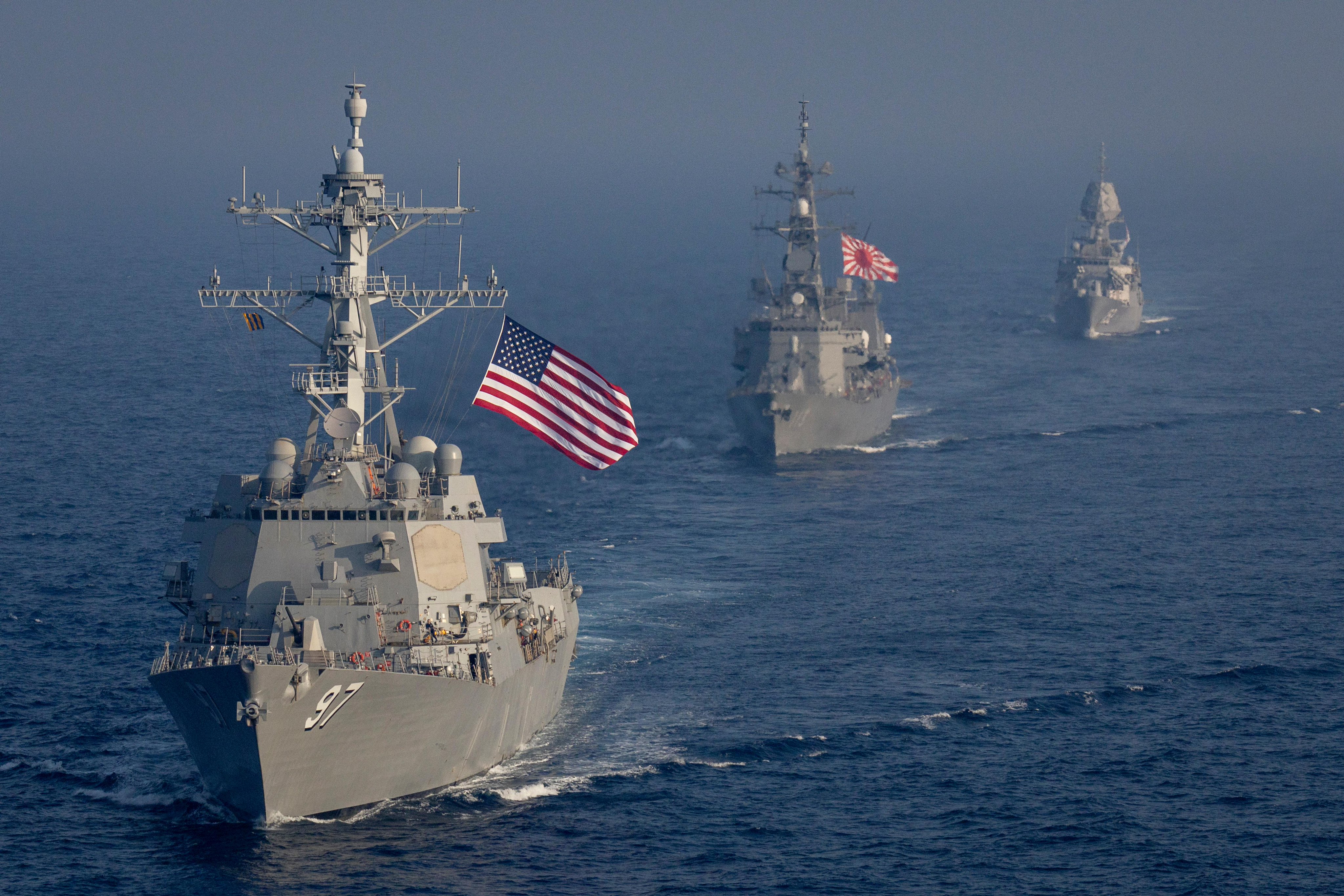
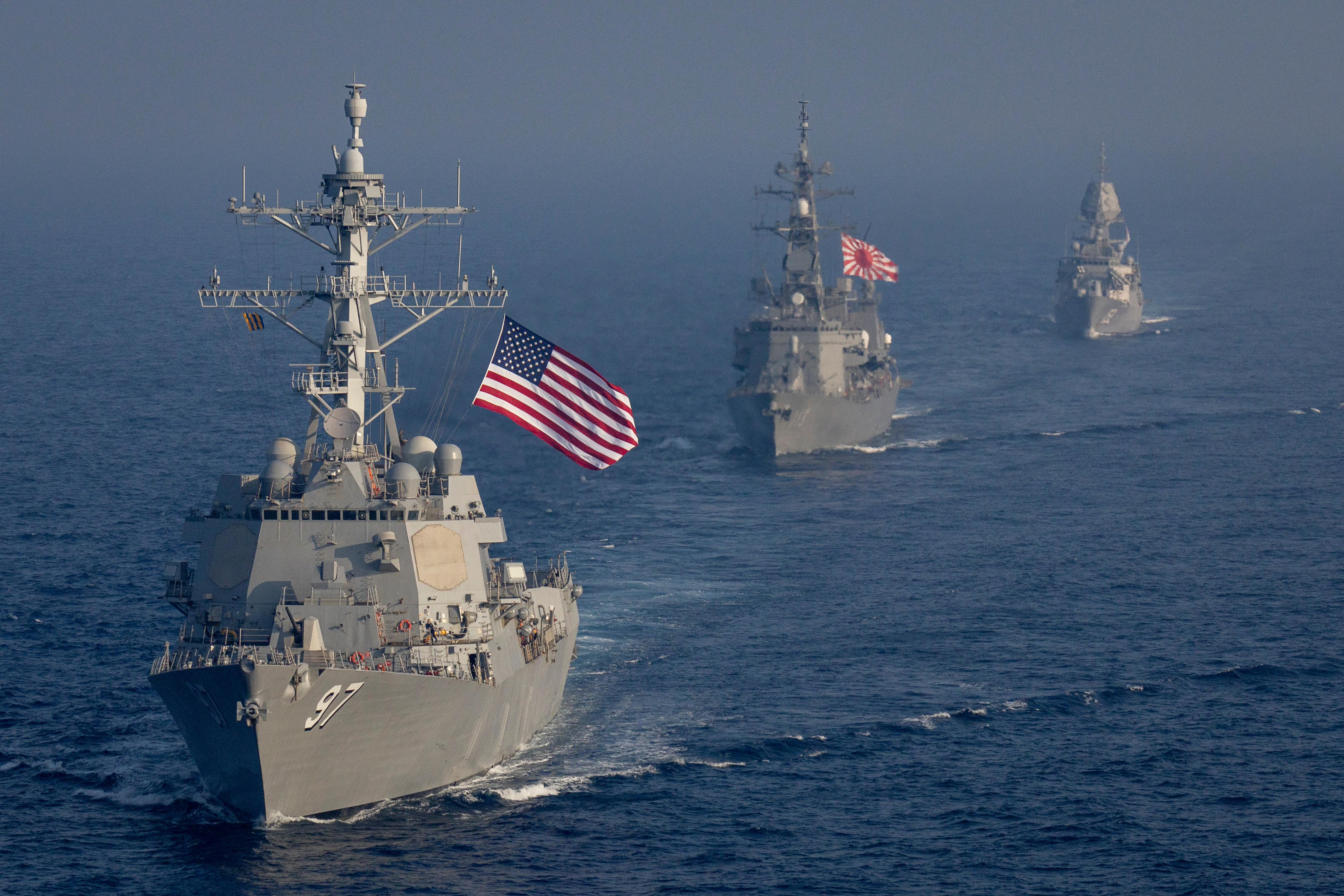
“Calls for China regime change are ‘reckless’: Kurt Campbell. U.S. deputy secretary of state says ‘careful coexistence’ needed with Beijing,” Nikkei. Geostrategery, Taiwan Republic 台灣国 and world history classrooms.

“Calls for China regime change are ‘reckless’: Kurt Campbell. U.S. deputy secretary of state says ‘careful coexistence’ needed with Beijing,” Nikkei. Geostrategery, Taiwan Republic 台灣国 and world history classrooms. I would love to see a scholarly study on why Western imperialist academia, IR circles, and policymakers love to trap themselves in these strawmen-extreme arguments. It is such a waste of time and energy, and they can’t seem to get enough – strategic ambiguity, engagement, regime change …. China’s either going to take over the world, or it will cease to exist …. We either need regime change or engagement. To Campbell’s credit — one of the Biden liberal hawks I admire — his position coheres to the real world, couched in diplomatic phrasing because he is an important official. As a retired monkey, I can be less diplomatic. What happens in communist China does not concern me. How the Chinese choose to organize their nation is not my business. My interest in communist China is purely focused on how Chinese imperialism threatens democratic Taiwan Republic, the US, and the Free world. That’s. It.

As a retired academic historian, I really should not have to remind Americans, of all people, why “regime change” is never a good idear. I mean seriously, the invasion of Iraq and the American quagmire in Afghanistan was not that long ago – imagine those decades and trillions America poured into the Middle East invested into this global struggle against communist China and other autocratic forces. Nor should the US give the ethno-nationalist Chinese Communist Party an easy excuse to rationalize their imperialism and belligerence. As a historian of China’s history, I am also delighted to share this reminder: it could always get worse. That is to say, millions of ordinary people lost their lives from the end of the Qing Dynasty to now because of utopian promises of a new order in China, and the recurring lesson is that with China, it could (and often) become worse. Call me cautious or conservative – better the devil we know as far as geostrategic choices for liberal democracies.

“Engagement” unrestricted is how we got ourselves into this current global crisis in the first place – Campbell’s interesting modifications of one of these Western imperialist academia cult-like phrases is reassuring. Liberal democracies cannot engage communist China because it is not an ordinary member of the family of liberal democratic nations. No more than we can pretend that there are private Chinese companies not under the thump of the dictatorship, or that Chinese universities are different than the Chinese Communist Party. Liberal democracies cannot “engage” China without caution because the Chinese Communist Party’s stated goal — Beijing is frank and honest, it is the West that has been delusional for decades — is to subvert and defeat the liberal democratic world order. This is a fact even during what some Western imperialist academics consider to be the “good old days” of engagement when Chinese dictators such as Jiang Zemin and Hu Jintao were more reasonable. Go ask the Tibetans and Uyghurs if these communist dictators were more mellow. More importantly, the core position of The Party did not change, albeit the tone and atmospherics were of course different than dictator Xi.

So, the academic arguments and catch-phrase wars notwithstanding, the main public policy choices facing the US and the Free World are to protect global democracies with better social welfare safety nets, to modify previous decades’ mindless globalization with a better system that enhances liberal democracies and punishes autocracies, and to update core liberal democratic principles to defeat the multi-domain war waged against them by autocrats foreign and domestic, state and nonstate. The only way to deter a Chinese imperialist war is to build global alliances (not merely military, but economic, educational, technological ….), to stock up on munitions and harden military bases, and to take a cue from the innovations in thinking led by the US Marines, and for the US and its democratic allies to deliver a clear message to dictator Xi that the consequence of a war instigated by him will be the end of his dictatorship. The Free World failed to convince Putin of this, and the survival of the dictatorship and the ill-gotten gains of the dictator and his family are the only things dictators care about. Short of a military war instigated by the autocrats, we must find ways to contain and mitigate these autocracies as peacefully as possible. 13.6.2024

© Taiwan in World History 台灣與世界歷史. This site grants open access for educational and not-for-profit use. Maps and illustrations are borrowed under educational and not-for-profit fair use. If you are the rights holder and prefer not to have your work shared, please email TaiwanWorldHistory (at) Gmail (dot) com and the content will be removed.
Leave a comment

Filed under geoeconomics, geostrategery, Taiwan Republic, world history

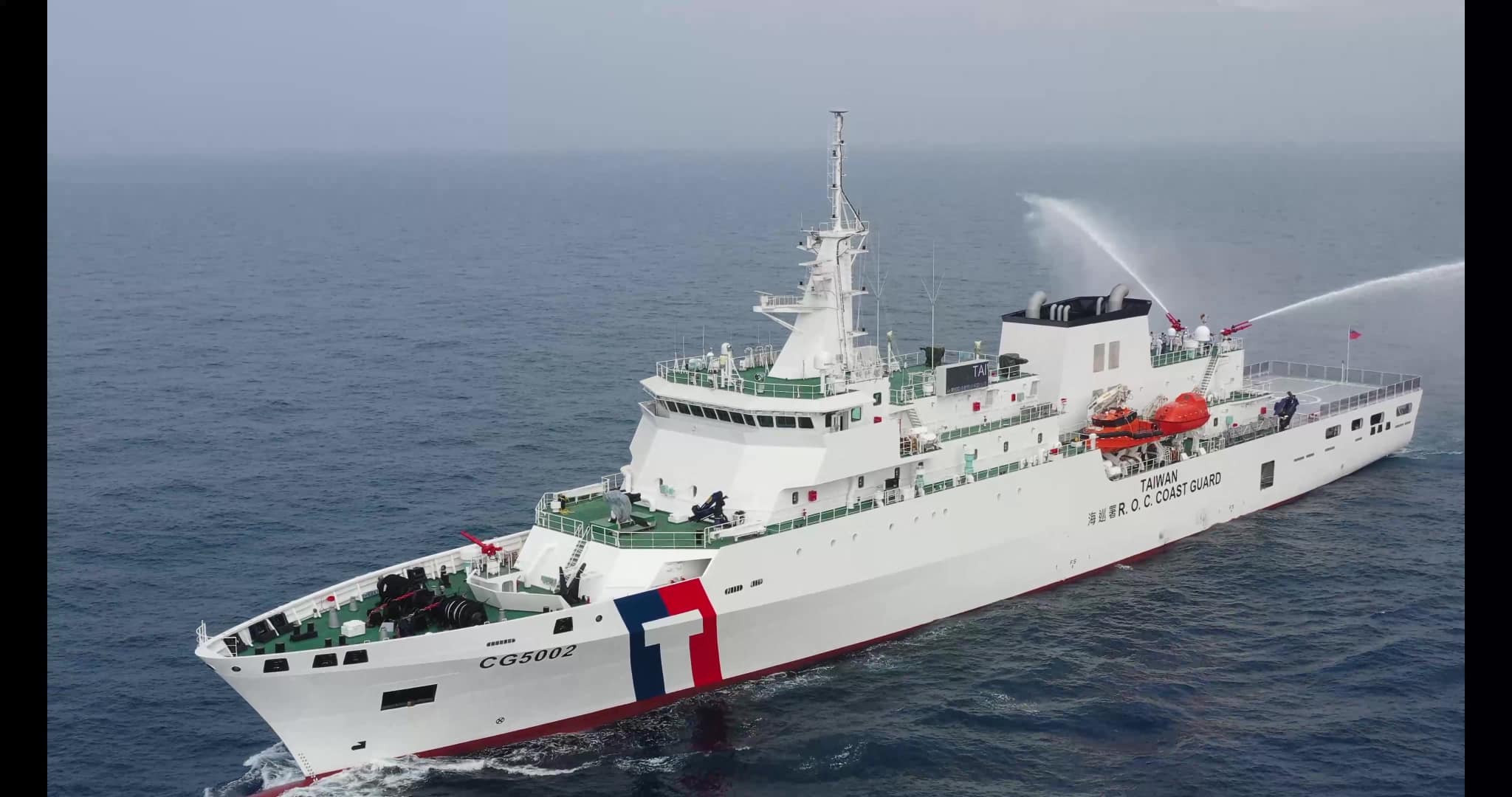
The race to protect Taiwan Republic’s democratic sovereignty, “Taiwan Coast Guard ship docks in Honolulu Harbor,” Taiwan News. Geostrategery, Taiwan Republic 台灣国 and world history classrooms.

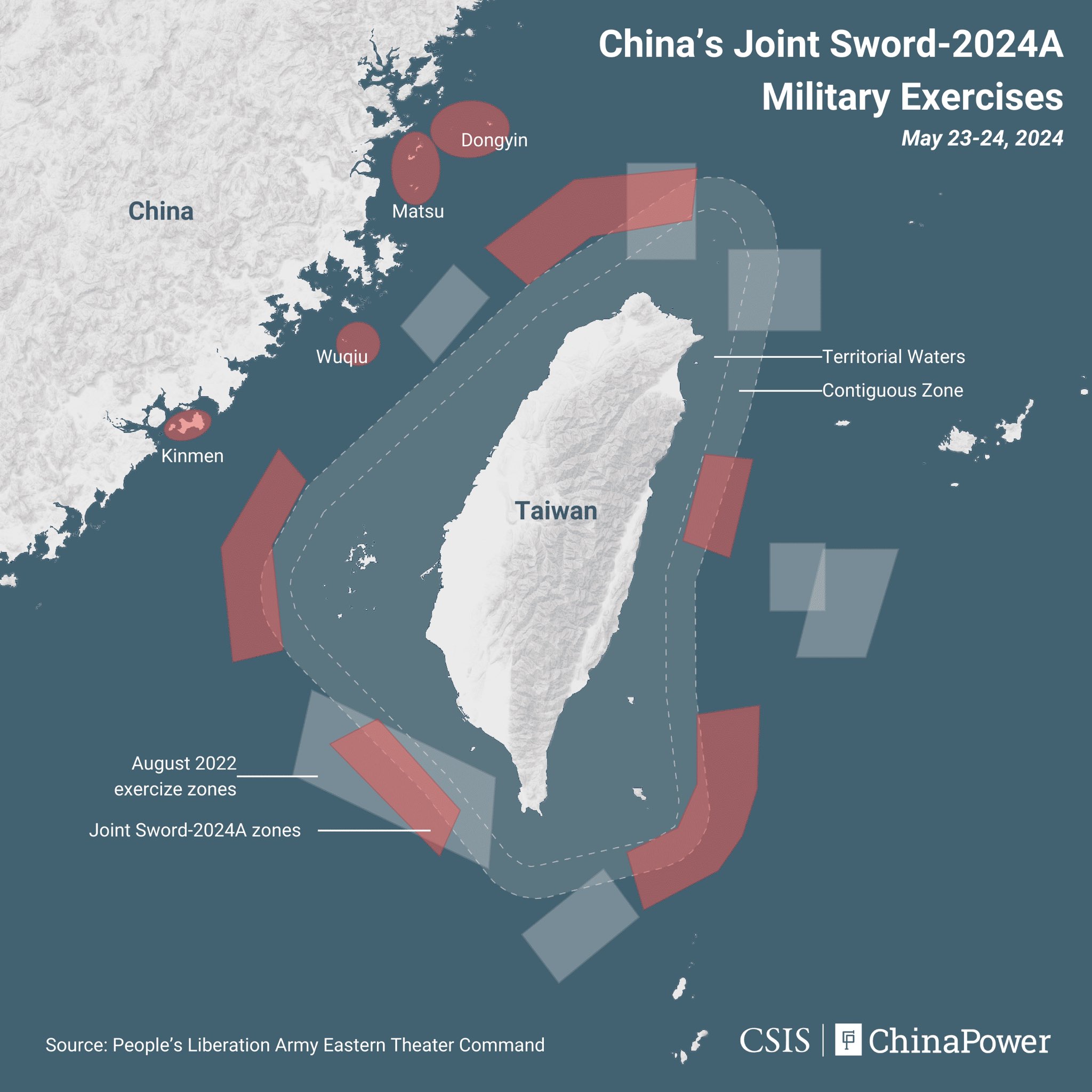
The race to protect Taiwan Republic’s democratic sovereignty, “Taiwan Coast Guard ship docks in Honolulu Harbor,” Taiwan News. Geostrategery, Taiwan Republic 台灣国 and world history classrooms. The most important facet of this news is dismantling the decades-long, artificially imposed “ambiguity” on the sovereign status of Taiwan. Next time this ought to be Coast Guard to Coast Guard, routinized, official visits. Barring an unwise push from the Chinese communists and its allies inside Taiwan Republic, the US, Japan, and the Free World will continue to walk up to the edge of fully recognizing Taiwan’s democratic sovereignty in what I have termed “all-but fully normalized.” When the Taiwanese Coast Guard vessel – what could be more official and “sovereign” than that – can publicly sail into an American harbor, then why shouldn’t American and Japanese Coast Guard vessels visit Taiwanese ports? And when that occurs, then why shouldn’t naval vessels, and air force aircraft follow? Rather than thinking of these changes as “message sending” or primarily symbolic, the important element is the ongoing global struggle to generate irreversible “facts on the ground” in the Indo-Pacific by both sides. The Chinese communists, their allies inside Taiwan and the West, are desperately trying to delegitimize Taiwan’s democratic sovereignty – by declaring the Taiwan Strait as they have with the South Sea as “domestic waters,” denying Taiwan has the right to self-defense, in academia and information warfare arguing that “cross-strait tensions” is a continuation of the latest Chinese Civil War which ended in 1949, etc. An important part of this Beijing-led “facts on the ground” warfare is the probing military and quasi-military missions – flying manned and unmanned military aircraft and naval vessels close to Taiwan – crossing the international boundaries, first around Quemoy and Matsu, probing missions near Tamsui, and so on. In this context, the US, Japan, and the Free World must respond by rapidly creating a different set of “facts on the ground” – unlike the Cold War era where tens of thousands of troops were stationed in Taiwan, what is required now are naval port visits, airport layovers, joint training missions, American and Japanese military advisors and liaisons, all concrete ways to demonstrate to the Chinese communists that in reality, the Free World does not require permission from the dictators in Beijing to conduct sovereign-to-sovereign activities with the duly elected national government of Taiwan. At this stage of Chinese imperialist belligerence, these are the only ways to convince dictator Xi that a military invasion of Taiwan will guarantee a military response from the US and the Free World.

© Taiwan in World History 台灣與世界歷史. This site grants open access for educational and not-for-profit use. Maps and illustrations are borrowed under educational and not-for-profit fair use. If you are the rights holder and prefer not to have your work shared, please email TaiwanWorldHistory (at) Gmail (dot) com and the content will be removed.

Leave a comment

Filed under geostrategery, Taiwan Republic

“US plans ‘hellscape’ of drones if China invades Taiwan. ‘Unmanned hellscape’ involves deploying thousands of unmanned submarines, surface vessels, aerial drones in Taiwan Strait,” Taiwan News. Geostrategery and military classrooms.

“US plans ‘hellscape’ of drones if China invades Taiwan. ‘Unmanned hellscape’ involves deploying thousands of unmanned submarines, surface vessels, aerial drones in Taiwan Strait,” Taiwan News. Geostrategery and military classrooms. Putting the word “hellscape” into the headline is marketing SEO genius. As I have noted recently, American admirals and generals and speaking of, and preparing for, a war against Chinese imperialism in ways that are less and less hypothetical. We know that admirals and generals and intelligence can be wrong, though as observers this is an important data point to notice. This frank conversation by the admiral in charge of the Indo-Pacific command is an example of this preparation. The fact that Taiwanese military leaders have finally started to prepare munitions, spare parts, and hardening bases, that is another example. If the Indo-Pacific command can finally drag the Chinese Taipei Ministry of National Defense generals out of their cult-like bayonet age and into the unmanned vehicles AI era, that alone would be a Nobel Prize-level accomplishment – not just to finally grudgingly purchase drones, but for these Chinese Taipei generals to think in concrete and creative ways on how best to deploy them.

The US and Taiwan Republic have been preparing for a Chinese invasion for decades. What is unusual about this news and recent examples from civilian and military leaders from America and the Free World is that the old “strategic ambiguity” (if you belong to the IR cult you need to chant that phrase three times while spraying Kissingerian holy water over your shoulder ….) rule is to do but to not speak of it. An important part of Taiwan’s normalization as a nation-state with democratic sovereignty is this kind of public discussion – as one would expect normal democratic allied nation do.

I agree with Rogin’s critique and will add this. A swarm of unmanned vehicles – hellscape or not – is a good beginning and ought to be in place now. I do not think anything will deter dictator Xi unless he is convinced his dictatorship, and his criminal family’s ill-gotten financial gains are on the line. Chinese communist manned and unmanned vehicles have been harassing democratic Taiwan and other East Asian neighbors for years. Ultimately these unmanned vehicles alone will not do the job, nor should they be the centerpiece – warships, submarines, aircraft carriers, innovative US Marines units, and so on – the US has this habit of trying to technology and print money to avoid boots on the ground, whereas all historical lessons point in the direction that wars are still wars, national borders and sovereignties and national interests require human soldiers and sailors to defend. And because the Chinese communists and its allies inside Taiwan and the West are waging an all-domain, fait accompli war – the sooner the US and allies put boots on the ground in Taiwan and surrounding areas-nations, the sooner it can leverage that fait accompli to remove the option of a military invasion off the table for dictator Xi and his criminal communist associates. 11.6.2024

© Taiwan in World History 台灣與世界歷史. This site grants open access for educational and not-for-profit use. Maps and illustrations are borrowed under educational and not-for-profit fair use. If you are the rights holder and prefer not to have your work shared, please email TaiwanWorldHistory (at) Gmail (dot) com and the content will be removed.
Leave a comment

Filed under geostrategery, Taiwan Republic, world history

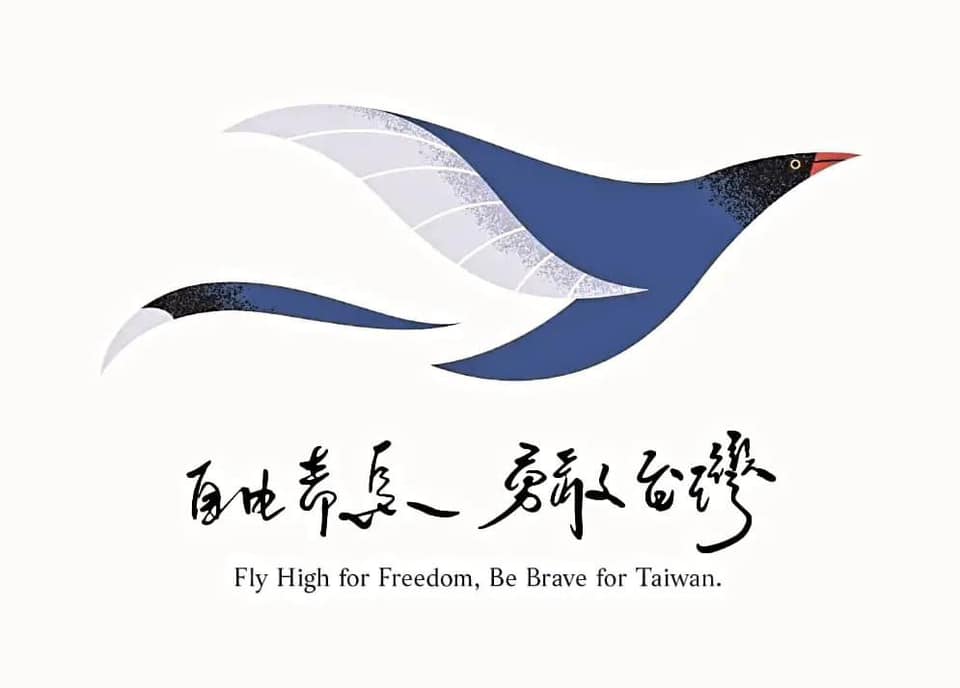
“US clarity key in Strait: ex-commander. SECURITY: The head of the US Indo-Pacific Command has said nothing is vague about helping Taiwan, while a researcher said ‘strategic ambiguity’ prevents conflict, “ Taipei Times. Geostrategery and world history classrooms.

“US clarity key in Strait: ex-commander. SECURITY: The head of the US Indo-Pacific Command has said nothing is vague about helping Taiwan, while a researcher said ‘strategic ambiguity’ prevents conflict, “ Taipei Times. Geostrategery and world history classrooms. My first reaction to Admiral Harris is “Well duh ….” But that’s not very scholarly I suppose. As a world historian what I am reminded of is how often seismic, institutional, complex changes in history take place – and how slowly the supposedly smartest most expertly people adjust to changing, different realities. Often stubbornly refusing to accept these changes. You add in the very human, self-serving tendency to rewrite and smooth out the historical narrative after the fact, and then we tend to forget that almost all major world events came as a massive surprise to leading experts and policymakers. The age of empires. The age of modern nation-states. The two world wars. The communist and fascist movements. 9-11. Globalization. De-Globalization ….

Strategic ambiguity, whether it was all that great to begin with, has become one of those not very useful, cult-like phrases (like porcupine defense) that policymakers and the mandarins of Western imperialist IR circles cannot let go of. Taiwan’s first president Lee Teng-hui articulated the earliest, in the mid-1990s, the end of strategic ambiguity’s applicability and usefulness. Unlike scholarly, word-obsessing, catch-phrase laden arguments the think tanks and policymakers often get stuck in, Lee was not as much a genius as he was pragmatically responding to rapidly changing realities in Taiwan (democratization) and in the then not quite yet named Indo-Pacific region – namely the rise of communist China as a menacing global belligerent, funded and aided by Western consumers. The world of 2024 has changed radically enough that it is self-serving now to forget how lonely Lee was – Western democracies, even after the Tiananmen Massacre – remained attached for decades to the naïve idea that consumerism and materialism would mellow the communists. An even deeper problem is this hubris that somehow these global autocrats could be “managed” with words, soothing, ambivalent, jargony words.

All of this makes President Biden and his liberal hawks worthy of high praise – while they are a part of this longstanding official and academic IR circle in the West, they are also sensibly changing longstanding US policies regarding the Indo-Pacific, communist China, the meaning of “status quo,” and without actually saying so outright, rendering strategic ambiguity meaningless. At least five times now President Biden has stated that the US would militarily defend democratic Taiwan – at least the first four times mandarins of DC policy-making circles had a massive self-indulgent tantrum, spoke as if they had more right to decide national security policies than a democratically elected president of the United States of America. It takes even the most powerful democratically elected leader of the world saying something five times to finally get through the thick skulls, and healthy egos, of these folks.

But the key idea is probably what Biden and his officials understand. These are not parlor games. These are not monks arguing over words in sutras. The most important lesson comes from Ukraine. Why did the West fail to convince dictator Putin that an invasion of democratic Ukraine was not in his dictatorship’s interest? Because for too many years the US and NATO have given Moscow mixed signals – “strategic ambiguity,” European edition. No matter how much IR professors and think tank scholars wish, I don’t think dictators respond to dialogue and treaties and so on. If you think about the careers of dictator Putin and dictator Xi (remember the same mandarins having a cow when Biden called both dictators? ….) – the kind of ruthless machination required to rise to the top of a mafia-like communist dictatorship, what are the motivations, what are they likely to respond to? My guess is clarity of words and following clear words with action – an invasion of Crimea meant a military response from the West, for example.

So, the main question for President Biden and leaders of the free world, based on lessons learned from our failures in Ukraine, is how to best convince the dictator of China that a war they initiate would guarantee the end of their dictatorship? Not chest-thumping, not military adventurism, in many cases, the options are not military – but creative ways for the US and the free world to recognize Taiwan’s democratic sovereignty while stating clearly that any attempt by China to start a war would end the Chinese communist dictatorship. Without that clarity, the lesson from Putin is that a dictator will always be tempted by war. 11.6.2024

© Taiwan in World History 台灣與世界歷史. This site grants open access for educational and not-for-profit use. Maps and illustrations are borrowed under educational and not-for-profit fair use. If you are the rights holder and prefer not to have your work shared, please email TaiwanWorldHistory (at) Gmail (dot) com and the content will be removed.
Leave a comment

Filed under geostrategery, Taiwan Republic, world history

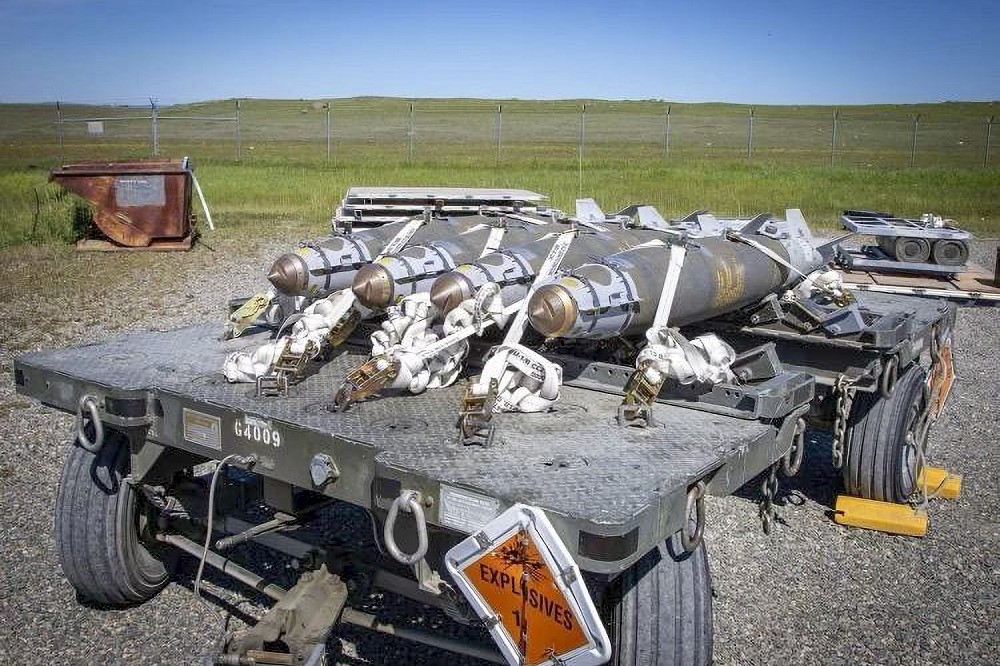
“美空軍逾2400億JDAM套件增產購案由波音得標 US Air Force is ordering $7.5 billion in additional JDAM kits,” 上報 Up Media. Geostrategery and world history classrooms.

“美空軍逾2400億JDAM套件增產購案由波音得標 US Air Force is ordering $7.5 billion in additional JDAM kits,” 上報 Up Media. Geostrategery and world history classrooms. The mighty US Air Force is spending 7.5 billion on additional JDAM ‘smart-ish” bomb kits. Plain speaking may be considered too harsh — reality as best I can tell is this — during a China war there will be so many targets that even if all of the allies double or triple their national debts, there is not enough cash on this planet to pay for high-end munitions like cruise and ballistic missiles. Hence, a strategic and tactical set of logistical and financial plans is needed now on prioritizing targets – from high-intensity priority targets — command and control nodes, leadership bunkers, and ways to paralyze military and civilian logistical flows in China — versus middling and lesser but still require hitting targets (bridges, transportation hubs, power grids, fuel depots, munition storage, etc.) A student asked me recently how I am assessing where we are now, and I told her this: in 2022 when I started my Taiwan “long-stay” I thought the probability of a China war was low-ish. By 2024, if we go by what the American and allied militaries are doing — reinforcing military bases, stocking up on munitions, scoping out key areas of combat (Taiwan’s northeast/Japan’s southwest; Philippines’ northeast/Taiwan’s southeast) with actual forces, then I’d say the militaries, whatever intelligence and guesses they have, are preparing for a real war. Again, I think the most likely place where this thing starts is in the South Sea, and likely caused by an incompetent Chinese officer making a dreadful, stupid move to spark the whole thing. Thereafter, look, calling this the nucular age is not just for fun — the likelihood of a nucular exchange is not low.

© Taiwan in World History 台灣與世界歷史This site grants open access for educational and not-for-profit use. Maps and illustrations are borrowed under educational and not-for-profit fair use. If you are the rights holder and prefer not to have your work shared, please email TaiwanWorldHistory (at) Gmail (dot) com and the content will be removed.
Leave a comment

Filed under geostrategery, Taiwan Republic, world history

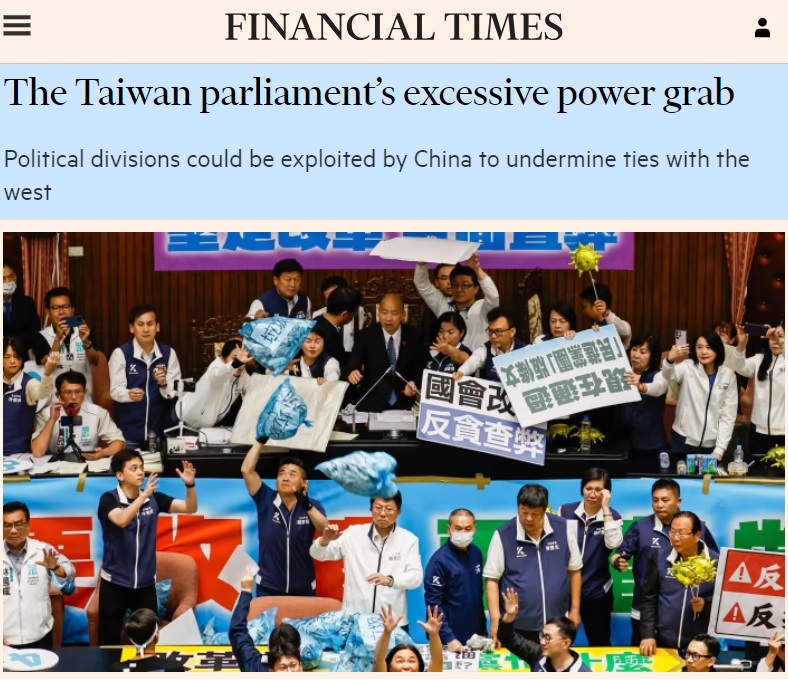
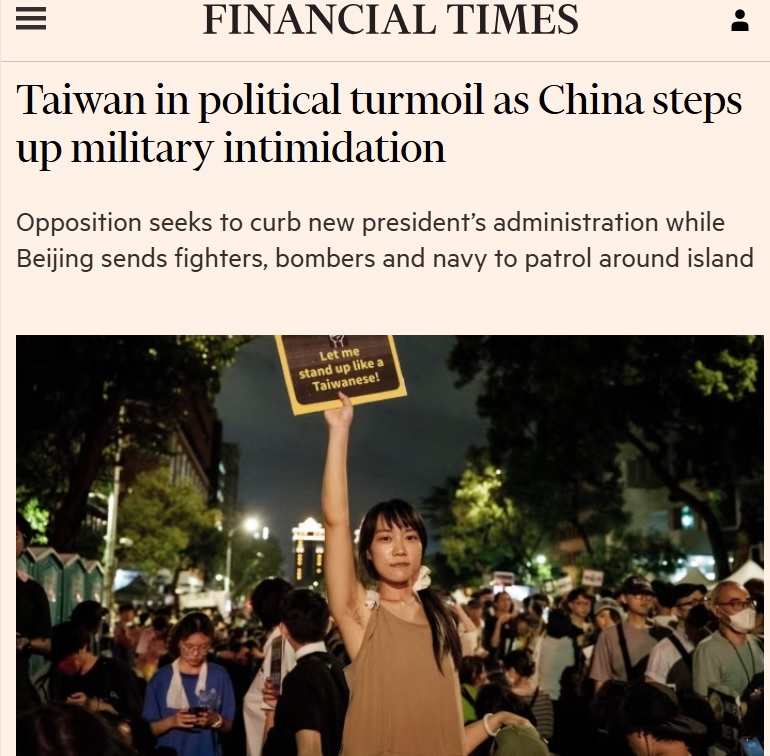
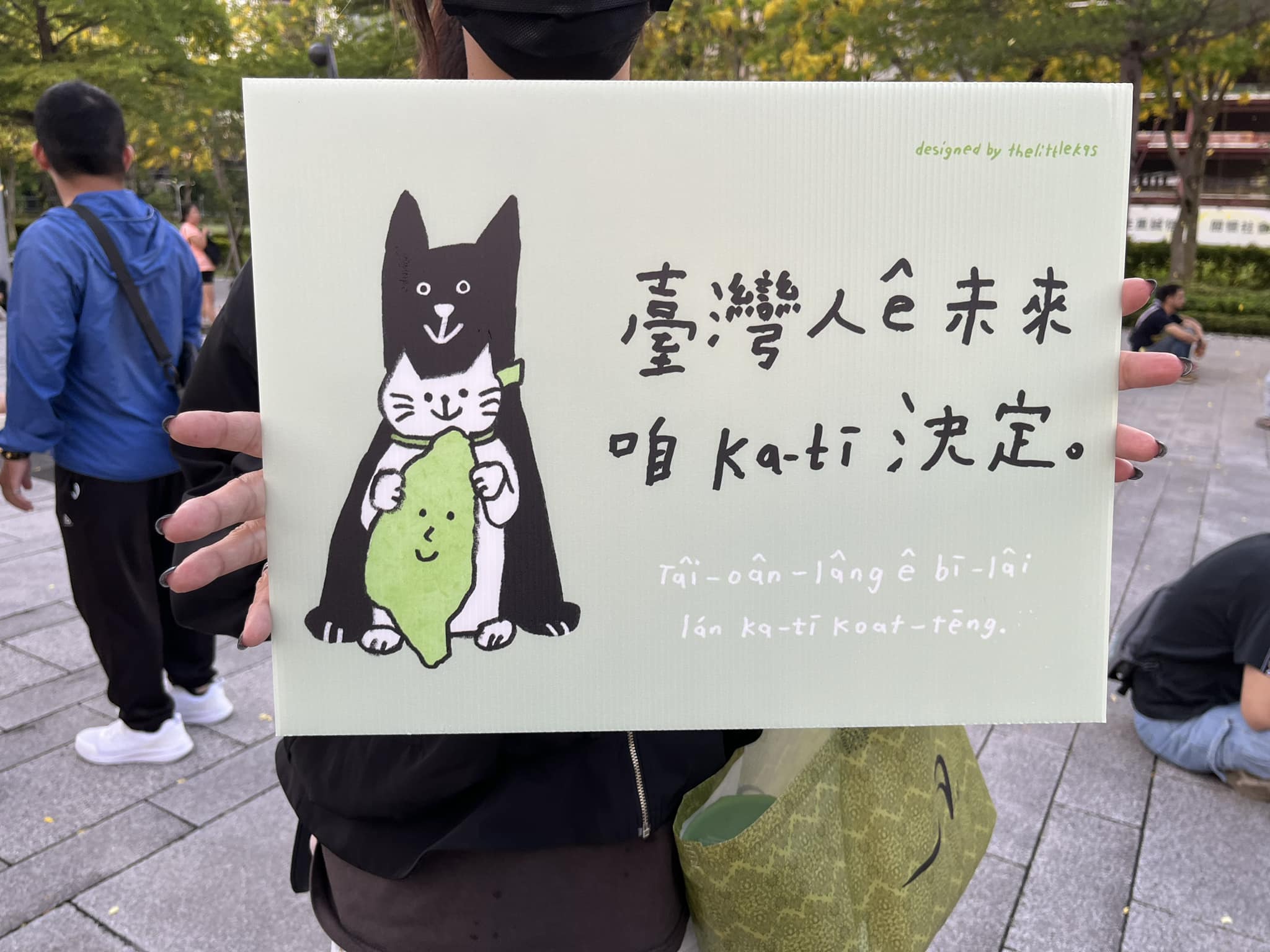
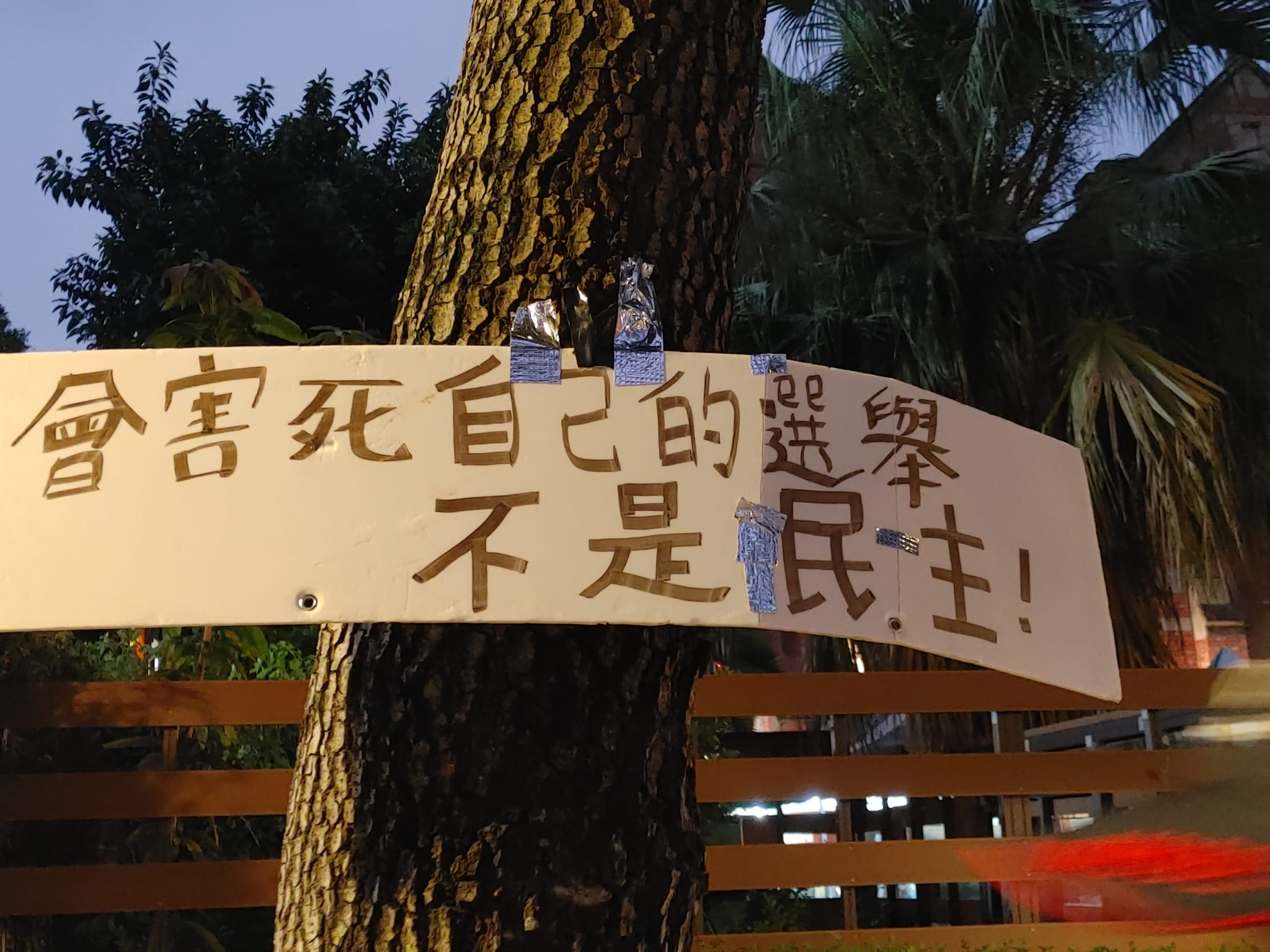
金融時報:立院職權修法 為中國對台滲透創造可乘之機 FT: Legislations passed by Taiwan Legislature Open Door for Chinese Communist Infiltration, CNA 中央社. Democracy, world history, and Taiwan Republic 台灣国 classrooms.

金融時報:立院職權修法 為中國對台滲透創造可乘之機 FT: Legislations passed by Taiwan Legislature Open Door for Chinese Communist Infiltration, CNA 中央社. Democracy, world history, and Taiwan Republic 台灣国 classrooms. It will take time to fully assess how much damage the thin majority the pro-communist China parties in Taiwan have done with their “reform” bills in the legislature. This Financial Times report – unless you believe the FT works on behalf of the ruling DPP – is a fair summary.

  1. The problem with the “status quo.” This horribly designed constitution Taiwan is forced to use was reluctantly created by the China KMT when it nominally ruled China. The China KMT, a Leninist authoritarian elder cousin to the Chinese Communist Party, never intended for the constitution to serve a liberal democracy. It resisted democracy in China by imposing a one-party dictatorship and dressing it up as a Period of Political Tutelage for decades. The problem with the fictional “status quo” insisted by the US, the Chinese, and the Chinese occupiers-colonialists in Taiwan, is that it forces a modern, dynamic, island democratic nation to use a constitution invented by backward, authoritarian, Chinese dictators from decades ago.
  2. All domain warfare against liberal democracies. None of this makes any sense without understanding the meaning of “all domain warfare” waged by the Chinese communists. Idealists from safer democracies in the West can pretend that there were better decades when the Chinese communists mellowed with trade and cultural exchanges and educational agreements – in reality, Beijing has never, ever stopped its all-domain warfare against all liberal democracies. An important tool in that communist toolbox – as Chairman Mao wisely taught, never fight a military war without being fully confident of victory – is to subvert and damage liberal democracies with democratic tools. Just as Putin’s Russia is seeking to defeat the US from within, the Chinese communists see pro-China parties in Taiwan as their best tools to defeat Taiwan’s democratic sovereignty from within.
  3. Echoes from Ukraine. How Putin’s neo-communists damaged Ukraine through electoral politics and information warfare before the full-on military invasion, and how Putin and Xi’s communist dictatorships have attempted to weaken American and other Western democracies with democratic principles – free speech, etc., are good examples to remember when studying what the China KMT and the China People’s Party are doing with their paper-thin majority in the Taiwan legislature.
  4. Saving liberal democracies from neo-authoritarians. A broader-deeper problem for those who support Taiwan’s democratic sovereignty must ponder is embedded within a twin threat. On the one hand, it is the US-imposed status quo that requires rethinking (on many, many levels – Chinese Communist Party arming itself to enact a form of Chinese imperialism against the region and the world that decades ago appeared less likely; coupled with a Taiwanese democracy that can no longer tolerate a poorly designed, anti-democratic, outdated constitution imposed on Taiwan by the China KMT invaders). It is also that all liberal democracies are facing a modernized, dynamic, sophisticated, and well-funded authoritarian world history moment – from communist China and Russia to authoritarian multi-billionaires and multinationals. How does a liberal democracy remain a democratic nation worth dying and killing for – while adapting extraordinary measures to combat extraordinary attacks? We see the US and Western Europe grappling with this dilemma – Taiwan and Ukraine are on the very cutting edge, the frontline of this new world war to save democracy.
  5. A final historical context, though this current wave of assault from the Chinese communists and its allies in the China KMT and China People’s Party is grave and severe. During the first DPP presidential administration of Chen Shui-bian the China KMT and allied pro-China parties not only held a vast majority in the legislature – it had the advantage of holding similar majorities over the military, judicial, and executive bureaucracies. Chen and the DPP, because of the China KMT dictatorship, had difficulty staffing the executive branch and had a vast knowledge-experience gap. The pro-China parties back then had the additional advantage of American ambivalence – US policymakers were more used to dealing with the authoritarian China KMT, and they still entertained the fantasy of double deterrence. President Tsai’s eight years were highly frustrating for enemies of Taiwanese democracy foreign and domestic partly because of her unusual personality – quiet confidence, counter-cultural lack of need to be at the center of attention, and stubbornness on core principles. What is usually lost to analysts of Taiwanese politics is that had Ma and other pro-China fascist-authoritarians not kicked President Lee out of the KMT, had Lee’s dream of turning the China KMT into a democratic Taiwan KMT – an LDP of Taiwan – President Tsai and her RoC Taiwan majority would have been a Taiwan KMT administration. An important reason for Tsai’s success is that she came up as a China KMT technocrat – she knows where the China KMT bodies are buried, she understands their dirty tricks, and she is comfortable with the China KMT invented national bureaucracy. While one ought to be alarmed by this latest assault upon Taiwan’s democracy and independence carried out by the China KMT and the China People’s Party, one should be hopeful that unlike the dangerous days of Lee’s and Chen’s second term when pro-China anti-democracy forces attempted nearly successful soft coups, Taiwanese democracy has become more resilient, that DPP executives have had more experience, and that US and the Free World now sees a clear line of demarcation between pro-democracy and anti-democracy forces inside Taiwan.

© Taiwan in World History 台灣與世界歷史. This site grants open access for educational and not-for-profit use. Maps and illustrations are borrowed under educational and not-for-profit fair use. If you are the rights holder and prefer not to have your work shared, please email TaiwanWorldHistory (at) Gmail (dot) com and the content will be removed.
Leave a comment

Filed under Taiwan Republic, world history

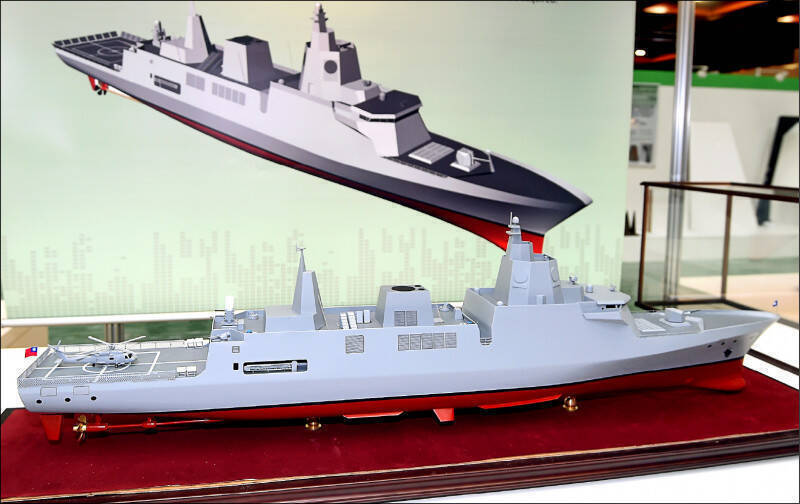
海軍重啟「新一代飛彈巡防艦」 6000噸以上+AN/SPY-7主動相列雷達 Taiwanese Navy to pursue 6000 ton+ Next Generation AEGIS Frigates  – 自由時報 Liberty Times. Geostrategery and Taiwan Republic 台灣国 classrooms.

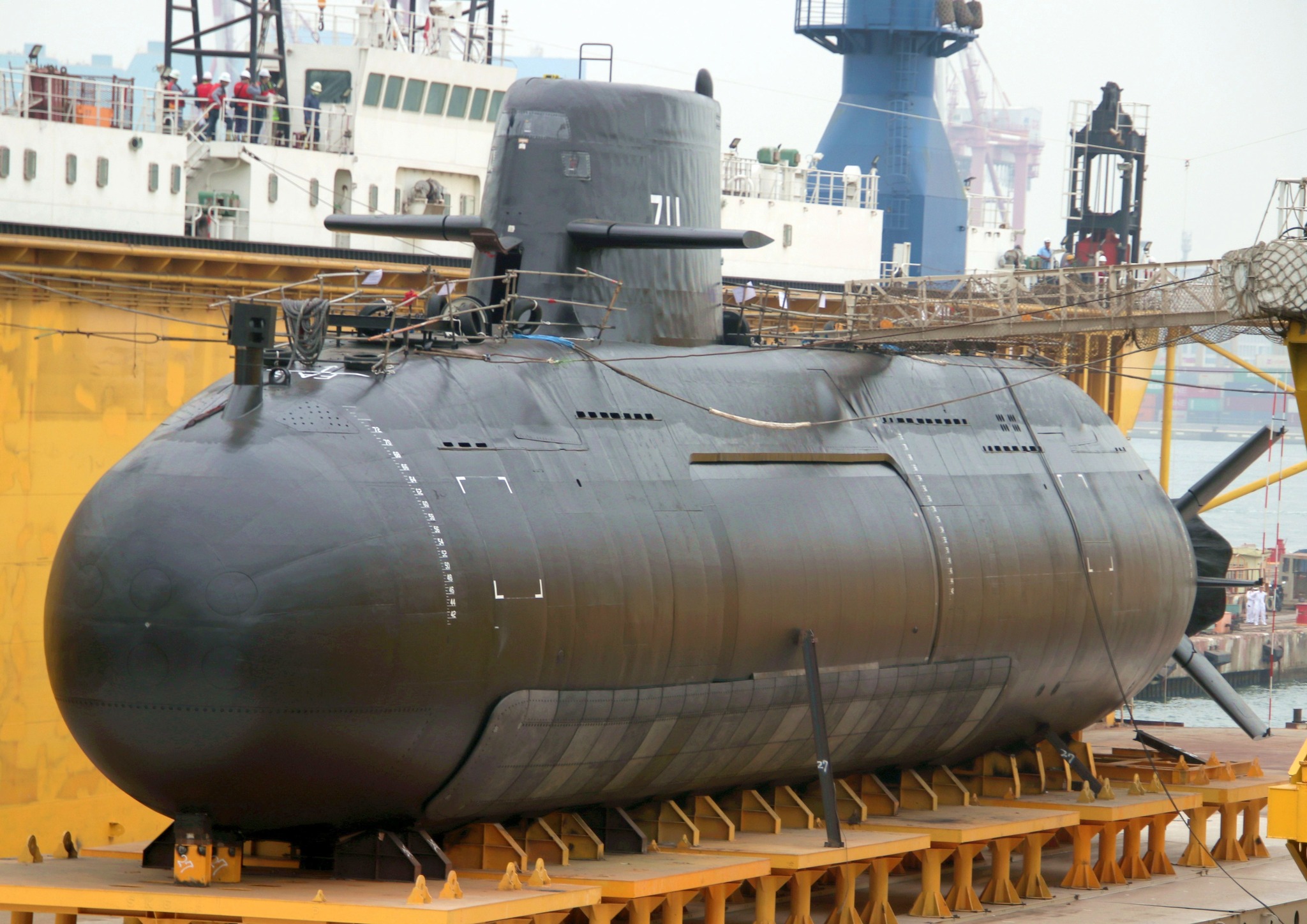
海軍重啟「新一代飛彈巡防艦」 6000噸以上+AN/SPY-7主動相列雷達 Taiwanese Navy to pursue 6000 ton+ Next Generation AEGIS Frigates  – 自由時報 Liberty Times. Geostrategery and Taiwan Republic 台灣国 classrooms. For an island democratic nation facing a gigantic authoritarian continental enemy, one would think Taiwan Republic’s navy would be a top priority. History and politics can distort such commonsensical approaches. Taiwan’s navy is a legacy brought to Taiwan by the China KMT when it lost the latest Chinese Civil War in 1949. The China KMT’s dictator Chiang Kai-shek was an army man, and the navy never had priority. Even during the democracy era, Taiwan has yet to decolonize its Chinese-imposed mentality as a continental civilization and embrace its maritime reality. This goes a long way in explaining how it is possible for an island nation, in 2024, to be the only nation in a neighborhood made super dangerous by the Chinese, to not have AEGIS-VLS in its naval forces. 

Other major contributors to this mess. Decades of wrong and dangerous US policy – even now there are policy mandarins in DC pretending that American policy regarding this region is a “double deterrence” – i.e., to prevent both sides of the Taiwan Strait from escalating tensions, as if both sides are equally dangerous. Ignoring the reality that since 1979 the US and the rest of the Free World have funneled trillions in cash and technological know-how to the Chinese communists, creating a vast military imbalance in the region that makes this equivalency dangerously mistaken. During the 1990s Taiwan sought submarines and AEGIS/VLS Arleigh Burke destroyers from the US – and the US (as it has done in Ukraine) managed its way ass-backward into this mess. 

Other problems have been domestic. The dark eight years of surrender monkey Ma certainly plays a role. More so decades of China KMT military dictatorship have created a vacuum of civilian national security leaders who are also pro-democracy. Taiwan’s military CSIST, for example, has claimed it can duplicate AEGIS/VLS technology for decades without delivering tangible results – lacking competent and powerful civilian arbitration, this impasse dragged on. For a smaller nation with limited research and development resources, should the CSIST insist on trying to develop so many items for all branches of the Taiwanese military? That is another national security policy worth debating among Taiwan’s democratically elected civilian leaders. 

And a final, decades-long problem stemming from the cult-like “strategic ambiguity” policy of the US. While some American think tankers complain about Taiwan not doing enough and not spending enough on its own defense, they almost always conveniently leave out the deep-seated problem created by American ambiguity. If Taiwan knows US and allied forces will cover long-range strategic strikes against China during the war, then it makes sense for DC to insist Taiwan focus its limited resources on their beloved porcupine defense. If America is ambivalent – then could any responsible Taiwanese leader pursue a porcupine policy (Stingers and Javelins), look at what’s happened to Ukraine (US and NATO policy thus far being – the aggressor Russia can pummel any part of Ukraine and commit war crimes; yet Ukraine cannot be allowed to pummel Russian territory)? My point is: in a world where so-called realists are actually looking at this world for real, then we can dispense with the illusion that the Chinese imperialists can be reasoned with. The only way to deter a Chinese invasion is to make it abundantly clear to the Chinese that starting a war will be the end of their dictatorship. With that clarity, then it would make sense for Taiwan to leave the high seas to larger regional and global powers, give up on the expensive AEGIS/VLS warships, and focus on smaller coastal crafts and submarines. These are policy choices reasonable people can argue and disagree over. They are impossible to debate without clarity from all parties – especially a global power as important as the United States. 

【小神盾艦】海軍啟動新一代飛彈巡防艦計劃 赴美評估採購AN/SPY-7相列雷達 

【小神盾艦】中科院研發不符作戰需求 迅聯系統與尖兵無人機出局

© Taiwan in World History 台灣與世界歷史. This site grants open access for educational and not-for-profit use. Maps and illustrations are borrowed under educational and not-for-profit fair use. If you are the rights holder and prefer not to have your work shared, please email TaiwanWorldHistory (at) Gmail (dot) com and the content will be removed.
Leave a comment

Filed under geostrategery, Taiwan Republic, world history

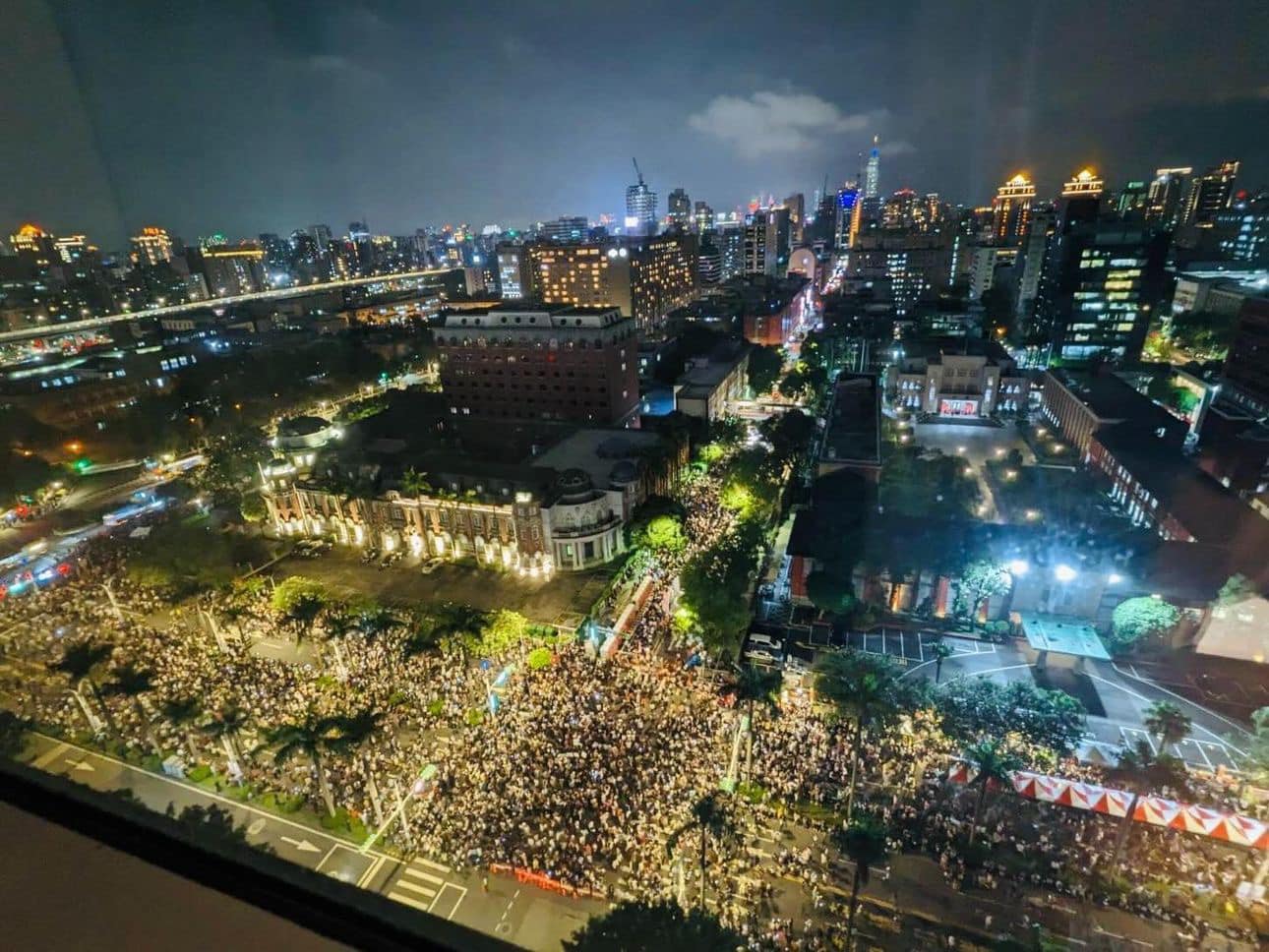
Taiwanese democracy and independence are in peril. Democracy and Taiwan Republic 台灣国classroom.

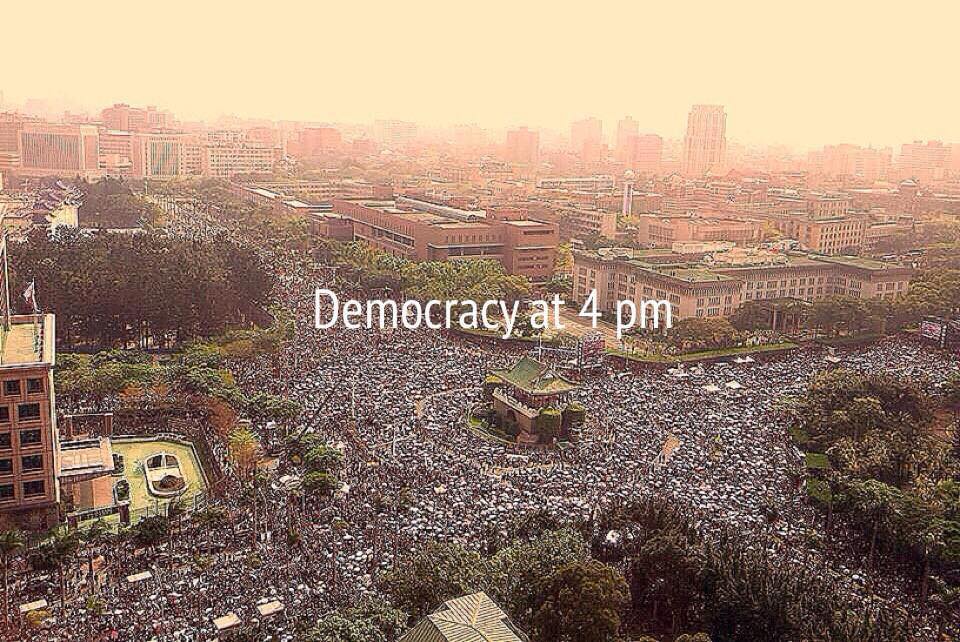
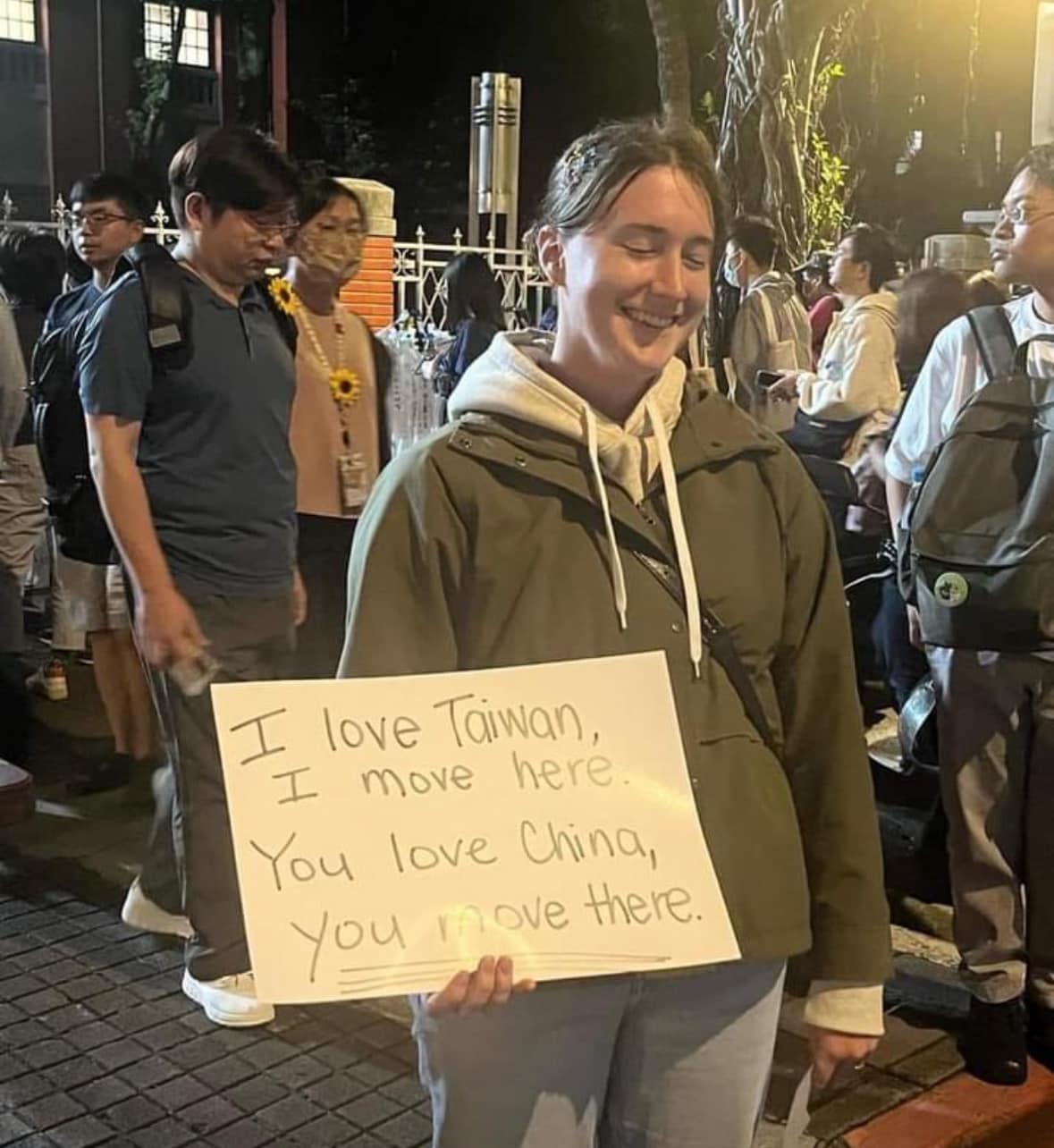
Taiwanese democracy and independence are in peril. Democracy and Taiwan Republic 台灣国classroom. The thin majority gained in the Taiwanese parliament by the China KMT and its adjacent People’s First Party has generated the gravest challenge to Taiwanese democracy and sovereignty since the anti-democratic pro-communist China Ma Ying-jeou administration. Even before president-elect Lai was inaugurated the violence and chaos instigated by the KMT and allies in parliament yesterday demonstrated a new tactic by the Chinese Communist Party to defeat Taiwanese democracy – using democratic institutions and norms to subvert Taiwanese sovereignty from within. None of this makes any sense unless analyzed and filtered through the prism of national identity – do the three major political parties in parliament agree that Taiwan is a sovereign nation and that it is not a part of the People’s Republic of China?

While the videos of the violence in the Taiwan parliament are made for social media and tee vee, the consequential violence is the attempt by the China KMT to push through extrajudicial, anti-constitutional measures to Hong-Kong-ize the KMT-controlled parliament. Taiwan’s national constitution is a hot mess because Taiwan is forced to use a poorly designed, nonsensical constitution implemented by the dictatorial China KMT when it ruled China. Taiwan cannot modify/change its constitution because any change to the “status quo” is not acceptable to the global great powers. One can, for example, reasonably argue a nation Taiwan’s size would be better served by a modified Japanese, or Western European system. But such a discussion is not possible.

This gets us to an oft-ignored historical fact when global media and some scholars discuss Taiwan. There is a focus on computer chips. There is the rising tension possible war narrative. There is a focus on DC and Beijing. The peculiar and unsustainable nature of Taiwan’s democracy – the historically specific ways of how it arrived at this democracy – is far less discussed. The Taiwanese democracy of 2024 is vibrant – more vibrant than American democracy. Yet it is unsustainable because it is built on a flawed institutional basis – this quicksand being a constitution not designed for Taiwan but cannot be modified, and the fact that a foreign authoritarian political party, the China KMT – which as of 2024 still cannot clearly explain its national identity-allegiance and has not atoned for its anti-democratic crimes from the past – has been allowed to exist and participate in Taiwanese democracy. The peculiar history – Taiwan democratized peacefully in part because it was led by Taiwanese president and chair of the then Taiwan-izing KMT – means an incomplete process where all major forces for decades have had to fudge around major issues. Symbols of the China KMT dictatorship, such as the Chiang Kai-shek memorial, remain. There are memorials and museums to the China KMT crimes – 2.28 massacre, White Terror, Martial Law – all crimes with victims but without perpetrators, much less holding criminals to account.

As a historian, I will not speculate on how this particular episode of political turmoil and counter-democratic push will play out. It does seem to me that Taiwan is facing two concurrent key moments of reckoning. In global affairs, Taiwan’s ultimate status as a sovereign nation apart from the People’s Republic of China has been fudged and pushed off since the end of the Pacific War. Because of Taiwan becoming a democratic entity and because of dictator Xi’s impatience, the room for the you say potato I say potah-toe wink wink nudge nudge type of cross-straits/global system talk is coming to an end. Likewise, the provisional compromise wherein Taiwan is at once a vibrant, energetic, diverse democratic nation and still tolerates a major authoritarian political party that cannot speak clearly about its ultimate national allegiance, where symbols of an authoritarian and foreign past – RoC constitution, flag, Sun Yat-sen and Chiang Kai-shek remains – as the Chinese Communist Party pushes full speed for its allies, the China KMT and adjacent parties, to subvert the executive power that asserts Taiwanese sovereignty and democracy, this domestic reckoning is coming soon as well. 17.5.2024

© Taiwan in World History 台灣與世界歷史. This site grants open access for educational and not-for-profit use. Maps and illustrations are borrowed under educational and not-for-profit fair use. If you are the rights holder and prefer not to have your work shared, please email TaiwanWorldHistory (at) Gmail (dot) com and the content will be removed.
Leave a comment

Filed under Taiwan Republic, world history

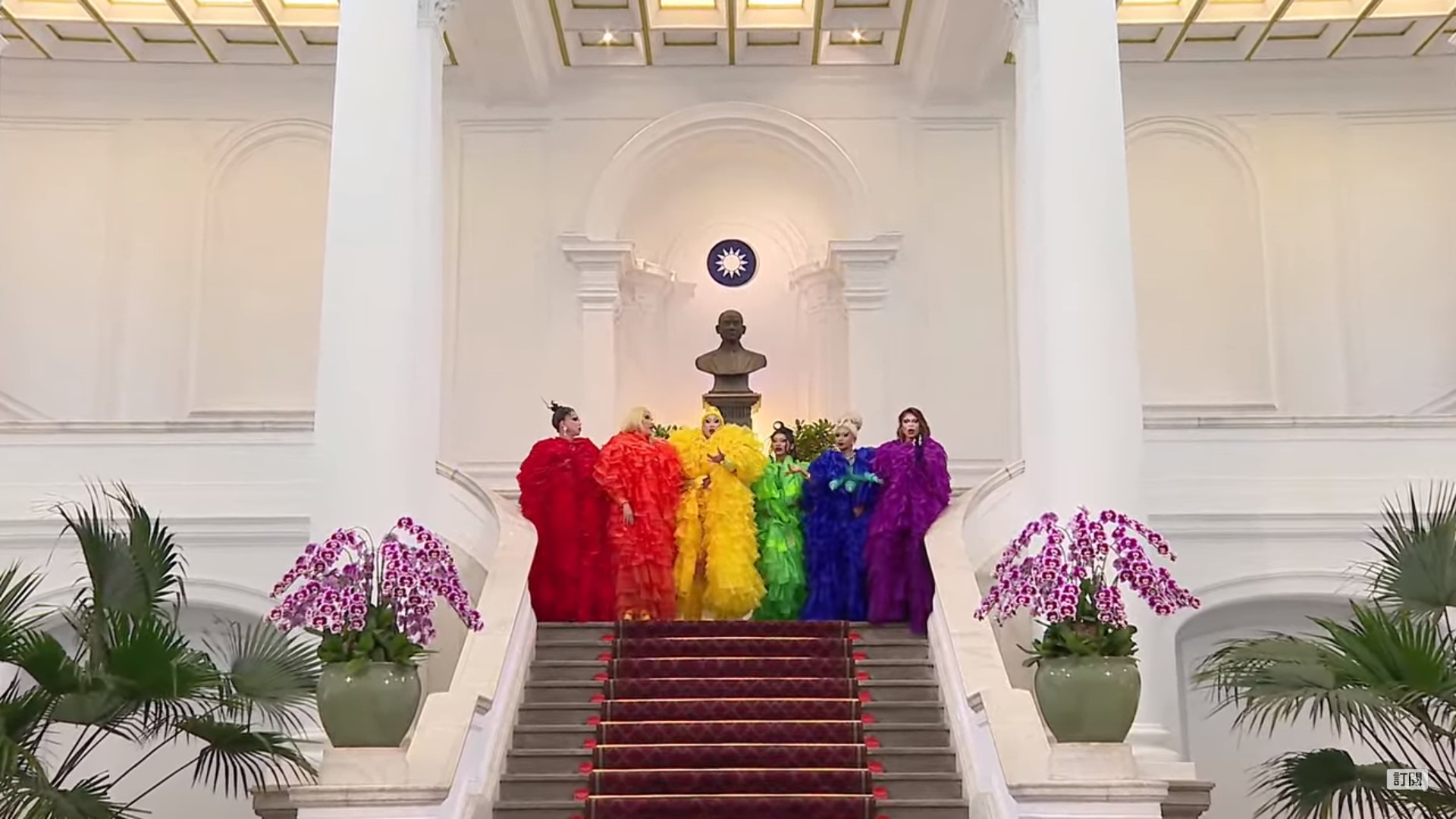
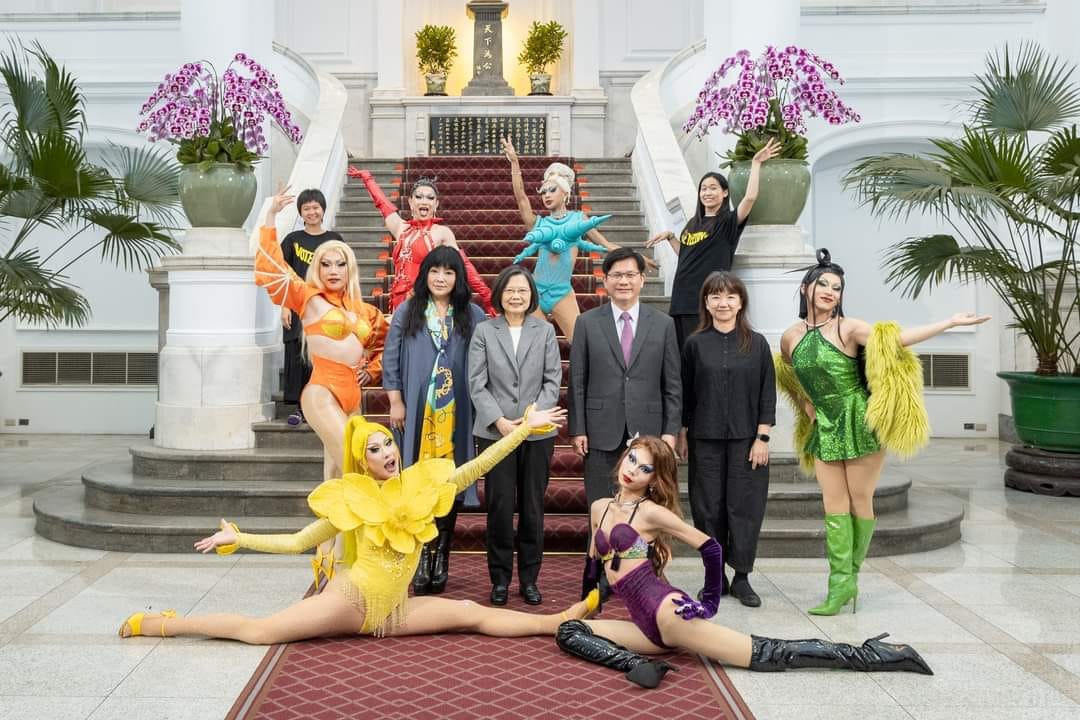
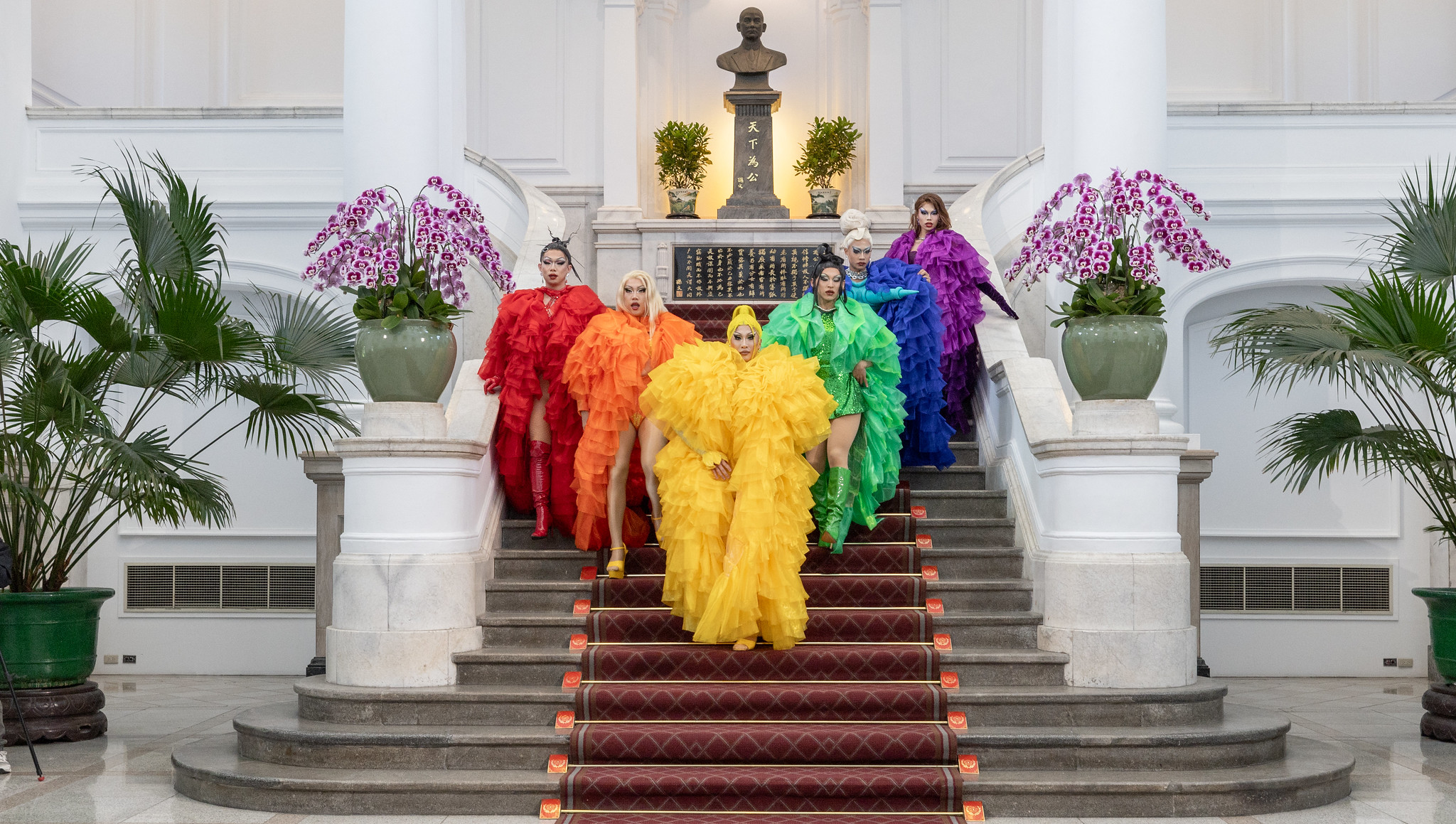
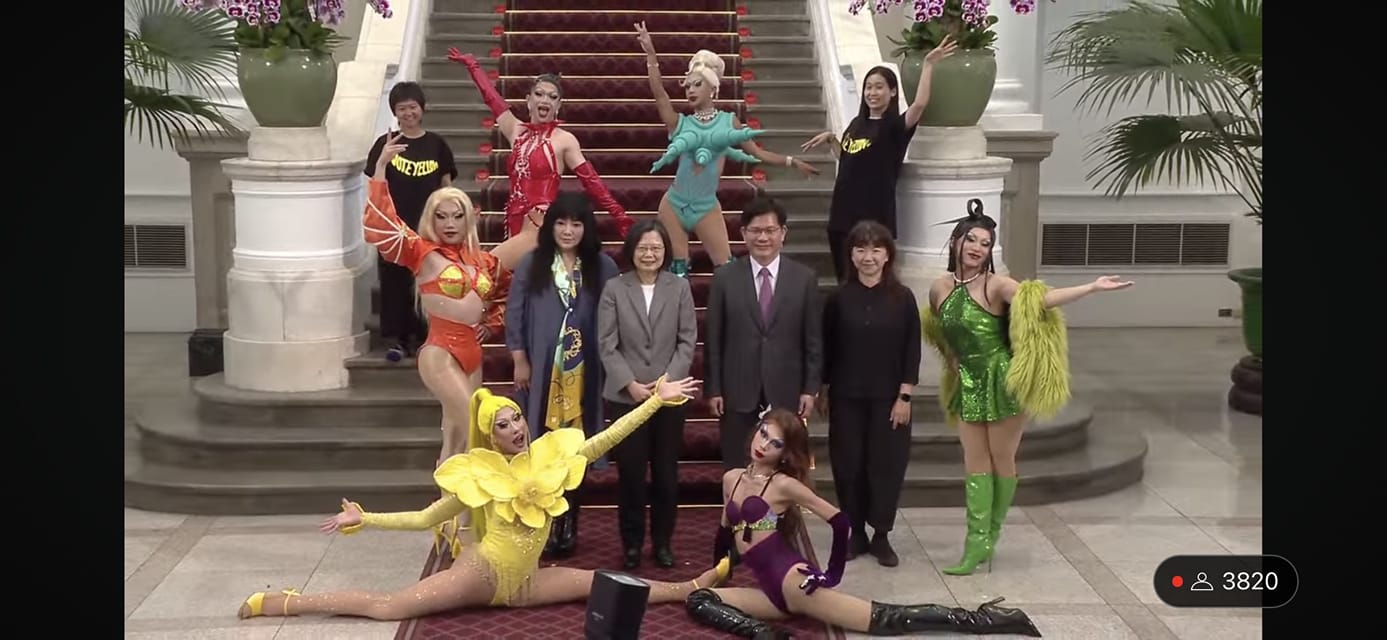
President Tsai Ing-Wen, Nymphia Wind, and this emerging Taiwanese national identity. National identity and Taiwan Republic 台灣国classrooms.

President Tsai Ing-Wen, Nymphia Wind, and this emerging Taiwanese national identity. National identity and Taiwan Republic 台灣国classrooms.

Tsai Ing-Wen and Nymphia Wind are as important to this emerging Taiwanese national identity as missiles, State Department policy papers, and the UN.

President Tsai has invented an understated, humble, nerdy bookish Taiwanese cool – an unusual combination for Taiwanese and world politicians. As her remarkable, world-changing eight-year term draws to an end, I will periodically share reflections on the emerging independent Taiwan shaped by her leadership. President Tsai is not a traditional politician, and her charisma is not traditional either – I have trouble listening to her speeches because they are content rich but her delivery is incredibly boring. She is unusual for a politician in the modern age in that she says precious little and does not appear to desire to be the center of national attention. No one calls her Tsai Goddess 蔡神, and she seems perfectly happy about that. It speaks to a remarkable level of confidence and peace in herself.

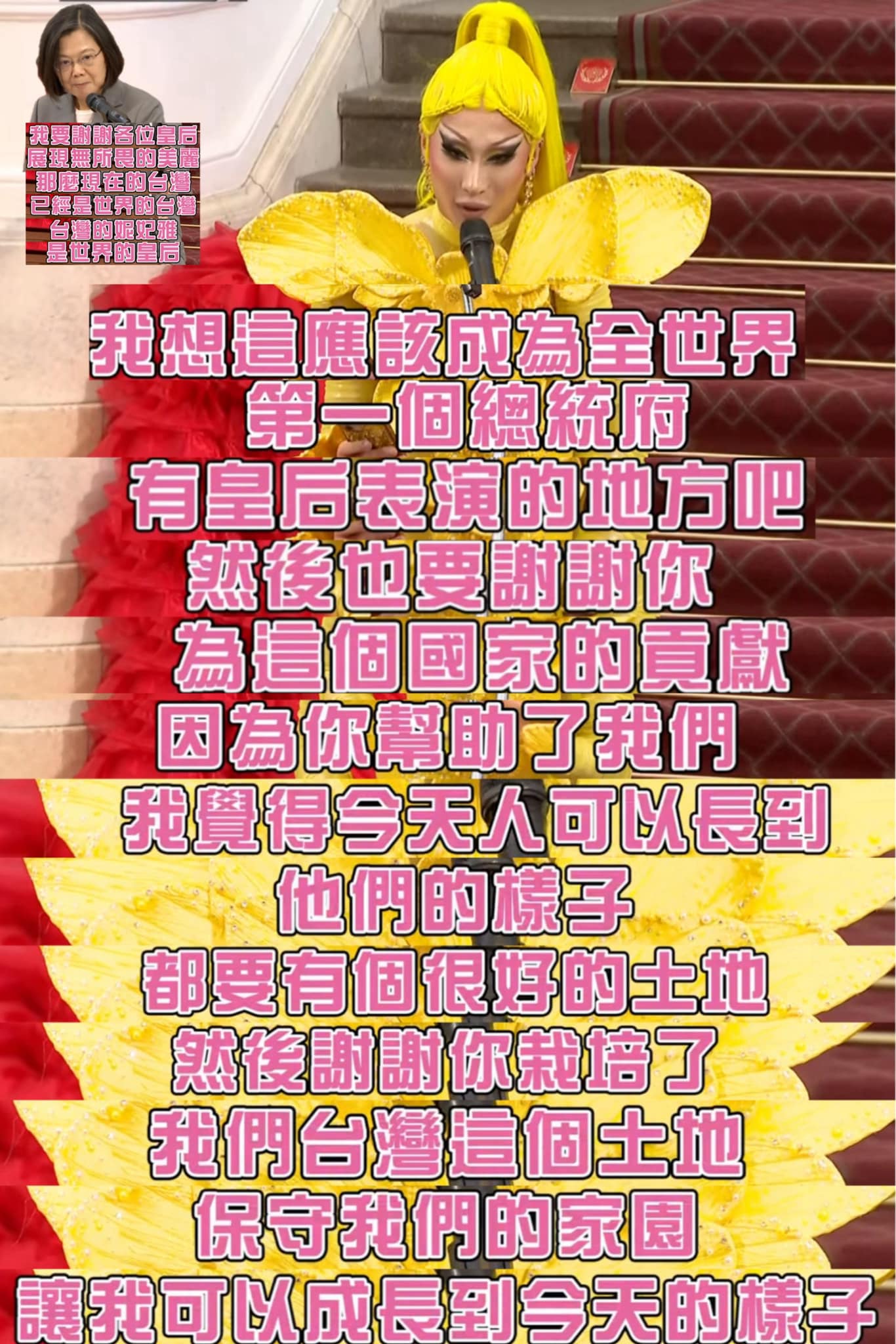
Taiwanese drag queen and victor of the hit TV show “RuPaul’s Drag Race,” Nymphia Wind visited the Taiwanese presidential palace yesterday and was honored by President Tsai. With a more ordinary political leader one can imagine any number of calculations – conservative-reactionary voters, public perception, religious leaders, and so on. I thought the event crystalize Tsai’s unique leadership style, and highlighted a particular way she is shaping this emerging Taiwanese national identity – gently tolerant, forward-looking, while minimizing direct confrontations. Tsai is competent at using the social media age tools while being, in this sense, wholly counter-cultural – her message is not divide/attack, but calling her citizens to build new bridges and doors. And this counter-cultural Taiwanese national identity has the support of a stable governing majority, while receiving unprecedented support from the US, Japan, and other nations in the Free World.

And it is Tsai’s stubborn incrementalism, moderation, cosmopolitanism, a counter-cultural kind of love of slowness and quietness that frustrates and angers both his supporters and his enemies foreign and domestic. Tsai is also unusual in that she rarely feels the need to counter-attack, or even acknowledge these assaults.

An interesting contrast between the two DPP presidents Chen and Tsai. Chen is one of the best natural retail politicians of his generation – charismatic, and bombastic, but also short-sighted, and self-centered, his words often not matched by deeds. Many of his Taiwan independence words were used for short-term campaign purposes, producing the opposite effect internationally and domestically. More so, I think both the China KMT and the China communists preferred Chen because they knew he would take the bait and argue everything. President Tsai’s approach is an improvement made upon President Lee’s realism, idealism, and incrementalism – a peaceful transition into a Taiwan-centric national identity is only possible when it is acceptable to independence supporting Taiwanese (remarkable to hear president-elect Lai speak of RoC Taiwan), those related to the Chinese folks brought to Taiwan by Chiang in 1949, and supported by the US, Japan, and major democratic powers. National status and national identity are dynamic – and no doubt the Tsai formulation is transitory – but a critical departure in the Taiwanese postwar national history.

President Tsai hosting Nymphia Wind and other drag queens in the presidential palace is extraordinary. Tsai has frustrated many deep greens for avoiding and slow-walking many of the decolonization steps – such as removing the word “China/Chinese” from institutional names, in fact, she has mostly taken the superstructures left by the China KMT dictatorship, the so-called “RoC” – and kept the exteriors of these structures – flag, presidential palace, Sun Yat-sen as the fabricated founding father, Double Ten National Day – while changing what they mean to a Taiwanese citizen in 2024 by slowly, creatively, and often joyously subvert the meaning from within.

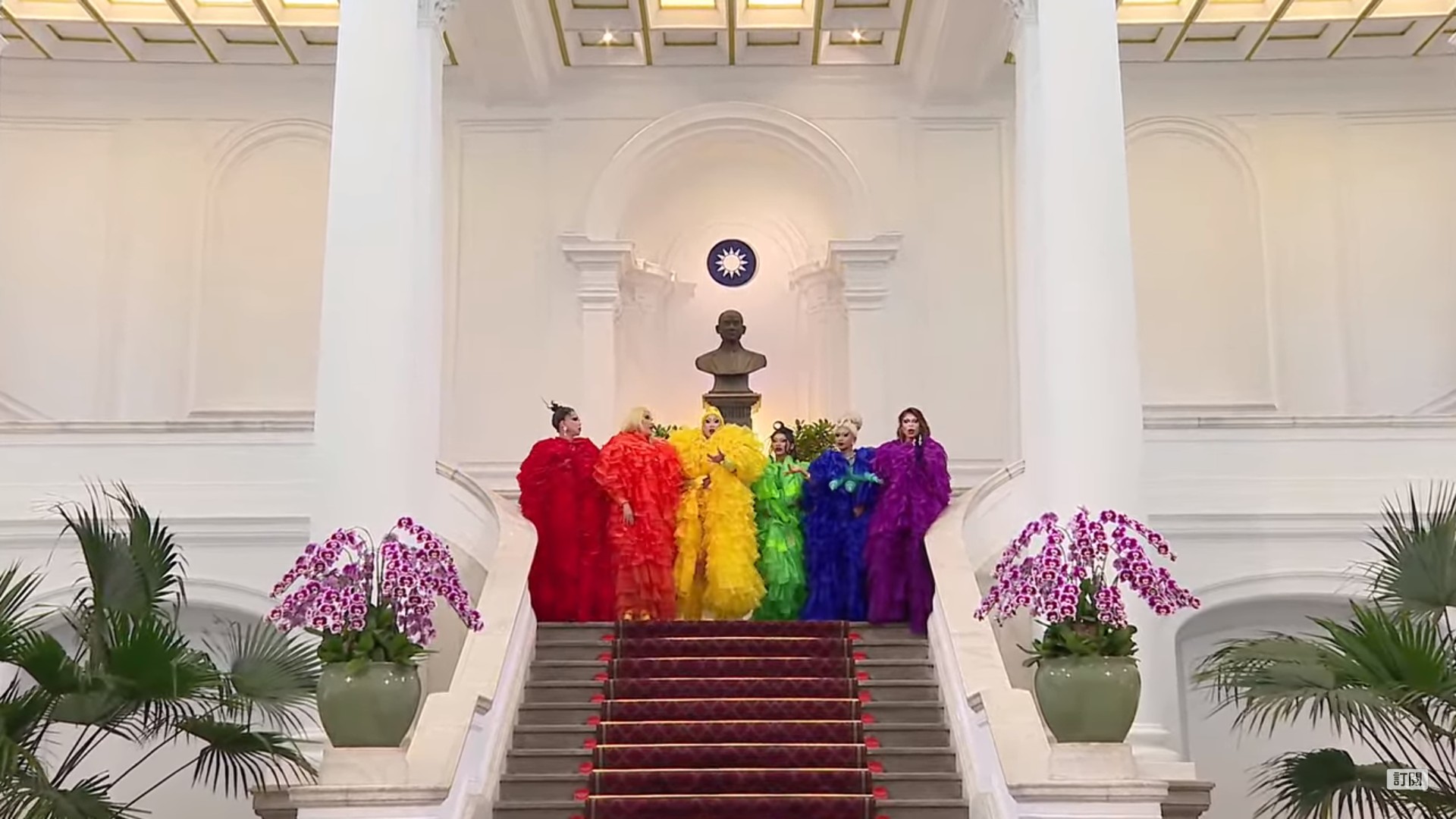
And so this remarkable sight within this building built by the Japanese as the seat of power when they administered Taiwan – which then got adopted by Chiang Kai-shek when he lost the Chinese Civil War in 1949 as his “presidential palace,” holding on to Sun Yst-sen as his claim to remain as the legitimate ruler of China, while using this presidential palace as the locus of power of the China KMT colonialist dictatorship over Taiwan – the superstructure of the Chiang crime family remain remarkably intact – RoC name and flag, statue of Sun Yat-sen, the national emblem that looks like a copy of the China KMT party emblem – yet with a democratically elected president, a concept opposed by the Leninst KMT, hosting world-renowned drag queen/fashion designers/artists. I felt the same sense of wonderment and awe watching the colorful and glamorous drag queens dancing around the reactionary symbols of Sun and the national emblem inside the presidential palace as I often do attending Taiwanese temple festivals – ancient symbols and rites freely intermixed with pole dancers, LED neon, manga-inspired characters, electronic pop music. Nonsensical, but peaceful and incremental, this emerging Taiwanese national identity. 15.5.2024

© Taiwan in World History 台灣與世界歷史This site grants open access for educational and not-for-profit use. Maps and illustrations are borrowed under educational and not-for-profit fair use. If you are the rights holder and prefer not to have your work shared, please email TaiwanWorldHistory (at) Gmail (dot) com and the content will be removed.
Leave a comment

Filed under Taiwan Republic, world history

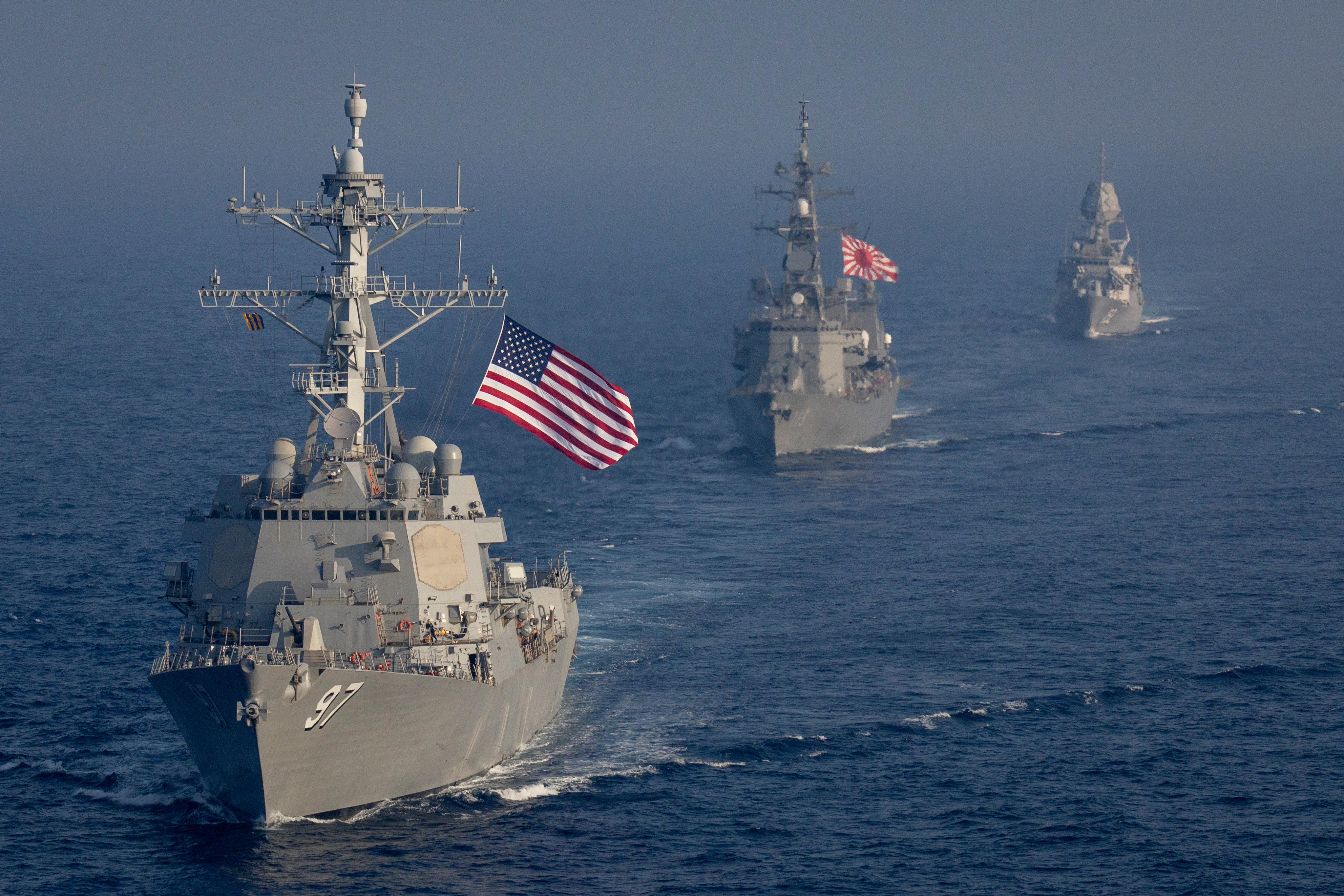
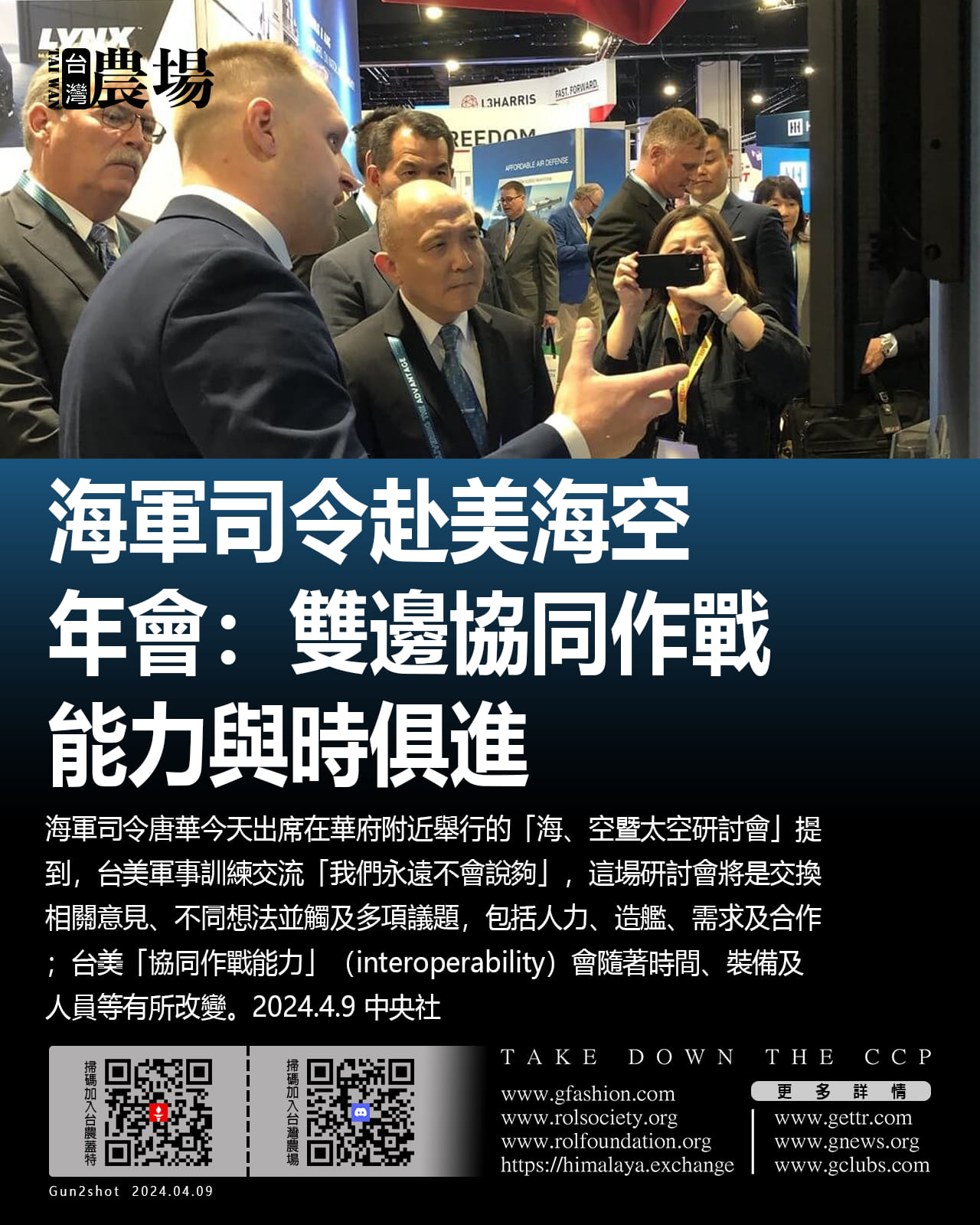
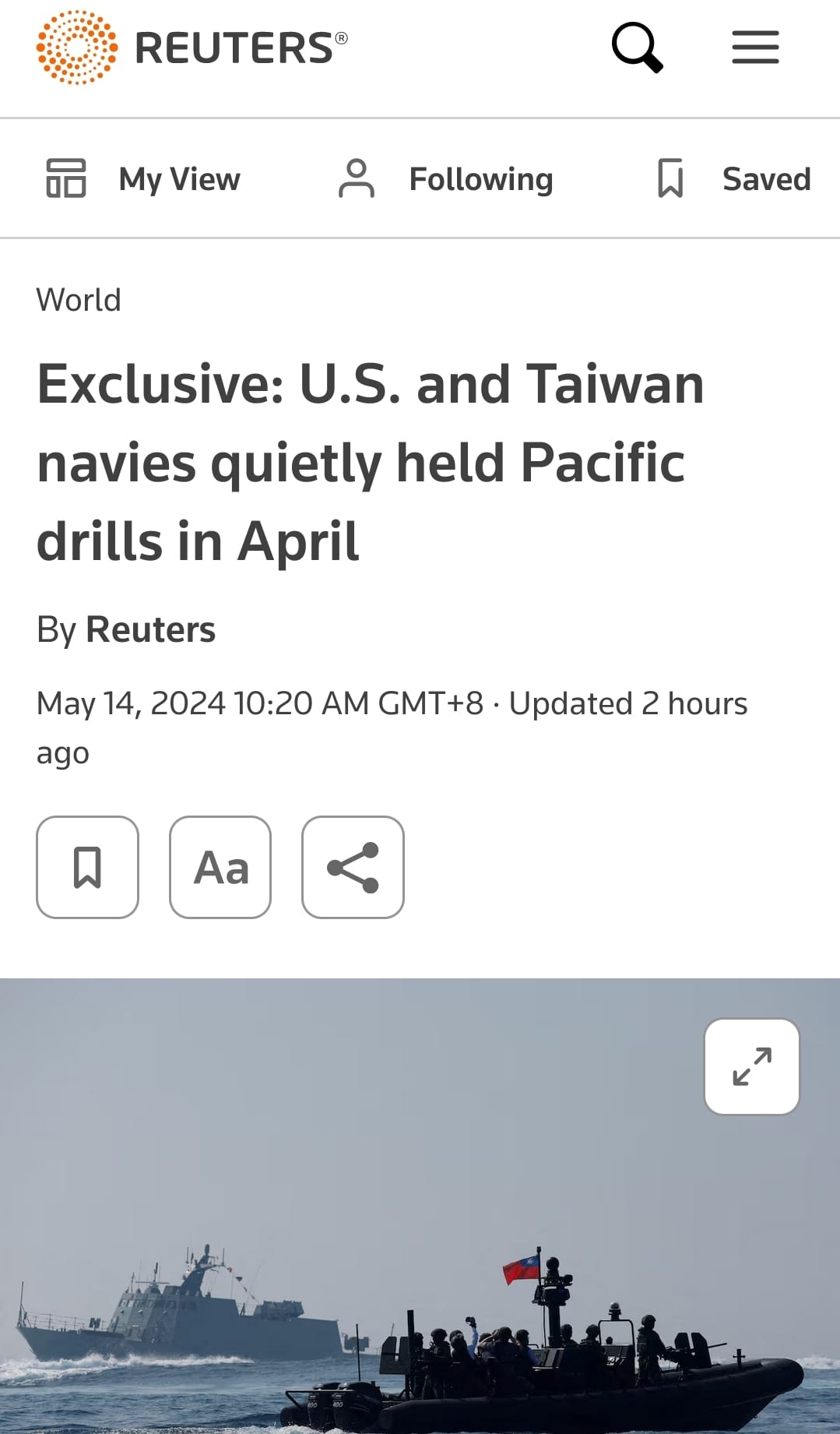
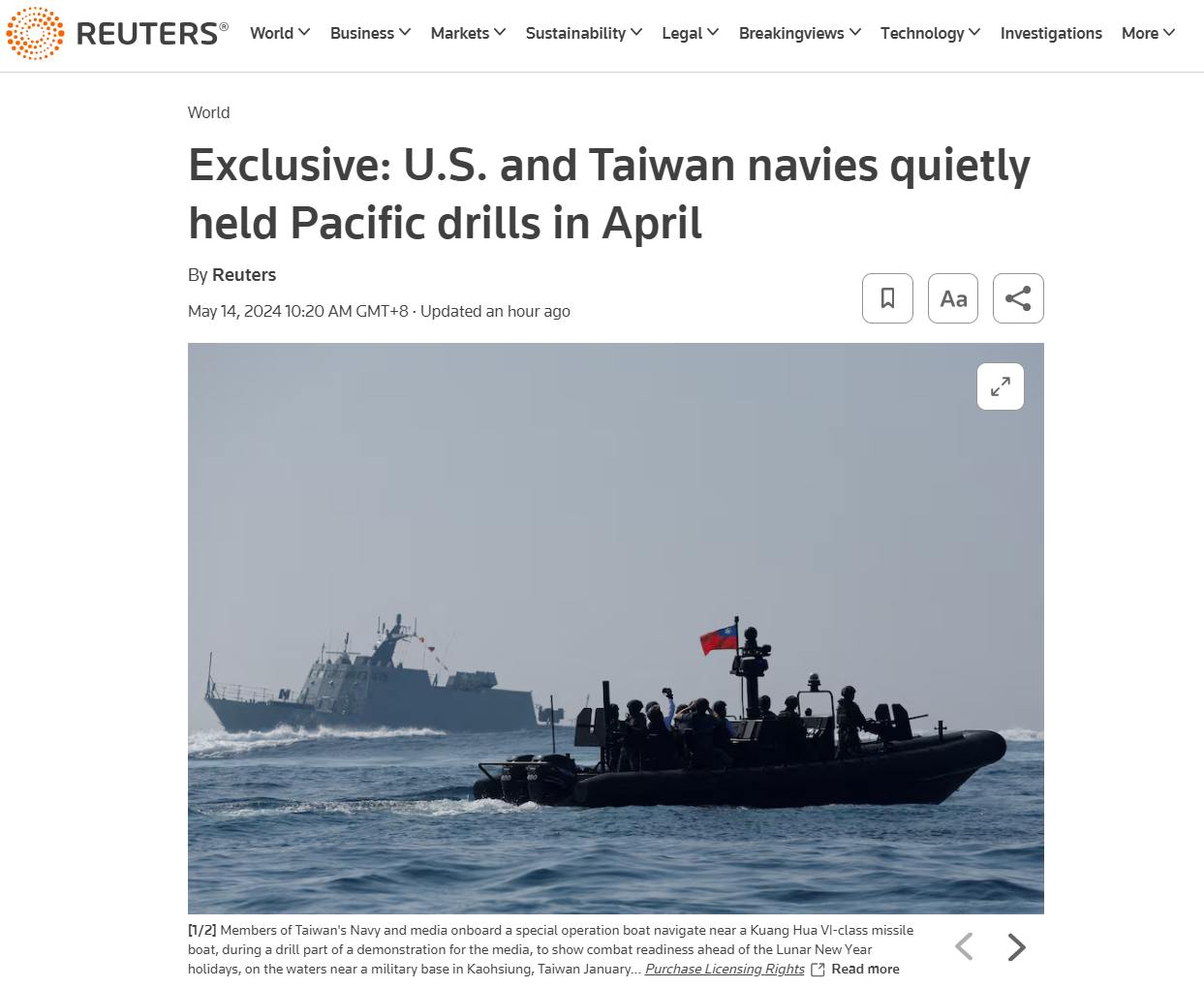
Bibliography: “Exclusive: U.S. and Taiwan navies quietly held Pacific drills in April,” Reuters. World history, Taiwan Republic 台灣国, and geostrategery classrooms.

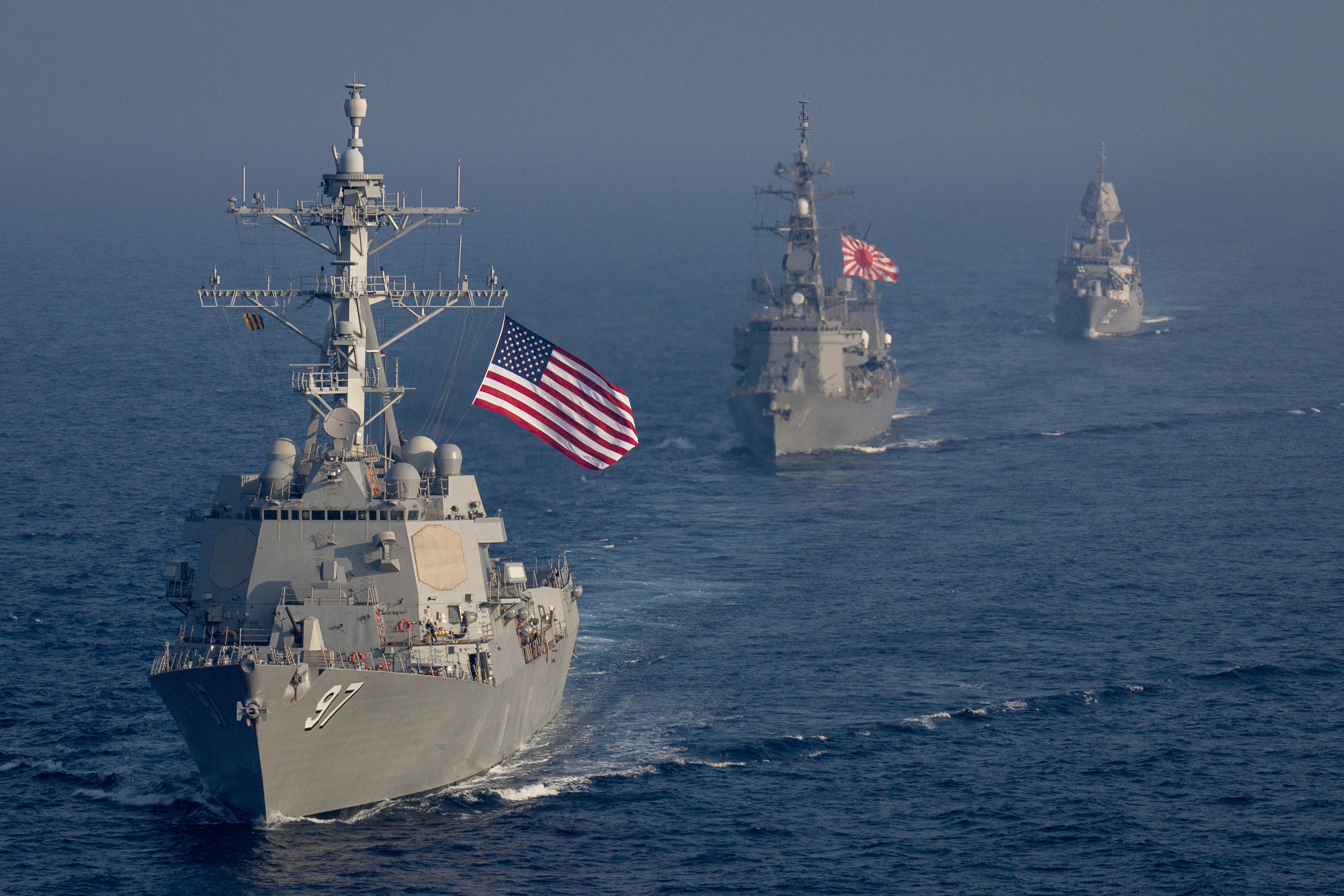
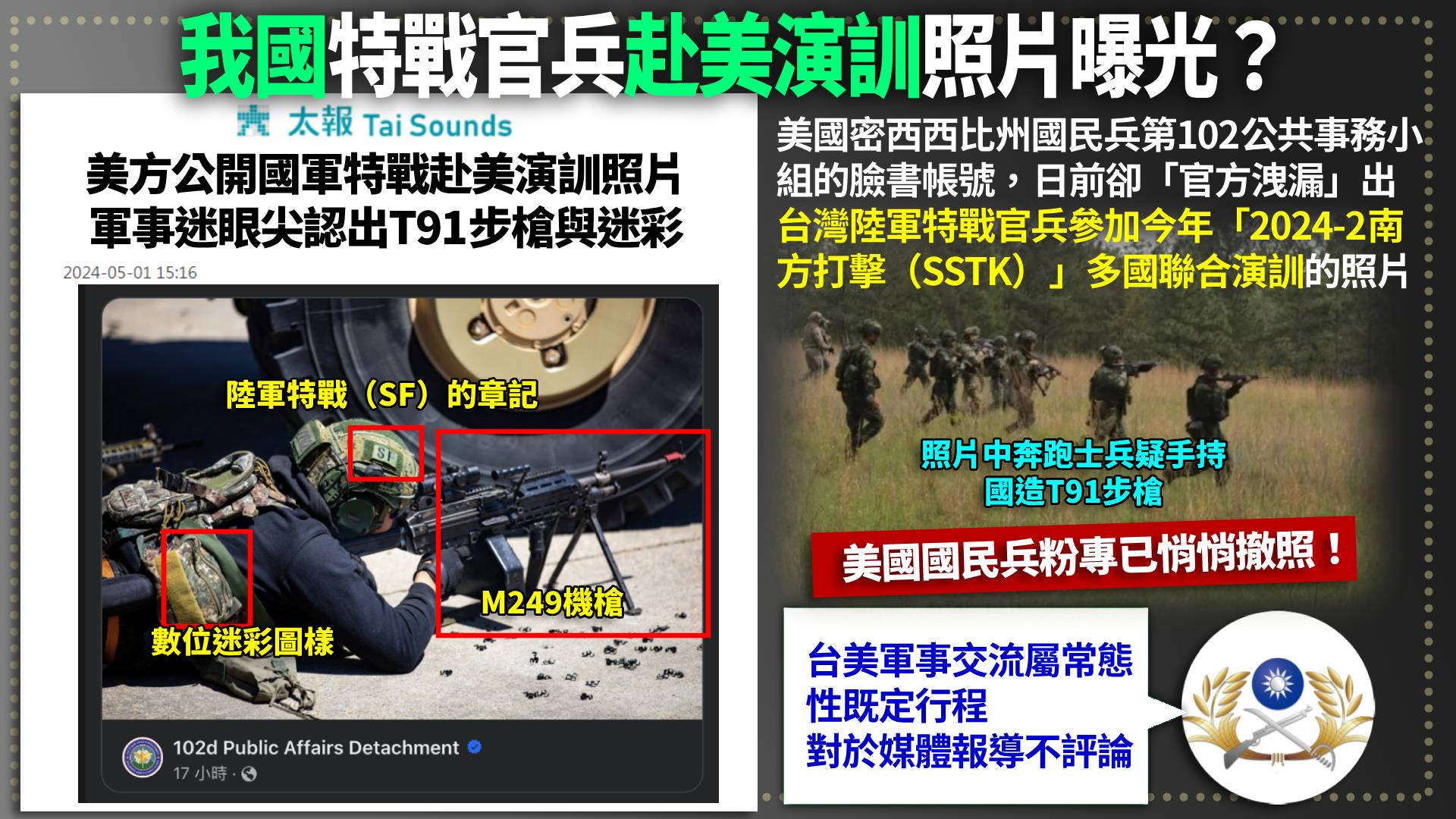
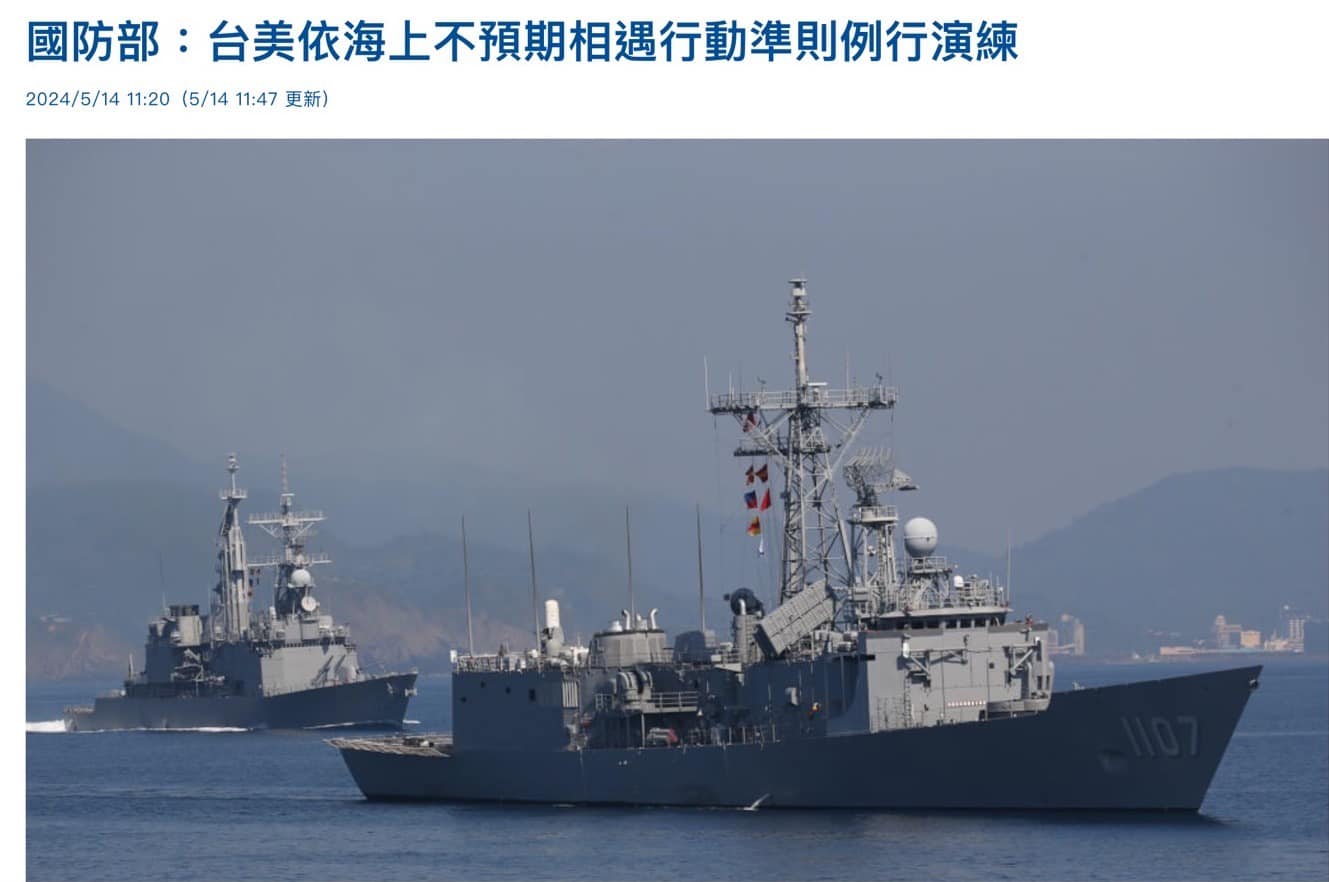
Bibliography: “Exclusive: U.S. and Taiwan navies quietly held Pacific drills in April,” Reuters. World history, Taiwan Republic 台灣国, and geostrategery classrooms. Is it “quiet” if it is purposely leaked to one of the largest news agencies on the planet? For a multi-day joint naval drill between the mighty US Seventh Fleet and the Taiwanese Navy that came as a result of a “chance meeting” in the vast Pacific Ocean, that officially did not occur, this Reuters exclusive is unusually detailed. These joint drills between the militaries of the US and Taiwan, particularly over the last decade as the US has finally understood the threat to the world order posed by the Chinese communists, are not unusual. Some of the Taiwanese Coast Guard missions into the South Pacific have been curious – if you collate US and Japanese Coast Guard missions. What’s unusual is the fact that this was intentionally leaked by the US to a reputable news agency.

Policy spirals, as I have noted, are complicated because they cross so many policy realms and sectors. The Chinese communists have ratcheted up their level of military belligerence towards all its Indo-Pacific neighbors – which means the US and allies must respond in kind, which in turn means Beijing will find additional ways to increase the pressure. On Taiwan Republic in particular – poorly trained Chinese communist combat pilots and naval captains have come perilously close to Taiwan – sooner or later the calculation in DC will be that it is better to have the US and democratic allies have a permanent presence in and around the Taiwan Strait and have a direct hand in managing this Chinese communist instigated crisis – than to leave the situation to a belligerent and poorly trained Chinese communist military and an inexperienced Taiwanese military. Thousands of American officers will be based in Taiwan but unlike the older model, most will not be permanently stationed but will rotate in and out of Taiwan for exercises and training and so on. These exercises are important because during the Chinese communist invasion forces from different nations will need to know if they can communicate/coordinate properly. This small naval drill is only the beginning.

While this intentional news leak may be a way to signal to the Chinese communists that the more aggressive they become, the more the US and allies will do, there are also other purposes as well. This could also be a signal that soon these joint drills with the Taiwanese military will become routine and public. An interesting phenomenon as a watcher of all things Indo-Pacific is in how often the narrative is framed with Beijing as the only protagonist – Chinese historical sensitivities, Chinese red lines, Chinese gray zone tactics, etc. Whereas all parties in the Indo-Pacific are protagonists. Interestingly this “chance meeting” is a Chinese parlor game the Chinese Communist Party and the China KMT have used in the past to engage in direct contact without admitting it. Meaning, while the Chinese communists have pushed their gray zone/all domain warfare – harassing the Taiwanese Coast Guards near Quemoy and Matsu, flying and sailing dangerously close to Taiwan, using collaborators with the Chinese communists within Taiwan to prosecute information warfare against Taiwanese democracy – more than once the US has demonstrated that it too has plenty of tools in its gray-zone/multidomain warfare toolbox. And frankly, if the US can focus and sustain its policies – that’s always the main worry – in the context of Taiwan, unlike Beijing, the US has had more decades with direct access to all sectors of Taiwanese society for which to combat and resist Chinese communist inroads. In terms of the military policy spirals, sooner rather than later American and democratic allies will have to ponder a permanent military presence in and around Taiwan. This “chance meeting” joint naval drill is the first of many early steps.

Exclusive: U.S. and Taiwan navies quietly held Pacific drills in April

https://www.reuters.com/world/us-taiwan-navies-quietly-held-pacific-drills-april-sources-say-2024-05-14/

Taiwan-US drills followed CUES: MND BASIC OPERATIONS: About half a dozen navy ships from both countries took part in the days-long exercise based on the Code for Unplanned Encounters at Sea

https://www.taipeitimes.com/News/front/archives/2024/05/15/2003817873

路透:美台海軍4月低調聯合軍演

https://news.ltn.com.tw/news/politics/paper/1646036

Defense Ministry: Taiwan Navy drills with U.S. are routine encounter drills

https://en.rti.org.tw/news/view/id/2011137

外媒:美國與台灣海軍4月「秘密」在太平洋舉行「不期而遇」演習

 https://www.cmmedia.com.tw/home/articles/46858 

© Taiwan in World History 台灣與世界歷史This site grants open access for educational and not-for-profit use. Maps and illustrations are borrowed under educational and not-for-profit fair use. If you are the rights holder and prefer not to have your work shared, please email TaiwanWorldHistory (at) Gmail (dot) com and the content will be removed.

Leave a comment

Filed under geostrategery, Taiwan Republic, world history