Tag Archives: world history

Bang-Kah and an emerging rock n’ rolling Taiwanese national identity: Taiwan dispatch, national identity, and Taiwan Republic 台灣国 classrooms


I am not naive about semiconductors and global finance, but I think the greatest contribution Taiwan Republic offers the world (Taiwan Can Help!) is a heterodox, pragmatic, peaceful, and democratic national identity. A challenge to a world quick to violence and tempted by utopian perfectionism – bloodshed and authoritarianism in the name of orthodoxies.

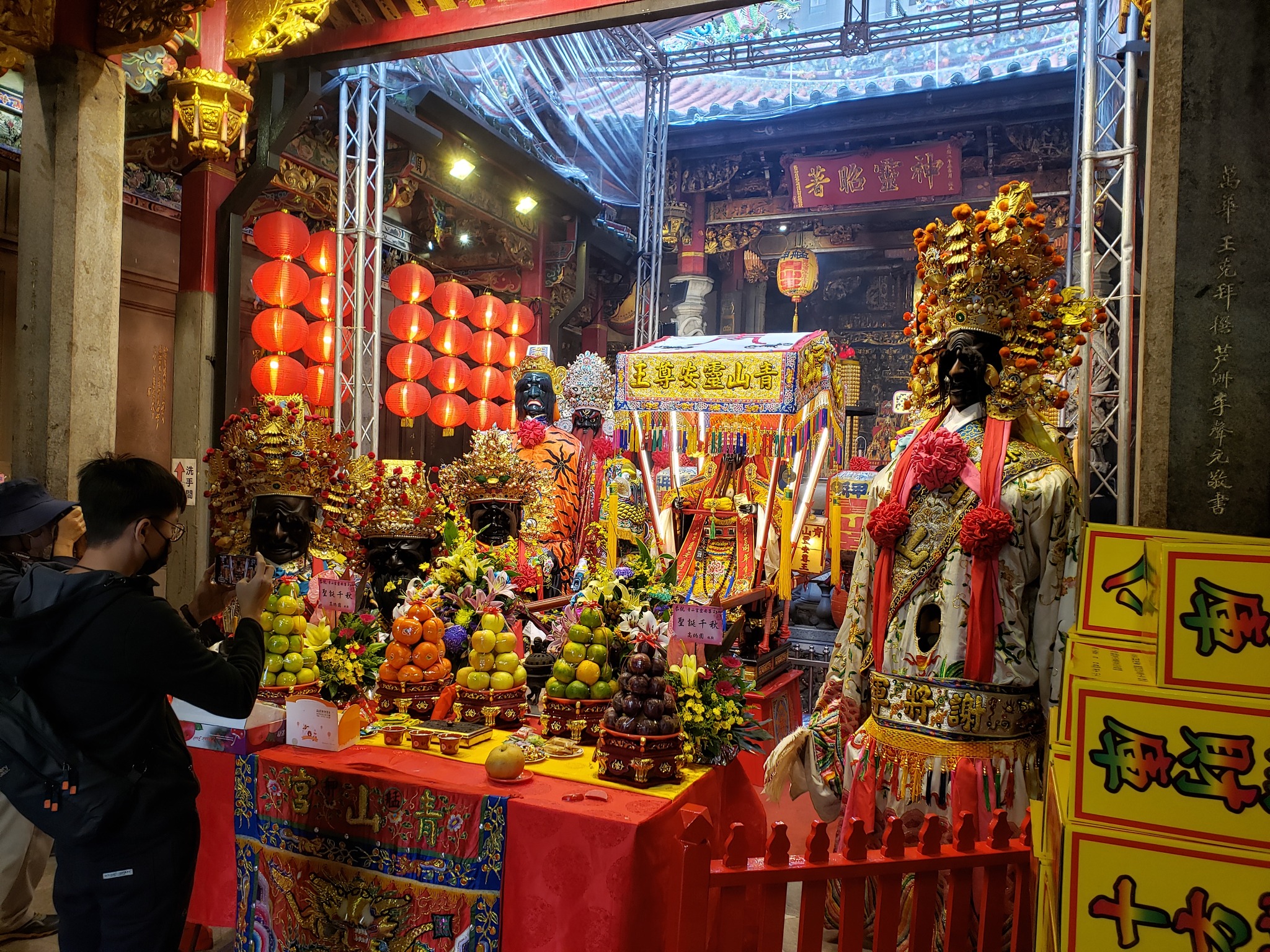
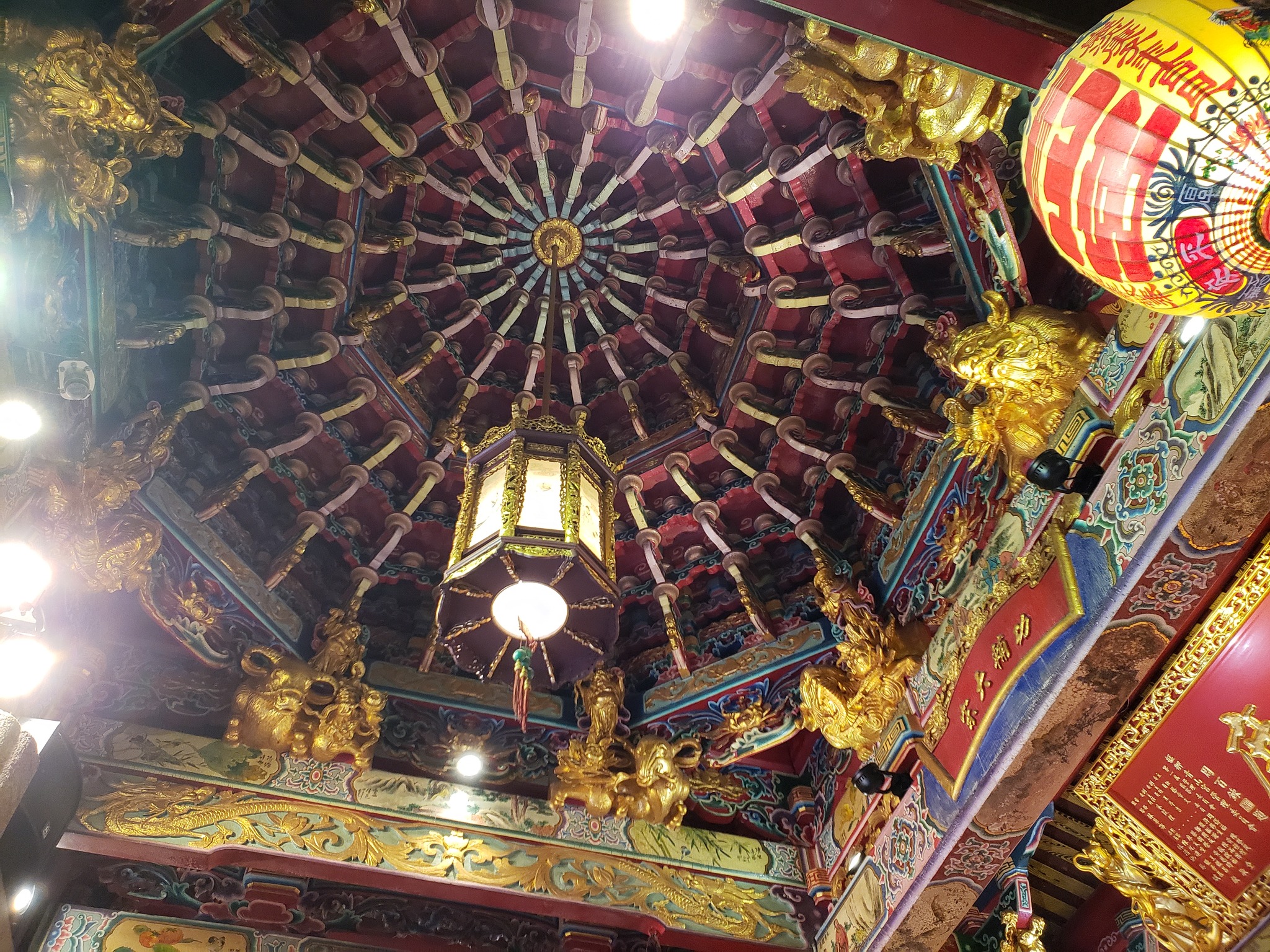
I love temples. I always remind students to look up and study their ceilings. I love Taiwan’s anti-utopian, heterodox, mishmash with a gentle shrug approach to even religious lives. Yesterday I visited a temple that was basically a United Nations/Mall of America of deities, Buddhist to folk to Taoist to everything in between. One could hear imperialist academics and theologians critique how it really doesn’t make sense – but it works for Taiwan, peacefully, and largely without discussion. And it occurred to me that this kind of incoherence for now works broadly – RoCTaiwan73years.

The first temple we visited had a birthday ceremony for the resident God, with major Goddesses and Gods – again of different localities and heritage and tradition and theological origins – from other Taiwanese temples visiting to celebrate the occasion. That temple, like many in Taiwan Republic, came about during a plague/pandemic, it was built to honor the God’s work putting down the plague.

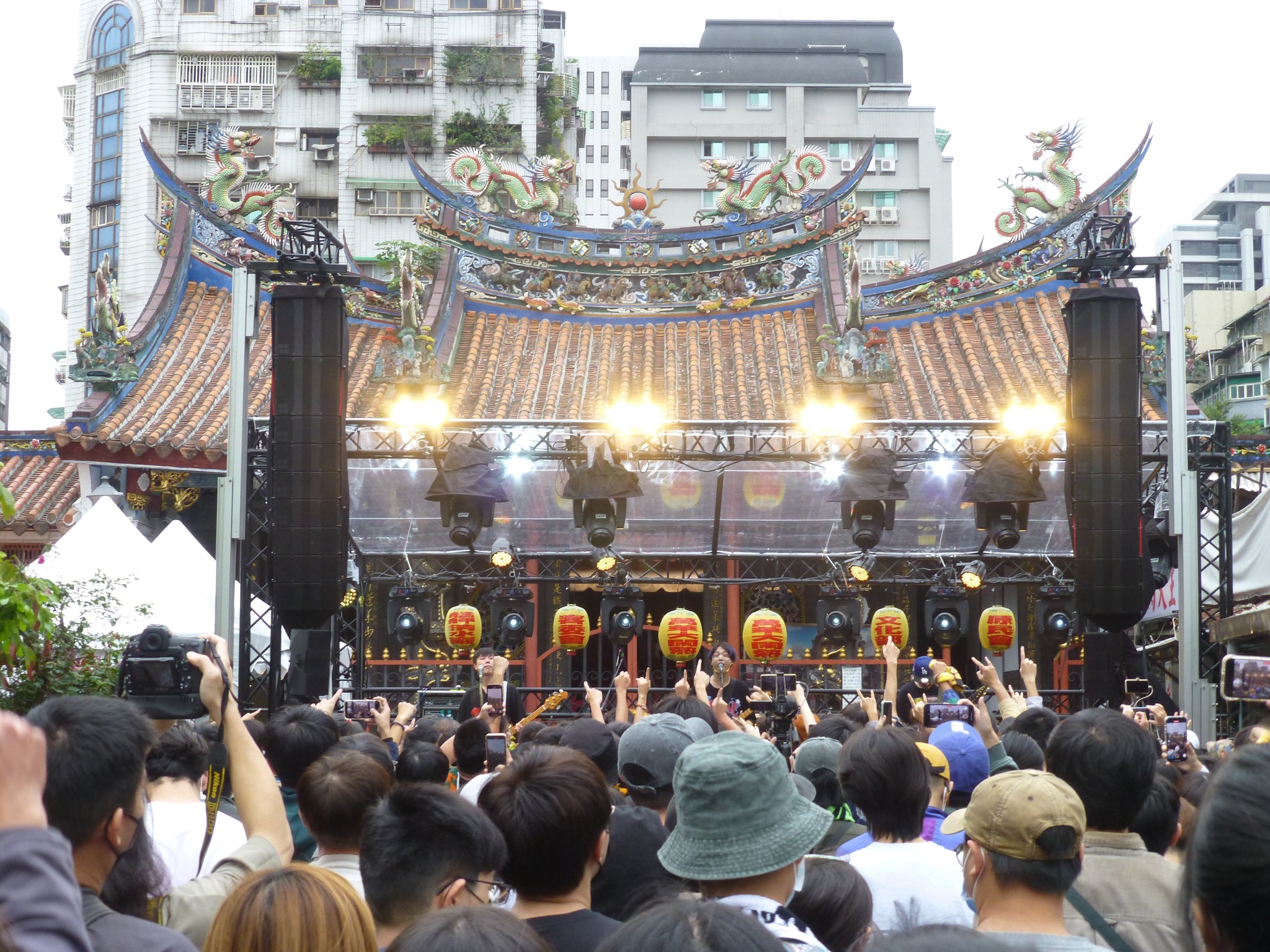
The same cultural association that organized the incongruent yet beautiful Taiwan National Day show I wrote about organized this historic Bang-Kah street fair – from temple to temple they laid out the festivities, three stages for three series of Taiwanese kids playing their music – from rock to pop to jazz to hip hop to emo? – most of which I don’t quite get. Another of these Taiwanese incongruities – the Cultural Association was started by the China KMT dictatorship during the bad old days when Chiang Kai-shek needed to pretend that his China is the real China, and that his dictatorship was the preserver and inheritor of real “Chineseness” – the characters “Chinese” was removed from the association’s name, put back during Taiwan’s reactionary retrenchment, and left alone by the pragmatic Tsai administration – though their logo emphasizes the two mandarin characters “Cultural Association” – and they are leading the charge in melding President Tsai’s compromise – RoCTaiwan73 years, democratic sovereignty, Taiwan has never been a part of the PRC. Instead of fighting over orthodoxy and symbols and names, President Tsai changes the meaning from within seeking a stable governing majority.

We listened to the band whose name is a multilingual pun on poop – I chuckled as if I was suddenly a junior high student. What struck me the most was not the music, I’m just too old to be jumping up and down, and I can’t dance, and I have a ginormous oldster chest pack – but that the concert and event is a microcosm of this emerging Taiwanese national identity – a relatively peaceful coexistence of one of Taipei’s oldest neighborhoods, full of young people, setting up a rock concert stage right in front of a temple, no way they did not make the proper offerings and asked the resident God permission to do this, and then to have their semi-ironic, sometimes profane, I wondered what the God made of this kidsnowadays concert, and no one says a peep. Imagine the kind of utopian-perfectionist orthodoxy debate and outrage in an imperialist power like America, or communist China – or maybe even Japan and Korea. My point is not that Taiwan is a harmonious utopia – far from that. Taiwanese politics is polarized, its cities tightly packed, there is for now a willingness to not debate everything endlessly – to be pragmatic, to let differences be.

As we walked around the Bang-Kah neighborhoods and temples and took notes, it occurred to me when my wife asked about a building being pre-Japan, Japanese, or China KMT, or western, that so many had likely fusion/mishmash – layers of Han immigrants, maybe with indigenous connections, trading with Fujianese and Okinawan and Japanese and Koreans and westerners, who may have seen the kind of “Ocean-foreign” buildings in other harbors and rather than borrowing the whole design, took parts, say windows while fuzing the new with geomancy and local material.

Utopianism and perfectionism and modern nationalism are impossible without bloodshed, left or right, fascist or communist, American or Chinese. Taiwan frustrates because the randomness of life and human imperfections frustrate. This emerging Taiwanese national identity is a model, an ongoing experiment with global implications: Can heterodoxy and imperfection and things not fitting and making no sense democratically and peacefully coexist as a modern nation? Past and present, religious and secular, descendants of the 1949 refugees with Taiwan independence activists, Hakkas and Minnan, indigenous and new immigrants from SE Asia, returnees from the global Taiwan diaspora, and immigrants from the world, peacefully and democratically coexisting in a nation.

This is sentimental and emotional on my part. Standing there in a historic temple’s courtyard, watching Taiwanese youths bopping up and down while doing their Texas Long Horn rock and roll hand gestures, with the temple and the resident God as the backdrop, I love this heterodox-based national identity. Live peacefully and democratically, don’t try to resolve and solve everything, and leave other people alone as much as possible. And the most endearing part of Taiwan Republic is, last evening (oldsters like me do not like standing out in the dark too close to bedtime….), my beloved Taiwanese independence rockband FireEx performed at the main stage, and the resident temple provided the Farcebook live stream. This emerging Taiwanese national identity is the most important resource to offer for Taiwan Can Help – it is a model for a different way to manage modern national identity, for a violent, angry, and troubled world. 6.11.2022

© Taiwan in World History 台灣與世界歷史. This site grants open access for educational and not-for-profit use. Maps and illustrations are borrowed under educational and not-for-profit fair use. If you are the rights holder and prefer to not have your work shared, please email TaiwanWorldHistory (at) Gmail (dot) com and the content will be removed.
Leave a comment

Filed under Taiwan Republic

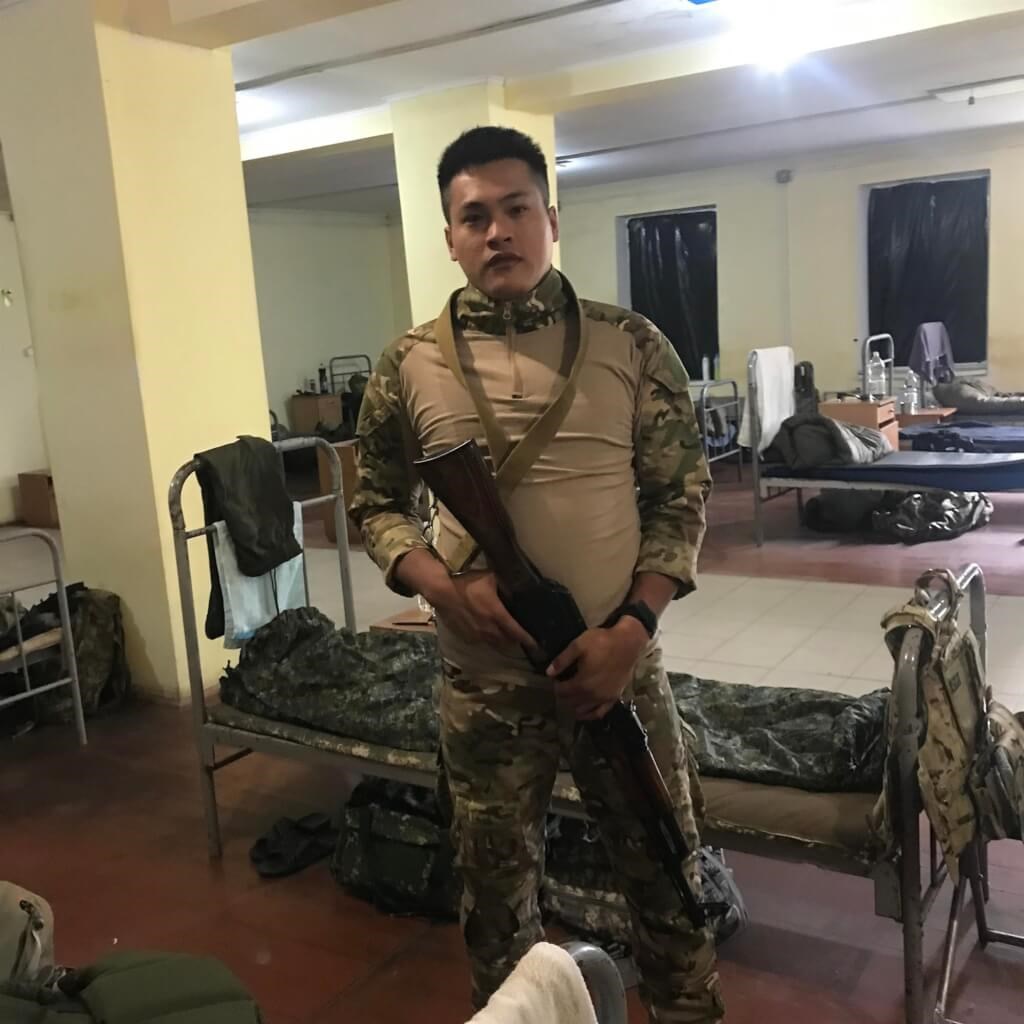
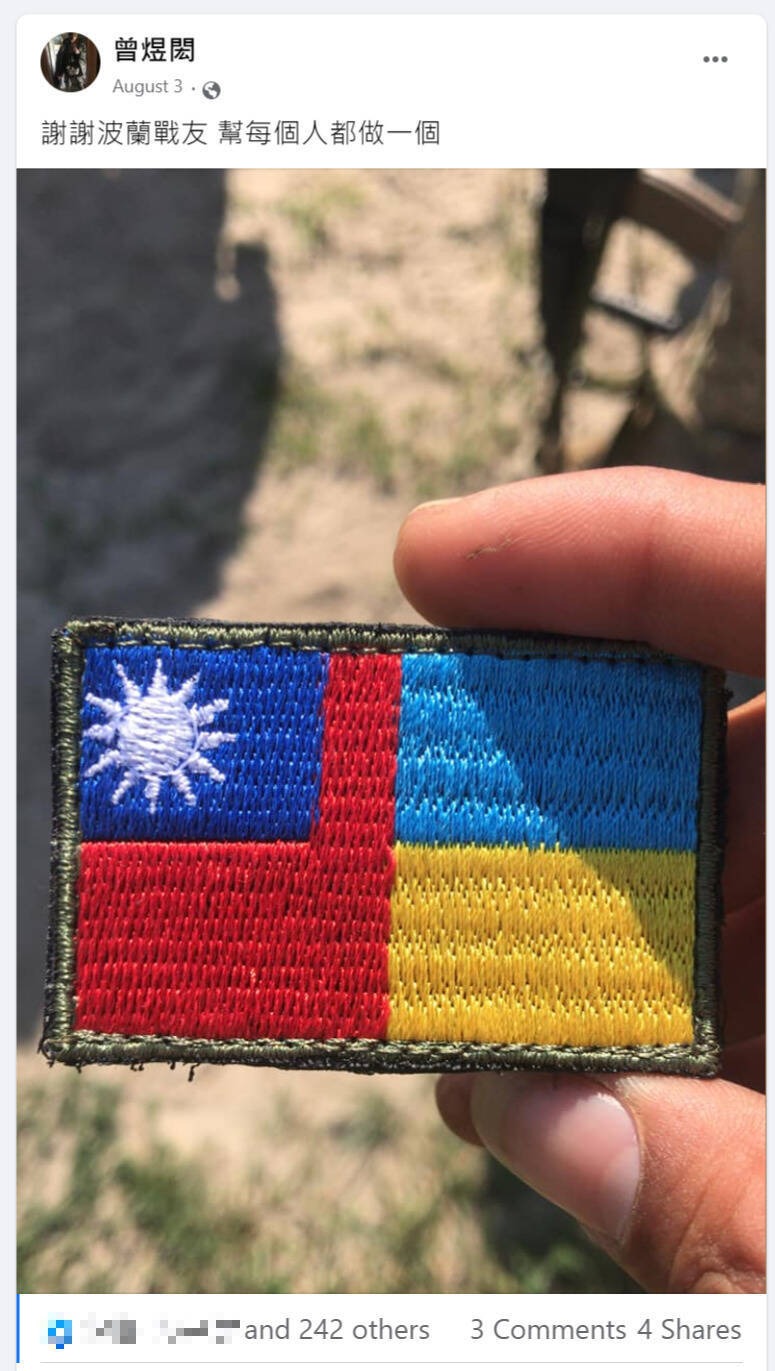
Glory to heroes – honor the first Taiwanese warrior, Tseng Sheng-Kuang (曾聖光), to perish on the battlefield in defense of Ukraine and democracy: Taiwan dispatch, national identity, and Taiwan Republic 台灣国 classrooms

除了記錄軍旅生活,曾聖光也經常關注台灣國軍改革的議題,常分享軍事評論人員對於國軍改革建議,像是認為漢光演習變成演戲,「根本是表演用」,不符合實戰,認為義務役4個月太短應該直接1年,並分享一張諷刺圖,認為目前台灣目前的黃埔思維、刺槍術、勤儉建軍、越戰戰鬥法等等是阻礙變革的原因。曾聖光分享一篇文章,認為台灣目前「民間的民防體系、後備動員體系、災難應變能力、戰略物資儲備都不成熟甚至沒有」,認為「即使在最佳的情況下,目前讓民間與軍方能夠進入到戰爭狀態的準備至少要5年,那些跟你講什麼準備好的都是鬼扯」,也許是想要透過實際參戰,把實戰觀念跟技術帶回台灣。

This emerging Taiwanese national identity.

In a world full of cowards, only a few heroes emerge. Something I tell students often — when assessing actions of historical figures and others, we tend to imagine a utopian standard for ourselves — surely we would face down the Nazis, of course we would risk jail or worse when the Chinese communist tanks rolled in the streets of Beijing, we would never ponder our livelihood by ratting out friends to the China KMT dictatorship — this is not making excuses for evil acts, just a caution that while watching films and reading novels we like to transpose ourselves as the hero, in beliefs in previous lives somehow we are almost always prince and princess and never dirt poor peasants, yet in reality, most of us do not make the cut. We are not rockstars. We are average, and fallible. A more cautious, realistic, humble view of human behavior — whether in warfare or in everyday life.

All a long-ish way to pay tribute to this fallen Taiwanese hero — most of us will think and talk and feel behind our phones and keyboards, and few of us will get on a plane, pick up a gun, and kill and die for democracy.
Taiwanese hero Tseng’s criticism of the Taiwan military leadership excerpted above should not get lost, either, it is nothing new – Taiwan has sent hundreds and thousands of talented young women and men abroad to study modern military doctrines, only to have them return and get chewed up by the China KMT national security apparatus. The best way to honor his memory is to take these ideas to heart and engage in difficult reforms of the Taiwan national security establishment.

This slowly emerging, complex modern Taiwanese national identity based around democratic sovereignty is another way to honor his sacrifice, and it relates to Taiwan’s pandemic slogan Taiwan Can Help. The China KMT dictatorship brought to Taiwan a contradictory identity – at once self-pitying (refugees forced to a barbarous hinterland island, dependent on American generosity and Taiwanese tolerance but unable to face this embarrassment directly ….) and arrogant (“we” are the real China, the cream of the crop, “we” brought the gold and high culture and the essence of real Chineseness to you lessers ….) One sees a microcosm of this pitiful interplay among the Taiwan national security press – the inaccurate often repeated myth that the Taiwanese defense industry would have made world-class weapons had it not been for American manipulation; one still sees the China KMT legislators at parliament asking whether foreign nations will come to Taiwan’s assistance when the Chinese communists attack.

A slow but significant transformation in democratic Taiwan, and a significant feature of this emerging Taiwanese national identity, is to normalize this democratic nation by stepping away from this self-pitying/arrogant prison brought by these outsiders. Taiwan, as any democratic must, should not focus on who will help during an invasion but must focus on what we must do to defend ourselves. Taiwan Can Help is an important democratic and universal human rights principle – we are not beggars, we are a member of a democratic community and we have a duty to help others whenever we can. This principle applies domestically, and globally. A small detail I noticed when Taiwanese Vice President Lai briefly chatted with US Vice President Harris in Honduras – VP Lai did not ask VP Harris for anything, instead, VP Lai offered Taiwan’s assistance to US-led humanitarian work in Central America. A seachange in attitude from the China KMT dictatorship days.

May the Buddha bless this Taiwanese hero and his family, and may the Buddha protect Ukraine, Taiwan Republic, America, and all democracies.

Hualien man becomes 1st Taiwanese combatant to die in Ukraine war

© Taiwan in World History 台灣與世界歷史. This site grants open access for educational and not-for-profit use. Maps and illustrations are borrowed under educational and not-for-profit fair use. If you are the rights holder and prefer to not have your work shared, please email TaiwanWorldHistory (at) Gmail (dot) com and the content will be removed.
Leave a comment

Filed under Taiwan Republic

Reading Taiwanese newspaper – Democratic sovereignty, head of FCC in Taiwan Republic: World history, geostrategery, and Taiwan Republic 台灣国 classrooms

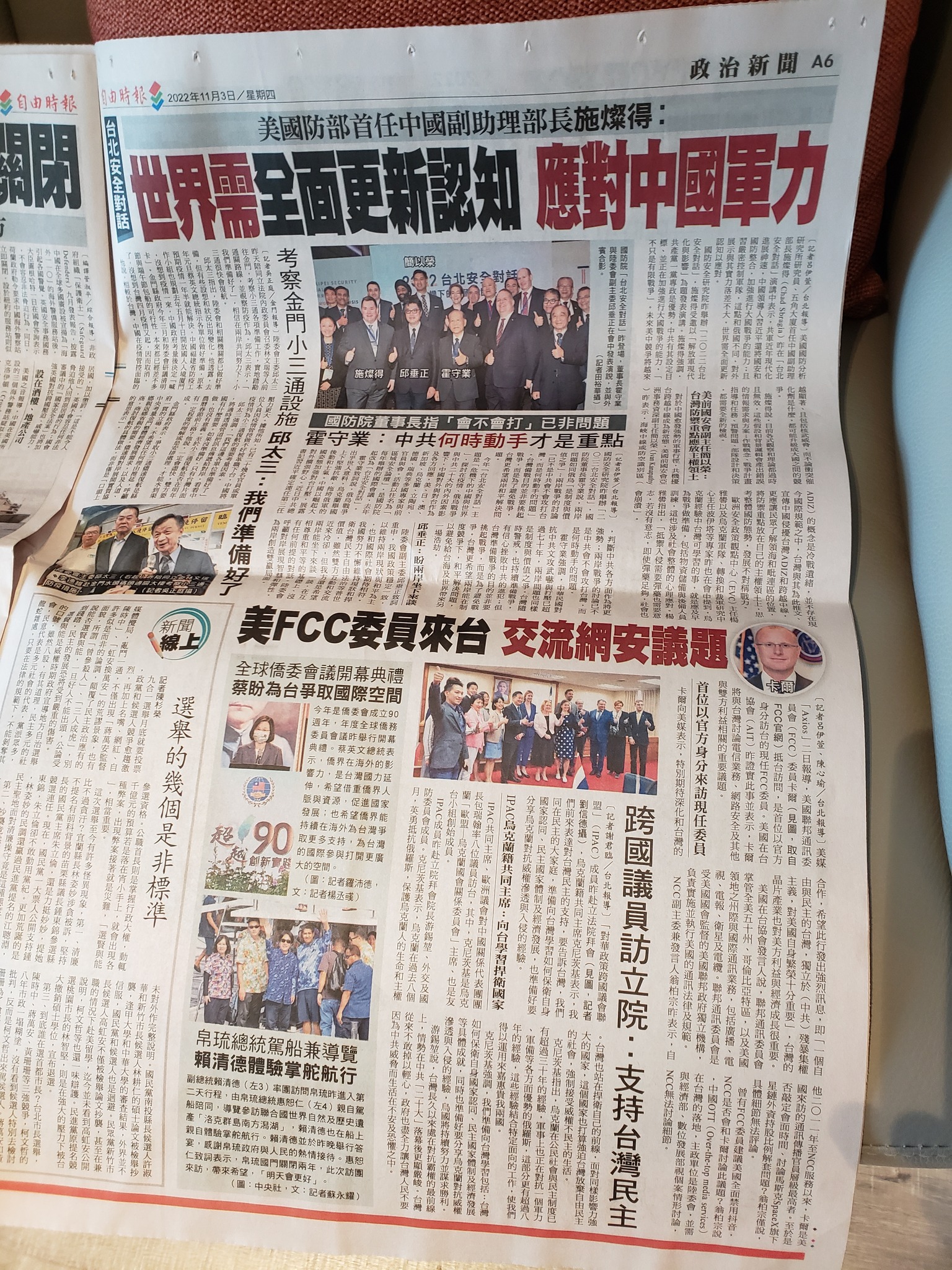
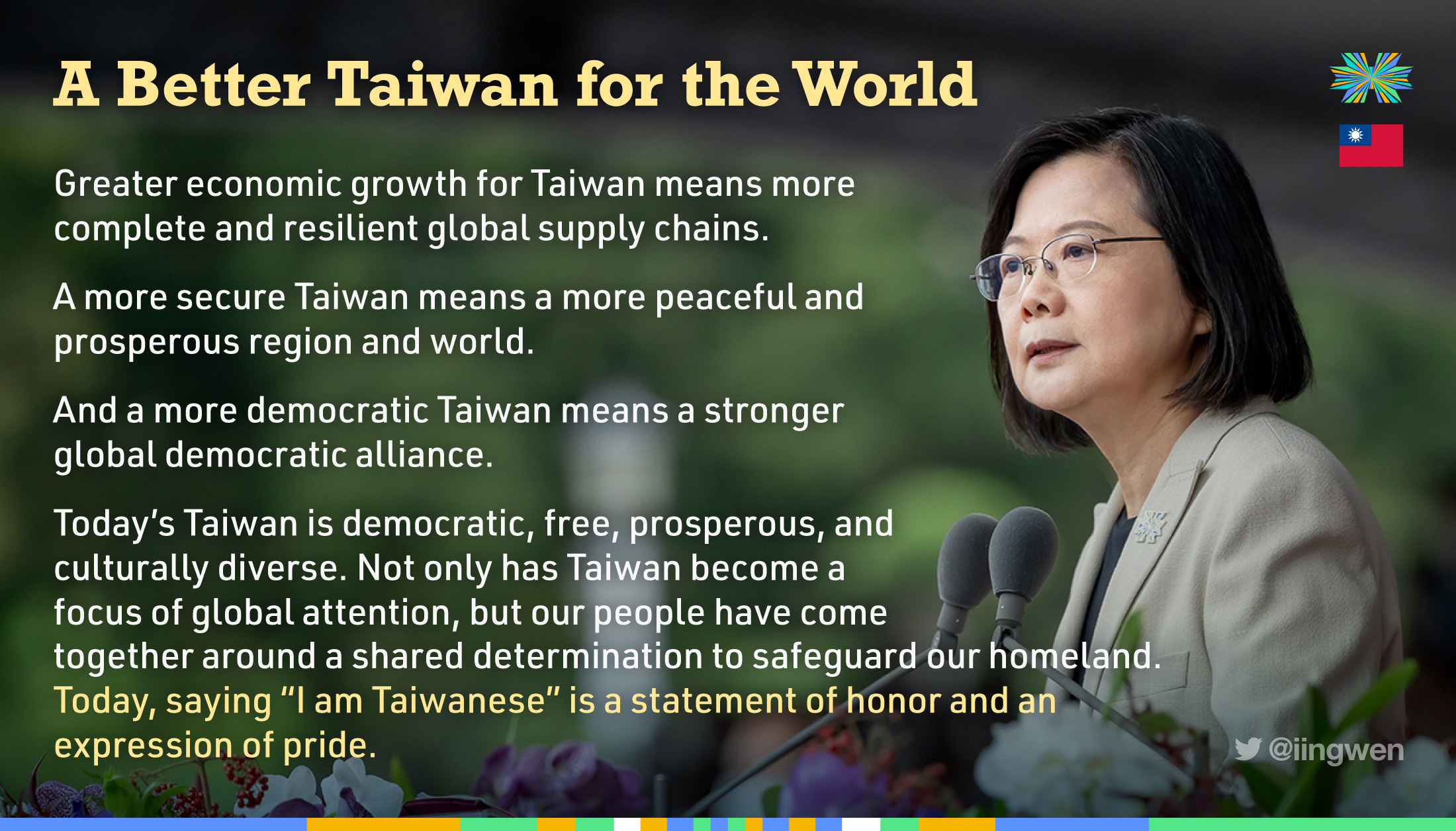
Taiwan news, Thursday (3/11/2022) print newspaper. Most important news is tucked away inside A6, I find the only print newspaper left in Taipei confusing. A global security dialogue took place in Taipei, a second-third track quasi-official conference full of leaders from the Indo-Pacific. That the focus is on the China Threat is not surprising. That a former US official called on Taiwan Republic to focus its resources to defend its soverignty is fantastic — this echoes President Tsai’s main idea, and is why the China communists-KMT and some American academics are staging such fierce information warfare against Tsai and Taiwanese democracy.

On the same page is the other significant news: the head of the American FCC is visiting Taiwan Republic to discuss cybersecurity. Taiwan Republic just established a Ministry of Digital Affairs and assigned their genius cabinet member Audrey Tang (part Taiwanese, part Vulcan) to head it. Remember the head of the Taiwanese FBI visiting the head of the American FBI? Then I pointed out that whether the Library of Congress style categorizing has the heading of hacking, cybercrime, industrial espionage, illegal drugs, or human trafficking, these are all spokes leading back to the Chinese Communist Party. And so once the Americans started counterattacks against the Chinese communists in semiconductors, then I am looking at ways the US will lead its democratic allies to combat the Chinese in financial, cyber, and other related realms. Taiwan is an interesting frontline beyond the obvious geography — China, HK, Taiwan, California — the movement of people, multiple passports, nationalities, know-how, capital — dictator Xi plugged up HK as a conduit to strengthen (temporarily) his dictatorship, the US, in turn, shows up in Taiwan Republic with FBI, DEA, Coast Guard, and Homeland Security. A multifront, all-domain, global struggle. 4.11.2022

© Taiwan in World History 台灣與世界歷史. This site grants open access for educational and not-for-profit use. Maps and illustrations are borrowed under educational and not-for-profit fair use. If you are the rights holder and prefer to not have your work shared, please email TaiwanWorldHistory (at) Gmail (dot) com and the content will be removed.
Leave a comment

Filed under Taiwan Republic

What are the status quo – Taiwan Republic studies and a changing global reality: World history, geostrategery, and Taiwan Republic 台灣国 classrooms

When it comes to the Taiwan Strait the actors and players, however different they are, converge on the quasi-religious, allegedly sacred principle of the “status quo.” But what does it mean, and is it that important?

President Biden and Secretary Blinken recently – and accurately – framed the status quo as no side using violence to change the de facto reality. What has been the reality? In China there is unfortunately a ‘People’s’ Republic of China with a Chinese communist dictatorship – and in Taiwan, there is a “Republic of China” that used to be a warlord Chiang dictatorship, but since the 1990s has become a stable, electoral democracy. Whatever official name one gives to the political entity exercising democratic sovereignty over Taiwan, Taiwan has never been a part of the PRC.

Is this “status quo”? Philosophically the concept of the status quo has always been a fudge, a placeholder, an illusion. World history and human behavior are always dynamic – we build monuments and write last wills and testaments all in desperate, futile attempts to pretend that there can be permanence, unchanging, but this is impossible. The “status quo” hedge was formulated in the 1970s to get to pressing business – US-communist China facing down the USSR – moving, and deferring irresolvable differences over Taiwan.

The US government has been inconsistent, and self-contradictory for decades on its own Taiwan policies. The one constant element regarding its meaning of the status quo is no war – and no military coercion to change the status quo. This is ironic given some American anti-war activists rhetorically converging with some US think tankers converging with Chinese communist propaganda about what the status quo means, and who is allegedly pushing for war.

So, if the historically accurate definition of the status quo is that “RoC/Taiwan/Make up any name it actually matters less than democratic sovereignty derived from free and fair elections in Taiwan” has never been a part of the People’s Republic of China, and Taiwan’s future must be peacefully and democratically decided by its 23 million citizens free from coercion and threats, then I cannot think of a major political party nor likely presidential candidate in Taiwan who would dare to veer far from this democracy red line. Can we say the same for American academics and think tank experts? Their relative reluctance to center democratic sovereignty is fascinating and ought to be a separate study/book.

I think a particularly bad habit pushed by the China communists and China KMT is to overload the system with character salads and mind-numbing numerical formulations – the fictional 92 consensus that’s not a consensus, the three yes and four no’s and the five musts and twelve something somethings and on and on and on. Cutting through the junk, the fundamental belief of the Chinese communists, some in the China KMT, and some in American academia are that might makes right – communist China is bigger, its status quo, which is invasion and annexation of democratic Taiwan, is the meaning of status quo. This is also why some American experts will do almost anything to avoid using the words democracy/dictatorship – ever notice that? I bet they talk about democracy plenty when it comes to domestic American politics though. As Mr. Spock would say, fascinating.

Two additional issues are usually ignored but worth thinking about. Historically, in terms of “separatists” and “splittists” – in 1949, it was Mao and the Chinese communists who added the tragic comedic word “People’s” to the Republic of China and created the reality of two Chinas – so, who split from whom? What would geopolitics have been like had Mao kept the national name and declared Chiang a bandit?

And I know this is difficult to swallow given concerted China communists and China KMT, and some US academics’ propaganda to vilify the democratically elected president of Taiwan Tsai Ing-wen. Decades from now world history will show that Tsai’s moderate, intricate domestic and foreign compromises are the last plausible opportunity for the China communists and China KMT to have a facesaving option to avoid a wasteful, unwinnable war. Yes, President Tsai has danced around RoC RoC-Taiwan RoC is Taiwan. Her red line is democracy and peace, not having or not having China in the national name – and notice, she has never, ever made pronouncements about the future. Like any good world historian and believer in democracy, she knows that that is a bad habit brought to Taiwan by Chinese authoritarians – to have the arrogance and imperiousness to leave edicts to descendants on what they may or may not do. Democracy, peace, and letting the future citizens of Taiwan democratically and peacefully choose their own path. In an era of narrow ethnonationalism (China CCP and China KMT, plus fascism all over the democratic west), Tsai’s policies are a bulwark for principled democratic values. Would be lovely to see self-styled progressives and enlightened western academics and journalists support this kind of thoughtful policy from President Tsai, both for democracy and for true peace. 29.10.2022

© Taiwan in World History 台灣與世界歷史. This site grants open access for educational and not-for-profit use. Maps and illustrations are borrowed under educational and not-for-profit fair use. If you are the rights holder and prefer to not have your work shared, please email TaiwanWorldHistory (at) Gmail (dot) com and the content will be removed.
Leave a comment

Filed under Taiwan Republic

Bibliography: Taiwan Republic and related military reports: Geostrategery and Taiwan Republic 台灣国 classrooms

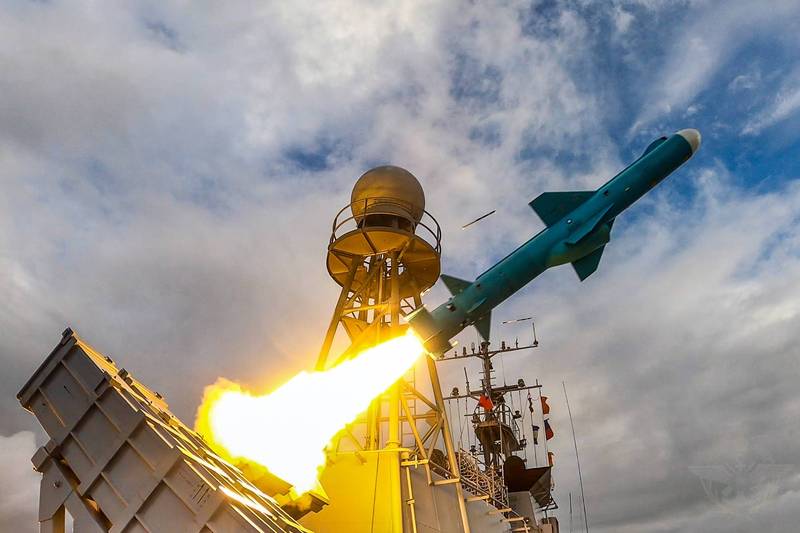
A pattern for recent Indo-Pacific military reports is that Taiwan Republic has placed more emphasis on munitions and logistics (at least in public). All of the major players, US, Japan, Taiwan Republic, and Australia, are behaving as if a Chinese communist invasion to annex Taiwan is likely – and, that such an attack would not be “contained.”

On the policy side, American rhetoric – unusually blunt, urgent, public, dire – remains not yet matched by action. The US government is a giant, lumbering, mega bureaucracy – often at war with itself or worse, one part not aware of what another part is doing. Urgent warnings of a possible Chinese invasion is contradicted by delays in weapons deliveries to Taiwan – and the continued arguments over which weapons are “asymmetrical” or not are not helpful, or most important, the US has not yet fully committed to and bringing along other democratic allies, to take the Chinese invasion of Taiwan off the table as an option for Beijing – joint maneuvers, integrated training, counter-intelligence and intelligence, and most importantly, helping the democratically elected civilian leaders of Taiwan Republic reform their China KMT dictatorship legacy upper national security and intelligence establishment.

The best recent sign is that the purposeful leak of US-Taiwan cooperation in arms manufacturing did not lead to public denial or backtracking. Anyone used to the US Taiwan policy failures of the 1980s and 1990s would have expected that. The struggle against the Chinese communists is an all-domain global struggle, for which the military is an important portion – trade, technology, semiconductors, agriculture, education, etc. are all battlefields. If both sides proceed wisely with the arms manufacturing plan, it should speed up the delivery of key munitions to Taiwan, while integrating Taiwan into the US-led global arms supply chain. Not spoken and a guess on my part: If you study how the Chinese communists defeated the China KMT 1945-1949, you would be pretty worried about whether the top-level Taiwan-manufactured missiles and radars have been compromised by communist infiltration. I hope a part of this collaboration is a US-led effort to assist Taiwan in filtering out this important counterintelligence effort. Foreign media have marveled at how the Taiwanese do not appear alarmed by repeated Chinese communist threats to invade – a complicated issue for which I only have guesses/theories – what I have noted is that Taiwan as a nation does not behave in terms of operational security as if it has a gigantic communist neighbor dedicated to annexing it. 

Two final points. First, whatever anyone means by “asymmetrical” – Stingers and Javelins will do nothing for Taiwan Republic without integrating Taiwan into a US-led regional security scheme. How the US, Taiwan, Japan, and other democratic allies design the specifics of this plan, balancing what will deter and deny a Chinese invasion, without being needlessly careless diplomatically, is the main task at hand. Second, beyond a long-delayed democratic reform and modernization of the top Taiwan national security establishment, what the US and Japan can assist the most in is Taiwan’s decades-delayed improvement of its naval surface fleet. Taiwan’s navy is lost, directionless, and decades late in the AEGIS/VLS realms. Having watched this for decades, I just don’t see forces within the Taiwanese navy, or Ministry of National Defense, or the civilian democratically elected leaders who have the expertise or the power to nudge the surface fleet along. 27.10.2022

陸射魚叉飛彈2024起交付

對美採購肩射刺針飛彈 2025年全數、甚至提前交運

國軍強化作戰持續力 明年編898億 補充彈藥零附件

空軍採購66架F-16 C/D 戰機延遲1年交貨 2025年第三季首批6架返台

《TAIPEI TIMES》Overhauled frigate project unveiled

輕巡防艦拚3年交艦 將掛載增程雄三

發展不對稱戰力!「無人機」3跨部會整合 國家隊最快明年7月成形

海軍輕型巡防艦選用混合動力推進系統 恐埋下維修「惡夢」

Taiwan to upgrade combat systems of Kang Ding-class frigates

【無人機掘金礦1】中科院軍用無人機發展無極限 經緯董座首揭新銳鳶明年量產

軍民兩用無人機|烏俄戰場顯奇蹟|#羅正方 #矢板明夫 #汪浩|@華視三國演議

「富江艦」下水後 國防部:下一艘預計12月底前下水

多項新軍購案待宣佈 國防部證實:尚有數案刻於美方行政審核中

US mulls arms delivery to Taiwan: MND report

陸軍本週以4億元採購5000枚紅隼火箭彈 強化國土防衛能力

國防部造輕型巡防艦 防空型、反潛型2025、2026年服役

Asymmetrical warfare focus has Taiwan drone companies upping the ante

© Taiwan in World History 台灣與世界歷史. This site grants open access for educational and not-for-profit use. Maps and illustrations are borrowed under educational and not-for-profit fair use. If you are the rights holder and prefer to not have your work shared, please email TaiwanWorldHistory (at) Gmail (dot) com and the content will be removed.

Leave a comment

Filed under Taiwan Republic

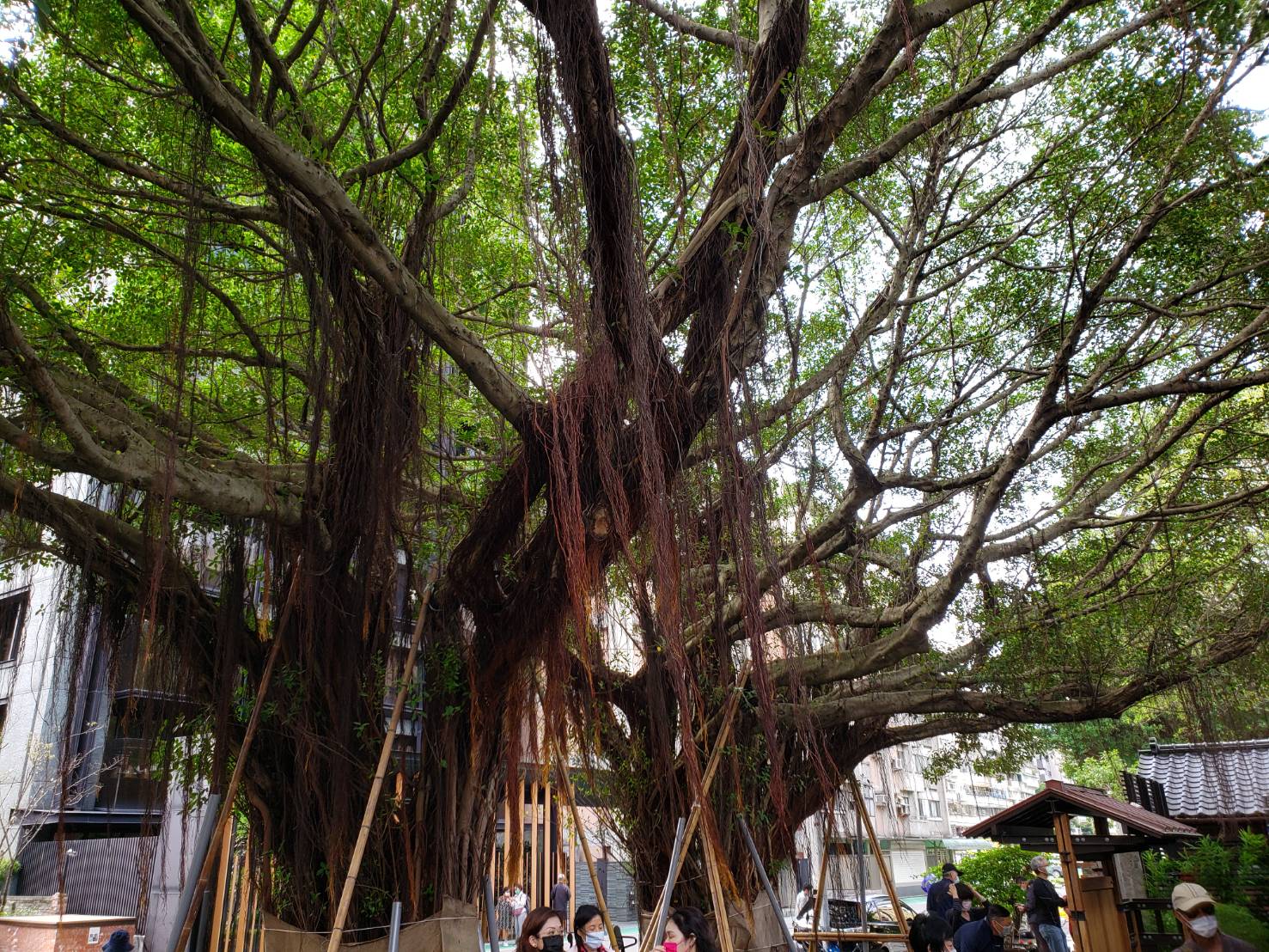
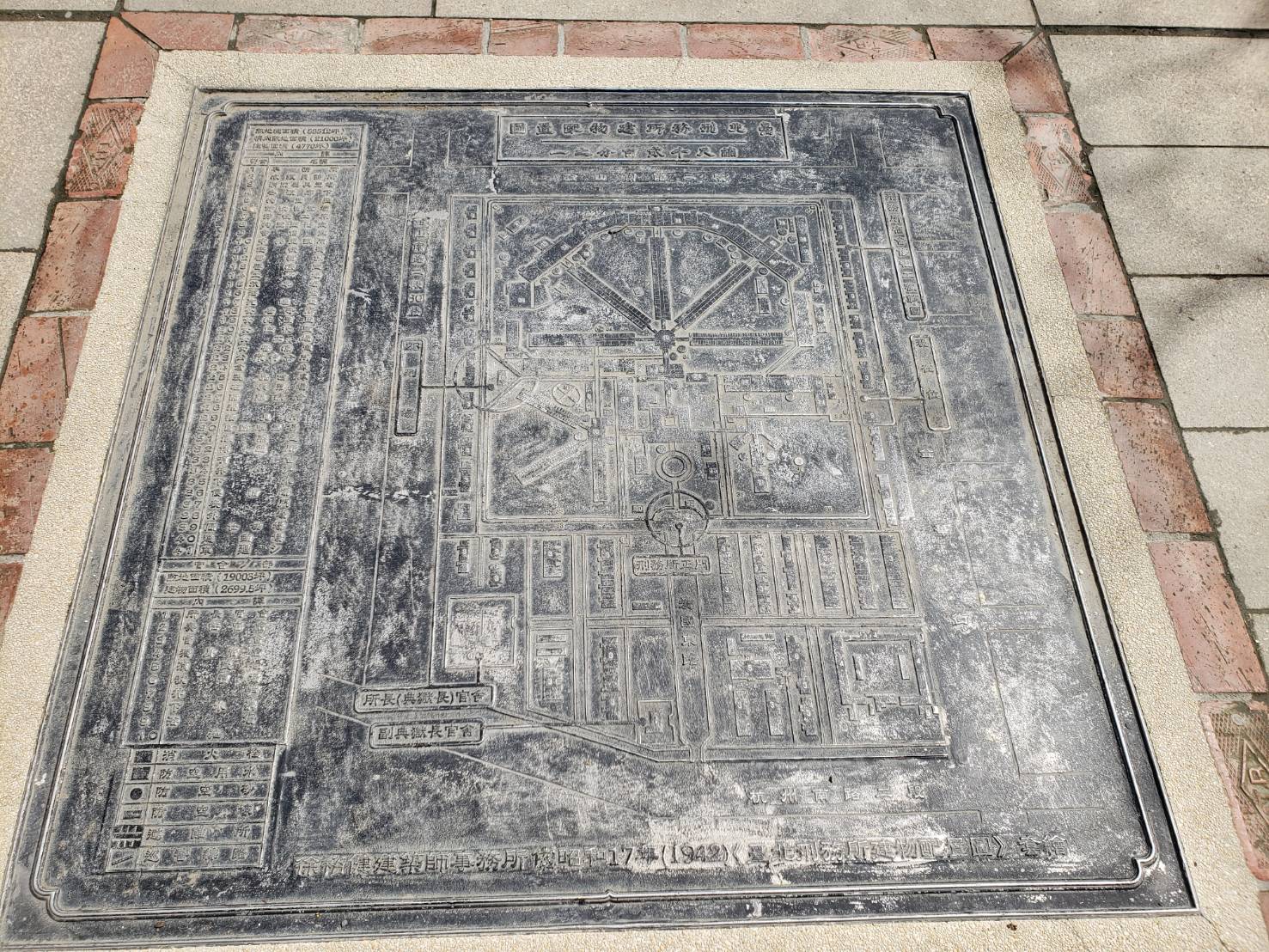
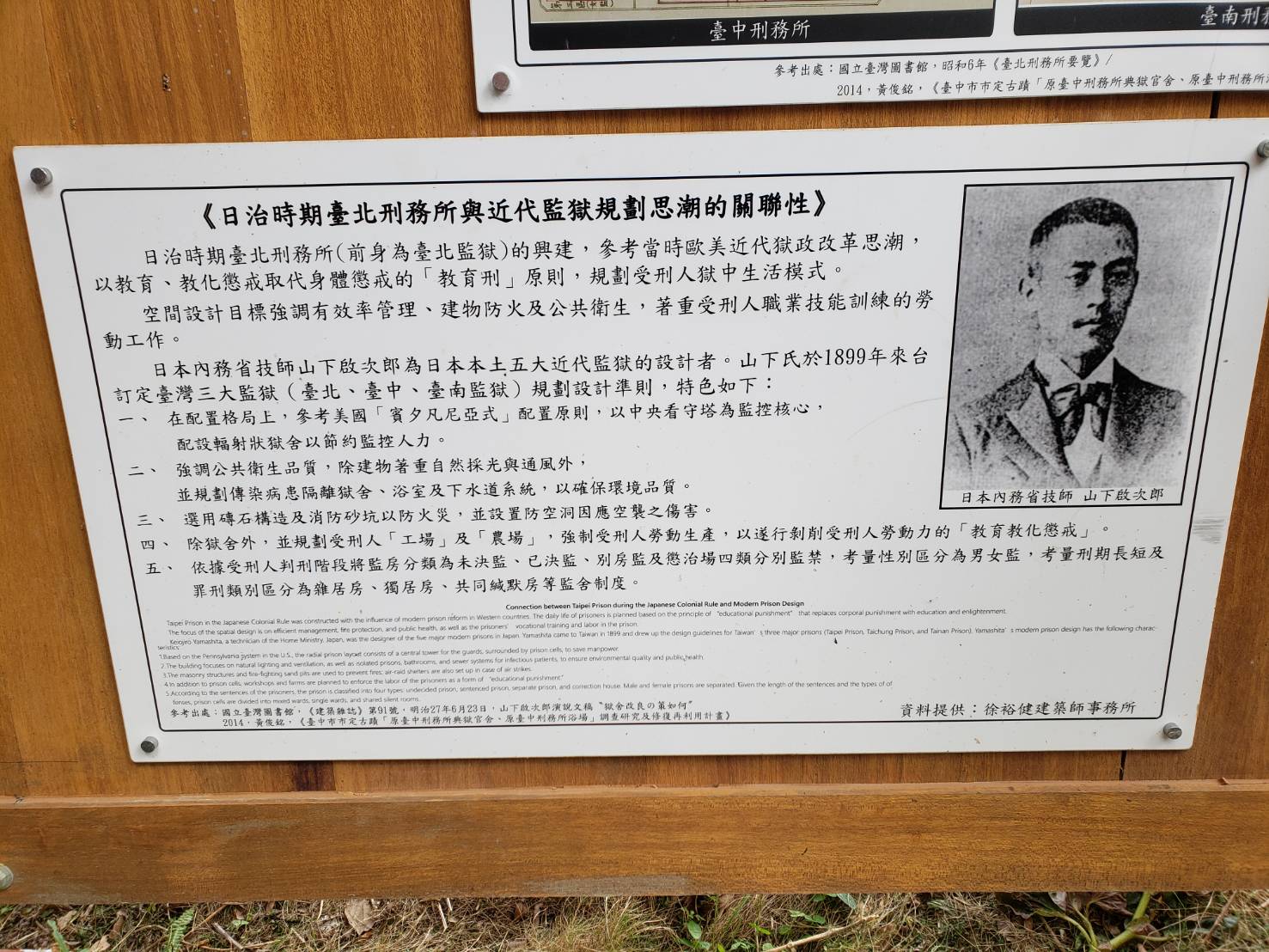
A prison into a small urban mall, Japan, China KMT, democratic Taiwan Republic – this emerging Taiwanese national identity 榕錦時光生活園區-原臺北刑務所官舍: Taiwan dispatch, historical memory, and Taiwan Republic 台灣国 classrooms

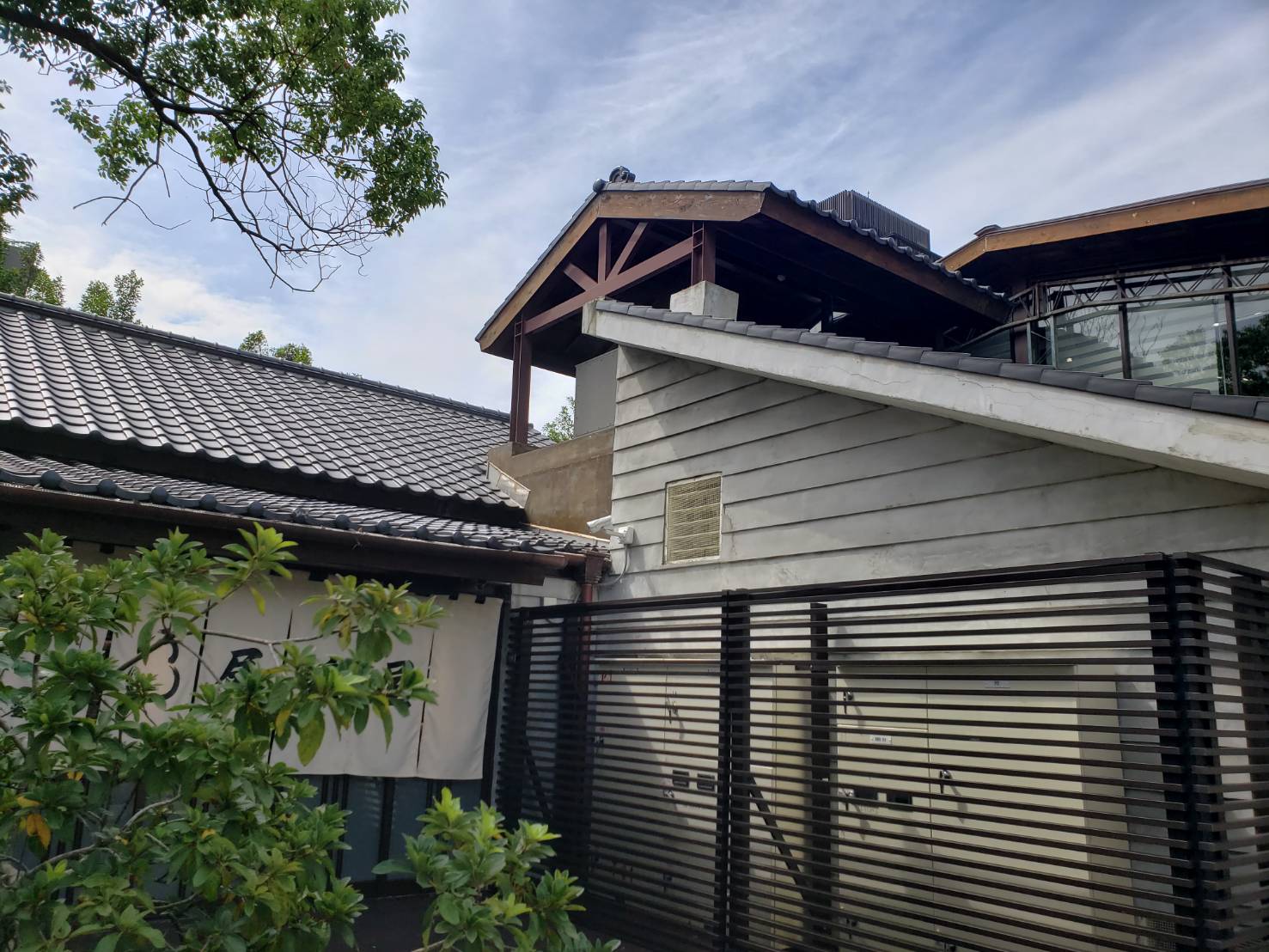
This emerging Taiwanese national identity — urban history and collective memories. Remarkable to have this new project, 榕錦時光生活園區-原臺北刑務所官舍, three blocks from my childhood home. As an elementary school student, I used to save the bus money to buy newspapers and walk home from my school via these alleys.

Taipei is sadly a remarkably not beautiful city — whatever it was the pre-Japanese folks had in mind, and whatever grand plans the Japanese had, the Chinese invaders brought chaos and temporary-ness — occupiers who did not plan to stay long behaved accordingly. It also occurred to me today while experiencing the present and remembering my childhood that I have watched multiple Taipeis slowly meld incompletely into one another — the elegant Japanese wooden buildings that used to be all around the neighborhood, with the one-to-two-story super ugly Chinese invader concrete buildings, with the latter-day 1990s and beyond “western-ish/glass/concrete” apartments.

My parents made a pain face a few days ago when I politely noted that all of the buildings in Taipei are designed as if they have no neighbors — as if they are not a part of a city. In my childhood 1970s Taiwan was still under a Chinese invader-junta dictatorship, and in those classrooms, I was being brainwashed about how “we” fought the Japanese and must soon take back “our” fictionalized China — while coming home to visit my Japanese-speaking maternal grandparents and aunts and uncles.

If you ask me what I make of a former Japanese prison being turned into an urban hipster shopping/restaurant/coffee place, I made a face. Not because I am above the fray anti-consumerism per see — a prison is an unhappy place, and this transformation did strike me as odd. On the other hand, as I have often argued with fellow academic historians — we cannot keep just having a cow over every single history inspired film and tee-vee shows not being as boring as many academic books — regular people have fun, and we should at least not be anti-fun. More pragmatically, for downtown Taipei land this precious/costly, this is probably the only way to preserve the site without razing the little that’s left of what the Japanese built and turning it into yet another unremarkable but highly profitable apartment. And that’s not nothing, either. And I think the folks the city subcontracted did a tasteful job, things are clearly marked, and the rebuilt restaurants and coffee shops are useful, attractive to mass consumers, and interesting enough to history buffs.

This slowly emerging democratic Taiwanese national identity — to find a reasonable national container to tolerate these contradictory currents — peacefully — none of us particularly pleased, but tolerable, functional, democratic, and not a part of China. Historians cannot resist periodizations. Do urban projects like this mean modern Taiwanese national history has moved from the Dutch, Koxinga, Manchus, Japanese, China KMT invaders, and Democracy, into the consumerist coffee house phase?

© Taiwan in World History 台灣與世界歷史. This site grants open access for educational and not-for-profit use. Maps and illustrations are borrowed under educational and not-for-profit fair use. If you are the rights holder and prefer to not have your work shared, please email TaiwanWorldHistory (at) Gmail (dot) com and the content will be removed.

Leave a comment

Filed under Taiwan Republic

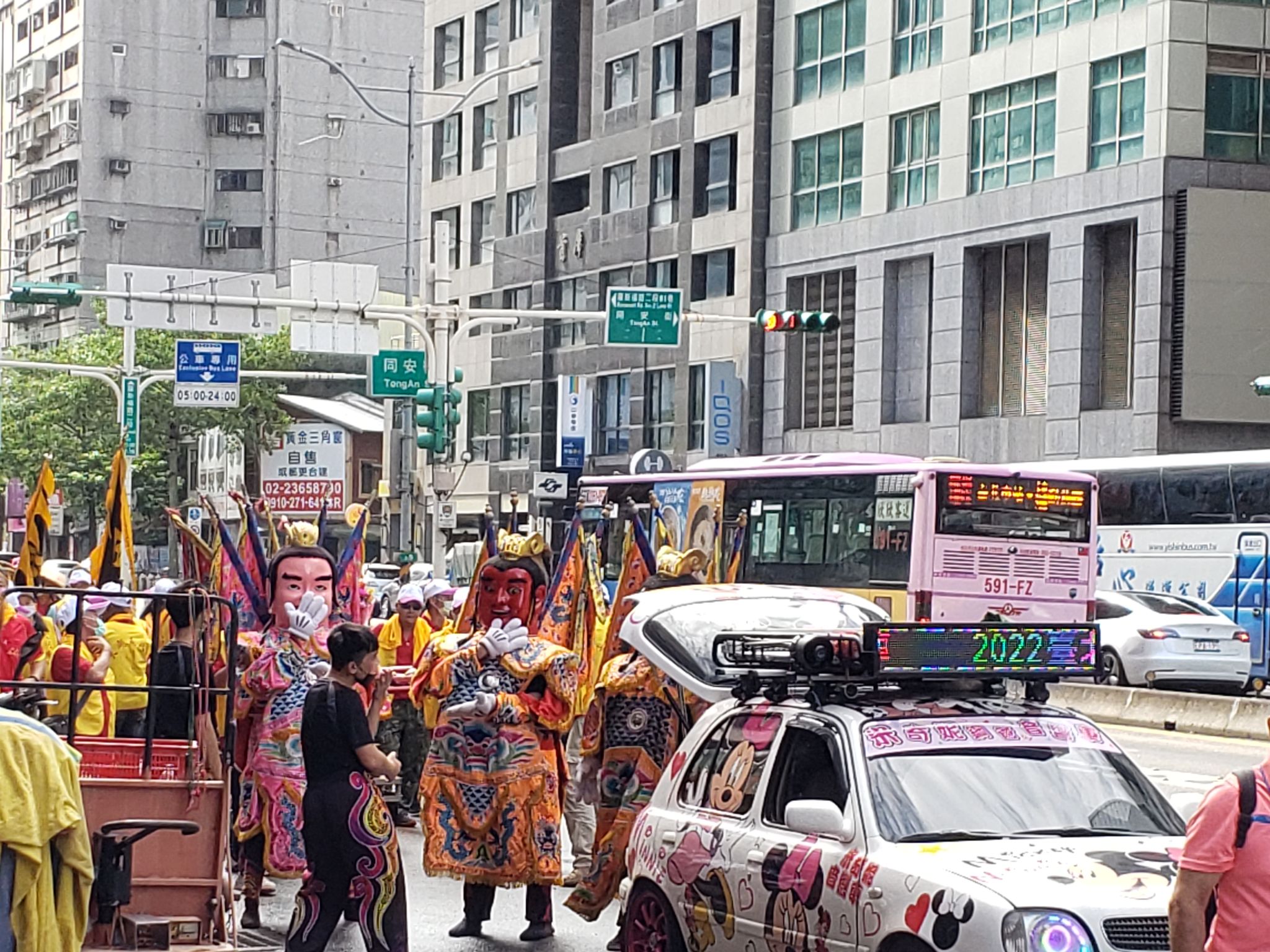
A Taiwanese Hakka temple festival parade (featuring Minnie Mouse?!) – this emerging Taiwanese national identity: Taiwan dispatch, historical memory, and Taiwan Republic 台灣国 classrooms

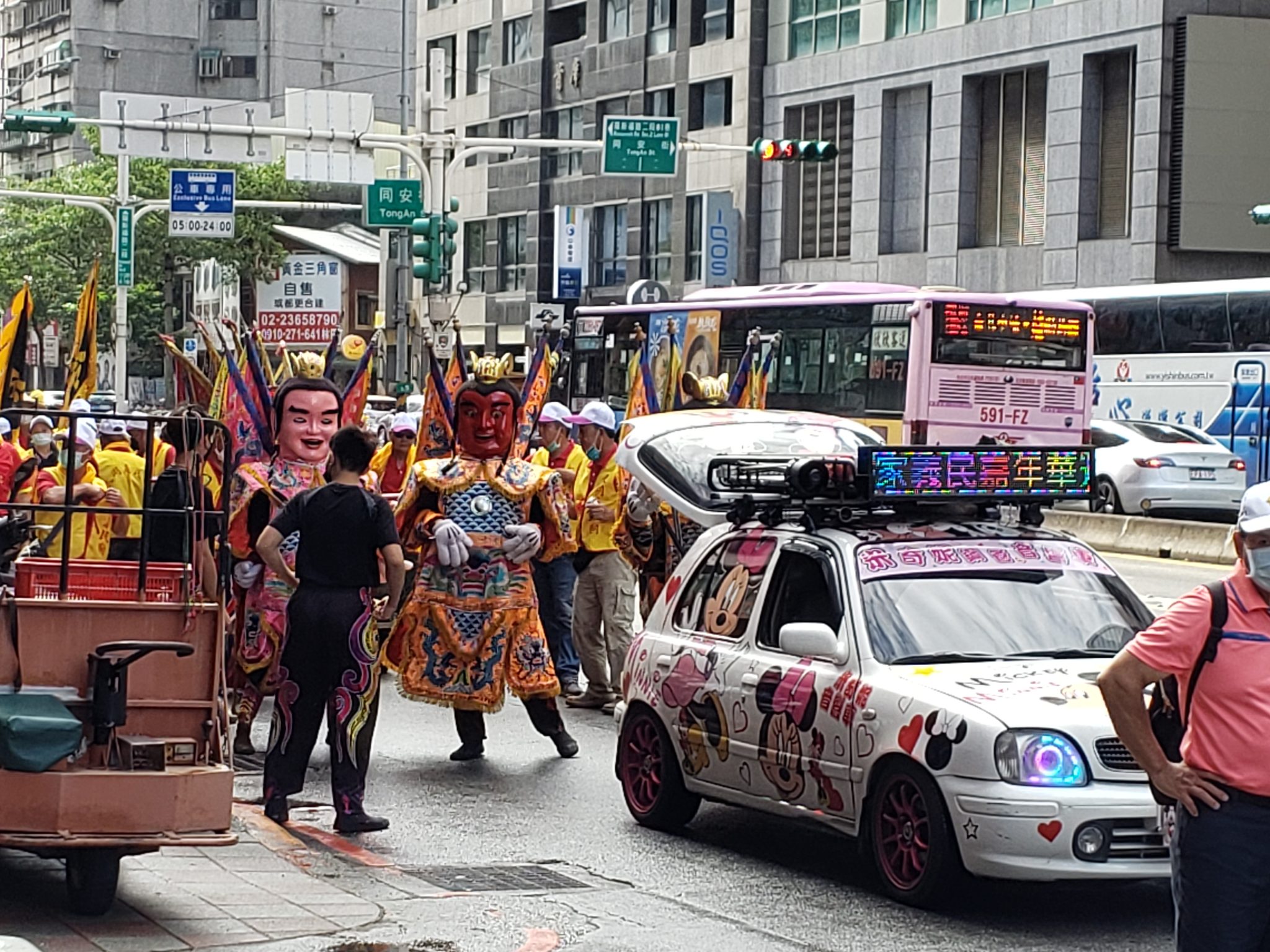
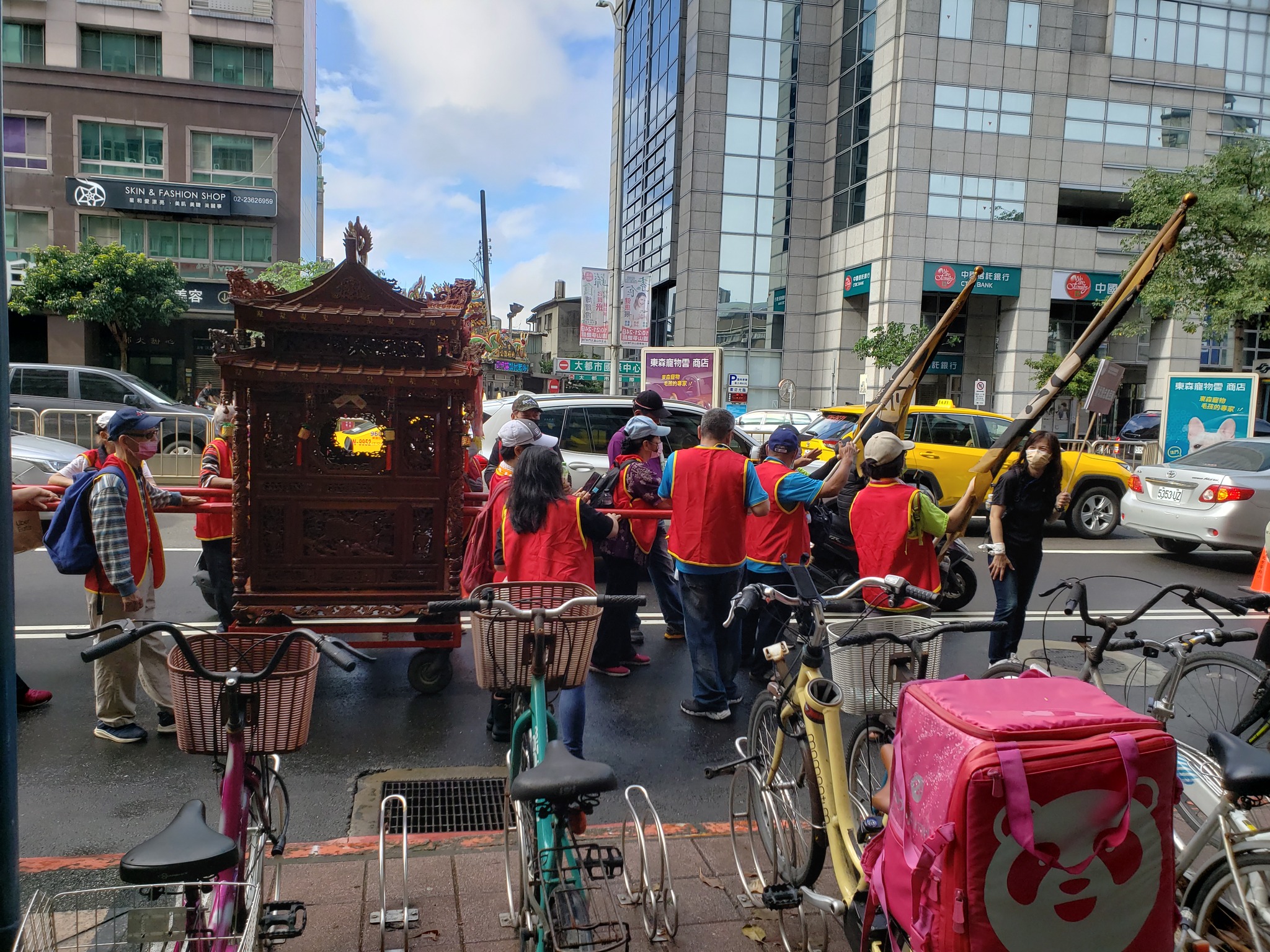
Taipei Hakka temple festival parade – This emerging Taiwanese national identity …. Goddesses and Gods. You go to the traditional market with mom (the sadly disappearing 古亭市場 Guting Market), you happen to run into a massive Hakka Temples Parade. And mom is now used to her American son, baseball cap in tow, running off like an idiot with his camera while all the local shoppers carried on.

The Goddesses and Gods from different temples are carried with traditional carriages and parishioners — interesting to compare the flags and clothing with ceremonies and rituals of the British monarchy. Taiwan being hilariously Taiwan, it had to include the Three Gods 三太子 wearing what looks to me like Minnie Mouse hands (?!) preceded by a pop-dance music sedan (I am too old to tell you what they are playing except to say I muttered something Grandpa Simpson would mutter about music ….) with maybe copyright infringing Minnie Mouse? And why Minnie and not Mickey?

I’ve written previously about the heterodoxies of Taiwan as a matter of facing reality, pragmatism, and national survival — contrary to the imperialist, Marxist-Leninist orthodoxies of the China CCP-KMT (both Leninist Chinese parties are also deeply addicted to faux ancient dynastic symbolisms and rituals ….), or the modern nation-states and progressivism/conservativism/liberalism of western imperialists. To have so many groups with so many languages and so many different historical memories survive relatively peacefully in a relatively small Taiwan, while facing a gigantic foreign enemy, Taiwan cannot afford western nor Chinese orthodoxy-perfectionism. I have never bought the half-hearted “celebrate diversity” slogan of the west — I think this emerging Taiwanese national identity is far more sophisticated and pragmatic. Don’t measure everything, don’t discuss everything, let things be whenever possible, and focus on the very few things that matter for survival. Much as Taipei architecture and urban planning make little sense, and much as Taiwanese political campaigns can be a real mishmash of styles, and much as Taiwanese music and cinema and particularly tee vee shows feels like a potluck or potpourri of mixtures that may or may not make any sense, it is this heritage of heterodoxy – being OK with things that are not coherent, or are even self-contradictory, that makes this peaceful democratization of Taiwan possible. And isn’t it revealing, that democratic sovereignty is such a core to this emerging Taiwanese national identity, and are the two words neither the China CCP-KMT, nor many western experts and journalists, are willing to face directly and earnestly?

I myself, while my non-Hakka vendor was trying to convince me of his anti-Hakka prejudices (I disagree, but politely ignored him because he held my lunch in his hand ….), appreciate the dissonance — same as I felt at the Taiwan National Day 2022, none of it makes any sense, and it is OK to let that be and resist the western-Chinese reflex to try to “fix” it. Wave, smile, and wish the Hakka Goddesses and Gods and the fellow Taiwanese citizens they protect the best. And be OK with this dynamic, incoherent, emerging Taiwanese national identity. 22.10.2022

© Taiwan in World History 台灣與世界歷史. This site grants open access for educational and not-for-profit use. Maps and illustrations are borrowed under educational and not-for-profit fair use. If you are the rights holder and prefer to not have your work shared, please email TaiwanWorldHistory (at) Gmail (dot) com and the content will be removed.
Leave a comment

Filed under Taiwan Republic

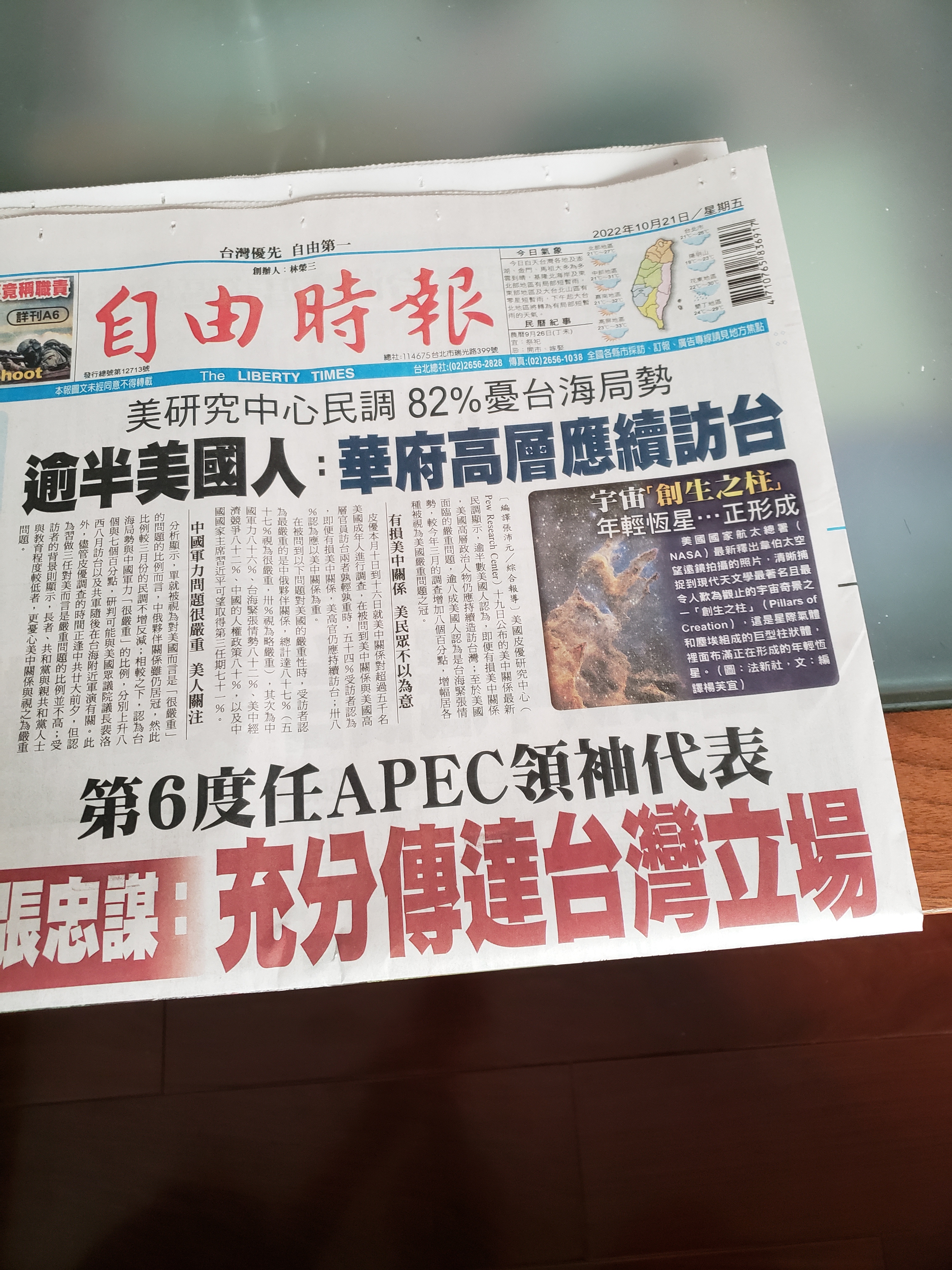
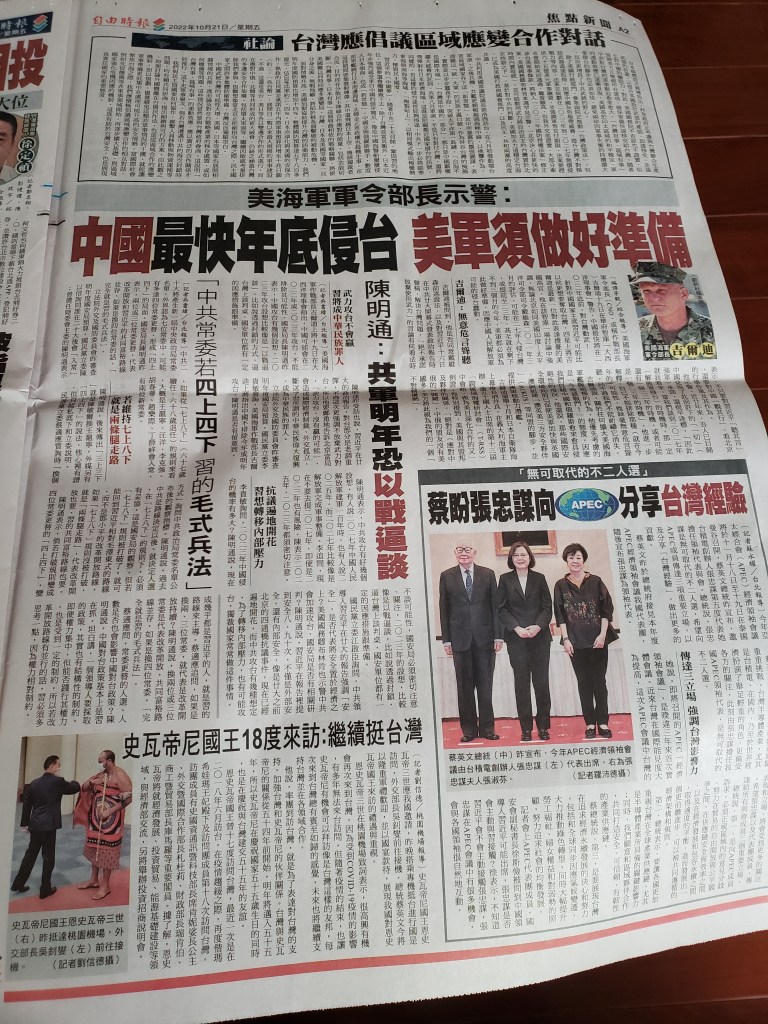
Bibliography: A Chinese communist invasion to annex Taiwan Republic “imminent”?: Taiwan dispatch, geostrategery, and Taiwan Republic 台灣国 classrooms

Taipei is now sadly a one traditional newspaper town (traditional as in print). A few observations. Amazing how much Taiwan Republic and the world have changed that the leader of the US Navy speaking of imminent Chinese communist invasion to annex Taiwan is on the second page, not the front. The big news about US-Taiwan Republic co-producing weapons got tucked away, though with a very interesting op-ed.

If you asked me a year ago if there would be a war, I would have said 10% yes, 90% no — now watching the body language of American, Taiwanese, Japanese, and European (minus Germans ….) political and military leaders, we are now at even odds, 50-50. In retrospect, when former Prime Minister Abe coaxed and warned the US to reexamine its policy of strategic ambiguity, it was probably not a theoretical argument. Big mistake if you think a war will be Taiwan focused or can be contained to Taiwan — this is not Ukraine/Europe, study the map and you will see why any Chinese communist invasion will become a kinetic world war. This is why it is so critical to pursue military, political, economic, and diplomatic policies now to prevent Beijing from attacking – without forcing Taiwan to surrender its democratic sovereignty.

再提中共欲加速統一 布林肯:可能用脅迫甚至武力[影]

China’s Accelerated Timeline to Take Taiwan Pushing Navy in the Pacific, Says CNO Gilday

China’s plans to annex Taiwan moving ‘much faster’ under Xi, says Blinken

© Taiwan in World History 台灣與世界歷史. This site grants open access for educational and not-for-profit use. Maps and illustrations are borrowed under educational and not-for-profit fair use. If you are the rights holder and prefer to not have your work shared, please email TaiwanWorldHistory (at) Gmail (dot) com and the content will be removed.
Leave a comment

Filed under Taiwan Republic

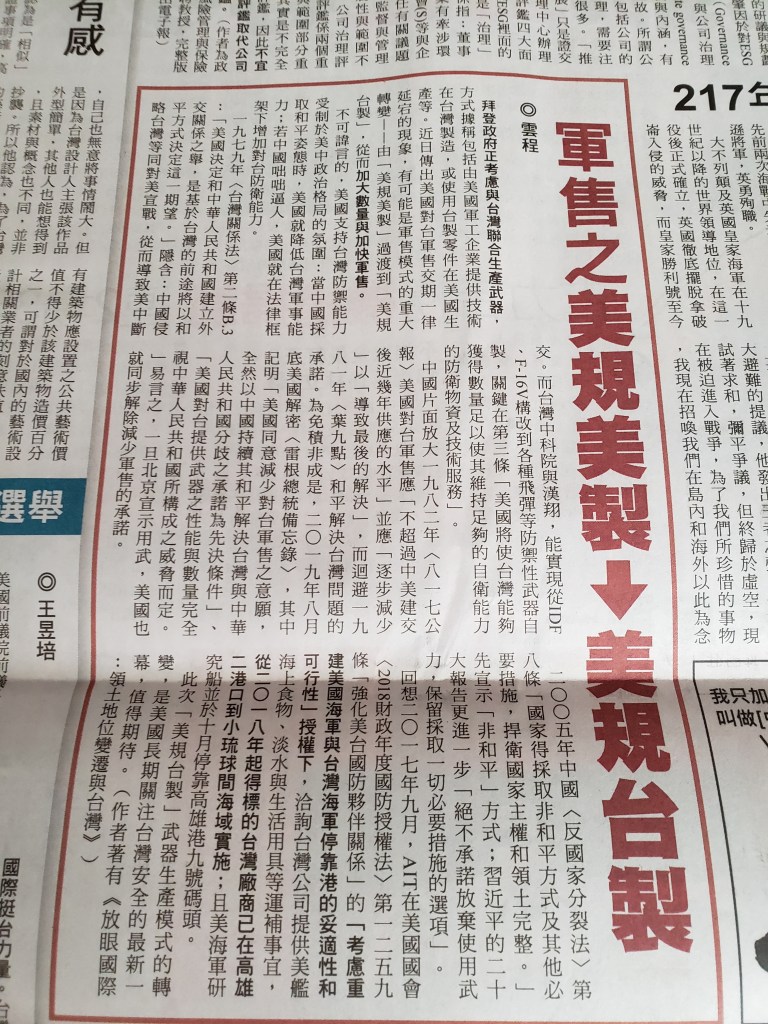
US mulls plan to produce arms with Taiwan: report – Taipei Times: Geostrategery and Taiwan Republic 台灣国 classrooms

The US government is considering a plan to jointly produce weapons with Taiwan, Japan’s Nikkei newspaper reported yesterday, citing three sources. Washington wants to step up production capacity for US-designed arms and speed up their transfer as part of a move to bolster deterrence against China, Nikkei reported. The report added that a person with direct knowledge of the US government’s deliberations said discussions had begun, while a different source said it was likely to take some time. Possibilities would include the US providing technology to produce weapons in Taiwan, or producing the weapons in the US using Taiwanese parts, the Nikkei added.

This is a fascinating ‘leak’ – or purposeful ‘official leak’. Is this to test reactions? Meant to sabotage further collaboration between the US and Taiwan Republic? Are arms producers on both sides jockeying for position?

The main idea makes strategic and tactical sense. And like most things in this realm, should have been done decades ago. But wouldhave couldhave shouldhave. Strategic in this being a substantive signal to the Chinese communists that the US and its democratic allies are serious about their ‘red line’ re: not allowing a Chinese communist war of annexation against Taiwan. Tactically, there are lower-level or specific weapon systems – Javelins and Stingers, HIMARS and AMRAAMs and Harpoons – where the US annual requirement would not be able to sustain a supply line that can meet Taiwan’s more acute needs. We have already seen examples of this in the Russian invasion of Ukraine – the US having to deplete its own stockpile while scouring warehouses globally to meet a medium-level intensity conflict. A Chinese communist invasion of Taiwan would deplete munitions at a far higher rate.

This is also another example of a sign of a long-needed normalization between the US, its democratic allies, and Taiwan – i.e., “US technology” used in “Taiwan weapons” have been going on for decades, with rumors and hints but no official confirmations. Whereas this is one of many recent moves signaling that both sides have moved away from the decades-long unhealthy self-imposed restrictions to behave as two democratic nations ought to behave. To repeat a simple but critical idea, however, the reaction to the China Threat must be systemic – arms coproduction must be linked with joint training and US assistance with upper-level Taiwanese military and intelligence reforms; just as the resistance to the Chinese communist threat must include economic, trade, technology, educational, cultural, agricultural, and other realms. 20.10.2022

© Taiwan in World History 台灣與世界歷史. This site grants open access for educational and not-for-profit use. Maps and illustrations are borrowed under educational and not-for-profit fair use. If you are the rights holder and prefer to not have your work shared, please email TaiwanWorldHistory (at) Gmail (dot) com and the content will be removed.
Leave a comment

Filed under Taiwan Republic

Taiwan National Day 2022 as art – this emerging Taiwanese national identity: Taiwan dispatch and Taiwan Republic 台灣国 classrooms

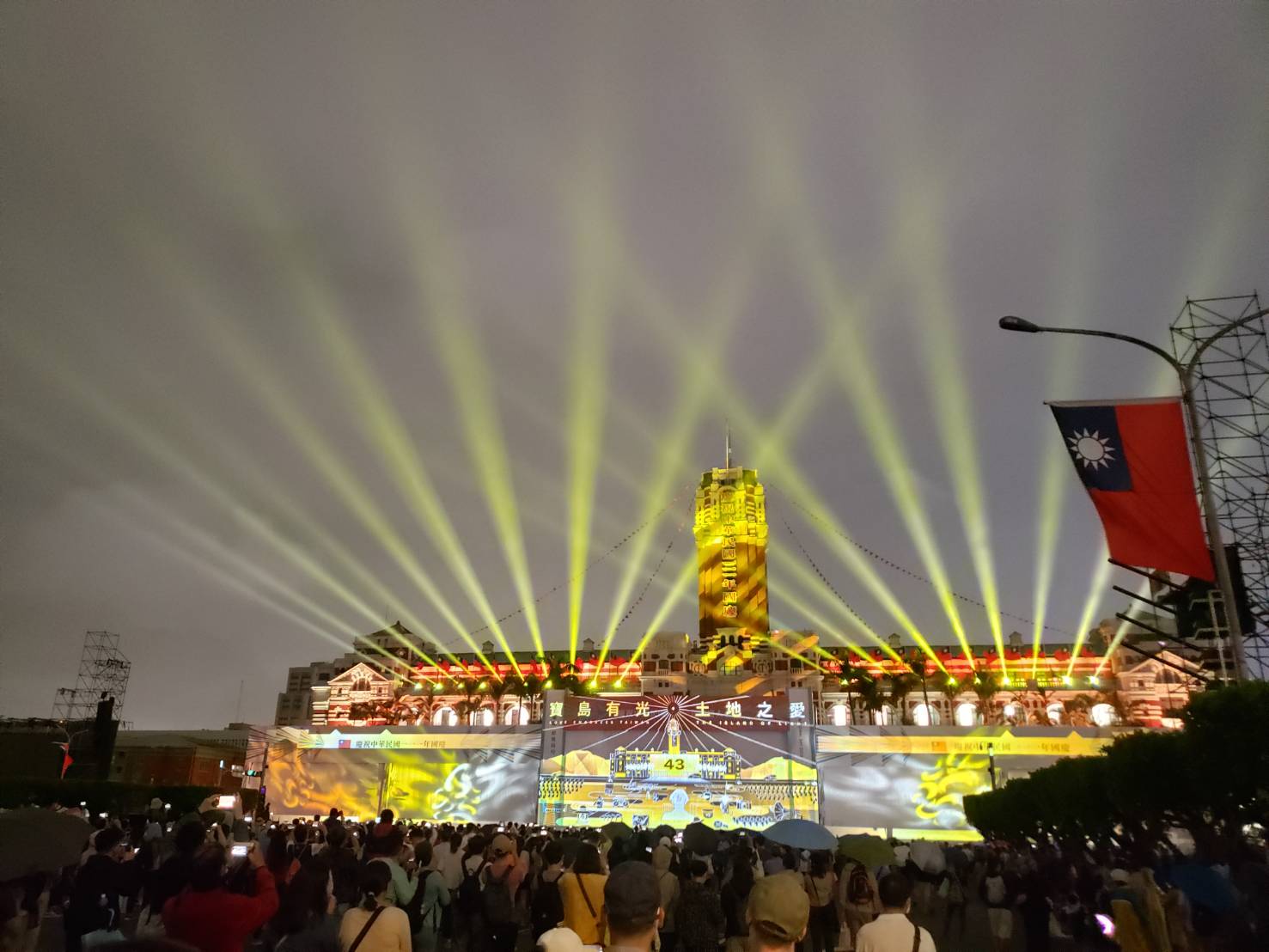
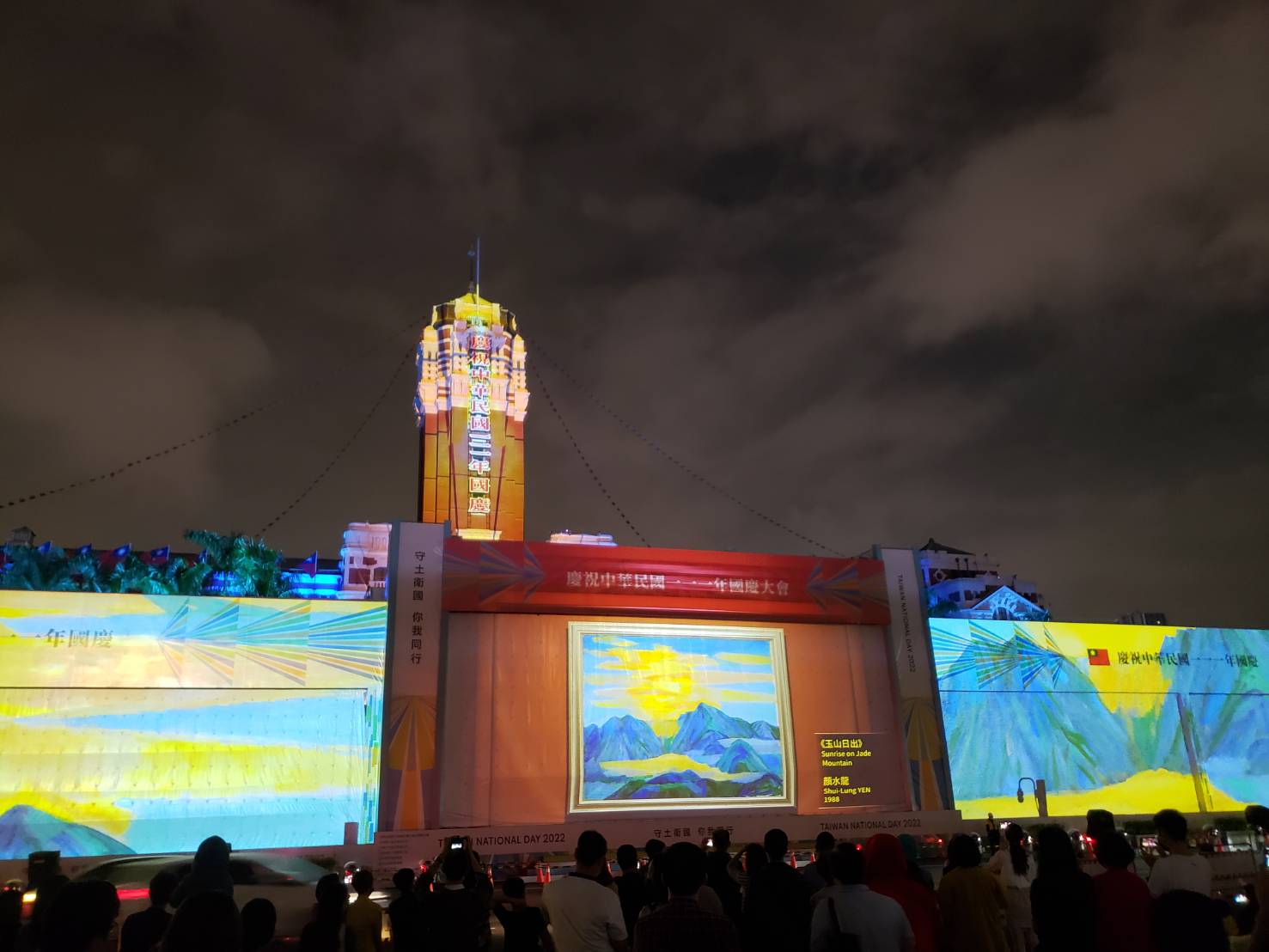
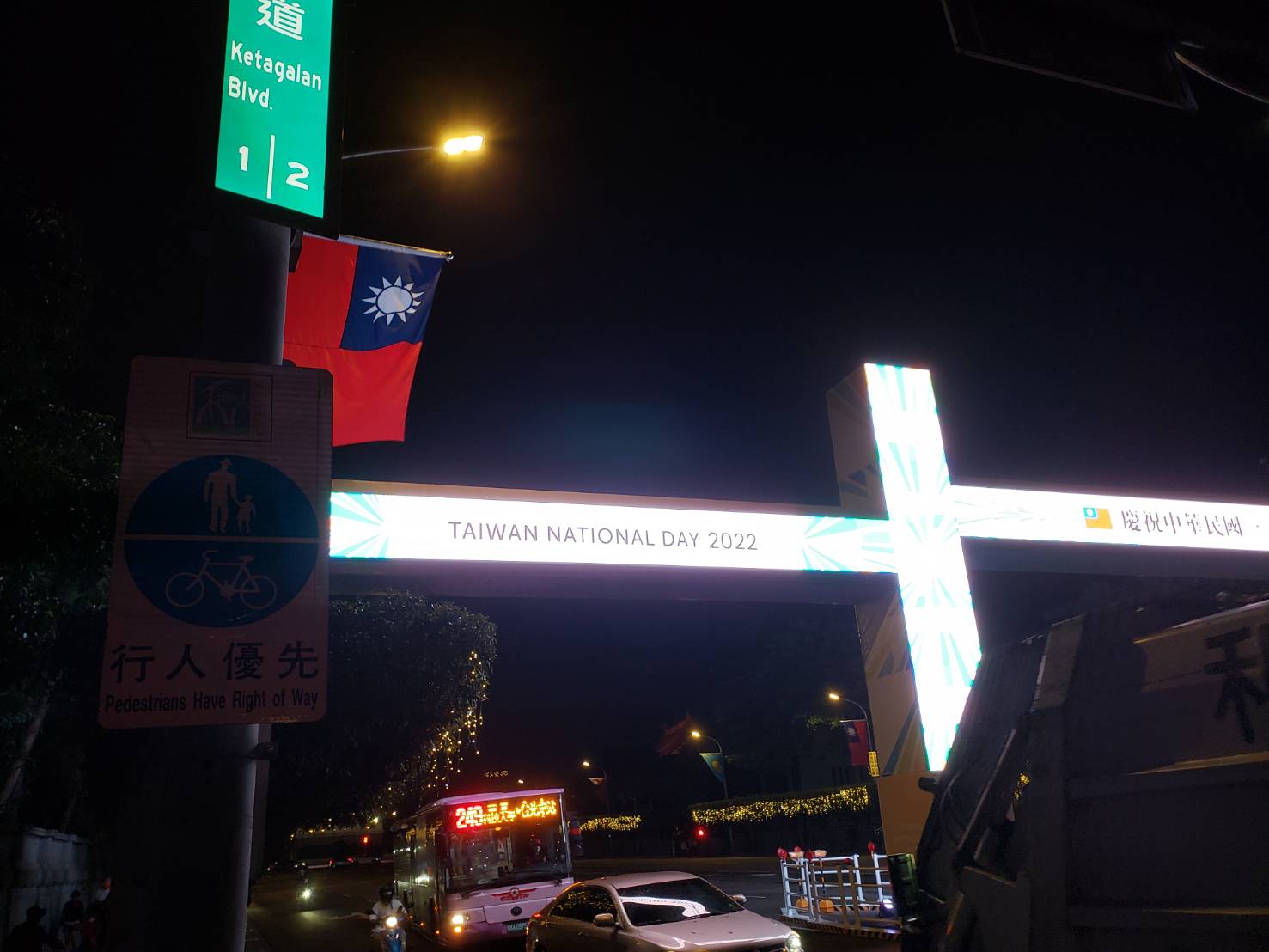
This emerging modern Taiwanese national identity. I took the subway (two convenient stops) to the Japanese Colonial Administration Building 臺灣總督府/Presidential Palace to see the “national” day laser show. I then walked around the palace and then walked home, less than half an hour, relatively safe (scooters notwithstanding, no guns, few muggings, etc.) This is probably the first time since I was ten, that I have shed a tear or had any feelings for this day. And it is in how President Tsai’s folks narrated the show, through Taiwanese artists, musicians, and filmmakers, melding home, family, and nation together — a Taiwan that belongs to the world — while opening that democratic space I have been writing about where more Taiwanese who immigrated before 1949, from 1945 to 1949, and after, could find democratic, peaceful common ground in this emerging Taiwanese nation. I have here the moment when the last painting of my favorite artist Chen Cheng-po of Taiwan Republic’s sacred Jade Mountain came on screen and my eyes teared up, he was murdered by the invading China KMT, and the show followed with this complex blend of people, ideas, and ways of telling this Taiwan story. Whatever differences we may have, this is where we were born, this is the soil that nurtured us, this is the nation we share, and this is where we will die. Or, as I wrote this morning, nationalism-patriotism without loving the human beings who share this land is meaningless. Nations are not about flags and names and constitutions and “history.” Many western and even many Asian/Taiwanese scholars are missing or ignoring the importance of this massive national identity engineering project of President Tsai. An impressive feat, taking the symbol of colonial administration, to Chinese KMT colonial occupation, and projecting diverse Taiwanese film and art and music and collective memory onto that symbol — in my own lifetime, I have witnessed that same building used by dictator Chiang Ching-Kuo extolling us to take back his fictionalized China, to this new emerging Taiwanese nation with democratic sovereignty. This relatively bloodless national revolution, decades in the making, marches on. Remarkable. May Taiwan Republic, democracy and human rights, full of art and music and good food, emerge from this process. 8.10.2022

© Taiwan in World History 台灣與世界歷史. This site grants open access for educational and not-for-profit use. Maps and illustrations are borrowed under educational and not-for-profit fair use. If you are the rights holder and prefer to not have your work shared, please email TaiwanWorldHistory (at) Gmail (dot) com and the content will be removed.
Leave a comment

Filed under Taiwan Republic